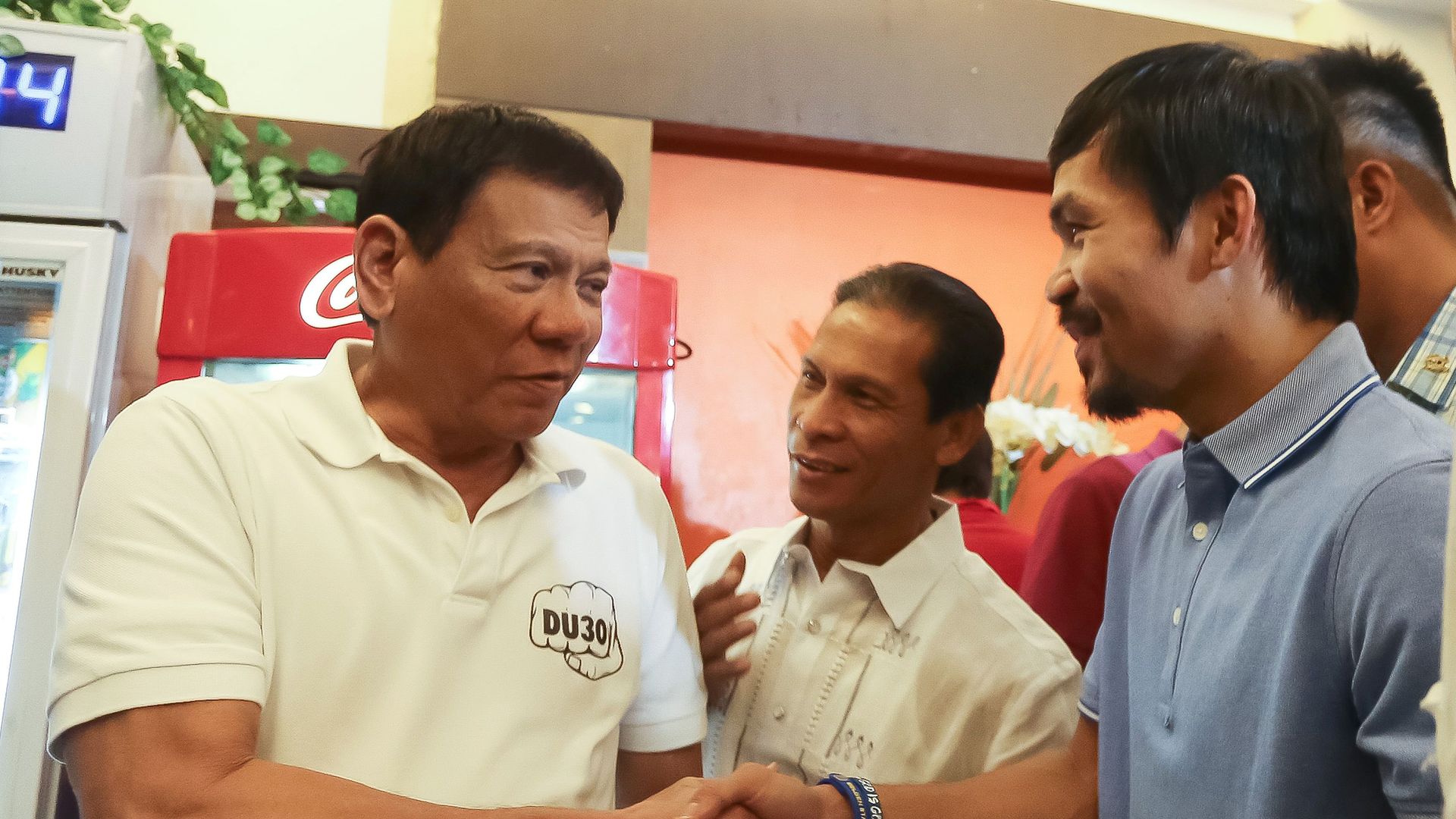
Manny Pacquiao the boxer is preparing to fight welterweight Errol Spence Jr. next month. But Pacquiao the Filipino senator is embroiled in a fight with President Rodrigo Duterte, an erstwhile ally, ahead of next year's presidential election.
Driving the news: Pacquiao was ousted as leader of Duterte's ruling party over the weekend after criticizing the strongman for cozying up to China and accusing his government of corruption.
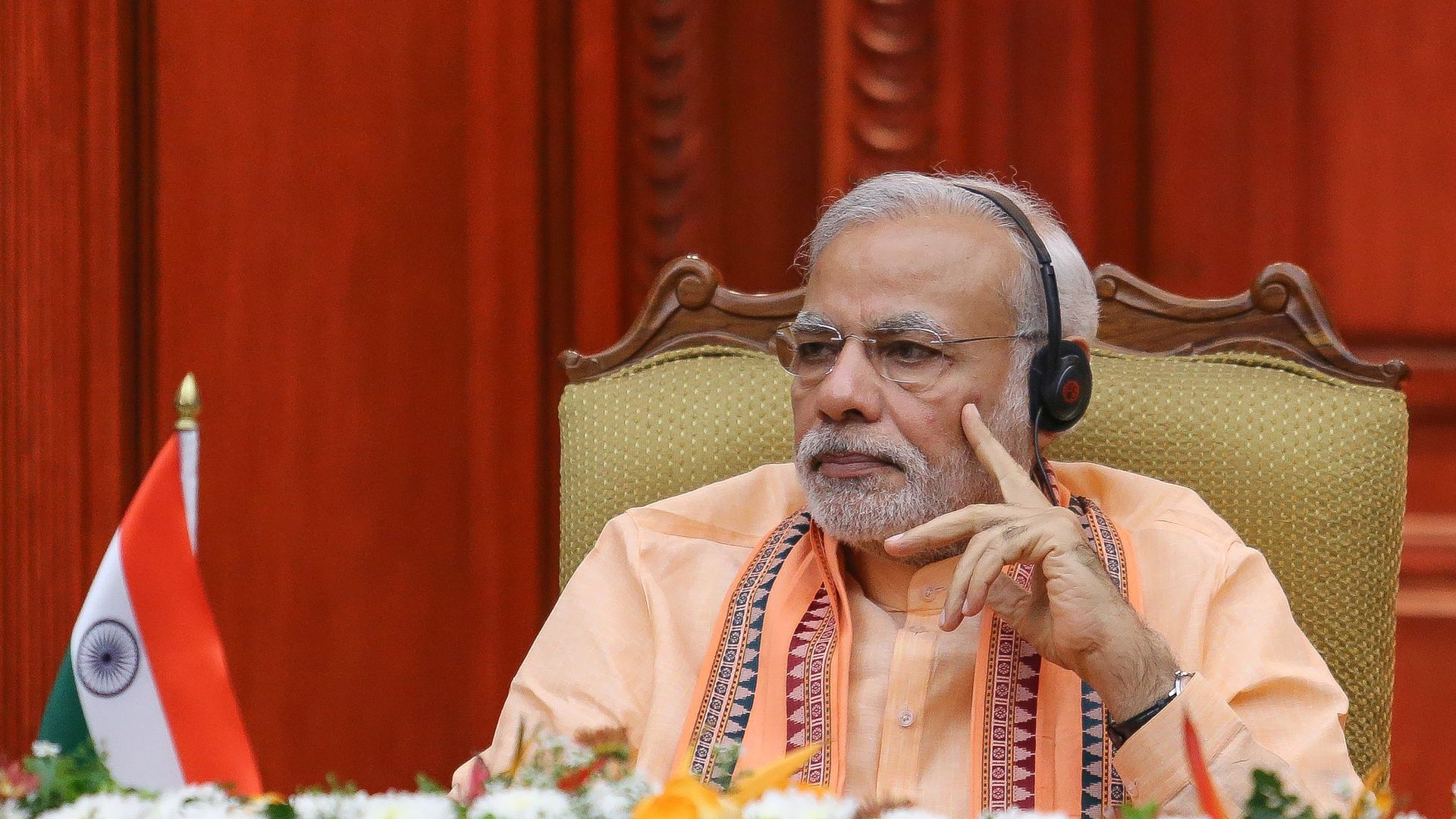
Indian tax authorities raided the offices of a leading Hindi-language newspaper on Thursday, in what government critics have denounced as yet another attempt to intimidate critical media outlets.
Driving the news: The raid came days after an international journalism consortium reported that Indian opposition politicians, activists and journalists were among those targeted with spyware from Israeli firm NSO.
Belarusian opposition leader Sviatlana Tsikhanouskaya asked top U.S. officials this week to be "braver" and "stronger" in challenging Aleksandr Lukashenko's regime, she told Axios in an interview on Wednesday.
Driving the news: Tsikhanouskaya met with officials including Secretary of State Tony Blinken and national security advisor Jake Sullivan, urging them to apply new sectoral sanctions and attempting to revive some international momentum nearly a year after massive protests first broke out in Belarus.
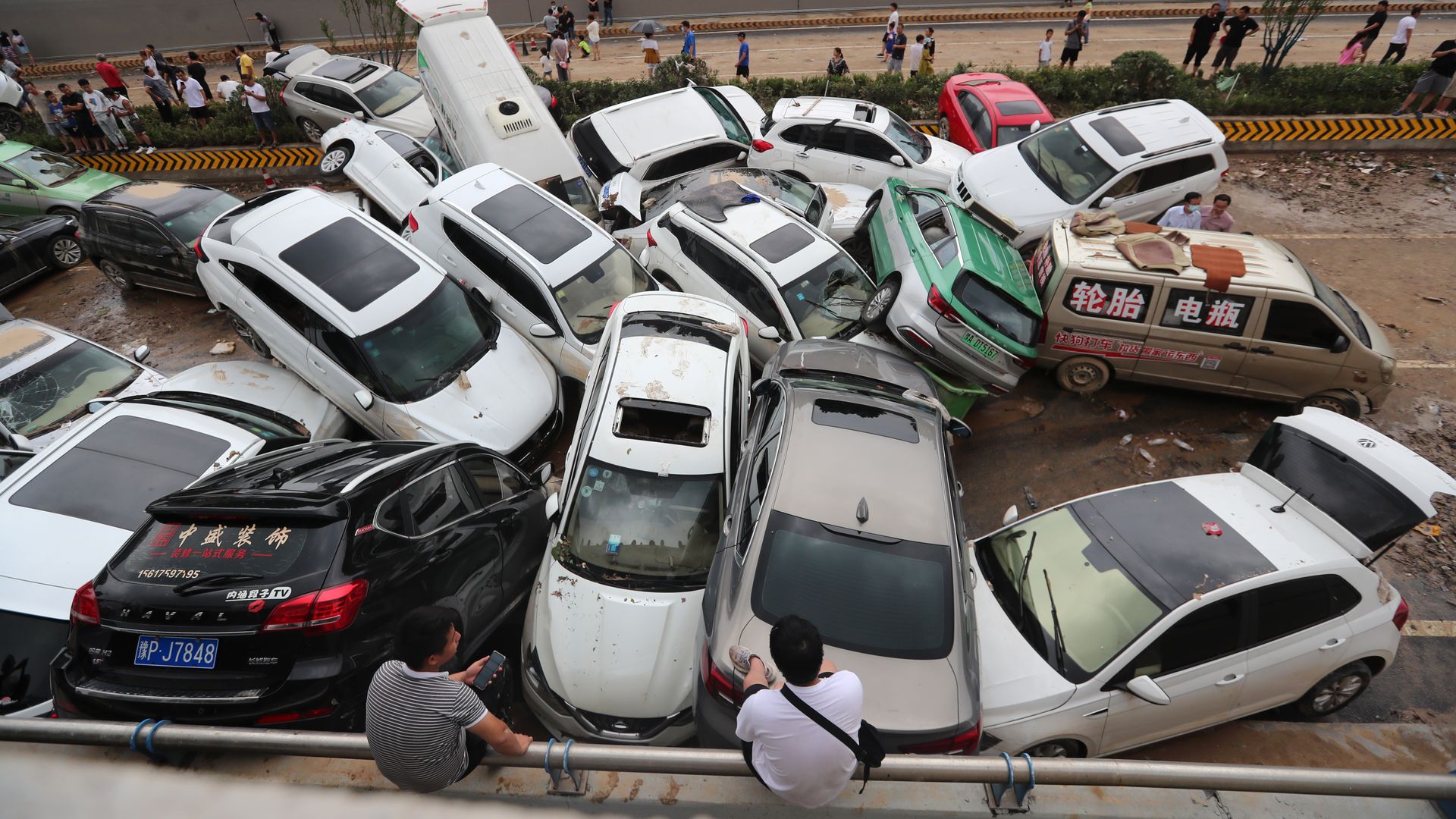
Flooding from torrential rain in China's Henan province has killed at least 33 people this week and eight more remain missing, according to CNN.
The big picture: Flooding has displaced hundreds of thousands of people and led to at least 1.22 billion yuan (around $190 million) in damage across the province, which is home to more than 99 million people.
Italy will require people to show proof of their COVID-19 vaccination status or a recent negative coronavirus test to participate in select social activities, the New York Times reports.
Why it matters: Italy has seen a spike in infections driven by the Delta variant, reporting 5,057 new coronavirus infections Thursday, compared to the 4,259 the day before.
AI is speeding up thediscovery of the structure of proteins that drive biological processes across organisms.
Why it matters: If researchers can predict what shape a protein will take, they can better understand how it works — and potentially target medicines for proteins that cause disease or create antibiotics that can disable resistant bacteria's proteins.
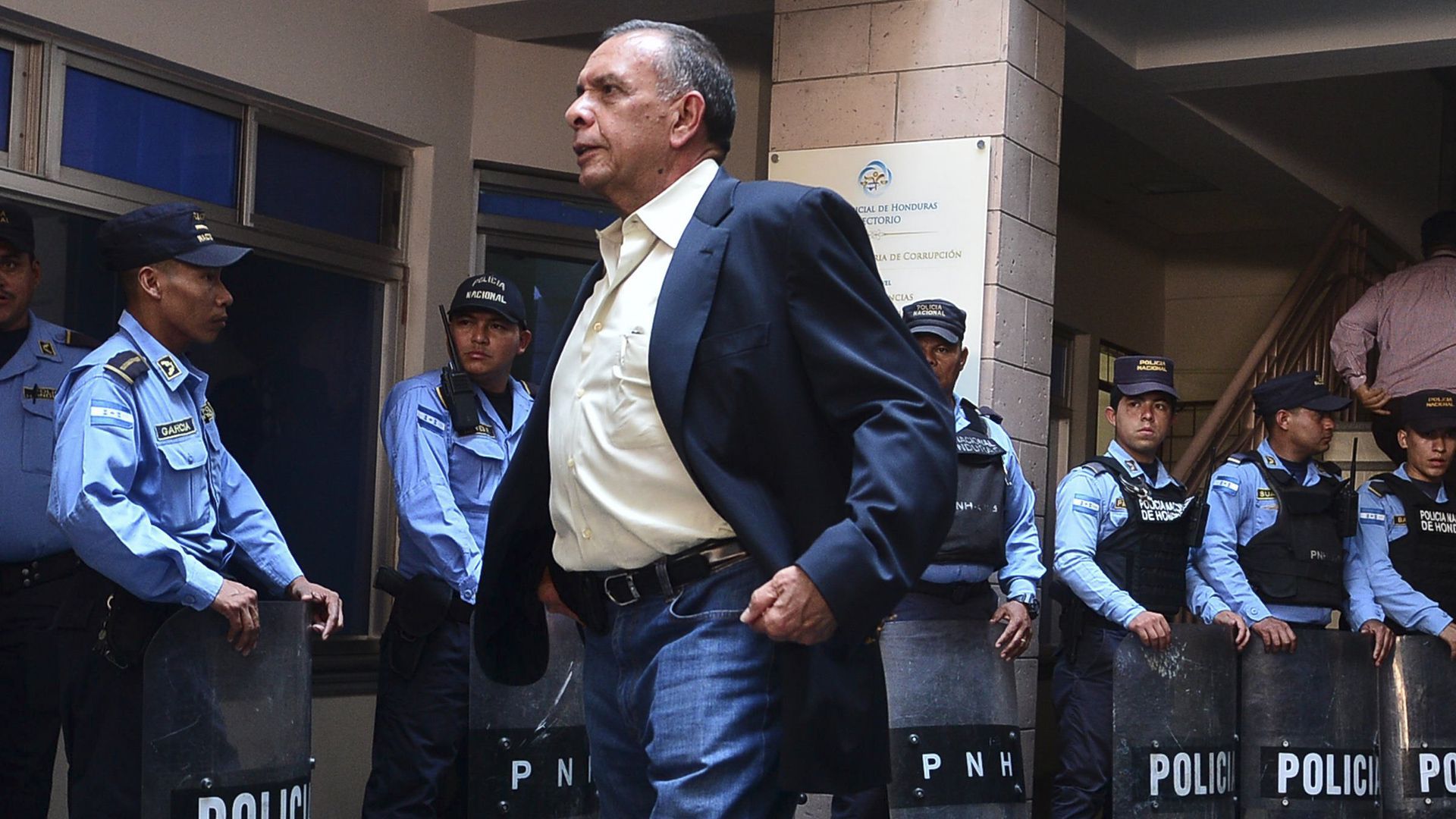
The U.S. has increased its sanctions against Porfirio Lobo Sosa, the Honduran president from 2010 and 2014, with a travel ban against him and his family over allegations that he took bribes from drug traffickers.
Why it matters: Lobo was one of 50 Central American officials included in the Engel List, which named those suspected of criminal activity, including corruption. Further sanctions against others are expected.
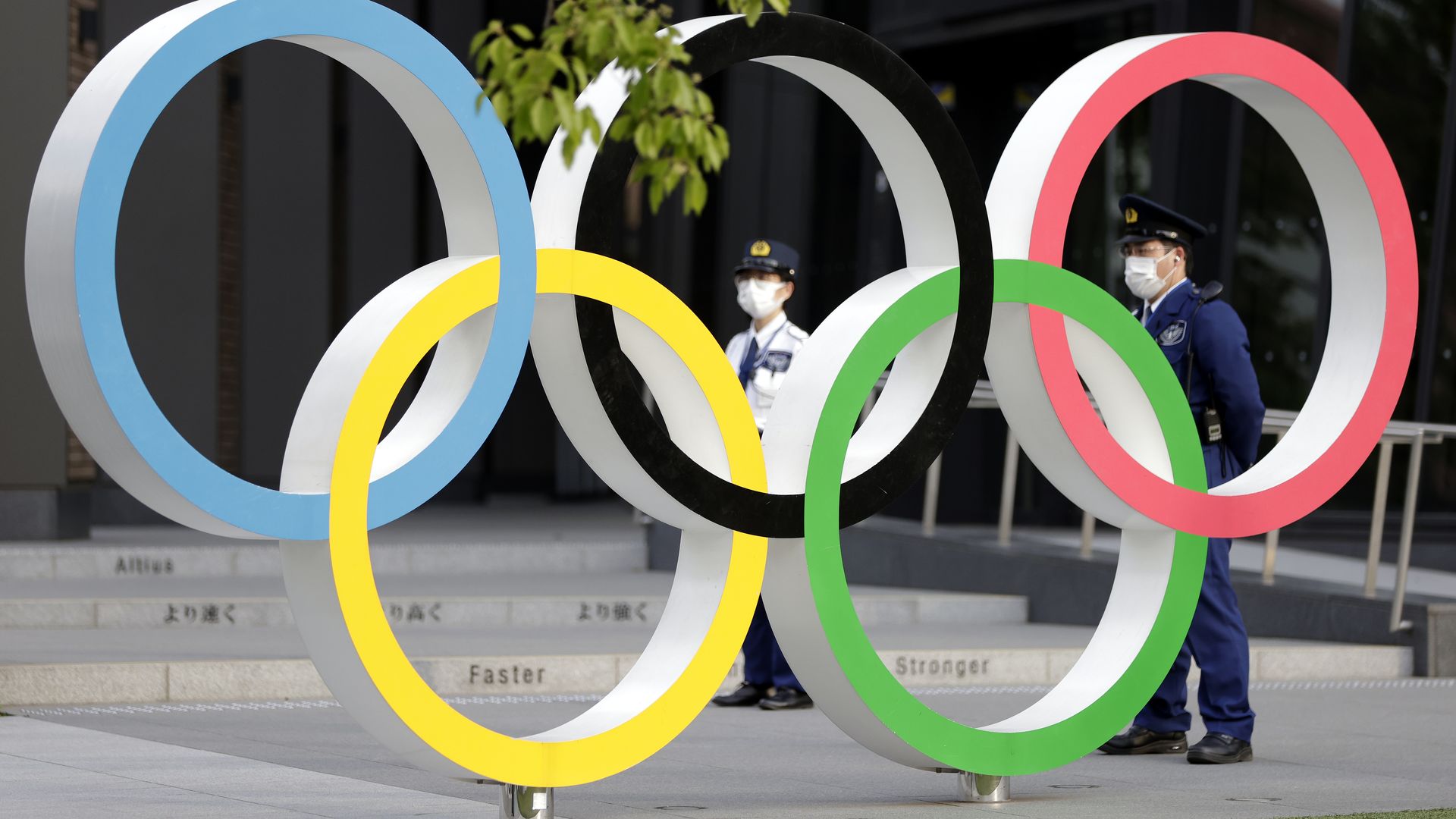
Guinea’s sports ministry reversed its decision to withdraw from the Tokyo Olympics Thursday and will send a delegation after all, the AP reports.
Why it matters: The reversal comes just a day after the country announced it had canceled its participation in this year’s Games as a precaution to the recent surge of COVID-19 variants.
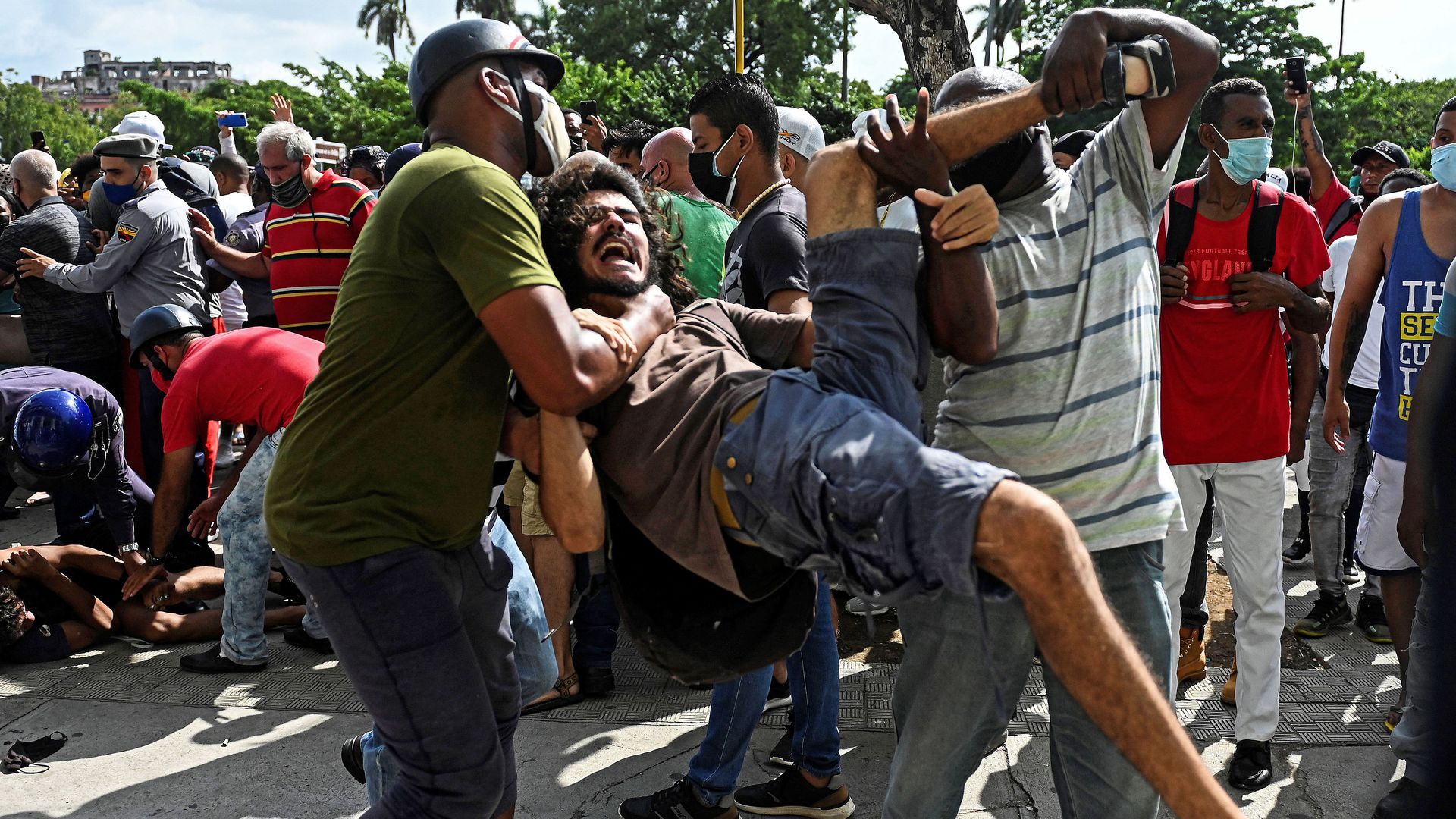
The Cuban regime is conducting summary trials in which up to 30 people are convicted at a time for participating in the recent mass protests, an international organization of jurists warns.
Details: The hearings are being carried out without lawyers present and without the accused even knowing what the charges are against them, per the group Cuban Prisoner’s Defenders.
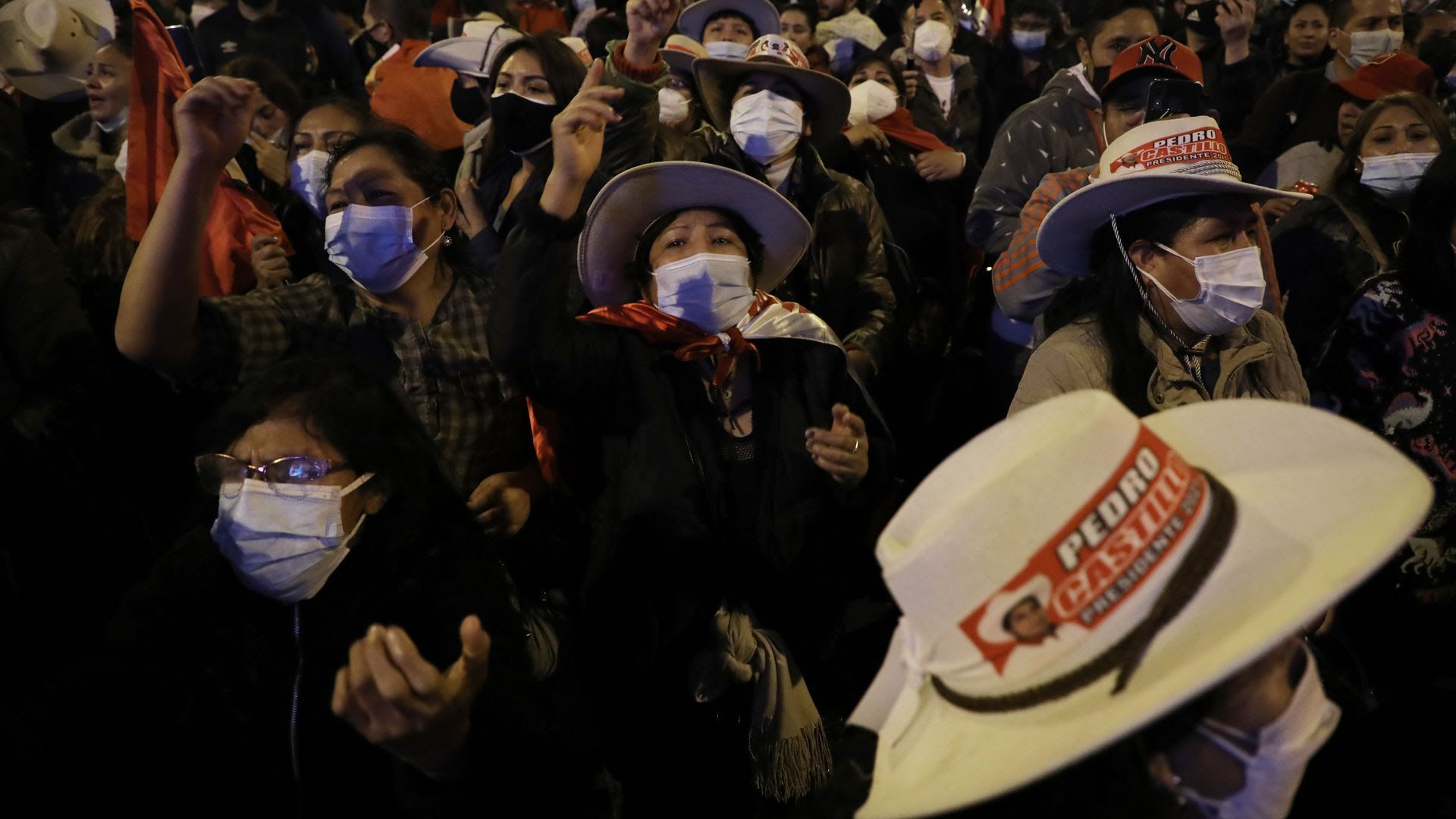
Teacher Pedro Castillo was finally confirmed as the winner of Peru’s June 6 elections after a drawn-out battle with his rival Keiko Fujimori, who alleged fraud. But the greatest challenges are the ones to come.
What’s happening: Peru faces concurrent crises from having the world’s highest coronavirus death rate per capita, the pandemic plunging a third of the population into poverty, and long-standing distrust in political institutions.
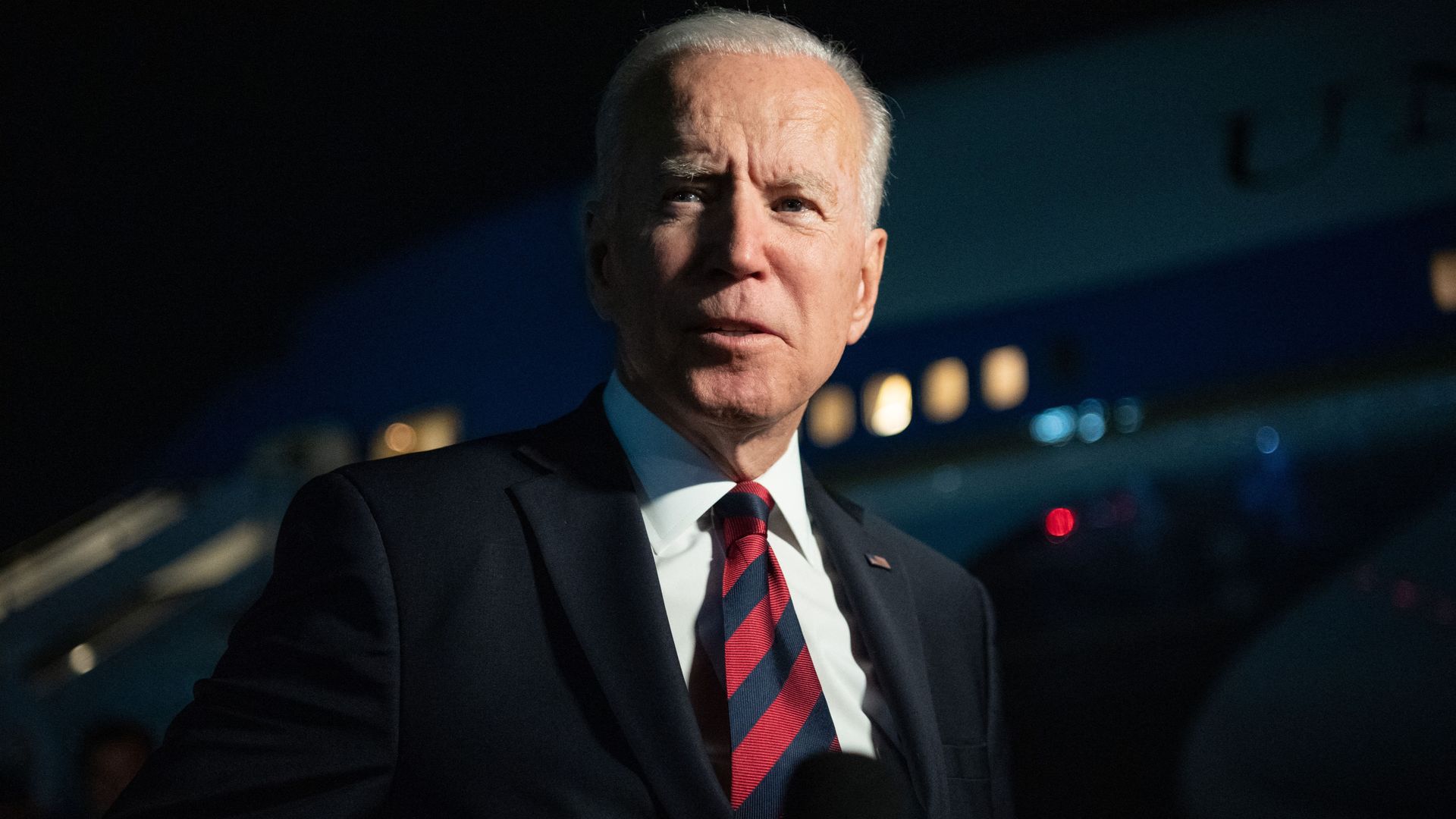
The Biden administration on Thursday imposed new sanctions against Cuban officials and entities allegedly responsible for human rights abuses during the government's crackdown on island-wide protests earlier this month.
Why it matters: The sanctions are Biden's first significant policy response to the crackdown by authorities during unrest in Cuba over widespread food and medicine shortages. The announcement came amid calls from Congress and Cuban Americans to increase pressure on the Communist government in support of the protesters.
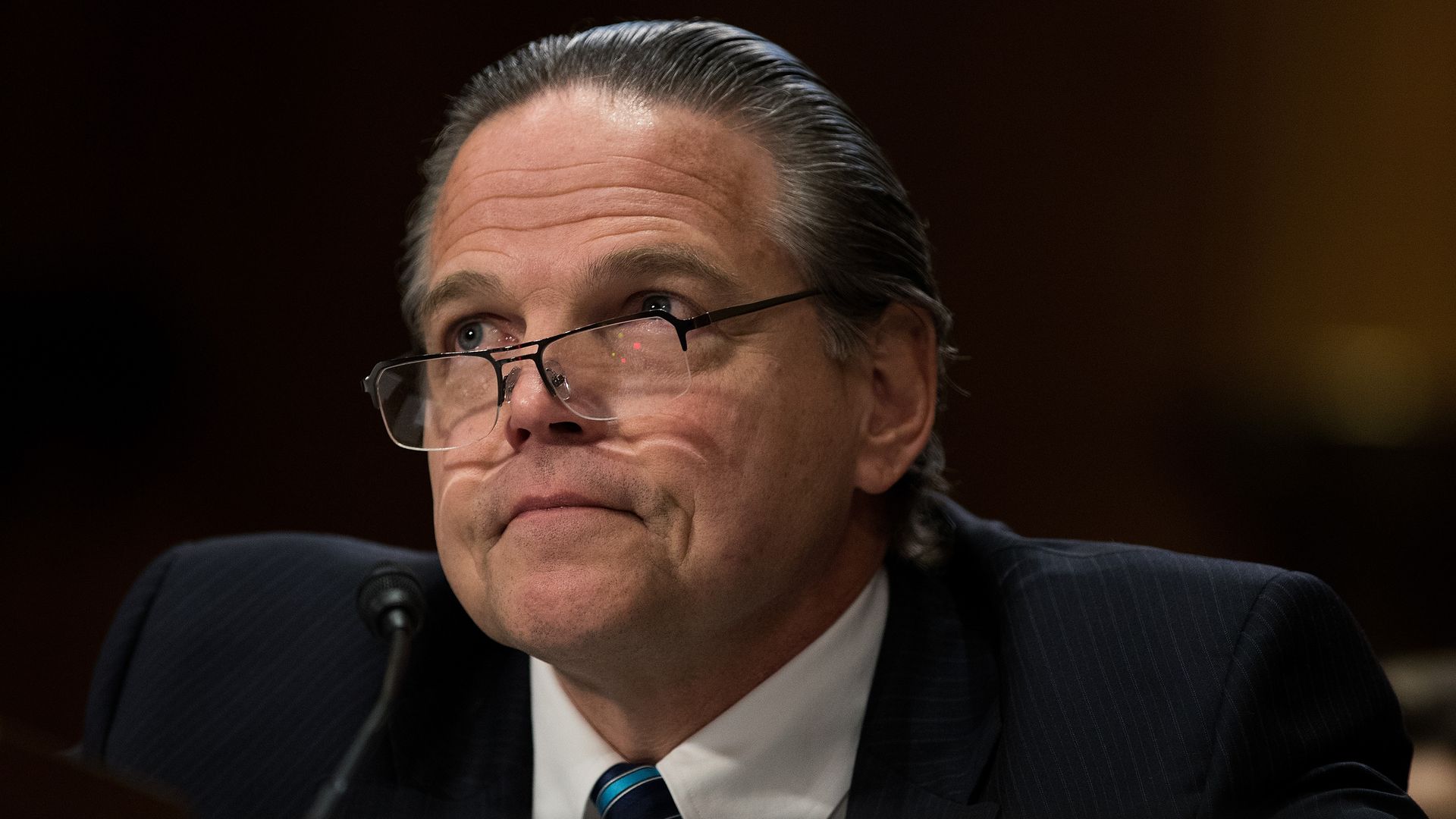
The State Department on Thursday announced the appointment of Daniel Foote as special envoy to Haiti, as the country deals with the fallout of the assassination of President Jovenel Moïse.
Driving the news: Foote, a career diplomat, will work to "facilitate long-term peace and stability and support efforts to hold free and fair presidential and legislative elections,” said State Department spokesperson Ned Price in a statement.
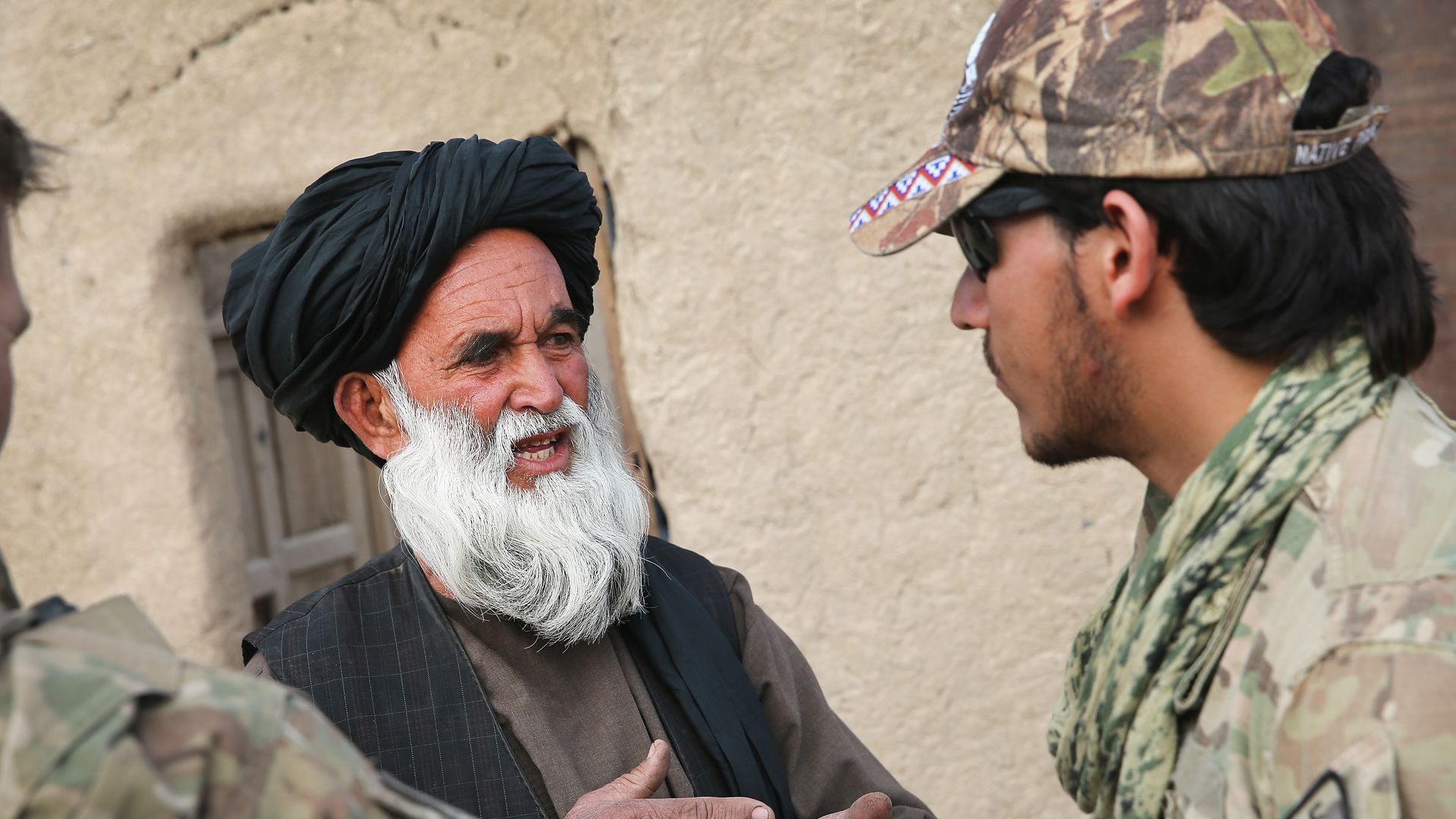
The House on Thursday voted to expand a visa program that would allow more Afghans who helped the U.S. military quickly immigrate to the United States, the New York Times reports.
Why it matters: Last month, the Biden administration made plans to evacuate many of the Afghans who worked with the U.S. military before completing the troop withdrawal from Afghanistan. These individuals and their families face threats of retaliation from the Taliban because of their service to the U.S. military.
Israeli cybersecurity company NSO Group has become a pernicious version of Steve Urkel, never acknowledging the calamity that its software seems to cause. Unlike the old TGIF character, however, NSO's consequences are very real and enabled by private equity.
Driving the news: An international journalistic consortium, in partnership with Amnesty International, this week reported that a piece of NSO software, called Pegasus, was used by used by governments to spy on journalists, lawyers, human rights activists and world leaders.
Supermarkets and wholesalers in the U.K. are beginning to face shortages after the government's official health app told hundreds of thousands of workers to self-isolate after contact with someone with COVID-19, Reuters reports.
Why it matters: The "pingdemic" disruptions pose a new challenge to the highly vaccinated U.K., which is reporting more than 50,000 new COVID-19 cases per day as the Delta variant tears through the country.
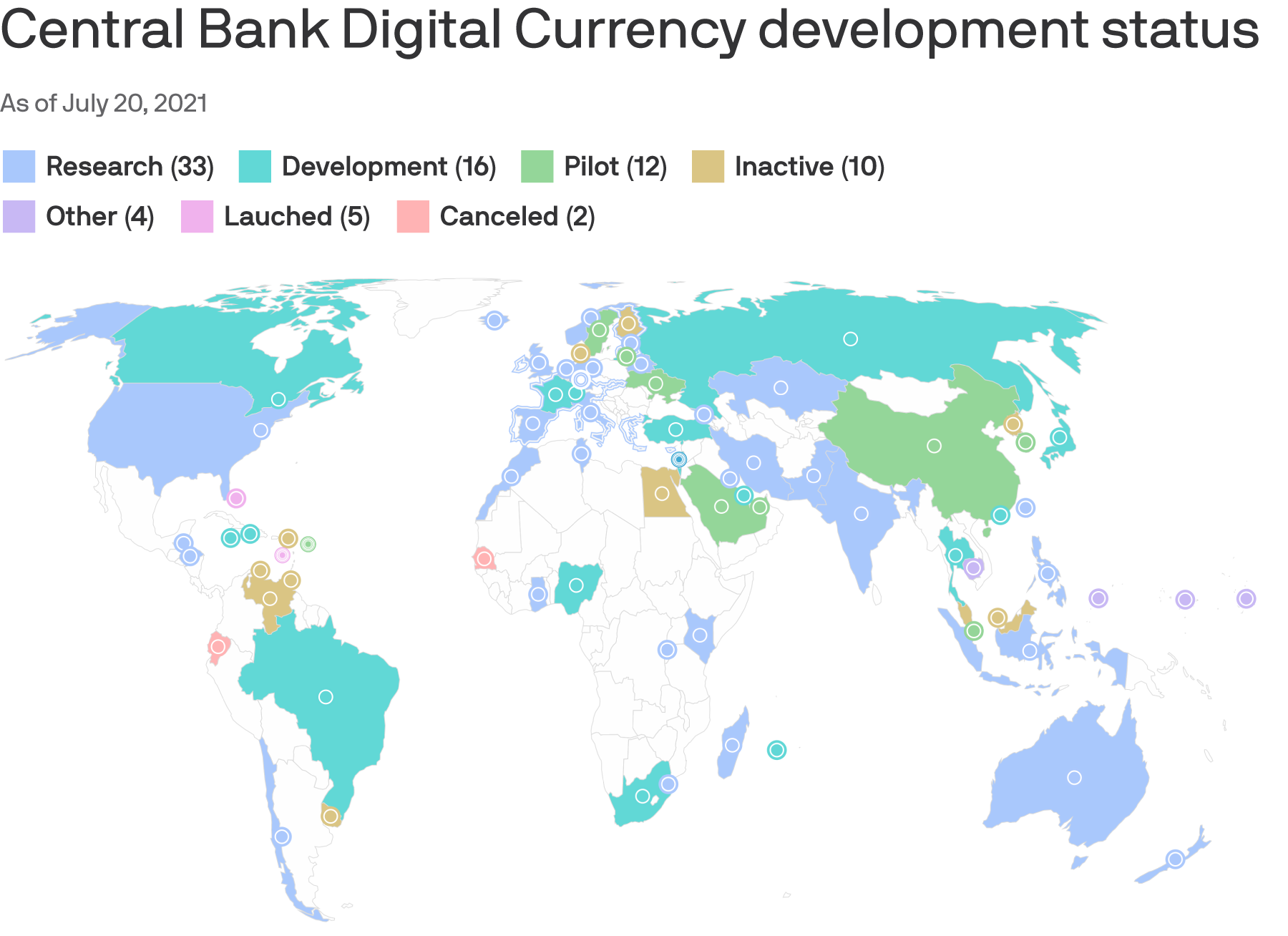
Central bankdigital currency (CBDC) is probably not top of mind for most global consumers. But we may soon have no choice but to think about it — since 81 countries, representing over 90% of global GDP, are now exploring the development of one.
Why it matters: The U.S. lags much of the world. It could miss out on the opportunity to take a leadership role in an increasingly likely global transition to some form of digital currencies.
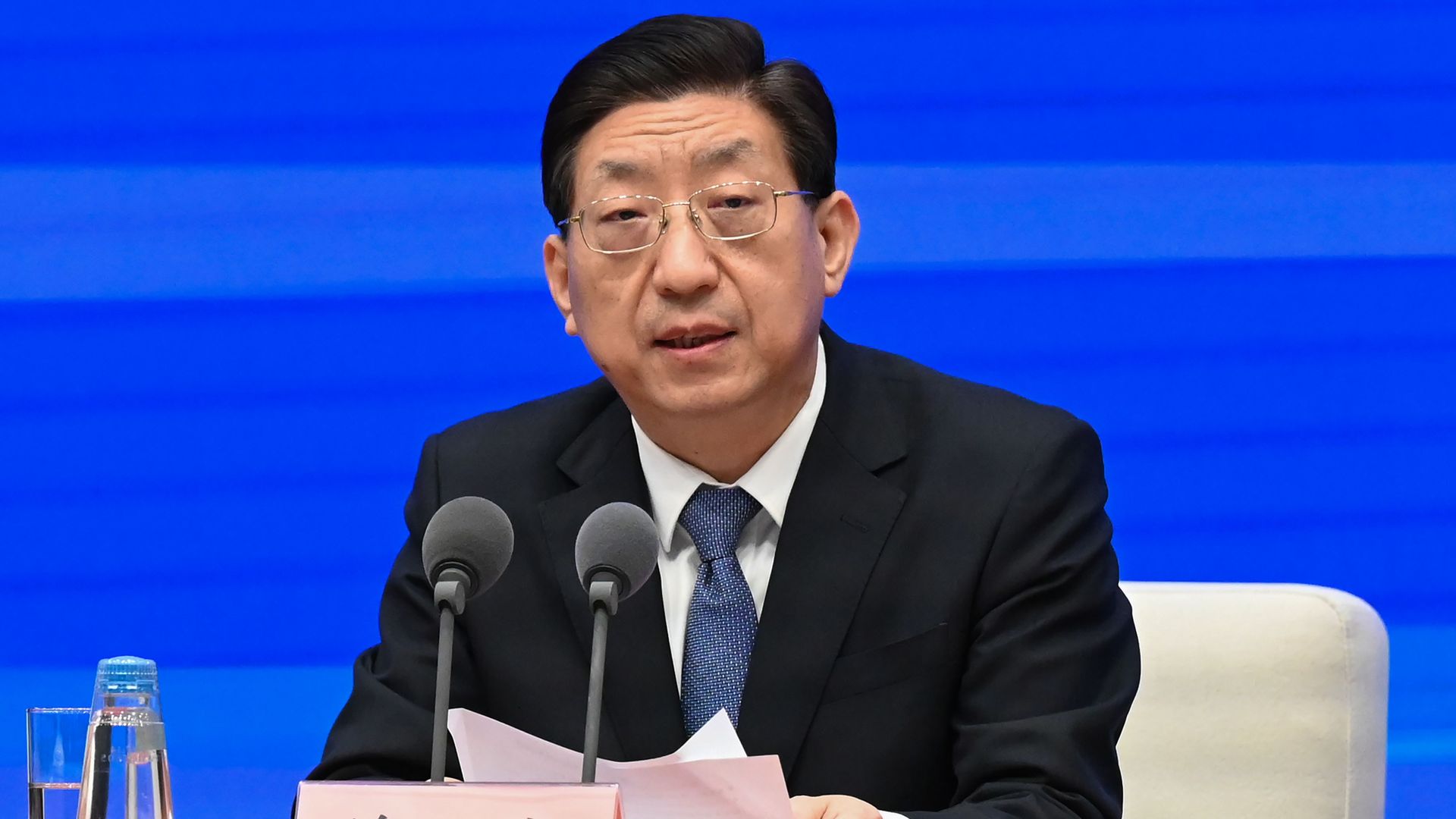
A top Chinese health official said Thursday the government doesn't accept World Health Organization plans for a follow-up investigation into COVID-19's origins — labeling a theory that it started from a laboratory leak a "rumor," per AP.
Why it matters: National Health Commission Vice Minister Zeng Yixin's comments come days after WHO Director-General Tedros Adhanom Ghebreyesus said it was "too early" to rule out the lab leak theory and proposed a second phase of study into the virus' origins.
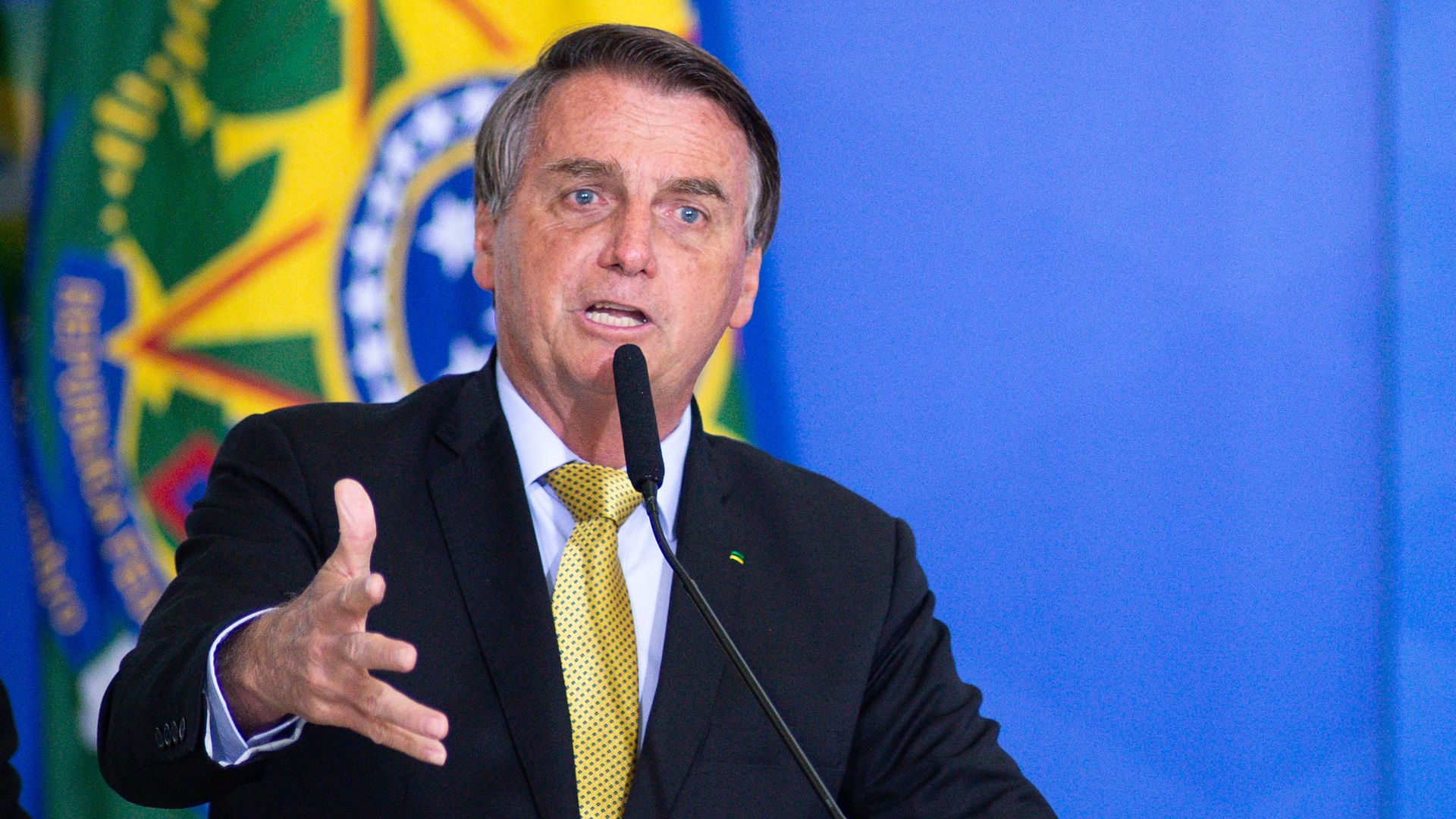
YouTube removed videos from Brazilian President Jair Bolsonaro's channel Wednesday for spreading pandemic misinformation, the tech giant said.
Driving the news: YouTube said a "careful review" found rule breaches concerning incorrect comments about face masks and hydroxychloroquine, which is proven to not work as a COVID-19 treatment, per a statement to news outlets.
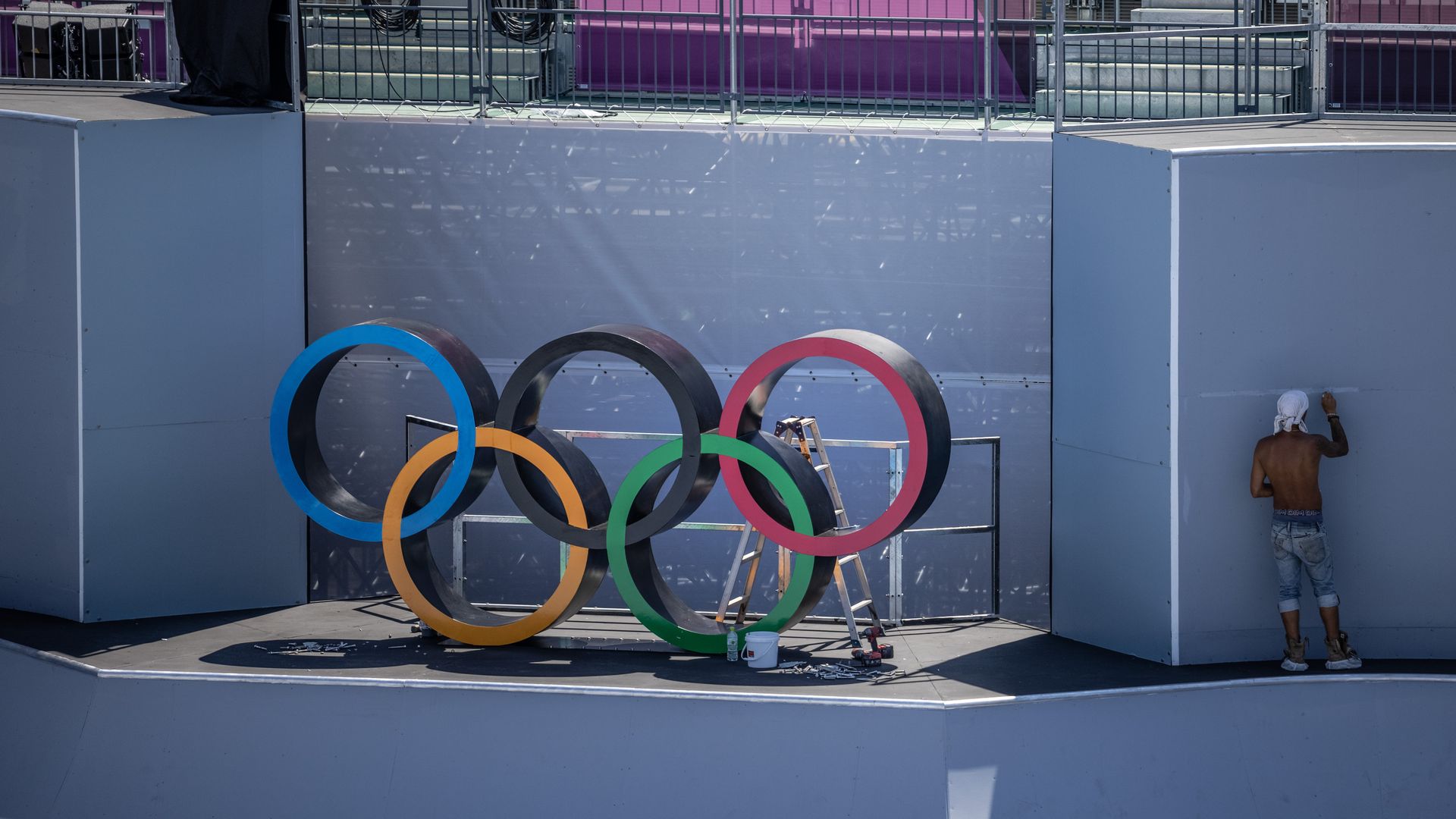
The director of the Games' opening ceremony was fired Thursday over his past comments about the Holocaust during a comedy performance, the Tokyo Olympic Organizing Committee announced.
Why it matters: Kentaro Kobayashi's removal came a day before the opening ceremony of the pandemic-delayed Tokyo Games was due to start. Organizing committee president Seiko Hashimoto said at a news conference Thursday, "How we're going to handle the ceremony is currently being discussed."
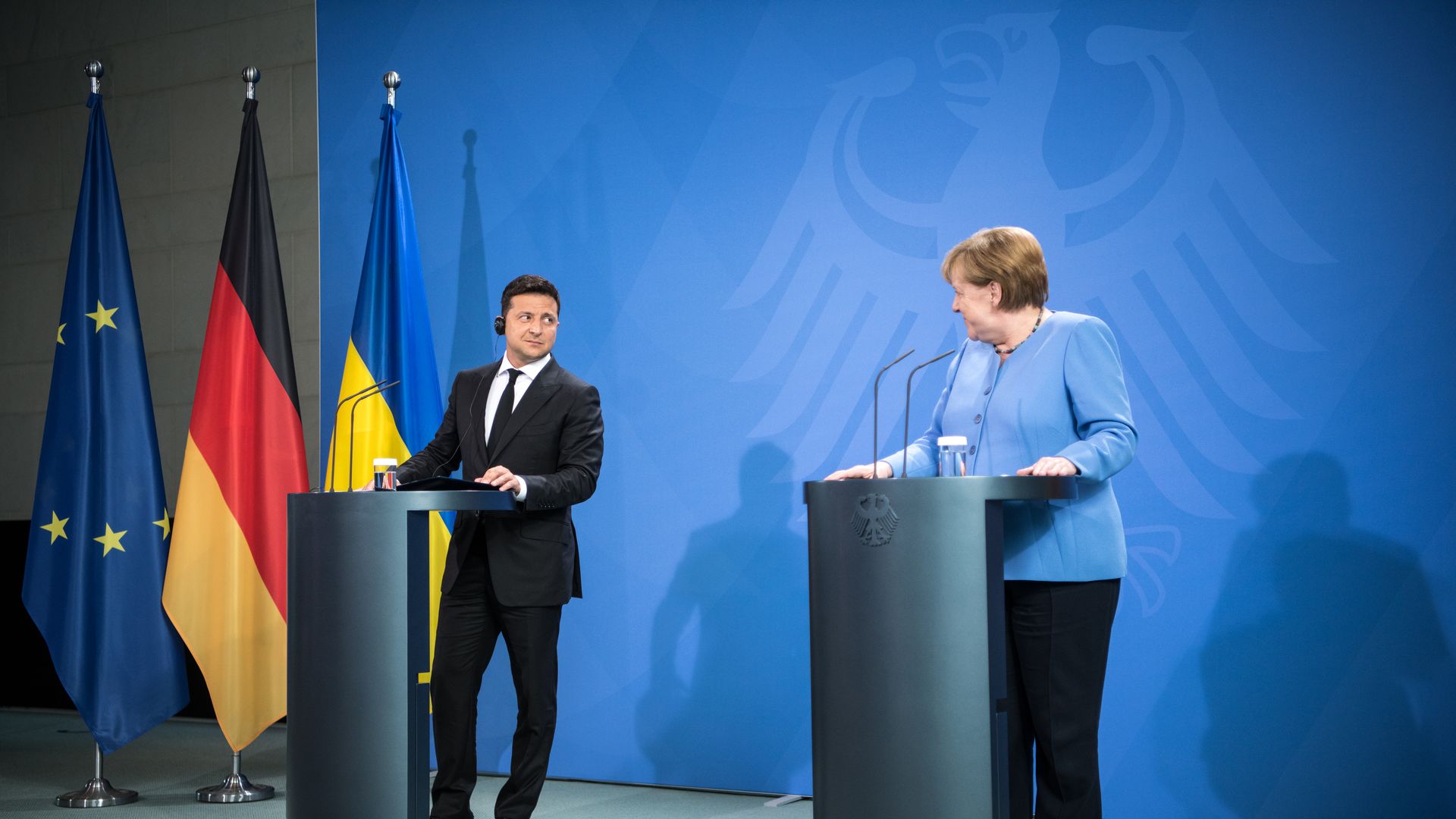
Almost nobody is happy with the U.S.-Germany deal on the Nord Stream 2 pipeline. On the Hill, Republicans like Sen. Ted Cruz expressed outrage and Democrats like Sen. Tim Kaine voiced concern. In Europe, the Ukrainians feel bullied and the Poles disappointed.
The big picture: Ukraine and U.S. allies on the eastern flank of NATO argue the pipeline will make it easier for Moscow to isolate Kyiv and pressure Europe. They say the U.S.-Germany deal doesn't sufficiently address those concerns.