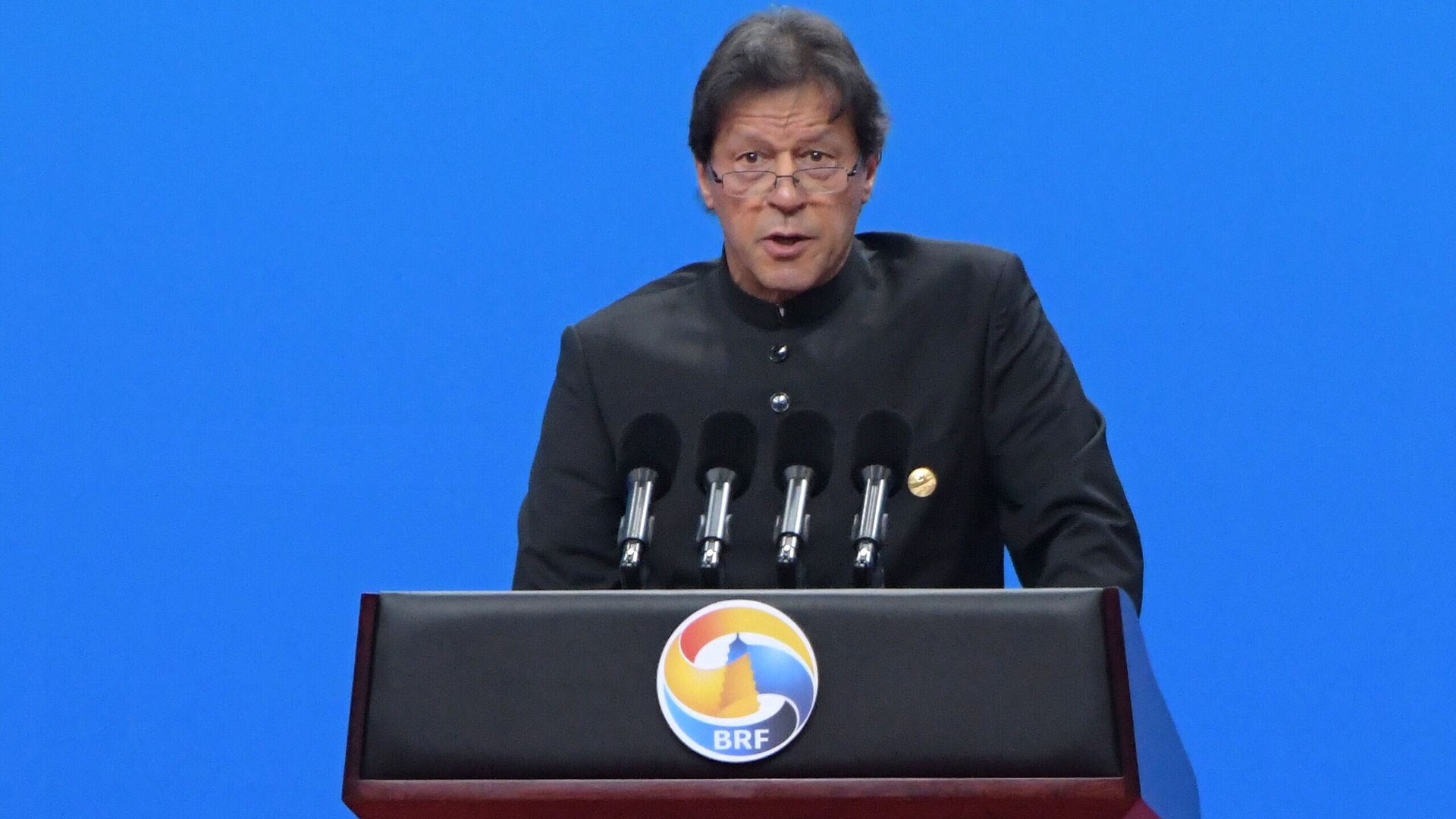
Pakistan reached a preliminary agreement with the International Monetary Fund for $6 billion in support over 3 years — a much-needed infusion as the country aims to buttress foreign reserves and forestall an economic crisis.
The big picture: For decades, Pakistan's government has prioritized military investments over development, yielding a thriving nuclear weapons and ballistic missile program but declining economic competitiveness. Its performance in this latest IMF program will establish whether Prime Minister Imran Khan renews the country's Faustian bargain or becomes the change agent he has claimed to be.
Fears are growing that bluster between the U.S. and Iran might explode into war.
The latest: The U.S. has evacuated non-essential personnel from its embassy in Iraq, and Iran’s Islamic Revolutionary Guard Corps warned "we are on the cusp of full-scale confrontation."
At a special meeting on U.S.-Iran tensions with Israel's intelligence chiefs and top military brass, Prime Minister Benjamin Netanyahu said Israel would make every effort not to get dragged into the escalation in the Gulf and would not interfere directly in the situation, Israeli officials tell me.
The backdrop: Israel was one of the main sources of intelligence on alleged Iranian plots against the U.S. and its allies in the region. The U.S. has spread the alarm about such threats and deployed additional military assets. Secretary of State Mike Pompeo spoke on the phone earlier this week with Netanyahu to coordinate their responses to rising U.S.-Iran tensions, the officials say.
Pakistani authorities have arrested more than two dozen Chinese nationals involved in allegedly selling Pakistani women into forced marriages in China.
Why it matters: Human rights groups have documented numerous cases of women sold to Chinese men struggling to find wives due in part to the gender imbalance in the country.
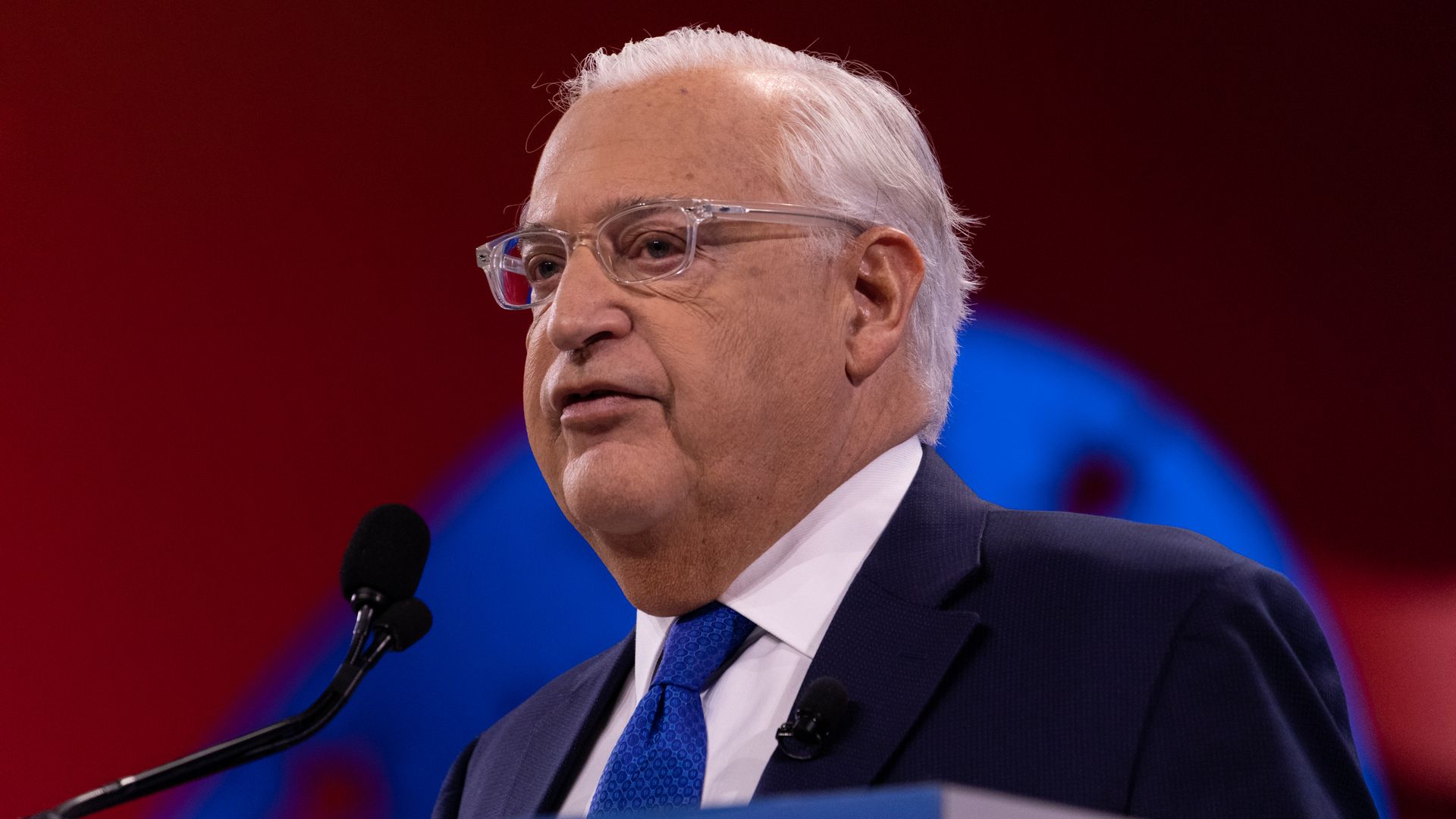
U.S. ambassador to Israel David Friedman said the country is gaining strength in part because "Israel is on the side of God," the New York Times reports.
The big picture: The Trump administration has ratcheted up policy and rhetoric in support of Israel by recognizing Israeli sovereignty over the Golan Heights, moving the U.S. embassy from Tel Aviv to Jerusalem, and eliminating the U.S. Consulate General in Jerusalem. Friedman has played a major role in creating Trump's promised proposal regarding the Israeli-Palestinian conflict.
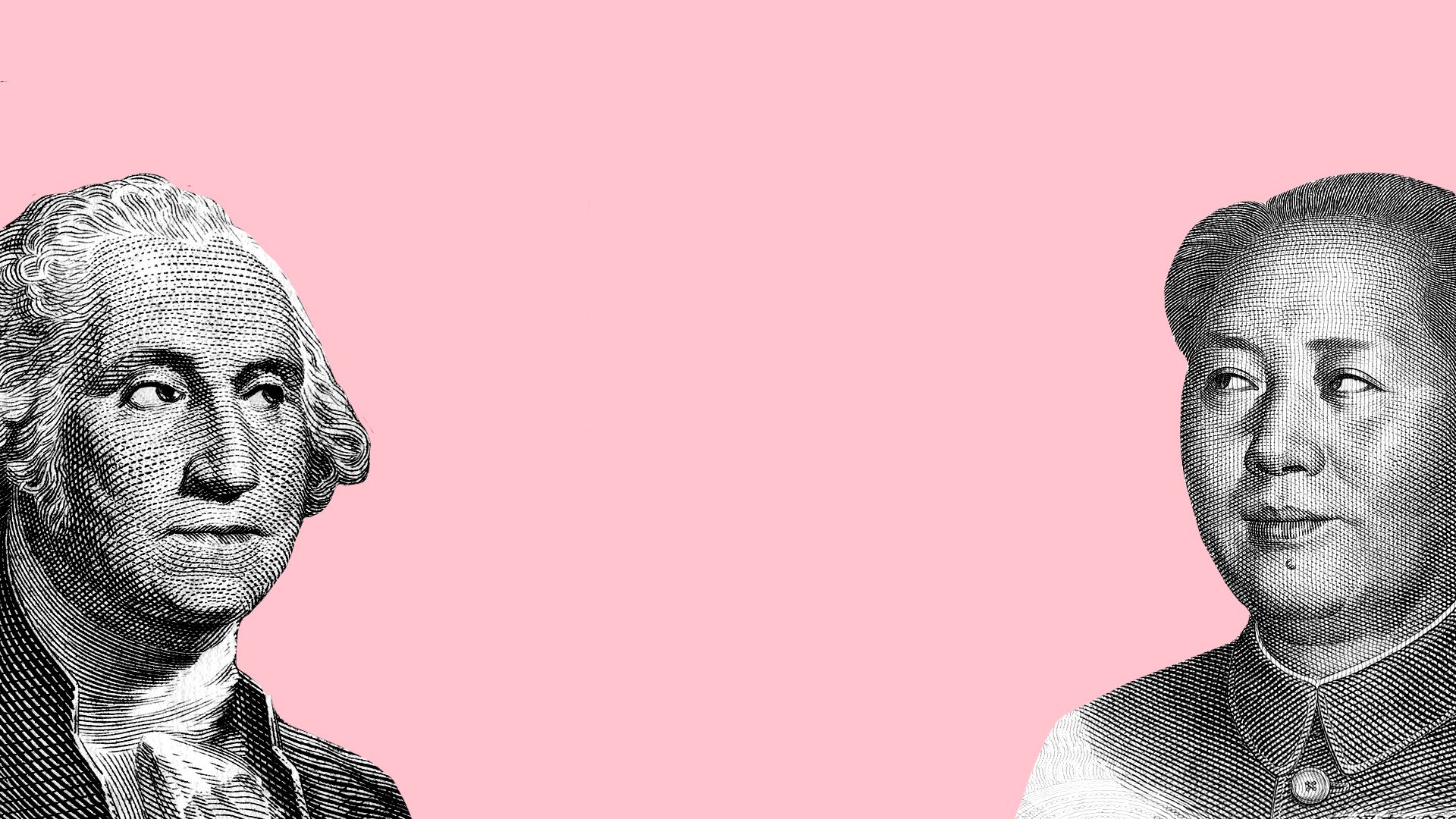
When President Trump began threatening China with tariffs, the Chinese initially played the role of obsequious couriers in an effort to avoid a head-on conflict. But since raising tariffs to 25% on their goods, China has reversed course and is making clear its intent to take the conflict with the U.S. to the proverbial mattresses.
The state of play: In a commentary published last week on its WeChat account, China's state-owned People's Daily warned the U.S. to "not even think about" concessions.
The U.S. State Department ordered "non-emergency government employees" to leave Iraq as soon as possible, the U.S. Embassy in Baghdad said in a statement Wednesday.
Details: The move comes after Iran's supreme leader, Ayatollah Ali Khamenei, said it would not be difficult for Tehran to "enrich uranium to weapons-grade levels," AP reports, citing state media. He did say "no one is seeking war," AP said. Iran officially began rolling back key commitments of its 2015 nuclear deal Wednesday, per the Iranian Students News Agency.
The House Intelligence Committee is investigating whether 4 Trump family lawyers obstructed justice in the Russia investigation by helping Michael Cohen shape his false testimony to Congress and offering a potential pardon in exchange for his loyalty, according to letters obtained by the New York Times.
"Among other things, it appears that your clients may have reviewed, shaped and edited the false statement that Cohen submitted to the committee, including causing the omission of material facts. In addition, certain of your clients may have engaged in discussions about potential pardons in an effort to deter one or more witnesses from cooperating with authorized investigations."
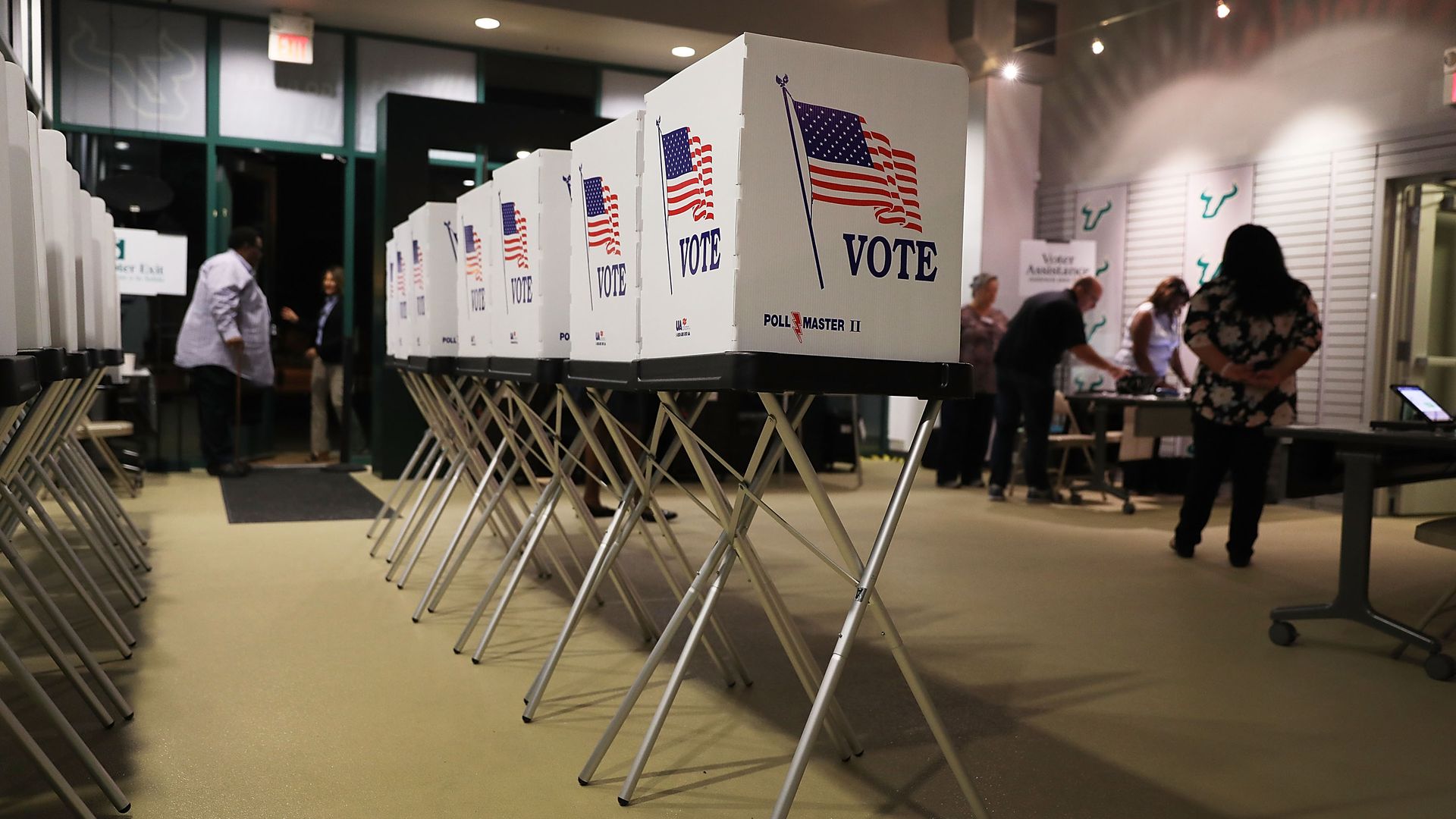
Gov. Ron DeSantis (R-Fla.) said on Tuesday that Russian hackers accessed voter databases in two Florida counties before the 2016 presidential election, AP reports. DeSantis said no Florida election results were compromised as a result of the hacking and no data was manipulated.
Our thought bubble, via Axios cybersecurity reporter Joe Uchill: It's important to remember, in cases of hacked voter databases, that the effect may not be manipulating elections. Voters removed from databases would still be eligible to vote via provisional ballots, and adding thousands of fictional voters to the rolls would mean creating an unwieldy operation that would require filling out thousands of fake ballots.
President Trump denied a report from the New York Times that his top national security aides discussed a plan to send up to 120,000 troops to the Middle East in case of a fallout with Iran, adding that if they were planning to, "we'd send a hell of a lot more troops than that."
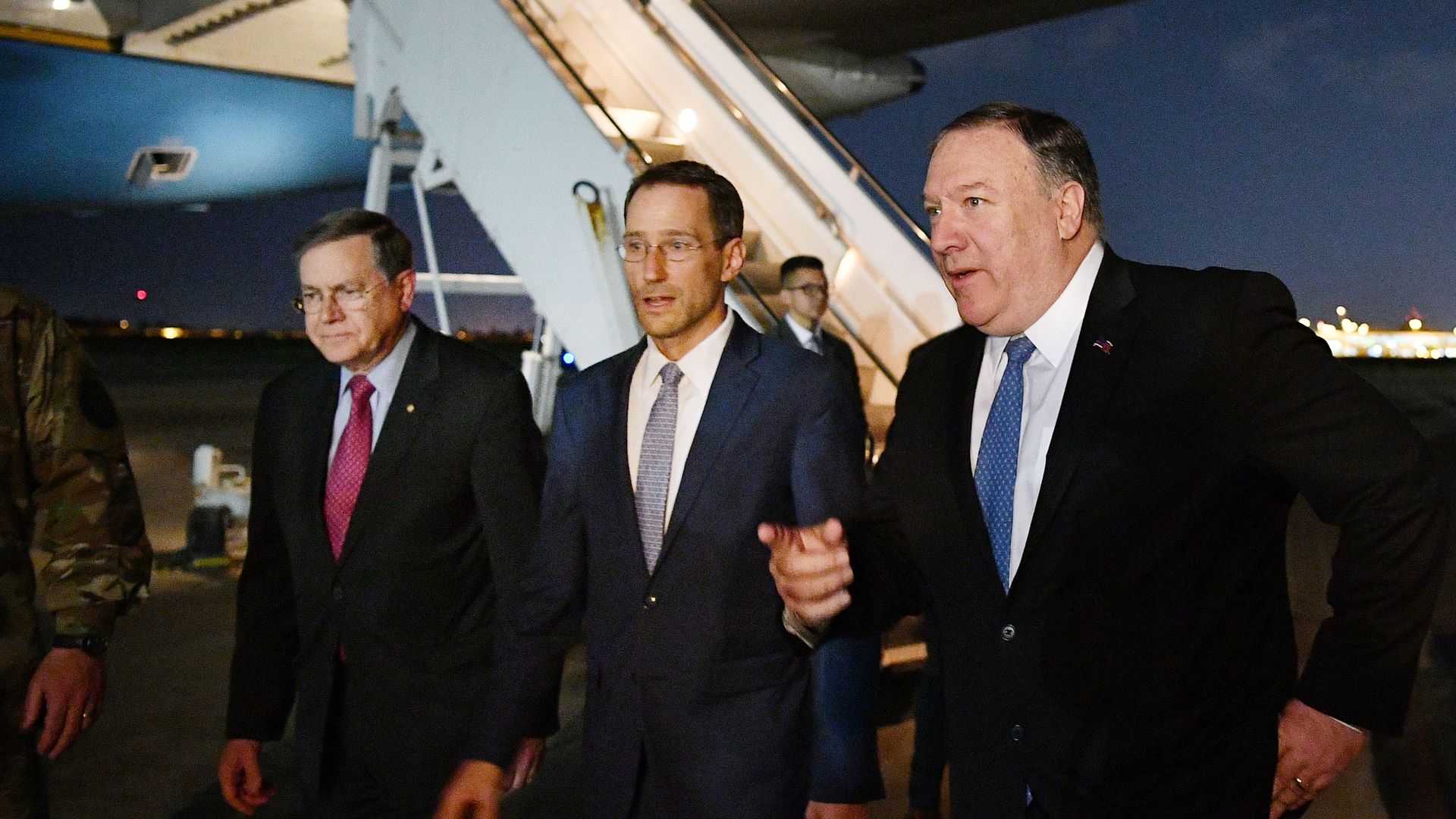
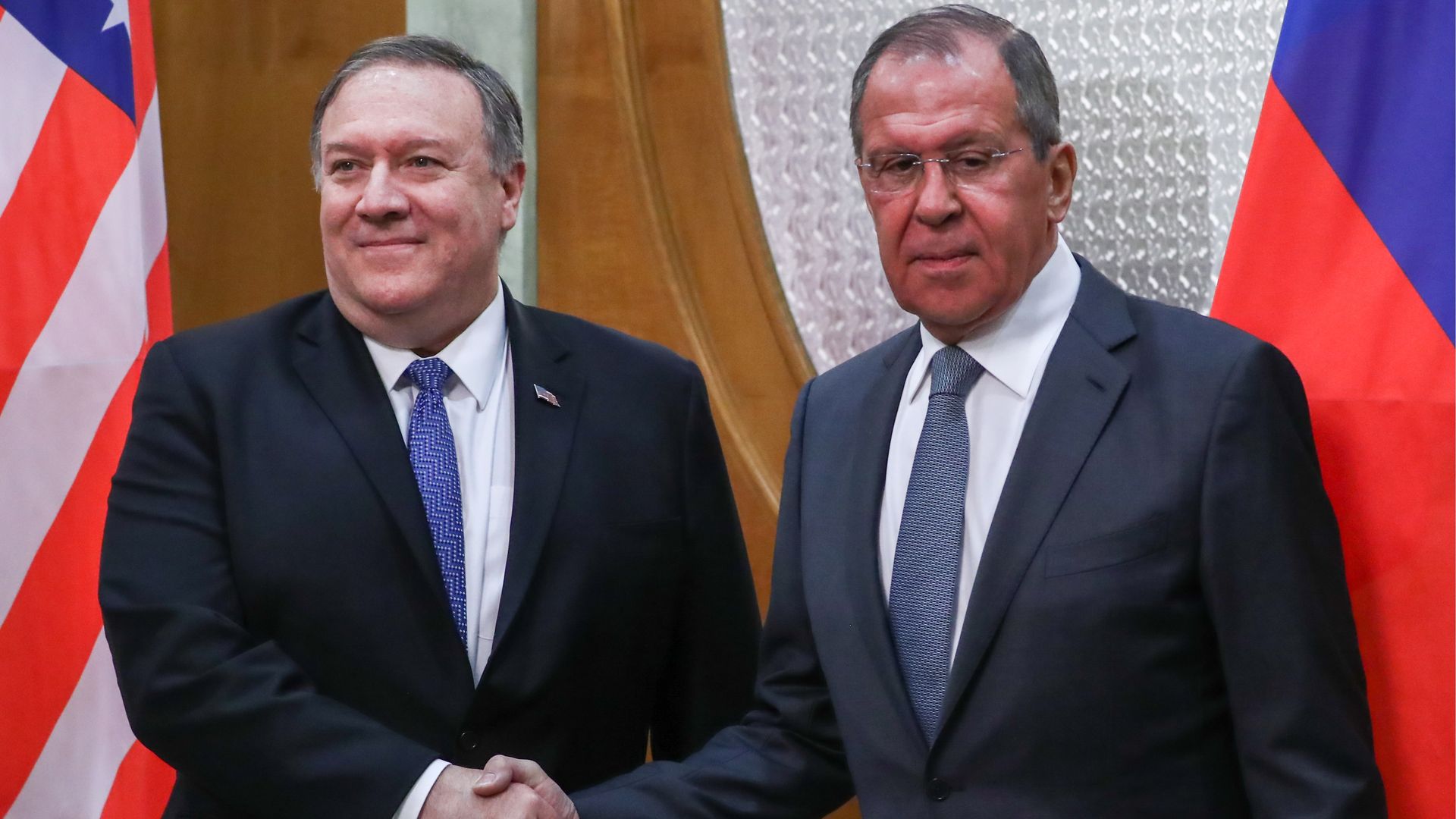
Secretary of State Mike Pompeo meets in Sochi on Tuesday with his Russian counterpart Sergey Lavrov and President Vladimir Putin to discuss a long list of issues on which the U.S. and Russia are at complete odds with each other.
The big picture: The agenda for the talks — the first high-level meeting with Russian officials since last summer's widely criticized Helsinki Summit — includes arms control, Venezuela, Ukraine, Syria and Iran, according to the State Department. While it's unlikely the needle will move on any of these sources of longstanding disagreement, Sochi may help prepare for future summits.
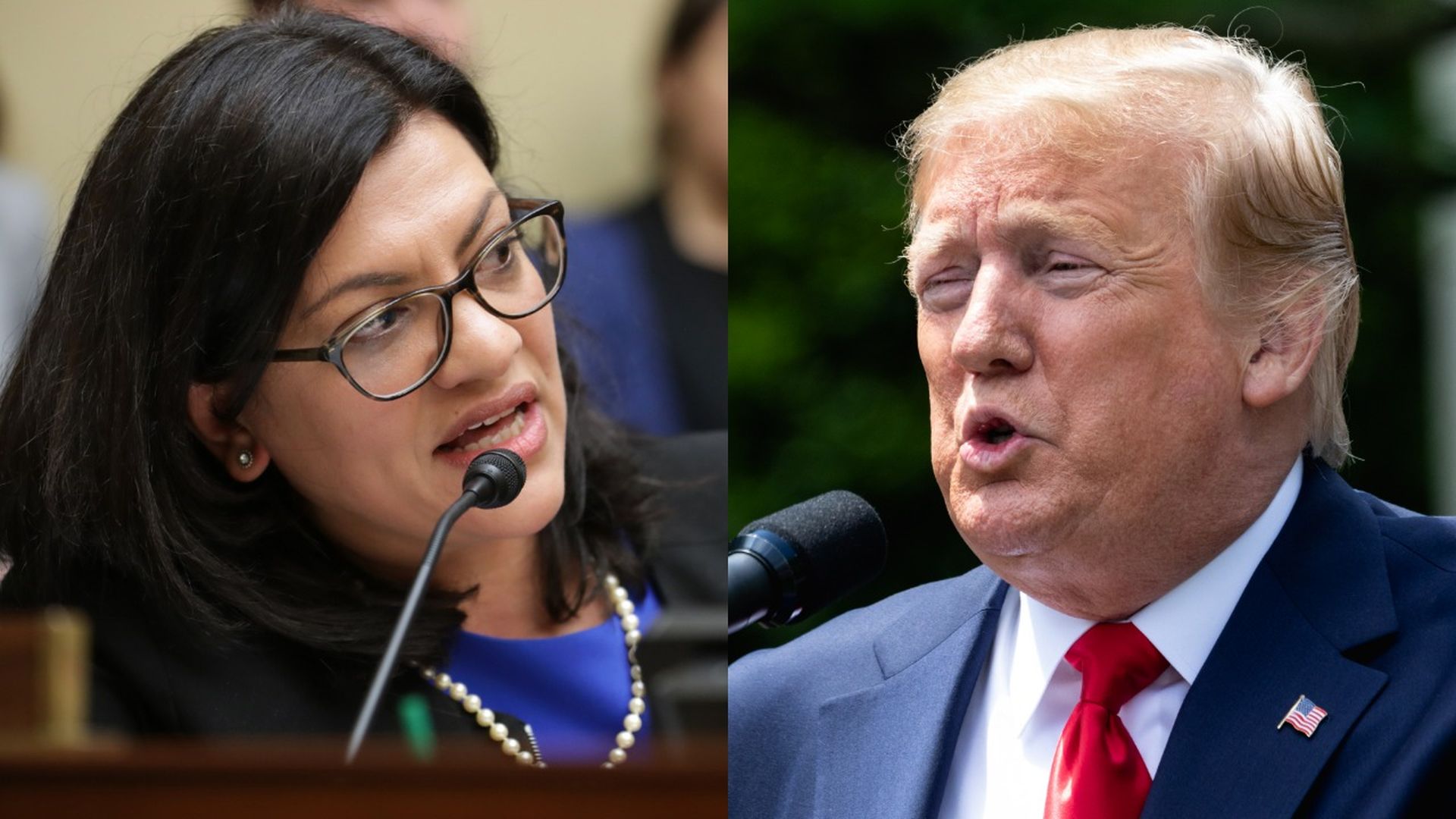
President Trump joined other prominent Republicans in criticizing Rep. Rashida Tlaib (D-Mich.) on Monday after she invoked the Holocaust while explaining why she supports a one-state solution to the Israeli-Palestinian conflict.
"Democrat Rep. Tlaib is being slammed for her horrible and highly insensitive statement on the Holocaust. She obviously has tremendous hatred of Israel and the Jewish people. Can you imagine what would happen if I ever said what she said, and says?"
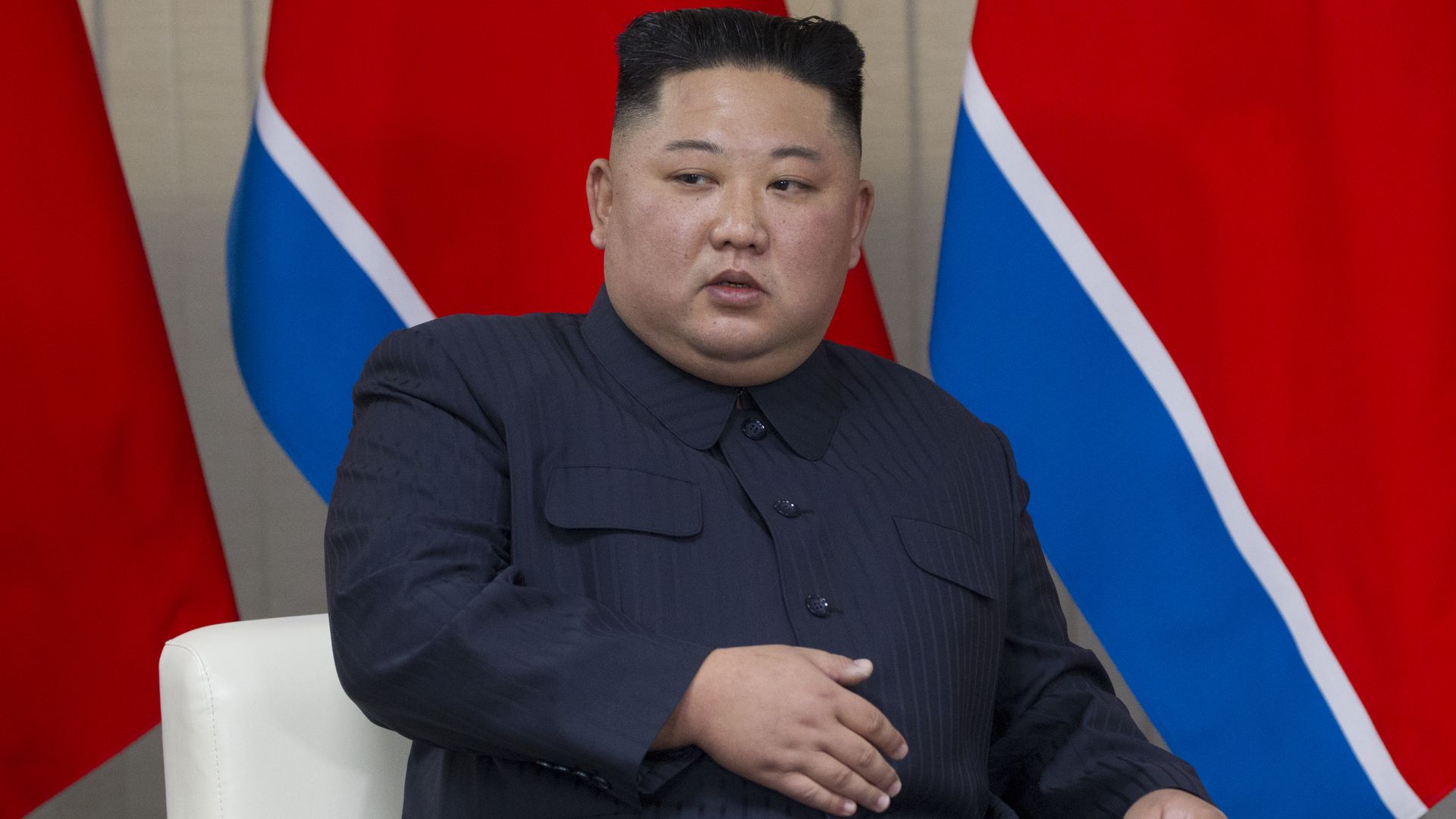
North Korea demanded Tuesday the immediate return of a cargo ship seized by the U.S. — which it said violated the spirit of the Hanoi summit between President Trump and North Korean leader Kim Jong-un, the state-run KCNA news agency reports.
Why it matters: The capture of the ship, the Wise Honest — which Pyongyang labeled "unlawful" — marked the first time the U.S. has seized a North Korean cargo ship for violating UN sanctions. North Korea warned it'd be the "biggest miscalculation" if the U.S. believed it could control it with force.
At the direction of national security adviser John Bolton, acting Defense Secretary Patrick Shanahan last week presented top White House national security officials with a plan to send up to 120,000 troops to the Middle East in the event that Iran "attack American forces or accelerate work on nuclear weapons," the New York Times reports.
Details: The plan was reportedly presented during a meeting about the Trump administration's broader Iran policy, attended — among others — by Bolton, CIA director Gina Haspel, Joint Chiefs of Staff Chairman Gen. Joseph Dunford and Director of National Intelligence Dan Coats. It's unclear if President Trump has been briefed on the details of the plan, which did not call for a land invasion of Iran, but requested a similar number of troops involved the U.S.' 2003 invasion of Iraq, per the Times.