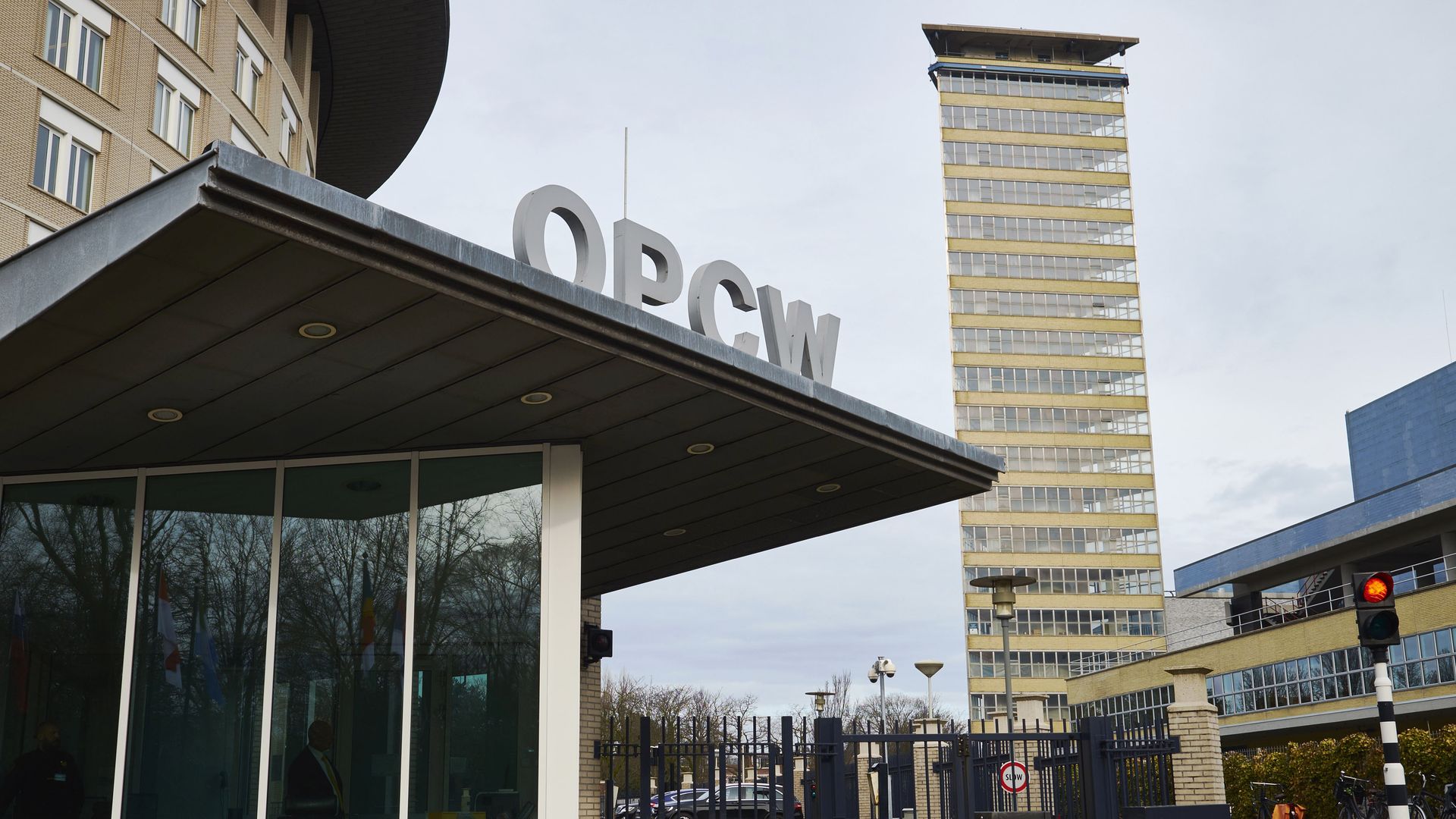
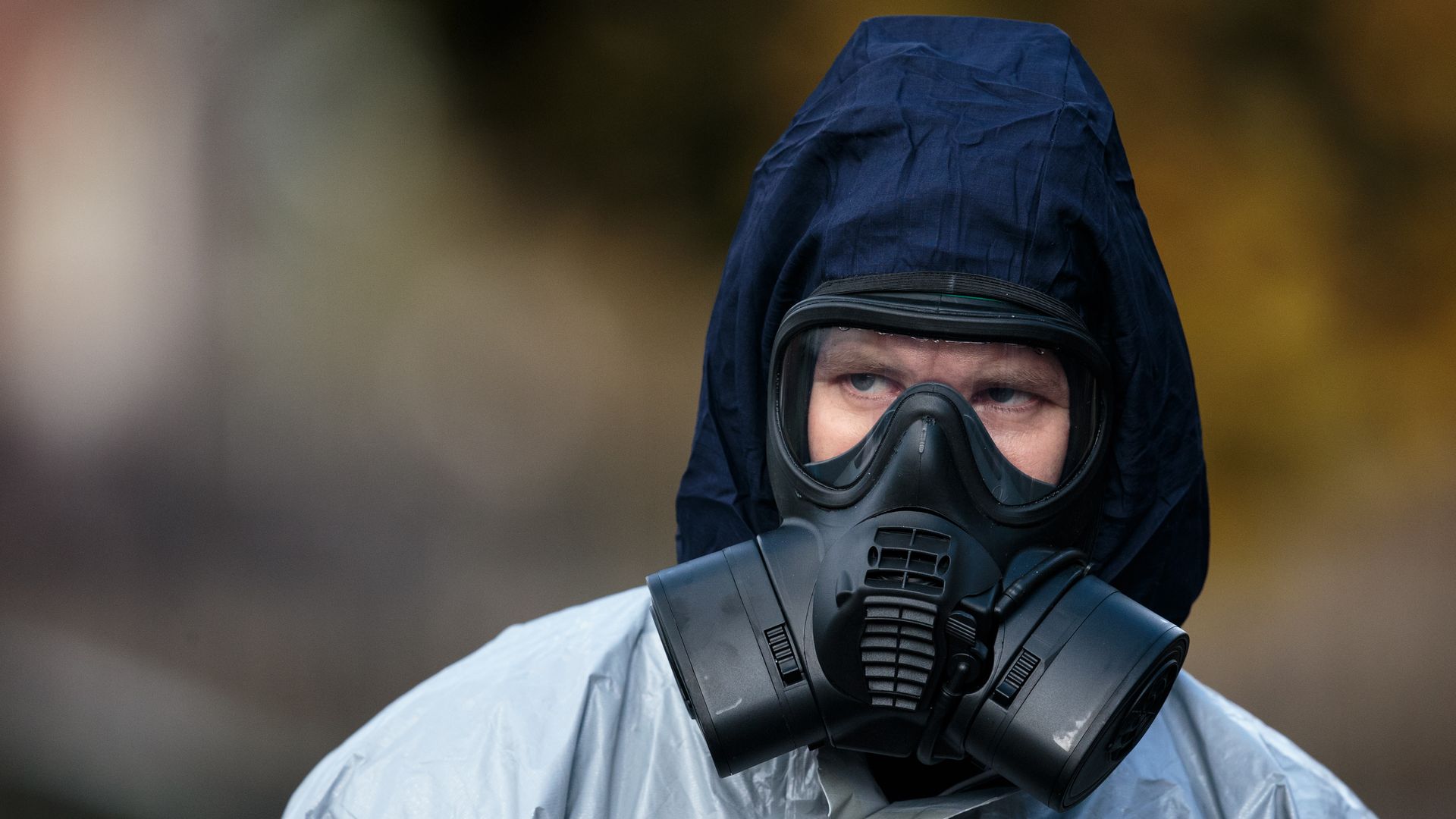
An international chemical weapons watchdog has rejected Russia's proposal for a joint investigation into the poisoning of ex-spy Sergei Skripal and his daughter Yulia with a nerve agent, the BBC reports. Russia reportedly acknowledged in a press conference following the vote that the poisoning was a "terrorist attack."
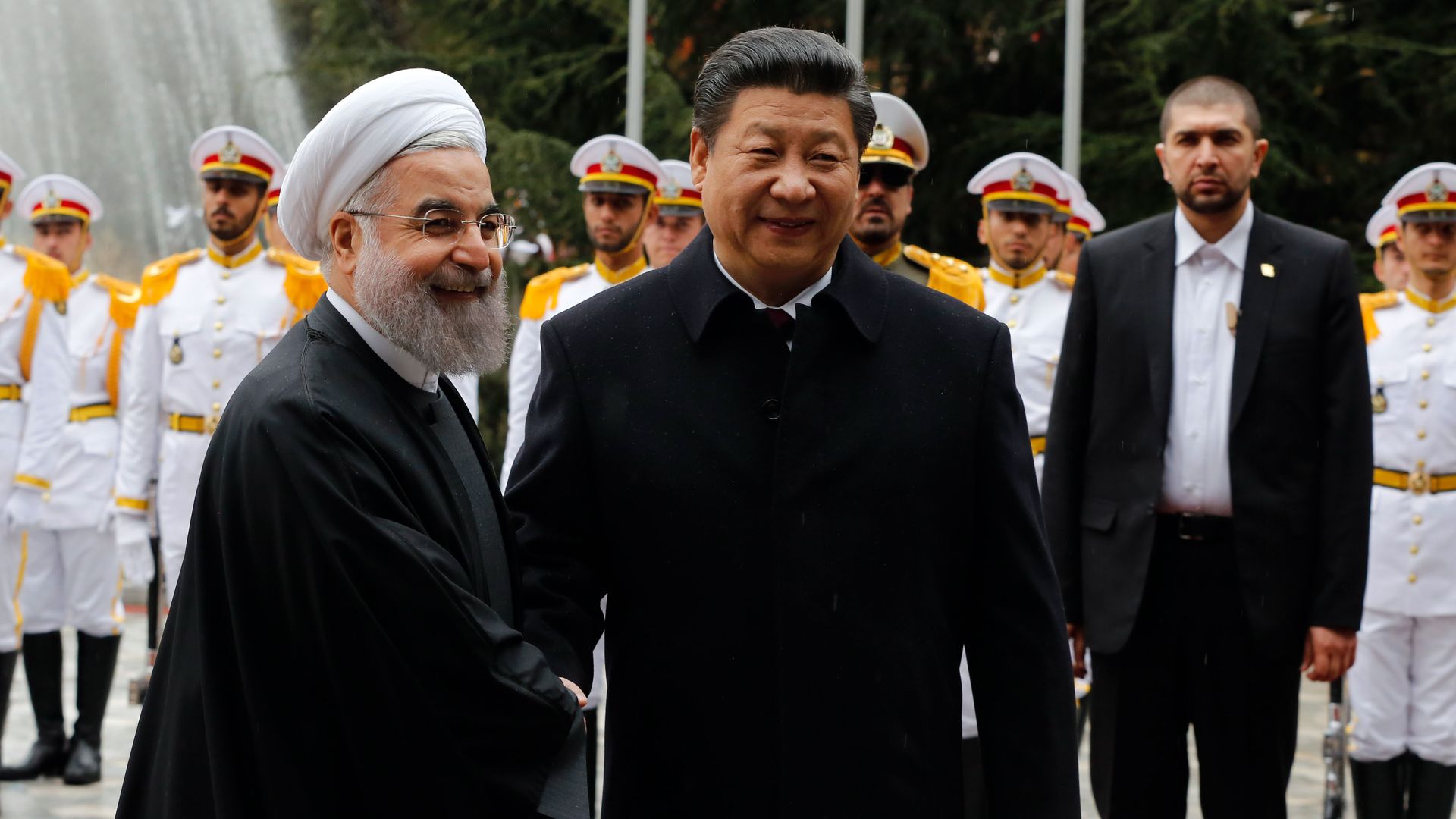
Why it matters: Russia lost the vote by a 15-6 margin, while 17 member states abstained. It's another rejection of Moscow's claims of innocence in the attack, which led some two dozen countries to expel Russian diplomats, though China and Iran were among those backing Russia's motion.
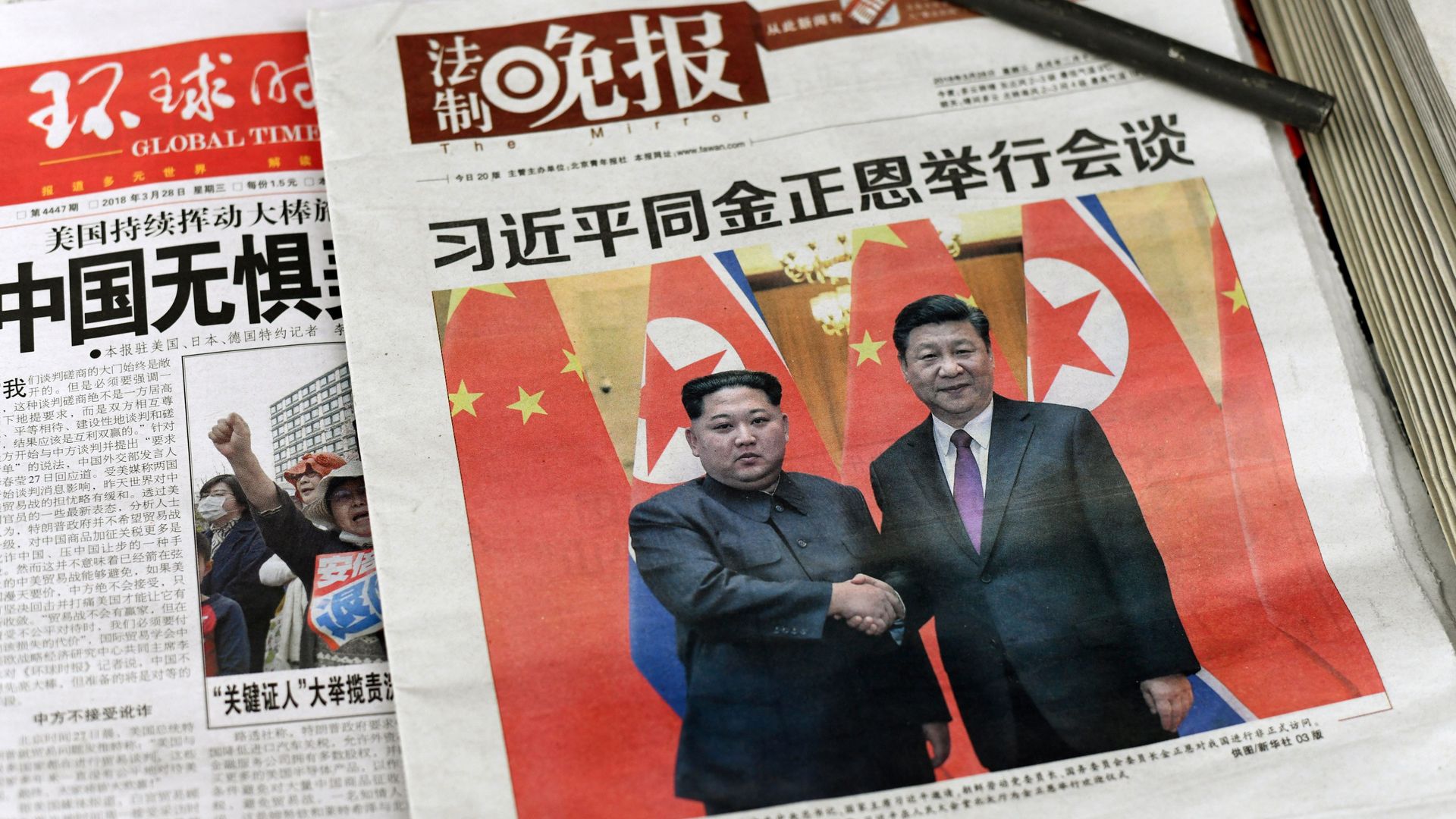
In agreeing to meet with North Korean leader Kim Jong-un, President Trump may have believed that he could strike a deal to finally denuclearize the regime. After Kim’s surprise meeting with Chinese president Xi Jinping, however, Trump may now have to rethink his strategy.
Likewise, South Korean President Moon Jae-in’s hope for a trilateral summit between the two Koreas and the United States, which would undermine China’s influence, has also turned out to be nothing more than a pipe dream.
Why it matters: Despite recent tensions, China remains North Korea’s most important ally and has a clear role to play in addressing its nuclear program.
The U.S. recently indicted members of an Iranian government contractor for hacking universities and companies to steal research. Cybersecurity firm Mandiant, which highlighted Iran as a growing force in 2017 in an annual report released today, has seen an uptick in believed government affiliated Iranian hackers stealing intellectual property from businesses.
Why it matters: Once among the world's most amateurish cyber-powers, Iran has become a mature, aggressive player in digital espionage.
President Trump's new chief economic advisor, Larry Kudlow, told Fox Business Network on Wednesday that the economic standoff between the United States and China is "absolutely not" a trade war, adding that people should "blame China, not President Trump."
"Trump is really the first president to fight back ... this stuff is not just unfair — it's unlawful ... Every country in the world knows this ... There's no trade war here. What you've got is the early stages of a process that will include tariffs, comments on the tariffs, then ultimate decisions and negotiations. There's already backchannel talks going on."
China has responded to the Trump administration’s plan to slap tariffs on $50 billion in Chinese goods, retaliating with a list of similar duties on key U.S. imports that has stocks tanking on the news.
Affected itemsinclude: Autos, chemicals, planes, soybeans and whiskey.
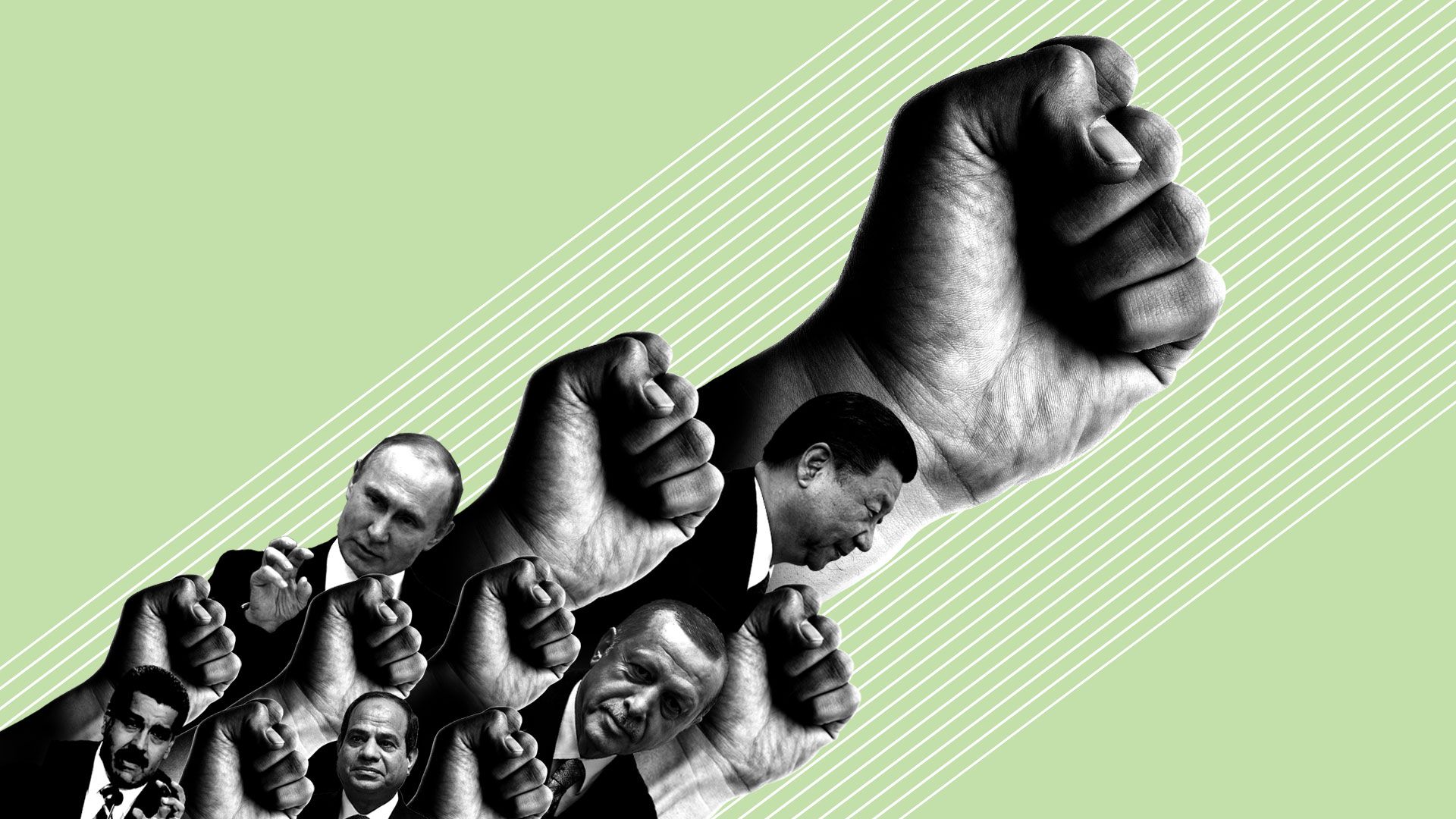
Russia’s Vladimir Putin and Egypt’s Abdul Fattah al-Sisi have extended their presidencies through sham elections, China has scrapped term limits to allow Xi Jinping to rule indefinitely, and Turkey’s Recep Tayyip Erdoğan has bolstered his popularity with a military offensive in Syria. Even Nicolas Maduro, despite a crippling financial crisis, has maintained his grip on power in Venezuela.
The big picture: 2018 has been a good year to be a strongman. Will that luck run out?
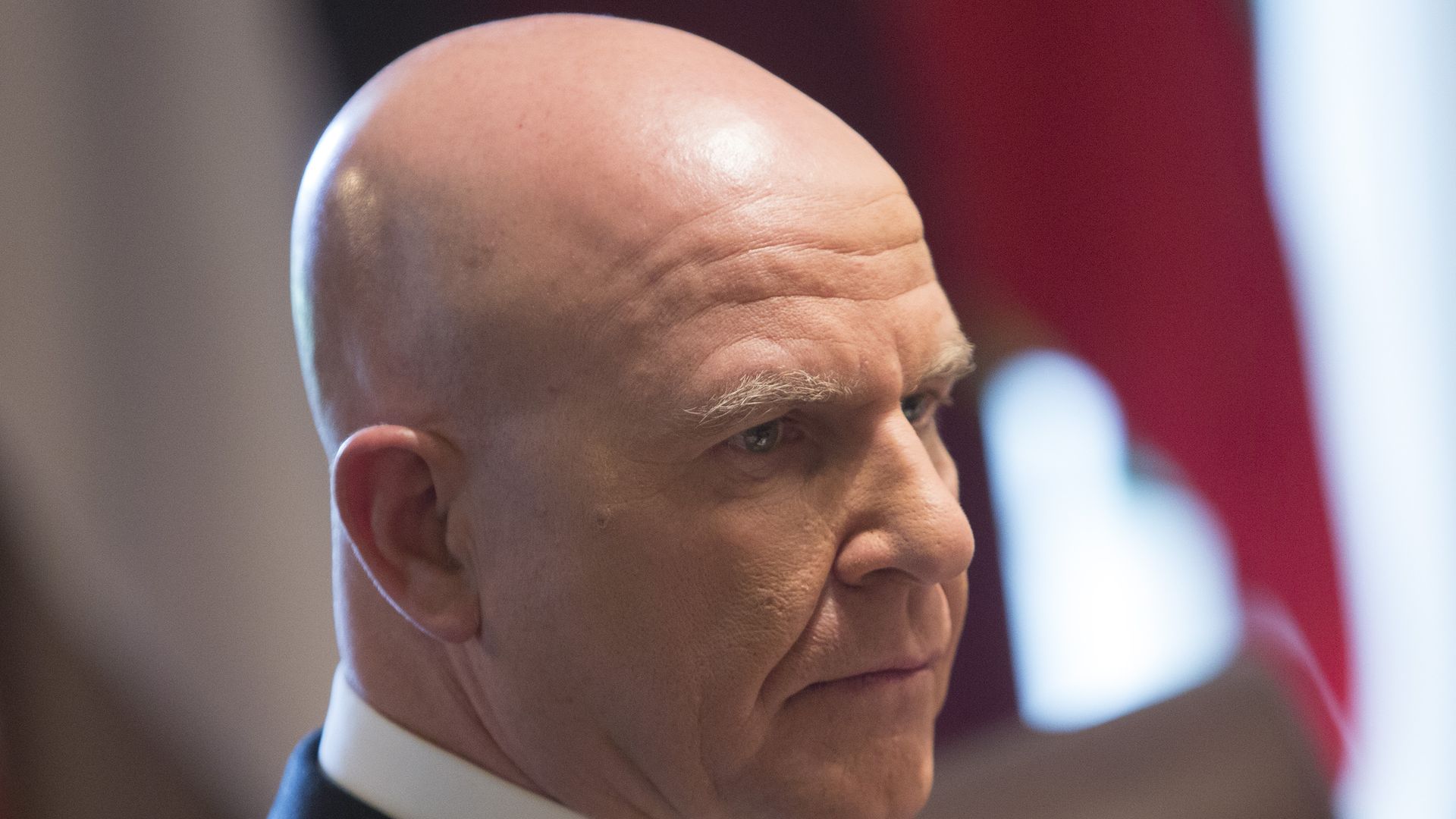
Speaking at an Atlantic Council event celebrating the U.S.-Baltic partnership, outgoing national security adviser H.R. McMaster denounced Vladimir Putin over what he called Russia's efforts to "undermine our open societies and the foundations of international peace and stability.“
Between the lines: McMaster's was some of the most blistering rhetoric toward Putin thus far from the Trump administration, and included an acknowledgement that the West has "failed to impose sufficient costs" on the Kremlin. It came in his last speech before being replaced by John Bolton.
May 12 is the next deadline for the U.S. to renew the sanction waivers key to the Iran nuclear deal. President Trump, who has long expressed disdain for the deal, may take the date as an opportunity to withdraw.
Why it matters: Trump's objections to the deal appear to be primarily diplomatic. But beyond its negative implications for nonproliferation, withdrawal would also have a significant impact on world trade and would bolster China's fortunes as an economic superpower.
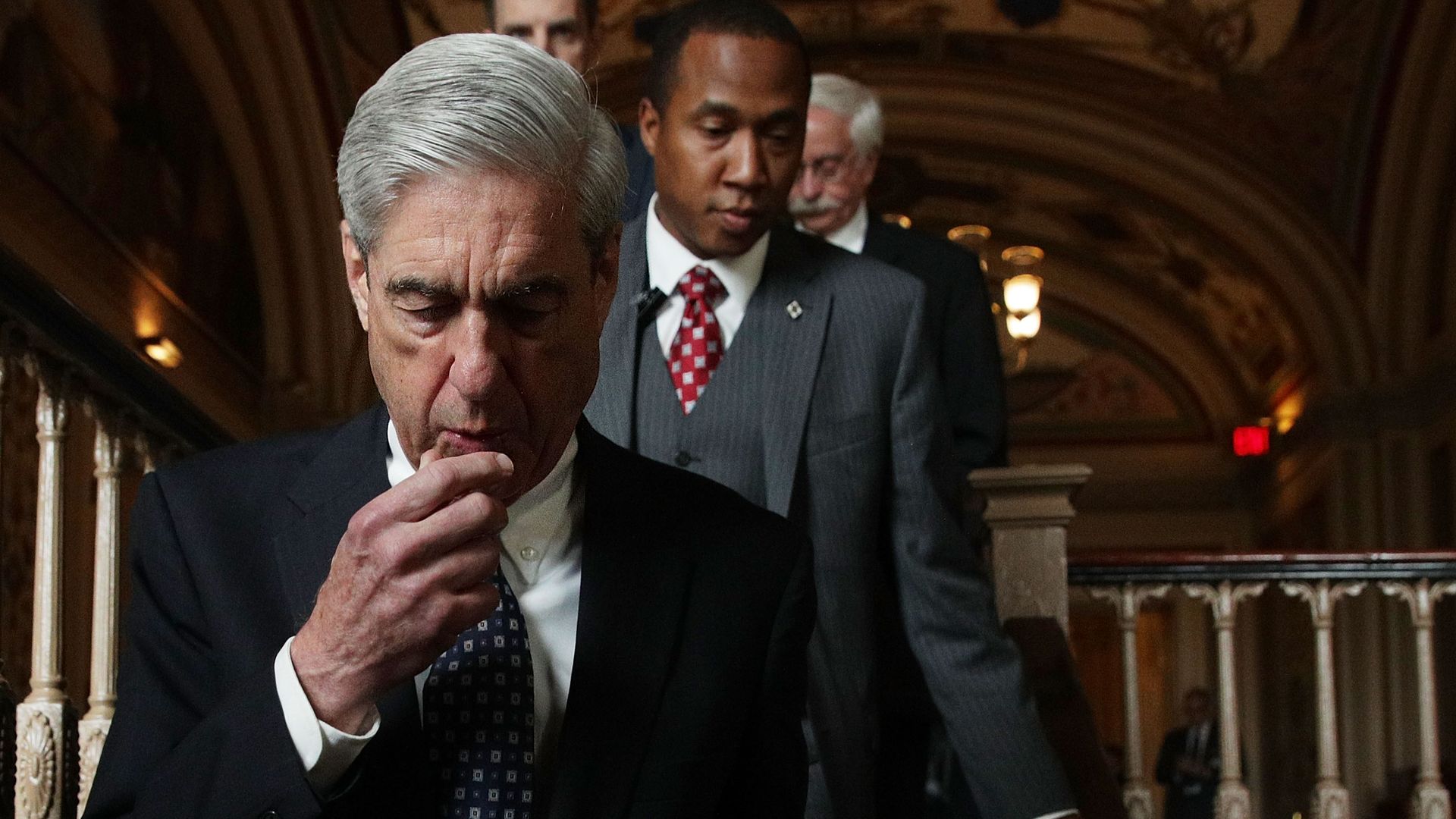
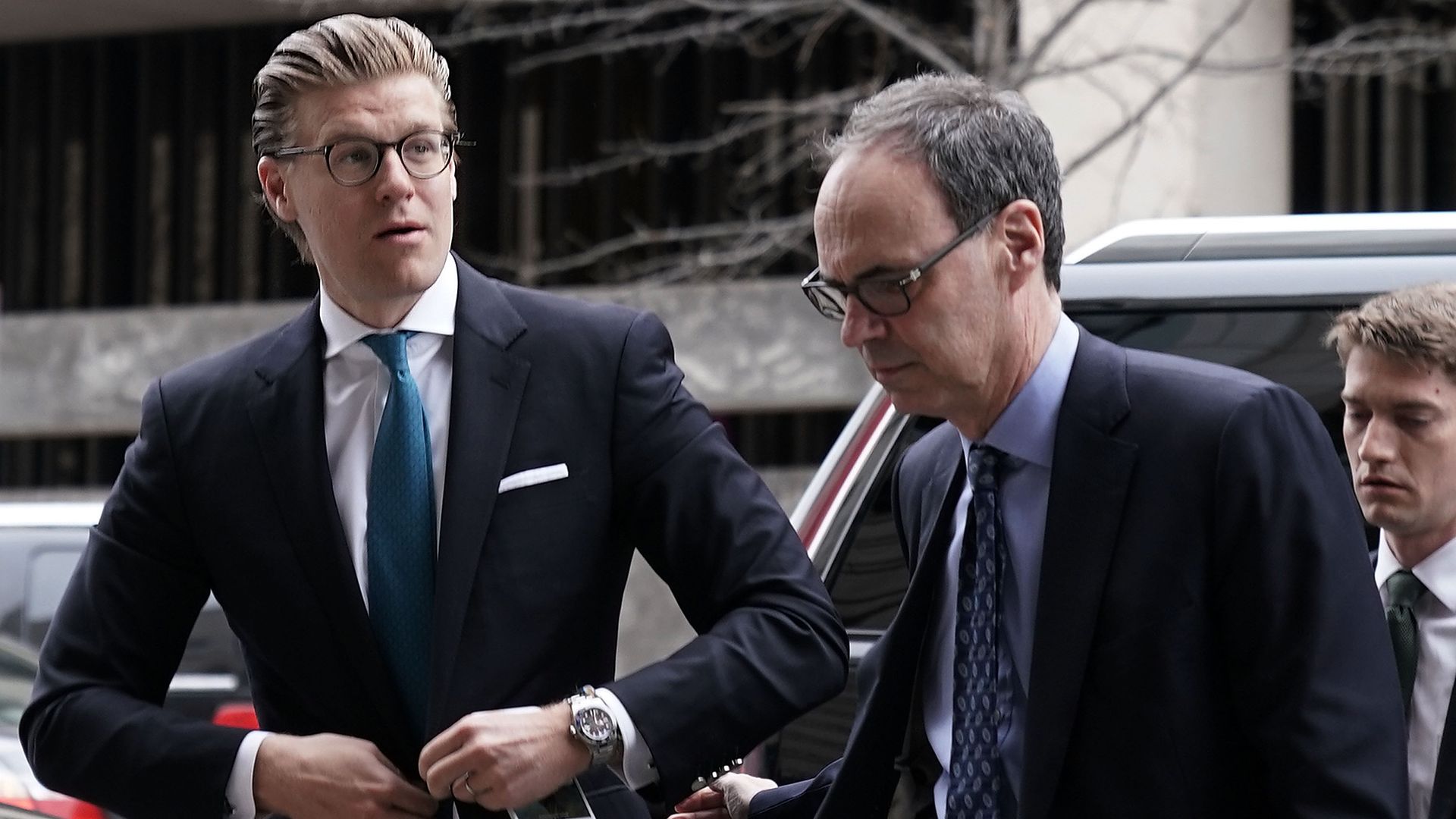
Tuesday afternoon, Alex van der Zwaan became the first person to receive sentencing in Special Counsel Robert Mueller's probe, receiving 30 days in prison and $20,000 in fines.
Why it matters: There four other subjects who have pleaded guilty and have yet to receive their sentence. Meanwhile, Paul Manafort has stuck with his "not guilty" plea and will go to trial in September.
In an interview with Sky News, Gary Aitkenhead, the chief executive of the Defence Science and Technology Laboratory (DSTL) at Porton Down, said his laboratory could not definitively say Russia had manufactured the nerve agent used to poison a former Russian spy in the town of Salisbury, England.
Why it matters: Russia will seize on the comments to argue the U.K. has accused the Kremlin without evidence. But Aitkenhead said it is not the scientists’ job to “prove” where the nerve agent was made. "We provided the scientific information to the government who have then used a number of other sources to piece together the conclusions that they’ve come to," he said.
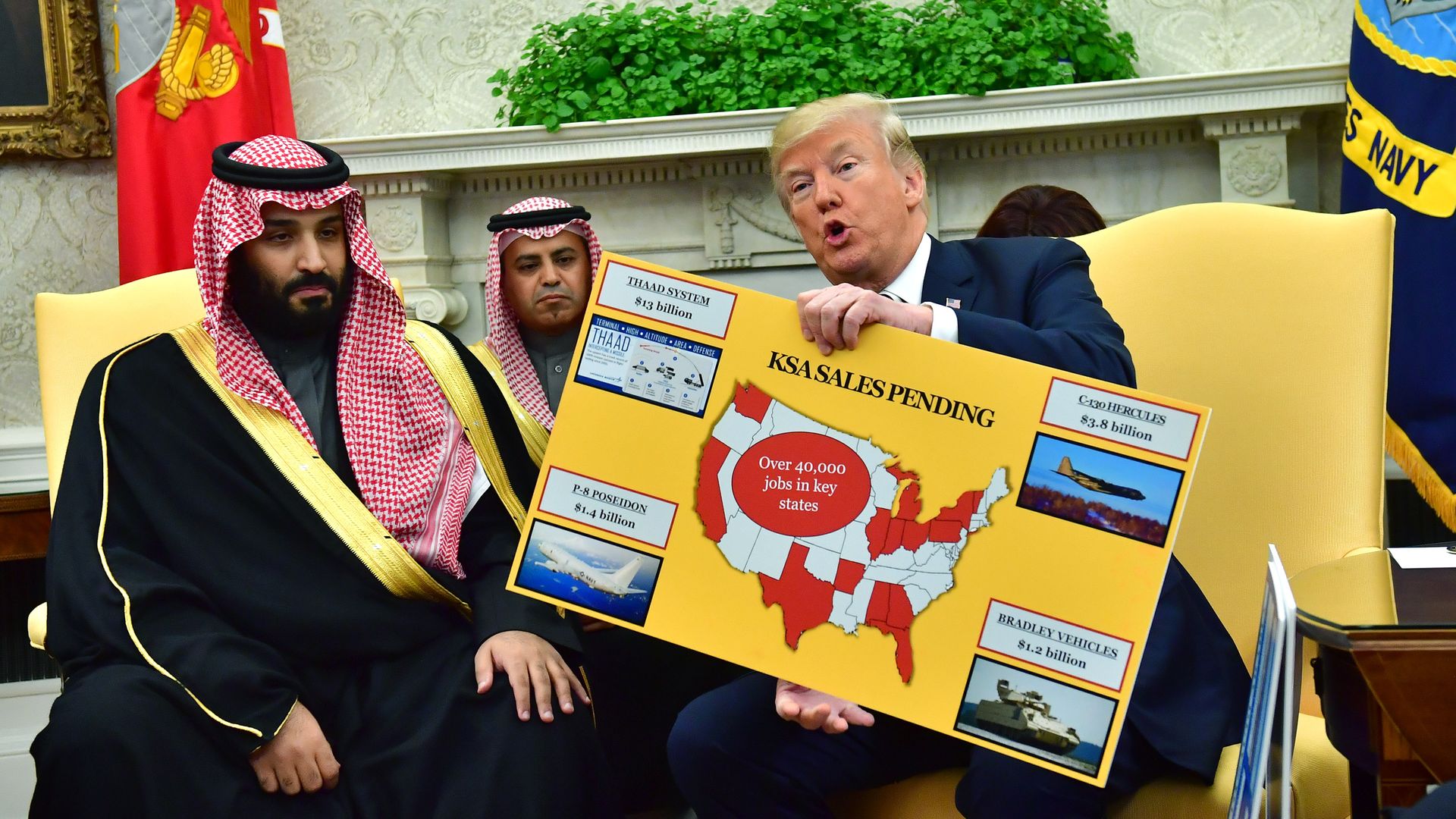
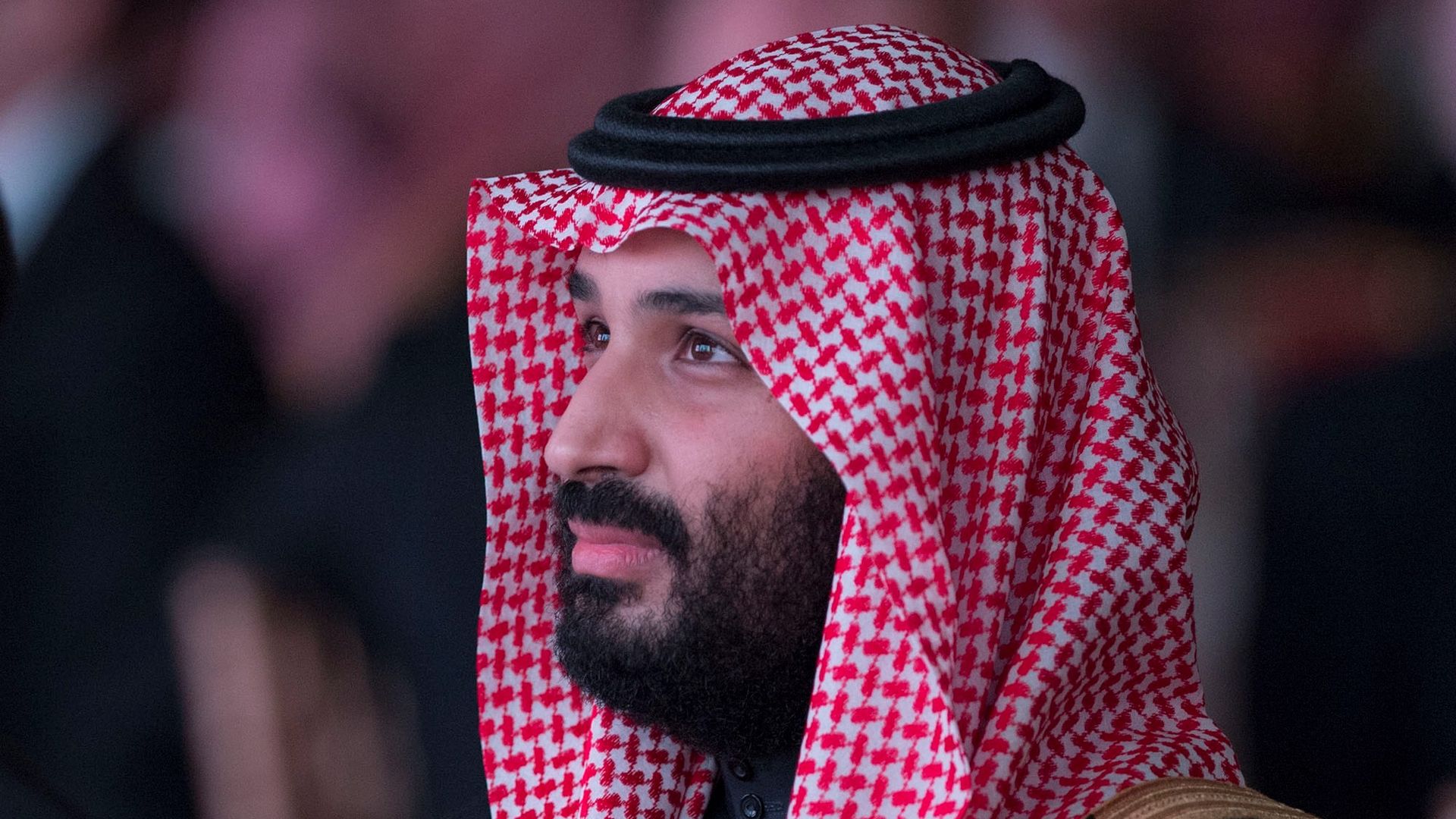
Crown Prince Mohammed bin Salman has carried out the most extensive rebranding campaign ever by a Saudi royal. Since his appointment last June, he has presented Saudi Arabia as a modernizing kingdom eager to do business with Wall Street and Silicon Valley while becoming the United States' chief ally against Iranian expansionism.
Yes, but: President Trump has cast serious doubt over his own commitment to that vision, even before the crown prince ends his three-week, multi-city tour of the U.S.
Dutch lawyer Alex van der Zwaan was sentenced to 30 days in prison and $20,000 in fines Tuesday. This comes after van der Zwaan pleaded guilty in February to lying to FBI agents about his communications with deputy Trump campaign manager Rick Gates and an unidentified individual, labeled "Person A" in court documents, who is believed to have ties to Russian intelligence.
Why it matters: The decision marks the the first sentencing in Special Counsel Robert Mueller's investigation.
The future of the economy, our national defense and this presidency are all in play in coming months — and all controlled by actions President Trump is contemplating.
Be smart: We have hit peak volatility in markets and politics because of Trump’s wild mood swings. The volatility is warranted, because Trump is more isolated and more self-certain than ever.
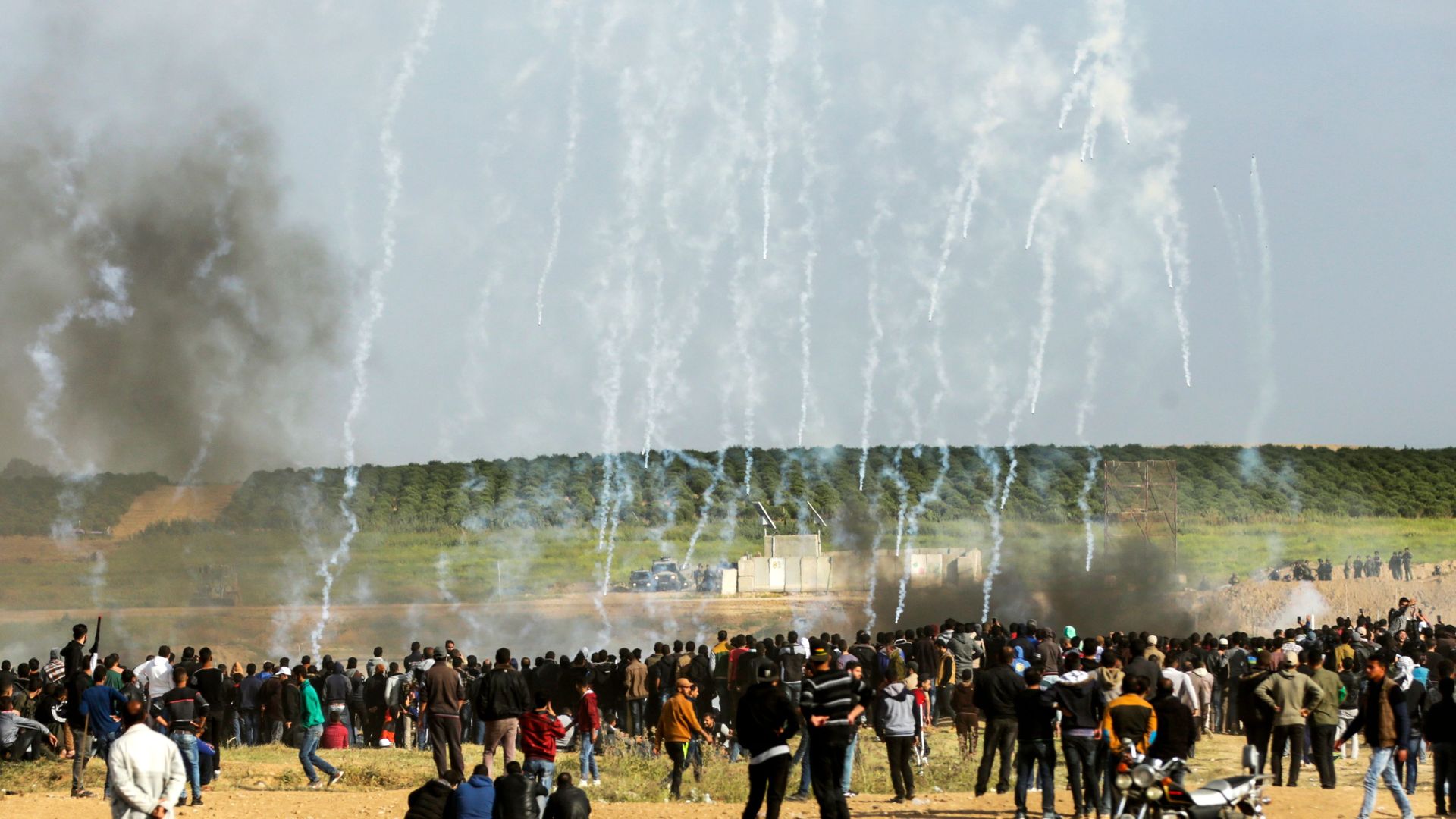
The demonstration in Gaza Friday, during which at least 15 Palestinians were killed and more than 1,000 injured, marked the beginning of a protest effort slated to culminate on May 15. The campaign centers on Palestinian “right of return” demands, which Israel has rejected as anathema to its very existence as a homeland for the Jewish people.
Why it matters: The protests are the most intense confrontations between Palestinians and Israel since the 2014 Gaza war. Coming at a highly volatile time, with both the peace process and internal Palestinian politics in crisis, these protests are likely to escalate the weeks ahead and may spread to the West Bank.
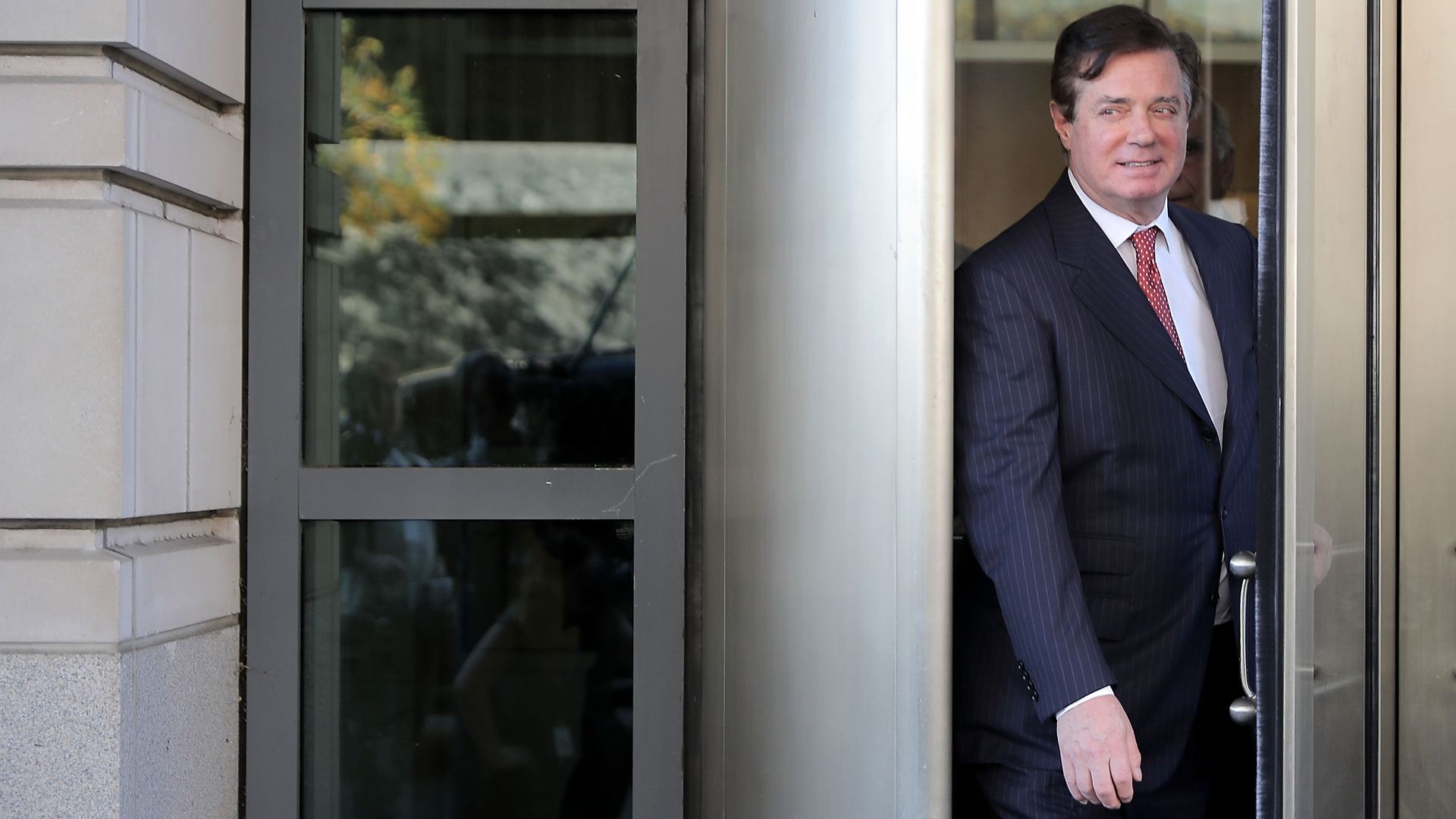
Deputy Attorney General Rod Rosenstein authorized Special Counsel Robert Mueller last August to investigate former Trump campaign chairman Paul Manafort for crimes related to possible collusion with Russian officials to interfere in the 2016 presidential election and his work with the Ukrainian government, reports the Wall Street Journal. That mandate came via a memo from Rosenstein to Mueller that was then attached to court filings in Manafort's ongoing legal proceedings.
Why it matters: Rosenstein's memo deflates Manafort's legal argument that Mueller's indictment was outside of the scope of his investigation. It also confirms that officials at the highest levels of the Department of Justice are giving Mueller wide latitude to conduct his work as he sees fit.
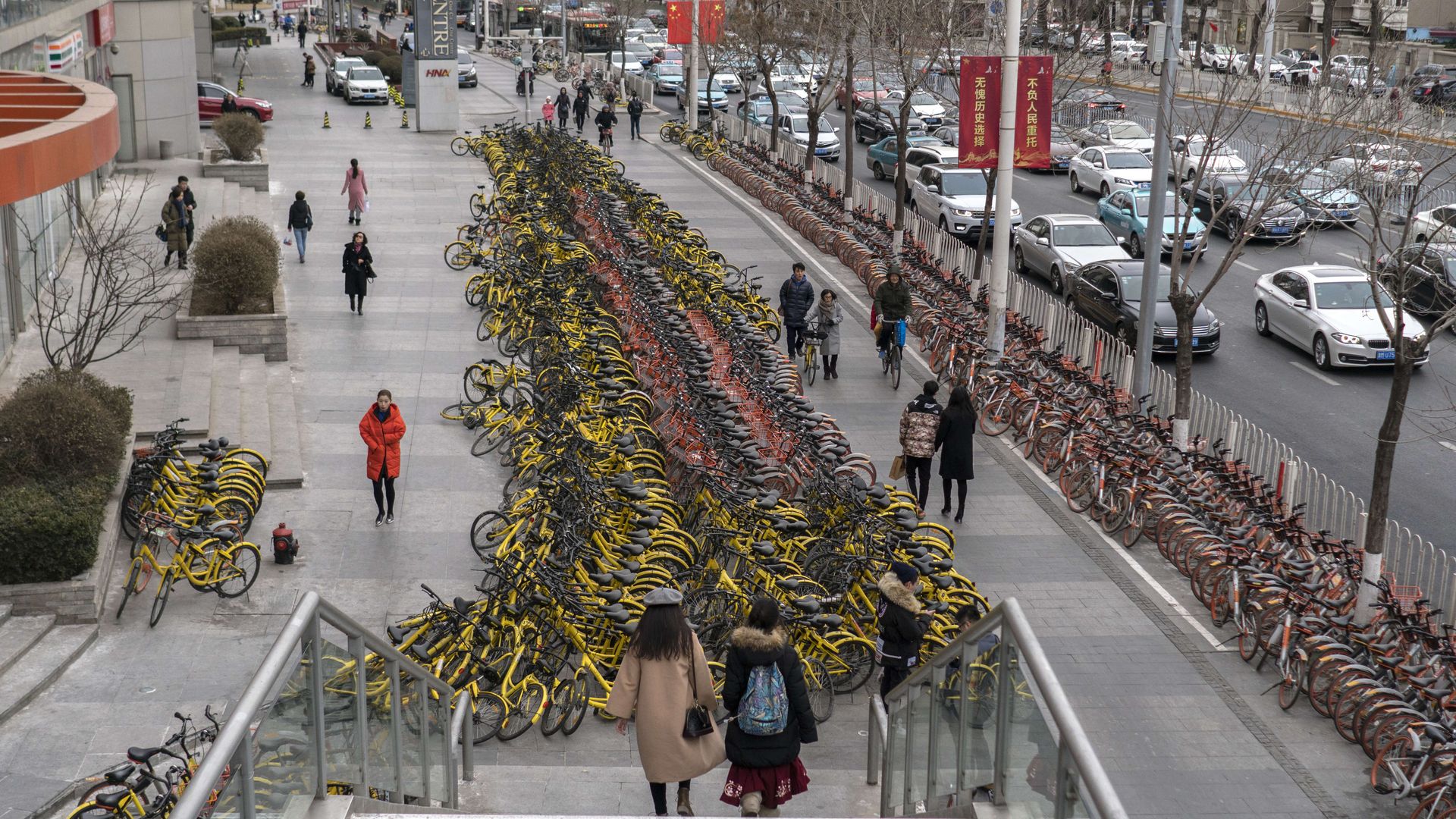
Meituan Dianping, a Chinese provider of on-demand services, reportedly is in talks to buy bike-sharing company Mobike for around $3.7 billion, according to Chinese newspaper Caixin. Other local media reports say that the price remains subject to change, and that Didi Chuxing and SoftBank are trying to make a last-second play.
Why it matters: Because this isn't really about Meituan Dianping and Mobike, so much as it is about the battle between Tencent (a major holder in both companies) and Alibaba (which backs rival bike-share company Ofo).
"I believe the Iranian supreme leader makes Hitler look good. Hitler didn’t do what the supreme leader is trying to do. Hitler tried to conquer Europe. … The supreme leader is trying to conquer the world."