Israeli Prime Minister Benjamin Netanyahu in a dramatic move on Monday said he's suspending a new agreement with the U.N. announced just hours earlier, which would have resettled thousands of migrants in Western countries over five years and granted legal status to those remaining in Israel.
What's happening: Local reports said the backtrack comes amid right-wing criticism of the deal. In a Facebook post, Netanyahu said: "I am attentive to you, and first to the people of South Tel Aviv," adding that he's meeting with officials Tuesday on the matter.
Kim Jong-un and his wife Ri Sol-ju attended a K-pop concert this weekend at a Pyongyang theater, per the BBC. The visit from the South Korean group, Red Velvet, came after North Korea sent performers to the South in February.
Why it matters: It had been more than a decade since a South Korean artist performed in the North, where foreign music and entertainment is highly restricted. The performance also came during joint U.S.-South Korea military drills, which the regime typically treats as a provocation.
On Sunday night, Tiangong-1, China's first space station, crashed into the South Pacific Ocean, ending its 7-year orbit around the Earth. The 19,000-pound structure hasn't been visited by humans since 2013, and Beijing hasn't been able to communicate with it since 2016 — but its life and death tell the story of China's vision to conquer space.
The big picture: Tiangong-1 represented a slew of firsts for the Chinese space program. Its seven years among the stars were the culmination of the first phase of China's push to become an superpower in space.
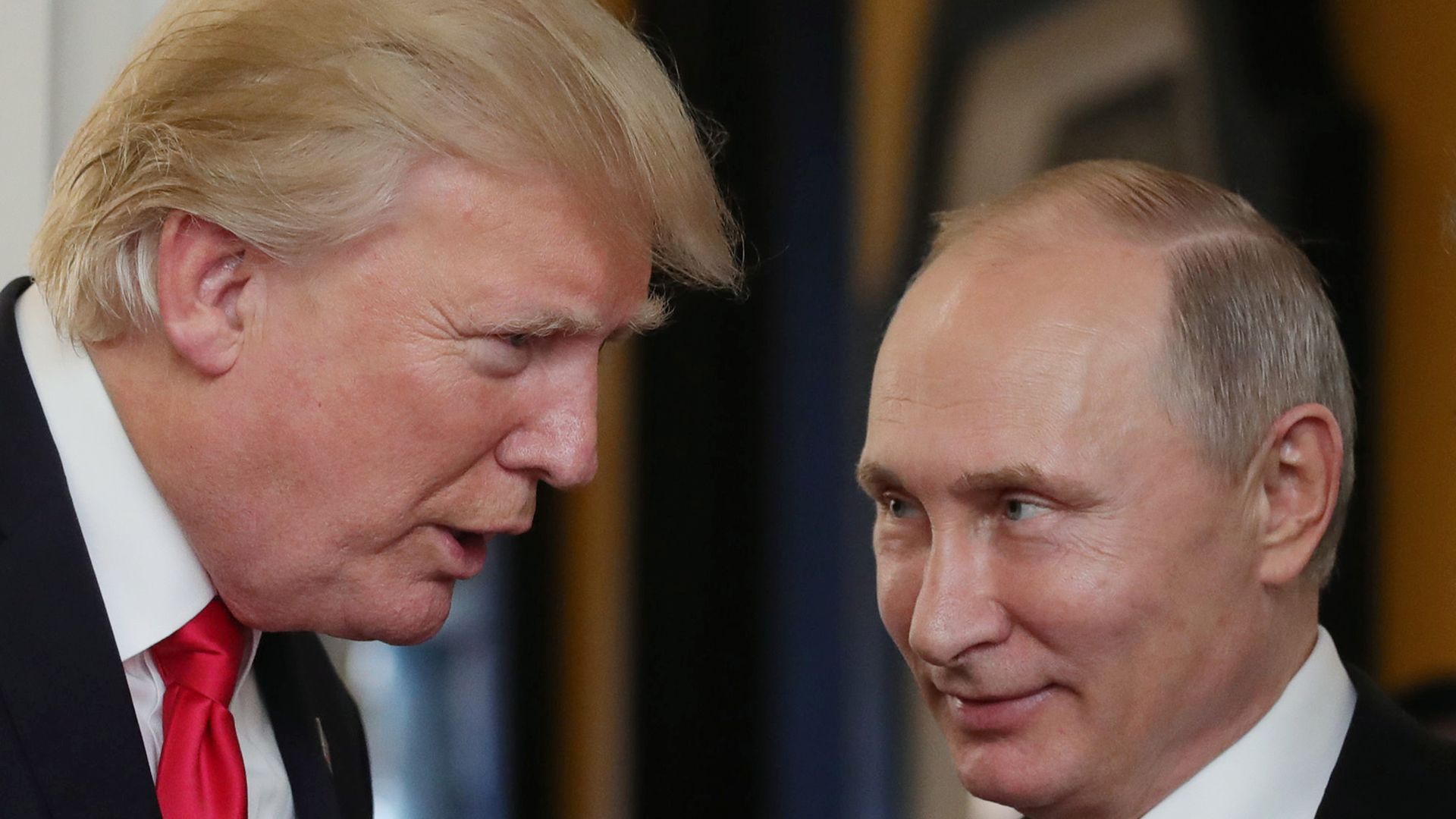
President Trump invited Russian President Vladimir Putin to the White House, the AFP reports, which Trump confirmed he did after their March 20 phone call. Sarah Sanders confirmed on Monday the two discussed a potential bilateral meeting, which could take place at the White House. During that call he also congratulated Putin for winning an election that was widely seen as a sham.
The potential meeting: According to Trump at the time, they discussed meeting to talk about the “arms race.” The Kremlin said no planning on a proposed meeting has begun, per Reuters.
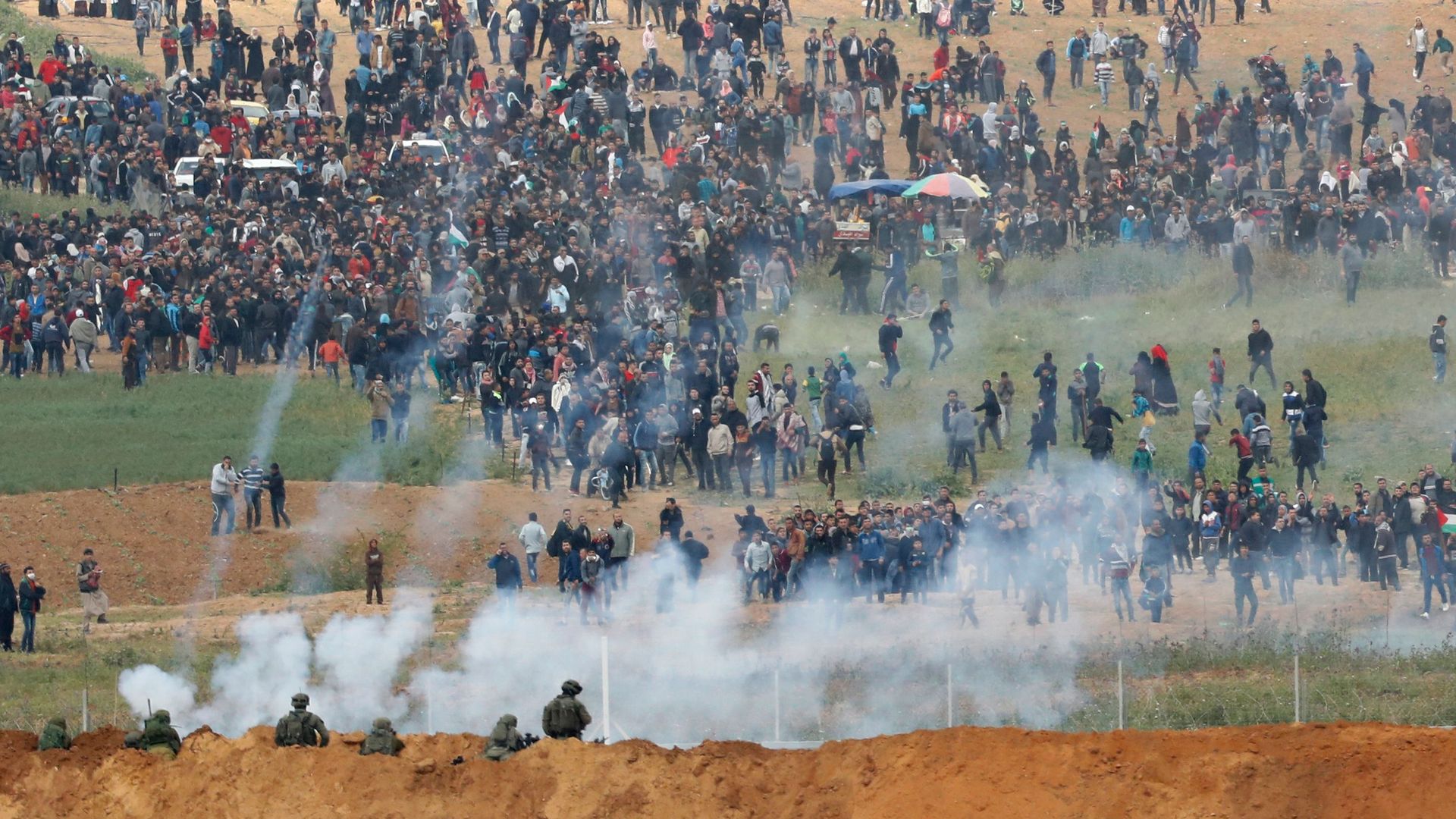
The Israeli government has rejected calls from the European Union and United Nations for an investigation into the this weekend's violence along Gaza’s border with Israel, the AP reports. The U.N. said the Palestinian Health Ministry confirmed that the deadly standoff killed 15 Palestinians and injured over 1,000. The clash came during a mass demonstration with thousands of Palestinians gathering along the border for a what was supposed to be a peaceful protest against Israel’s decade-old blockade of the territory.
The details: Israeli Defense Minister Avigdor Lieberman reportedly said the country will not cooperate with any inquiry, adding that Israeli troops acted appropriately and fired only when there was a threat. However, the AP reported that video from the scene showed cases where people were shot far from the border — and while they were not participating in the protests.
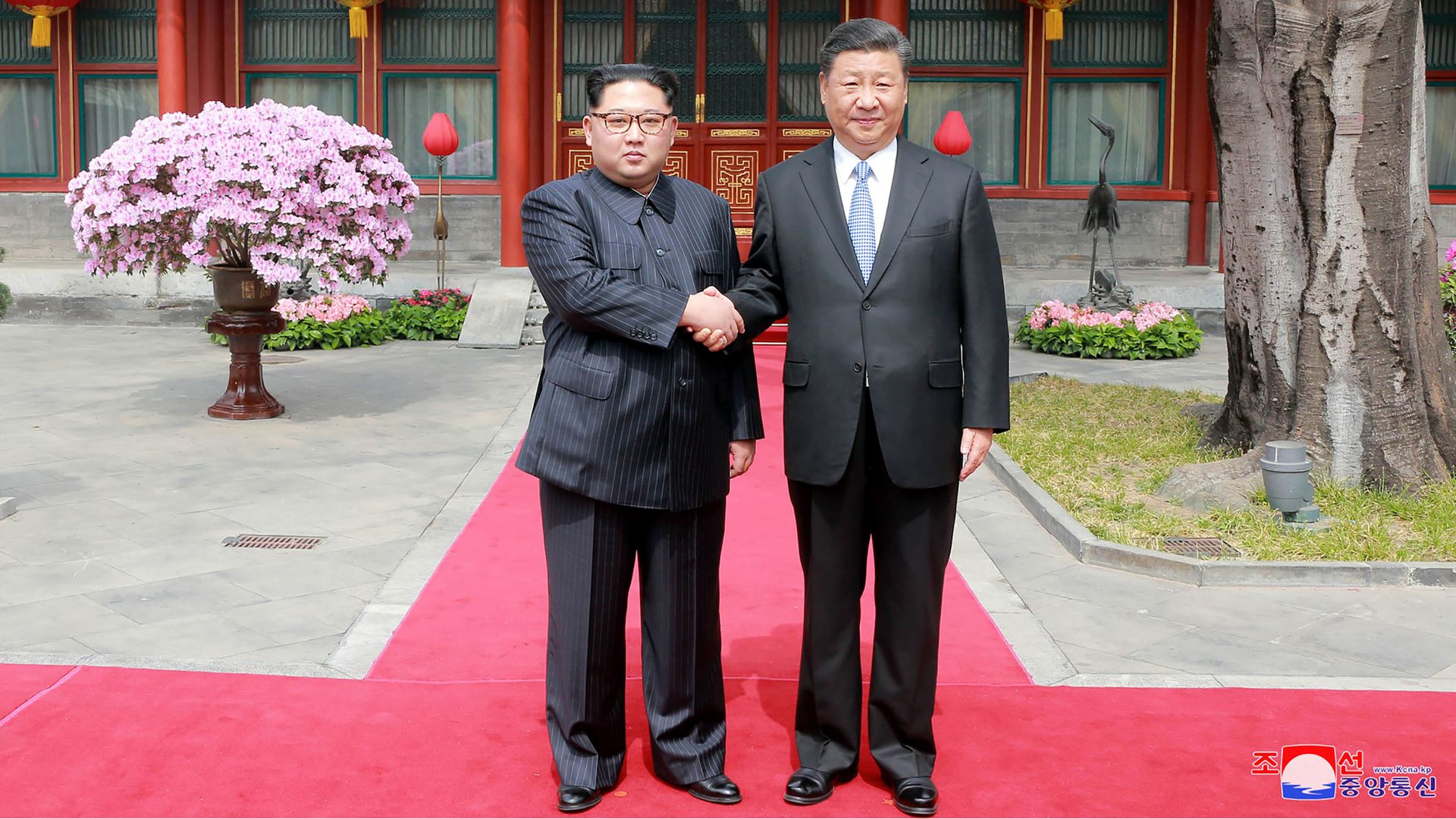
Since taking power in 2011, Kim Jong-un hadn’t met with a single foreign leader — until last week. In a matter of a few short weeks Kim Jong-un has held a meeting with China’s Xi Jinping, his first with a foreign leader, secured a commitment to meet with the President of the United States, and has a face-to-face meeting set up with South Korea’s Moon Jae-in for the end of April. Meetings with Moscow and Tokyo are also potentially in the works, per the AP.
This is quite the departure from the hermit kingdom modus operandi. So why the flurry of meetings? It could be that Kim Jong-un is seeking a release from the pressure of sanctions. But there’s more at stake, including Kim Jong-un’s ego, the rush that comes from negotiating, and the country’s reputation on the international stage.
"Russian ships are skulking around underwater communications cables, causing the U.S. and its allies to worry the Kremlin might be taking information warfare to new depths," AP's Deb Riechmann reports.
The gritty details: "U.S. and Western officials are increasingly troubled by their rival's interest in the 400 fiber-optic cables that carry most of world's calls, emails and texts, as well as $10 trillion worth of daily financial transactions."