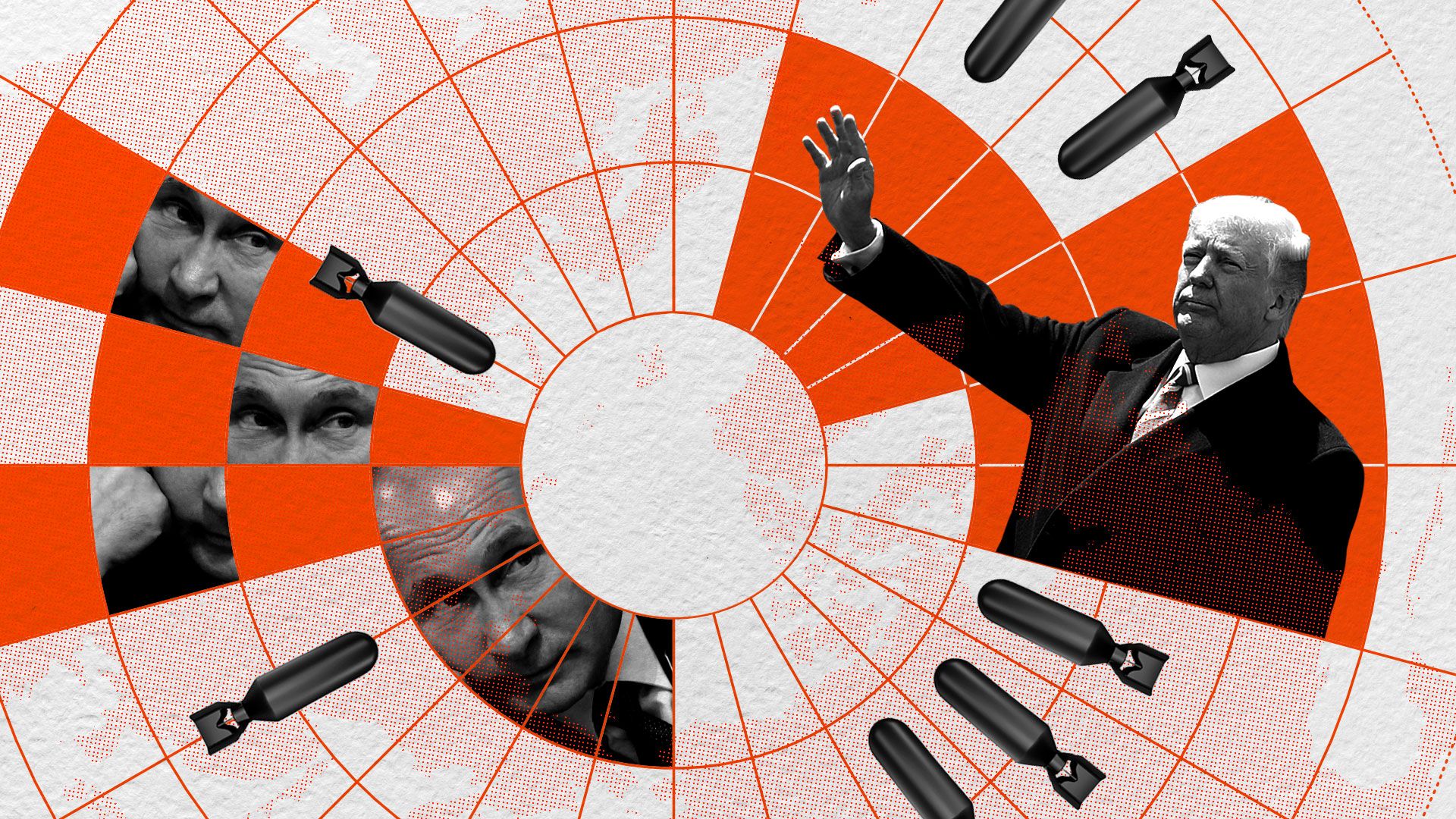
Despite President Trump’s mixed appraisals of the Russian threat, a clear consensus is emerging among foreign policy experts on both sides of the Atlantic: this is a new Cold War, with new dangers.
Why it matters: “We are deep into what you might call Cold War 2.0," Brookings Institution fellow Strobe Talbott said Wednesday, and this time it's "far more dangerous."
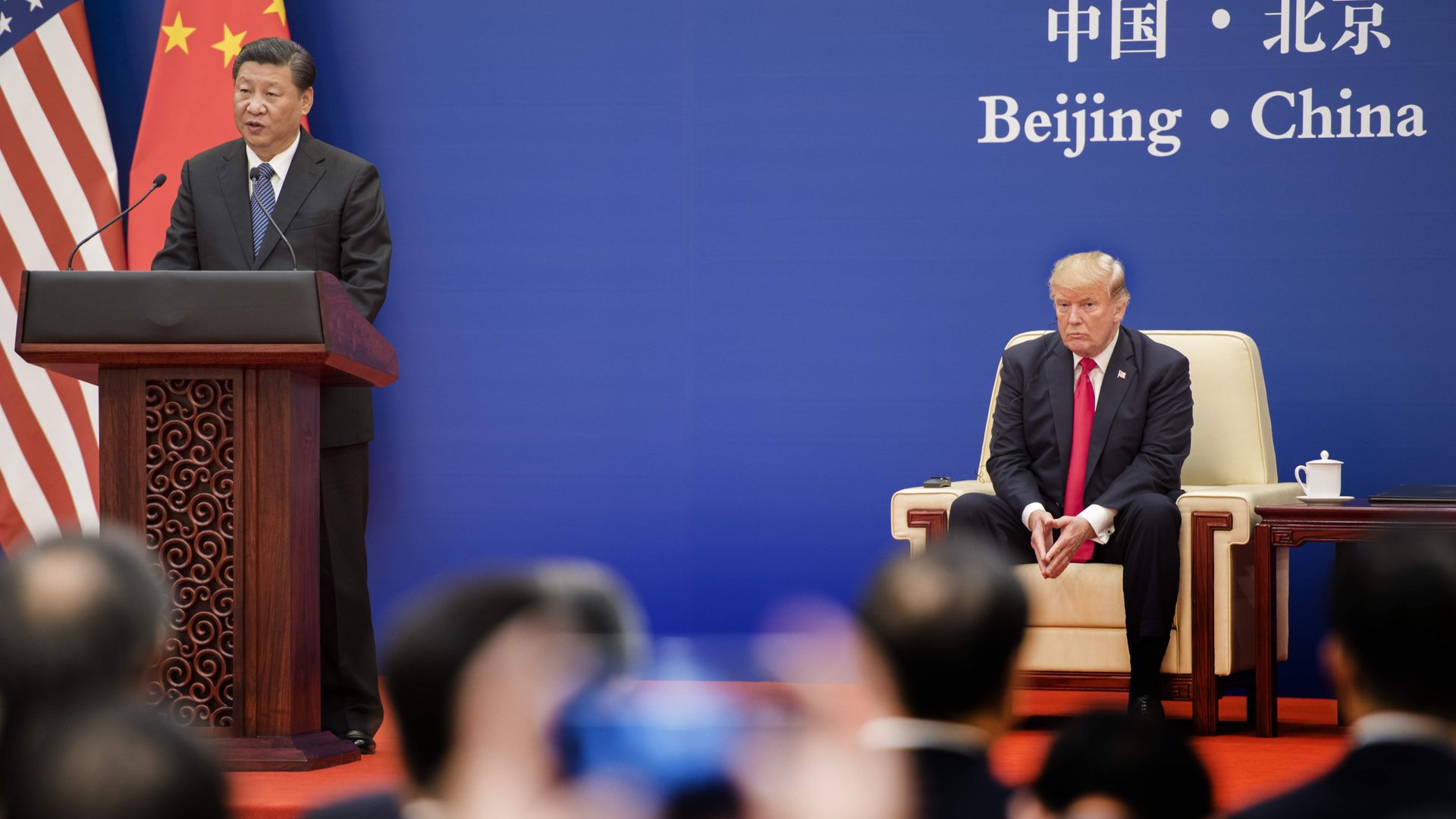
China is launching a World Trade Organization challenge to President Trump's proposed tariffs, the FT's Shawn Donnan reports.
Why it matters: "Beijing said the US’s proposed tariffs, unveiled earlier this week, represented a 'serious violation' of global trading rules because they discriminated against Chinese goods and violated the tariff limits Washington had made commitments to."
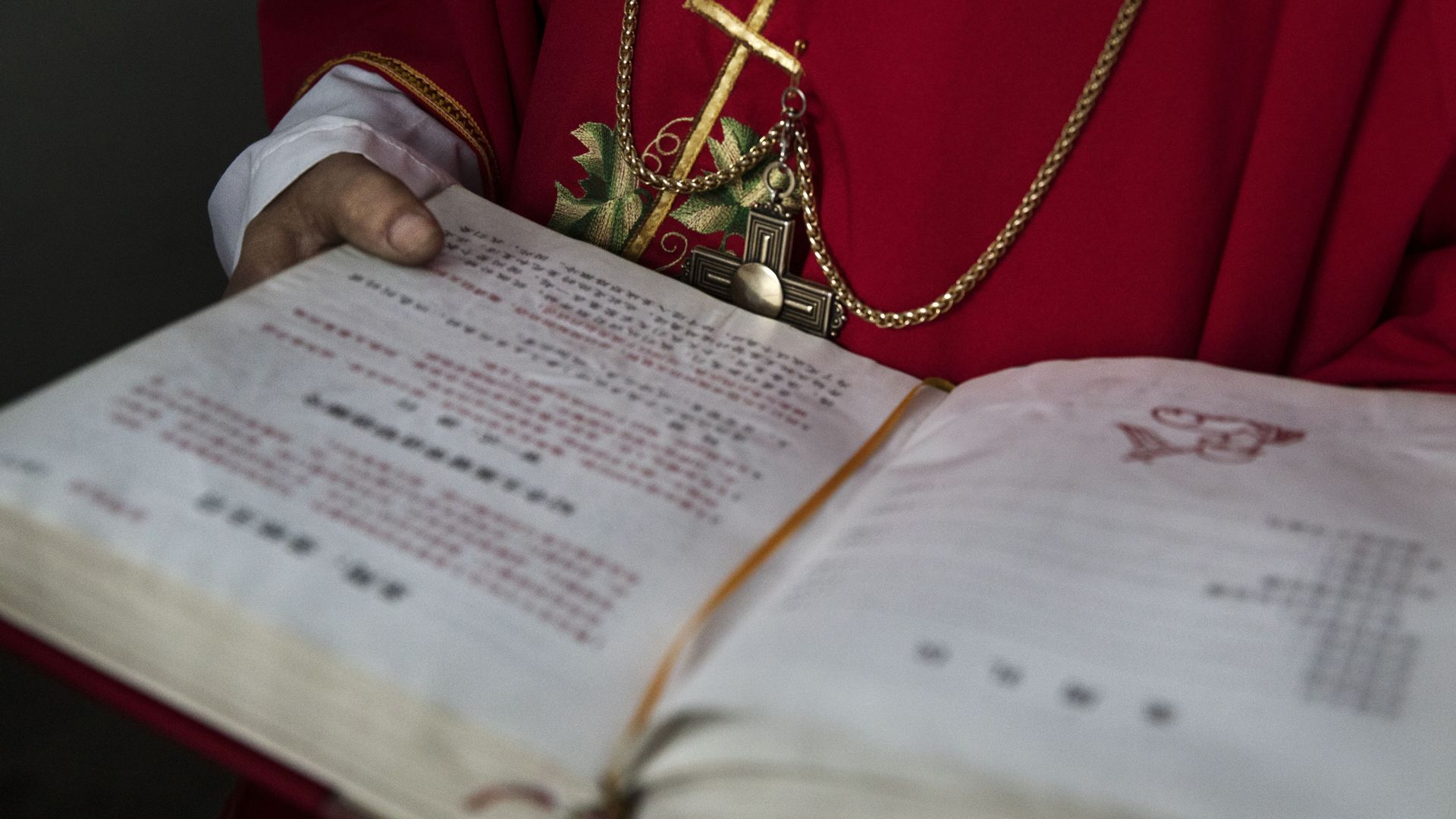
Online retailers in China are no longer allowed to sell the Christian Bible, reports the New York Times, as the Chinese government continues its crackdown on religion and the influence of Christianity in the country.
Why it matters: Censorship has always been an issue in China and it continues accelerate, especially within its digital borders, as President Xi Jinping consolidates his power. The government's efforts to ban online sales of the Bible serve as the latest example of Xi's attempts to assert his control over what he sees as promoting China's traditional values.
Yulia Skripal, who was poisoned along with her ex-spy father, Sergei, in a nerve agent attack in the United Kingdom, said that she has been awake for over a week and that her "strength is growing daily," according to a statement released by the Metropolitan Police. There is still no official word on her father's condition.
Yes, but: Russian state TV aired an unverified recording of a phone call today alleged to be between Yulia and her cousin, Viktoria Skripal, per TASS. In the recording, a woman identified as Yulia tells her cousin that Sergei is "alright" and "everyone is recovering."
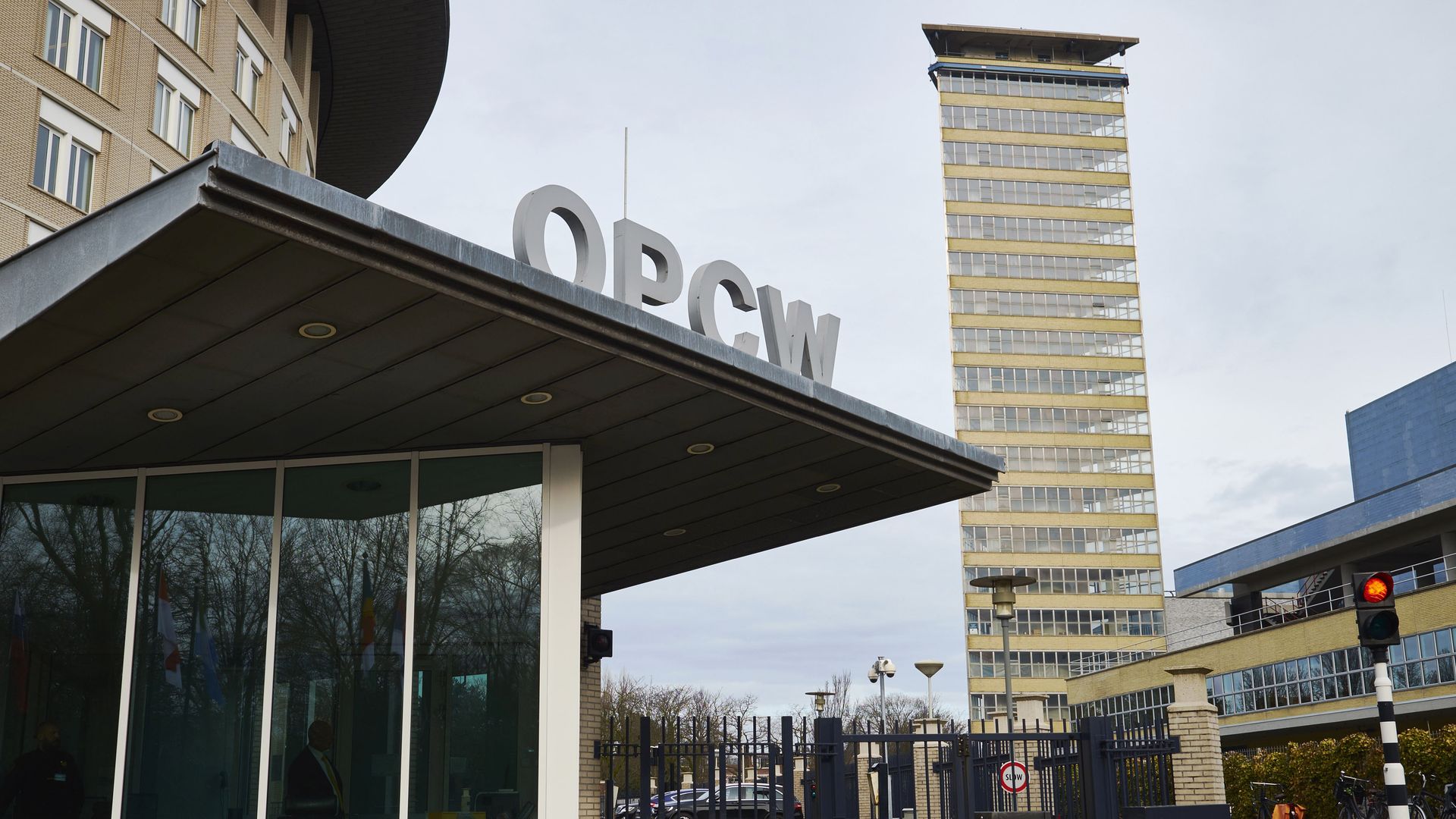
An international chemical weapons watchdog has rejected Russia's proposal for a joint investigation into the poisoning of ex-spy Sergei Skripal and his daughter Yulia with a nerve agent, the BBC reports. Russia reportedly acknowledged in a press conference following the vote that the poisoning was a "terrorist attack."
Why it matters: Russia lost the vote by a 15-6 margin, while 17 member states abstained. It's another rejection of Moscow's claims of innocence in the attack, which led some two dozen countries to expel Russian diplomats, though China and Iran were among those backing Russia's motion.
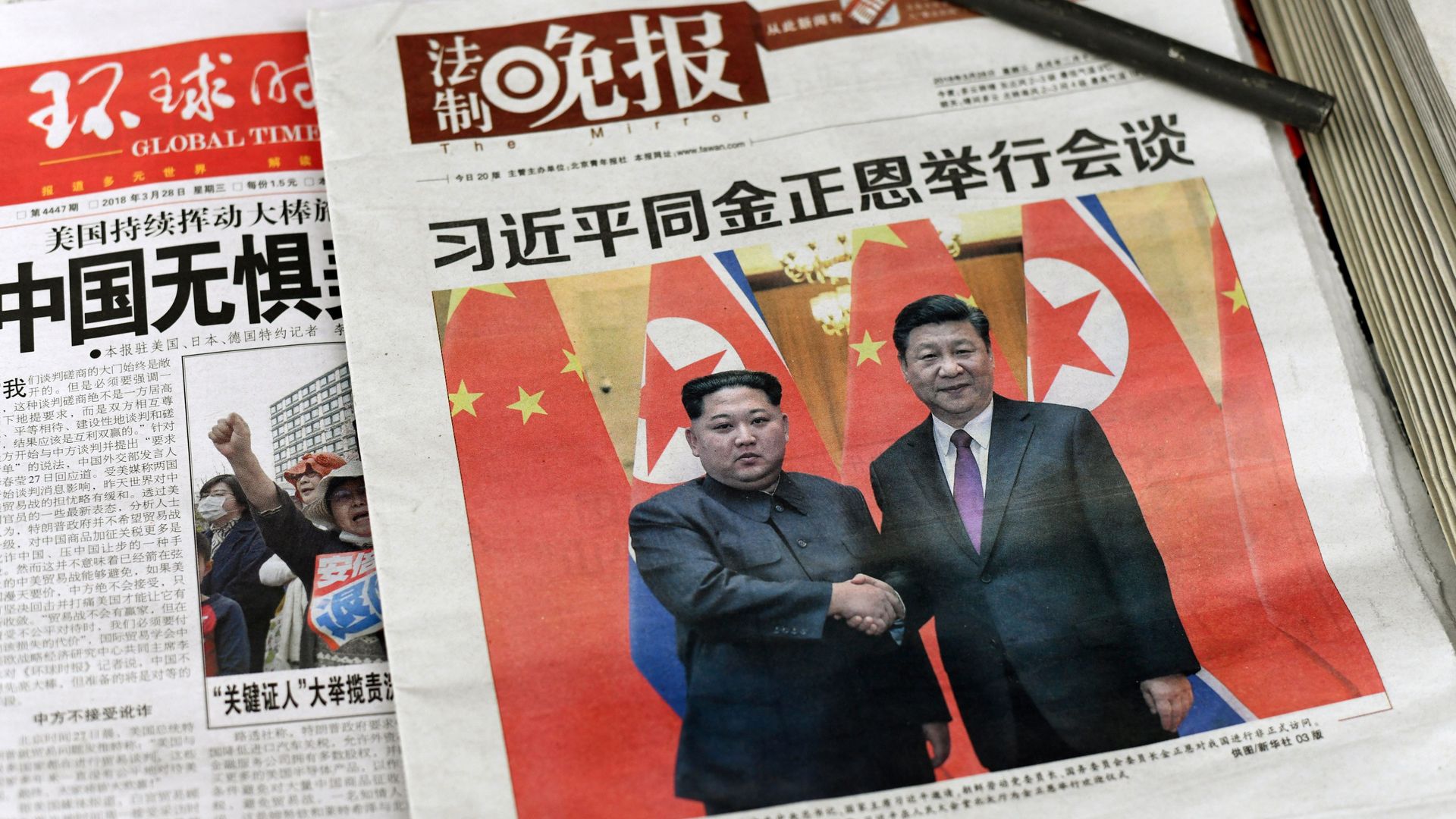
In agreeing to meet with North Korean leader Kim Jong-un, President Trump may have believed that he could strike a deal to finally denuclearize the regime. After Kim’s surprise meeting with Chinese president Xi Jinping, however, Trump may now have to rethink his strategy.
Likewise, South Korean President Moon Jae-in’s hope for a trilateral summit between the two Koreas and the United States, which would undermine China’s influence, has also turned out to be nothing more than a pipe dream.
Why it matters: Despite recent tensions, China remains North Korea’s most important ally and has a clear role to play in addressing its nuclear program.
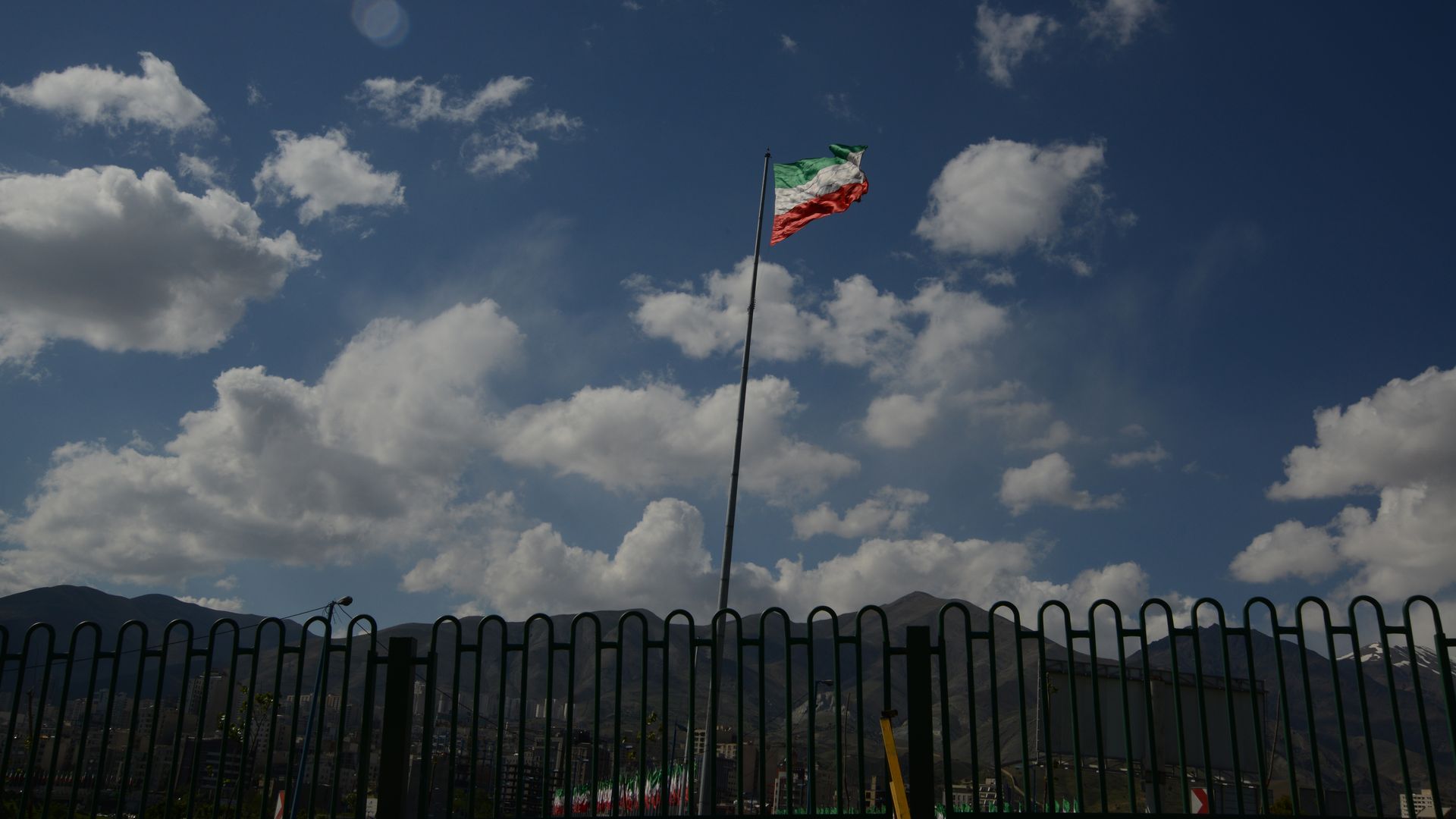
The U.S. recently indicted members of an Iranian government contractor for hacking universities and companies to steal research. Cybersecurity firm Mandiant, which highlighted Iran as a growing force in 2017 in an annual report released today, has seen an uptick in believed government affiliated Iranian hackers stealing intellectual property from businesses.
Why it matters: Once among the world's most amateurish cyber-powers, Iran has become a mature, aggressive player in digital espionage.
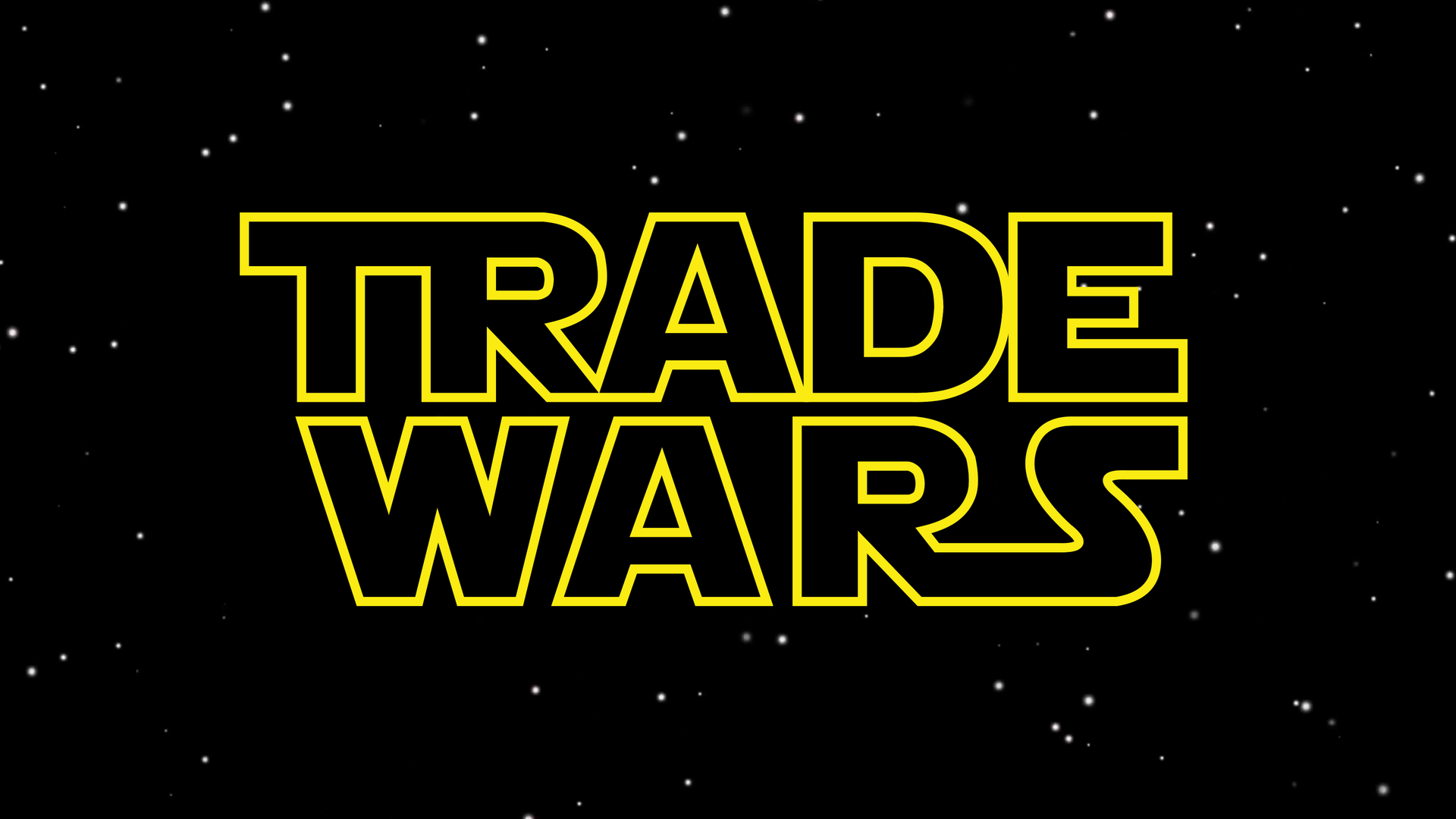
President Trump's new chief economic advisor, Larry Kudlow, told Fox Business Network on Wednesday that the economic standoff between the United States and China is "absolutely not" a trade war, adding that people should "blame China, not President Trump."
"Trump is really the first president to fight back ... this stuff is not just unfair — it's unlawful ... Every country in the world knows this ... There's no trade war here. What you've got is the early stages of a process that will include tariffs, comments on the tariffs, then ultimate decisions and negotiations. There's already backchannel talks going on."
China has responded to the Trump administration’s plan to slap tariffs on $50 billion in Chinese goods, retaliating with a list of similar duties on key U.S. imports that has stocks tanking on the news.
Affected itemsinclude: Autos, chemicals, planes, soybeans and whiskey.
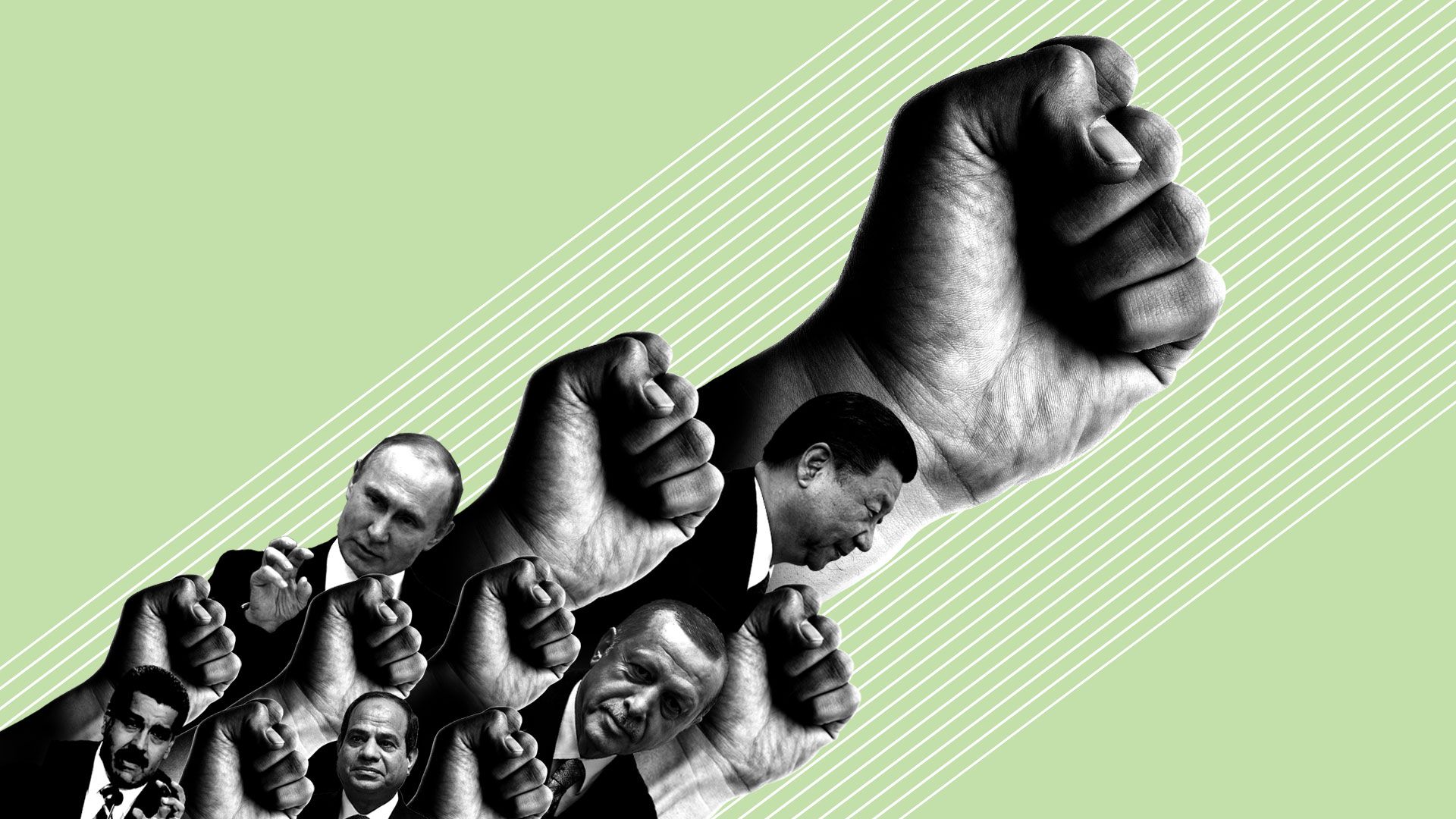
Russia’s Vladimir Putin and Egypt’s Abdul Fattah al-Sisi have extended their presidencies through sham elections, China has scrapped term limits to allow Xi Jinping to rule indefinitely, and Turkey’s Recep Tayyip Erdoğan has bolstered his popularity with a military offensive in Syria. Even Nicolas Maduro, despite a crippling financial crisis, has maintained his grip on power in Venezuela.
The big picture: 2018 has been a good year to be a strongman. Will that luck run out?
Speaking at an Atlantic Council event celebrating the U.S.-Baltic partnership, outgoing national security adviser H.R. McMaster denounced Vladimir Putin over what he called Russia's efforts to "undermine our open societies and the foundations of international peace and stability.“
Between the lines: McMaster's was some of the most blistering rhetoric toward Putin thus far from the Trump administration, and included an acknowledgement that the West has "failed to impose sufficient costs" on the Kremlin. It came in his last speech before being replaced by John Bolton.