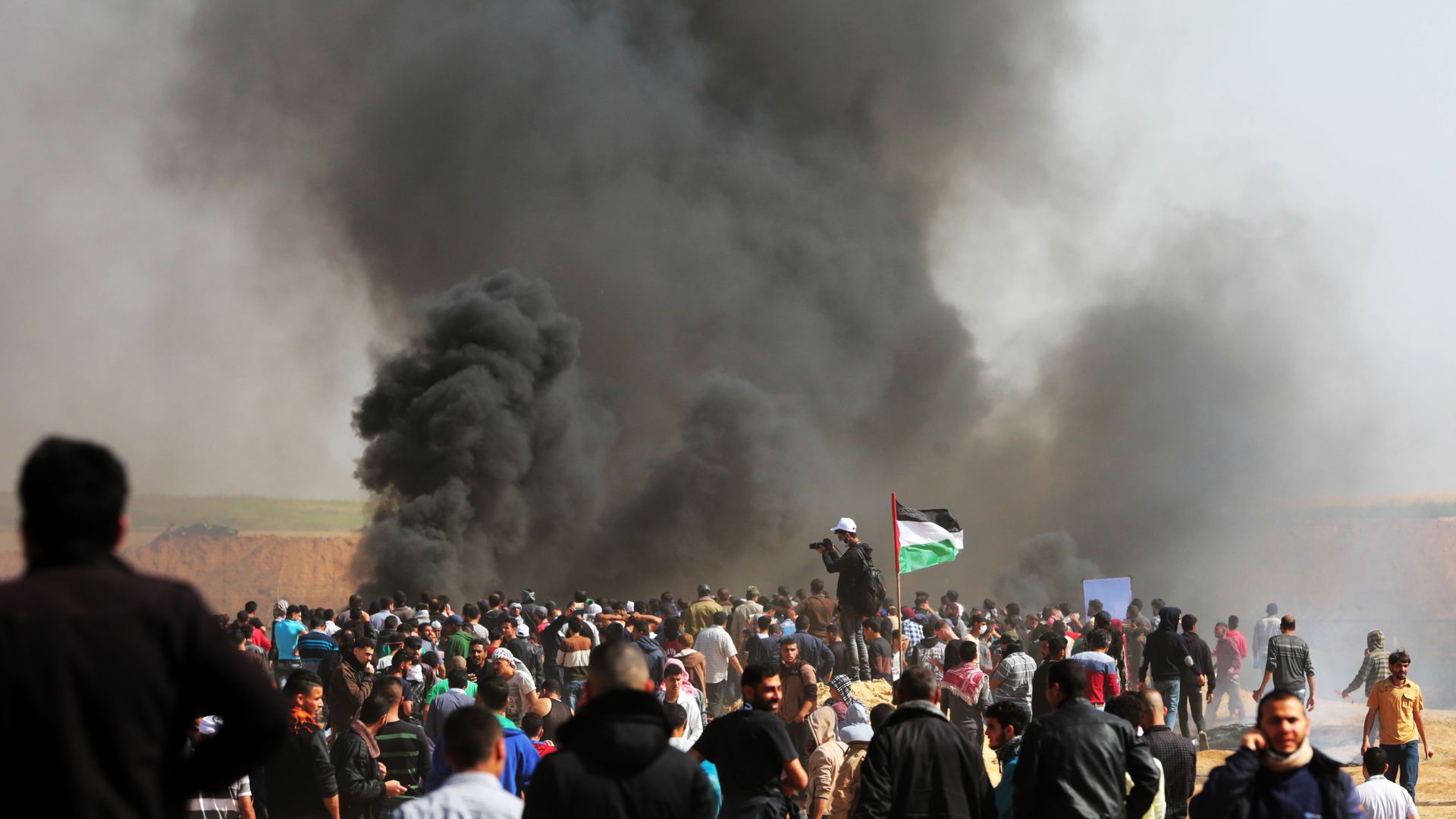
One of six Palestinian journalists shot during a protest at the Israeli border died on Saturday, The Washington Post reports; he was wearing a marked "PRESS" protective vest at the time.
The big picture: Unrest in Gaza has escalated over the last week, leaving 31 dead. Per the Post, residents began "what has been billed as six weeks of demonstrations against Israel" last week. The Palestinian health ministry in Gaza reported 491 Palestinians sustained gunshot wounds during Friday's Hamas-backed protest; WashPost reports that the Israeli military "has maintained that the shooting...is carefully targeted." Israel says "it is forced to use live ammunition" as Hamas is using the protests to cover up attacks.
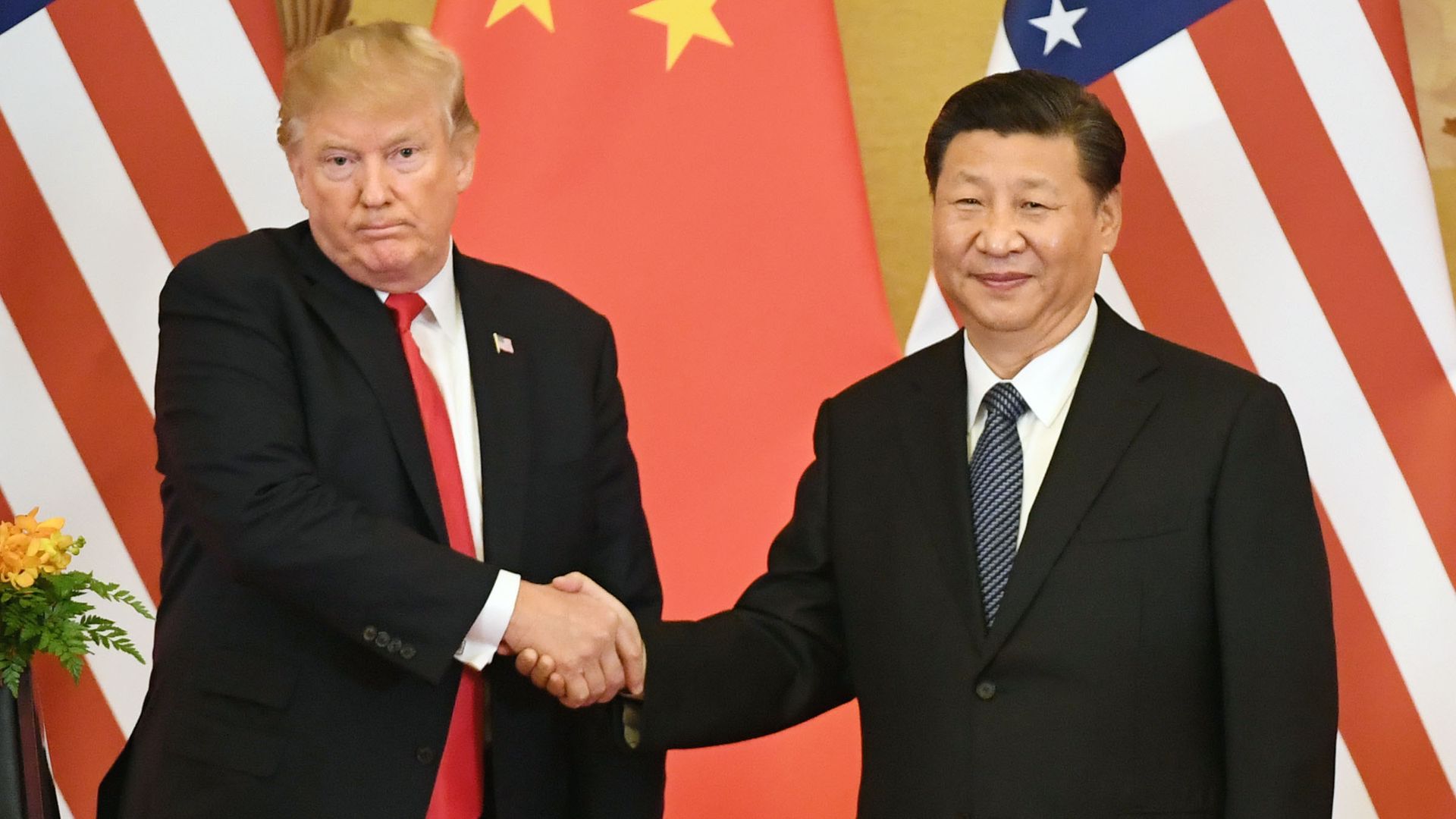
Part of the reason China was willing to take a harder line against North Korea was to curry favor with the U.S., but Trump has proposed tariffs on Chinese exports anyways, ratcheting up trade tensions.
Why it matters: Beijing is now reassessing its priorities when it comes to North Korea, according to Jenny Town, managing editor of 38 North, and may be less willing to keep up the pressure.
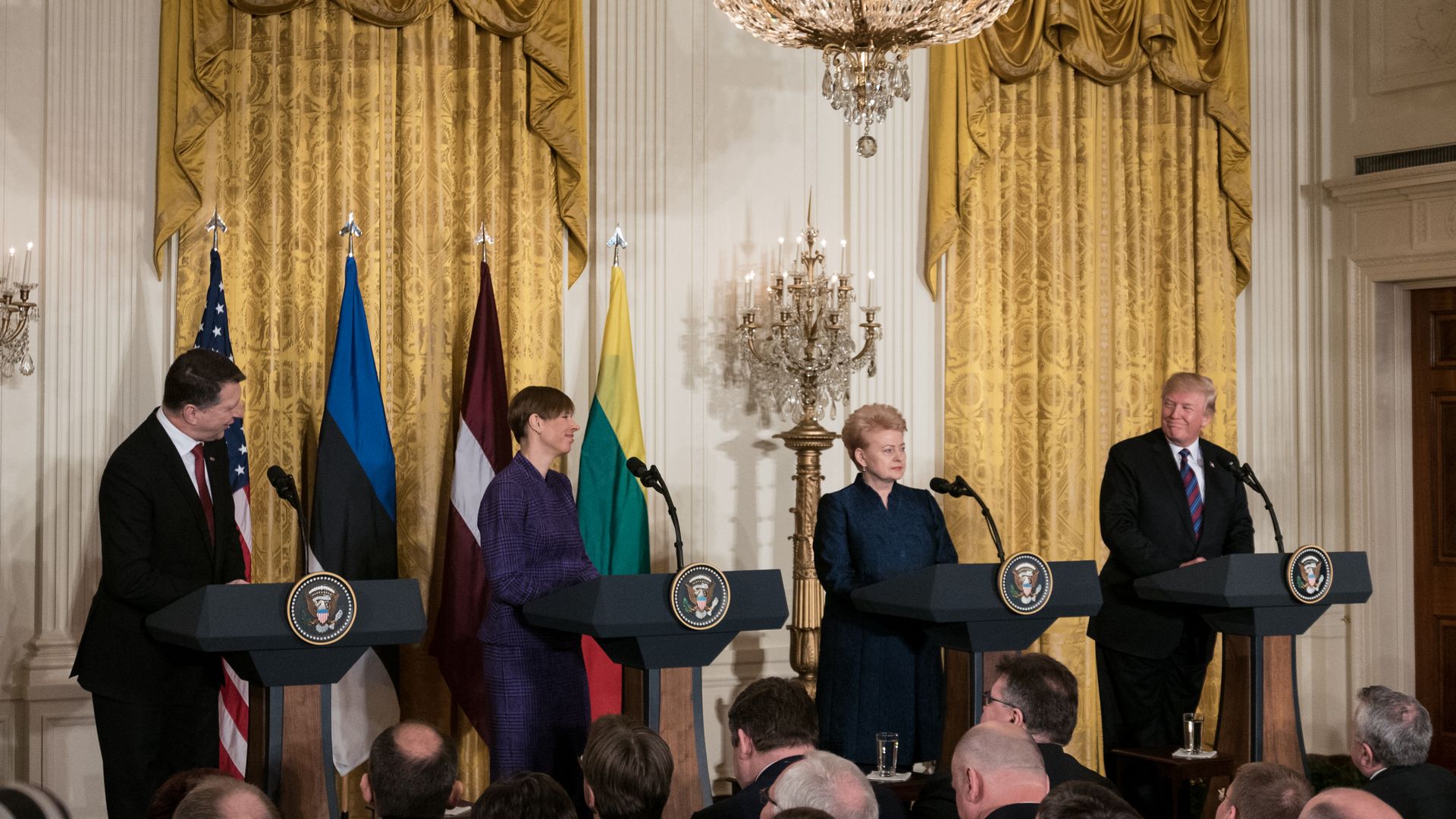
Since regaining independence from Soviet rule in 1991, the Baltic states have become some of Europe's most dynamic economies, joined NATO and embraced the democratic commitments to openness, human rights and the rule of law. Yet they're now being tested by a revanchist Russia intent on sowing division and mistrust.
The big picture: As Russia threatens to undermine the Baltic states with dangerous brinksmanship, the U.S. faces a historic window of opportunity to fortify the U.S.–Baltic partnership.
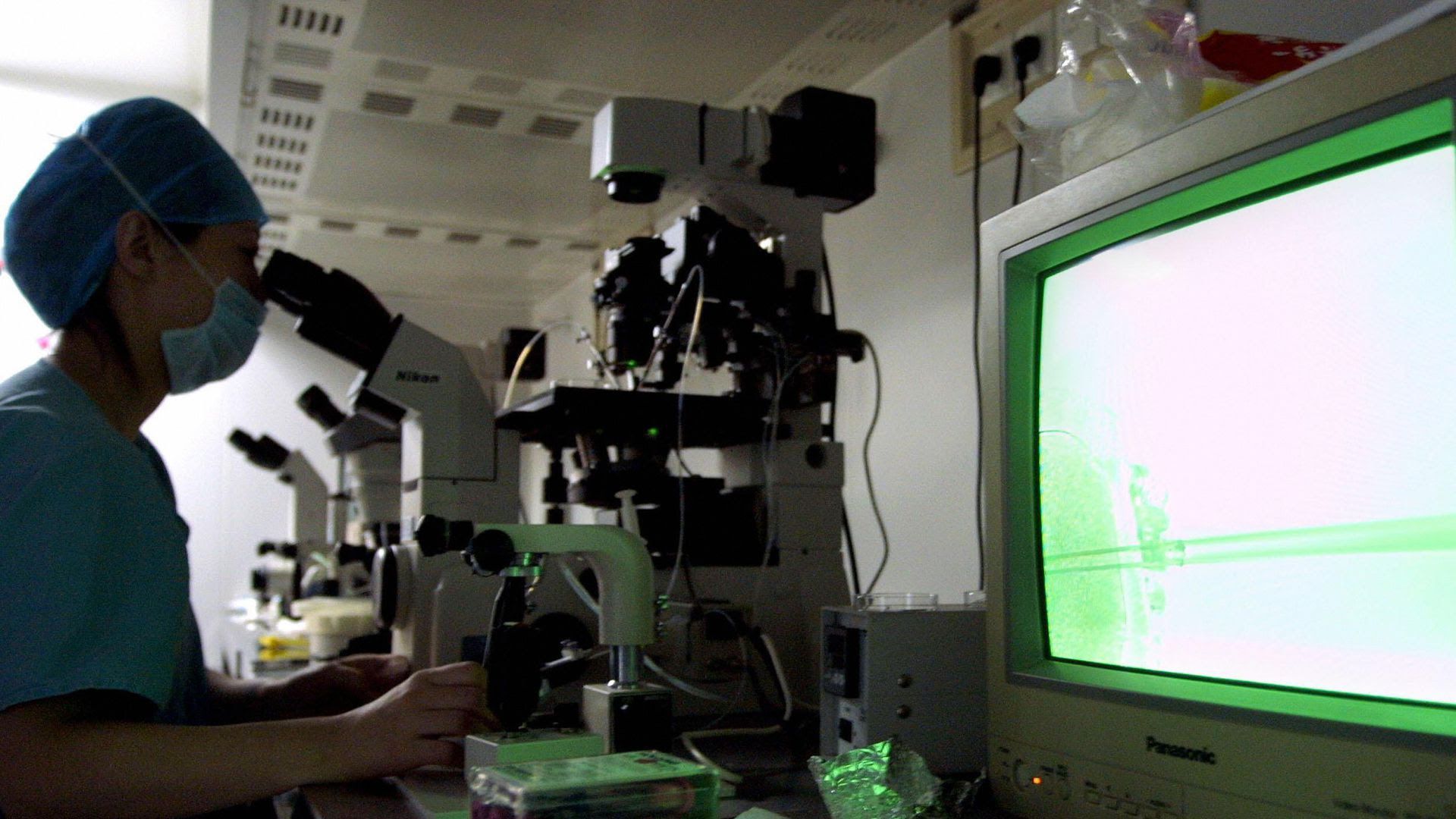
The Third University Hospital of Peking University is running a sperm donation campaign that states their requirements to become a potential donor include both good health and "favorable political qualities," the SCMP reports. The article says these requirements include:
“[The donors must] love the socialist motherland and embrace the leadership of the Communist Party.... [He must] be loyal to the party’s tasks, be decent, law-abiding and be free of any political problems.”
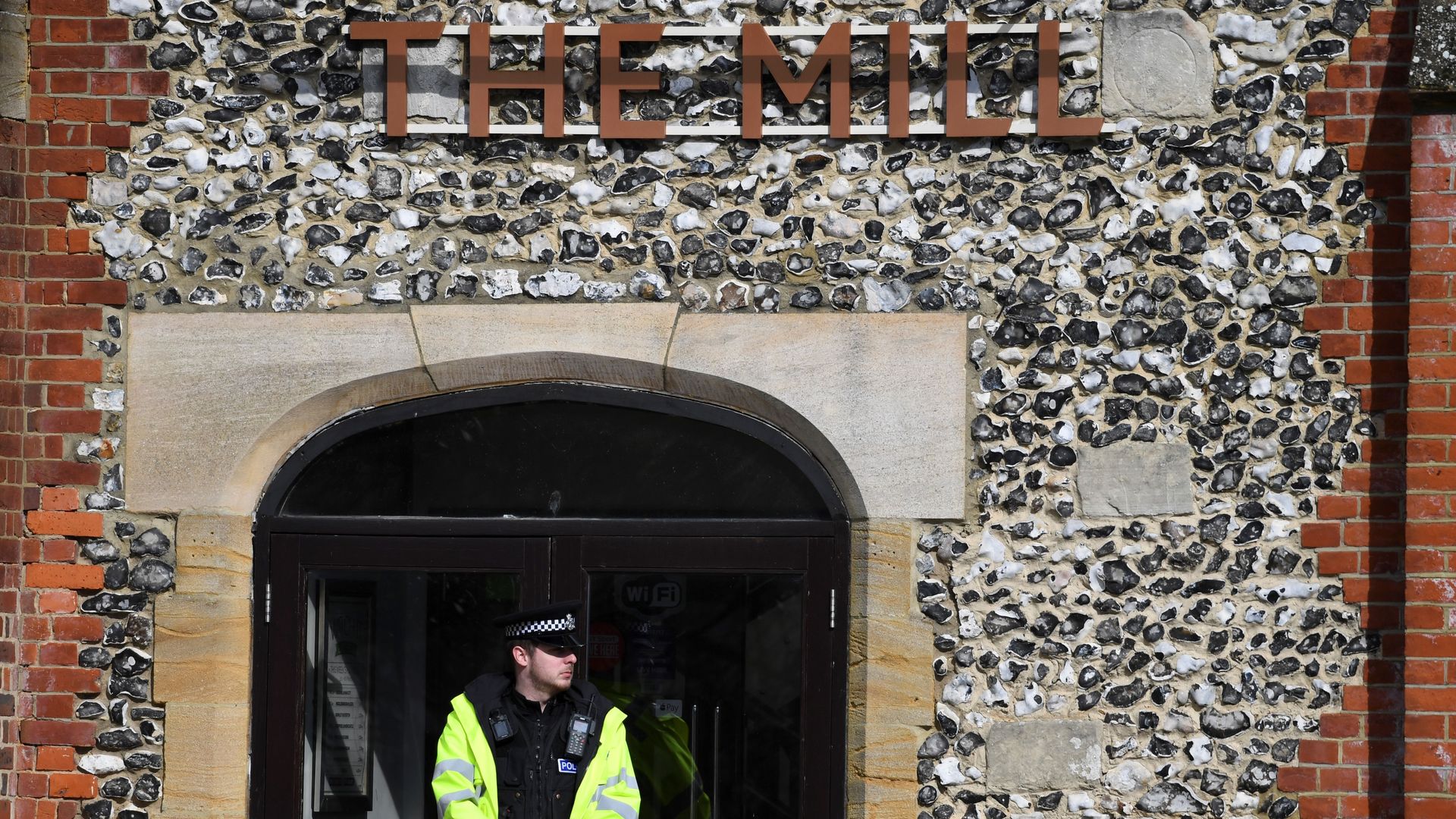
The U.S. Treasury Department is sanctioning 7 Russian oligarchs and 12 companies the oligarchs own or control for their “ongoing and increasingly brazen malign” activity, a senior administration official told reporters Friday.
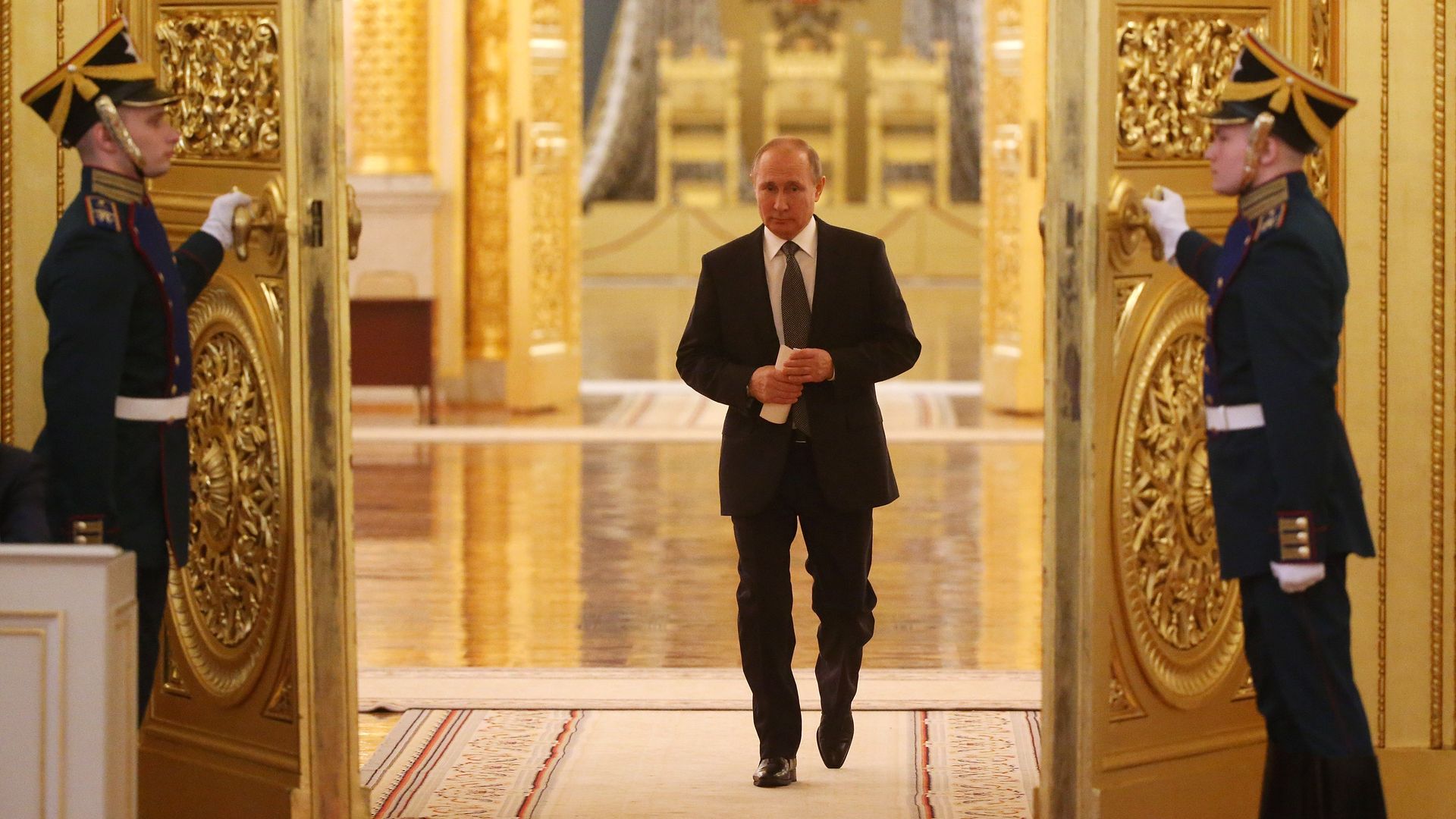
Why it matters: The move targets Russian President Vladimir Putin’s inner circle, including his son-in-law, and represents the toughest sanctions against Russia since Trump took office. One senior administration official said the goal is to show that “the elite are not immune for accountability for the actions of the Russian government." It comes as tensions between Russia and the West are rising — fast.
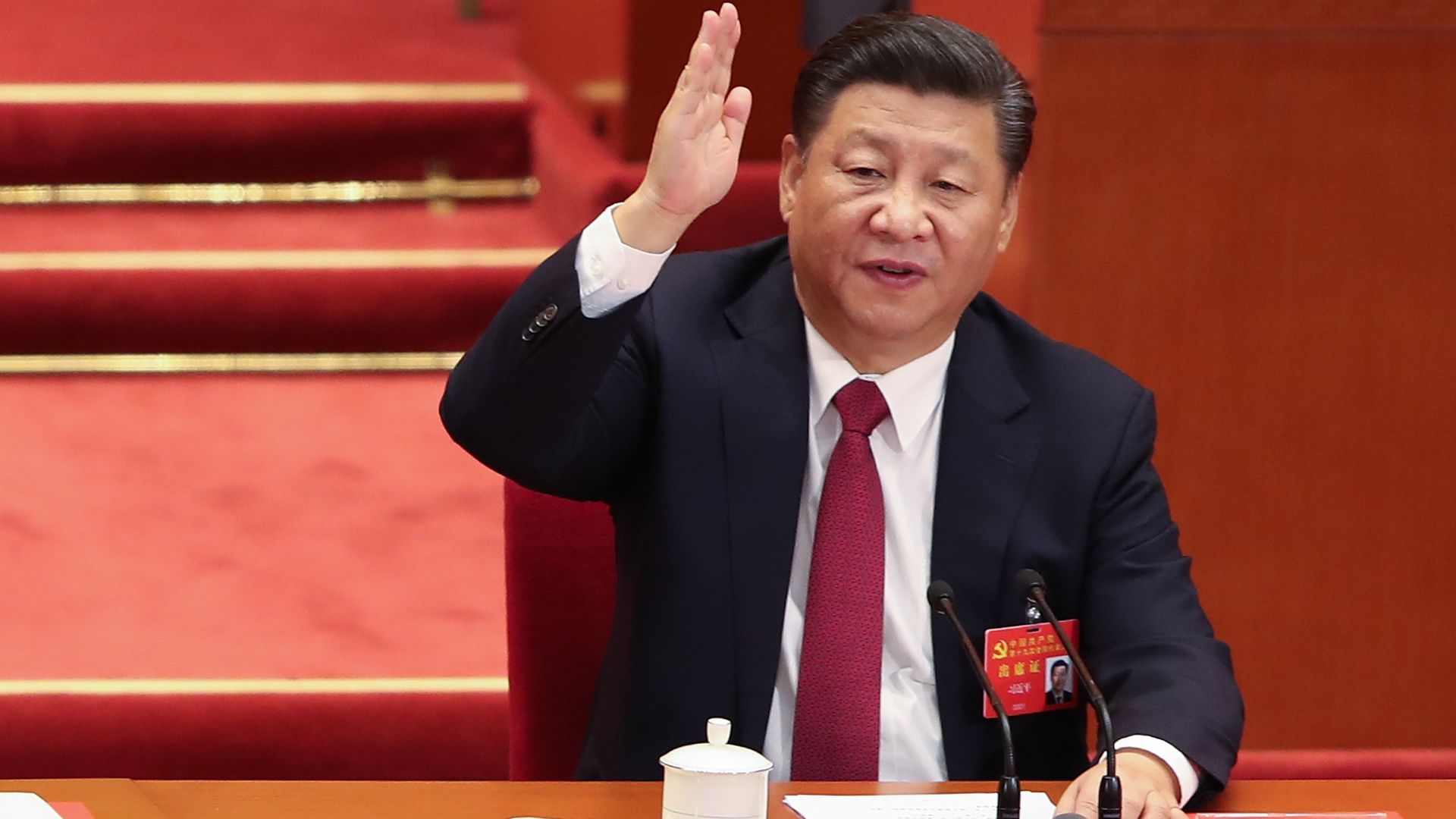
China vowed on Friday that it will fight back "at any cost" if the Trump administration continues to impose new tariffs on Chinese goods, according to a statement from China's commerce ministry.
Why it matters: China increasing tariffs on the United States would be difficult, as the country only imports $130 billion in goods from the U.S., so U.S. businesses may be China's next target. That could hurt both countries' GDP by as much as .3%, per the Wall Street Journal.
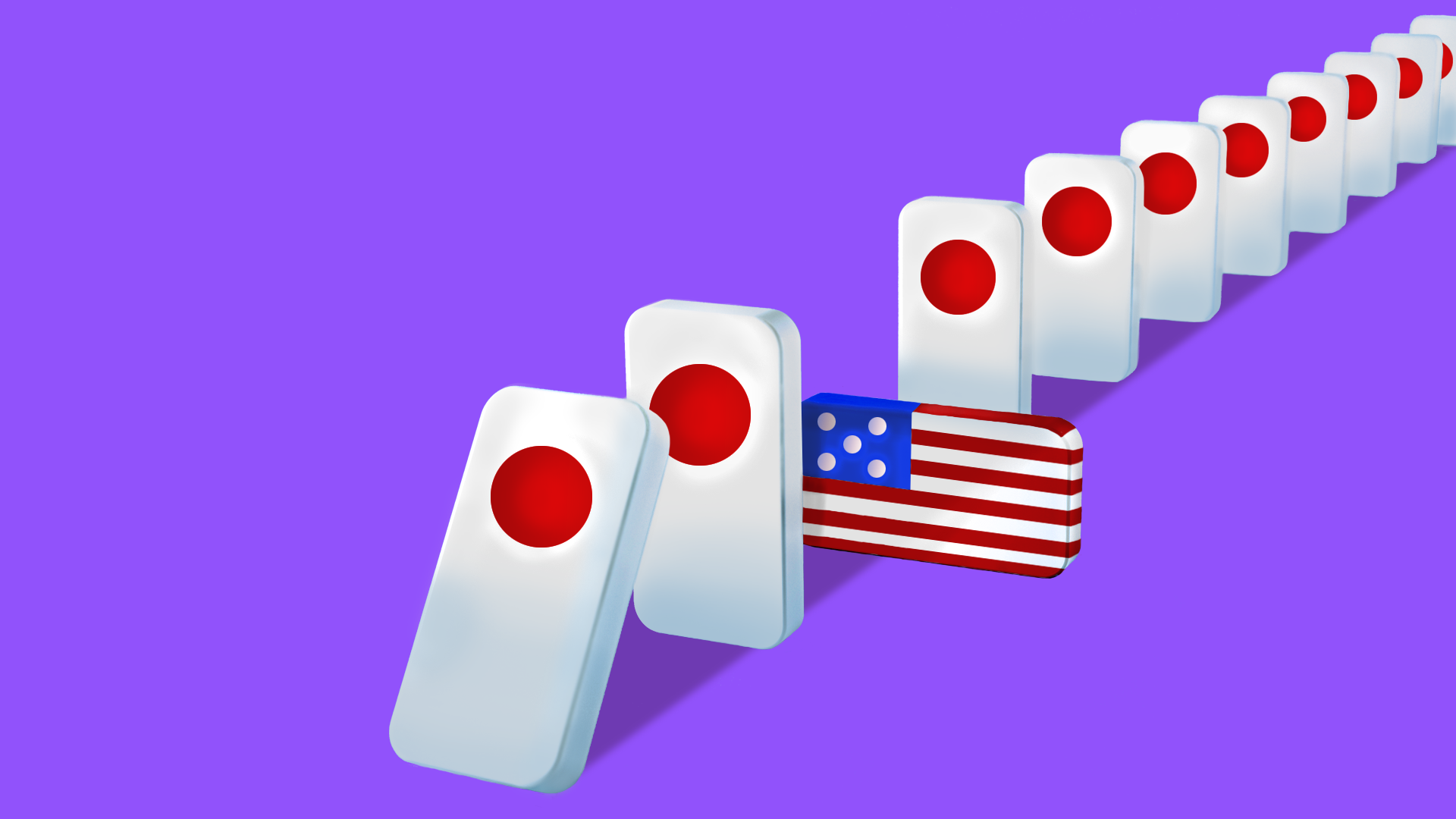
Donald Trump thought Japan was taking advantage of the U.S. in the 1980s, but now it's his closest partner in confronting a new rival: China.
The bottom line: The U.S. and Japan agree on the threat posed by an increasingly ambitious China. But Japan wants to counter China through international partnerships, while, under Trump, the U.S. is actively retreating from those alliances in favor of going after Beijing alone.