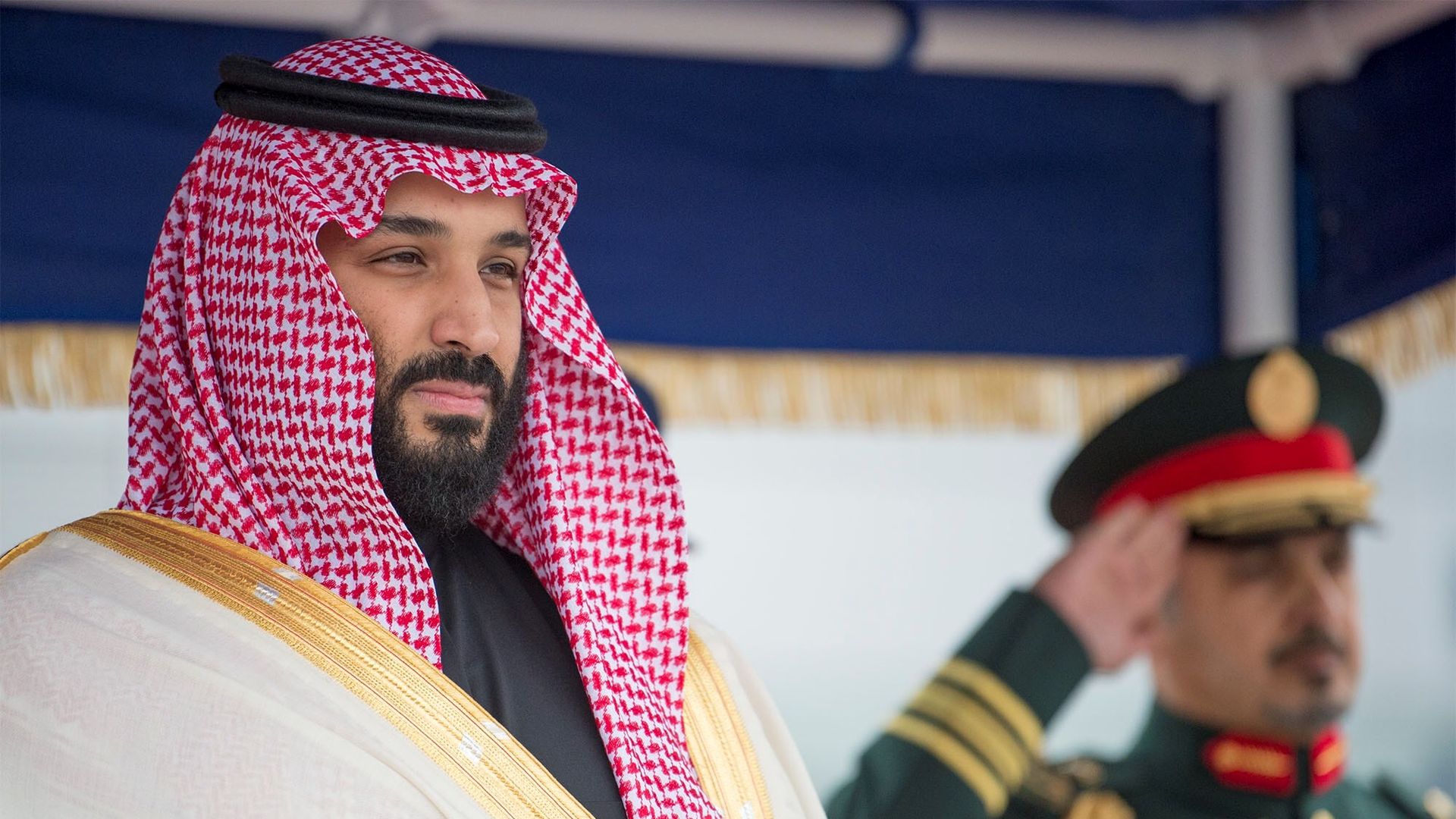
Saudi Crown Prince Mohammed bin Salman told CBS that Saudi Arabia is prepared to enter an arms race if Iran were to develop nuclear weapons, reports Reuters.
"Saudi Arabia does not want to acquire any nuclear bomb, but without a doubt if Iran developed a nuclear bomb, we will follow suit as soon as possible.”
— Crown Prince Mohammed bin Salman
Iran's response: “He has no idea of politics apart from bitter talk that emanates from a lack of foresight...His remarks do not deserve a response, because he is a delusional, naive person, who never talks but with lies and bitterness,” said Iran's Foreign Ministry spokesman, Bahram Qasemi.
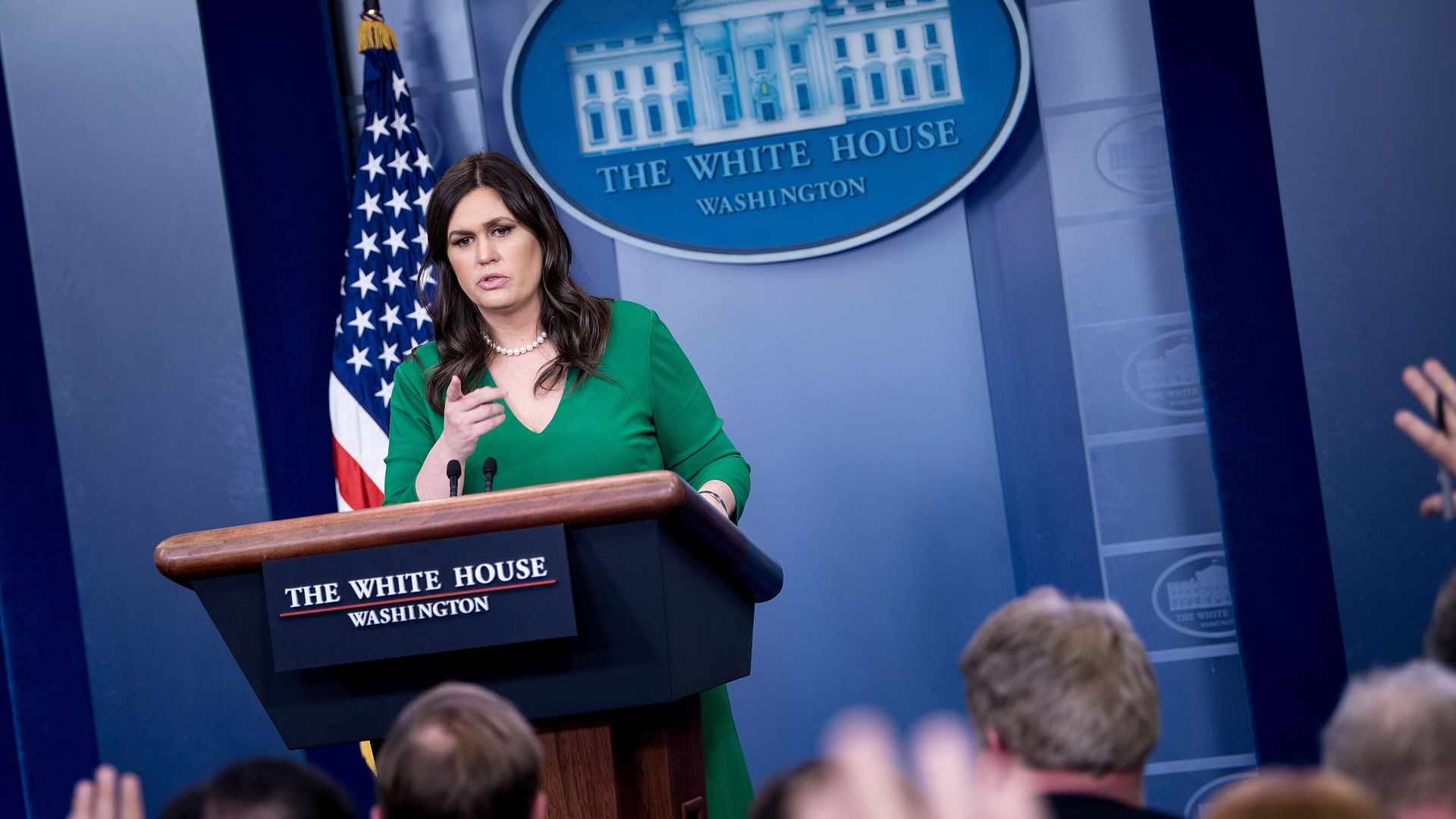
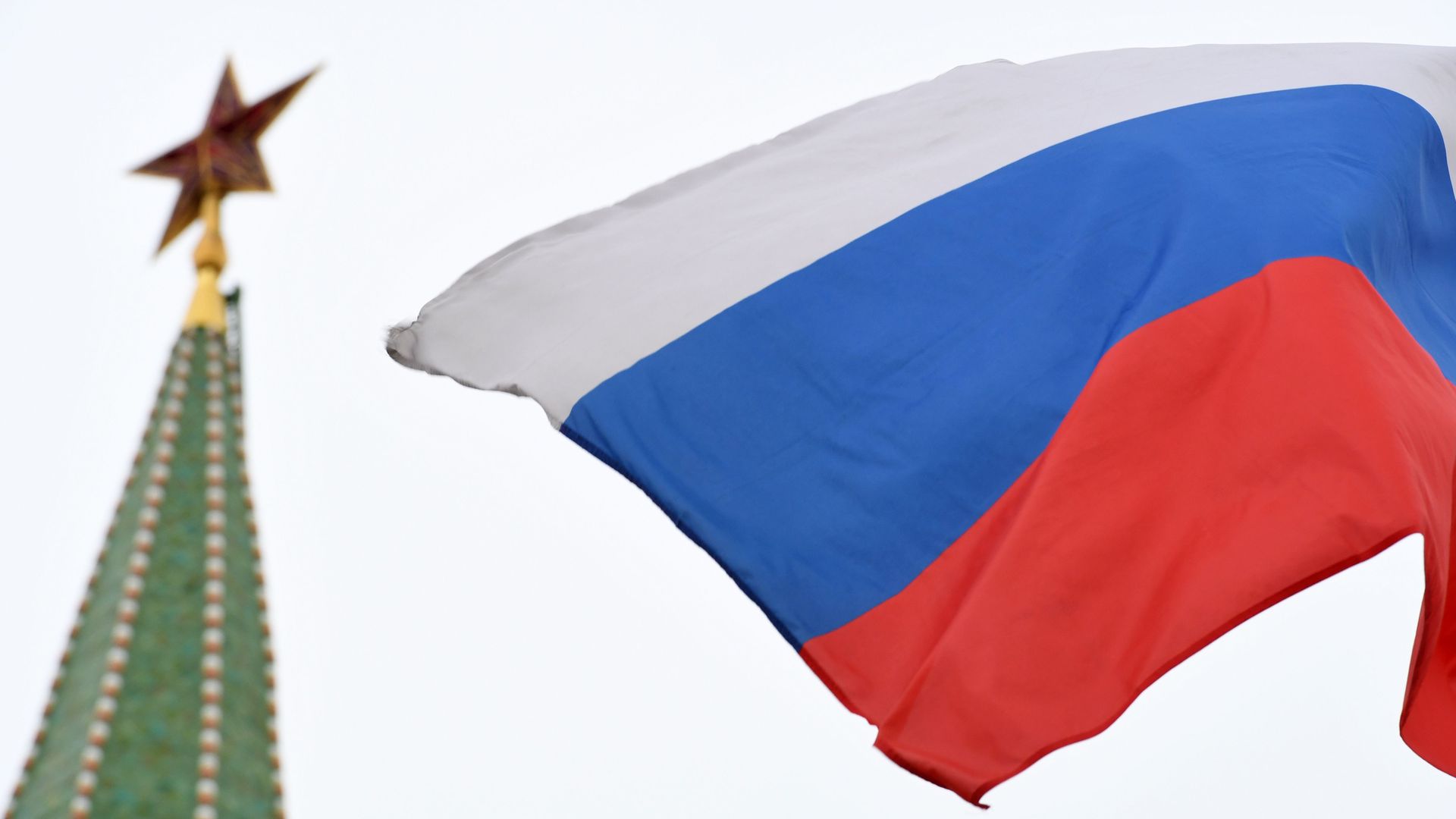
Press Secretary Sarah Sanders said Thursday that the U.S. will continue to be tough on Russia until they decide to change their behavior, pointing to today's sanctions as evidence that President Trump has been hard on the Kremlin.
“Russia is going to have to make that determination [whether they are a friend or a foe to the U.S.] .... They are going to have to decide if they are a good actor or a bad actor."
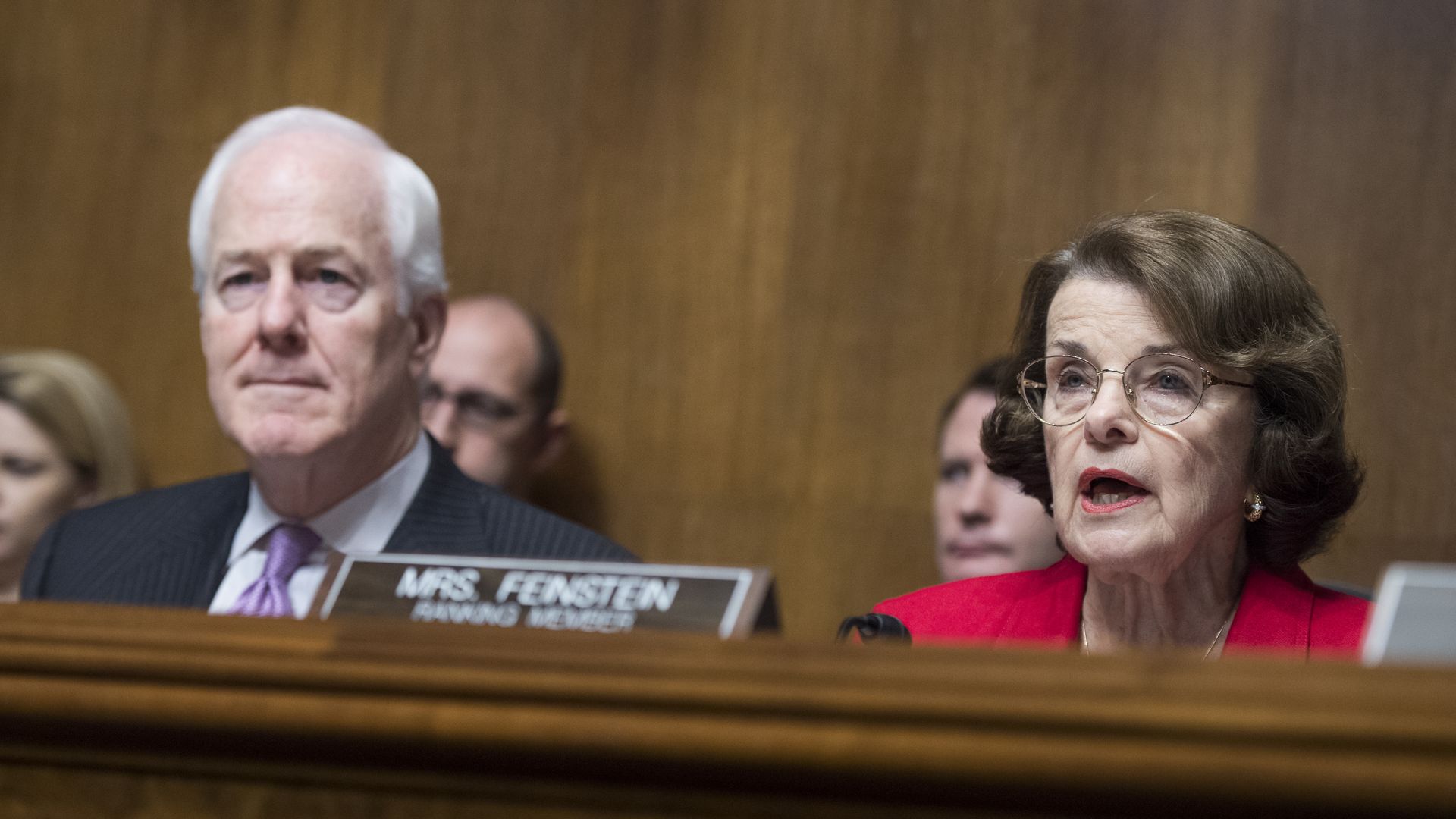
A new version of a foreign investment oversight bill championed by Sens. John Cornyn and Dianne Feinstein allows certain countries that are "strategic partners" of the U.S. to be exempt from review, according to a source familiar with the negotiations.
Why it matters: The changes show effort to alleviate concerns of American companies that feared the original bill's reach was too broad and would hurt business.
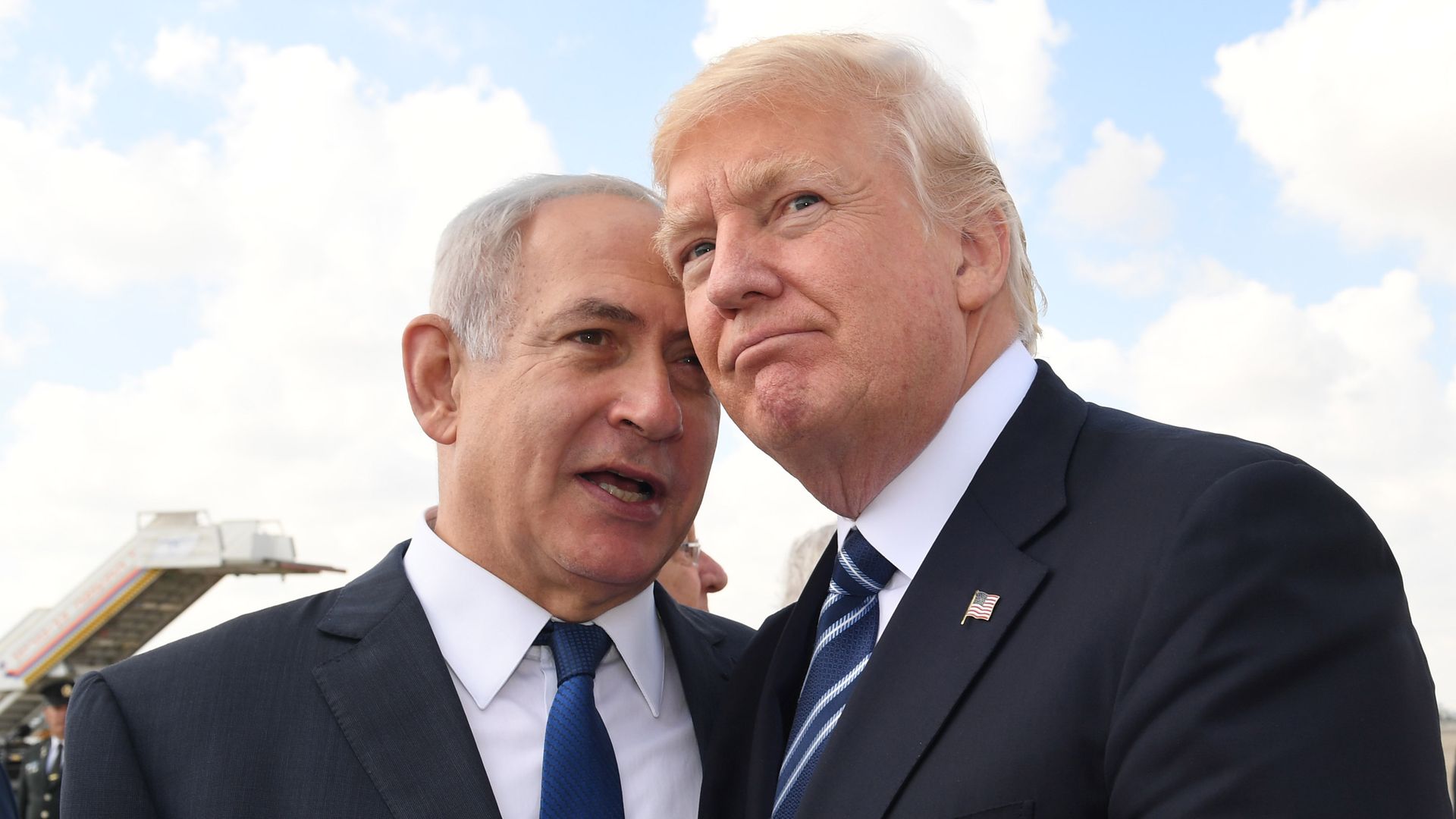
Israeli Prime Minister Benjamin Netanyahu told his security cabinet his assessment is that President Trump will most likely withdraw the U.S. from the Iran nuclear deal in May, according to two ministers who attended the meeting.
The backdrop: Netanyahu was briefing the security cabinet Sunday on his meeting with Trump earlier this month. He said Vice President Mike Pence, Secretary of Defense James Mattis, Secretary of State Rex Tillerson, National Security Adviser H.R. McMaster and Chief of Staff John Kelly had all been present for the discussion on Iran.
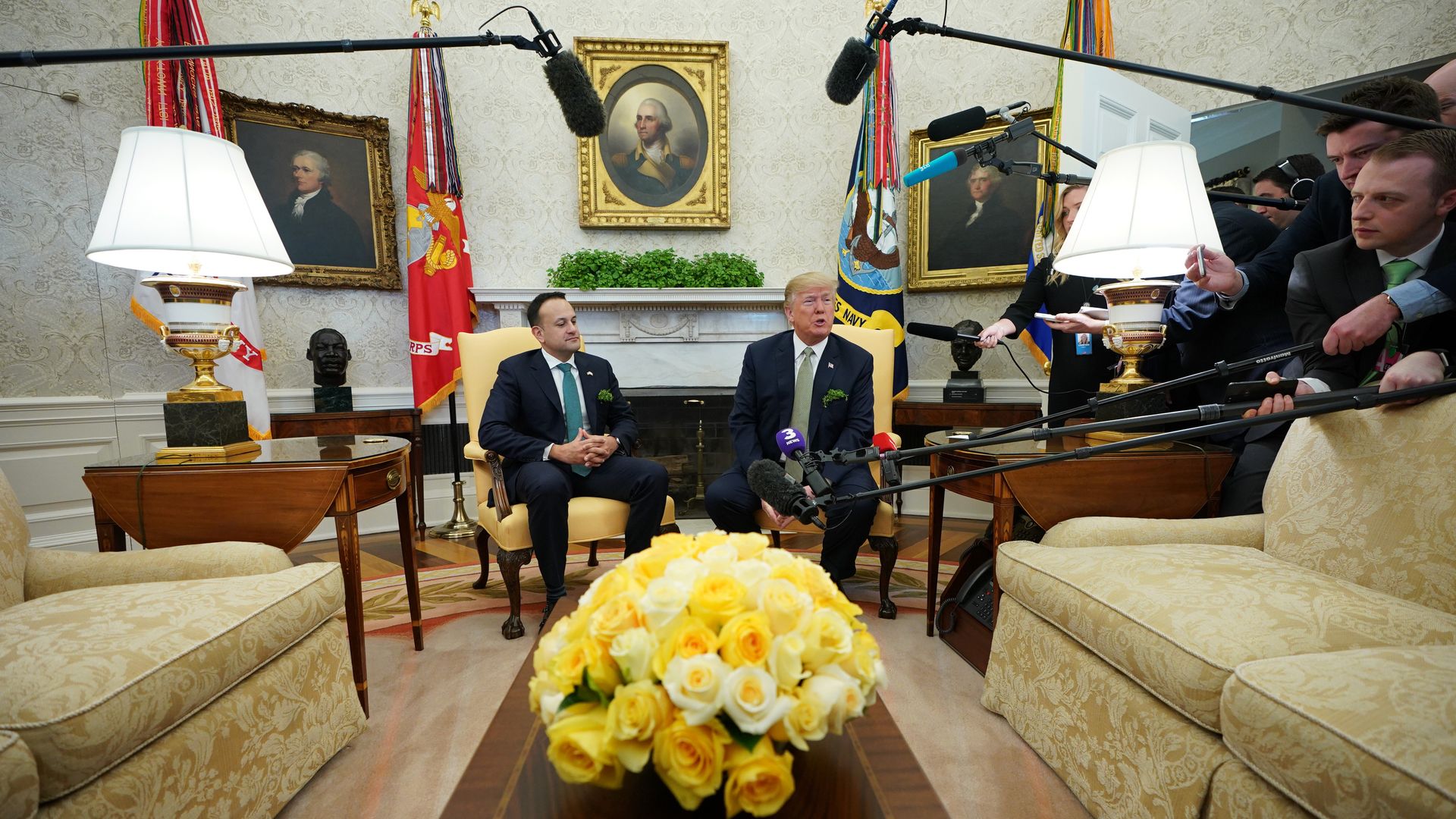
President Trump batted away recent reports of a Cabinet shakeup during a meeting with Irish Taoiseach Leo Varadkar in the Oval Office this morning, calling the rumors "very exaggerated and false." But then he kept the confusion alive, adding:
"There will always be change. And I think you want to see change. I want to also see different ideas."
The bottom line: As Axios' Jonathan Swan reported earlier today, no one in Trumpworld knows what the president will do next.
The Treasury Department's Office of Foreign Assets Control (OFAC) is sanctioning five entities and 19 individuals in Russia over meddling during the 2016 U.S. election — as well as for destructive cyberattacks, including the NotPetya malware attack.
Why it matters: This is the strongest action yet from the administration in response to Russian election meddling, which President Trump has repeatedly downplayed or expressed doubts about. Brian O’Toole, a senior fellow at the Atlantic Council and former senior official at OFAC, tells Axios that while the sanctions “highlight behavior” by the Russians, “from a legal perspective it doesn’t change much.”
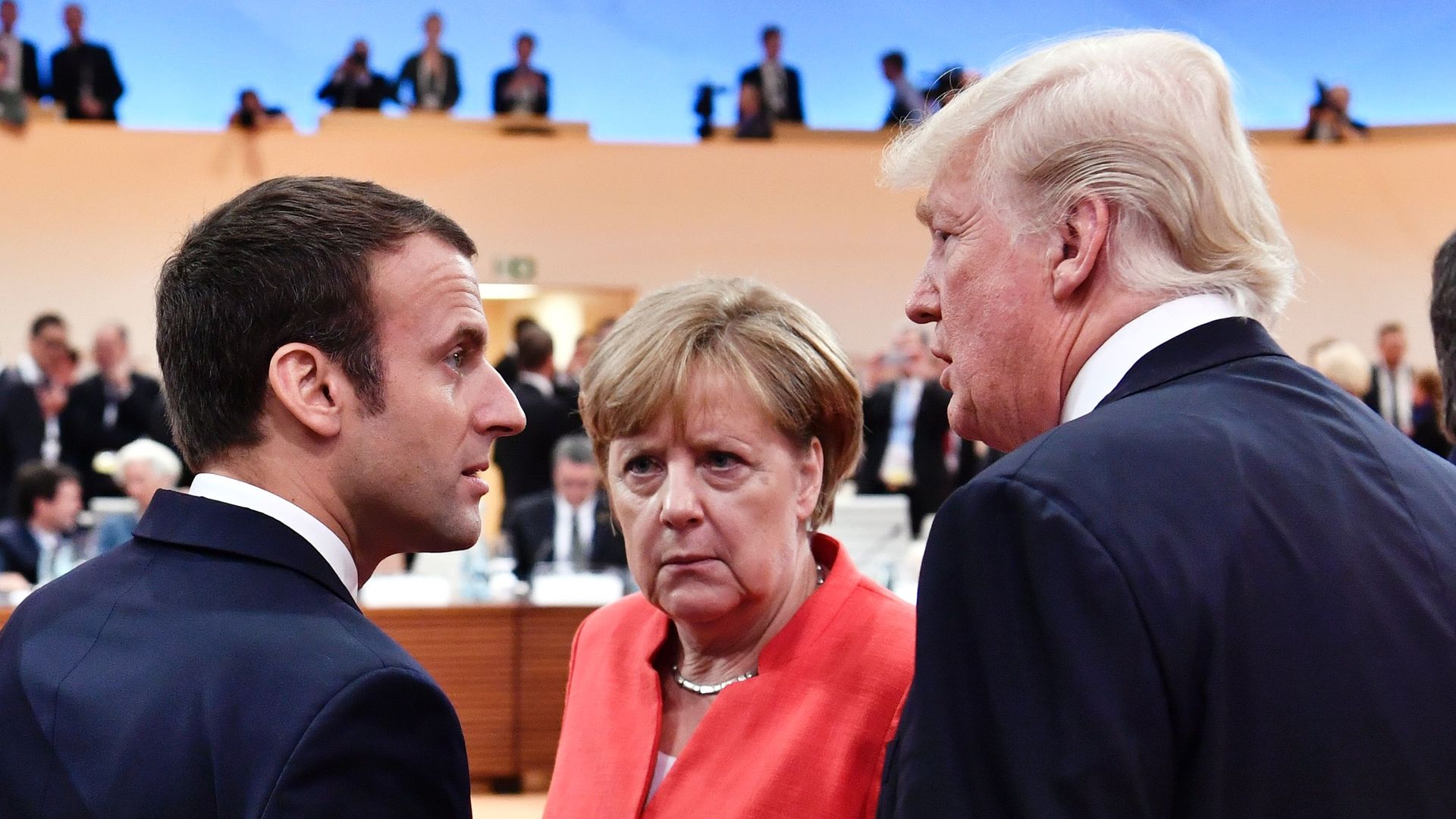
The leaders of the United States, United Kingdom, Germany and France issued a rare joint statement Thursday unequivocally blaming Russia for the poisoning of Sergei Skripal and calling on the country to "live up to its responsibilities as a member of the UN Security Council to uphold international peace and security."
Why it matters: Despite "no plausible alternative explanation," the Kremlin has still yet to accept culpability for what the four leaders are calling the "first offensive use of a nerve agent in Europe since the Second World War." Yesterday, Theresa May announced a series of punitive measures that included the expulsion of 23 Russian diplomats, marking a huge escalation in international tensions.
Consumer products behemoth Unilever, the United Kingdom's third biggest company by market value, has chosen the Netherlands over the U.K. as its sole headquarters, per the NYT. The company has long had a relatively unique setup with dual headquarters in both countries, though its complex corporate structure hindered its financial agility — illustrated by the withdrawn $143 billion takeover offer from Kraft Heinz last year.
Why it matters: While the move won't result in the loss of any U.K. jobs, it is sure to signal to some observers a lack of confidence in Britain given the uncertainty surrounding the scope of Brexit. Though, according to the FT, Prime Minister Theresa May is comfortable with Unilever's decision: "Mrs. May is adamant that the Unilever move has nothing to do with Brexit and felt vindicated by comments from Paul Polman, chief executive, that it was not a factor in the decision."
The White House released a statement on Wednesday supporting the U.K.'s expulsion of 23 Russian diplomats earlier in the day over the poisoning of Russian ex-spy Sergei Skripal in the English town on Salisbury.
"The United States shares the United Kingdom’s assessment that Russia is responsible for the reckless nerve agent attack on a British citizen and his daughter, and we support the United Kingdom’s decision to expel Russian diplomats as a just response."
— Press Secretary Sarah Sanders
The backdrop: Theresa May's announcement was a major escalation in Russia-U.K. relations, and President Trump said on Tuesday that the U.S. would condemn Russia "[a]s soon as we get the facts straight, if we agree with them." Ambassador to the U.N. Nikki Haley took a strong stance against Russia on Wednesday.
Talks with North Korea present a long list possible pitfalls for the U.S. Since Kim Jong-un's offer, President Trump has exacerbated the risks by accepting the invitation outright, issuing overconfident statements and replacing the cautious Rex Tillerson with the pliant Mike Pompeo as secretary of state.
Why it matters: The State Department exists to ensure that the president arrives at summits like this with a strong hand, by nailing down favorable terms and negotiation strategy. Ignoring this expertise will see Trump striding blithely toward potential traps.
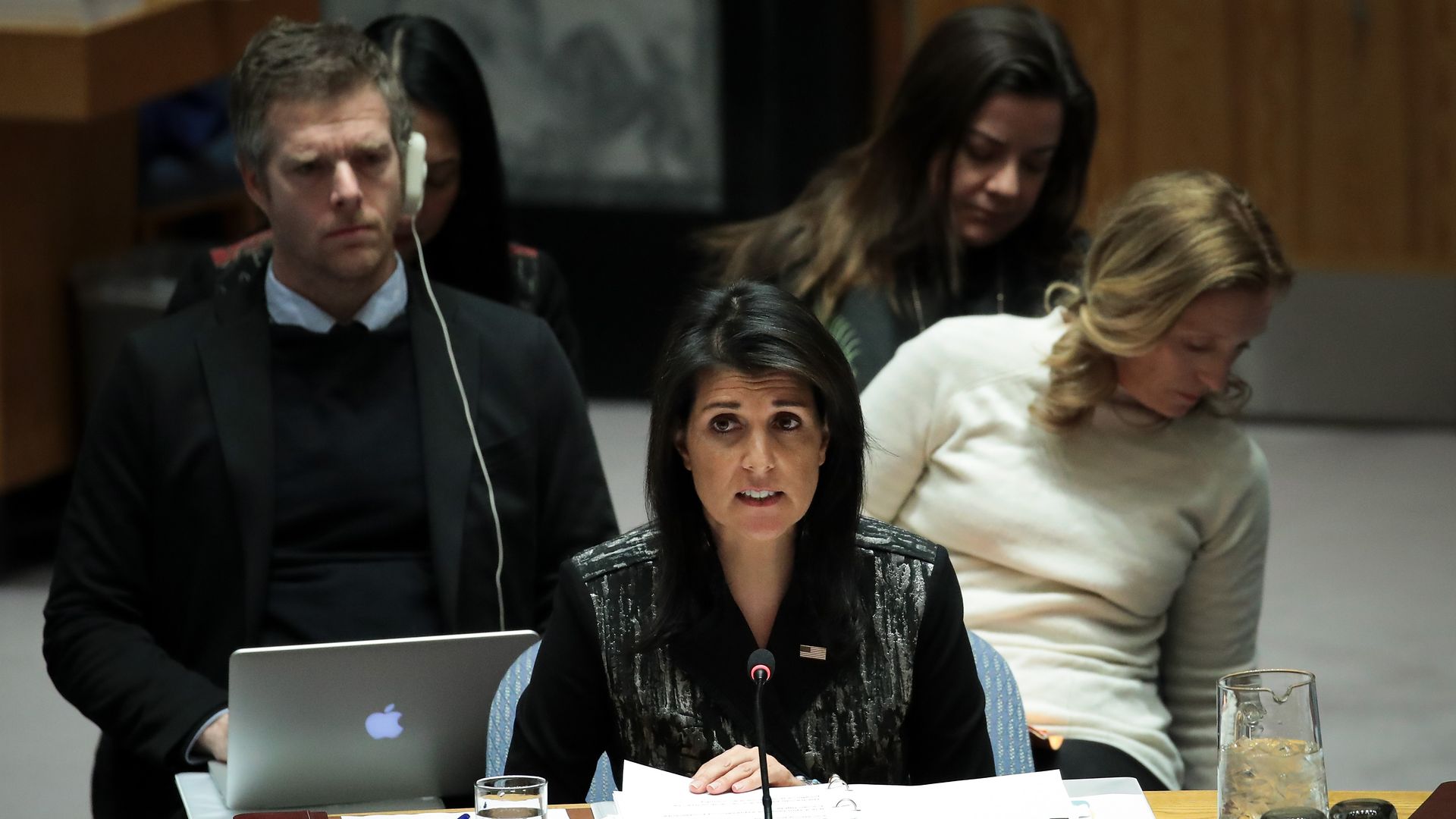
UN Ambassador Nikki Haley said at a UN Security Council meeting that the “U.S. believes that Russia is responsible” for the nerve agent attack on an ex-spy in the UK.
"This is a defining moment," she said. "One member stands accused of using a chemical weapon on the sovereign soil of another. The credibility of this council will not survive if we fail to hold Russia to account."
The backdrop: These are strong remarks from Haley, particularly compared to President Trump's comments yesterday, in which he hedged on whether Russia was responsible. Her comments follow British P.M. Theresa May's decision to expel 23 Russian diplomats and call on the security council to take up the matter.
The U.K. announced today that it would expel 23 Russian diplomats and cut off high-level diplomatic contact with Russia, in response to the attempted assassination in London last week of Sergei Skripal, a former Russian intelligence agent.
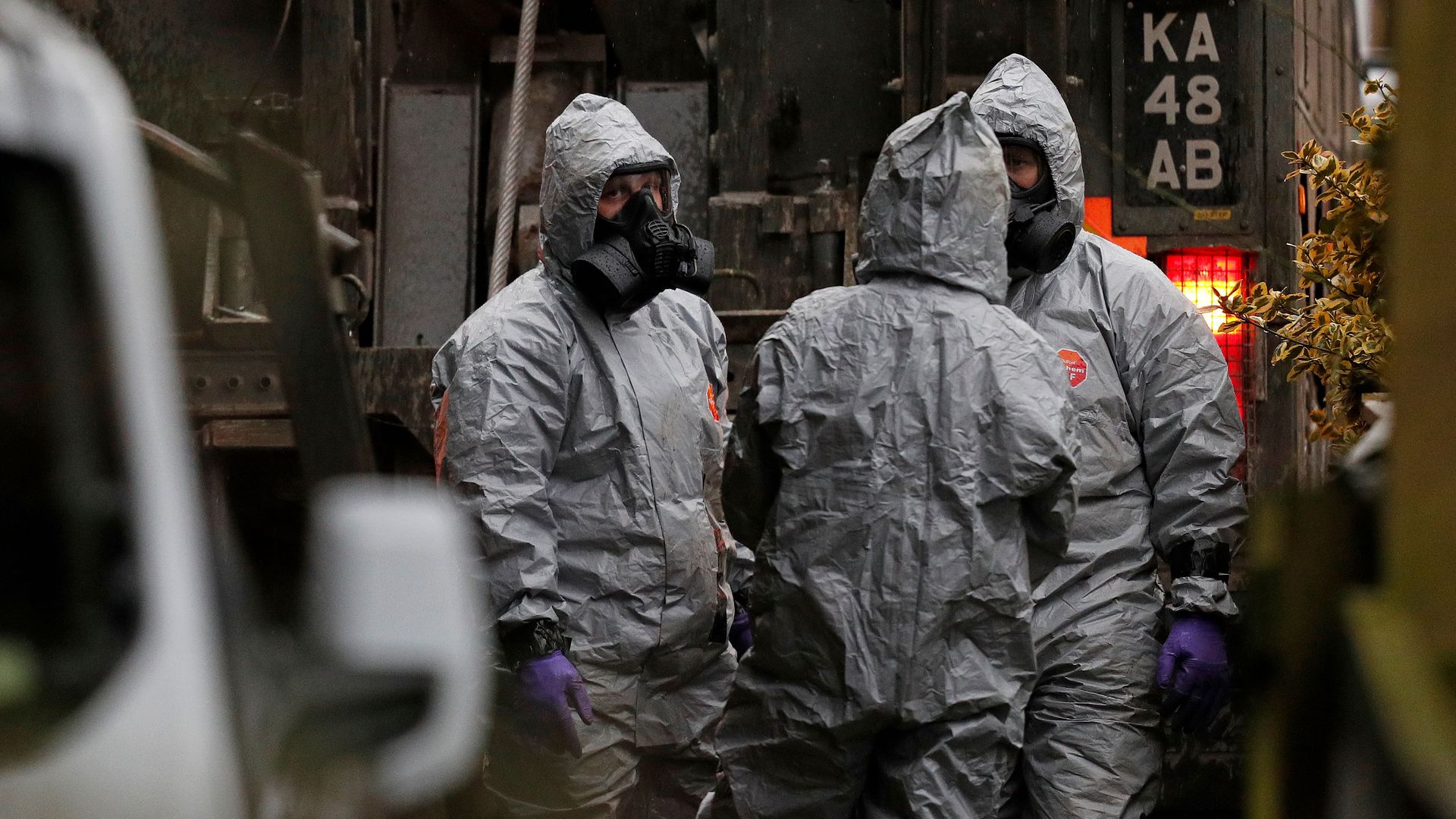
Skripal was poisoned with Novichok, a dangerous nerve agent known to have been produced in Russia, which also infected his daughter. Individuals near the scene, some 500 in all, were advised to disinfect their belongings.
Why it matters: This attack is the latest in a string of Russia-linked assassinations on British soil, which include the 2006 polonium poisoning of Alexander Litvinenko, also a former Russian intelligence officer, and 14 other Russian nationals who died under mysterious circumstances, such as the oligarch Boris Berezovsky. Yet the Skripal case stands out as particularly egregious and escalatory.
President Trump's trade agenda may soon include restrictions on Chinese investment in U.S. companies, according to Politico.
Bottom line: No specific details have leaked, but this seemingly could curtail the strengthening trend of Chinese money plunging into U.S. companies, including Silicon Valley tech startups. If restrictions are applied to big spenders like Alibaba or Tencent, there could be severe retribution for U.S. investors who play heavily in China.
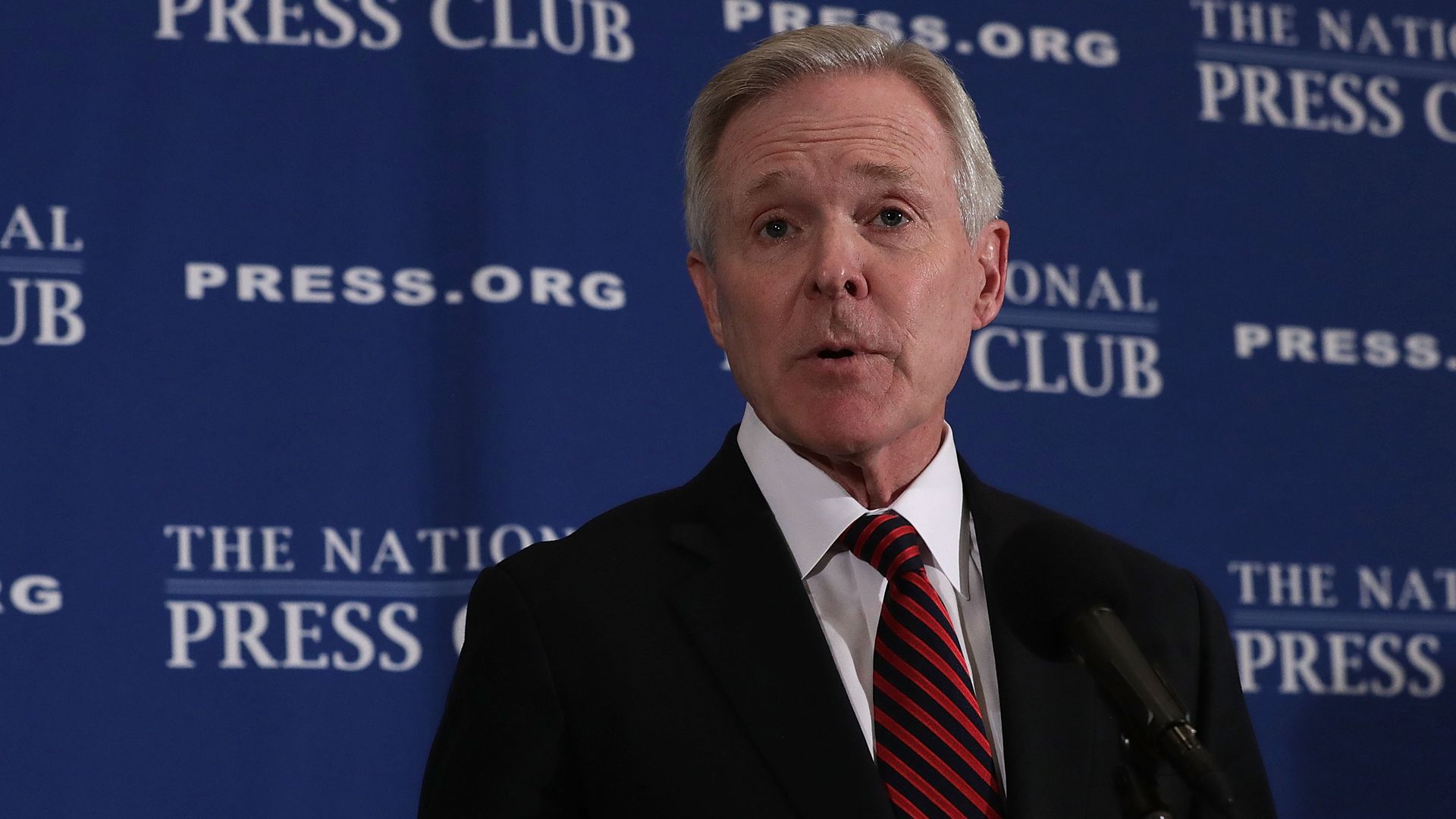
Secretary of the Navy Ray Mabus, who served under Barack Obama from 2009 to 2017, told Axios that government threat intelligence sharing during elections must improve or voters "won't have confidence that voting has not been tainted."
Why it matters: The Department of Homeland Security will, for the first time, share classified information with officials about cybersecurity threats during elections during the 2018 midterms, but there will still be kinks to work out. "You get silos of information in the government that are tough to break," noted Mabus.
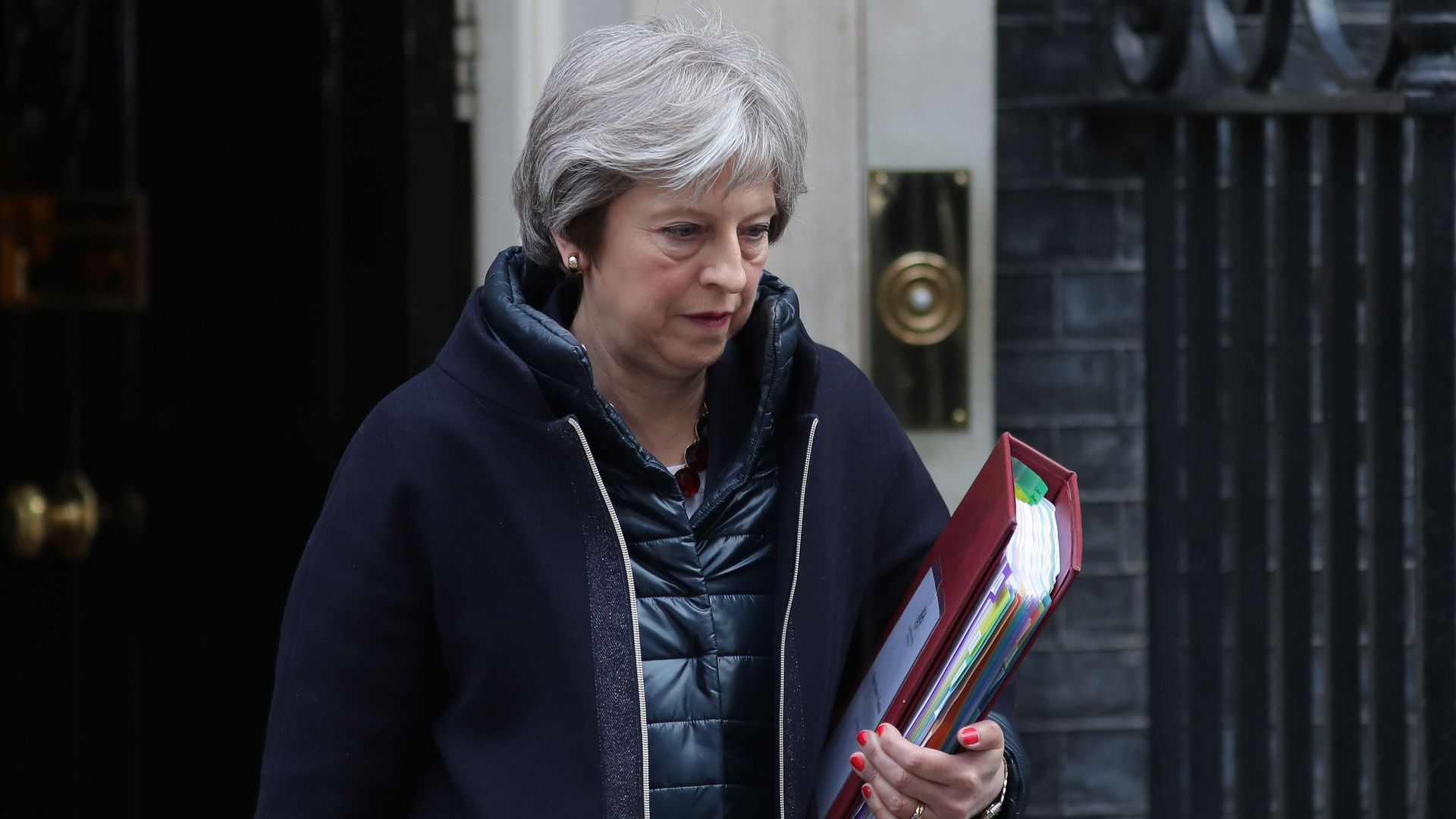
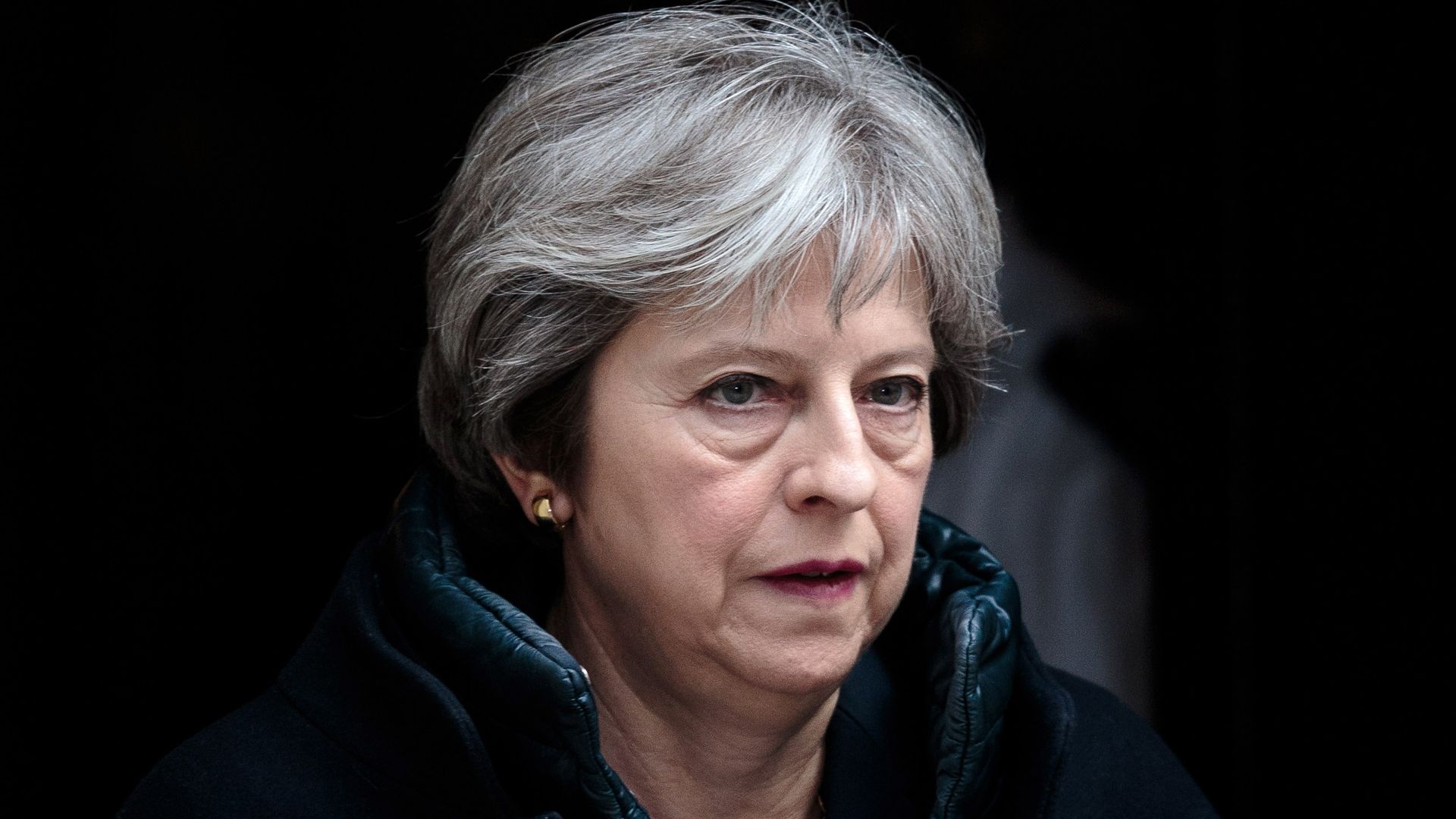
British Prime Minister Theresa May announced the expulsion of 23 Russian diplomats and other measures in response to the nerve agent attack on ex-spy Sergei Skripal and his daughter on British soil. She told the House of Commons today that "there is no alternative conclusion" other than Russia's culpability for the attack.
Why it matters: May's statement marks a huge escalation in tensions between the U.K. and Russia — especially as she chose to mention Russian President Vladimir Putin by name. She had notably harsh language for Russia's handling of the situation, saying that the Kremlin had "demonstrated complete disdain" for the attack and that Russia " treated the use of a military-grade nerve agent in Europe with contempt, sarcasm, and defiance."
The United Kingdom has called for an urgent meeting of the United Nations Security Council this afternoon to discuss the use of a Russian-manufactured nerve agent against ex- spy Sergei Skripal and his daughter on British soil, per the BBC. And, during a speech to the House of Commons later this morning, Prime Minister Theresa May is expected to announce a "significant" expulsion of Russian diplomats, according to Sky News.
The big picture: After May declared it "highly likely" that Russia was behind the attack during a speech on Monday, she gave the Kremlin a deadline of midnight last night to provide an appropriate response. Russia — at least publicly — continued to deny its involvement in the attack via a series of incendiary social media posts, prompting today's response from the U.K. Also today, all 29 NATO countries have asked Russia to answer the U.K.'s questions in a joint statement, per AFP's Danny Kemp.
The U.S. has “no ability” to build sources in North Korea and very limited opportunities to gather intelligence in North Korea, a former government official with experience negotiating with North Korea tells Axios. That leaves the U.S. in the dark on aspects of North Korea’s nuclear and missile development.
Why it matters: Trump is preparing to meet with North Korea's Kim Jong-un to discuss denuclearization, something Pyongyang has discussed in the past but never delivered. "Since we have no embassy there, we have no diplomatic relations with them, no real commercial interchange with them," there is little concrete information to offer policymakers, the former official said.
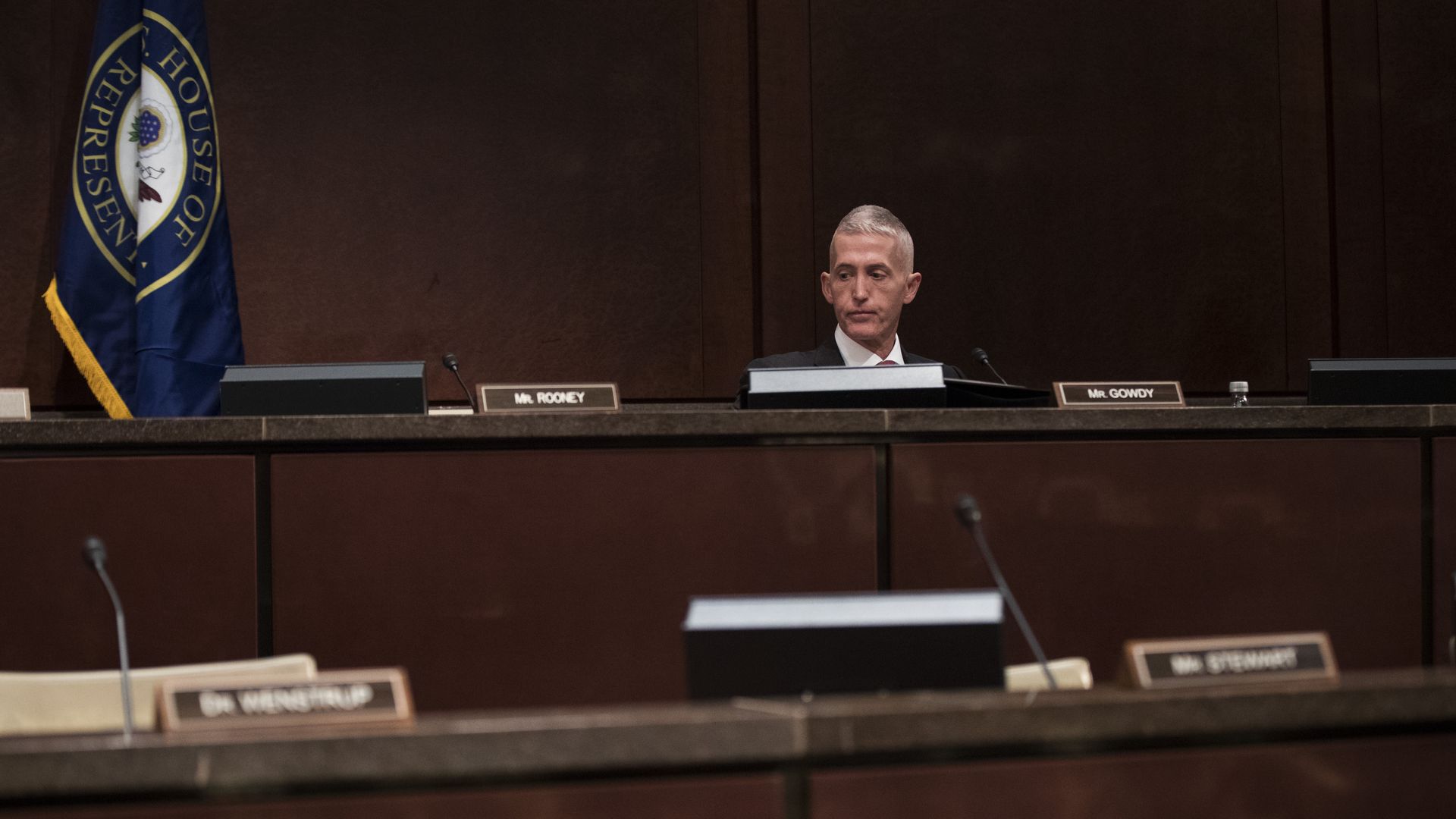
Rep. Trey Gowdy said on Tuesday that Russia had clearly worked against Hillary Clinton, and planned to continue doing so if she was elected president, Politico reports.
[Russia was] motivated in whole or in part by a desire to harm her candidacy or undermine her Presidency had she prevailed."
— Rep. Gowdy
Why it matters: This breaks with what Republicans on the House Intelligence Committee said on Monday, which disputed intelligence community's findings that said Russia was working against Hillary Clinton in the 2016 election, and preferred Donald Trump.