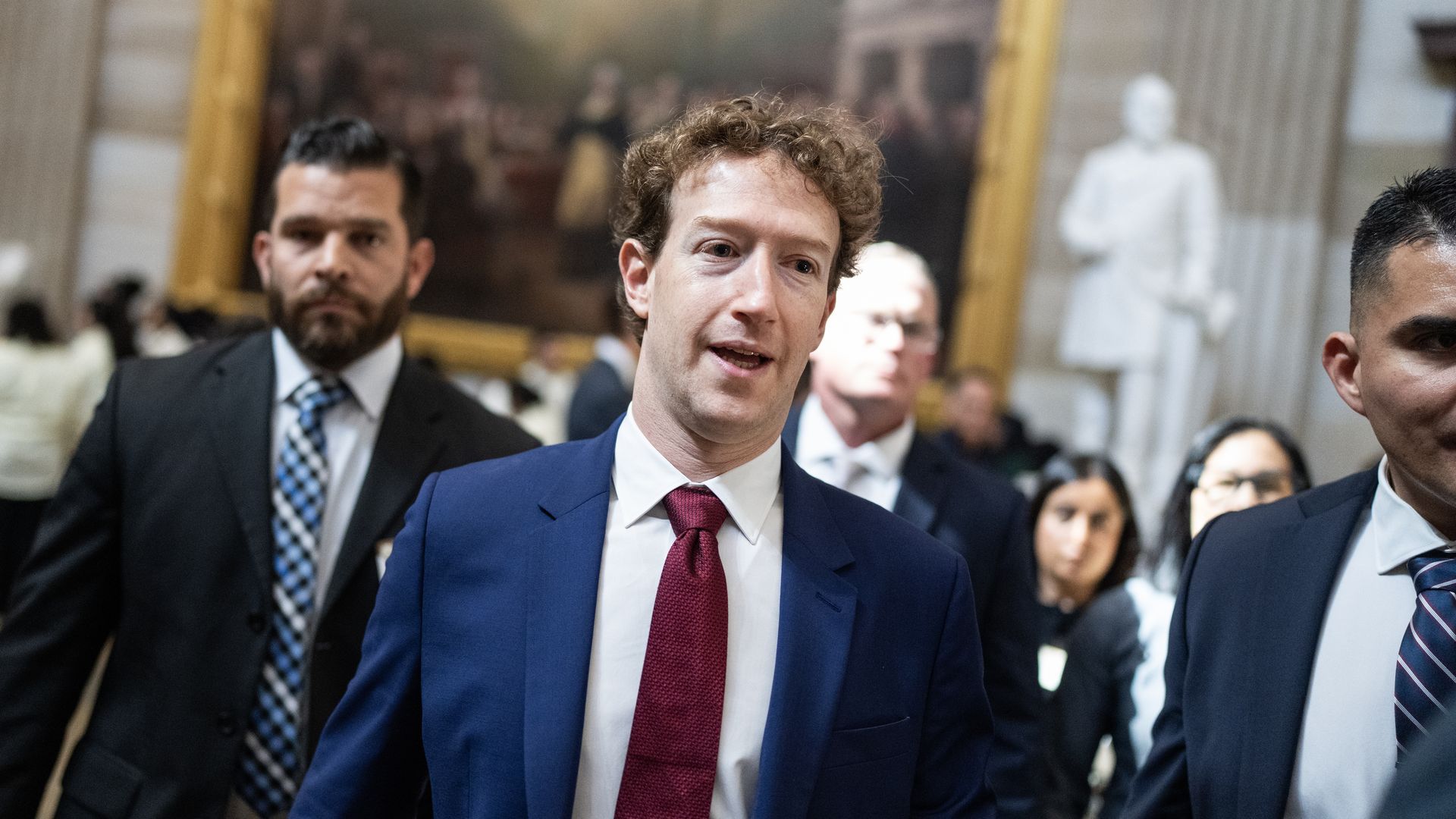
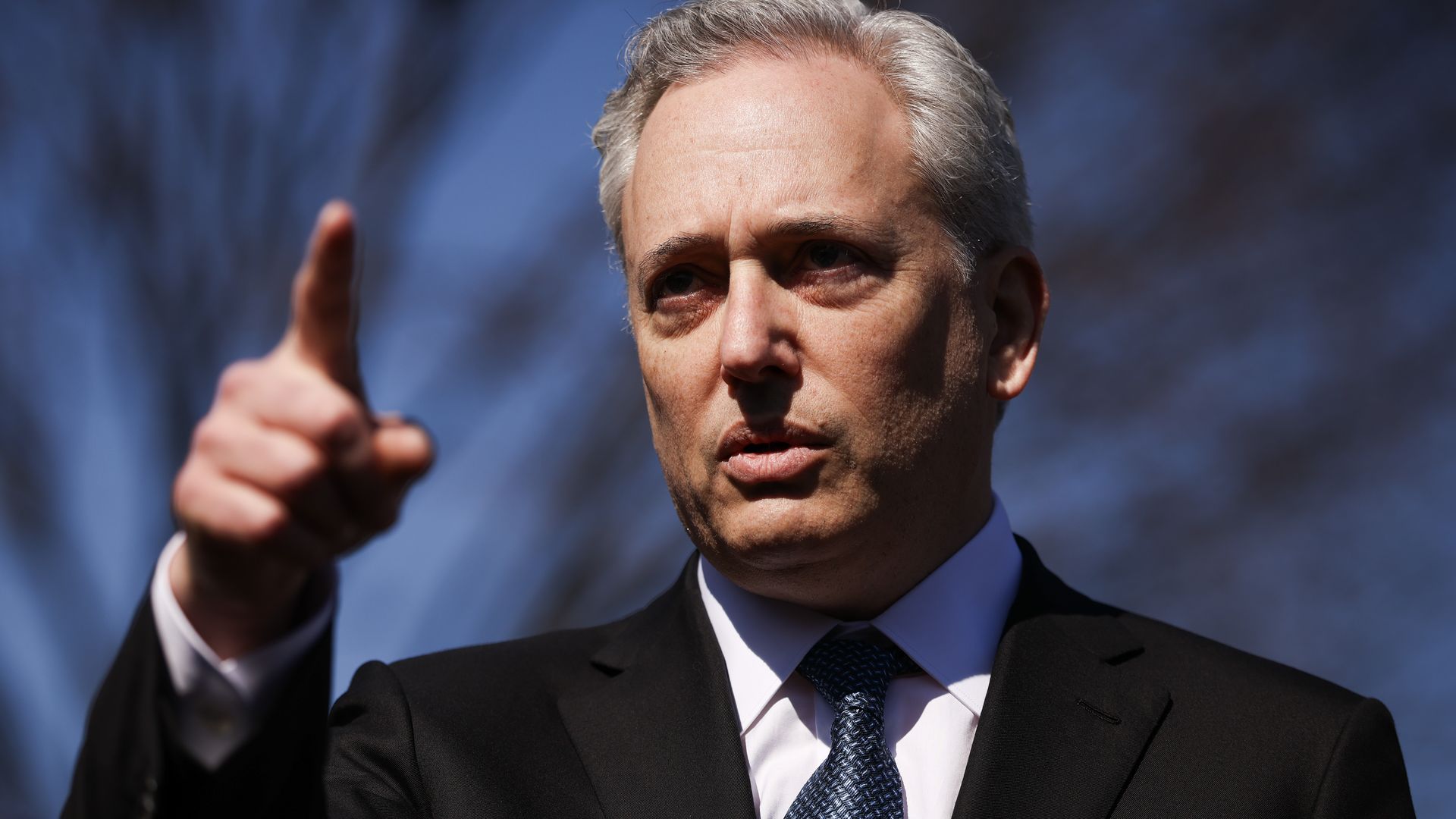
House Speaker Mike Johnson met with Meta CEO Mark Zuckerberg immediately after the company was hit with two stinging legal defeats over harms to children, drawing backlash from parents who say they've been unable to get a meeting with him for two years.
Why it matters: Pressure is mounting for Capitol Hill to finally act on kids' online safety bills following a series of court losses for Big Tech companies.
Apple said Friday that it has hired Google executive Lilian Rincon to lead AI product marketing as it prepares a delayed overhaul of its Siri assistant.
Why it matters: Apple is racing to reset its AI strategy, with a revamped Siri central to competing against fast-moving rivals.
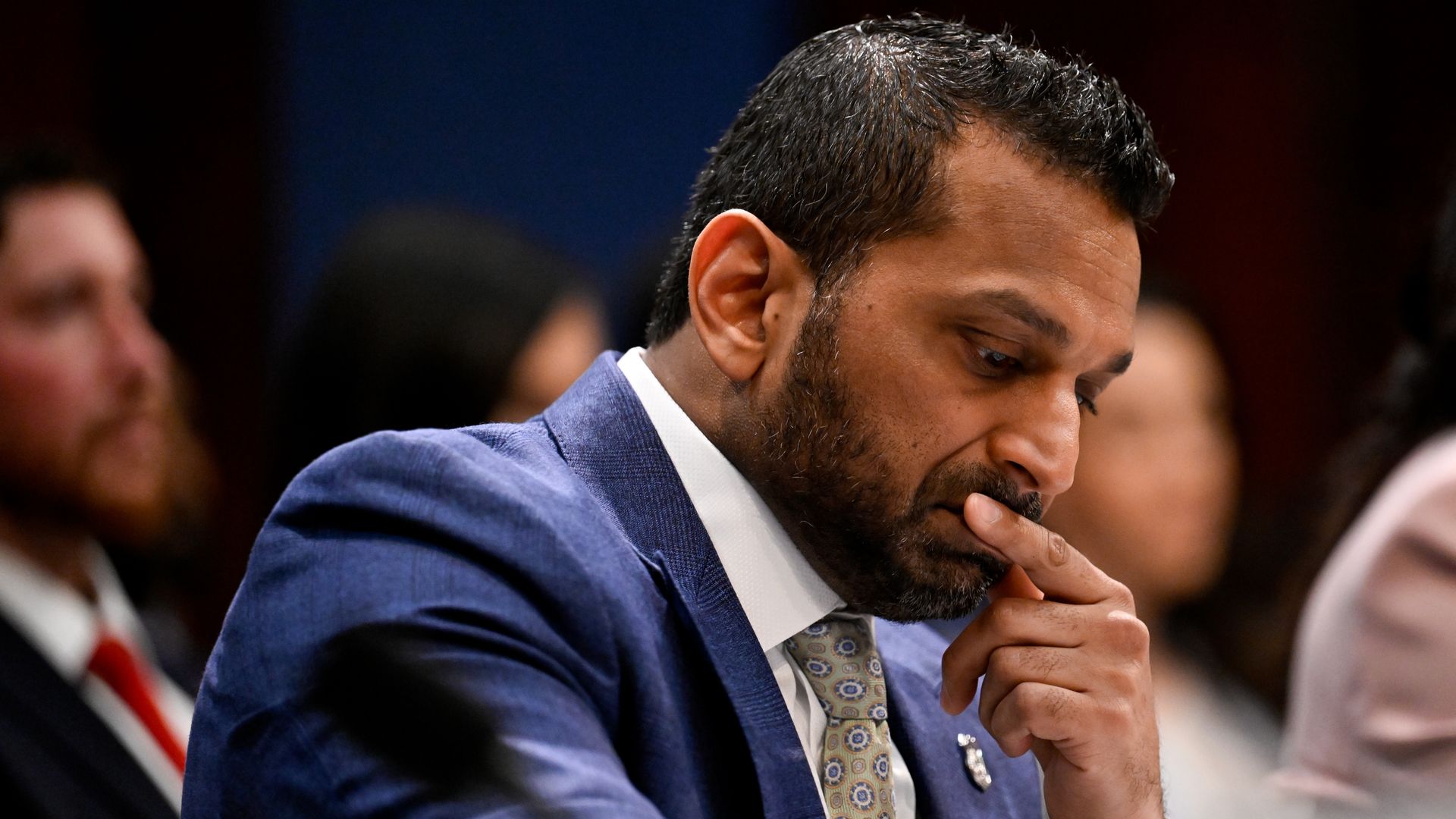
A hacktivist group that the U.S. has linked to back to Iranian intelligence services claims it has stolen "personal and confidential information" from FBI Director Kash Patel, including emails, documents and potentially confidential files.
Why it matters: The attack could be the most significant cyberattack of the ongoing war between the U.S., Israel and Iran, and could put an uncomfortable spotlight on Patel.
California Gov. Gavin Newsom told Axios he doesn't believe artificial intelligence will lead to an apocalypse for humanity.
"I'm not a 'doomer.' I can't live like that," he said during an interview for "The Axios Show."
Why it matters: Newsom, a potential contender for president in 2028, has a more optimistic view of AI than many in the Democratic Party's left wing, but wants to shape the future of tech through regulation rather than trying to halt the development of AI — or let it run amok.
A week after the White House unveiled its long-awaited national AI legislative framework, Washington has renewed momentum to pass federal laws but no roadmap on how to get there.
Why it matters: The administration's loose AI playbook for Congress is exposing cracks beneath the GOP's apparent consensus.
Meta's court losses this week are adding urgency to lawmakers' push to pass legislation that could reshape how social media platforms are designed.
Why it matters: Plaintiffs in New Mexico and Los Angeles successfully tested a new legal theory that treats social media more like products that can cause harm — rather than protected speech — and chips away at tech's long-standing liability shield.
A federal judge on Thursday paused the Trump administration's designation of Anthropic as a supply chain risk, marking an early legal victory for the embattled company.
Why it matters: Anthropic argued that the designation was causing immediate and irreparable harm as business partners rethink their contracts and federal agencies remove Claude.
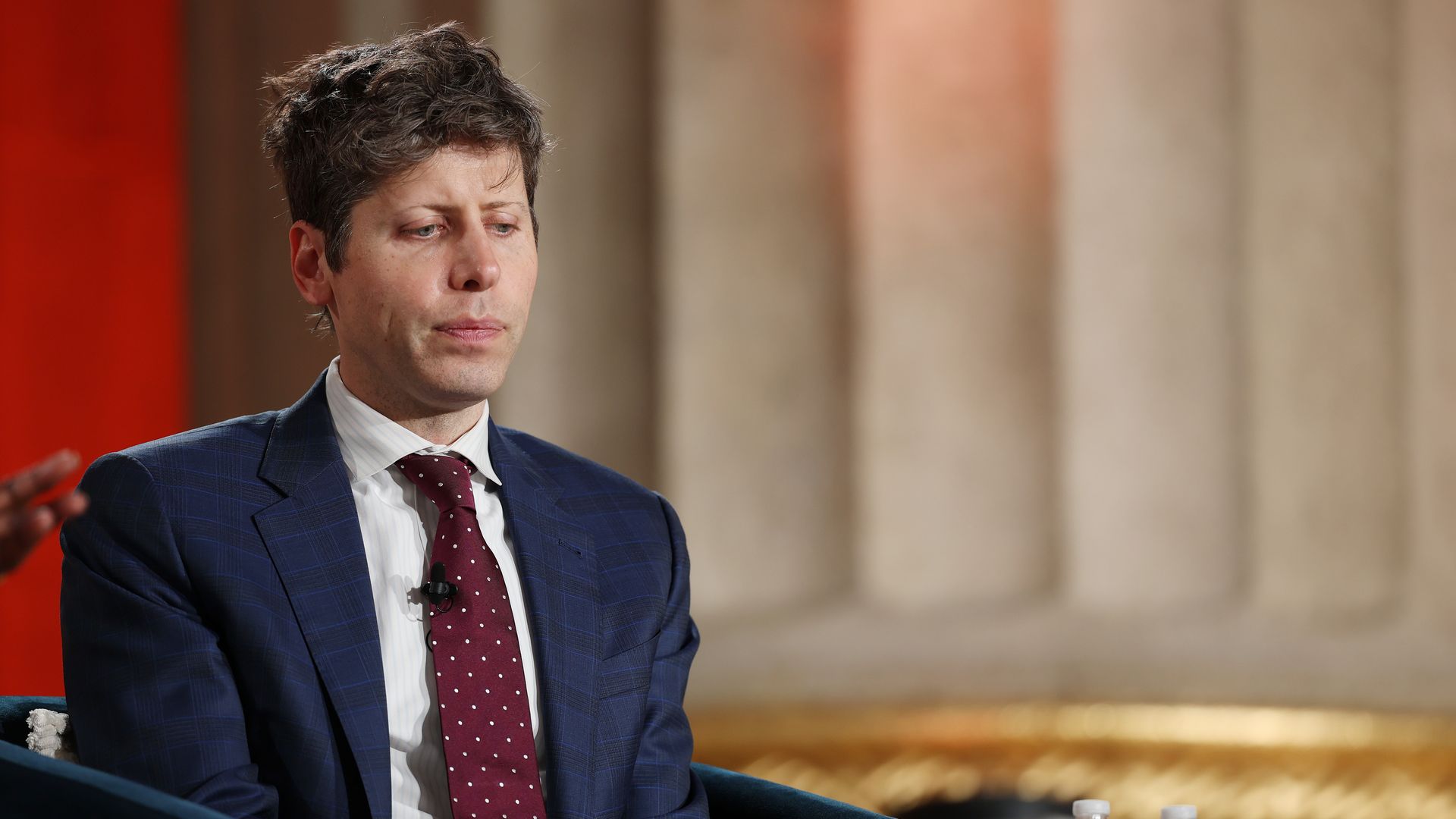
As Anthropic's negotiations with the Pentagon were collapsing, OpenAI CEO Sam Altman told employees he was trying to "save" his competitor, according to internal Slack messages seen by Axios.
At the same time, Altman privately vented that Anthropic CEO Dario Amodei had spent years trying to undermine him.
Why it matters: The messages reveal Altman's conflicted thinking as OpenAI swooped in to secure a Pentagon contract Anthropic had just lost — portraying himself as a peacemaker even as his company emerged as the primary beneficiary.
White House crypto and AI czar David Sacks has run out his time as a special government employee but says he'll continue advising the president on AI policy.
Why it matters: Sacks has been an influential voice insisting on a light-touch, pro-innovation approach to AI in the U.S. and has wielded his extensive network of Silicon Valley contacts to do so.
HOUSTON — Several top energy executives and a federal regulator had a message Thursday for Americans angry about soaring electricity bills: Help is on the way.
Why it matters: The cost of electricity — which has spiked across much of the country over the past year — has become a top-tier political issue, with Democrats making it a focus of their affordability push.
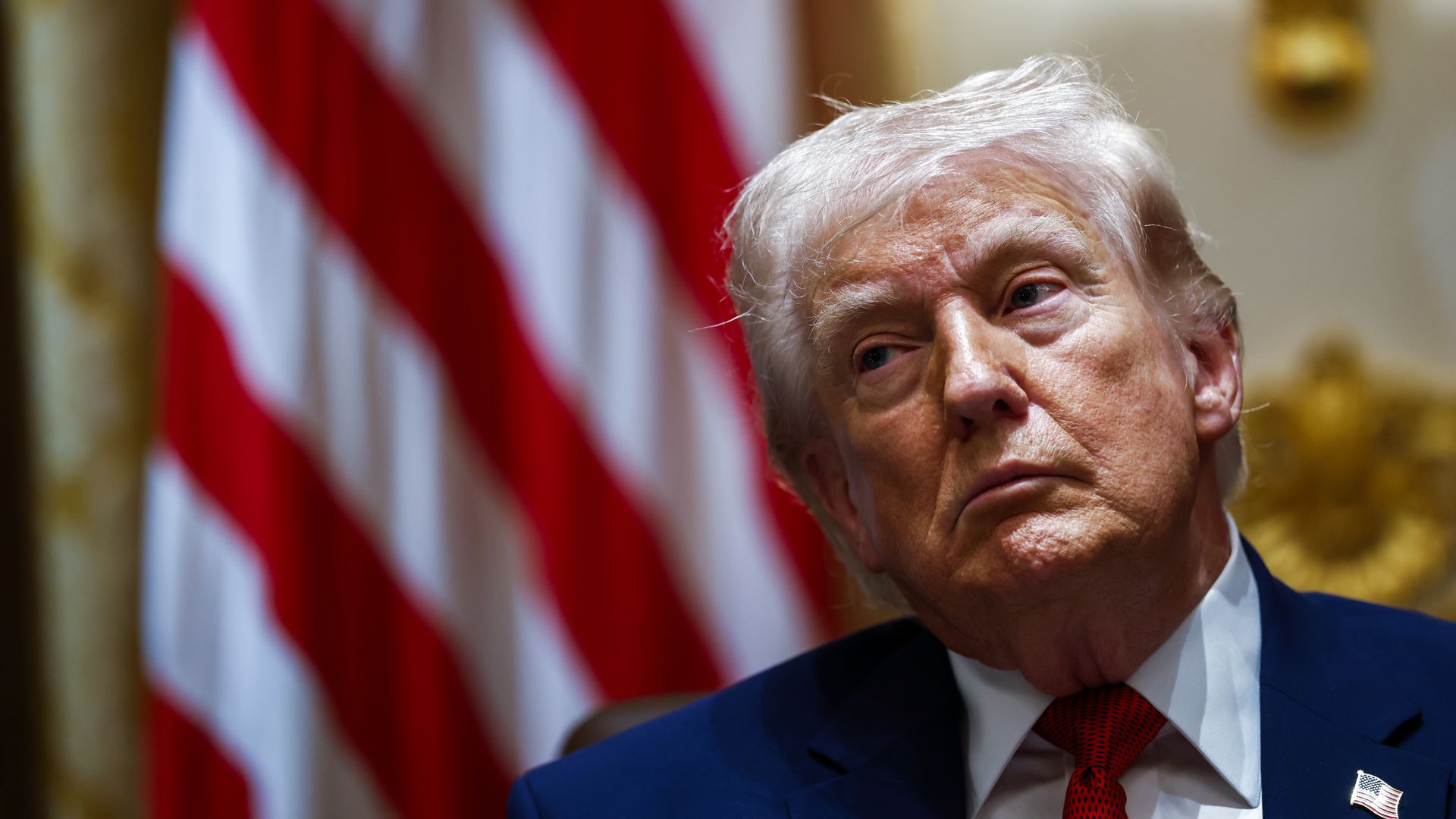
President Trump extended the deadline for negotiations with Iran and paused his threat to bomb Iranian energy facilities by another 10 days.
Why it matters: The Trump administration through a group of mediators, Pakistan, Egypt and Turkey, has asked Tehran to hold a high-level meeting this week to discuss a U.S. proposal for ending the war.
HOUSTON — The top U.S. electricity regulator publicly prodded tech companies on Thursdayto engage more as they race to power a massive buildout of AI data centers.
Why it matters: Big Tech is moving fast to lock in power — but must navigate a slower, more complex grid it doesn't fully understand.
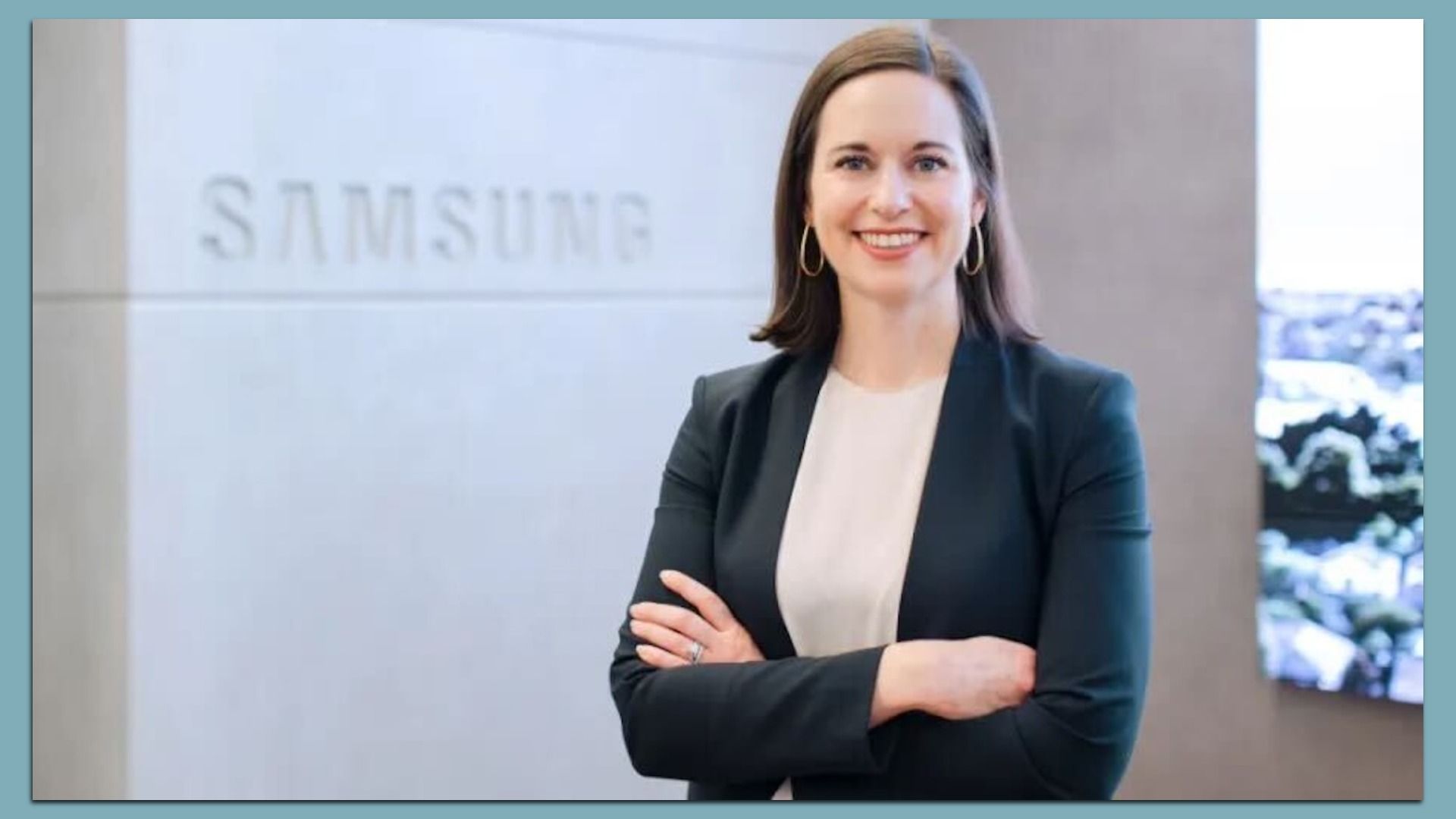
As chief marketing officerof Samsung Electronics America, Allison Stransky oversees the company's corporate marketing team and is responsible for the Samsung brand.
Why it matters: Samsung is trying to position itself as the companion to AI living through its electronics and home products, and Stransky's team is responsible for sharing that narrative with a skeptical consumer base.
Owned media — a company's website or self-published blogs — is rising in importance in the age of AI, according to a recent analysis by Penta Group.
Why it matters: Communications teams must structure their websites in a way that can be optimized for large language models like ChatGPT, Gemini and Claude.
The Middle East conflict wiped out what would have been a modest upgrade to global growth and a stable inflation picture.
That has been replaced with a fresh warning about soaring energy costs and U.S. prices, which are projected to run far hotter than expected.
Why it matters: What was a more manageable inflation story now looks like a pressure test for central banks that may need to raise interest rates — or hold off on further cuts — even as growth weakens.
As the Company Formerly Known as Twitter prepares to go public, its former CEO is raising money for a very different venture.
Driving the news: eMed, an employee telehealth company led by Linda Yaccarino, this morning announced $200 million in new funding at a post-money valuation north of $2 billion.
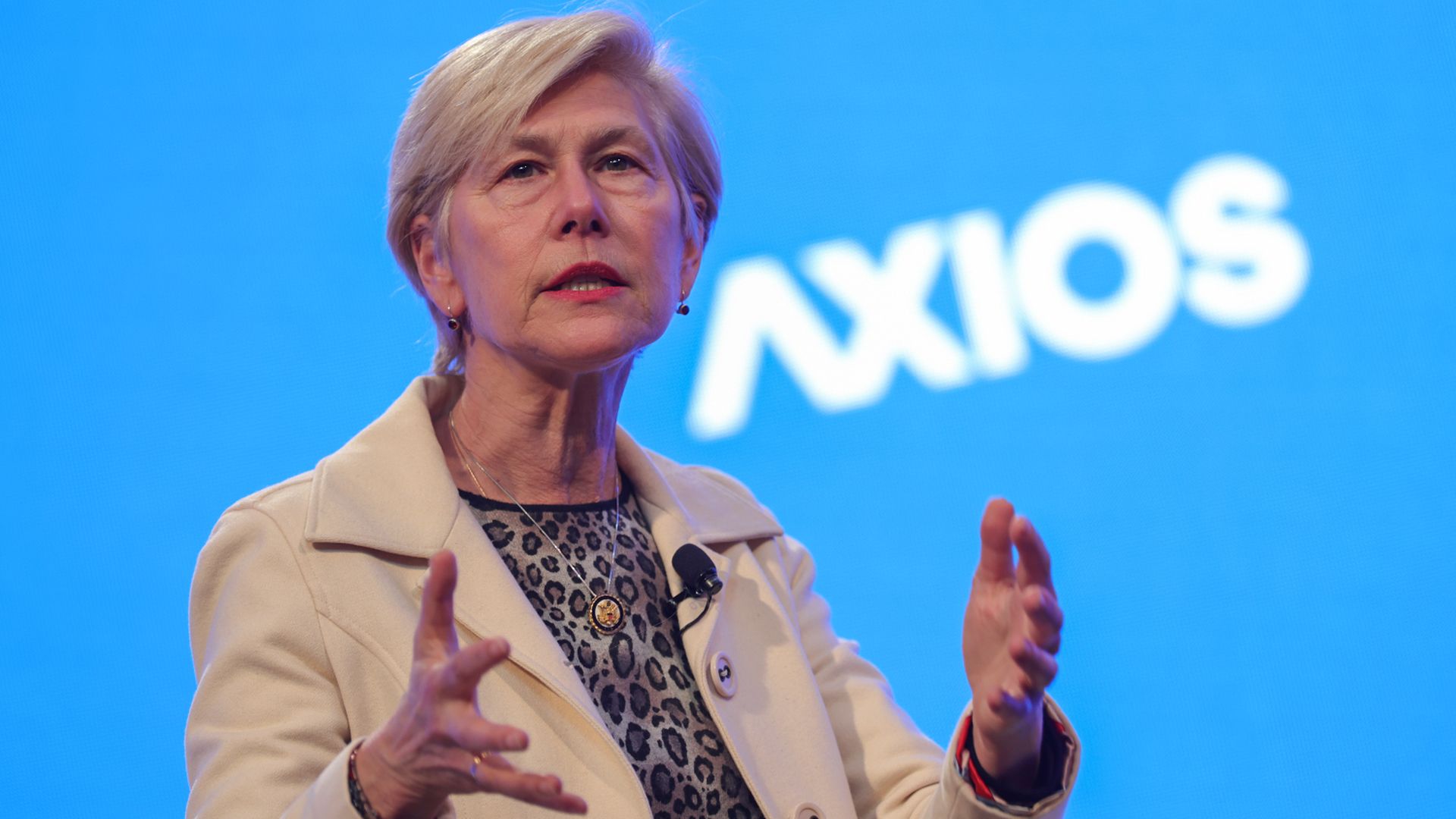
Washington, D.C. — AI regulation is already happening at the state level and should be preserved, Rep. Deborah Ross (D-N.C.) said at the Axios AI+DC Summit.
Why it matters: The White House is proposing limits on states to determine how AI should be monitored and implemented, setting up a potential clash as states push ahead with their own laws.
Axios' Maria Curi and Ashley Gold spoke to Ross and D.C. chief technology officer Stephen Miller at the March 24 event, which was sponsored by Anthropic.
What they're saying: Many states are aligned in acknowledging the technology should be managed.
"The Constitution reserves a lot of power to the states in particular areas" including public safety, which can pertain to issues that AI touches like deepfakes, election interference, and regulating how technology shows up in mental health care, Ross said.
"There's a tremendous amount of common ground" when it comes to regulating AI, Ross told Curi, citing Utah and Alabama.
Zoom in: Even as state and national lawmakers debate regulation, local governments are already putting AI to work.
Case in point: "If you call 311 today, the first voice you hear is AI asking what you're calling about," Miller told Gold.
"The outcomes are actually being improved," he said. "We're being faster. We've simplified the government and we're being more reliable."
Content from the sponsor's segment:
In a View From the Top conversation, Anthropic head of economics Peter McCrory told Axios publisher Nicholas Johnston that AI "usage is diffusing throughout the economy very rapidly … much faster than past technologies in the 20th century."
McCrory added that his advice for policymakers regarding AI is twofold.
First, "focus on the data. We need a richer picture of AI adoption and diffusion."
Second, "it's useful to think about the right policy response matched to the situation as it might unfold," he added. "The policies that are suitable to the most disruptive scenario might not be those that are most applicable to the more prosaic scenario."
President Trump on Thursday called on the Iranian regime "to get serious soon" in negotiations with the U.S. "before it is too late."
Why it matters: The Trump administration through a group of mediators — Pakistan, Egypt and Turkey — has asked Iran to hold a high-level meeting this week to discuss a U.S. proposal for ending the war.
Here are two hard truths the Pentagon and Anthropic won't state bluntly about their feud over unfettered AI use in warfare:
Anthropic's AI is vastly better for warfare than any other AI on the market. It could take ChatGPT, Gemini or Grok months to come close, insiders tell us.
Anthropic will take a massive, long-term financial hit if it remains blacklisted by the government as a "national security supply chain risk." We're talking tens of billions of dollars in direct and indirect contracts in the coming years, the insiders say.
Why it matters: Anthropic is suing the Trump administration for nixing use of Claude, the company's large language model, after the company refused to allow its AI to be used for fully autonomous warfare or mass surveillance of Americans (which the Pentagon says is already illegal).
Silicon Valley confidence and Washington anxiety clashed at Axios' AI+DC Summit on Wednesday.
Why it matters: The AI industry says this technology will create new jobs, boost productivity and transform daily life for the better. But Americans are worried about their kids, their power bills and their livelihoods.