A new pro-AI political operation is jumping into this year's midterms with a plan to spend more than $100 million, the latest push by a big-money group to promote a deregulation agenda.
The group, dubbed Innovation Council Action, has the blessing of tech mogul and Trump AI adviser David Sacks. It's distinct from other pro-industry groups in that it's focused on boosting President Trump's priorities.
Why it matters: The AI lobby is on course to be a colossal player in the 2026 elections — bankrolling allies who advocate for deregulation and punishing critics who support tighter rules.
Top AI and government officials tell Axios CEO Jim VandeHei that Anthropic, OpenAI and other tech giants will soon release new models that are scary good at hacking sophisticated systems at scale.
The one to watch: Anthropic is privately warning top government officials that its not-yet-released model — currently branded "Mythos" — makes large-scale cyberattacks much more likely in 2026.
Over a third of engaged couples now use artificial intelligence in their wedding planning — a share that nearly doubled in just one year, according to new data from The Knot.
Why it matters: You can do a lot with AI, like generate custom images, moodboards and yes, even vows. But you can't add a human touch to your event.
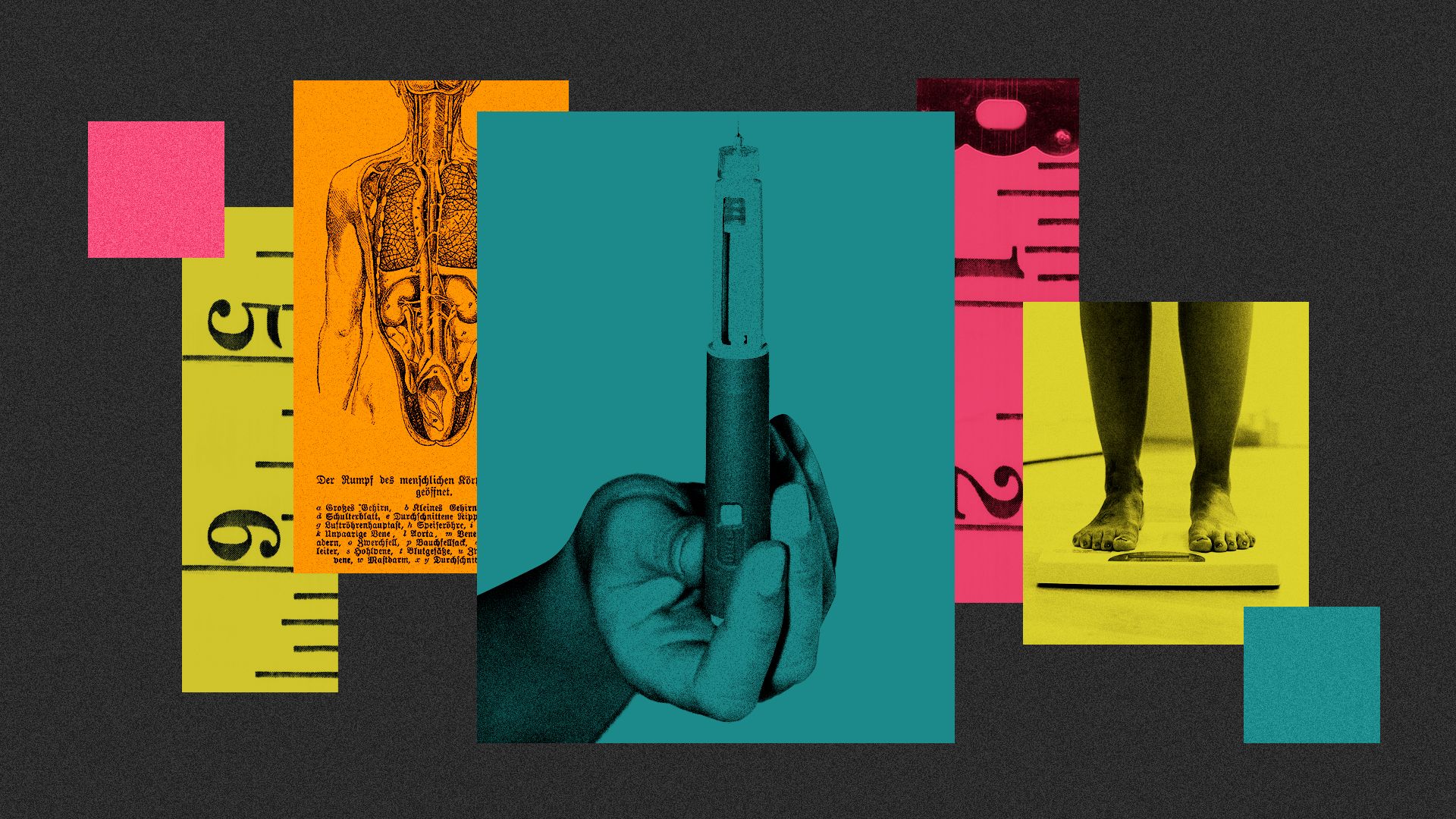
A cultural shift toward downsizing fueled by a GLP-1 drug boom and slimming celebrities is destabilizing for people trying to achieve acceptance, mental health experts and body positivity advocates tell Axios.
Why it matters: Still, the body positivity movement, advocates say, is an ongoing fight that won't shrink with the trends.
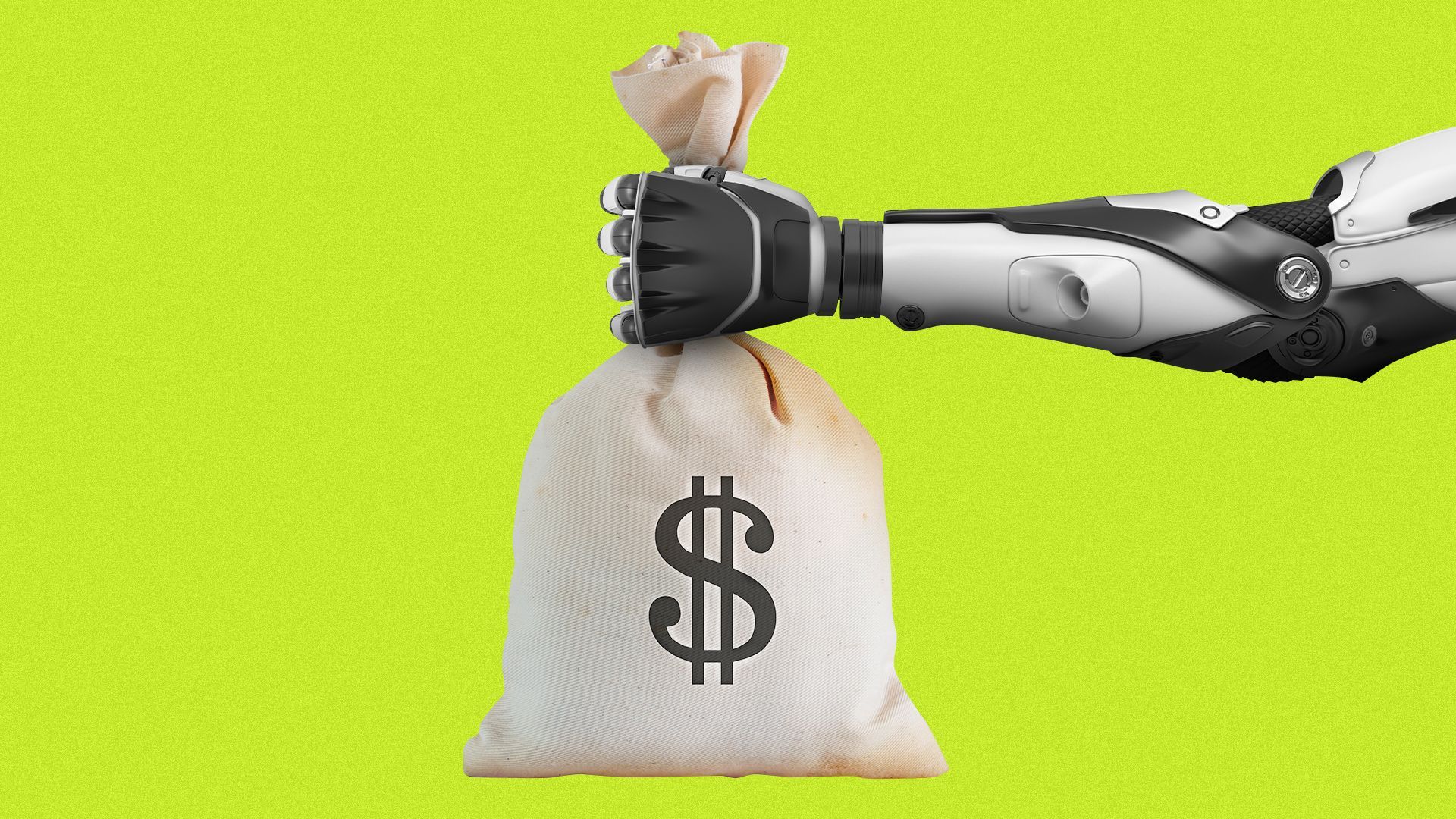
OpenAI spent the last year trying to be everything — a video platform, a shopping portal, even a purveyor of AI erotica.
Now it's racing to become a thing that makes money.
Why it matters: OpenAI is retreating from risky consumer features like adult content while prioritizing business tools and revenue growth — just as competition from Anthropic intensifies.
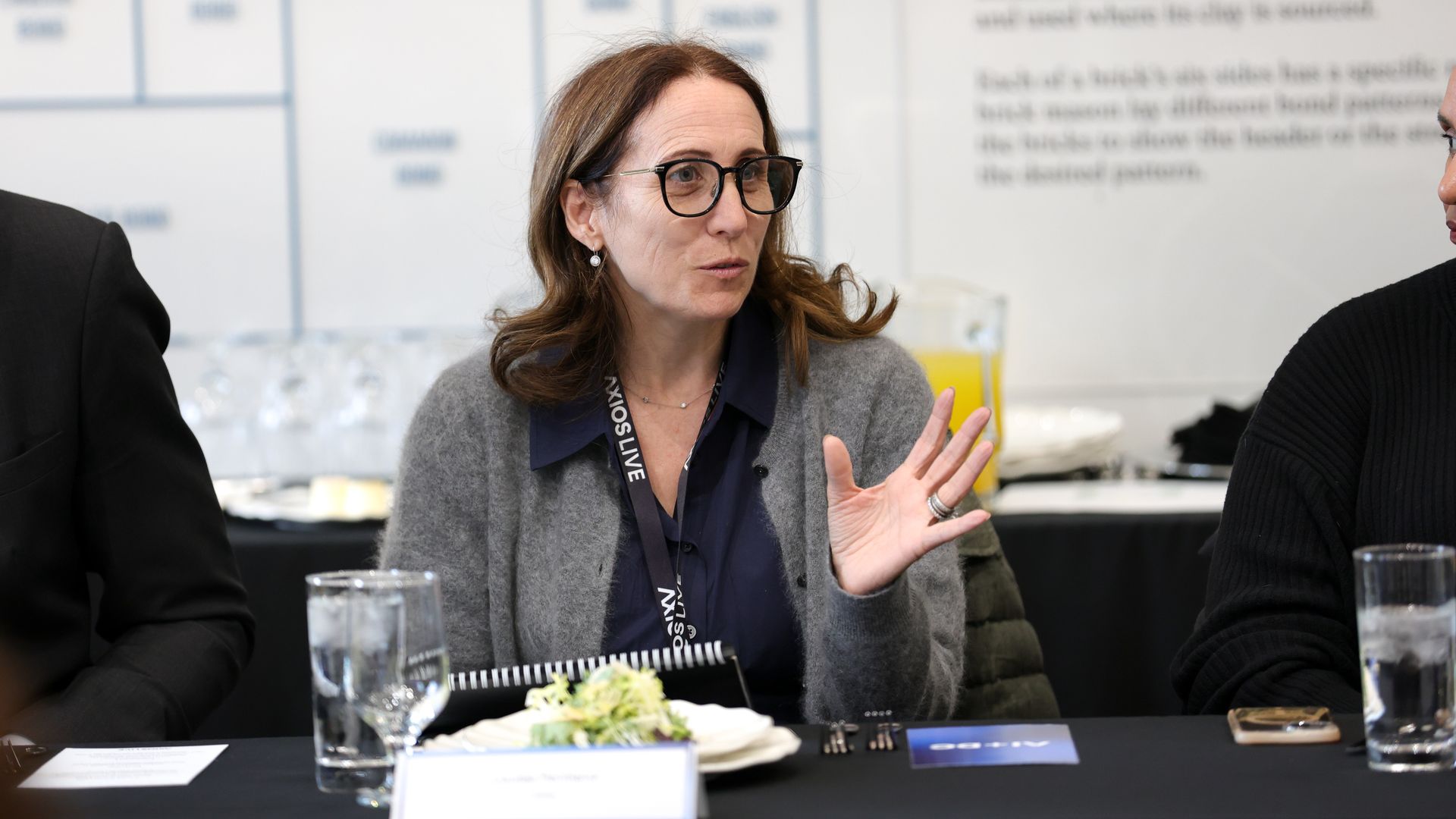
Washington, D.C. — As policymakers grapple with how to regulate AI, the hardest questions around copyright and fair use are being punted to the courts, according to governance, creator, and technology experts at an Axios expert voices roundtable.
The big picture: With Congress moving slowly and disagreements over policy, judges are becoming the primary deciders of how AI and the creators work together — or don't.
That's partly by necessity: "Fair use is incredibly complicated — case by case, fact specific," News/Media Alliance president and CEO Danielle Coffey said.
"Each case that we get … we start to get these new guideposts," Jones Walker partner Graham Ryan said.
Ryan said they expect at least three fair use decisions this year that will have implications for the broader AI-artist ecosystem.
Axios' Maria Curi and Ashley Gold moderated the March 25 discussion, which was sponsored by Adobe.
What they're saying: Legal uncertainty remains. For example, two courts within the same district, and during the same week, differed in the reasoning behind their rulings on similar matters of fair use and AI.
"There is a current, live controversy over … the extant understanding of the fourth factor in fair use, which is: Does the copy replace the market for the work?" said Kevin Bankston, senior adviser for the Center for Democracy & Technology.
Still, "we have been trying to support the process through the courts, because we think there is a really strong framework in copyright law for protecting artists right now," according to Public Knowledge president and CEO Chris Lewis.
The bottom line: "This is about creative labor and about human creativity as much as it is about technology," Americans for the Arts CEO Erin Harkey said.
There is an "importance of policy in this conversation, and not to just leave it up to market forces."
Content from the sponsor's remarks:
"We've spent the last 40 years building these products and driving this creativity," Louise Pentland, chief legal officer and executive vice president of legal and government relations at Adobe, said in her introductory comments.
"We don't strip the internet. We don't train on non-licensed IPs," Pentland added.
"The future of AI depends on giving creators more clarity [and] more control."