In the age of lab diamonds, imperfection sells

Add Axios as your preferred source to
see more of our stories on Google.
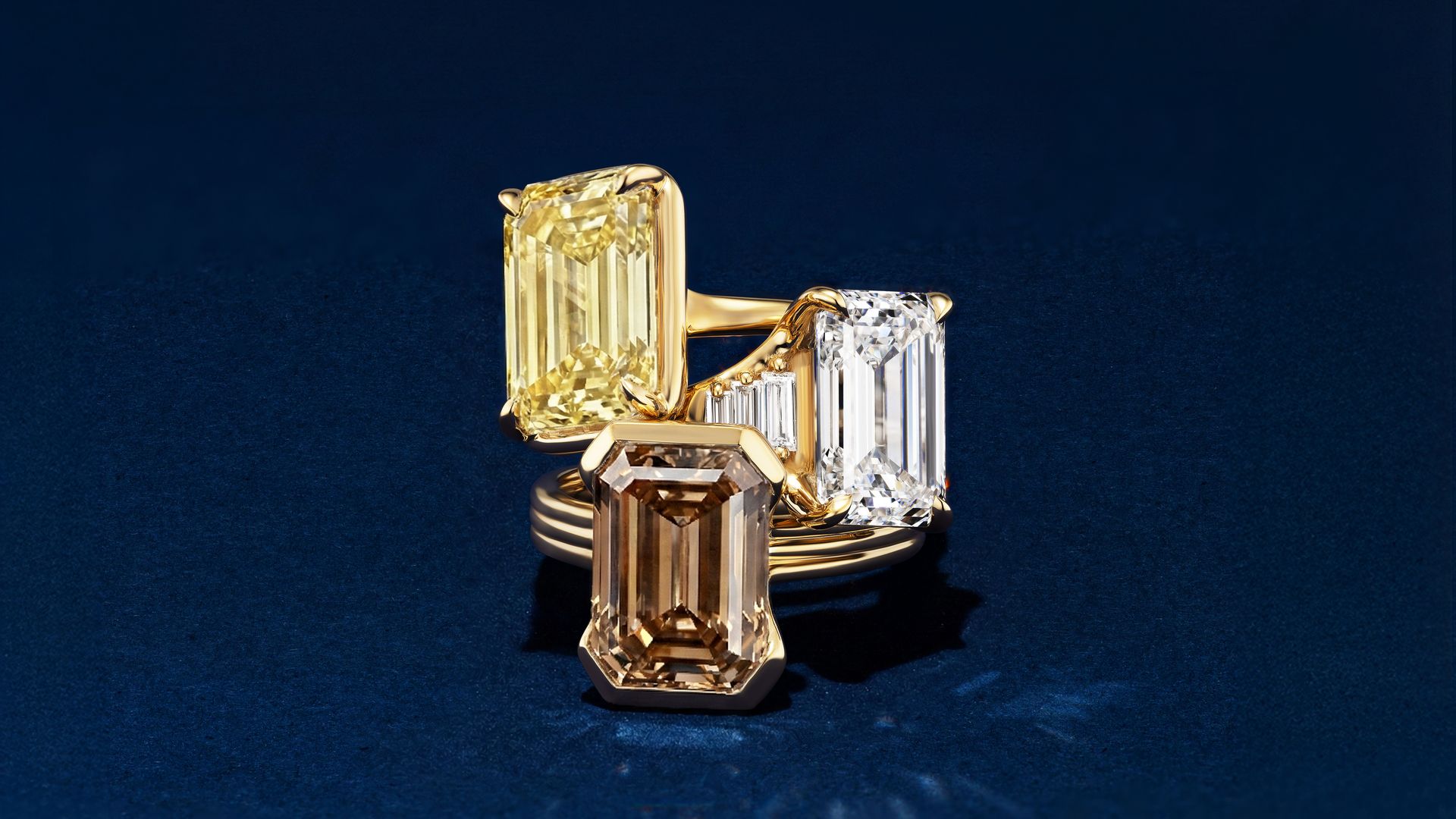
Photo: Courtesy of Frank Darling.
Valentine's Day shoppers, take note: Champagne and cream-colored diamonds are having a moment.
Why it matters: As lab-grown diamonds make large, bright white stones more accessible, consumers are finding appeal in stones once considered imperfect.
What they're saying: "When everyone can have a big rock, people start looking for other ways to stand out," says Kegan Fisher, CEO of jeweler Frank Darling.
- "Size alone is no longer a reliable signal of status."
State of play: The Clear Cut, a natural diamond jeweler, has seen a 115% jump in sales of faint- to very-light yellow stones over the past year, CEO Olivia Landau tells Axios.
- That's a big shift. "Historically and typically, we've only sold diamonds in the … colorless to near-colorless range."
- And De Beers and other natural diamond players are leaning into marketing around "desert" and champagne-colored stones.
Follow the money: In natural stones especially, warmer diamonds offer a "bolder look at a much lower price point than their icy-white counterparts," Fisher tells Axios.
Yes, but: Price isn't the only factor. Buyers are also drawn to the "charm" and aesthetic of warmer diamonds, Landau says.
- Gen Z clients in particular are seeking one-of-a-kind rings, rather than the "manufactured perfection" of lab-grown gems, she says.
- Landau points to the popularity of antique stones, like Taylor Swift's, which tend to fall in the lower color range.
Zoom in: Ashleigh Good and her fiance opted for a 2.6-carat natural diamond with a barely there yellow hue while engagement ring shopping. It fit the couple's under-$20,000 budget, and she views it as a "better investment" than a lab diamond.
- "I love the not-perfect diamond color because diamonds are supposed to be unique, like a snowflake," the Palm Beach, Florida, attorney and content creator tells Axios.
- Good says a bright white version of her ring would cost about twice as much.
Between the lines: Lab gems have transformed the jewelry market, driving diamond prices lower. Many who would've bought smaller natural stones are instead picking flashier lab versions.
- Over half of engaged couples (52%) now sport rings with lab-grown diamonds, according to a survey by the Knot, a wedding planning and registry site.
Reality check: It's possible to achieve a champagne look with lab diamonds, but it's more complicated, Fisher says. (Her company sells both natural and lab diamonds.)
- Most lab diamonds lack the yellow tint that natural diamonds get from trace nitrogen, independent diamond industry analyst Paul Zimnisky previously told Axios.
What we're watching: Whether President Trump's tariffs on India — one of the biggest suppliers of diamonds to the U.S. — and possible trade agreements impact the prices of diamonds of all colors.
