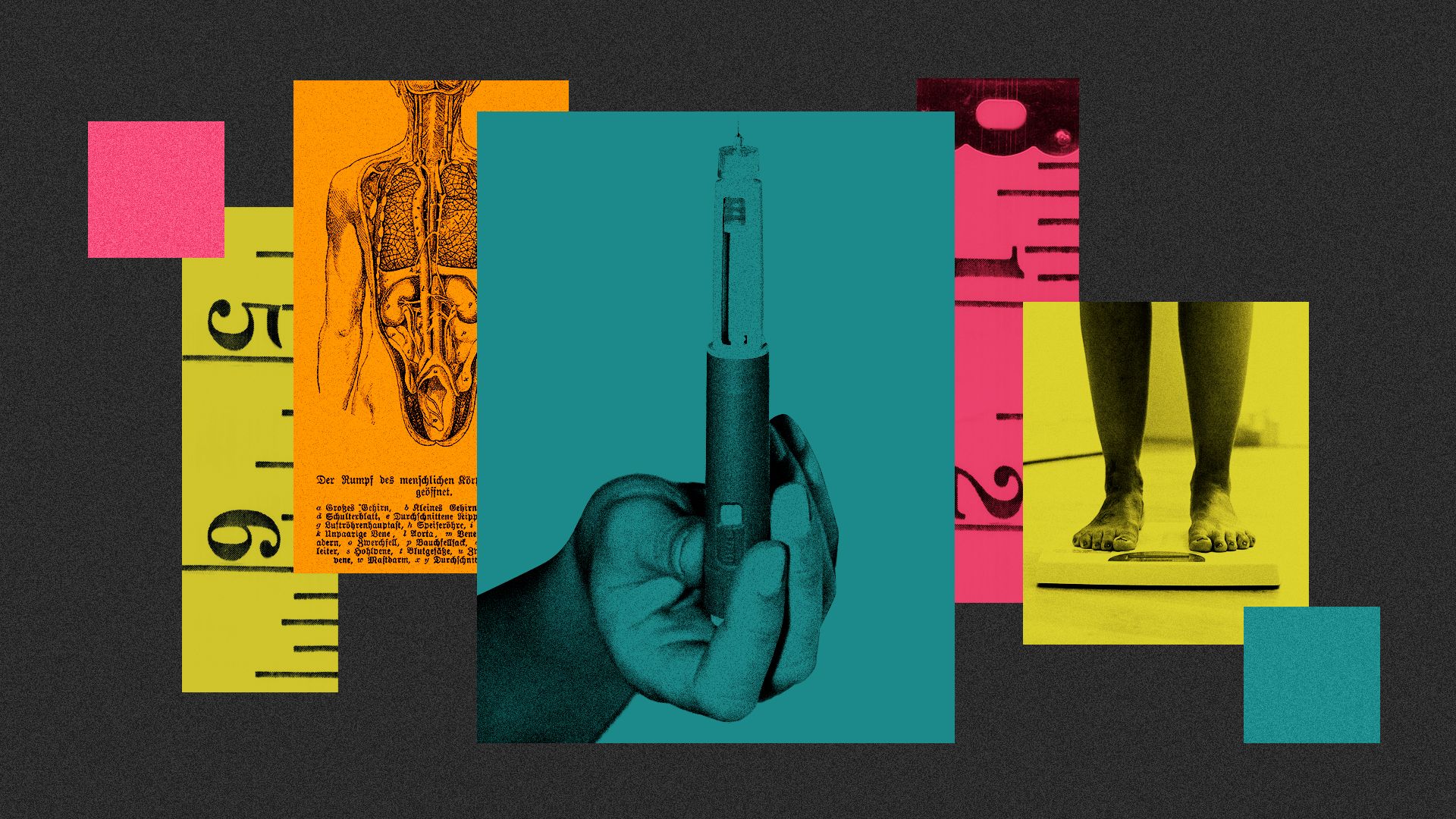
A cultural shift toward downsizing fueled by a GLP-1 drug boom and slimming celebrities is destabilizing for people trying to achieve acceptance, mental health experts and body positivity advocates tell Axios.
Why it matters: Still, the body positivity movement, advocates say, is an ongoing fight that won't shrink with the trends.
OpenAI spent the last year trying to be everything — a video platform, a shopping portal, even a purveyor of AI erotica.
Now it's racing to become a thing that makes money.
Why it matters: OpenAI is retreating from risky consumer features like adult content while prioritizing business tools and revenue growth — just as competition from Anthropic intensifies.
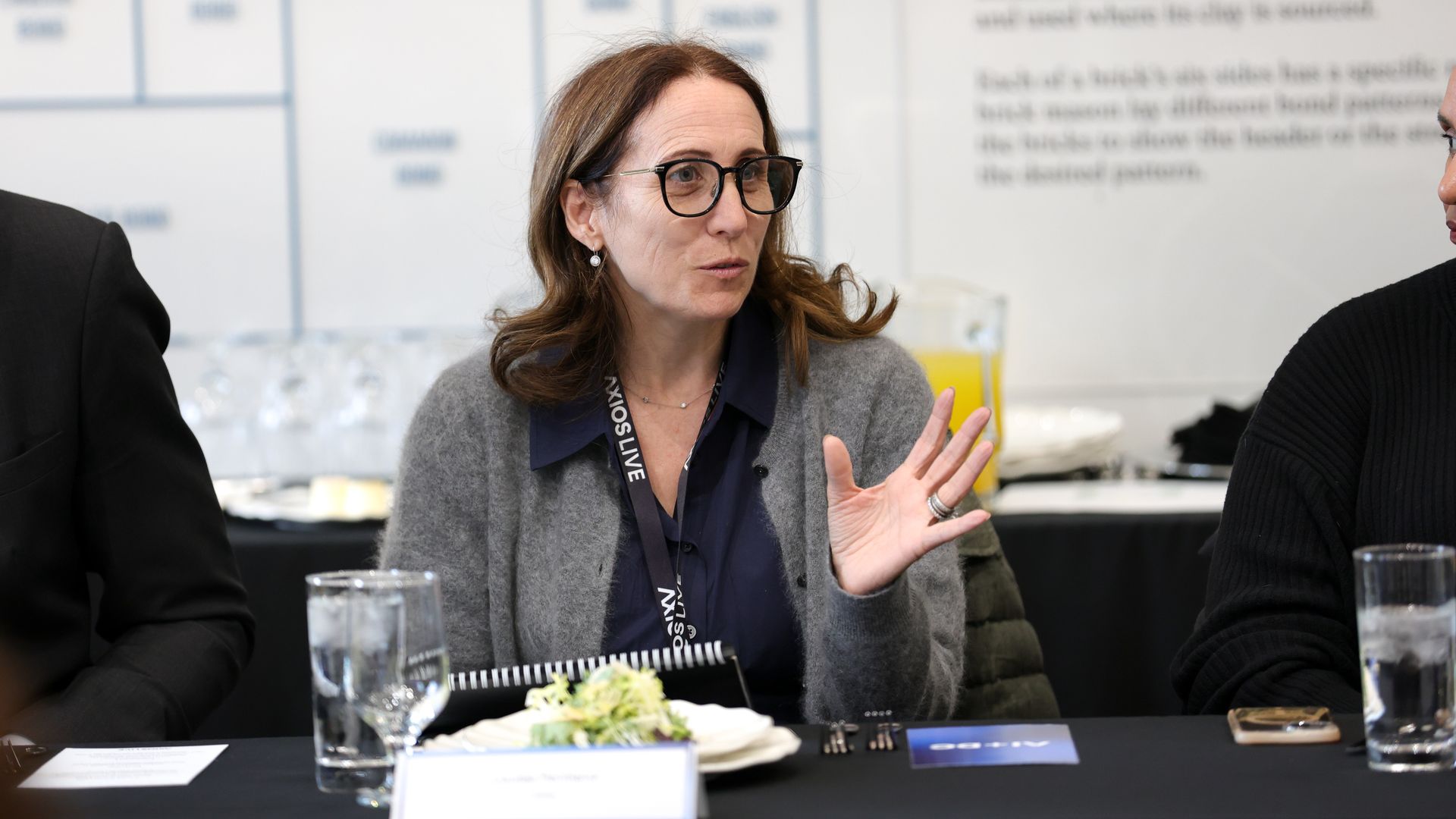
Washington, D.C. — As policymakers grapple with how to regulate AI, the hardest questions around copyright and fair use are being punted to the courts, according to governance, creator, and technology experts at an Axios expert voices roundtable.
The big picture: With Congress moving slowly and disagreements over policy, judges are becoming the primary deciders of how AI and the creators work together — or don't.
That's partly by necessity: "Fair use is incredibly complicated — case by case, fact specific," News/Media Alliance president and CEO Danielle Coffey said.
"Each case that we get … we start to get these new guideposts," Jones Walker partner Graham Ryan said.
Ryan said they expect at least three fair use decisions this year that will have implications for the broader AI-artist ecosystem.
Axios' Maria Curi and Ashley Gold moderated the March 25 discussion, which was sponsored by Adobe.
What they're saying: Legal uncertainty remains. For example, two courts within the same district, and during the same week, differed in the reasoning behind their rulings on similar matters of fair use and AI.
"There is a current, live controversy over … the extant understanding of the fourth factor in fair use, which is: Does the copy replace the market for the work?" said Kevin Bankston, senior adviser for the Center for Democracy & Technology.
Still, "we have been trying to support the process through the courts, because we think there is a really strong framework in copyright law for protecting artists right now," according to Public Knowledge president and CEO Chris Lewis.
The bottom line: "This is about creative labor and about human creativity as much as it is about technology," Americans for the Arts CEO Erin Harkey said.
There is an "importance of policy in this conversation, and not to just leave it up to market forces."
Content from the sponsor's remarks:
"We've spent the last 40 years building these products and driving this creativity," Louise Pentland, chief legal officer and executive vice president of legal and government relations at Adobe, said in her introductory comments.
"We don't strip the internet. We don't train on non-licensed IPs," Pentland added.
"The future of AI depends on giving creators more clarity [and] more control."
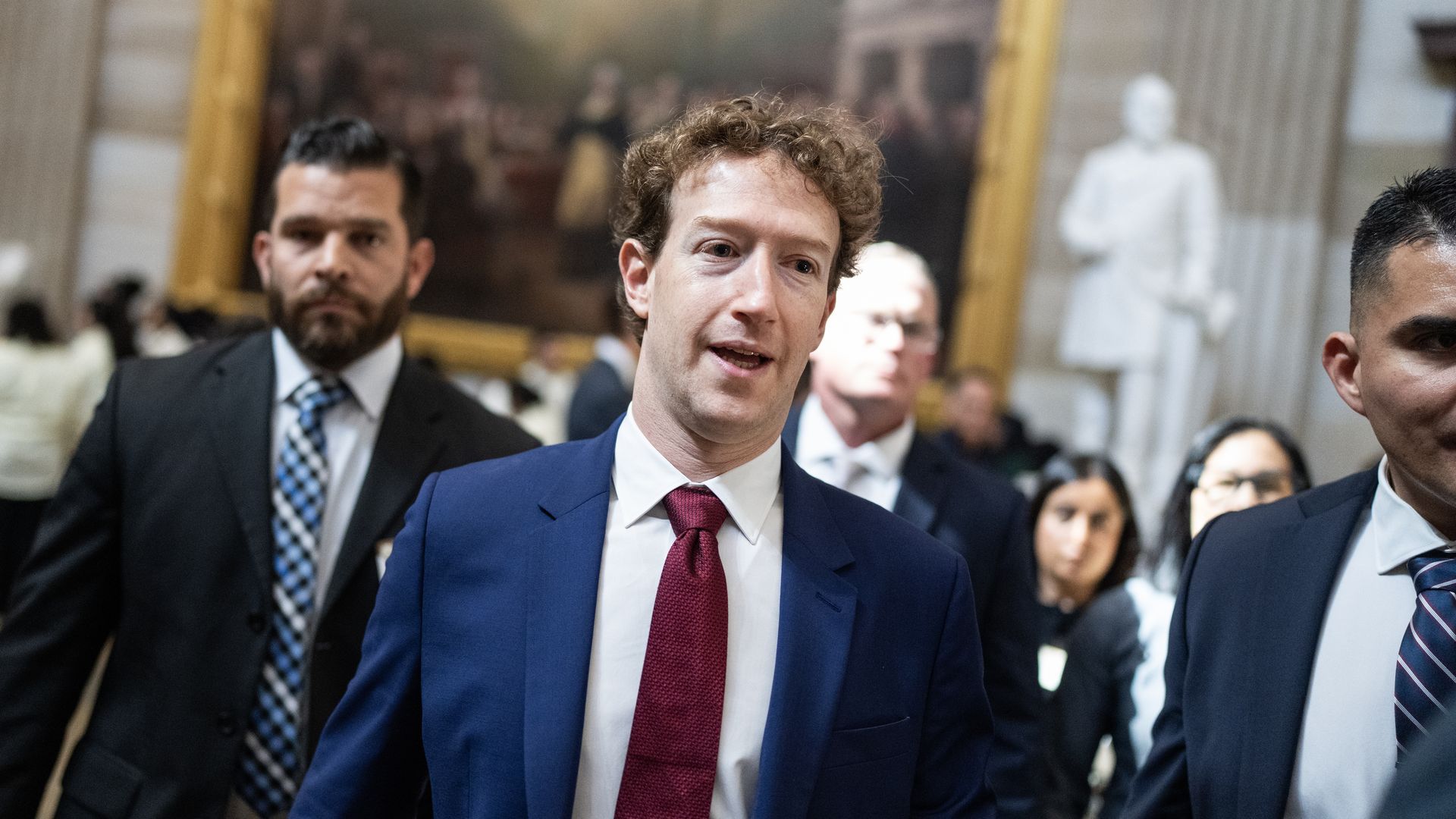
House Speaker Mike Johnson met with Meta CEO Mark Zuckerberg immediately after the company was hit with two stinging legal defeats over harms to children, drawing backlash from parents who say they've been unable to get a meeting with him for two years.
Why it matters: Pressure is mounting for Capitol Hill to finally act on kids' online safety bills following a series of court losses for Big Tech companies.
Apple said Friday that it has hired Google executive Lilian Rincon to lead AI product marketing as it prepares a delayed overhaul of its Siri assistant.
Why it matters: Apple is racing to reset its AI strategy, with a revamped Siri central to competing against fast-moving rivals.
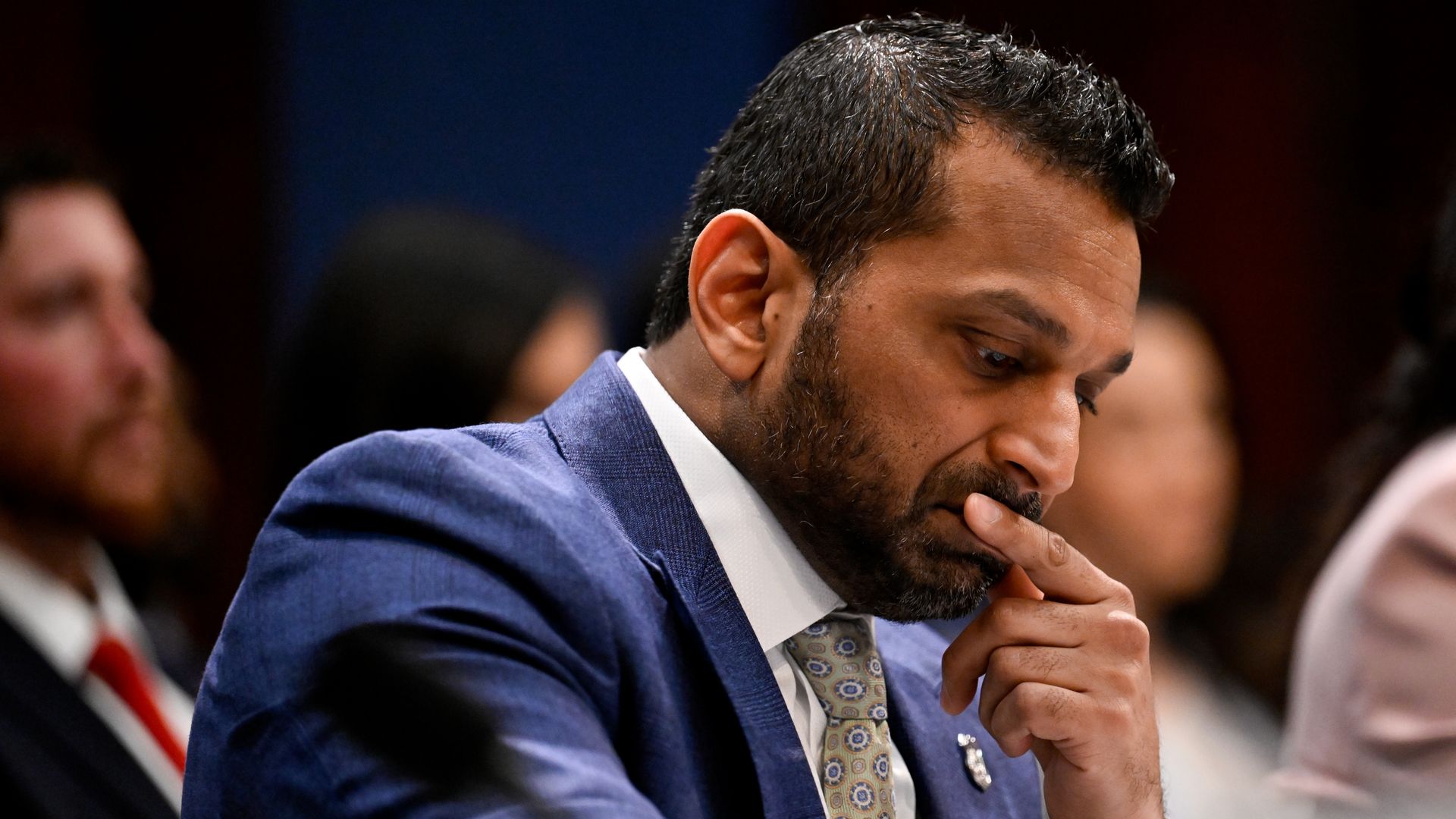
A hacktivist group that the U.S. has linked to back to Iranian intelligence services claims it has stolen "personal and confidential information" from FBI Director Kash Patel, including emails, documents and potentially confidential files.
Why it matters: The attack could be the most significant cyberattack of the ongoing war between the U.S., Israel and Iran, and could put an uncomfortable spotlight on Patel.
California Gov. Gavin Newsom told Axios he doesn't believe artificial intelligence will lead to an apocalypse for humanity.
"I'm not a 'doomer.' I can't live like that," he said during an interview for "The Axios Show."
Why it matters: Newsom, a potential contender for president in 2028, has a more optimistic view of AI than many in the Democratic Party's left wing, but wants to shape the future of tech through regulation rather than trying to halt the development of AI — or let it run amok.
A week after the White House unveiled its long-awaited national AI legislative framework, Washington has renewed momentum to pass federal laws but no roadmap on how to get there.
Why it matters: The administration's loose AI playbook for Congress is exposing cracks beneath the GOP's apparent consensus.