Axios AI+DC Summit: The U.S. Constitution should protect state-level AI regulation, Rep. Ross says

Add Axios as your preferred source to
see more of our stories on Google.
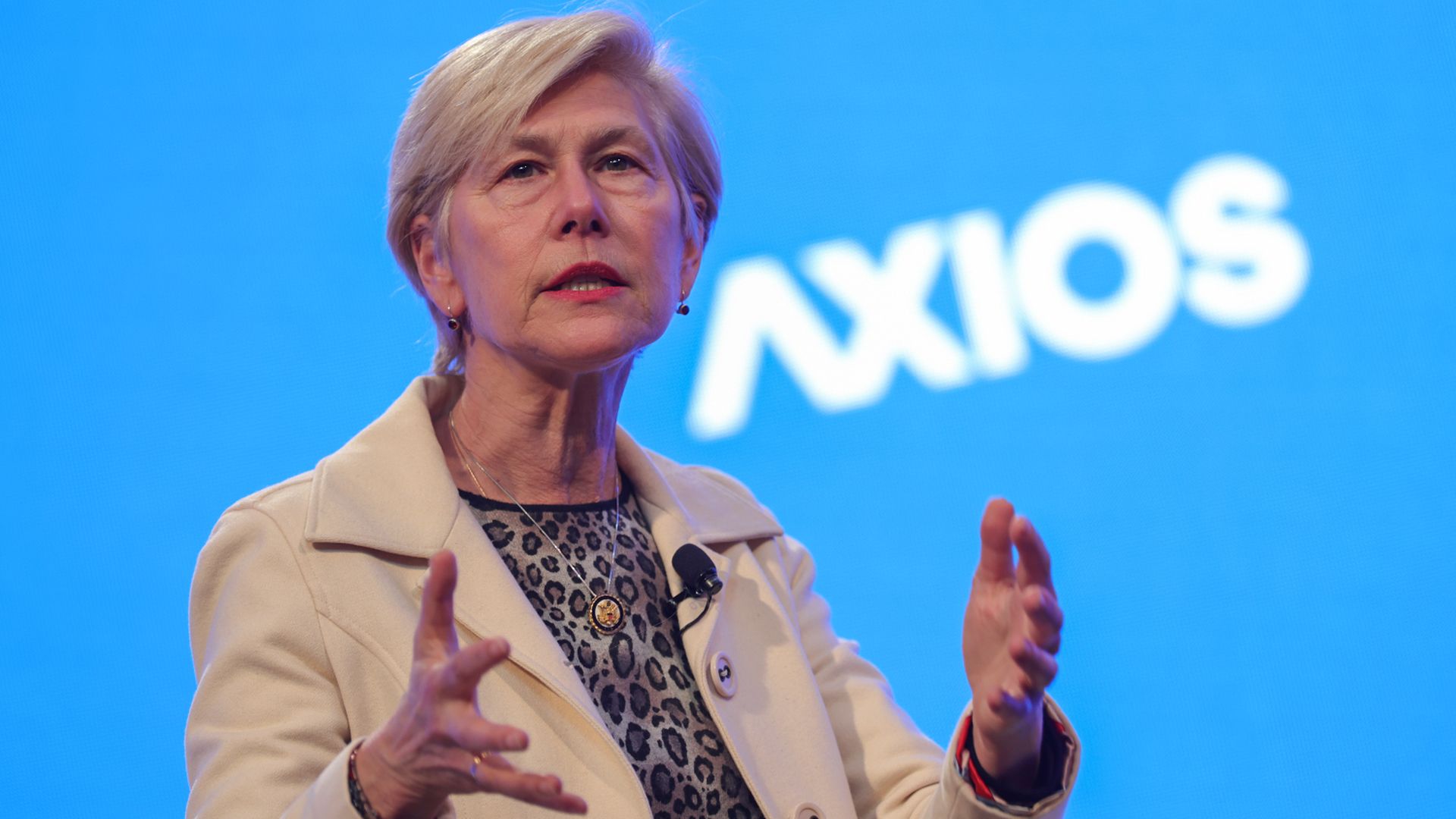
Photo credits: Bryan Dozier for Axios
Washington, D.C. — AI regulation is already happening at the state level and should be preserved, Rep. Deborah Ross (D-N.C.) said at the Axios AI+DC Summit.
Why it matters: The White House is proposing limits on states to determine how AI should be monitored and implemented, setting up a potential clash as states push ahead with their own laws.
Axios' Maria Curi and Ashley Gold spoke to Ross and D.C. chief technology officer Stephen Miller at the March 24 event, which was sponsored by Anthropic.
What they're saying: Many states are aligned in acknowledging the technology should be managed.
- "The Constitution reserves a lot of power to the states in particular areas" including public safety, which can pertain to issues that AI touches like deepfakes, election interference, and regulating how technology shows up in mental health care, Ross said.
- "There's a tremendous amount of common ground" when it comes to regulating AI, Ross told Curi, citing Utah and Alabama.
Zoom in: Even as state and national lawmakers debate regulation, local governments are already putting AI to work.
Case in point: "If you call 311 today, the first voice you hear is AI asking what you're calling about," Miller told Gold.
- "The outcomes are actually being improved," he said. "We're being faster. We've simplified the government and we're being more reliable."
Content from the sponsor's segment:
In a View From the Top conversation, Anthropic head of economics Peter McCrory told Axios publisher Nicholas Johnston that AI "usage is diffusing throughout the economy very rapidly … much faster than past technologies in the 20th century."
McCrory added that his advice for policymakers regarding AI is twofold.
- First, "focus on the data. We need a richer picture of AI adoption and diffusion."
- Second, "it's useful to think about the right policy response matched to the situation as it might unfold," he added. "The policies that are suitable to the most disruptive scenario might not be those that are most applicable to the more prosaic scenario."
