Google is announcing a partnership with Sequoia Capital on Wednesday that will allow the venture firm's portfolio AI companies to gain access to an extended array of cloud credits, enhanced support and other services.
Why it matters: The move could give Google a leg-up on rivals OpenAI and Microsoft, while allowing Sequoia-backed startups to save some money on cloud computing.
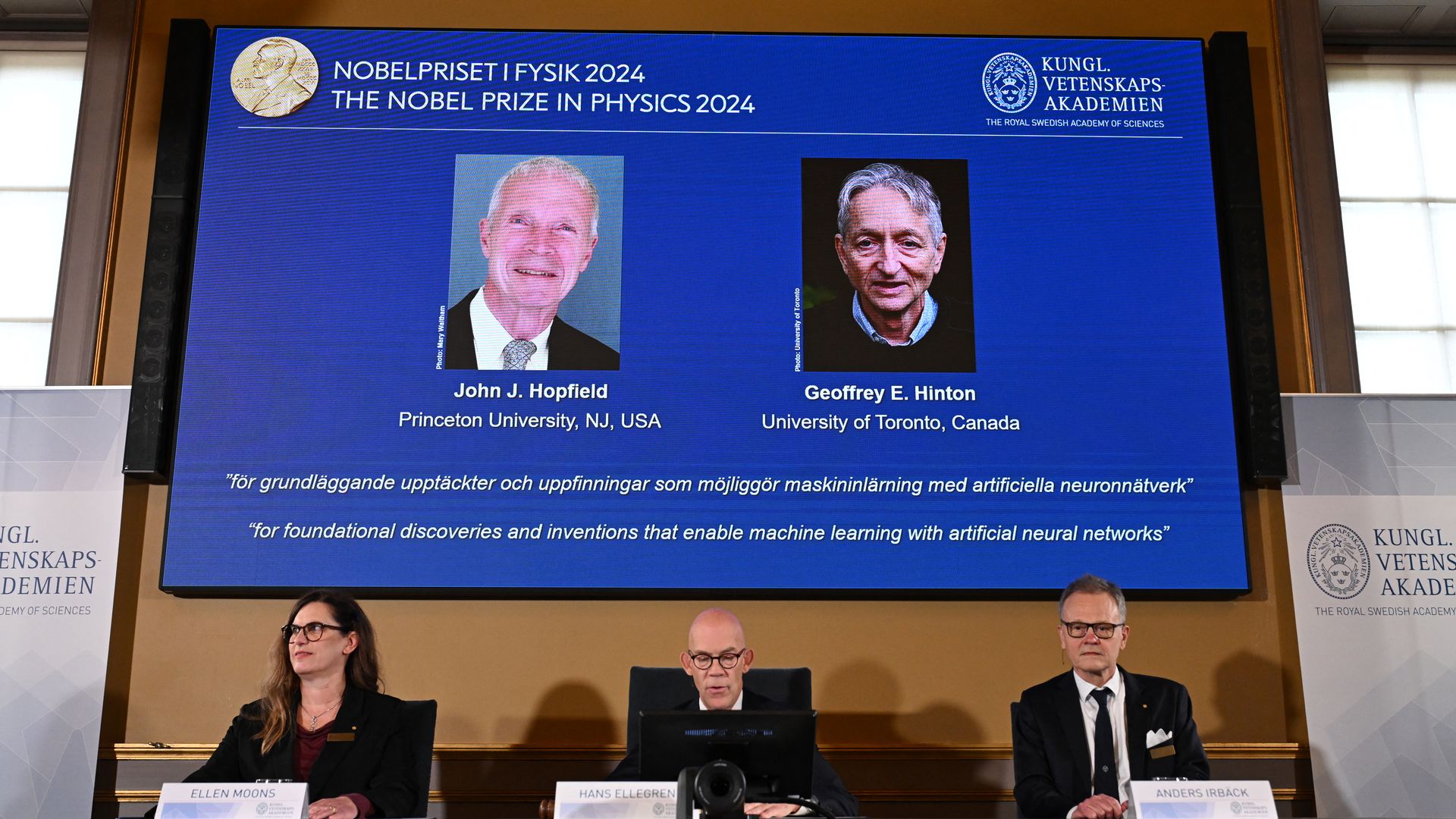
John Hopfield and Geoffrey Hinton, whose work helped build the foundation for the artificial intelligence revolution in the way we live and work, won the Nobel Prize in physics.
Why it matters: Their breakthroughs have shown "a completely new way for us to use computers to aid and to guide us to tackle many of the challenges our society face," the Nobel committee said in its announcement Tuesday.
OpenAI has seen a continued stream of attempts to use AI as part of political misinformation campaigns on social media, but said the effort that spread widest was a hoax that only appeared to use its services.
Why it matters: A new report from the company, released on Wednesday, highlights the continued use of generative AI by foreign adversaries of the U.S. — but shows that, at least for this year's election, the impact appears to be modest.
The Department of Justice is weighing proposing sanctions against Google that could include a breakup of the tech giant following a landmark case that found the company had illegally abused its search monopoly.
The big picture: The DOJ made the suggestion in a court filing late Tuesday that said "Google's unlawful conduct persisted for over a decade and involved a number of selfreinforcing tactics ... Unwinding that illegal behavior and achieving the goals of an effective antitrust remedy takes time."
The big picture: Justice Alexandre de Moraes prohibited the social media platform in Latin America's largest nation on Aug. 30, after the company refused to comply with his order that included appointing a legal representative for the platform in Brazil.
Updating to iOS 18 ahead of Hurricane Milton, could help iPhone users stay in touch with friends and family via satellite messaging when there is no cellular and Wi-Fi coverage.
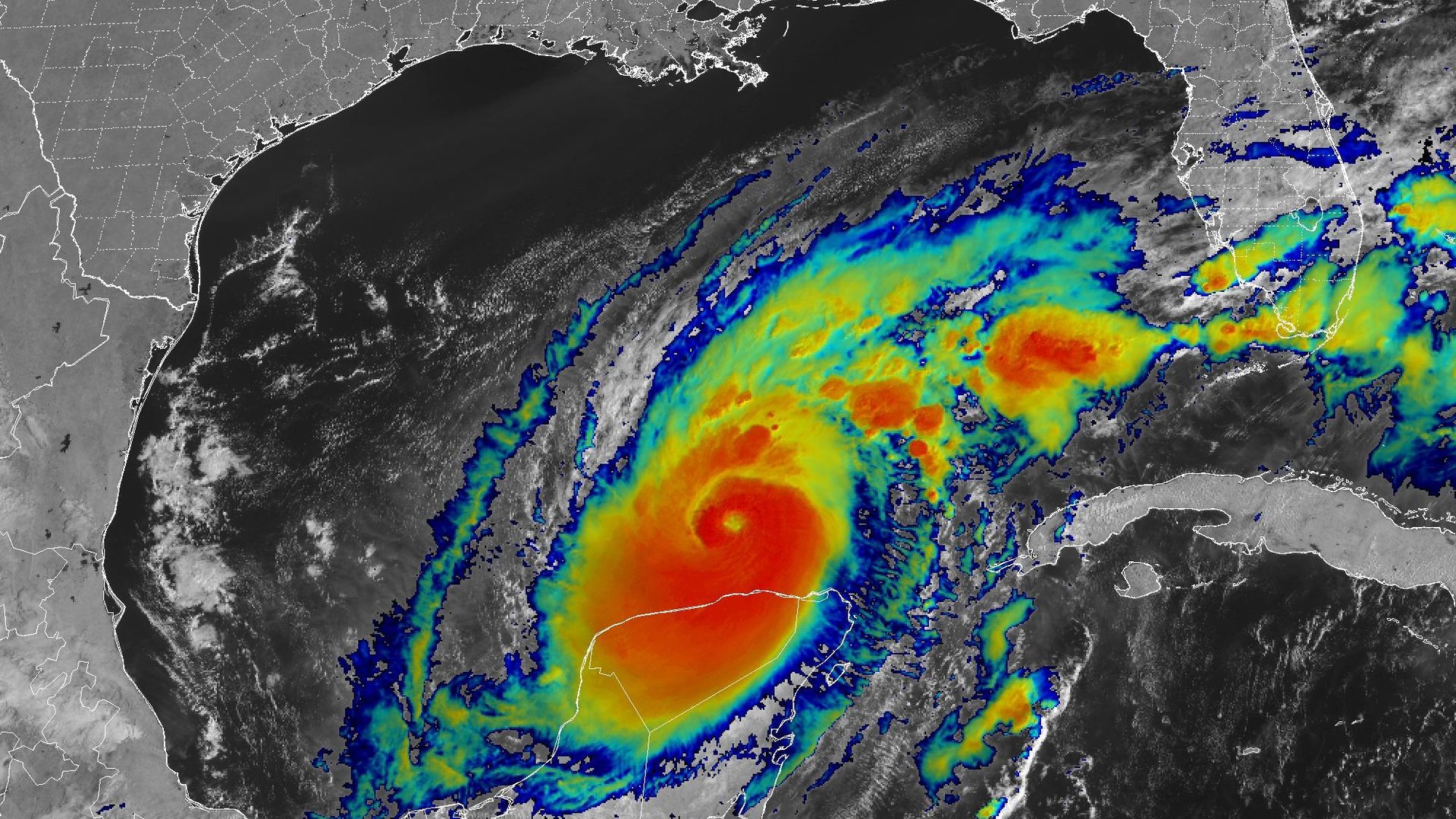
Why it matters: Hurricane Milton is expected to make landfall on Wednesday and threatens to impact highly populated areas of the Florida coast.
OpenAI has struck a content partnership deal with Hearst, one of the largest newspaper and magazine holding groups in the country, the companies said Tuesday.
Why it matters: OpenAI has already struck similar deals with Hearst's magazine rivals Condé Nast and Dotdash Meredith.
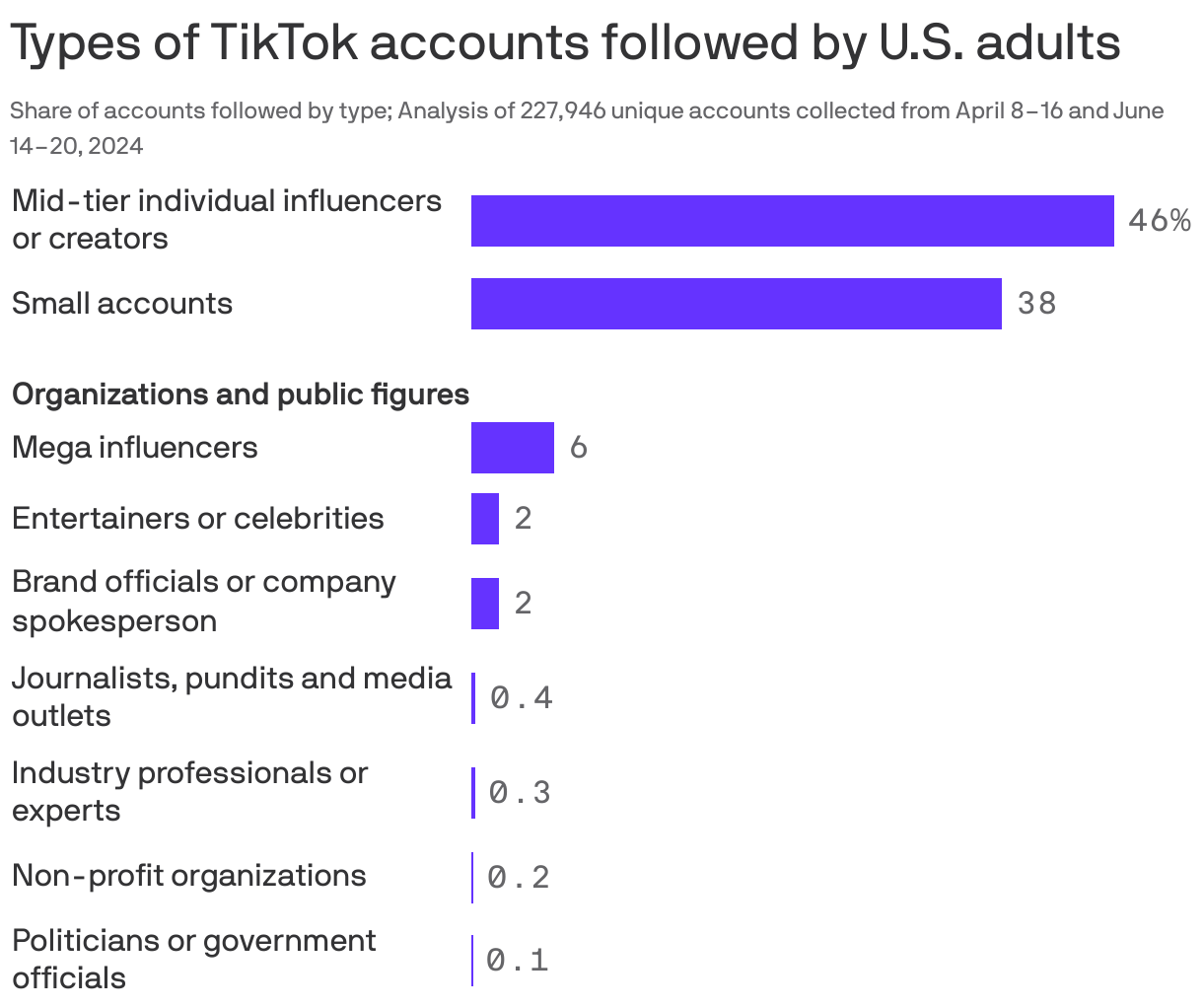
More Americans are flocking to TikTok for news and information, but they aren't necessarily following media organizations or journalists on the platform, according to a new report from Pew Research Center.
Why it matters: Instead, they are relying on creators, entertainers and influencers to deliver the news — even as mis-and-disinformation campaigns continue.
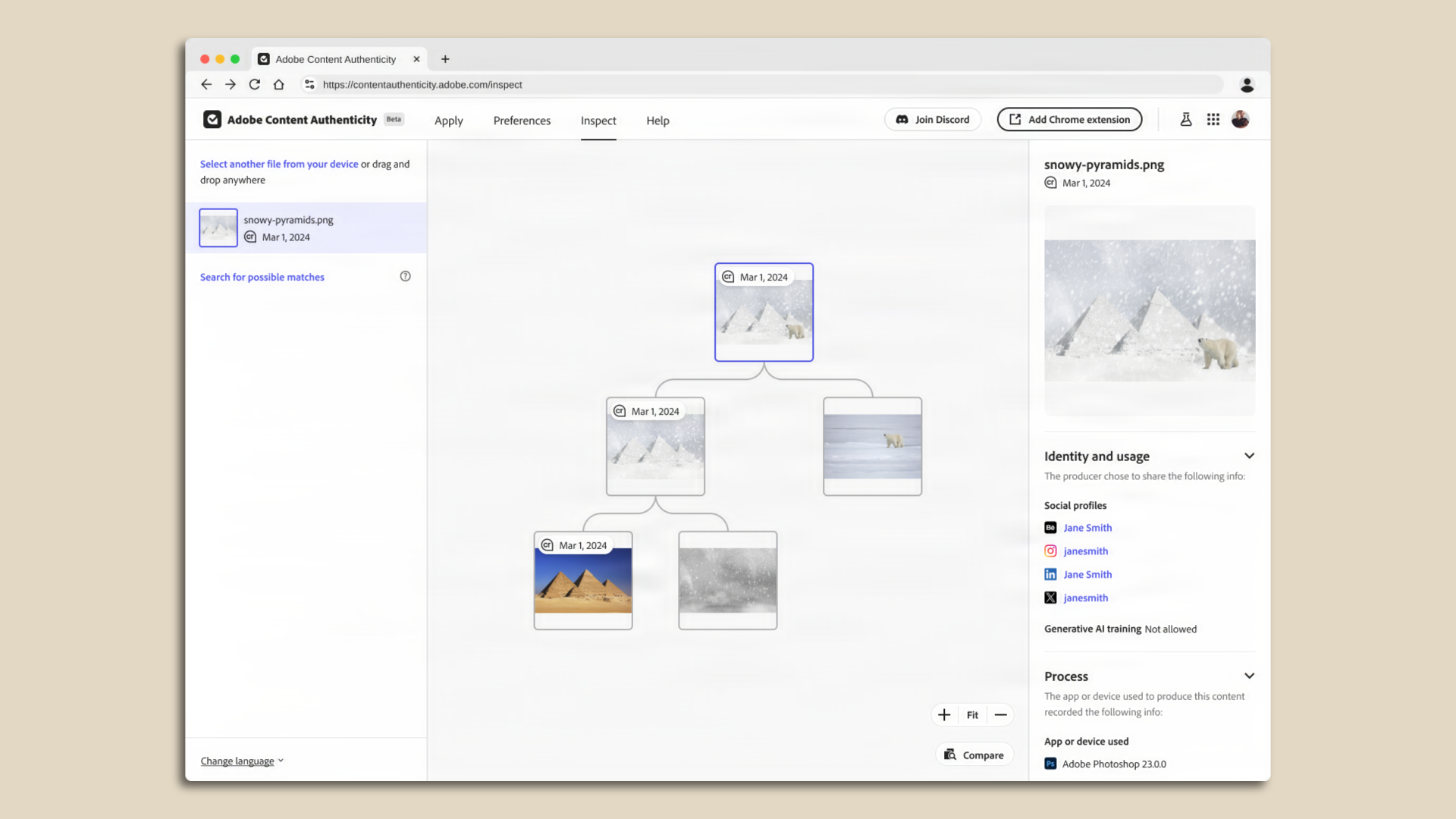
Adobe is readying a web tool that aims to allow artists and other creators to easily authenticate digital works as their own.
Why it matters: The tool, which enters private beta today and will be made more broadly available next year, is part of Adobe's broader strategy to help authenticate digital content by showing how it was captured or created and indicating any changes made using AI.
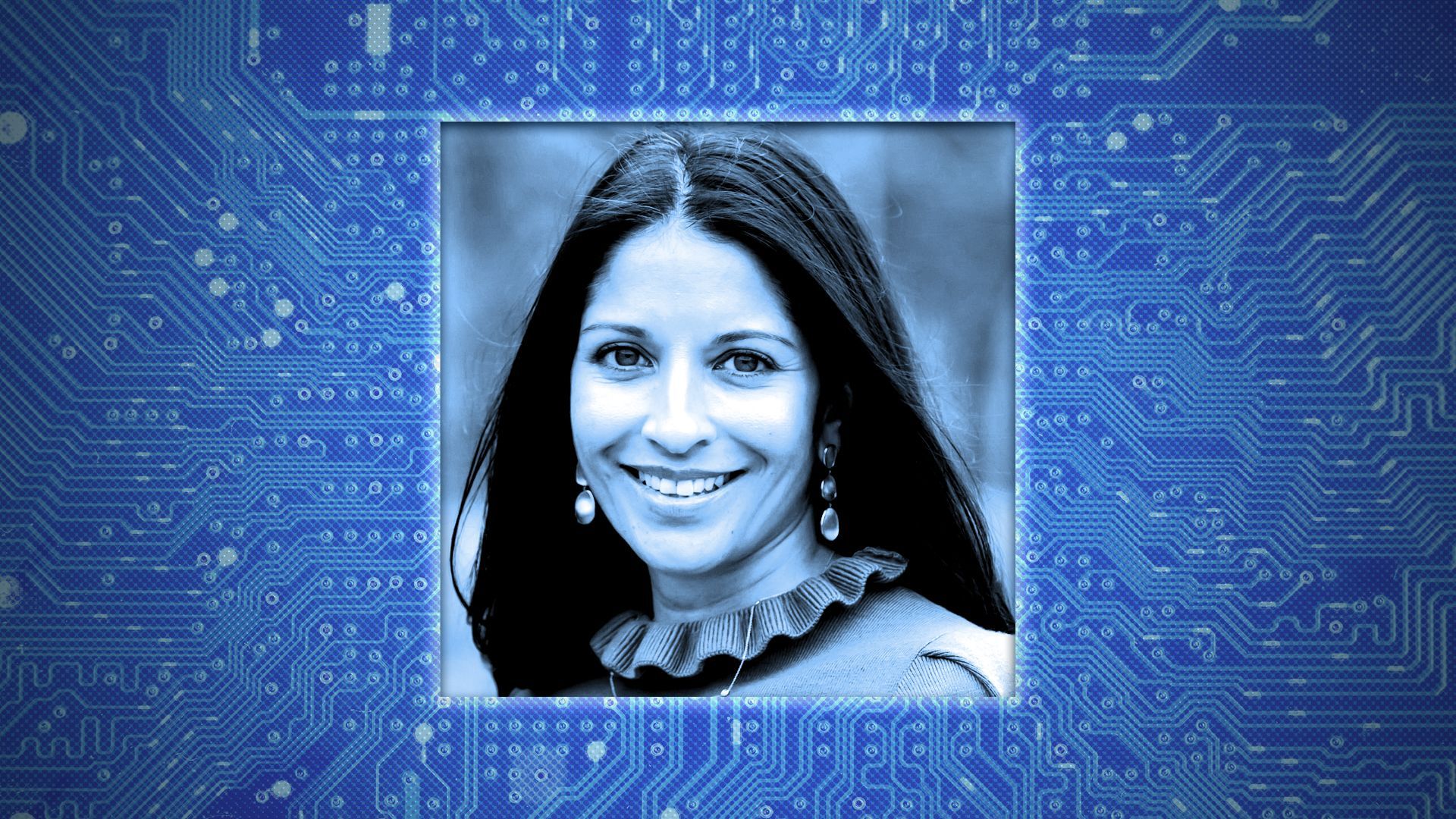
AI, which has often been charged with gender bias, is getting put to work to help provide more equitable care for women.
The big picture: Lisa Shah's interest in AI started purely as a means to an end. As a physician and chief medical officer at Twin Health, a metabolic care startup based in Mountain View, California,Shah is mainly concerned with getting to the root cause of chronic metabolic disease.
Silicon Valley is increasingly determining who gets elected and who doesn't.
Why it matters: While Big Tech companies learned the value of lobbying in the wake of the Microsoft antitrust trial in the 1990s, it's only much more recently that they've started trying to influence the outcome of elections.
The big picture: A slew ofconspiracy theories rapidly spread online in the wake of the storm — which left more than 200 people dead across six states — about aid to hard-hit communities and employees on the ground.







/2024/10/08/1728431504256.gif?w=3840)