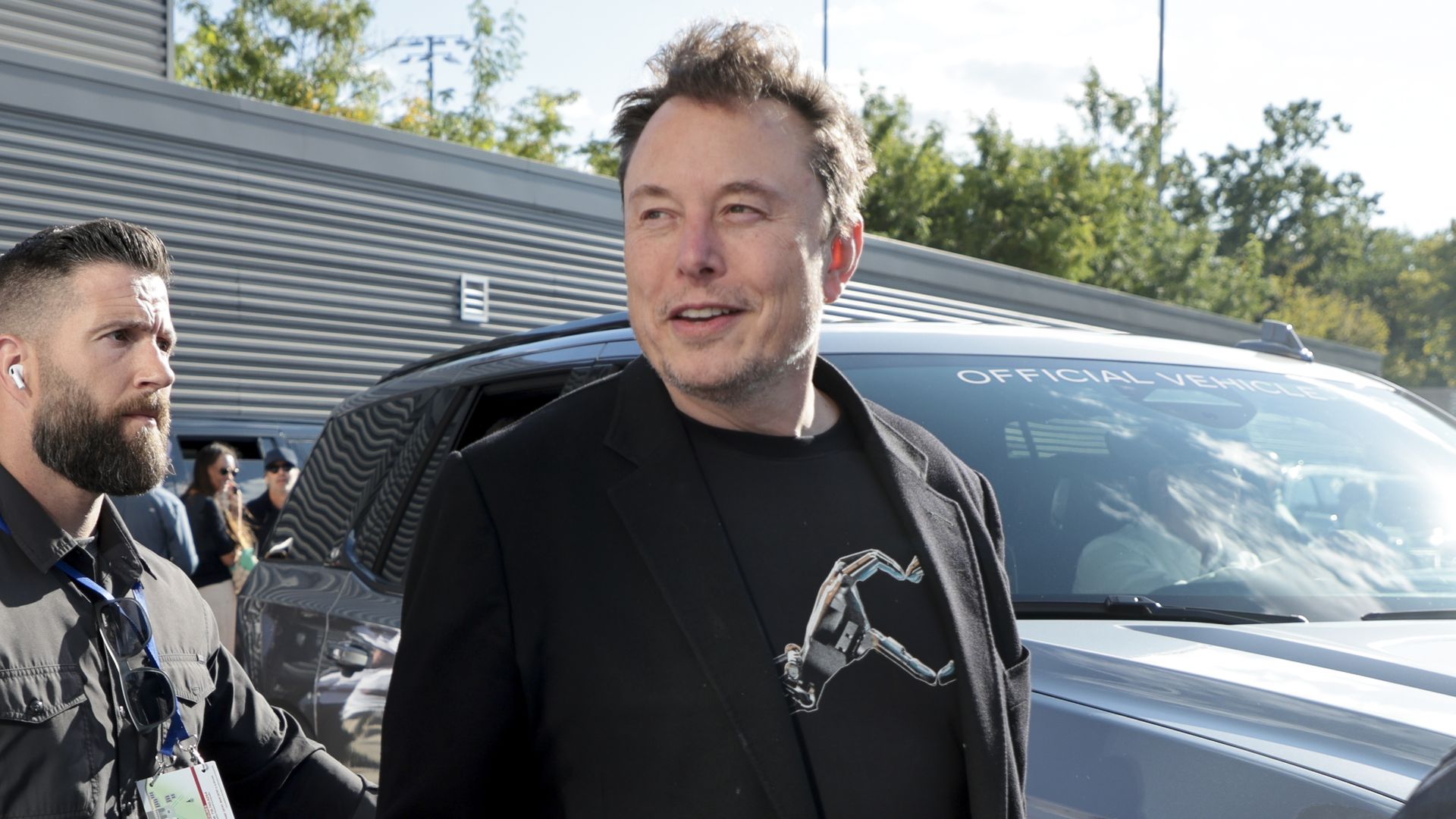
Tesla is poised to debut its long-awaited robotaxi Thursday night — and possibly an update on its humanoid robot — in a reveal that will require observers to separate sizzle from substance.
Why it matters: Tesla CEO Elon Musk has described self-driving car technology and AI robots as essential to the company's current stock valuation and its future.
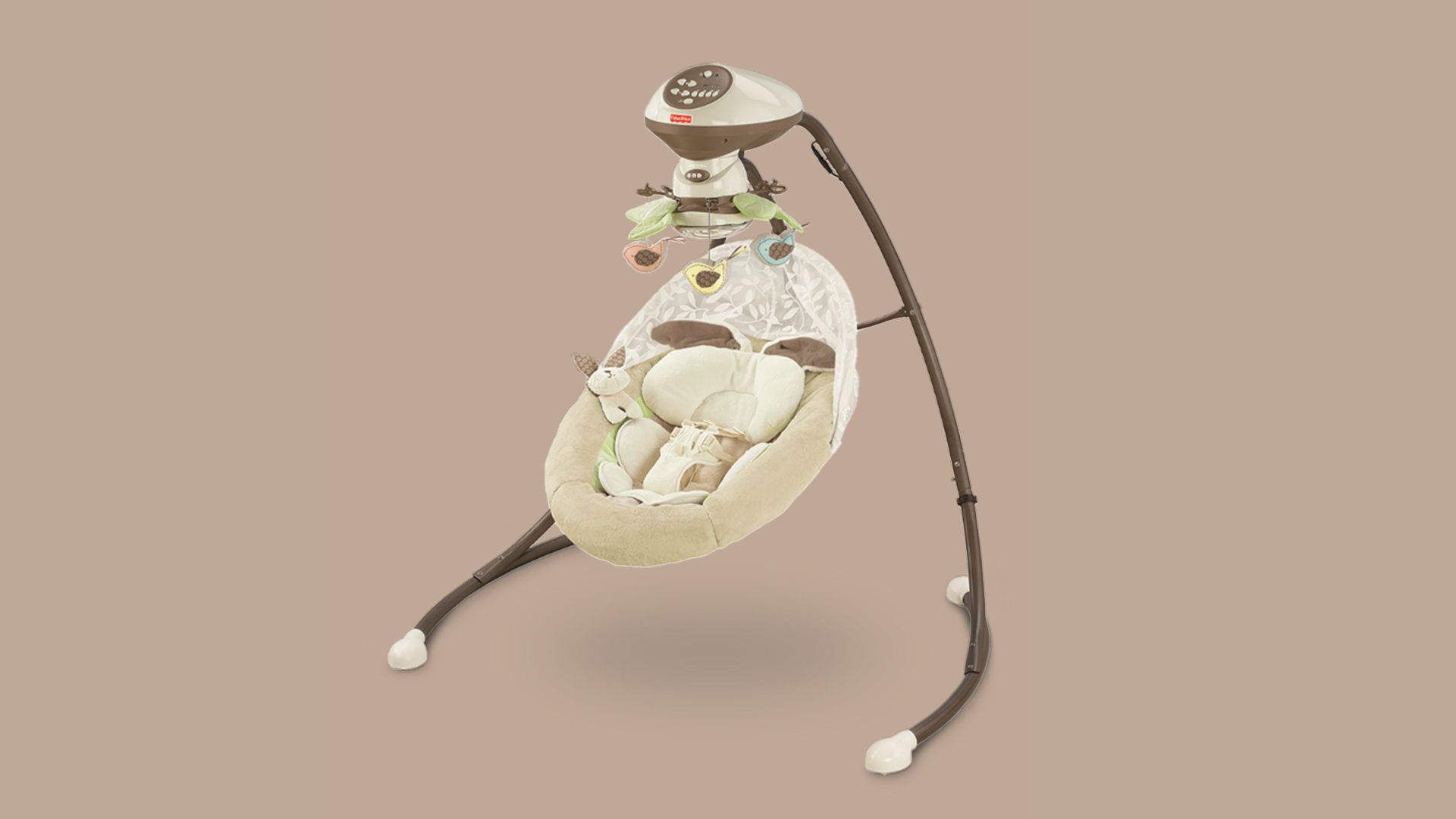
More than 2 million Fisher-Price Snuga Swings were recalledfollowing the deaths of five infants over a decade.
State of play: Suffocation risks prompted the recall, and customers are told to remove parts of the swing before continuing to use it for "awake-time activities" only.
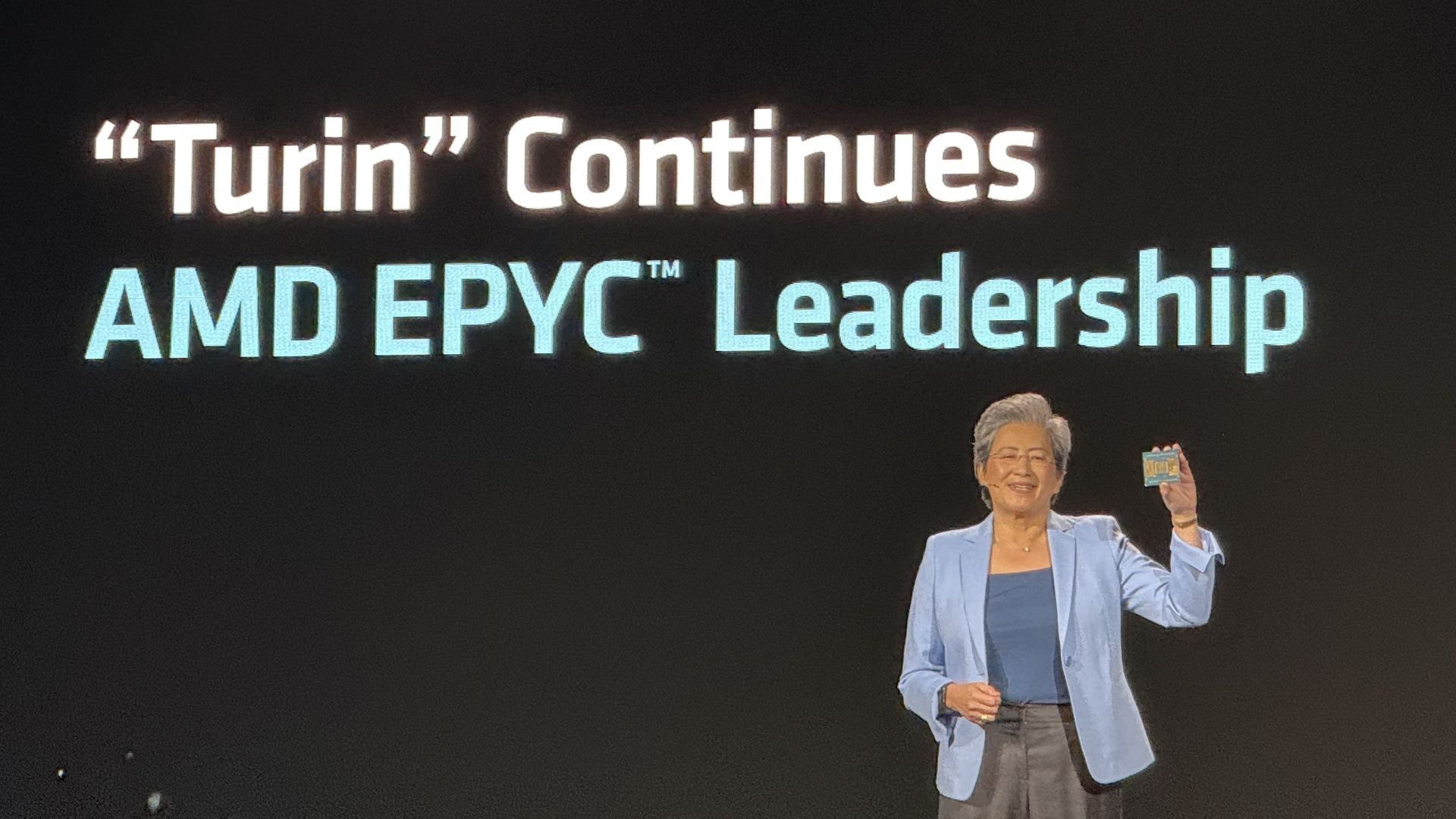
Semiconductor maker AMD announced a slew of new chips on Thursday as it seeks to take full advantage of the AI-driven boom in computing demand.
Why it matters: In addition to taking on Intel in the market for server and PC processors, AMD is looking to grab more of the GPU market today dominated by Nvidia.
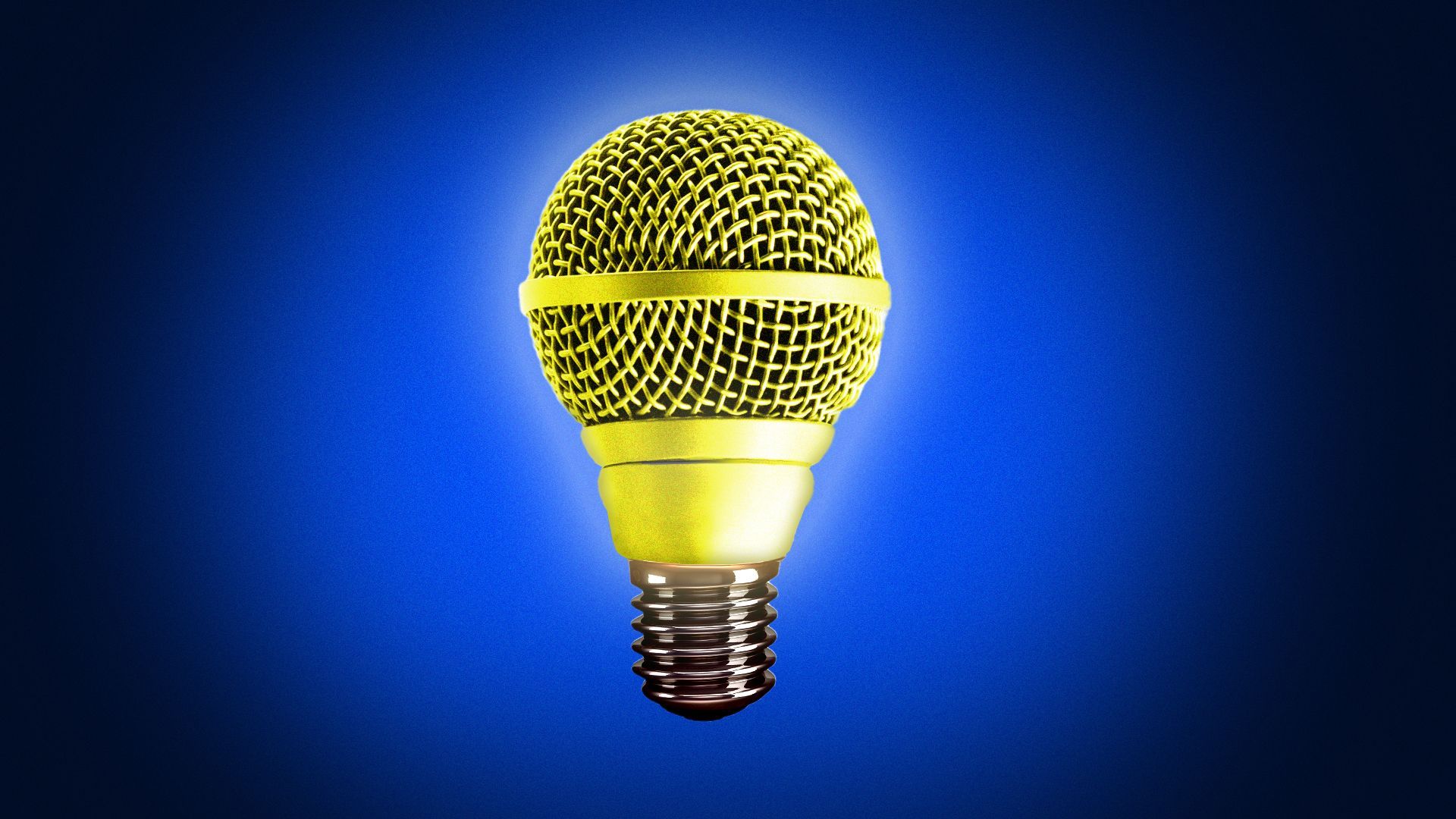
Newsrooms are shrinking and audiences are becoming more dispersed as independent journalists successfully launch Substacks, content creators pivot into podcasting and TikTokers report on the news.
Why it matters: This is changing how brands, executives and politicians are engaging with the media.
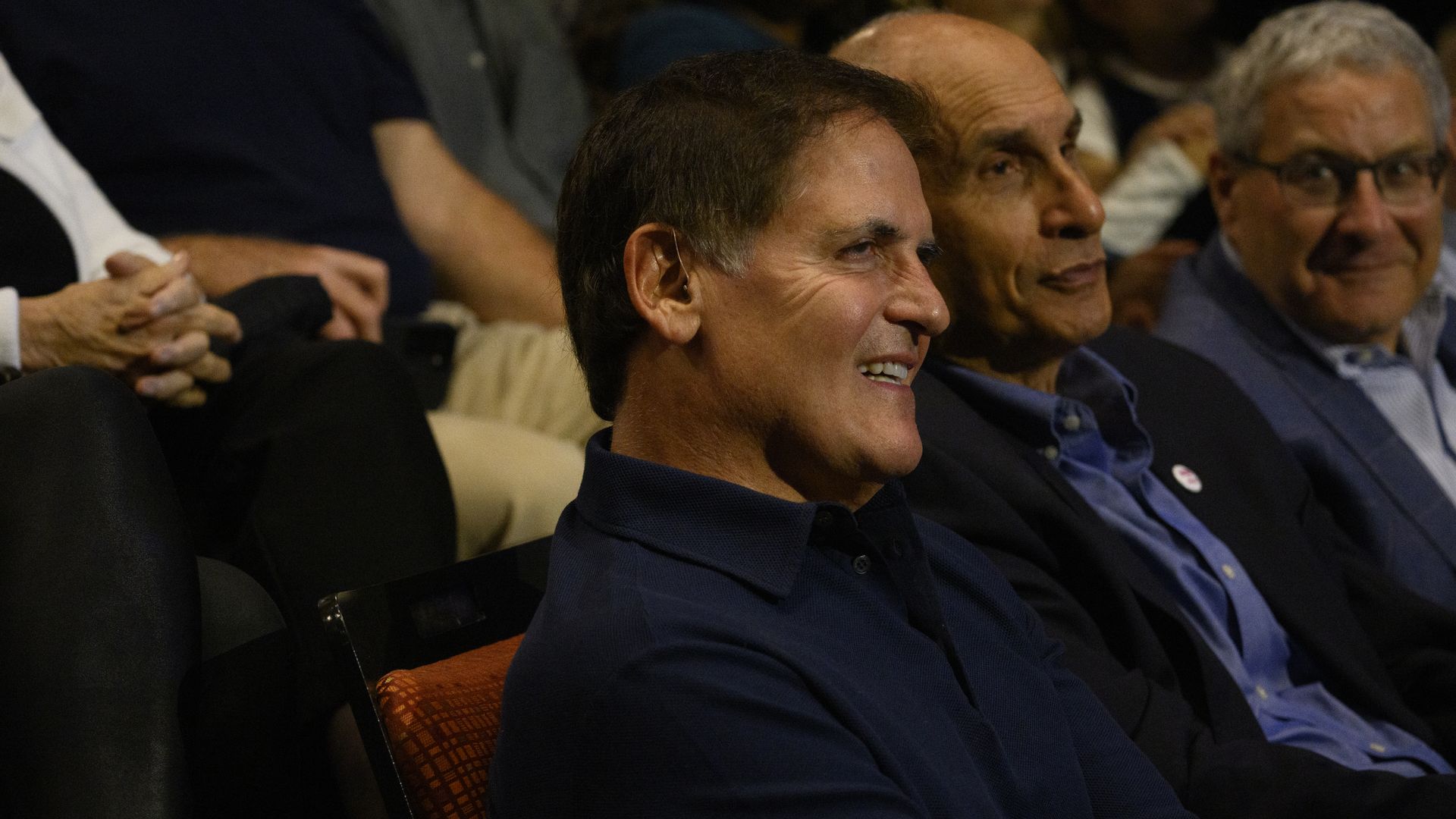
The latest calls to revamp the prescription drug market and lower prices are coming from billionaire Mark Cuban, who's urging corporations to dump the middlemen that handle their drug benefits and shop for better deals with providers and smaller companies that will pass through their savings.
Why it matters: Cuban, a prominent backer of Vice President Kamala Harris, believes a streamlined, more transparent system will generate more savings than direct government price negotiations.
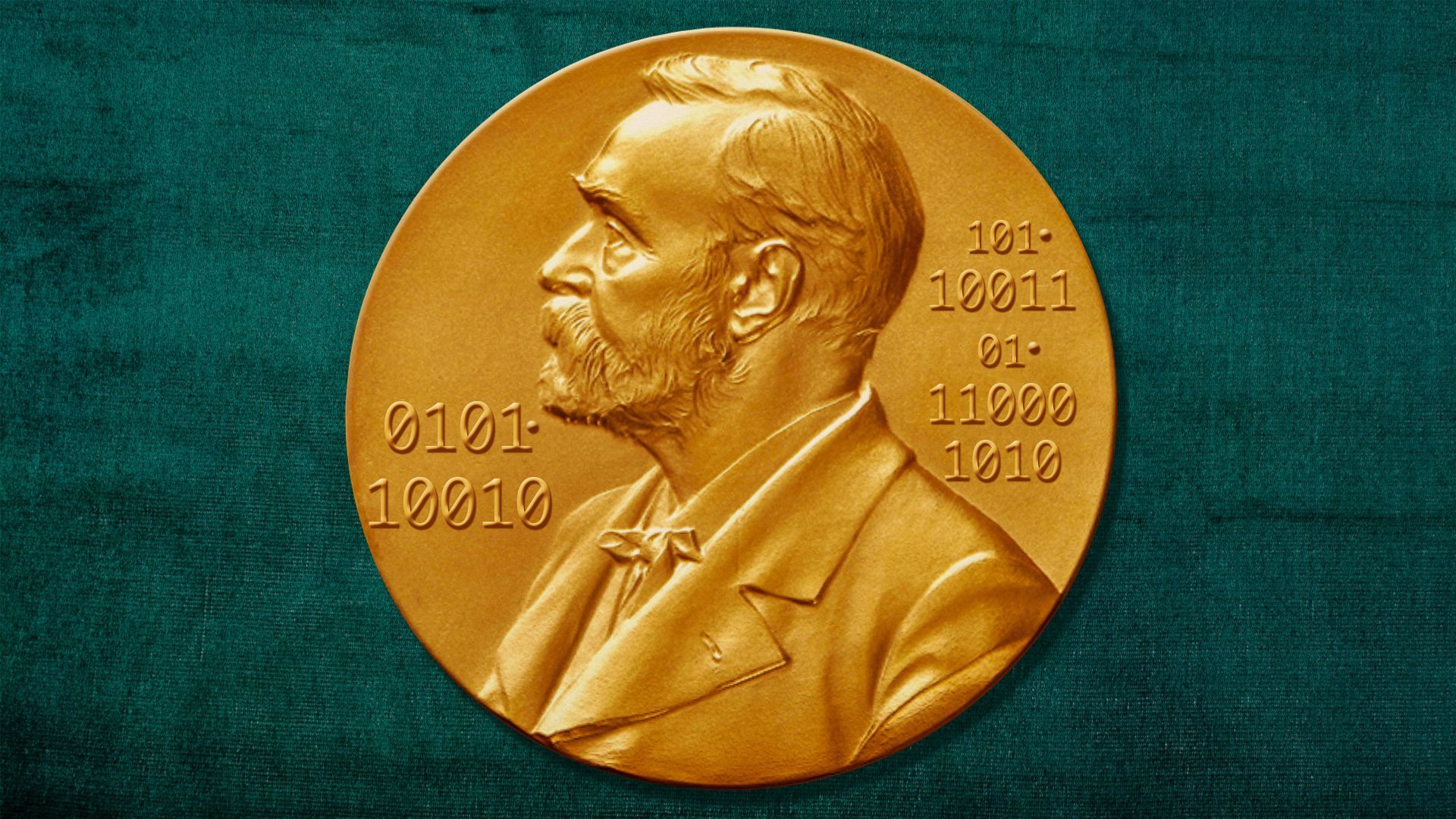
AI researchers notched two Nobel Prizes this week, elevating their work and field into the upper echelons of scientific achievement.
Why it matters: There'swide debate about whether, and how,AI will transform the world — but this week's recognition underscores the behind-the-scenes ways the technology is already changing science itself.
Google is announcing a partnership with Sequoia Capital on Wednesday that will allow the venture firm's portfolio AI companies to gain access to an extended array of cloud credits, enhanced support and other services.
Why it matters: The move could give Google a leg-up on rivals OpenAI and Microsoft, while allowing Sequoia-backed startups to save some money on cloud computing.
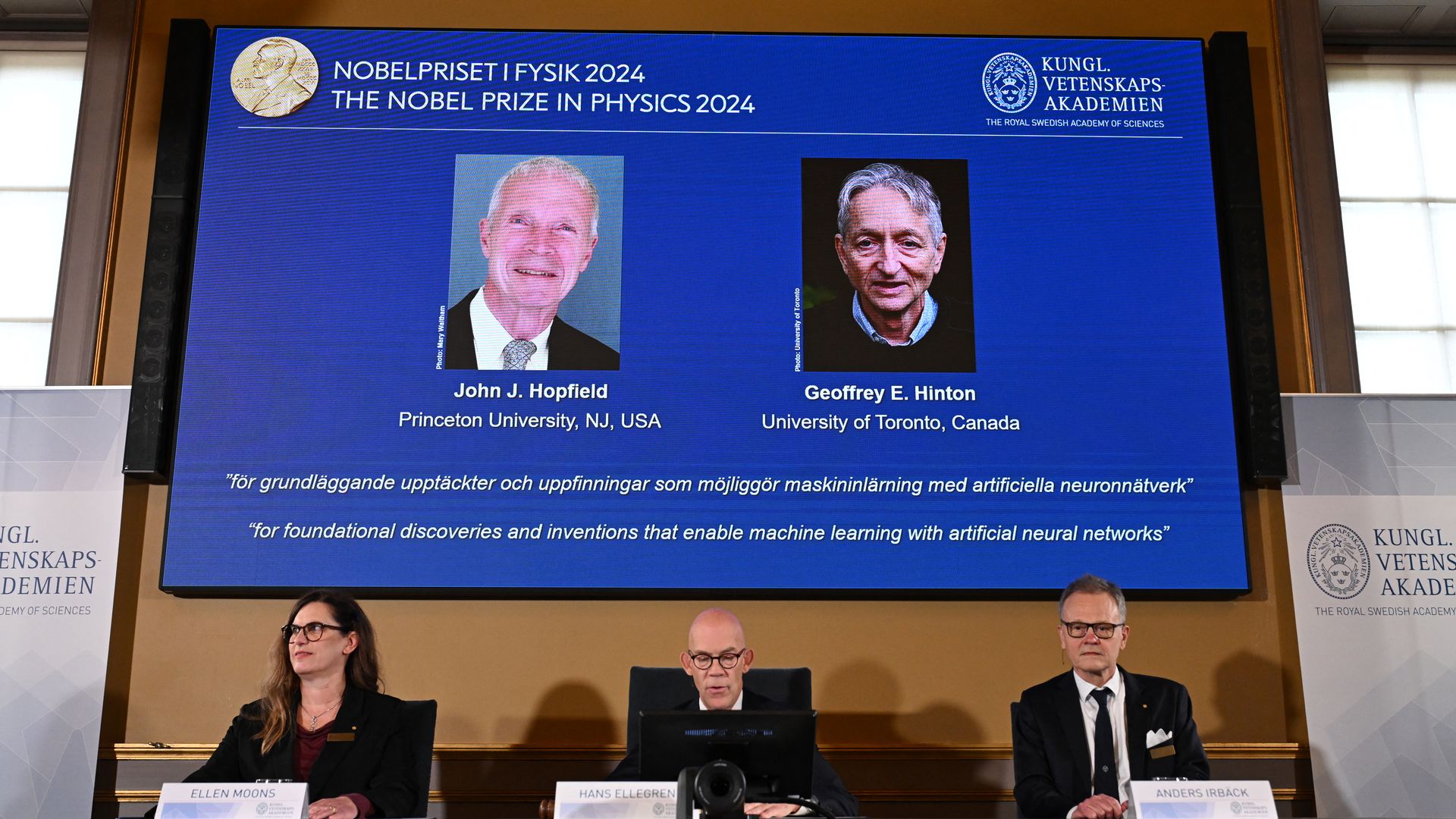
John Hopfield and Geoffrey Hinton, whose work helped build the foundation for the artificial intelligence revolution in the way we live and work, won the Nobel Prize in physics.
Why it matters: Their breakthroughs have shown "a completely new way for us to use computers to aid and to guide us to tackle many of the challenges our society face," the Nobel committee said in its announcement Tuesday.
OpenAI has seen a continued stream of attempts to use AI as part of political misinformation campaigns on social media, but said the effort that spread widest was a hoax that only appeared to use its services.
Why it matters: A new report from the company, released on Wednesday, highlights the continued use of generative AI by foreign adversaries of the U.S. — but shows that, at least for this year's election, the impact appears to be modest.
The Department of Justice is weighing proposing sanctions against Google that could include a breakup of the tech giant following a landmark case that found the company had illegally abused its search monopoly.
The big picture: The DOJ made the suggestion in a court filing late Tuesday that said "Google's unlawful conduct persisted for over a decade and involved a number of selfreinforcing tactics ... Unwinding that illegal behavior and achieving the goals of an effective antitrust remedy takes time."
The big picture: Justice Alexandre de Moraes prohibited the social media platform in Latin America's largest nation on Aug. 30, after the company refused to comply with his order that included appointing a legal representative for the platform in Brazil.










/2024/10/08/1728431504256.gif?w=3840)