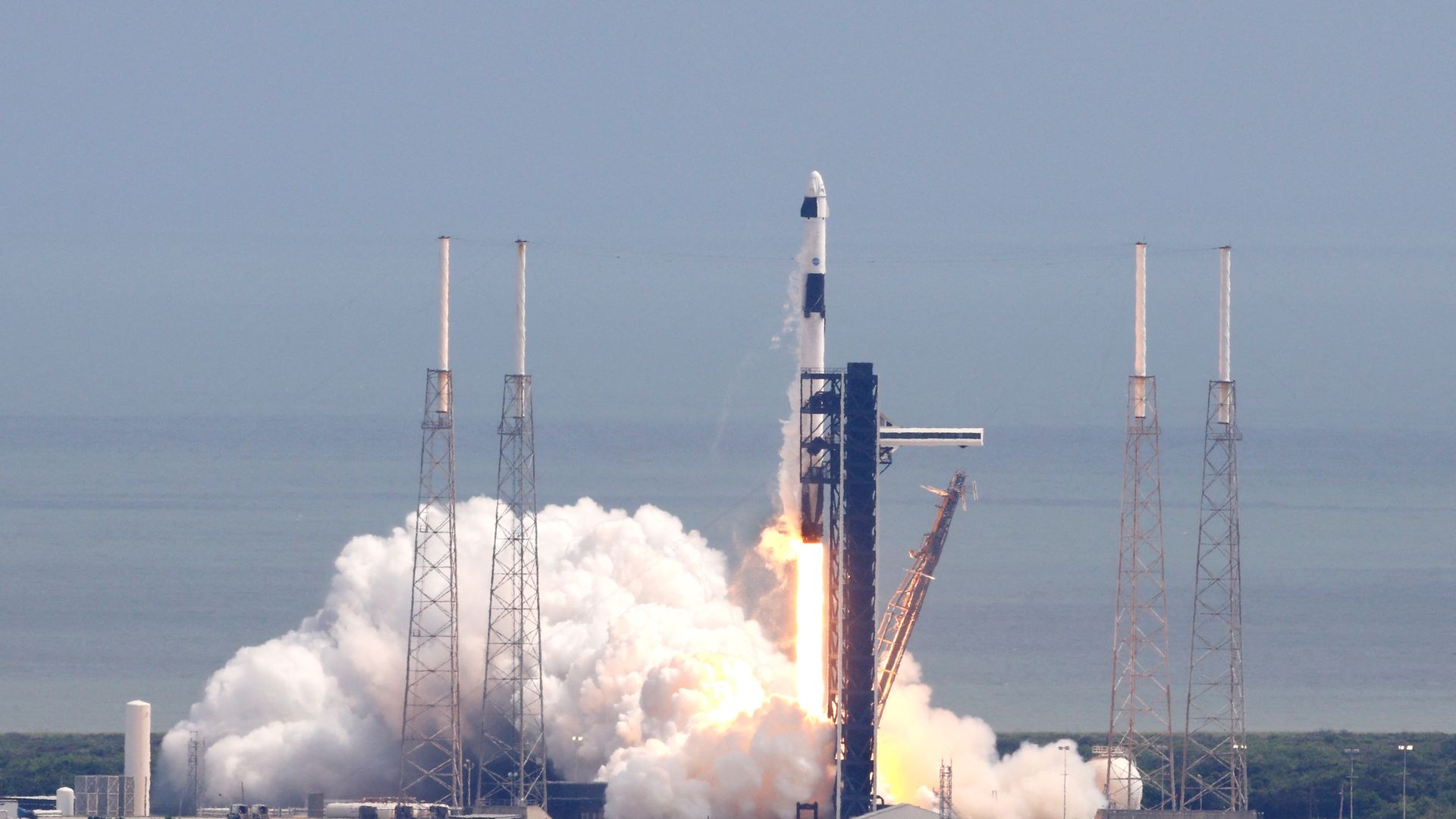
The Federal Aviation Administration gave SpaceX a green light on Saturday for its fifth Starship test launch.
Why it matters: The approval means Elon Musk's SpaceX can launch its megarocket on Sunday, much earlier than initially seemed possible due to regulatory hurdles.
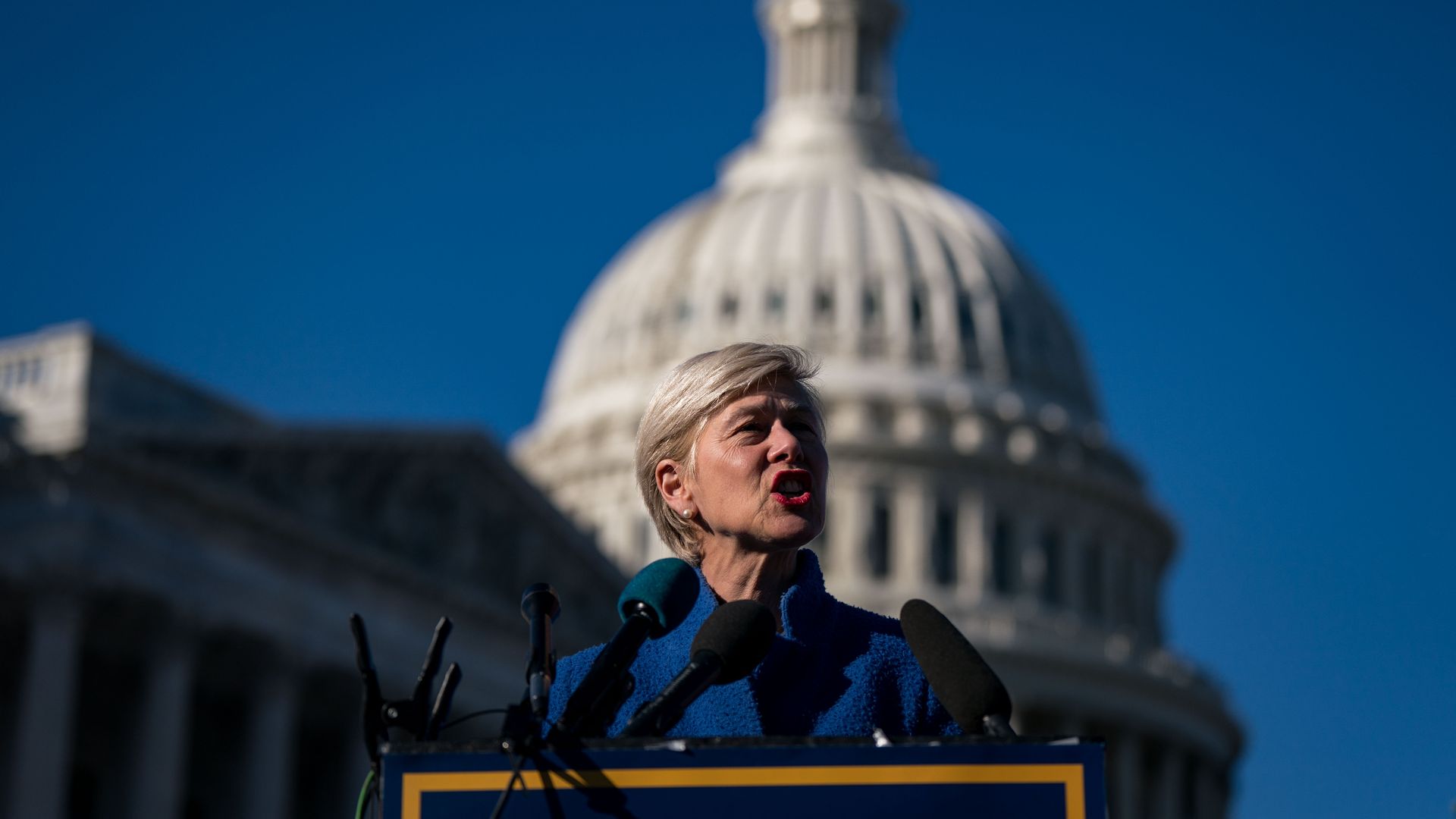
A group of House Democrats in districts hit by Hurricanes Helene and Milton is urging tech companies to crack down on misinformation and scams about the storms and recovery efforts, Axios has learned.
Why it matters: Lawmakers in both parties have been straining to stem the swarm of hurricane-related misinformation, with one Republican even issuing a fact sheet debunking common conspiracy theories.
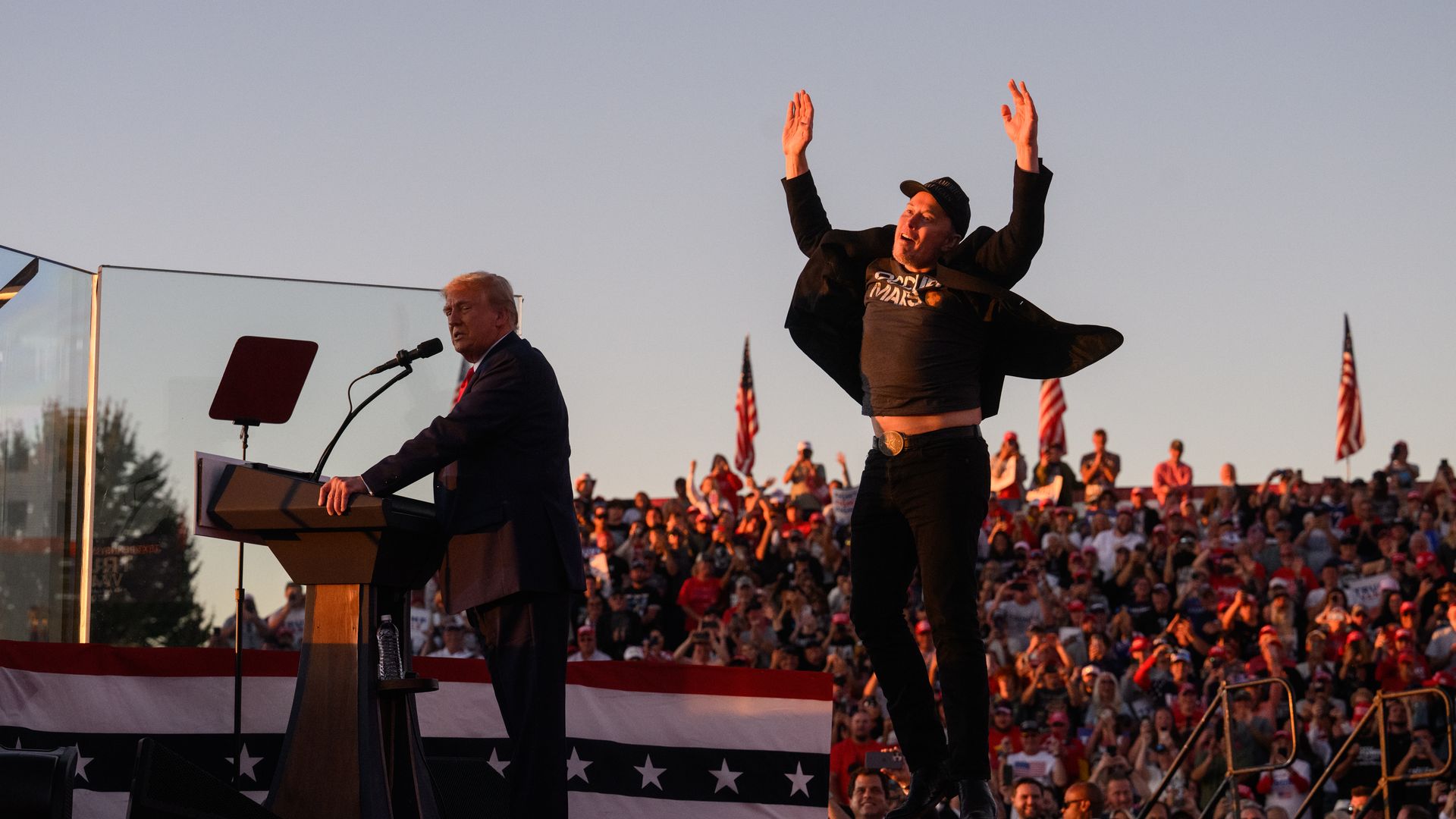
Elon Musk, the richest man in the world, has become deeply entangled with former President Trump in the homestretch of the presidential election.
Why it matters: The Telsa and SpaceX CEO and X owner's political activism is a hard pivot from originally claiming he wouldn't donate to campaigns to pouring tens of millions of dollars into Trump's campaign and saying he's "f---ed" if Trump loses.
Elon Musk last night did what he does best — put on a show.
Why it matters: The Tesla CEO needed to sell a flashy story about the company's future amid declining present-day demand for its EVs — but in the eyes of most investors after the literal smoke cleared, the unveil failed to live up to the hype.
CoreWeave, a Roseland, N.J.-based cloud computing platform that rents out GPUs via data centers, secured a $650 million revolving credit facility led by JPMorgan Chase, Goldman Sachs, and Morgan Stanley.
Why it matters: Wall Street wants a piece of the AI revolution, even if that means lending big dollars to relatively young, VC-backed companies.
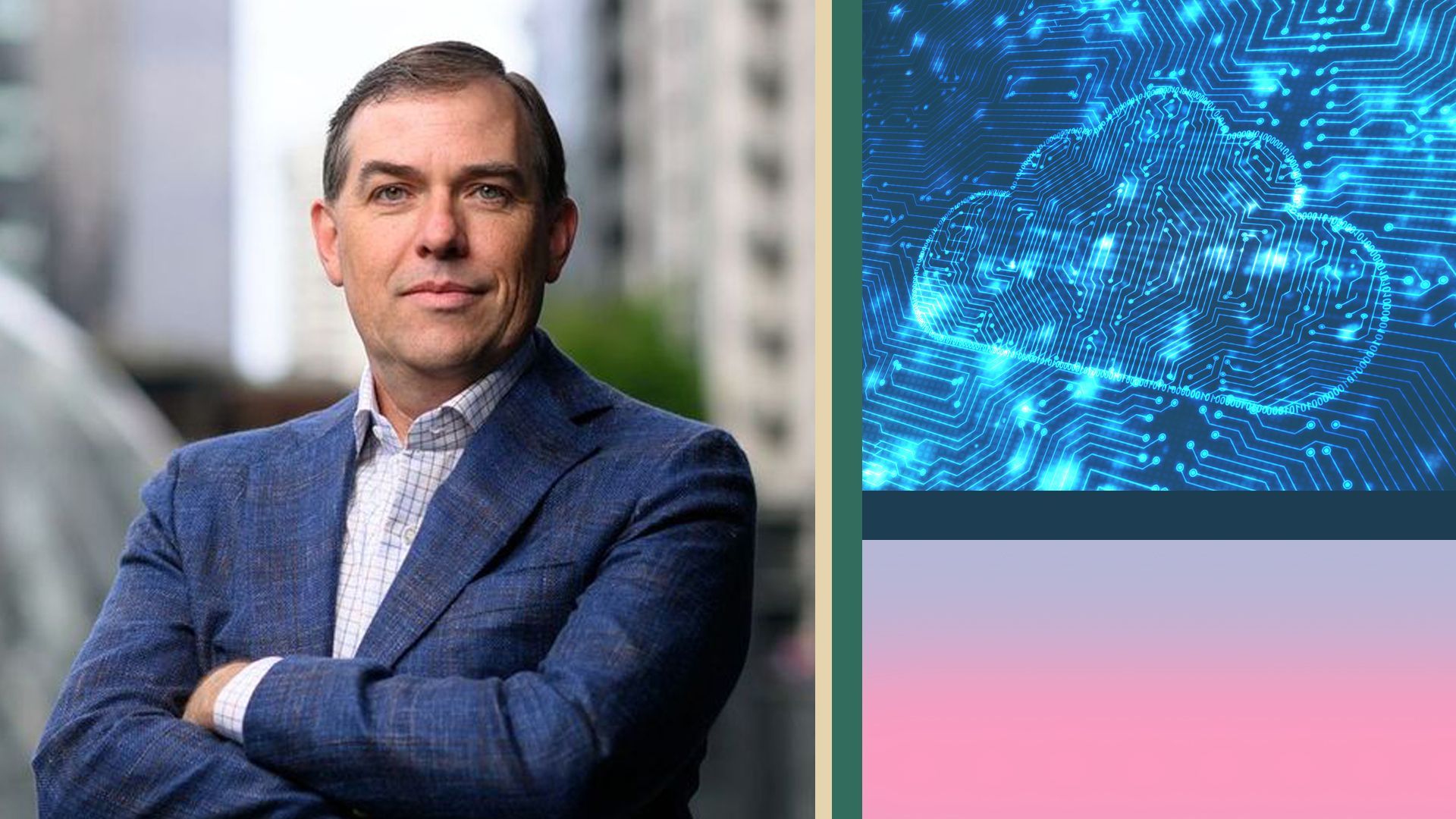
When it comes to generative AI, Amazon Web Services is doubling down on the bet that enabled it to become the leader in cloud computing: focusing on cost, security and flexibility rather than a flashy set of proprietary tools and features.
Why it matters: The Amazon approach, which has continued under new AWS CEO Matt Garman, stands in sharp contrast to rivals Microsoft and Google, who continue to invest billions of dollars in an array of models and services.
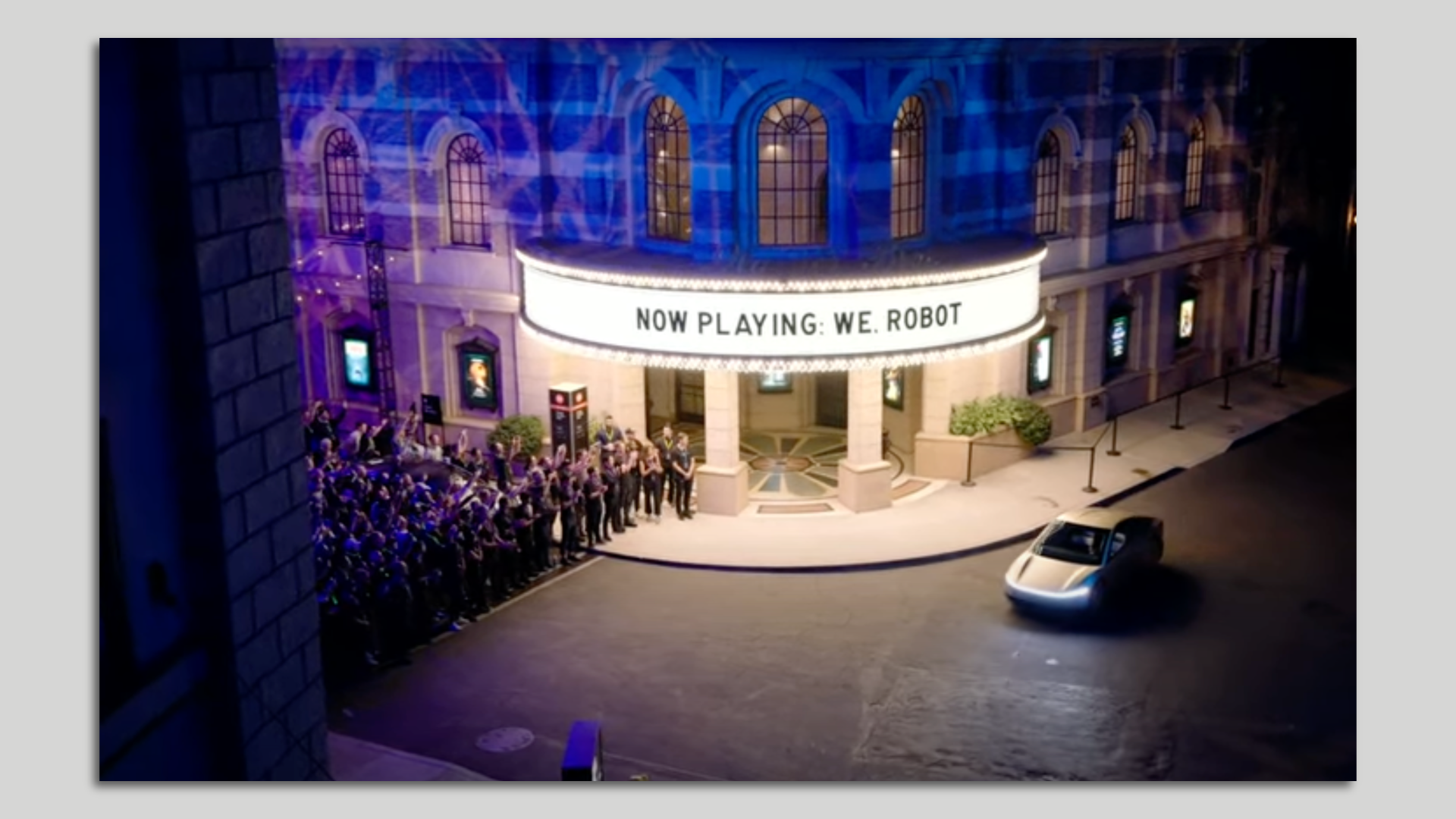
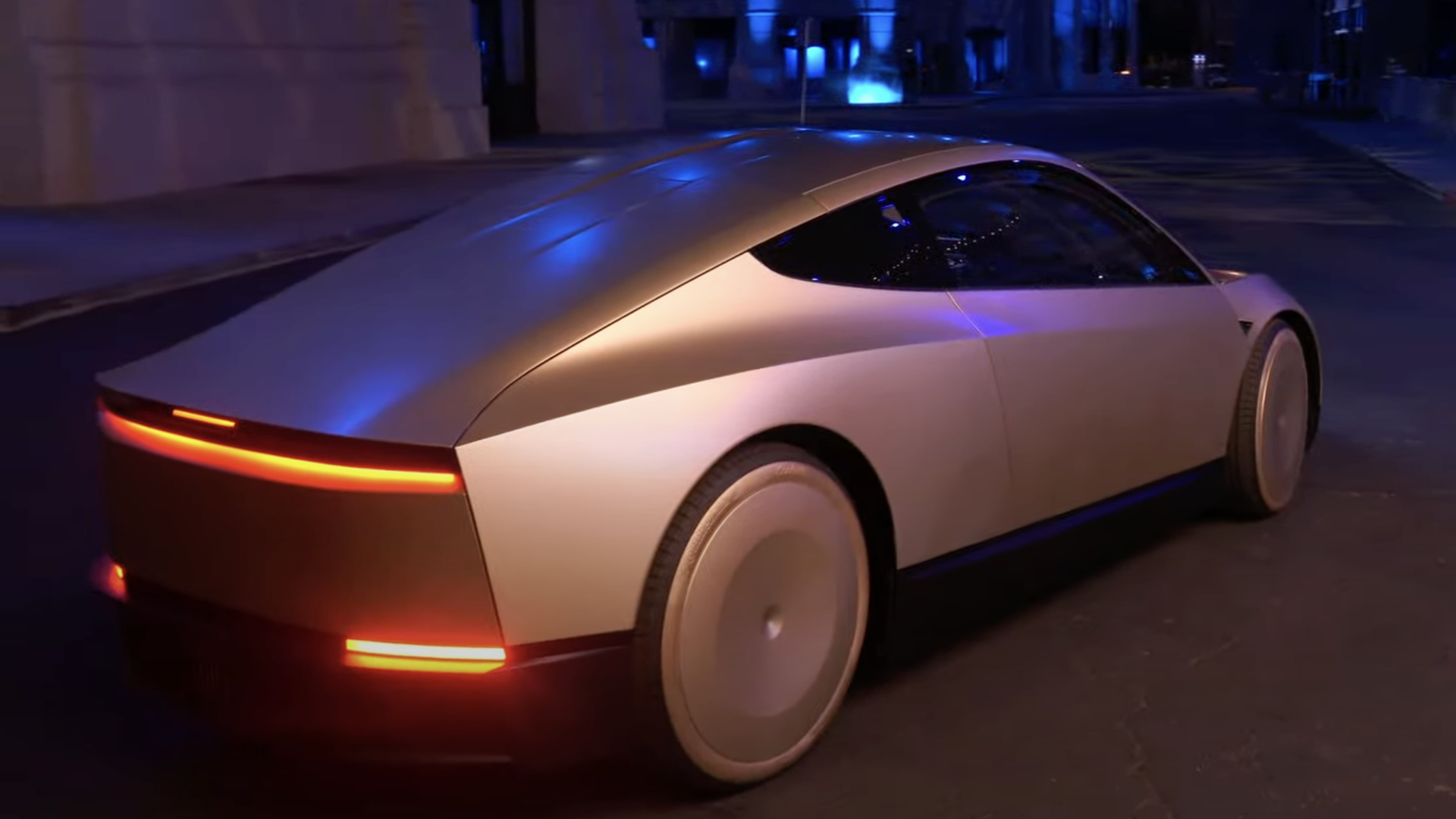
Tesla CEO Elon Musk unveiled a self-driving vehicle with no steering wheel or pedals Thursday night, saying it would go into production before 2027.
Why it matters: Musk has been teasing the robotaxi for years, but the so-called Tesla Cybercab took a step closer to becoming a reality when it dropped Musk off at the stage for the company's "We, Robot" event on the Warner Bros. Studios lot in Hollywood.