A group that helps Jews negotiate compensation and restitution for victims and heirs of Nazi persecution is starting a "Survivor Speakers Bureau" to connect schools with the last generation of Holocaust survivors.
Why it matters: The number of Holocaust survivors globally has dwindled to less than a quarter of a million as antisemitism and Holocaust deniers plague social media, threatening how we remember the genocide of 6 million Jews.
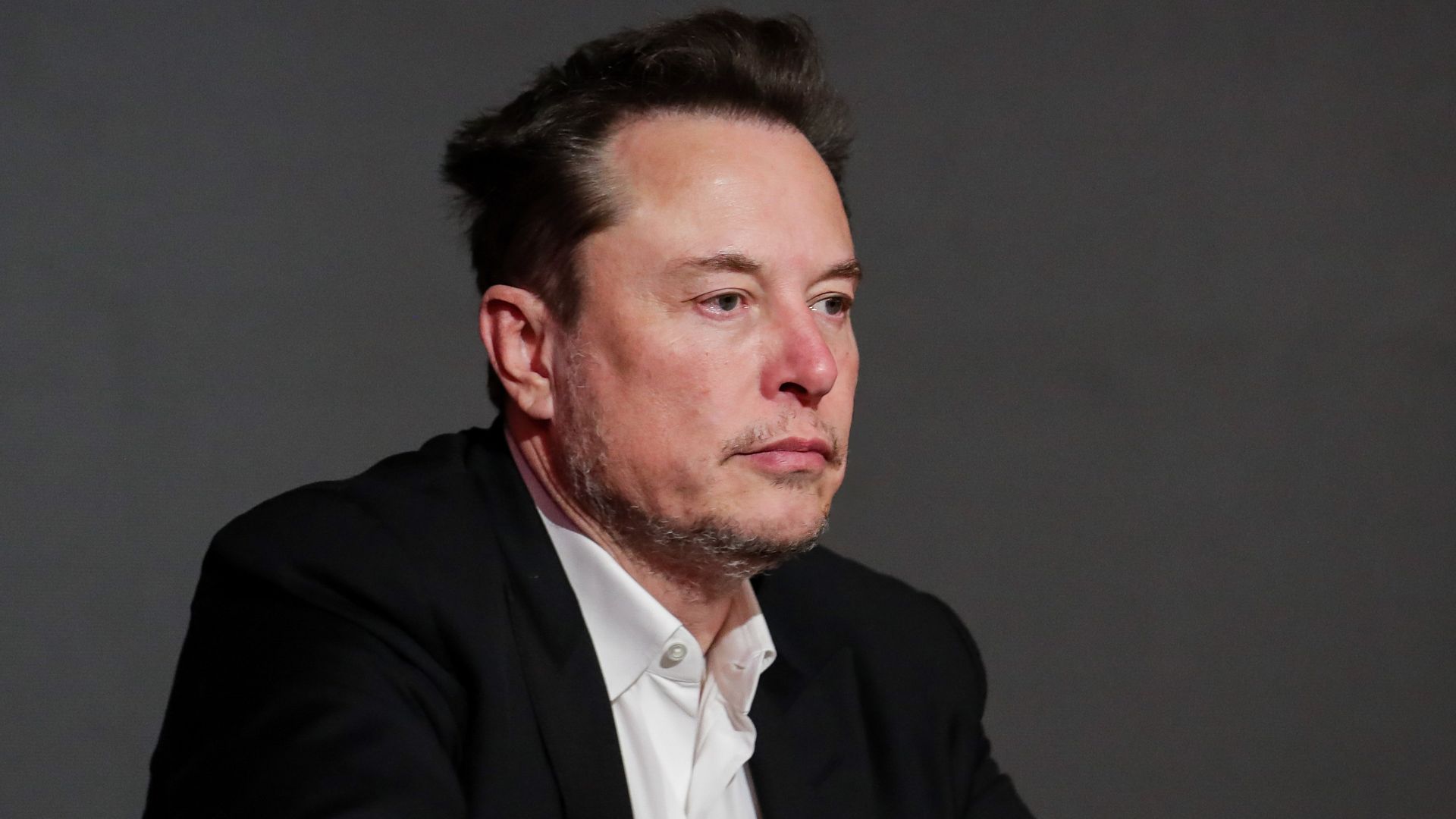
X, previously Twitter, gave several prominent accounts free premium subscriptions to its service and the site's iconic blue verification badge, many of which immediately rejected it.
Why it matters: The move comes almost exactly a year after Elon Musk's platform ended the previous verification structure in exchange for a paid system allowing anyone to be verified for $8 a month.
Amazon's decision to shut down its grocery stores' flashy Just Walk Out technology delivered a slap in the face to some of the most extreme prognostications about AI.
Why it matters: AI is still not ready to operate on its own in complex physical environments full of people, like grocery stores or roads.
AT&T is putting an additional $3 billion by 2030 toward projects aimed at closing the digital divide in the U.S., the company announced Thursday morning.
Why it matters: U.S. consumers pay some of the highest prices for internet among developed countries.
OpenAI announced on Wednesday that paid users can now edit AI-generated images using text prompts from within ChatGPT.
Why it matters: It's been relatively difficult to refine the images created by DALL-E, but now OpenAI is harnessing ChatGPT's language power to make editing as easy as describing the change you want to make.
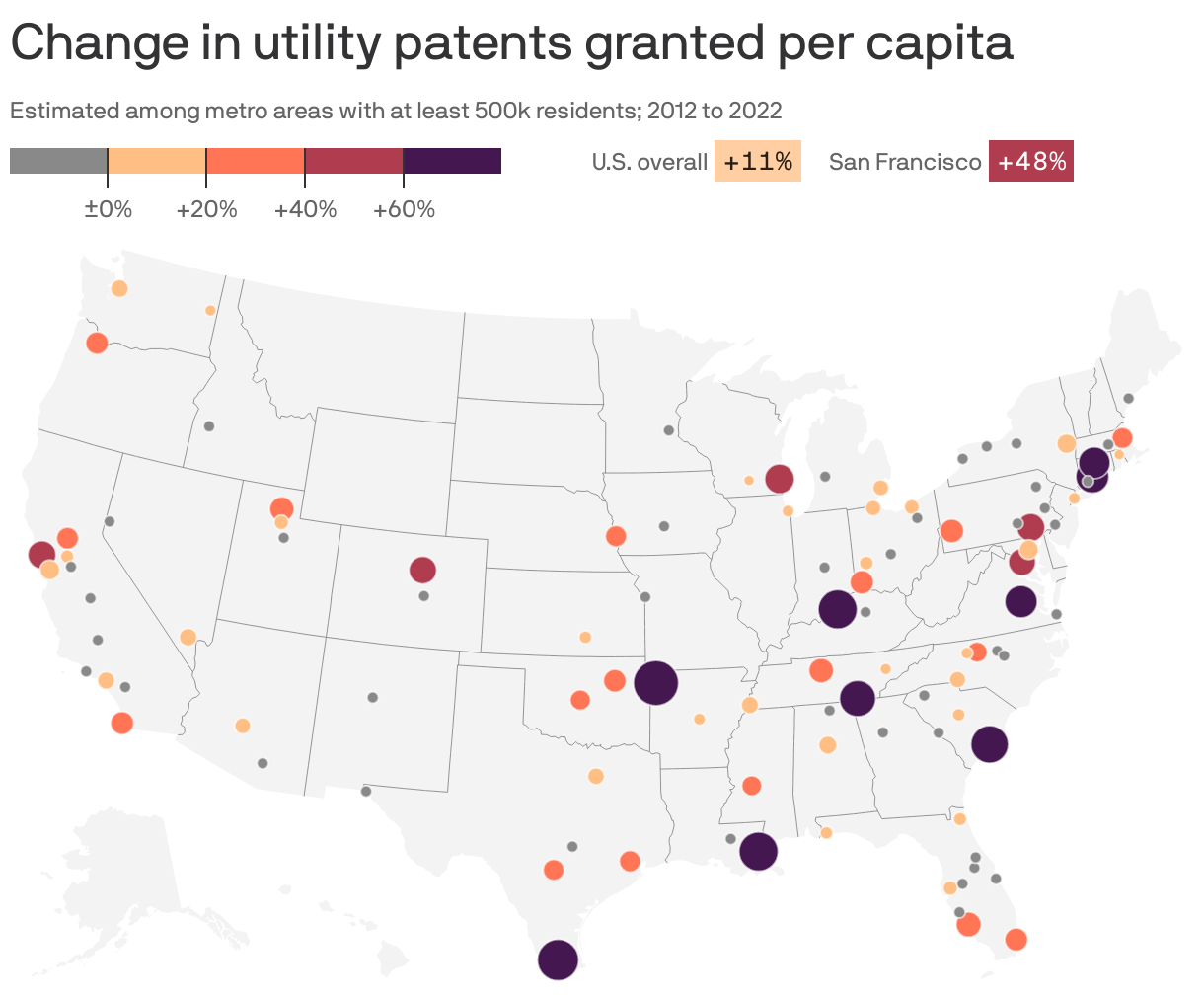
Data: National Science Foundation; Note: Patents identified by location of inventors; Excludes metros with fewer than 50 patents in 2022; A bigger bubble indicates greater change; Map: Kavya Beheraj/Axios
Silicon Valley continuesto hold the title for most patents awarded overall in the U.S., but the rise of AI is forcing the government to design new rules around patent applications.
Why it matters: Use of AI systems like ChatGPT has highlighted existing ambiguity about what qualifies for a patent.
Employees are flocking to do work with AI apps that their employers haven't approved, setting up a security showdown in many organizations.
Why it matters: It's the latest battle between workplace IT departments seeking to lock down networks and workers who want to use their favorite tools and devices.
Hackers can use common social engineering tactics to force AI chatbots to ignore guardrails, according to newly released results from a DEF CON red teaming challenge held last August.
Why it matters: Blocking prompts that bypass generative AI's safeguards has become a cat-and-mouse game — and this report indicates that the mice are winning.
A new Government Accountability Office report finds that the Nuclear Regulatory Commission needs to more fully consider climate change's possible impacts on nuclear power plants when making licensing and other decisions.
Why it matters: Many of the country's fleet of 94 operating commercial reactors that generate electricity were designed for a climate that no longer exists.
A high-profile government advisory board released a scathing report Tuesday evening concluding that a Chinese espionage campaign targeting Microsoft last summer was "preventable and should never have occurred."
Why it matters: The board's conclusion is the harshest denouncement of Microsoft's cybersecurity practices to-date following a series of high-profile breaches that's put U.S. government secrets at risk.