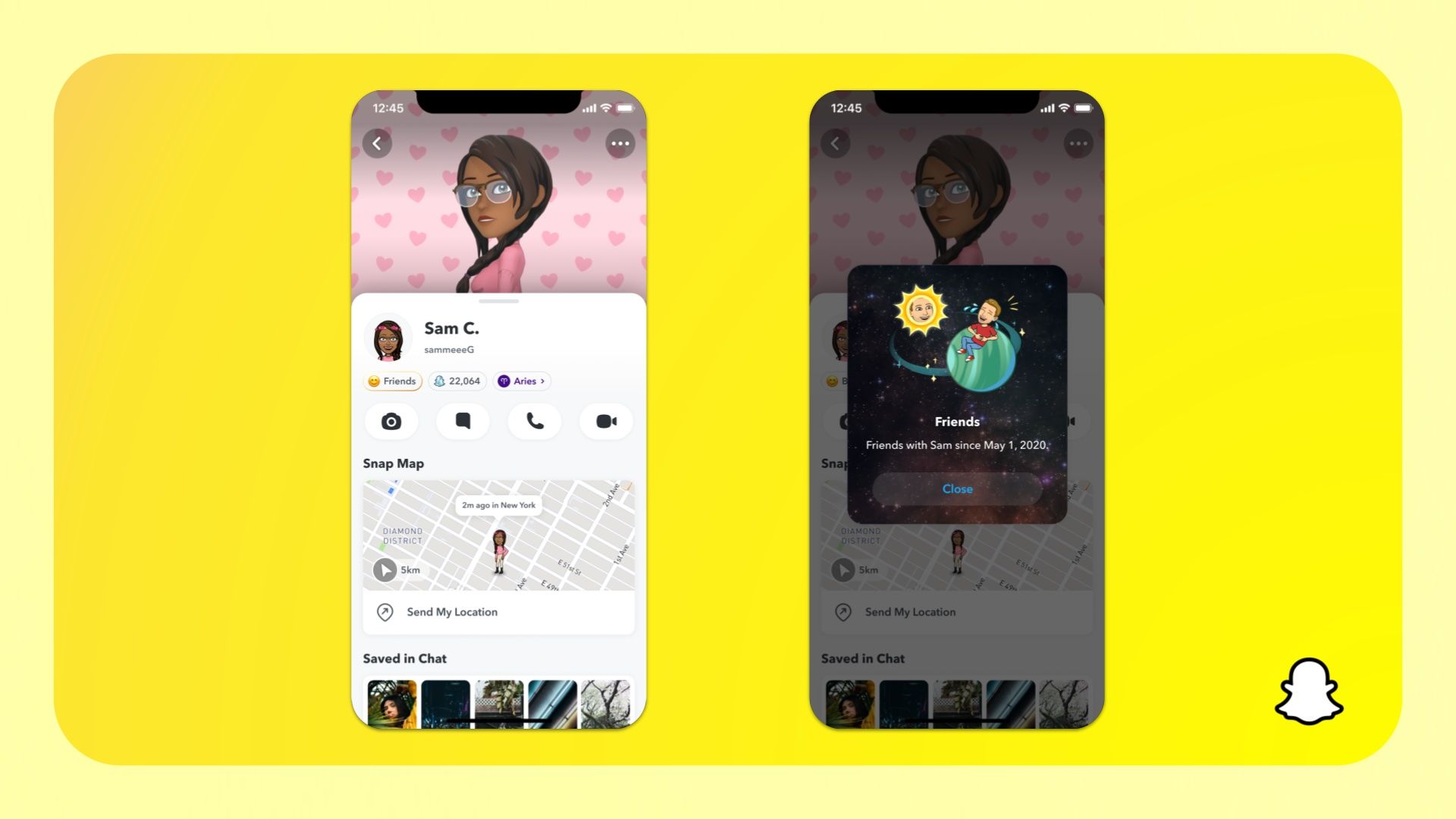
Snapchat on Friday said it would turn off a friends-ranking feature within its Snapchat+ subscription product by default for new users, following complaints from parents about the possible social anxieties it may cause.
Why it matters: Snapchat said it got positive feedback about its "Solar System" feature from users, showing a possible disconnect between how teens and their parents view social risks online.
A former chapel at Troy, New York's Rensselaer Polytechnic Institute (RPI) is now home to the world's first IBM quantum computer on a college campus.
Why it matters: It's an opportunity to start training a new generation of quantum-focused students, researchers and workers, IBM and RPI reps told Axios at Friday's unveiling event.
Ivanti CEO Jeff Abbott said in an open letter Wednesday that the company is revamping its core cybersecurity practices and product development cycles and is working more with federal cyber agencies.
Why it matters: Nation-state hackers recently exploited flaws in some of the company's popular remote-access tools — potentially leading to hacks of some government agencies and other companies.
Meta will begin labeling a wider range of video, audio and image content as "Made with AI" starting in May.
Why it matters: Meta admits its current labeling policies are "too narrow" and that a stronger system is needed to deal with today's wider range of AI-generated content and other manipulated content, such as a January video which appeared to show President Biden inappropriately touching his granddaughter.
Leading AI companies have a favorite phrase when it comes to describing where they get the data to train their models: They say it's "publicly available" on the internet.
Why it matters: "Publicly available" can sound like the company has permission to use the information — but, in many ways, it's more like the legal equivalent of "finders, keepers."