Ivanti CEO Jeff Abbott said in an open letter Wednesday that the company is revamping its core cybersecurity practices and product development cycles and is working more with federal cyber agencies.
Why it matters: Nation-state hackers recently exploited flaws in some of the company's popular remote-access tools — potentially leading to hacks of some government agencies and other companies.
Meta will begin labeling a wider range of video, audio and image content as "Made with AI" starting in May.
Why it matters: Meta admits its current labeling policies are "too narrow" and that a stronger system is needed to deal with today's wider range of AI-generated content and other manipulated content, such as a January video which appeared to show President Biden inappropriately touching his granddaughter.
Leading AI companies have a favorite phrase when it comes to describing where they get the data to train their models: They say it's "publicly available" on the internet.
Why it matters: "Publicly available" can sound like the company has permission to use the information — but, in many ways, it's more like the legal equivalent of "finders, keepers."
A group that helps Jews negotiate compensation and restitution for victims and heirs of Nazi persecution is starting a "Survivor Speakers Bureau" to connect schools with the last generation of Holocaust survivors.
Why it matters: The number of Holocaust survivors globally has dwindled to less than a quarter of a million as antisemitism and Holocaust deniers plague social media, threatening how we remember the genocide of 6 million Jews.
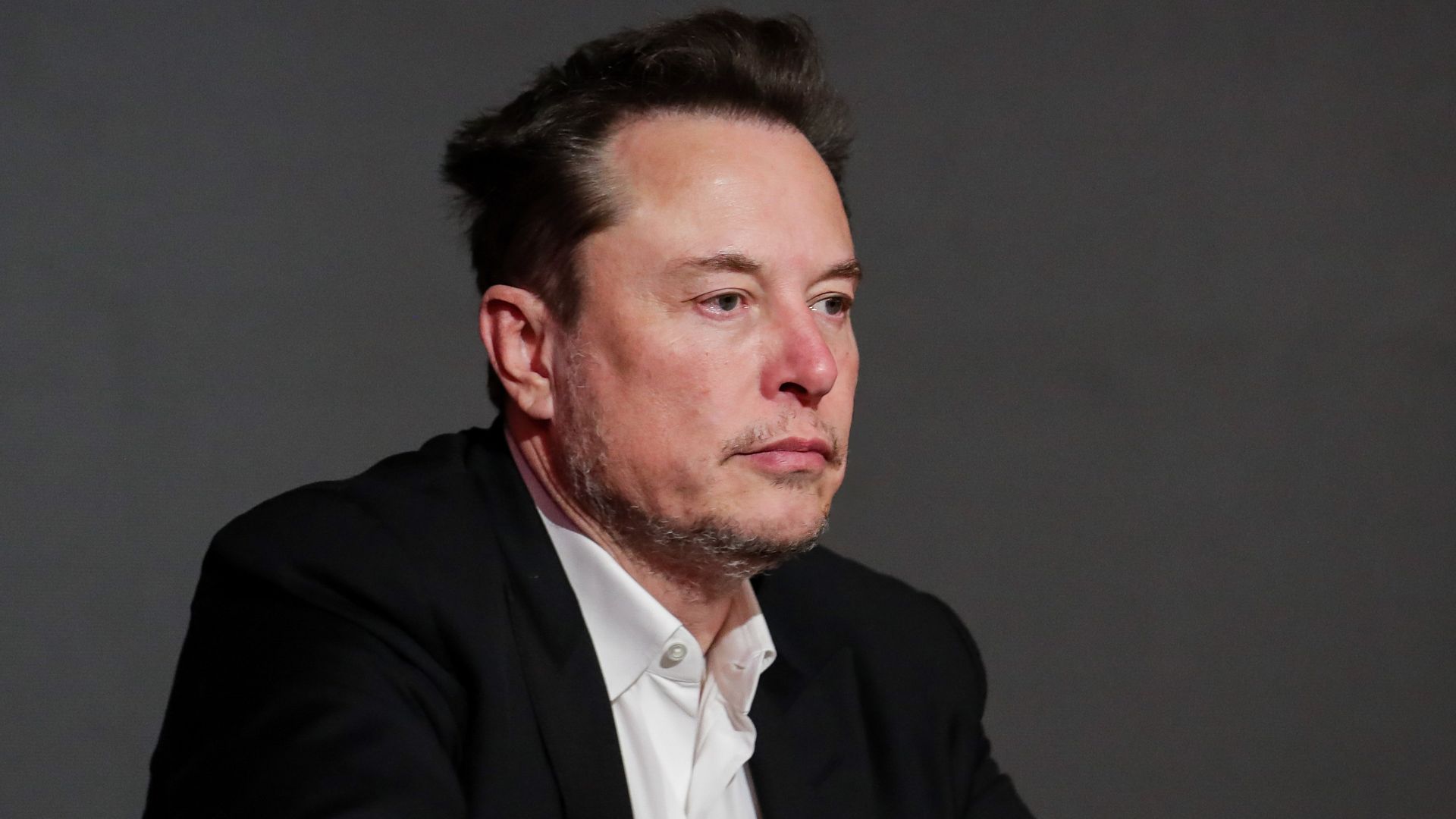
X, previously Twitter, gave several prominent accounts free premium subscriptions to its service and the site's iconic blue verification badge, many of which immediately rejected it.
Why it matters: The move comes almost exactly a year after Elon Musk's platform ended the previous verification structure in exchange for a paid system allowing anyone to be verified for $8 a month.
Amazon's decision to shut down its grocery stores' flashy Just Walk Out technology delivered a slap in the face to some of the most extreme prognostications about AI.
Why it matters: AI is still not ready to operate on its own in complex physical environments full of people, like grocery stores or roads.
AT&T is putting an additional $3 billion by 2030 toward projects aimed at closing the digital divide in the U.S., the company announced Thursday morning.
Why it matters: U.S. consumers pay some of the highest prices for internet among developed countries.