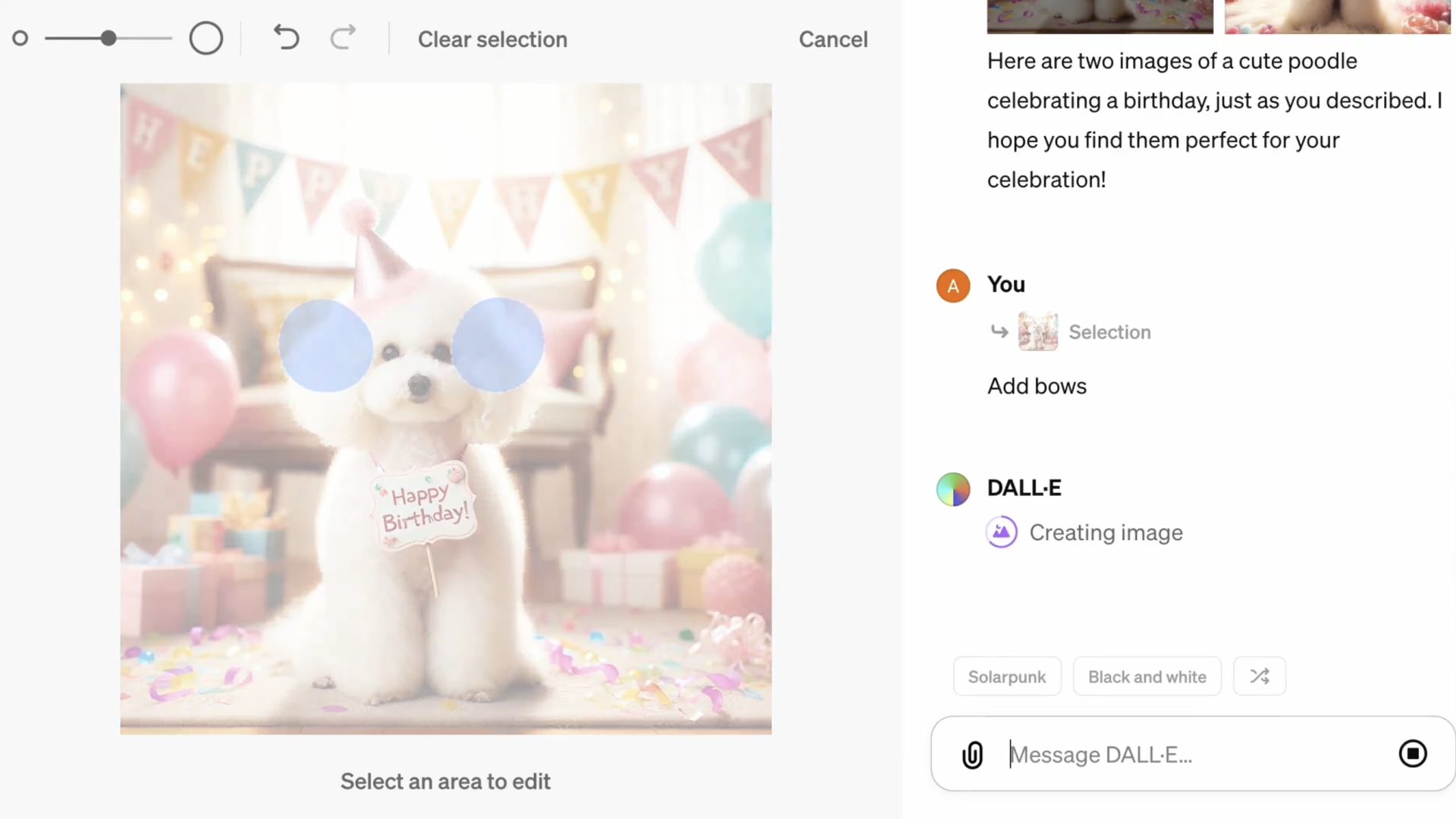
OpenAI announced on Wednesday that paid users can now edit AI-generated images using text prompts from within ChatGPT.
Why it matters: It's been relatively difficult to refine the images created by DALL-E, but now OpenAI is harnessing ChatGPT's language power to make editing as easy as describing the change you want to make.
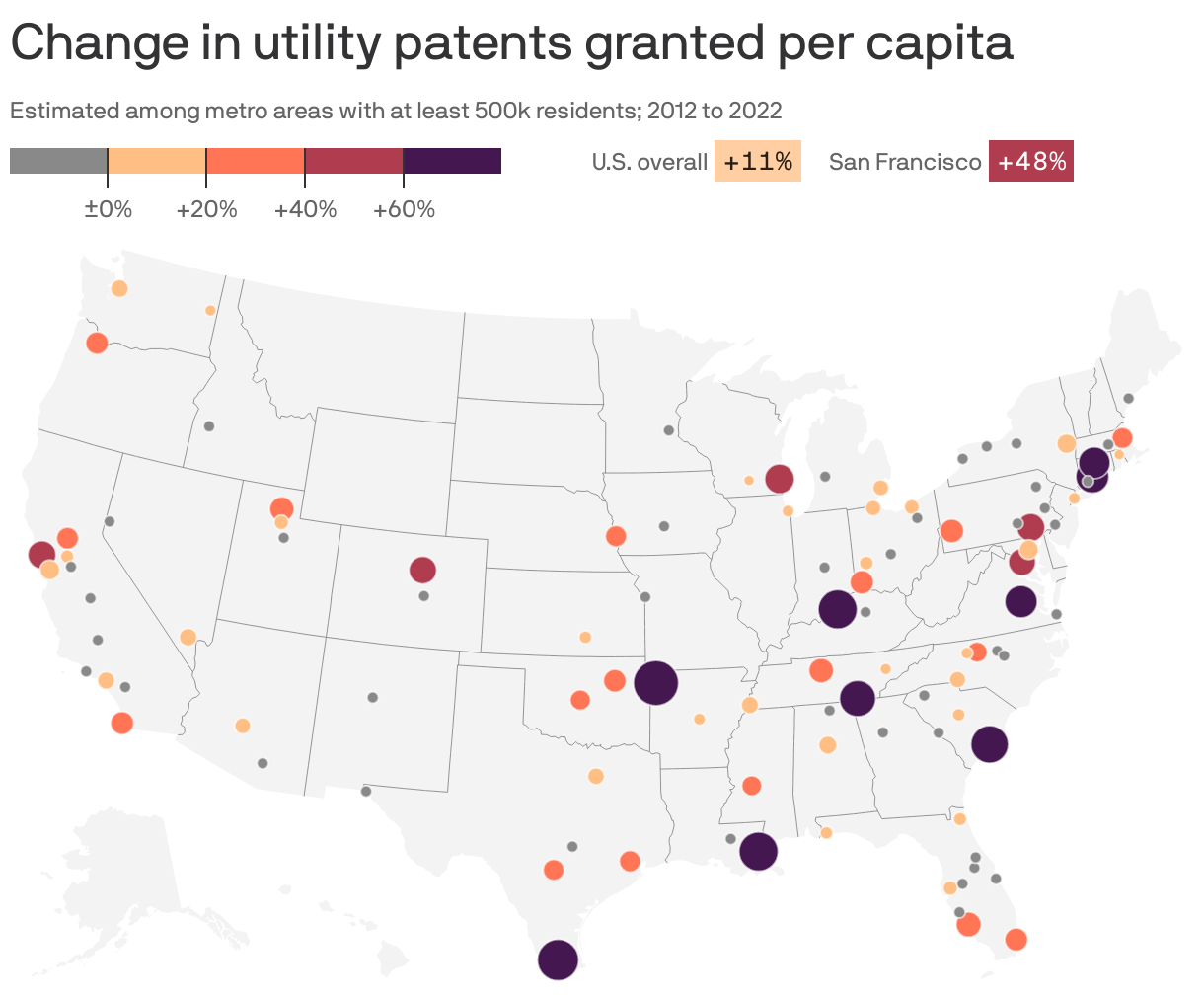
Data: National Science Foundation; Note: Patents identified by location of inventors; Excludes metros with fewer than 50 patents in 2022; A bigger bubble indicates greater change; Map: Kavya Beheraj/Axios
Silicon Valley continuesto hold the title for most patents awarded overall in the U.S., but the rise of AI is forcing the government to design new rules around patent applications.
Why it matters: Use of AI systems like ChatGPT has highlighted existing ambiguity about what qualifies for a patent.
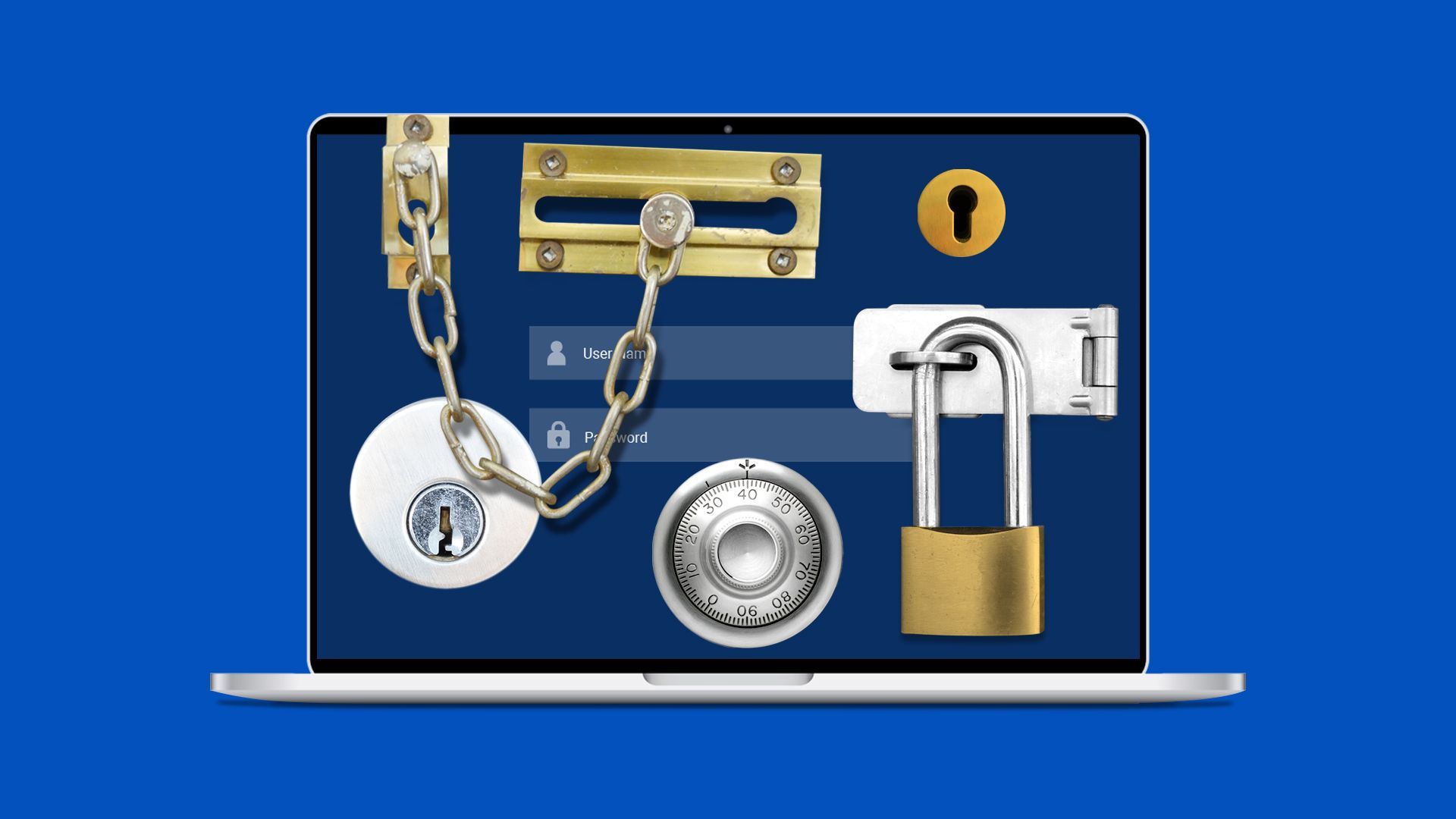
Employees are flocking to do work with AI apps that their employers haven't approved, setting up a security showdown in many organizations.
Why it matters: It's the latest battle between workplace IT departments seeking to lock down networks and workers who want to use their favorite tools and devices.
Hackers can use common social engineering tactics to force AI chatbots to ignore guardrails, according to newly released results from a DEF CON red teaming challenge held last August.
Why it matters: Blocking prompts that bypass generative AI's safeguards has become a cat-and-mouse game — and this report indicates that the mice are winning.
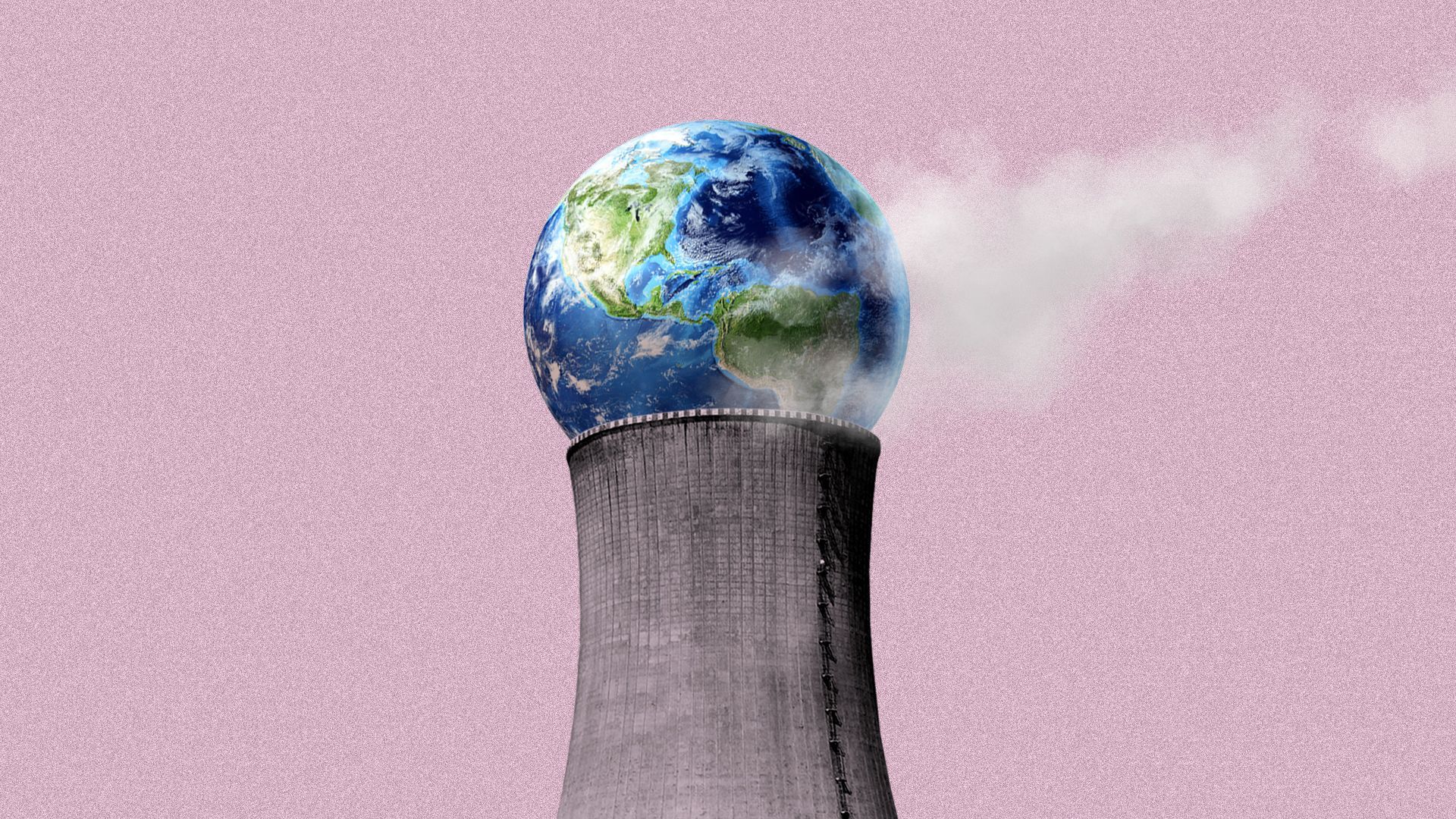
A new Government Accountability Office report finds that the Nuclear Regulatory Commission needs to more fully consider climate change's possible impacts on nuclear power plants when making licensing and other decisions.
Why it matters: Many of the country's fleet of 94 operating commercial reactors that generate electricity were designed for a climate that no longer exists.
A high-profile government advisory board released a scathing report Tuesday evening concluding that a Chinese espionage campaign targeting Microsoft last summer was "preventable and should never have occurred."
Why it matters: The board's conclusion is the harshest denouncement of Microsoft's cybersecurity practices to-date following a series of high-profile breaches that's put U.S. government secrets at risk.
The number of Chinese-manufactured internet-connected devices on U.S. corporate networks continues to grow despite Washington's attempts to curb their presence, according to a report out Tuesday shared first with Axios.
Why it matters: As tensions between the U.S. and China rise, officials have grown wary of the Chinese government's ability to tap its manufacturers operating within its borders to collect information about American users and businesses.
Small-business owners are now just as concerned about a cyberattack as they are about a supply chain disruption or another pandemic.
Why it matters: That concern has inspired many small-business owners to start investing in new cybersecurity tools and consultants, according to the U.S. Chamber of Commerce's first-quarter small-business index, shared first with Axios.
More than 200 musical artists — including heavy hitters such as Billie Eilish, Katy Perry and Smokey Robinson — have penned an open letter to AI developers, tech firms and digital platforms to "cease the use of artificial intelligence (AI) to infringe upon and devalue the rights of human artists."
Why it matters: It's one of the strongest positions the music industry has collectively taken to advocate for artists in the AI era.
Advocates for "decentralized" AI are raising money, delivering new tools and starting new companies in a bid to bypass the biggest tech companies and empower individual users.
The big picture: AI decentralizers aim to put users in control of their data, strengthen privacy and boost access to cutting-edge AI tools, while routing around fights over intellectual property, looming government regulations and a shortage of high-end chips.
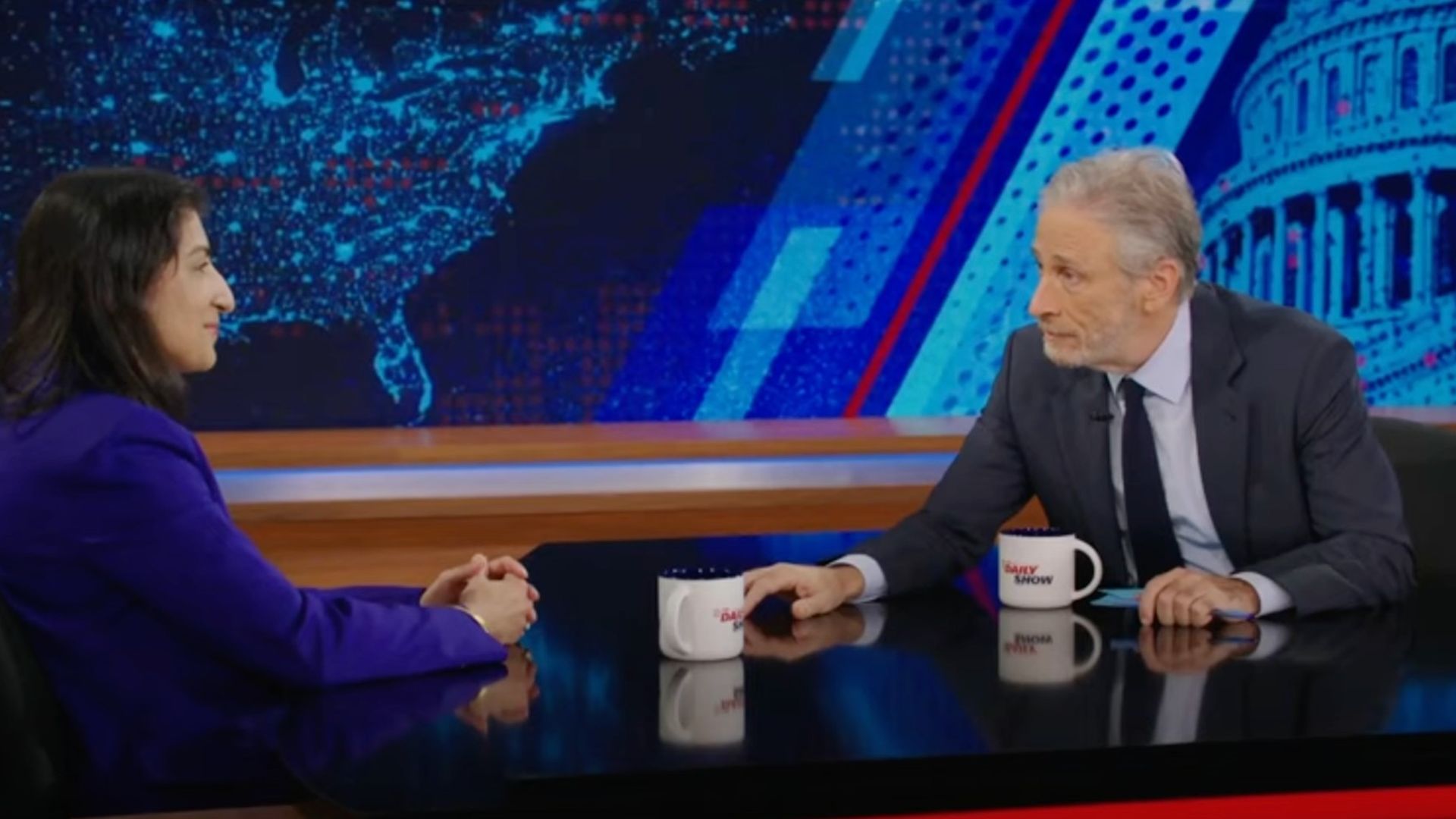
Jon Stewart on Monday told Federal Trade Commission (FTC) Chair Lina Khan that Apple wouldn't let him interview her for a podcast.
Why it matters: The admission on "The Daily Show" comes days after the U.S. Justice Department sued Apple for abusing its monopoly position in the smartphone market. The complaint specifically calls out Apple's dominance as potentially harmful to speech.