Hackers targeting the war between Israel and Hamas are starting to slow their activity — but some groups are taking their attacks global, according to recent research.
Why it matters: Cyberattacks spilling outside of the countries engaged in war can risk bringing additional governments into a conflict.
The SEC's new cyber disclosure rules don't go into effect until December, but many publicly traded companies are complying already, reporting cyberattacks months ahead of schedule.
Why it matters: The early disclosures are giving other businesses a preview of what to expect from regulators, shareholders and consumers when they report their own material cyber incidents.
Artists looking to protect their works from AI models may soon be able add invisible pixels to their art that could thwart image-generating models seeking to copy and train on that art.
The big picture: The goal of this "poison pill" is to trick an AI model during its training phase into cataloging an image as something other than it is, causing the model to generate useless results.
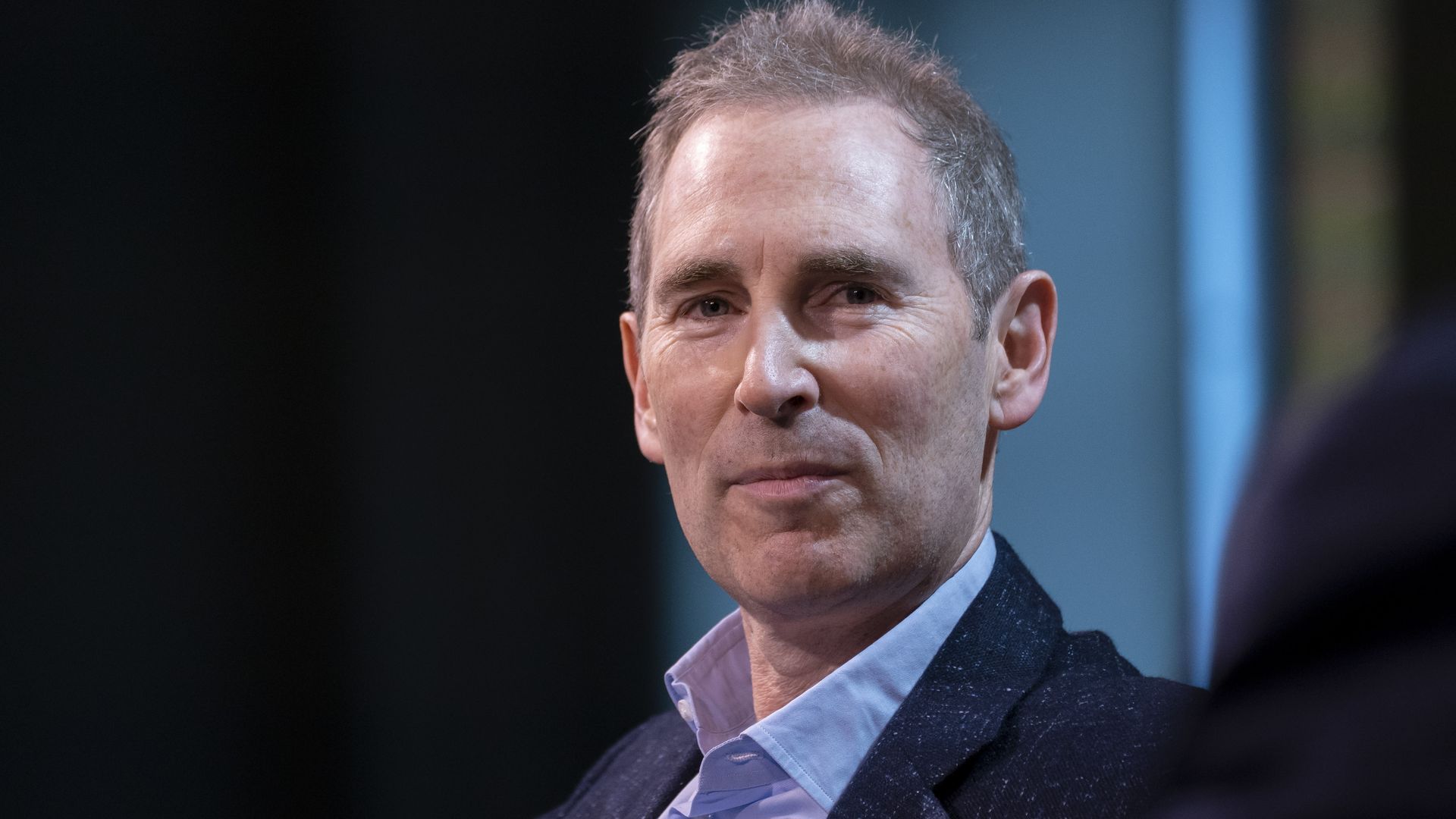
Amazon CEO Andy Jassy said Thursday night that he'd been "surprised" at the growth of the company's generative AI business over the last few months.
Why it matters: He made the comments during an analyst call following the release of Amazon's third quarter earnings, which revealed that businesses are still cautious about overall spending on cloud services.
Insomniac Games issued a downloadable update to its hit PlayStation 5 game, Marvel's Spider-Man 2, that replaces Cuban flags for Puerto Rican flags. And it promised to "do better."
Driving the news: The hit game, which sold 2.5 million copies in its first day of release, had displayed Cuban flags in the home and neighborhood of Spider-Man Miles Morales, who is of Puerto Rican descent.
Mergers and acquisitions in the games industry are picking up after "an extended quiet period," according to a new third-quarter report from Drake Star Partners.
Why it matters: Consolidation will make gaming's giants even bigger.
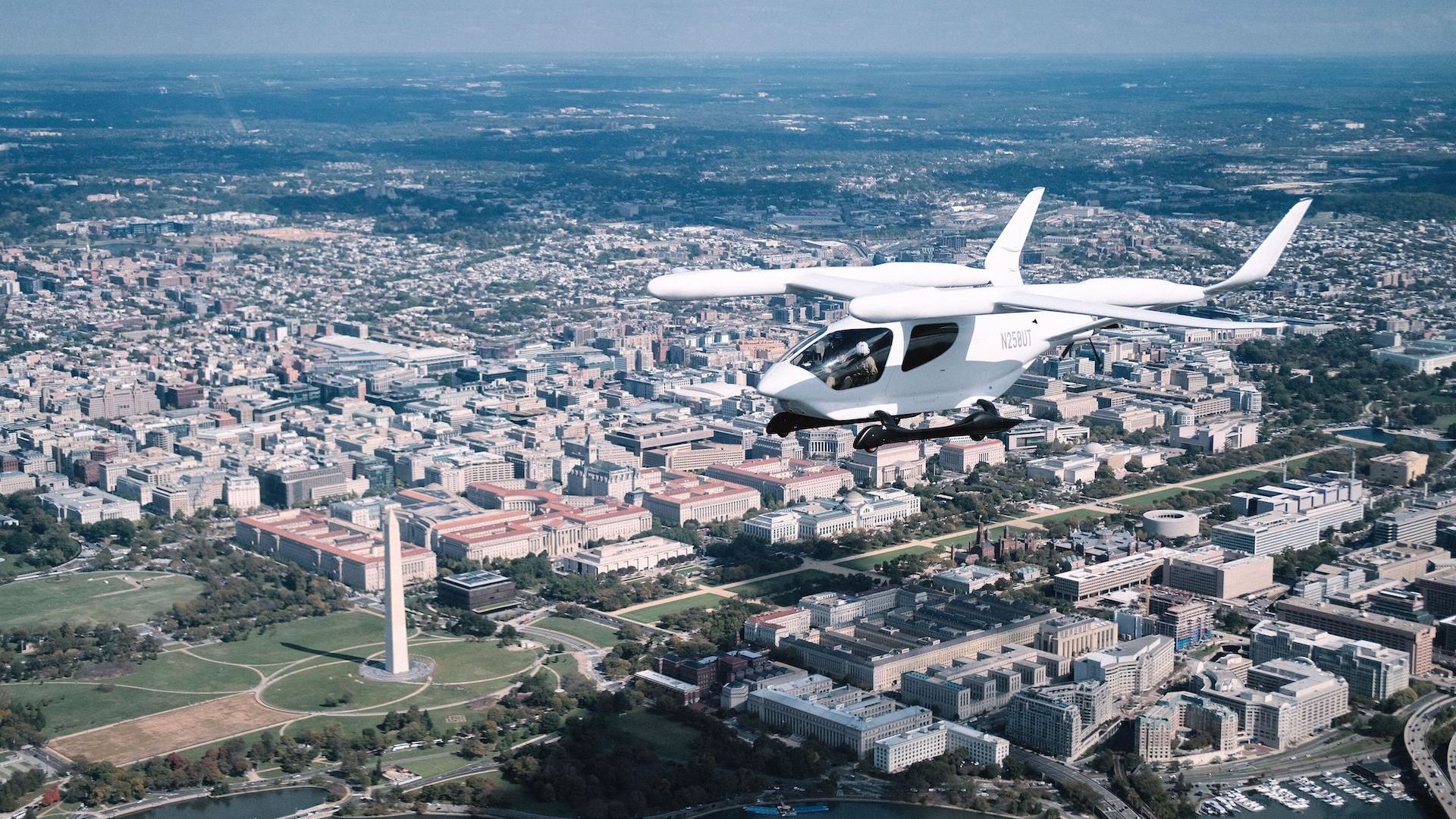
A milestone in electric aviation took place Thursday afternoon, when Beta Technologies landed its ALIA eVTOL aircraft at Duke Field, at Eglin Air Force Base, for a deployment period with the U.S. Air Force.
The big picture: During its 2,000-mile journey from Burlington, Vermont, to Florida, the plane completed multiple short and long distance legs.
Friday is the one-year anniversary of Elon Musk's $44 billion takeover of Twitter, which he subsequently renamed X.
The big picture: Musk gets to benefit from the long-term nature of private equity. Which is good for him because, in the short term, this deal has been a steaming pile of blue bird poop.
With its daily champagne toasts and plush perks, San Francisco's Expensify Lounge co-working space always felt too good to be true — and now we know that it was.
What's happening: In a blog post late Wednesday, Expensify CEO David Barrett revealed that the lounge was actually "a little experiment around a very simple question: Can anything bring workers back to the office voluntarily?"
Oxide Computer Co., a San Francisco-based developer of on-premise cloud computers, has raised $44 million in Series A funding led by Eclipse.
Why it matters: The vast majority of IT infrastructure still lives outside the public cloud, despite the popularity of services like Amazon's AWS and Microsoft's Azure, for reasons ranging from regulation to security to latency.
As AI photo editing apps become more accessible and pervasive, software and hardware makers are building tools to help consumers verify the authenticity of an image starting from the moment of capture.
Driving the news: Leica announced Wednesday that its new M 11-P camera will be the first with the ability to apply Content Credentials from the moment an image is captured.
The Biden administration is ramping up efforts to harden defenses around the U.S. health care infrastructure, releasing an updated cyber "toolkit" to help the sector better defend against hackers.
Why it matters: Health care is a high-value, target-rich industry facing increasing attacks, and the problem is increasingly being recognized as a threat to patient safety when providers are forced to divert or shut down care.
As pharmacists attempt to pivot from pill-dispensing and administrative tasks to patient care, robots and AI software are starting to shoulder more of the back-end work — albeit slowly.
Why it matters: Recent pharmacist walkouts — which could go nationwide next week — point to the profession's high level of burnout and overwork, which automation and "smarter" computer systems could help offset.