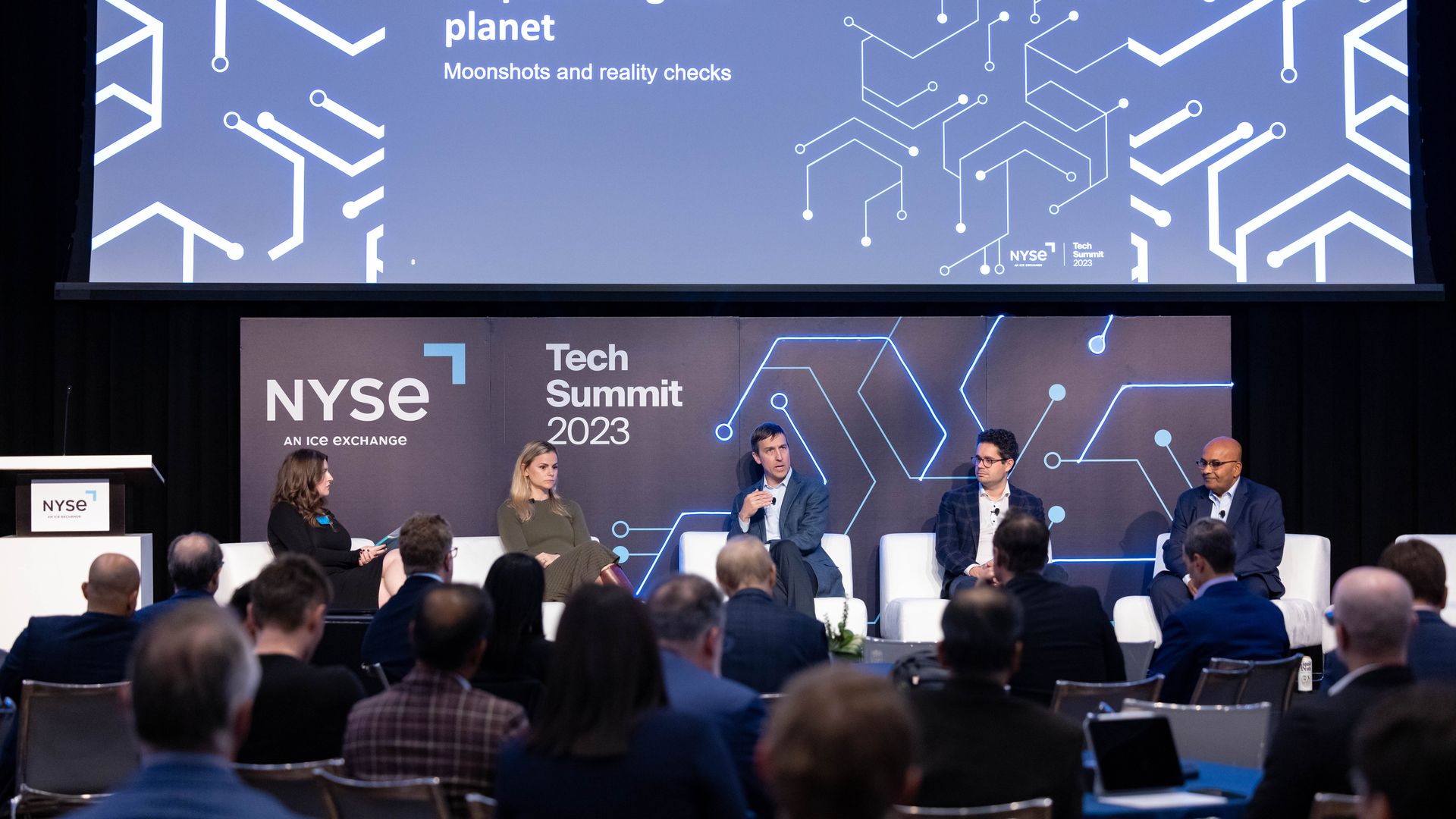
The funding environment for climate tech has vastly improved from a decade ago, but there's still a huge gap left between early de-risking by venture capitalists and later-stage project financing.
Why it matters: Governments and large corporations — including Big Oil — will be needed to help fill that gap, panelists told me onstage Thursday at a New York Stock Exchange event.
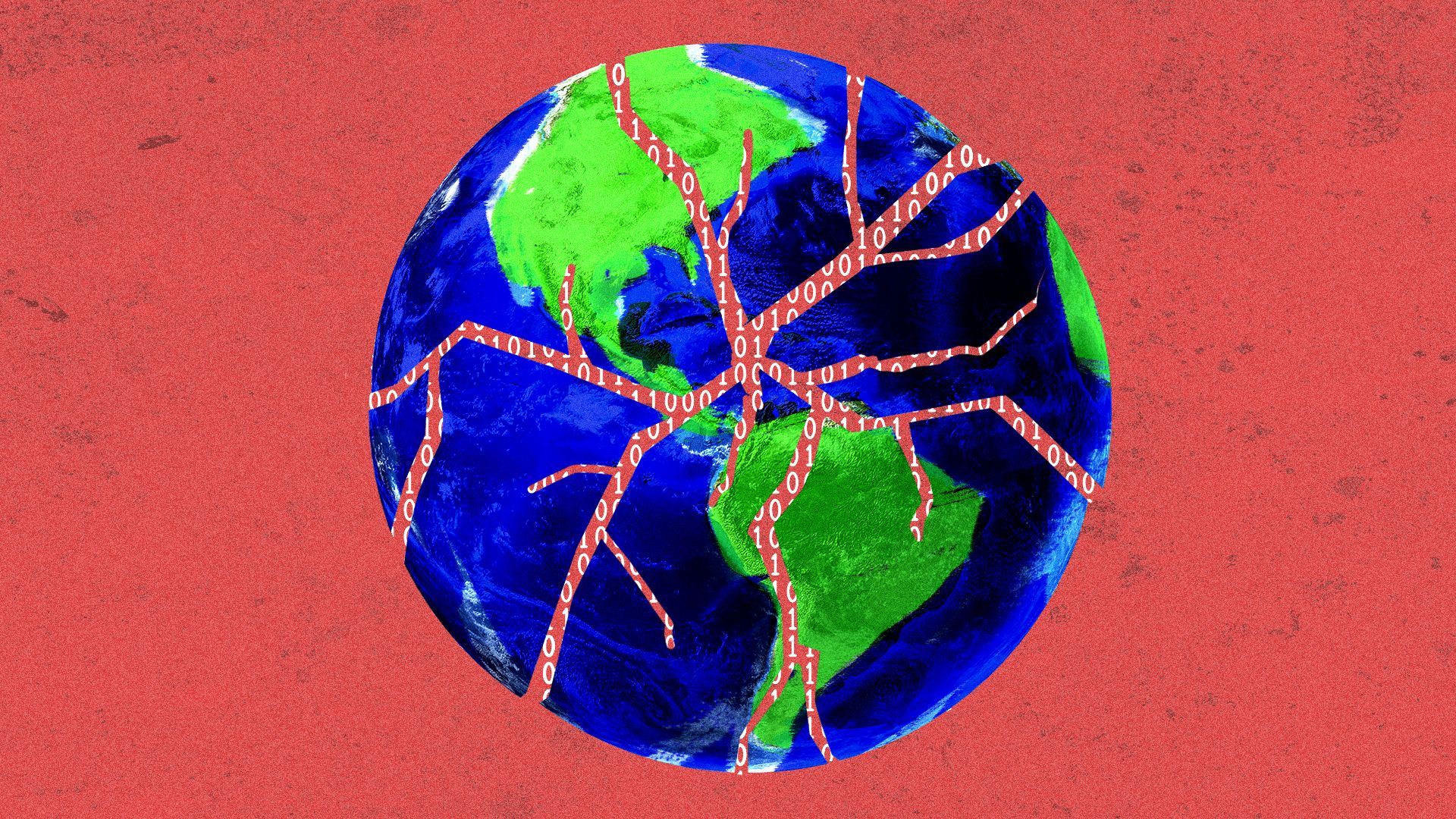
Hackers targeting the war between Israel and Hamas are starting to slow their activity — but some groups are taking their attacks global, according to recent research.
Why it matters: Cyberattacks spilling outside of the countries engaged in war can risk bringing additional governments into a conflict.
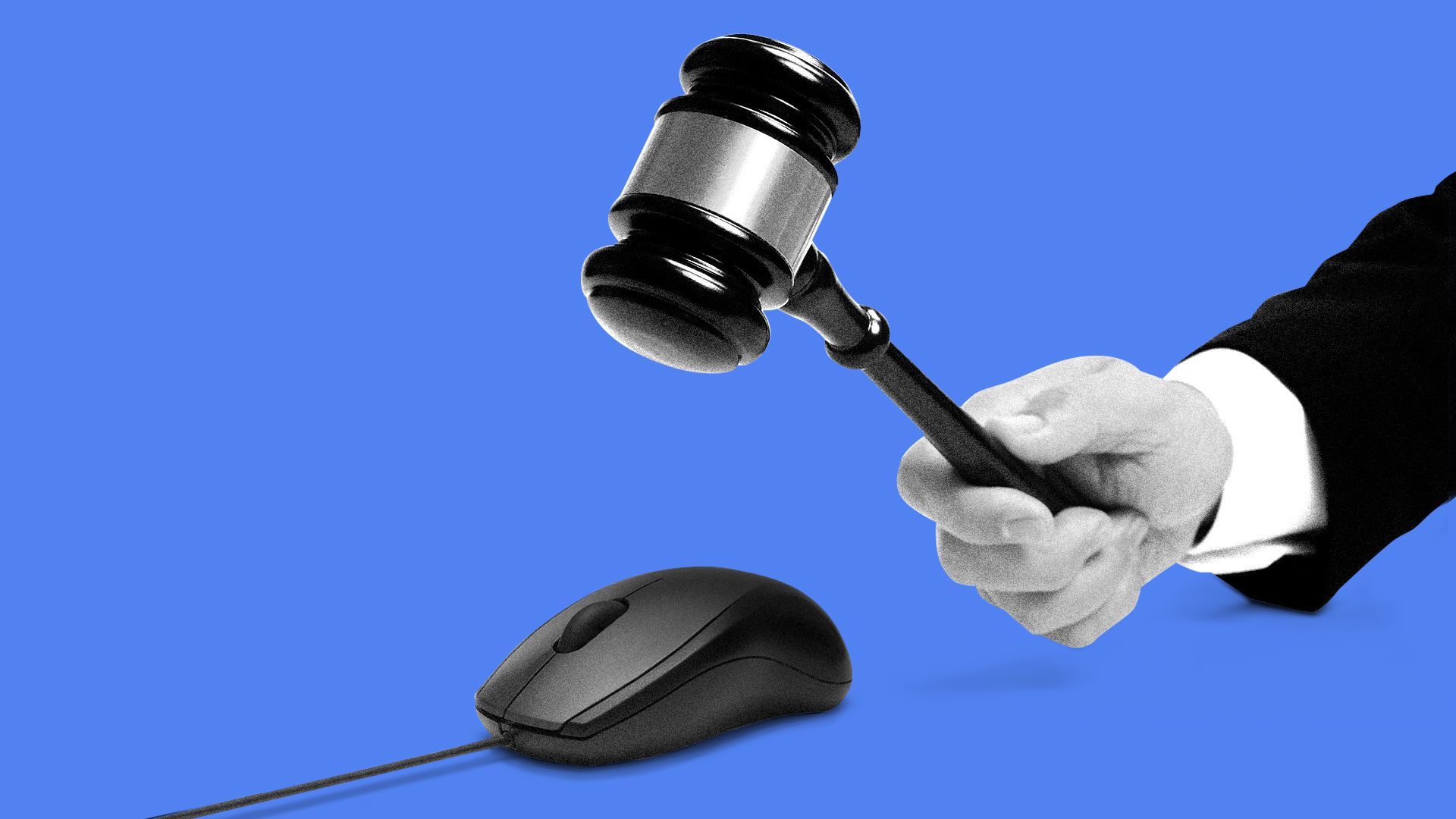
The SEC's new cyber disclosure rules don't go into effect until December, but many publicly traded companies are complying already, reporting cyberattacks months ahead of schedule.
Why it matters: The early disclosures are giving other businesses a preview of what to expect from regulators, shareholders and consumers when they report their own material cyber incidents.
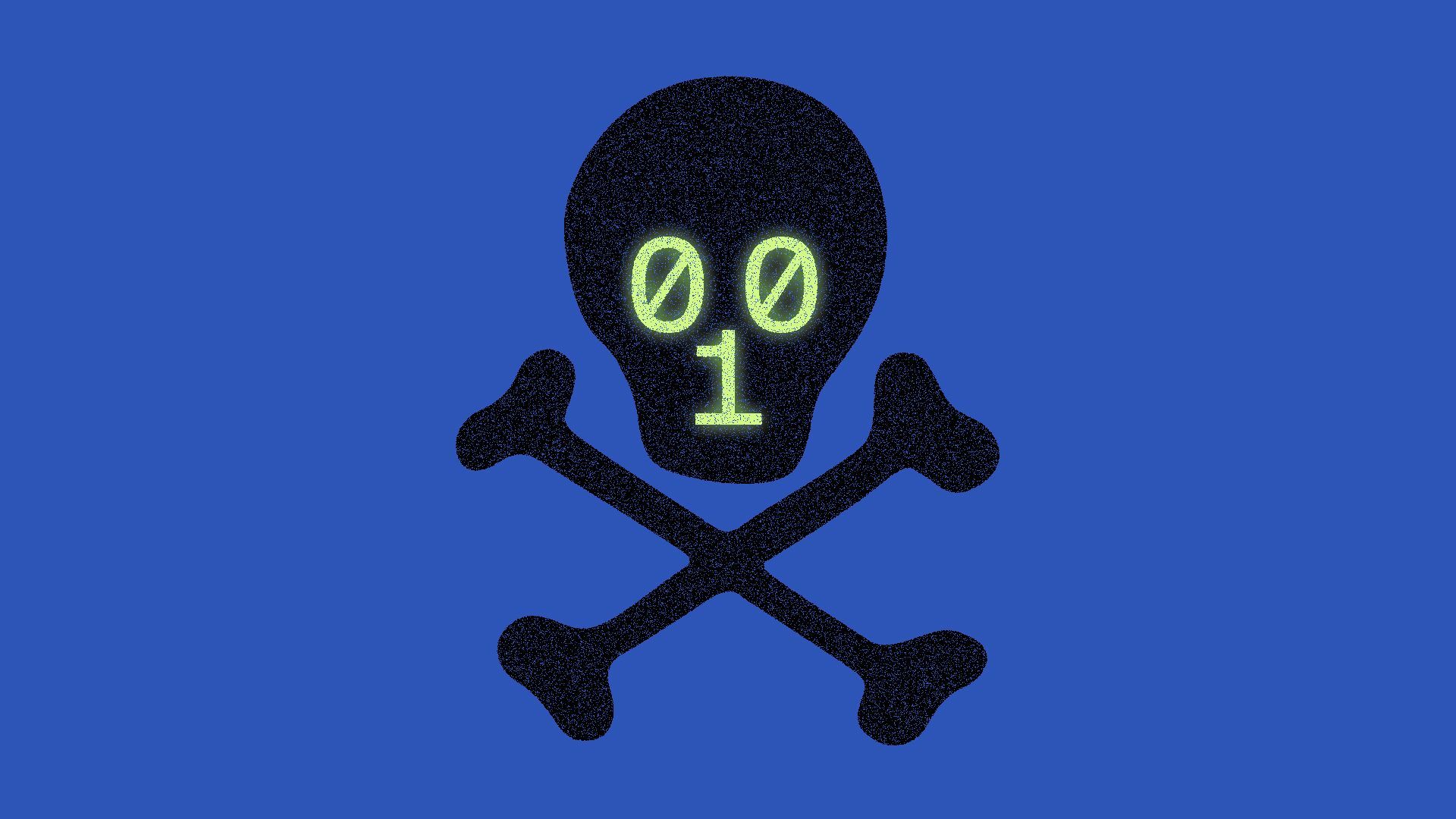
Artists looking to protect their works from AI models may soon be able add invisible pixels to their art that could thwart image-generating models seeking to copy and train on that art.
The big picture: The goal of this "poison pill" is to trick an AI model during its training phase into cataloging an image as something other than it is, causing the model to generate useless results.
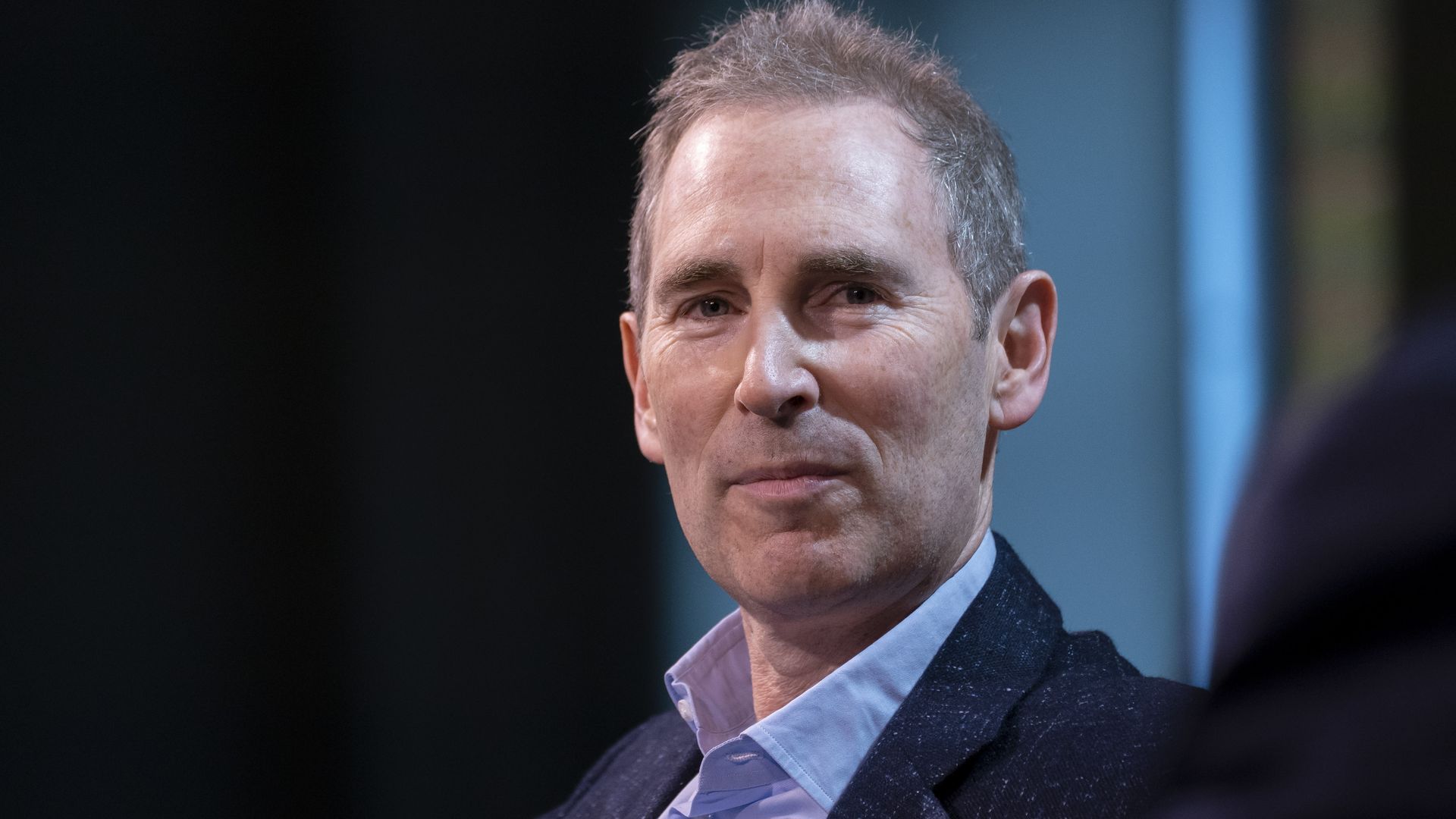
Amazon CEO Andy Jassy said Thursday night that he'd been "surprised" at the growth of the company's generative AI business over the last few months.
Why it matters: He made the comments during an analyst call following the release of Amazon's third quarter earnings, which revealed that businesses are still cautious about overall spending on cloud services.