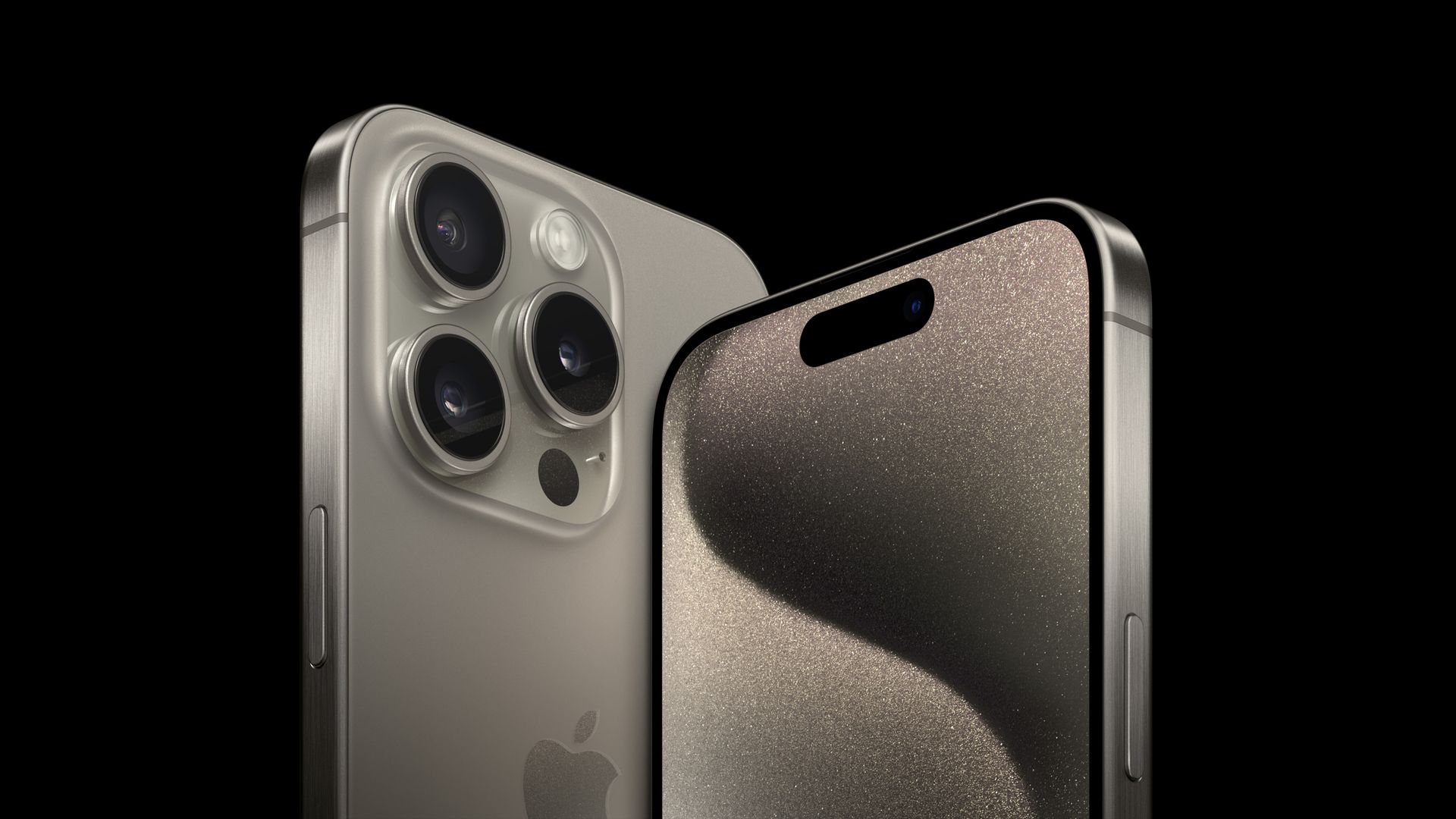
Apple's new iPhone 15 Pro Max is the tech company's priciest phone ever, starting at $1,199 — $100 more than the same model last year but with double the storage.
Driving the news: Apple introduced its full iPhone 15 line — along with the new Apple Watch 9 and Apple Watch Ultra models — during an event Tuesday from its headquarters in Cupertino, California.
Drama is already brewing over Senate Majority Leader Chuck Schumer's forum tomorrow on AI.
Why it matters: The high-profile forum will have some of the world's biggest names in tech talking AI regulation with senators, setting the tone for how government and industry will work together on AI rules.
Roughly 90 government officials and private sector executives are convening in Washington this week to draft a new, long-term plan for securing publicly available open-source code.
Why it matters: Most software contains at least some open-source code, but open-source project developers are typically volunteers who don't have the bandwidth to keep up with security upgrades.
Apple introduced its iPhone 15 line on Tuesday, featuring improved cameras and a more standard USB-C charging cable, among other enhancements. The company also updated its Apple Watch line at an event at its headquarters in Cupertino, California.
Why it matters: Each year Apple aims to make the new iPhones compelling enough to convince a significant chunk of existing owners to upgrade, a task that has become harder as the years have gone on.
Details: Here's what Apple has announced so far:
iPhone 15
Apple's standard iPhone 15 model has an improved 48-megapixel main lens along with other camera improvements, a more rounded aluminum case and the secondary "dynamic island" display that had been only on the Pro versions in last year's lineup.
As expected, Apple is also switching from its proprietary Lightning port to a USB-C connection for charging.
An improved ultra-wideband chip makes it easier to find nearby people and objects, while the devices can now summon AAA roadside assistance via satellite when a user is outside of cellular coverage.
As has become standard, there is also a larger-screen Plus model of the iPhone 15, featuring a bigger display and larger battery. The iPhone 15 starts at $799, with the larger-screen model costing $100 more.
iPhone 15 Pro
Apple's higher-end iPhone 15 Pro line features improved cameras, a faster A17 Pro chip with better graphics processing and a new titanium casing which Apple says make this year's devices its lightest Pro models yet.
iPhone 15 Pro also has a customizable action button that can launch a favorite app or perform a custom shortcut, in addition to switching in and out of silent mode.
The iPhone 15 Pro comes with a 6.1-inch display, while the larger-screen iPhone 15 Pro Max packs a 6.7-inch display.
On the camera front, the iPhone 15 Pro line has a 48-megapixel main camera with a larger sensor than last year's model for better low-light performance. The iPhone 15 Pro gets a 3x optical zoom, while the Pro Max has a 5X zoom — Apple's largest zoom yet.
The Pro camera system can also use multiple lenses to take spatial videos for later playback on Apple's forthcoming Vision Pro mixed reality headset. That feature is coming later this year.
iPhone 15 Pro will start at $999 — the same price as last year — while the Pro Max starts at a hefty $1,199, though it does includes double the memory. Pre-orders for all the iPhone 15 models start Friday, with devices arriving in stores Sept. 22.
Apple Watch
Apple Watch Series 9, available Sept. 22 and starting at $399, features an updated Apple-designed S9 chip, brighter display and a new gesture that allows watch owners to take actions just by double tapping their thumb and pointer finger.
The rugged Apple Watch Ultra, which debuted last year, is also being updated. The $799 Apple Watch Ultra 2 includes the updated S9 chip, a brighter display and an automatically activating night mode while maintaining up to 36 hours of battery life under normal use.
As part of a series of new environmental efforts, Apple is ending its use of leather across its product line, including for watch bands and phone cases.
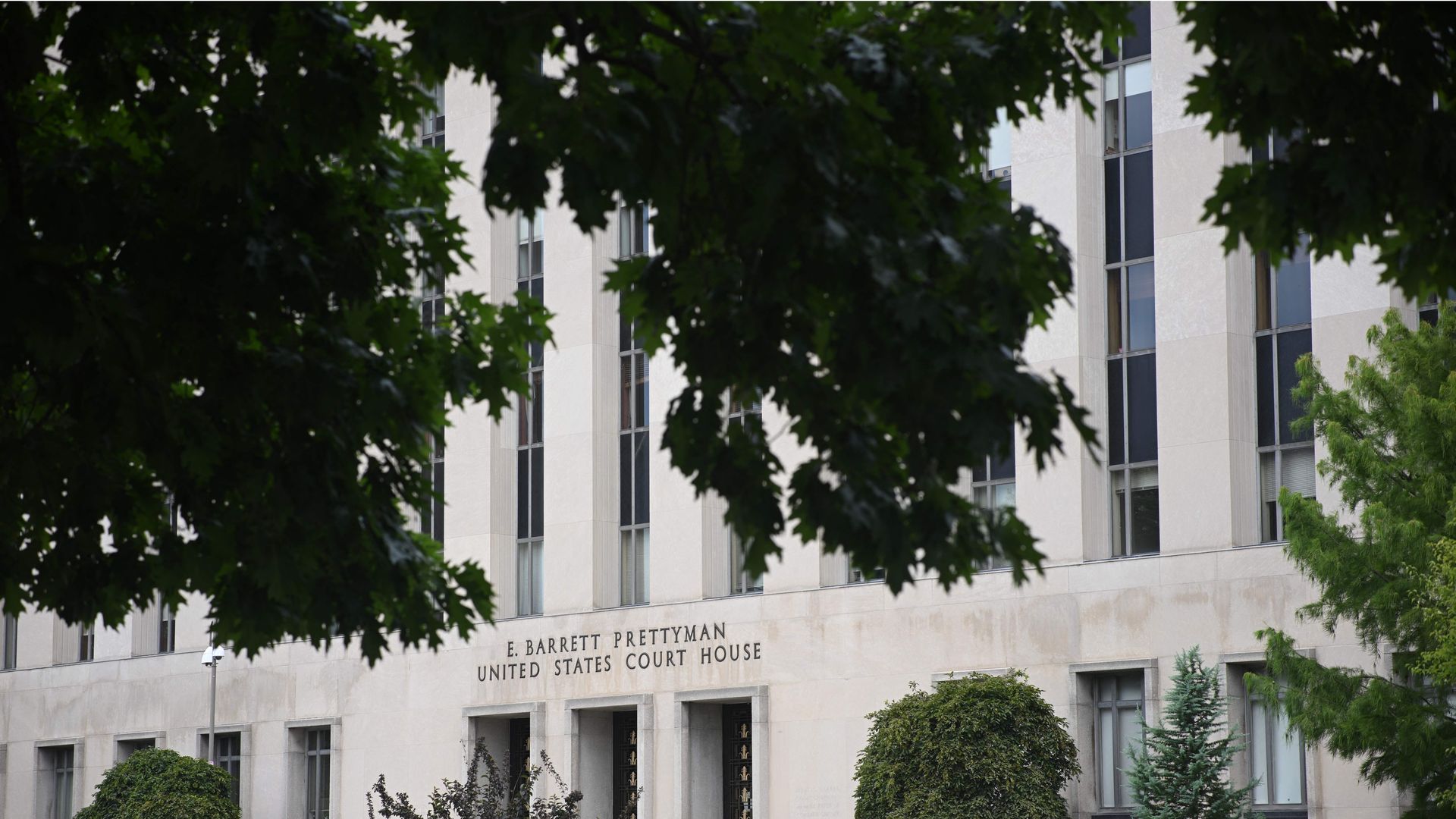
Driving the news: The Justice Department, state attorneys general and Google kicked off what could be months in the courtroom with fiery opening statements.
Apple has signed a new chip supply agreement with Qualcomm, which will apply to iPhones being launched between 2024 and 2026.
Why it maters: This comes three years after Apple spent $1 billion to buy Intel's smartphone modem business — a move intended to let Apple displace Qualcomm when their existing agreement ended at the end of 2023.
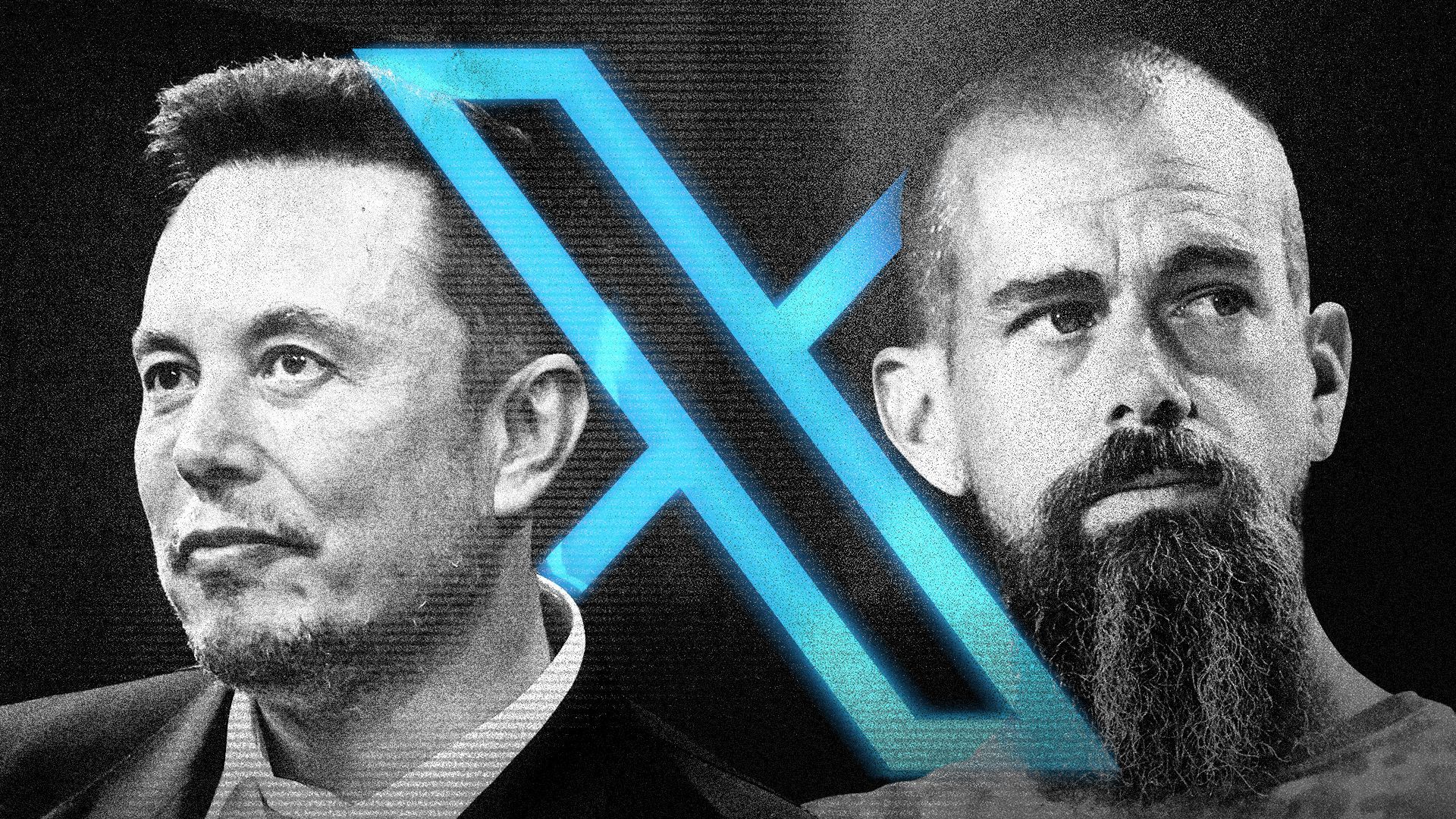
Why it matters: The revelation helps fill in some blanks about the financial relationship between Dorsey and Musk, who were longtime acquaintances and mutual admirers.
Amazon just became the latest corporate giant to back direct air capture (DAC) technology.
Driving the news: The company on Tuesday announced plans to buy 250,000 tons of removal and permanent storage services over 10 years from 1PointFive, a subsidiary of Occidental Petroleum.
IBM, Adobe, Salesforce and five more tech companies are making voluntary safety, security and transparency commitments to the White House related to their use of artificial intelligence.
Why it matters: The pledges are similar to those made in July by OpenAI, Microsoft, Meta and other companies and show growing industry momentum for the voluntary standards.
I've seen the future of delivery. It's a little too easy, and a little too fun.
I recently arranged a firsthand demo to order groceries from Walmart by drone, since I live outside of the four current Northwest Arkansas delivery zones (in Bentonville, Farmington, Pea Ridge and Rogers).
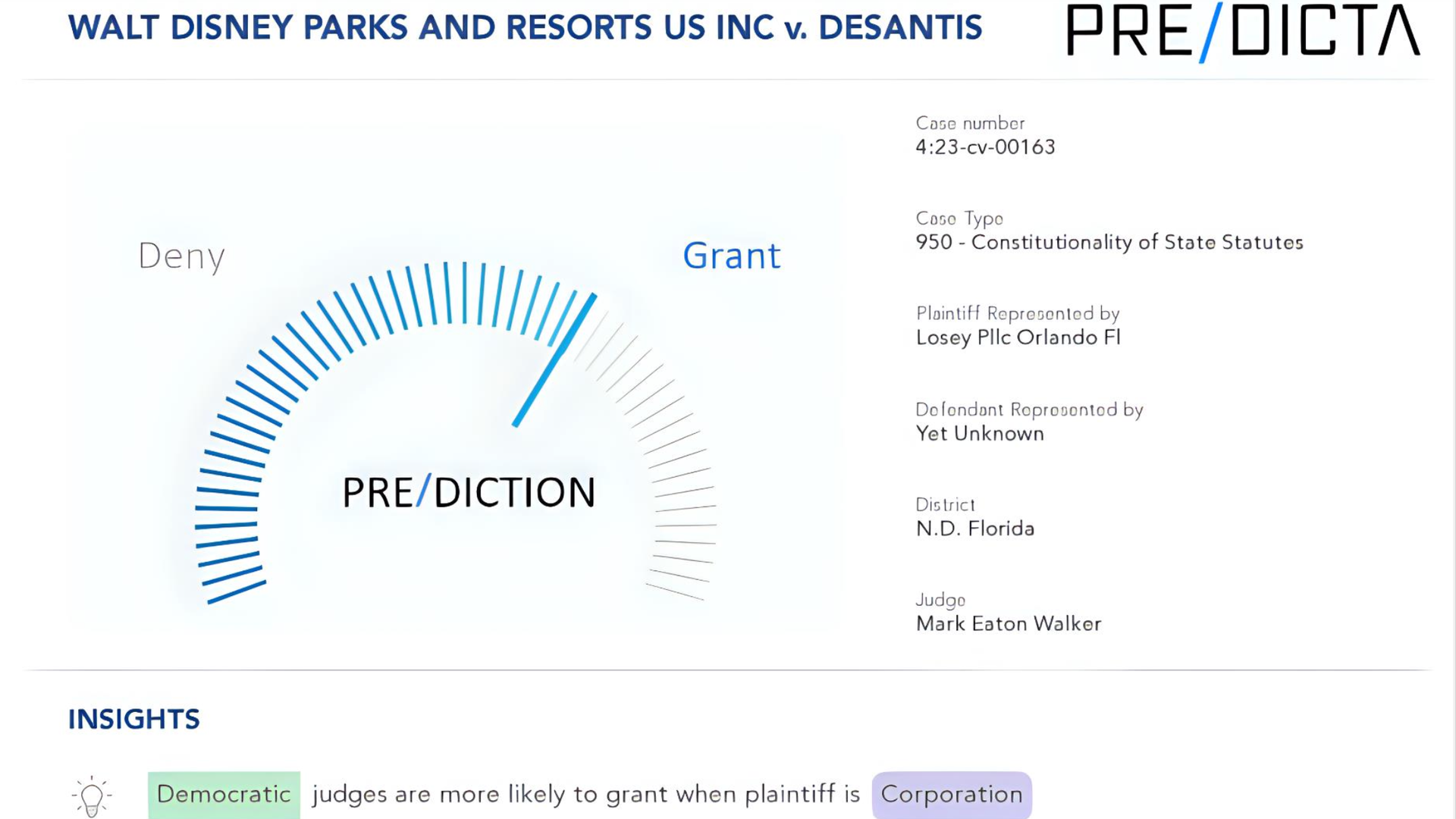
An AI-powered database that draws on the biographical details and decision history of judges to predict how they will rule is helping lawyers and plaintiffs decide how to invest their time and resources in civil cases.
Why it matters: AI tools are set to turn the art of judicial forum shopping — where plaintiffs seek out favorable courts and judges — into a precision science.
As schools gingerly embrace virtual reality, Meta announced Tuesday that it's supplying VR equipment and resources to 15 U.S. universities as part of a broader goal to make classroom education more "immersive."
Why it matters: Teachers and tech executives say VR and the metaverse could eventually be a game-changer for hands-on learning, but there are lots of kinks to work out first.