Hollywood has a history of making movies and shows based on video games, but this week’s release of “The Super Mario Bros. Movie” from Nintendo and Illumination cements the marriage of the two industries.
Context: Nintendo is the most influential gaming company in the world.
Savvy Games, owned by Saudi Arabia's sovereign wealth fund, on Wednesday said that it is buying Scopely, the California-based maker of mobile hits like Marvel Strike Force and Scrabble GO.
Why it matters: Savvy will pay $4.9 billion, making it one of the largest-ever gaming acquisitions.
The Justice Department announced today that the FBI and its international partners have seized notorious cybercrime marketplace Genesis Market.
Why it matters: Malicious actors often use marketplaces like Genesis Market to buy and sell stolen passwords and other login credentials that can help others in future data breaches.
Last month a new Canadian private equity firm called Ethical Capital Partners announced the acquisition of MindGeek, the controversial owner of Pornhub and other adult content sites.
We had questions, and now have answers (some of which led to more questions).
The companies offering generative AI to the public are mostly learning the same lesson: People love using it, but they also love discovering its boundaries — and pushing past them.
Why it matters: Companies have been rushing to incorporate generative AI like ChatGPT into their products in what is essentially a massive beta test of an unfinished technology.
Protecting critical infrastructure from cyberattacks has become a growing national concern, but small businesses remain vulnerable and attractive to hackers.
Why it matters: Small to medium-sized businesses (SMBs) face a rising number of threats — and many keep attacks under wraps.
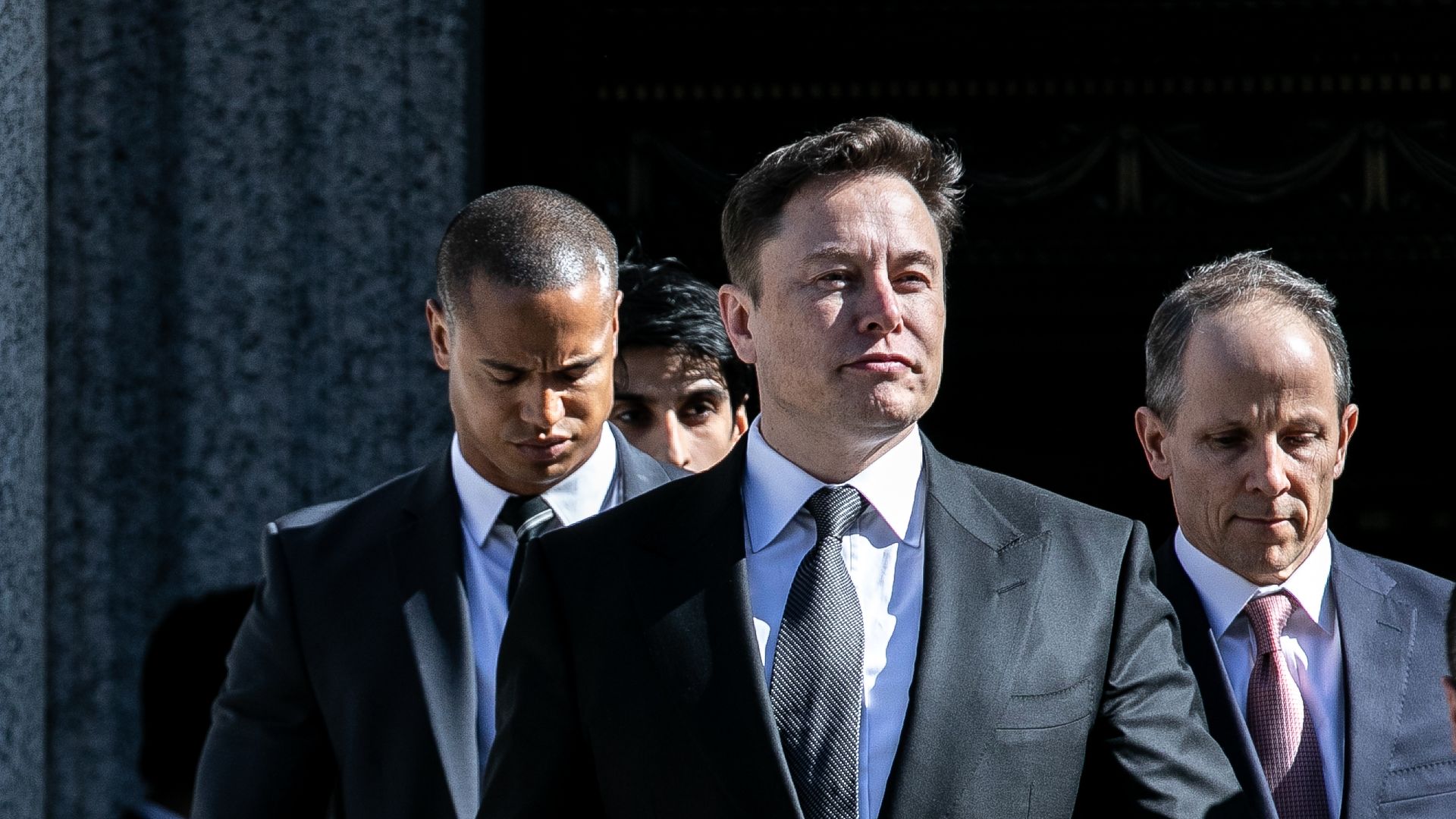
Twitter accounts ranging from the White House to the New York Times are refusing to pay $1,000 a month to retain the platform's verification checkmark as Elon Musk rolls out a rash of impulsive policy changes.
Why it matters: Twitter's checkmark had served as a form of verification to confirm the identities of accounts including news outlets, politicians and celebrities. It's unclear what the landscape will look like under Twitter's new checkmark system, which will not as easily differentiate between credible and fake users.
Activision Blizzard and the U.S. Department of Justice have agreed to a settlement that will bar the game publisher from penalizing the teams in its Overwatch and Call of Duty esports leagues from spending big on players.
Driving the news: The proposed settlement was announced late Monday, when the DOJ revealed it was suing the game maker for alleged antitrust violations over its esports pay policy.
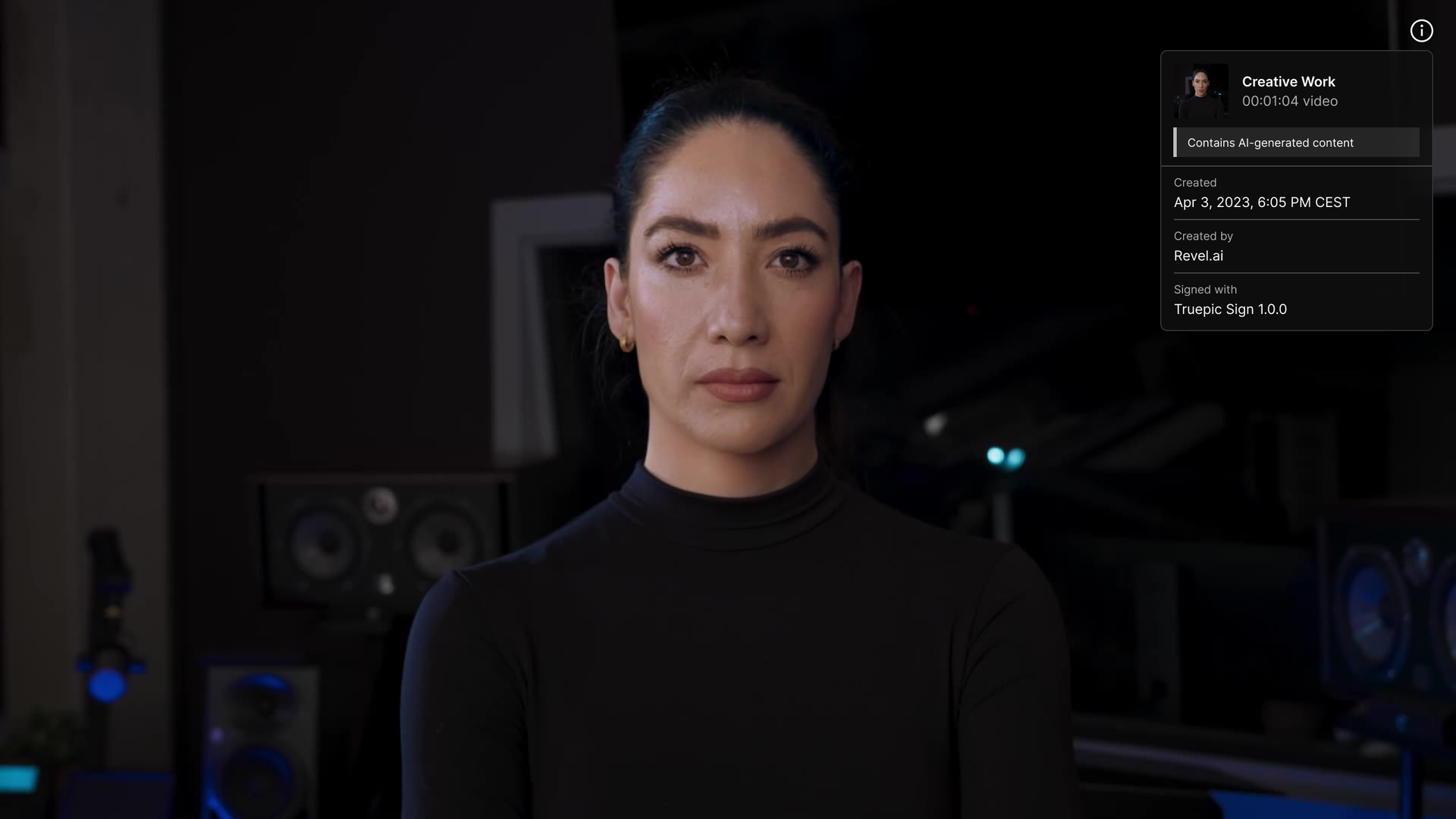
Several leaders in AI have teamed up to create what they are calling the first transparent deepfake — a video that looks convincingly real, but is both synthetically created and makes use of an emerging standard to label itself as such.
Why it matters: Many in the field say concerns over synthetic media are no longer hypothetical and that now is the time to start clearly labeling how content was created or altered.
Amazon Web Services is debuting a new 10-week accelerator program focused on generative AI startups that includes AWS credits and other Amazon resources.
Why it matters: The current AI boom is a boon to cloud computing providers, as their services are essential for the development and operation of this buzzy tech.
Tech layoffs are way up — and so are tech stocks. Two charts tell this story.
The big picture: The tech industry's layoffs began last year and have kept up a relentless stream of bleak announcements — in some companies' cases, like Meta's, coming in multiple waves.
Young Americans of all stripes dream of working at Google, according to a new Axios/Generation Lab survey of college students around the country.
The big picture: Google was the most attractive employer to men and women, as well as Black, Asian and Hispanic students, and Republicans and Democrats.
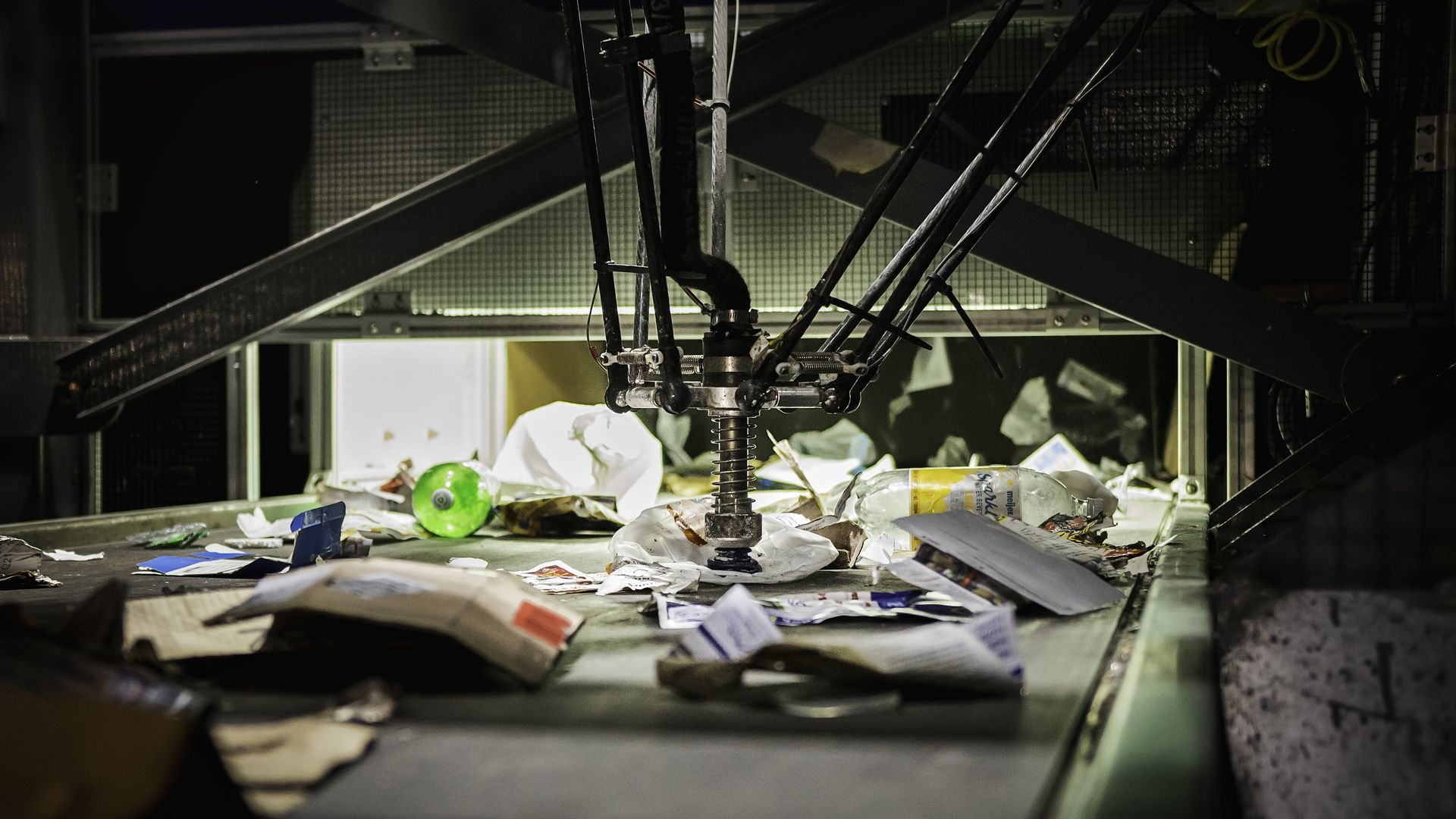
The U.S. recycling industry is starting to get a helping hand from robots, which can sort trash faster and more safely than humans, and artificial intelligence, which gathers valuable data about what's been thrown out.
Why it matters: Automation could help solve recycling's many problems, including the rise in hard-to-recycle plastic waste and consumer botch-ups that lead to contaminated recycling streams.







/2023/04/05/1680704294358.gif?w=3840)