The video game horse race to watch this fall is between “Call of Duty: Vanguard,” “Battlefield 2042” and “Halo Infinite,” three shooter games from giant franchises that keep bumping into each other on their way to release.
Driving the news: Two of the expected mega-games will intersect tomorrow, as Activision’s “Vanguard” and EA’s “2042” both run online showcases at 11 a.m. ET to reveal new modes.
A coalition of nonprofits on Wednesday debuted HowToStopFacebook.org, a fresh push to encourage greater government regulation of the social networking giant aimed at forcing the company to change its business model.
Why it matters: The campaign hopes to take the outrage expressed by legislators over the revelations of whistleblower Frances Haugen and translate it into action.
Google Cloud is partnering with five sustainability-focused companies to offer public and private sector customers new ways of anticipating and reducing their climate risk exposure, among other applications, the company announced Tuesday.
Why it matters: With more climate and sustainability-related data being generated than ever, a premium is being placed on finding ways to gain insights from the firehose of information.
Check Point Software said Wednesday that it recently found vulnerabilities in the platform used by OpenSea, the largest marketplace for digital collectibles known as NFTs, or non-fungible tokens.
Why it matters: The since-patched vulnerabilities, if exploited, could have allowed hackers to take control of accounts and even entire crypto wallets by sending a malicious NFT.
The Nellie Bly is currently about three-quarters of the way through its mission: To become the first autonomously operated tugboat to complete a long-haul run.
Why it matters: While many tugs are already using autonomous technology for short ship-to-shore runs, it would be much cheaper and easier for long-haul vessels — like oil tankers, container ships and ocean-floor survey boats — to use autonomous tugs as their scouts.
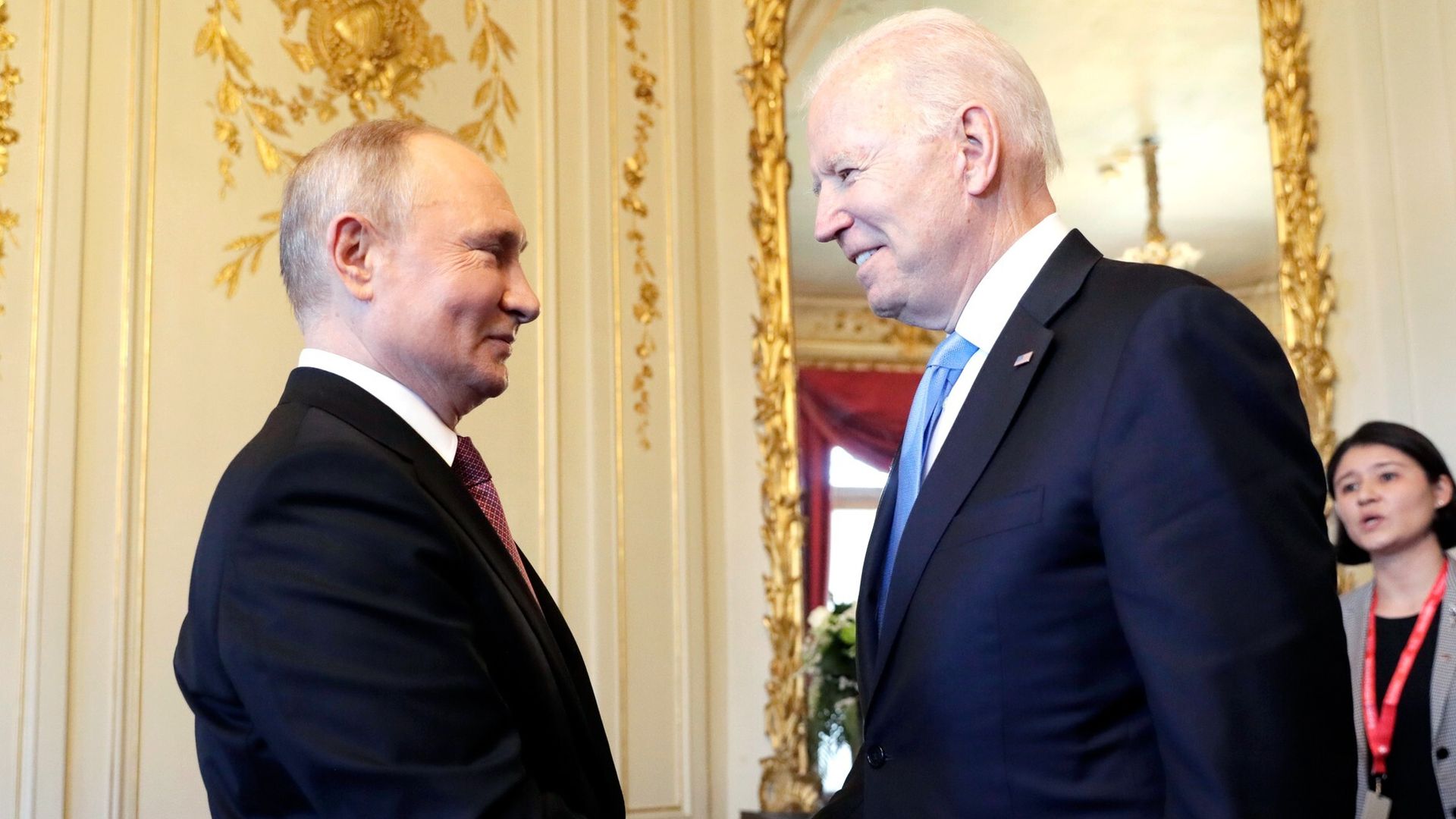
Russia is not one of the 30 countries invited to this week's virtual counter-ransomware summit hosted by the White House, where the U.S. and its partners will discuss ways to crack down on global cybercriminal networks, according to a senior Biden administration official.
Why it matters: The Biden administration is seeking to form an international coalition to stop ransomware attacks without having to rely on the Russian government, which has been accused of harboring cyber gangs.
The family of slain journalist Alison Parker, who died in 2015, is asking the Federal Trade Commission (FTC) to take action against Facebook for not removing a video of her death, the Associated Press reports.
Why it matters: Facebook has faced mounting widespread scrutiny in recent weeks from lawmakers and the public, initially spurred by whistleblower accounts by former employee Frances Haugen.
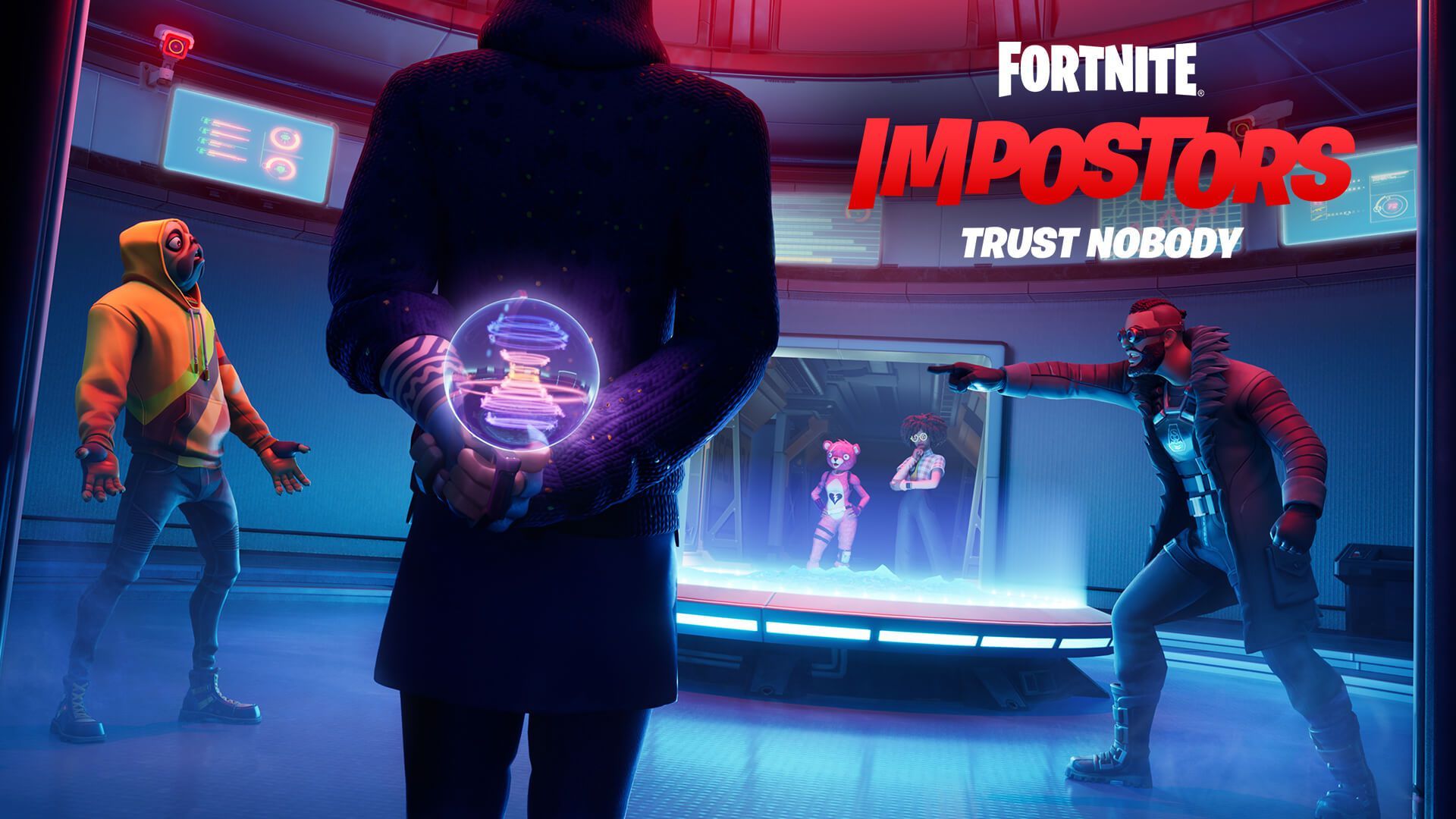
Epic Games is working with "Among Us" creator Innersloth on something new, after finally acknowledging the indie developer's influence on its Impostors mode in "Fortnite."
Why it matters: It's the first time Epic has publicly conceded the game's clear similarities to Innersloth's breakout hit, in which players attempt to complete tasks while rooting out a traitor in their midst.
Senators at the Facebook hearing last week used an analogy we’ve all heard before — Big Tech is having a Big Tobacco moment. Are the harmful effects of social media sites like Facebook and Instagram that clear cut?
Axios Re:Cap talks with Axios’ chief technology correspondent Ina Fried about how Big Tech compares to Big Tobacco.
Magic Leap, a Plantation, Florida-based augmented reality company, raised $500 million at a $2 billion post-money valuation from unspecified "existing investors."
Why it matters: This is a company that lives up to its name, at least in terms of separating VCs from their money, as Magic Leap has now raised nearly twice as many dollars as its current valuation. Maybe that's why none of those return backers are eager to be identified.
Google announced Tuesday it has created a new cybersecurity team to help respond to and prevent cyberattacks against governments, critical infrastructure managers and other crucial companies.
Why it matters: It said the creation of the team is in response to the recent surge in cyber and ransomware attacks, including the ransomware attempt against the Colonial Pipeline in May and the sprawling SolarWinds breach, which was uncovered in December 2020 but likely existed for months before its discovery.
A new global agreement to levy a near-universal 15% minimum tax on large corporations' profits could cost tech giants billions each year. Yet lobbies representing the companies have rallied behind the plan, largely because it phases out a different kind of tax that tech dislikes even more.
The big picture: The minimum tax passed a crucial hurdle last week when more than 130 nations reached agreement at an Organization for Economic Cooperation and Development (OECD) meeting. It still awaits final approval from many stakeholders, including the U.S. Congress.
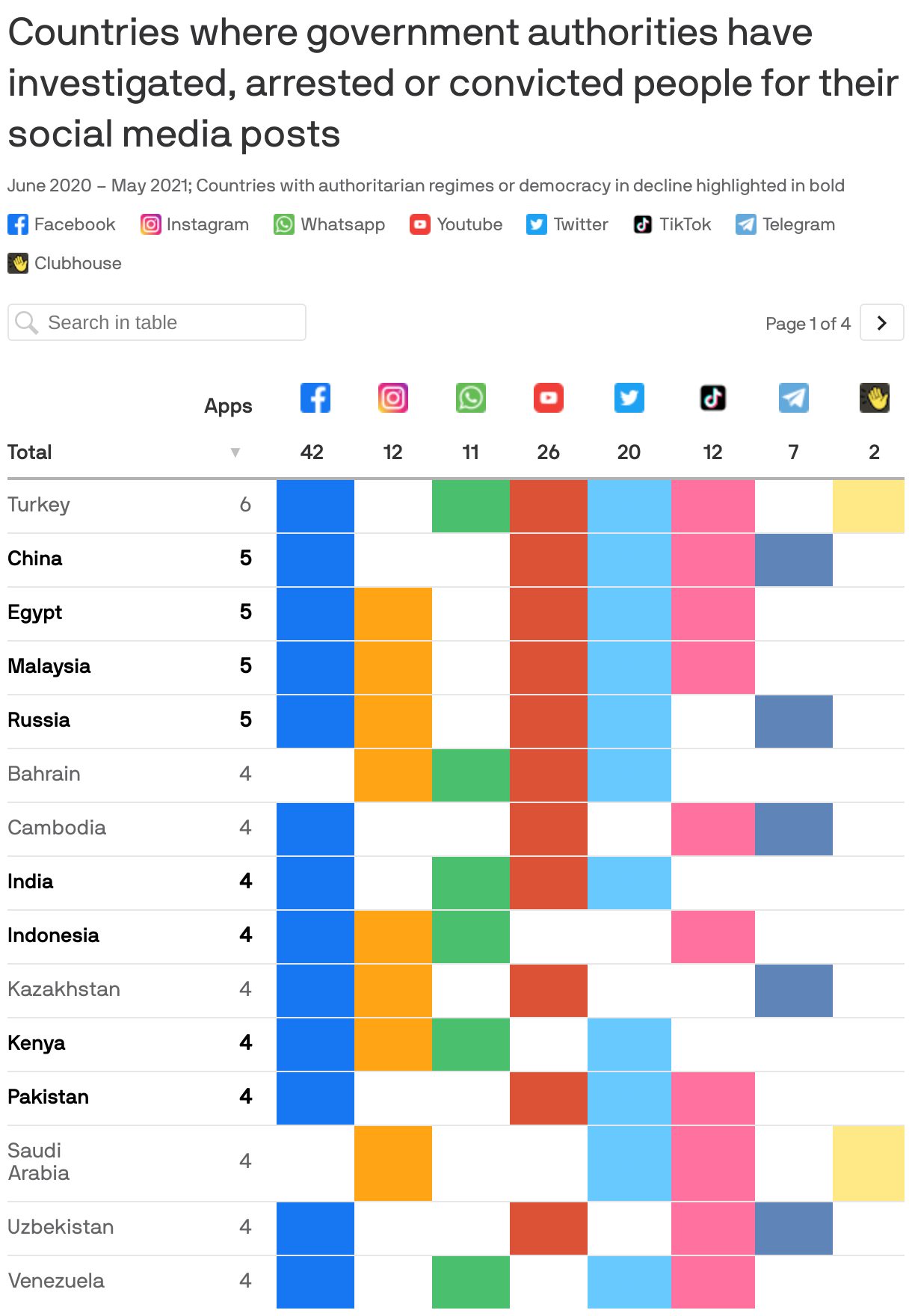
Data: Freedom House "Freedom of the Net 2021" report; Chart: Jacque Schrag/Axios
Internet freedom around the world has dropped for the 11th consecutive year, according to an annual report from Freedom House, a non-profit focused on expanding freedom and democracy.
Why it matters: The findings suggest that a broader shift in power from tech companies to nation states over the past year has resulted in "a record-breaking crackdown" on freedom of expression online.
The new Superman, Jonathan Kent, will soon come out as bisexual after becoming romantically involved with his reporter friend Jay Nakamura, DC Comics announced Monday.
Why it matters: The major announcement on the son of Clark Kent and Lois Lane coincided with National Coming Out Day. Writer Tom Taylor told the New York Times following the announcement that the idea of "replacing Clark Kent with another straight white savior felt like a missed opportunity."






/2021/10/13/1634094091659.gif?w=3840)