A union supporting workers at Activision Blizzard has filed an unfair labor practice complaint to the National Labor Relations Board, alleging the game company has “repeatedly engaged in unlawful conduct” against workers fighting against working conditions at the game maker.
Why it matters: It’s another log on the fire. Activision is already facing an anti-discrimination lawsuit from the state of California, has seen workers hold a walkout and been slammed by activist shareholders for an “inadequate” response.
Rebellion Defense, a developer of AI solutions for U.S. defense, tells Axios that it has raised $150 million in venture capital at a $1 billion pre-money valuation.
Why it matters: Defense is becoming more about code than combat, and Rebellion is part of a new generation of startups working to keep the U.S. and its allies ahead of their adversaries.
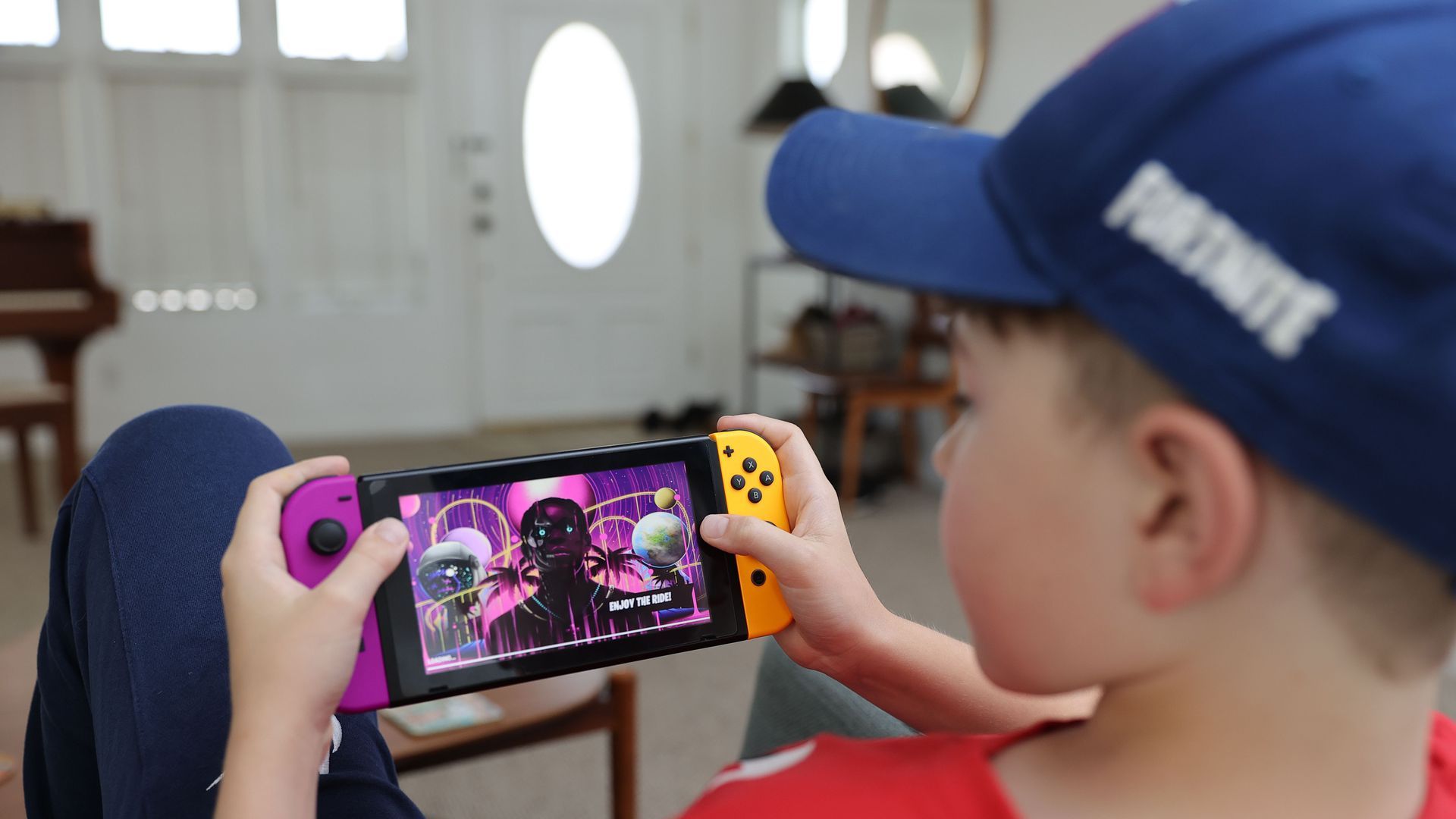
A new survey by the Anti-Defamation League finds that those who play online games are encountering an increasing amount of harassment as part of their experience.
Why it matters: The study found that the level of harassment reported by adults increased for the third year in a row. And, measuring players ages 13–17 for the first time, the ADL said three out of five young people experienced harassment.
SmartNews, the Japanese news discovery app founded in 2012, on Wednesday announced a $230 million in Series F round funding at a $2 billion post-money valuation, bringing its total capital raised to date to more than $400 million.
Why it matters: SmartNews is now one of the most valuable standalone news aggregation apps, and plans to use its new money to expand its U.S. presence.
With the iPhone 13 lineup providing only modest updates to Apple's flagship smartphone, the company may be even more reliant on promotions from wireless carriers to keep the sales momentum going.
Why it matters: Apple counts on the iPhone for a huge chunk of its own sales, while such sales are also critical to the rest of the mobile industry, including network providers and component suppliers.
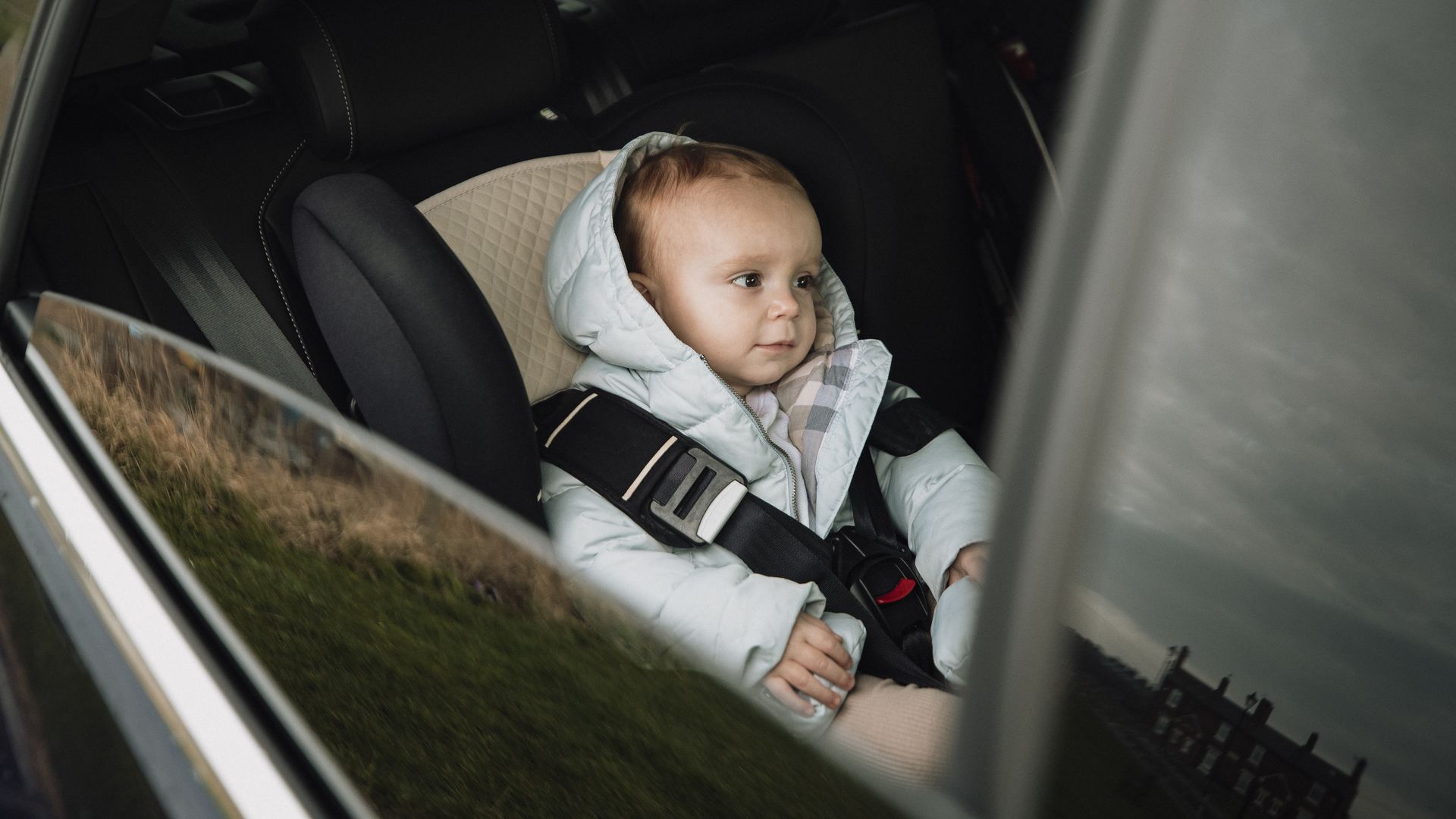
All vehicles could soon be equipped with warning systems aimed at preventing children from dying in hot cars, but safety advocates say a law working its way through Congress won't do enough to save lives.
Why it matters: Nearly 40 children die every year of heatstroke because they were left in the back seat by a parent or caregiver — or climbed inside a car on their own. Since 1990, approximately 1,000 kids have died nationwide, according to KidsAndCars.org.
Four have died this month to date, including a baby who suffocated in a car after her mother was shot and killed in Orlando, Florida, and twin toddlers who died in a hot car in South Carolina.
Driving the news: The bipartisan infrastructure bill that passed the Senate last month would require new motor vehicles to have an alert system that would remind people to check the back seat upon exiting the car.
The House expects to take up the bill this month.
The law would replace a voluntary commitment by automakers to equip virtually every new car with a rear-seat reminder system by the 2025 model year.
Where it stands: Many new models now come with such reminders via a text message in the instrument cluster, typically accompanied by a chime, when the engine is turned off.
I drove a 2022 Nissan Pathfinder recently that annoyingly honked six times at me whenever I walked away from the vehicle; I finally realized it was the rear-seat reminder.
I repeatedly dismissed the warning on the steering wheel, but to permanently shut it off, I would have had to tinker with the car's settings.
How it works: Most rear-seat reminders are triggered by "door logic" — that is, the system recognizes that the driver opened a rear door at the beginning of the trip.
Yes, but: that technology doesn't know whether the driver opened the door to put groceries or a purse in the back seat — or to buckle in a child.
And it doesn't address the issue of unattended children climbing into a car by themselves — about 25% of all hot car deaths.
What's needed: Cars need more than just a dashboard reminder that can be easily ignored or dismissed by the driver, says Emily A. Thomas, automotive safety engineer at Consumer Reports.
They need technology that can actually detect the presence of a car occupant.
So far, only Korean models sold under the Hyundai, Kia and Genesis brands have ultrasonic sensors that can detect movement inside the vehicle — but they are not standard on all models.
The new Genesis GV70 SUV goes a step further with a more sensitive radar sensor that is able to detect a baby's breath.
What they're saying: Carmakers can — and should — do more, said Janette E. Fennell, president of KidsAndCars.org.
"You can't purchase a vehicle today that doesn't automatically turn off your headlights when you get out of the car. Who decided it's more important not to have a dead car battery than a dead baby?"
What to watch: The occupant detection systems that could prevent children from dying in hot cars operate on the same technology that autonomous vehicles will need in the future to detect and monitor passengers, she noted.
Twelve former top U.S. national security officials are urging Congress to hit pause on a package of antitrust bills in order to consider how breaking up tech companies could harm the U.S. in its competition with China, according to a letter obtained by Axios.
The big picture: Former Defense Secretary Leon Panetta and former Director of National Intelligence Dan Coats are among those arguing that imposing severe restrictions solely on U.S. giants will pave the way for a tech landscape dominated by China — echoing a position voiced by the Big Tech companies themselves.
Snap Inc. has hired Jacqueline Beauchere, the current chief online safety officer at Microsoft, to be its first-ever global head of platform safety, a spokesperson tells Axios.
Why it matters: The move reflects a growing effort by Snapchat to invest in more initiatives that focus on user safety and wellbeing.
Facebook has long said that it applies the same rules to all posts, but internal documents obtained by the Wall Street Journal paint a picture of a company that allowed millions of politicians, celebrities and other high-profile users to break those rules without consequence.
Why it matters: It's hard to limit misinformation on a platform when you give a free pass to those with the most reach.
Microsoft's M12 fund is leading a $26 million investment round for Truepic, a San Diego-based startup trying to fight the emerging wave of digitally altered photos and videos, known colloquially as deepfakes.
Why it matters: Already a problem, manipulated media is expected to become an even bigger threat in the coming years as technology makes it easier to modify video to make anyone say anything.
The Biden administration sent another warning to Big Tech on Monday in nominating longtime privacy advocate Alvaro Bedoya to the Federal Trade Commission.
Why it matters: Bedoya's expertise on data collection and surveillance, combined with Biden's pick to lead the FTC, tech antitrust legal scholar Lina Khan, signals aggressive action from both the consumer protection and antitrust arms of the agency.
Firefox maker Mozilla and a group of advocacy organizations are highlighting ways Big Tech platforms' use of machine learning allows misinformation to flourish, in a memo Tuesday.
Why it matters: Big Tech companies rely on AI and machine learning to decide which content to promote and to flag problematic posts.