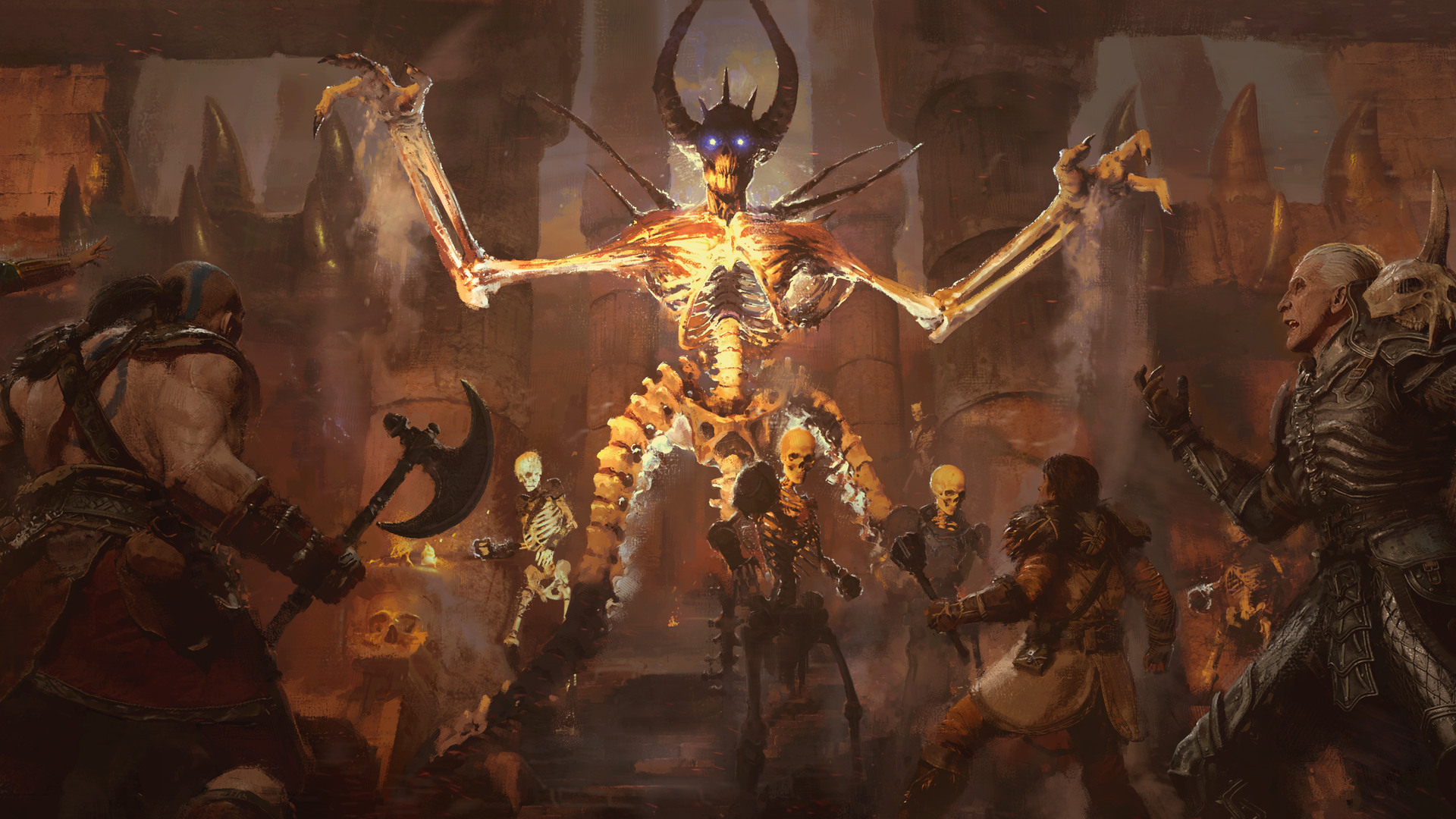
The creators of “Diablo II: Resurrected” say people should “do what they feel is right,” when considering whether to buy next week’s big release from Activision Blizzard.
Why it matters: “Resurrected” is the first game from Activision Blizzard since California filed an anti-discrimination suit against the company, largely over sexism, harassment and other workplace problems at Blizzard, where the “Diablo” series was created.
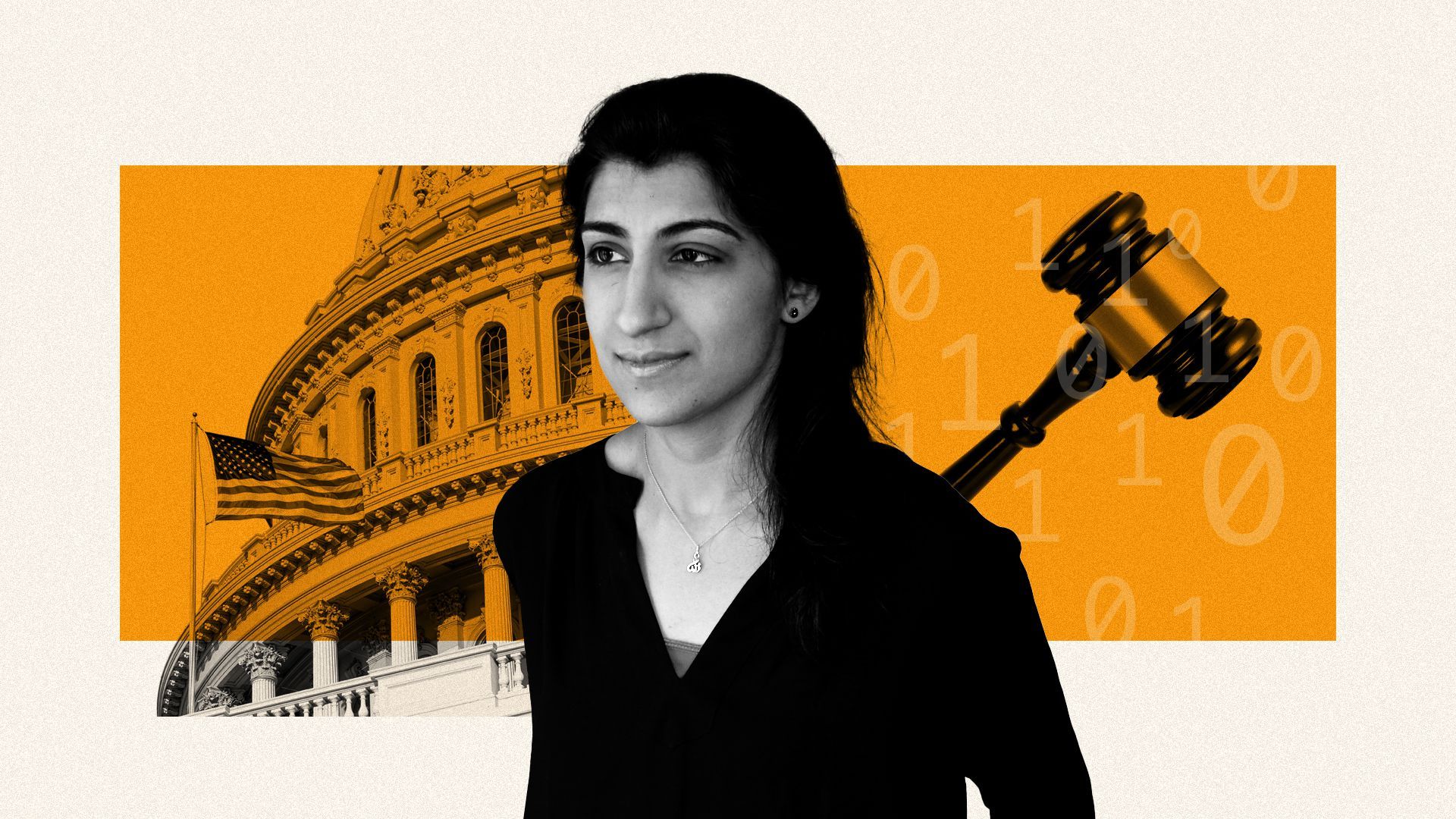
Federal Trade Commission chair Lina Khan signaled changes are on the way in how the agency scrutinizes acquisitions after revealing the results of a study of a decade's worth of Big Tech company deals that weren't reported to the agency.
Why it matters: Tech's business ecosystem is built on giant companies buying up small startups, but the message from the antitrust agency this week could chill mergers and acquisitions in the sector.
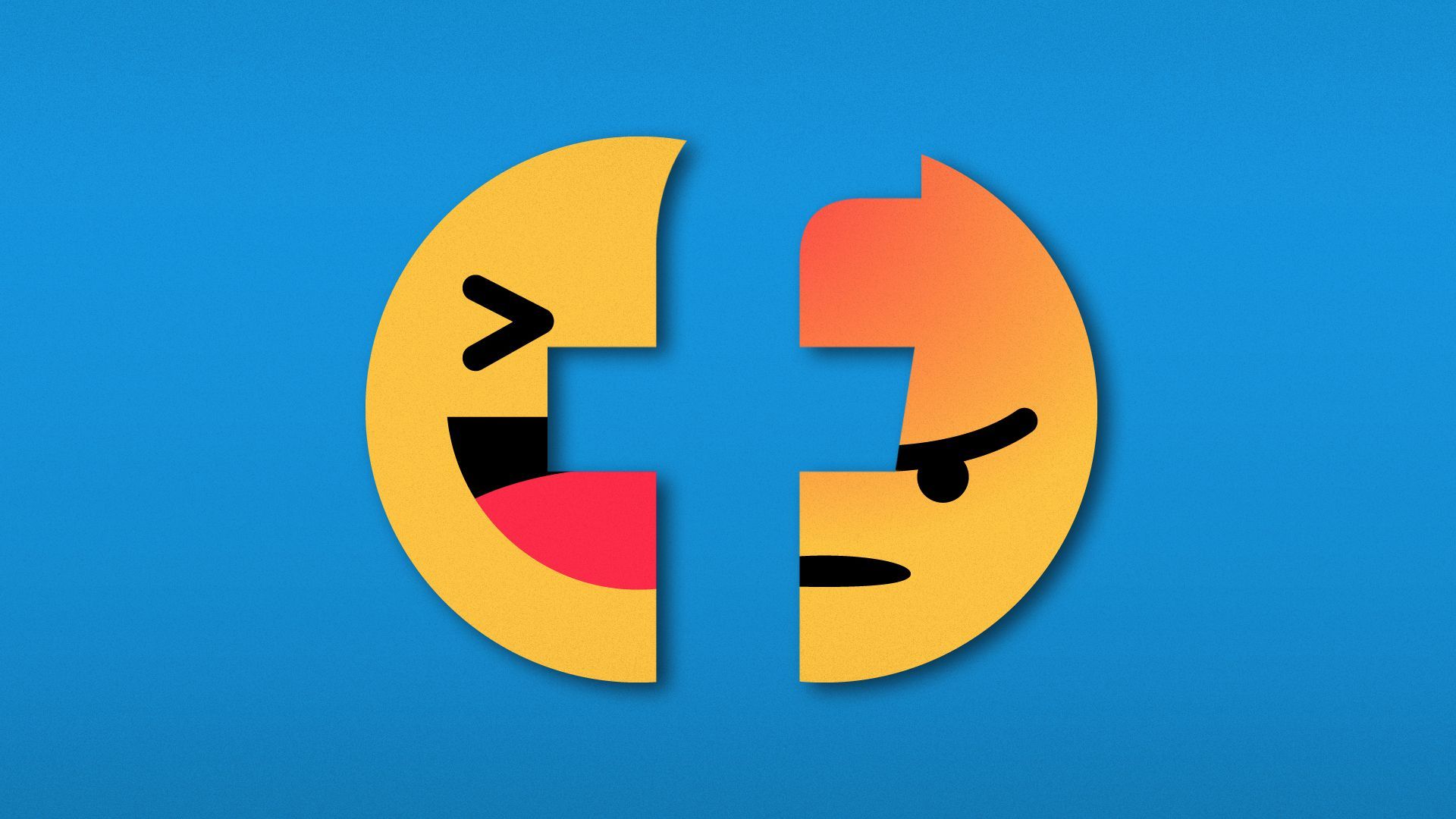
Facebook is essential to our lives. Facebook is ruining our lives. Holding both these truths at once will make your head hurt.
While covering the Olympics in Tokyo, I spent a ton of time on Facebook. Each day, during several hourlong bus rides, I would see who was online in Messenger and share photos and stories there with family and friends. I also posted frequently on my news feed.
Tradesy, an online marketplace for secondhand high-end fashion goods, raised $67 million in Series D funding led by Foris Ventures, John Doerr's family office.
Why it matters: With climate change (and ESG more broadly) solidifying itself as a mainstream concern, companies like Tradesy that help consumers cut down on their consumption and waste are seeing exploding interest.
Omaze, a company that helps nonprofits fundraise by organizing sweepstakes, has raised $85 million in Series C funding led by Louis Bacon’s Moore Strategic Ventures.
Why it matters: While Omaze's customers are non-profits, the company is not only a for-profit, but also taking in venture dollars — a financing model that's often criticized for pushing companies to prioritize growth and shareholder returns over their impact on society.
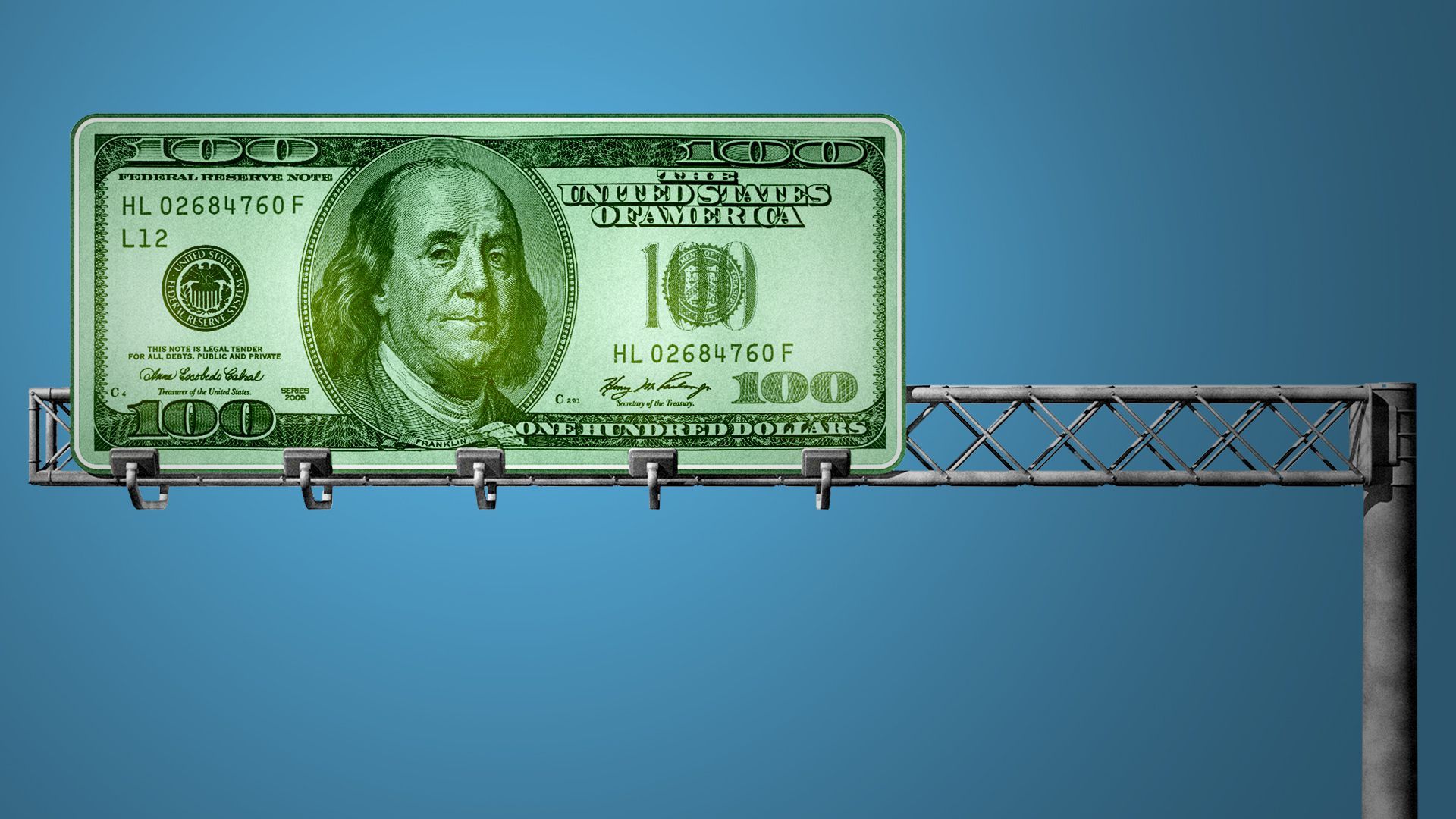
Electric vehicles might be good for the environment, but they're terrible for state budgets, which depend on fuel taxes to pay for road maintenance. So states like Oregon and Utah are experimenting with new road user fees — known as "vehicle mileage taxes" or VMTs — that reflect changing mobility trends.
Why it matters: By charging drivers for the miles they drive — instead of taxing the gas they use — states can ensure that everyone pays their fair share for public roads. But some drivers might wind up paying more than they do now, and the preliminary technology involved is raising privacy concerns.
A next-generation 911 would allow the nation's 6,000 911 centers to accept texts, videos and photos.
The big picture: U.S. emergency communications have remained stubbornly analog, but Congress is about to take another run at dragging 911 into the digital age.