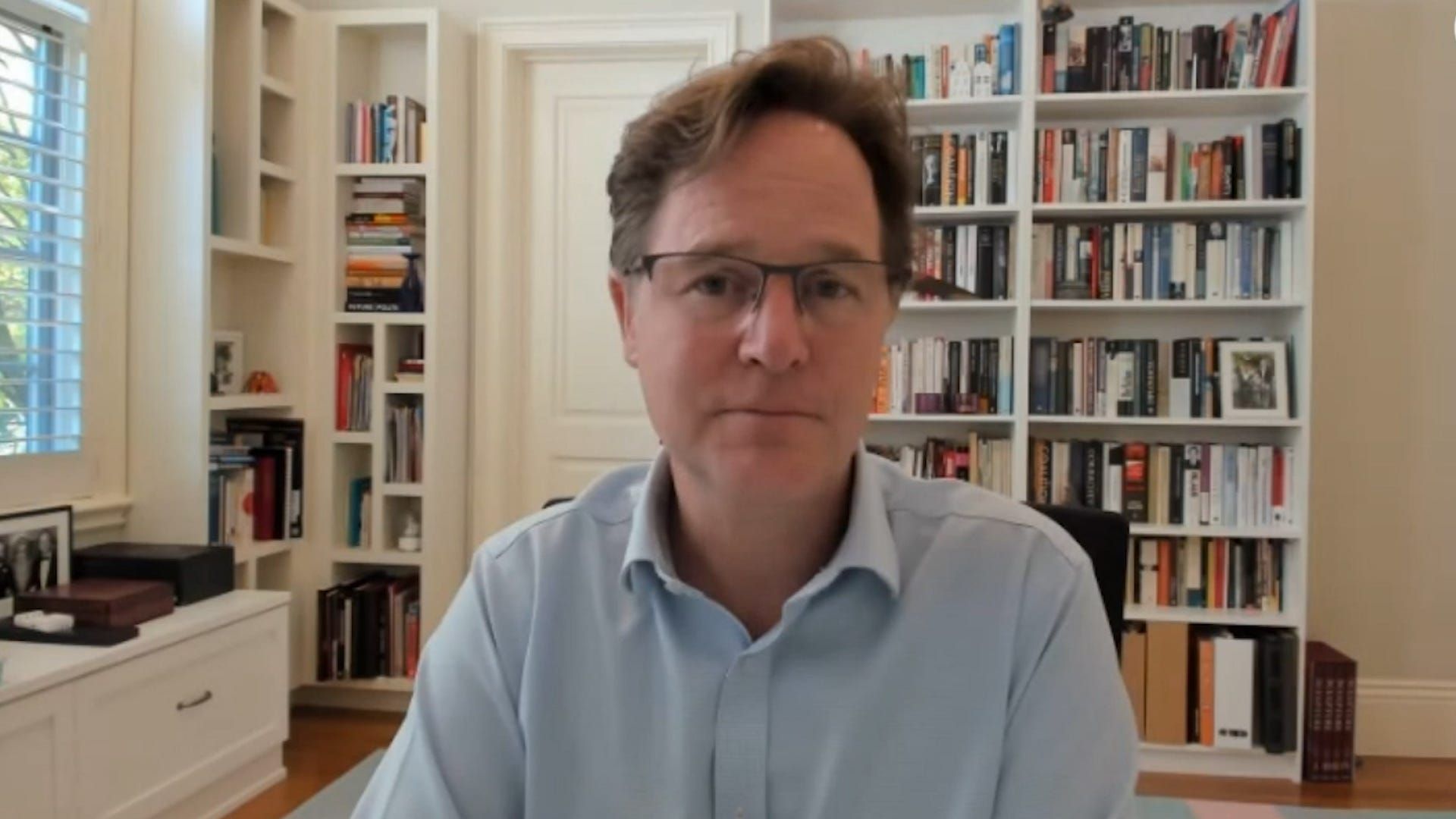
Nick Clegg, Facebook's vice president of global affairs, tells me the company will try to provide more data to outside researchers to scrutinize the health of activity on Facebook and Instagram, following The Wall Street Journal's brutal look at internal documents.
Driving the news: Clegg didn't say that in his public response to the series. So I called him to push for what Facebook will actually do differently given the new dangers raised by The Journal.
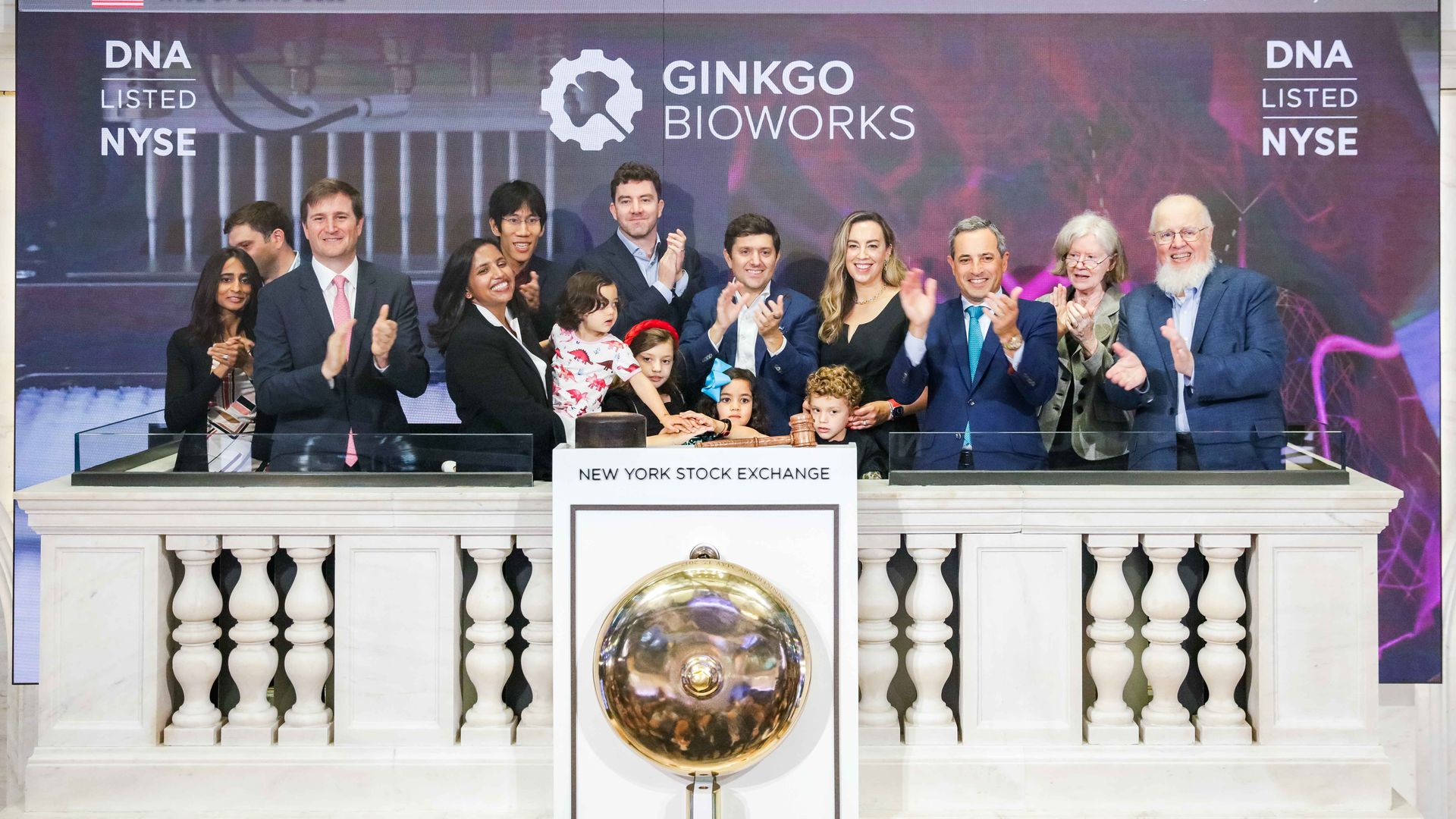
Ginkgo Bioworks — a Boston-based company that wants to make biology as easy to program as a computer — began trading on Friday after going public via a SPAC.
Why it matters: Ginkgo's multibillion-dollar offering is a milestone in the maturation of synthetic biology from a science to a true industry.
Key components in dairy products can be made in a lab with a much smaller environmental footprint than conventional dairy products, according to an analysis by lab-made dairy startup Perfect Day.
Why it matters: Cows — and the methane they produce — are a major contributor to the overall greenhouse gas emissions of the dairy sector.
Taking them out of the equation could be a net environmental positive.
A viral TikTok challenge is leading students nationwide to shatter mirrors, steal fire alarms and intentionally clog toilets, The Washington Post reports.
Driving the news: Dubbed the the “Devious Licks challenge, students are showing off their "devious licks" on TikTok — with a sped-up version of "Ski Ski BasedGod" by rapper Lil’ B playing in the background.
A new report about artificial intelligence and its effects warns AI has reached a turning point and its negative effects can no longer be ignored.
The big picture: For all the sci-fi worries about ultra-intelligent machines or wide-scale job loss from automation — both of which would require artificial intelligence that is far more capable than what has been developed so far — the larger concern may be about what happens if AI doesn't work as intended.