It's easy to spot an autonomous test vehicle in your neighborhood: it looks a bit like Frankenstein, with sensors bolted to the sides and roof. But as self-driving technology matures, sensor design is streamlining, too, bringing AVs closer to market acceptance.
Why it matters: The AV industry is waiting for "its iPhone moment — where everything comes together, and it’s clear, and nobody goes back again," says technology designer Gadi Amit.
COVID-19 shed light on and exacerbated the structural problems in the U.S. mental health care system — which often requires patients to seek out care and pay out-of-pocket for it. Demand for mental health services has skyrocketed, and therapists have reported difficulty meeting demand.
Axios Re:Cap is joined by Chris Molaro, CEO of NeuroFlow, to discuss gaps in the mental health care system and how mental health technology has evolved in the midst of the pandemic.
Note: This episode mentions depression and suicide. If you or someone you know needs help today, you can find help at the National Suicide Prevention Lifeline. It’s free and available 24/7: 1-800-273-8255.
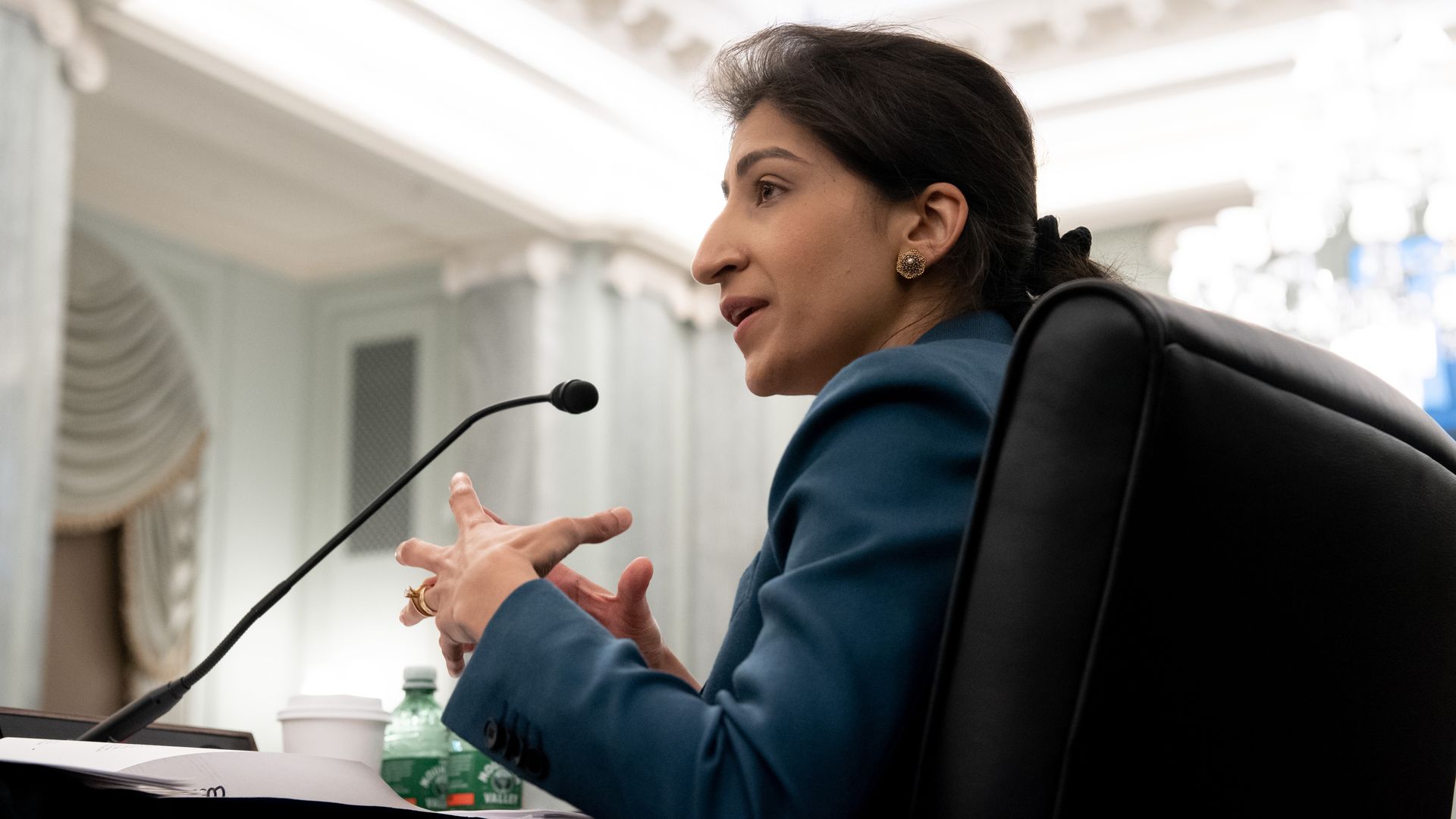
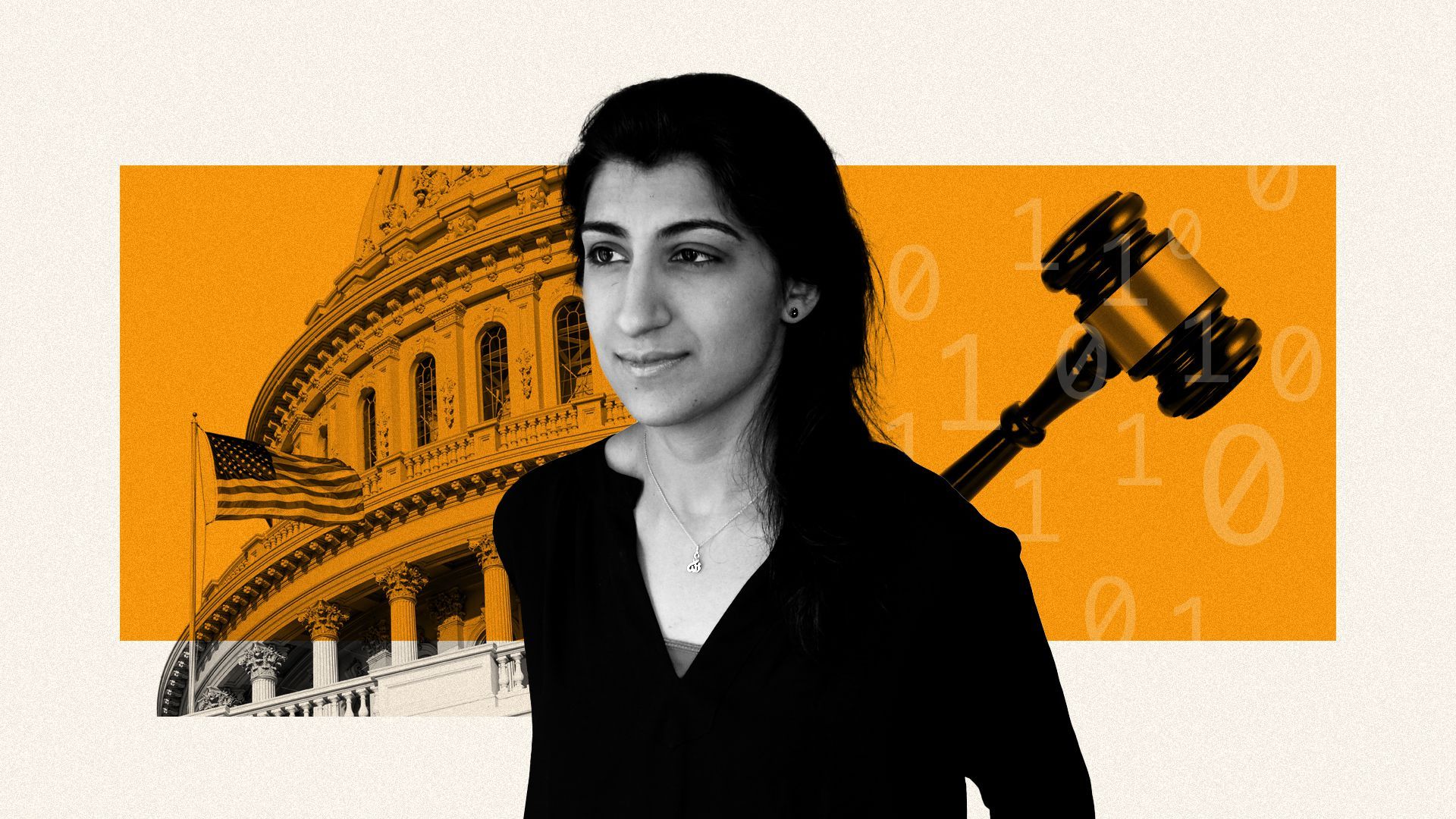
The White House has named Lina Khan as chair of the Federal Trade Commission, marking a major shift toward more aggressive enforcement aimed at the digital economy.
Driving the news: The Senate confirmed Khan to the FTC 69-28 on Tuesday. Sen. Amy Klobuchar (D-Minn.) said during a Judiciary Committee hearing that Khan was to be named chair of the agency. A source familiar with the matter confirmed the White House's choice to Axios.
Khan does not need to go through additional Senate confirmation to take on the role of chair.
The FTC is currently being chaired by Democrat Rebecca Kelly Slaughter, a former aide for Senate Majority Leader Chuck Schumer (D-NY).
Why it matters: Khan, an antitrust expert well-known for her ideas for applying competition law to the tech industry, is sure to spook tech platforms.
Khan, 32 years old, is a hero to critics of tech who want to see the government act more aggressively against what they see as anti-competitive behavior from companies like Amazon, Google, Apple and Facebook.
Catch up quick: Khan was nominated to be a commissioner on the FTC by the Biden administration in March. She's an associate professor of law at Columbia Law School, where she teaches antitrust.
Formerly an adviser to the House Judiciary Committee's antitrust investigation of tech firms, Khan also worked for Democratic FTC Commissioner Rohit Chopra.
Khan rose to prominence in 2017 when she wrote an article for Yale Law Journal titled, "Amazon's Antitrust Paradox," arguing that Amazon's retail business should be separated from its selling platform.
During the pandemic, Amazon's tech-infused network of warehouses and planes and trucks worked pretty much flawlessly. But its system of managing workers broke down, a nine-month New York Times investigation found.
Why it matters: The convenience of Amazon comes with a cost — the company churns through human workers as rapidly as it churns through customer orders.
"Five Nights at Freddy's" creator Scott Cawthon is defending his donations to top Republicans such as former President Trump and Senate Minority Leader Mitch McConnell after backlash from fans.
Why it matters: "Five Nights at Freddy's" is a huge horror hit that's grown beyond a series of games to include novels and a planned movie adaptation.
Nintendo is releasing “Metroid Dread," the series' first new 2D game in 19 years, the company announced today during its E3 presentation.
Why it matters: Nintendo’s catalogue is so expansive — thanks to its long history — that even some of its most popular go missing for years and then return to great fanfare. The game will be released on October 8th.
The Senate voted 69-28 on Tuesday to confirm antitrust expert Lina Khan as a commissioner on the Federal Trade Commission.
Why it matters: Known for her work on how to apply antitrust laws to the tech industry, Khan's confirmation marks a changing tide in federal government efforts to rein in Big Tech companies, Axios' Ashley Gold and Margaret Harding McGill report.
Meet Chicago-based Frank, a startup with $2 million in VC funding that’s been in beta for the past year, and provides a communication space for employees (no managers allowed) to chat.
Why it matters: It's capitalism building tools to push back on ... capitalism.
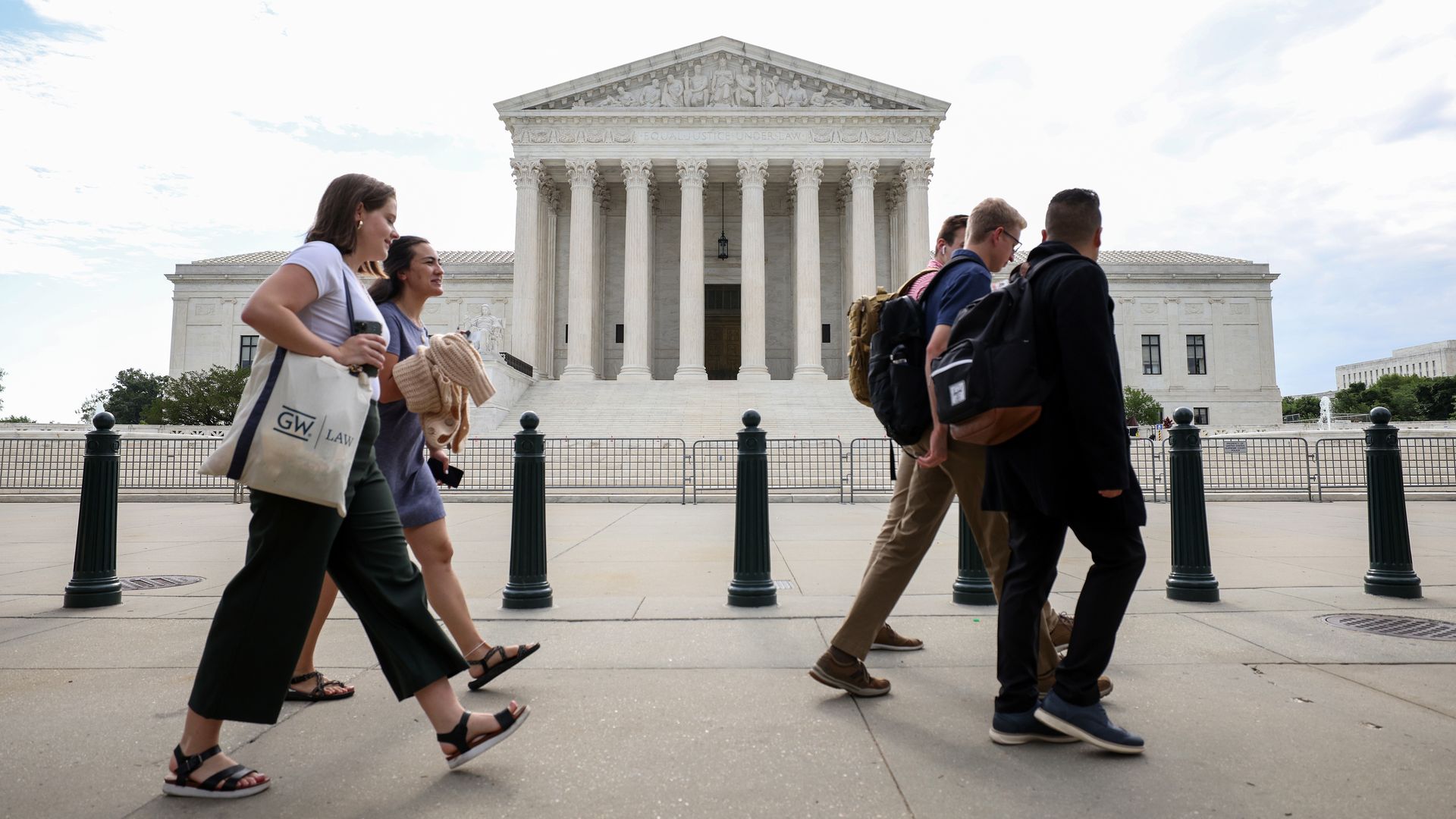
The U.S. Supreme Court threw out a lower court ruling on Monday that would have given companies and individuals broad scope in scraping information from online services.
Why it matters: In remanding the case between LinkedIn and hiQ back for further proceedings, the Supreme Court will give Microsoft, which owns LinkedIn, another chance to make the case that bulk collection of even publicly available data threatens individual privacy.
Dish Network is quietly starting to take customer signups for its homegrown 5G service. The company launched a new website today that allows people to get notified when service is available in their area.
Why it matters: Dish bought Sprint's Boost Mobile business as part of a deal that allowed T-Mobile's acquisition of Sprint to pass legal muster. Dish has been reselling T-Mobile service to customers while it begins the years-long effort to build out its own nationwide 5G network.
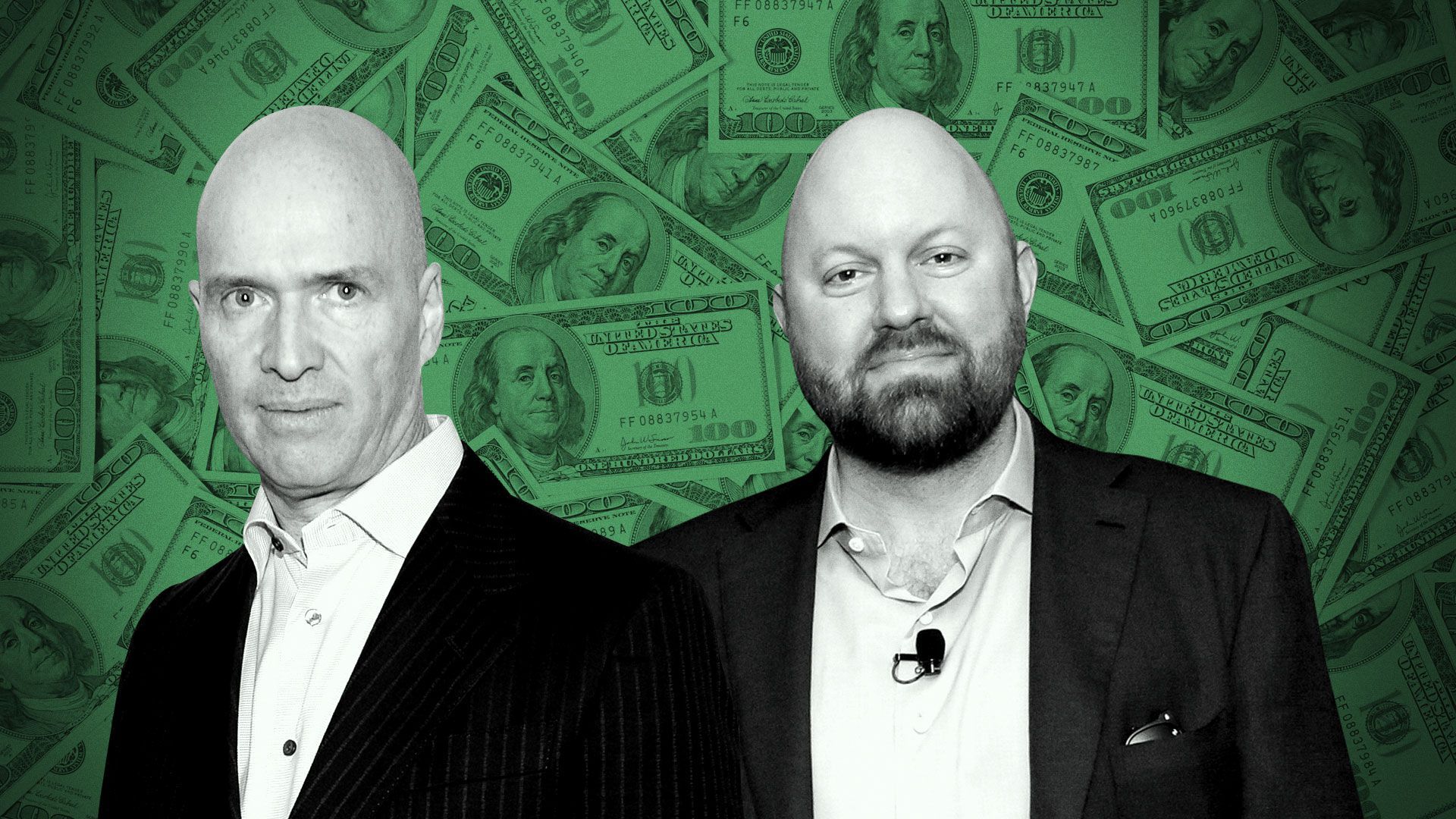
Venture capital firm Andreessen Horowitz on Tuesday launched a content site called Future, after months of anticipation.
Behind the scenes: The site is expected to provide what a firm spokesperson calls an "optimistic" view of technology, in contrast to what it believes is excessively negative coverage in the traditional tech media.
"Call of Duty" giant Activision Blizzard has said it will give stockholders an extra week to continue voting on 2020 c-suite payouts that include $155 million for CEO Bobby Kotick.
Why it matters: The shareholder approval vote is non-binding, so Activision Blizzard’s board can do whatever it wants, but a "no" vote would still pressure the company to change things in the future.
The HR startup Humu is using "nudges" from behavioral science to help companies to better manage the more permanent transition to remote or hybrid work.
Why it matters: Adopting remote or hybrid work after the emergency of the pandemic will require unlearning the psychological habits of the office and harnessing tools that guide us to making the human connections that used to be automatic.
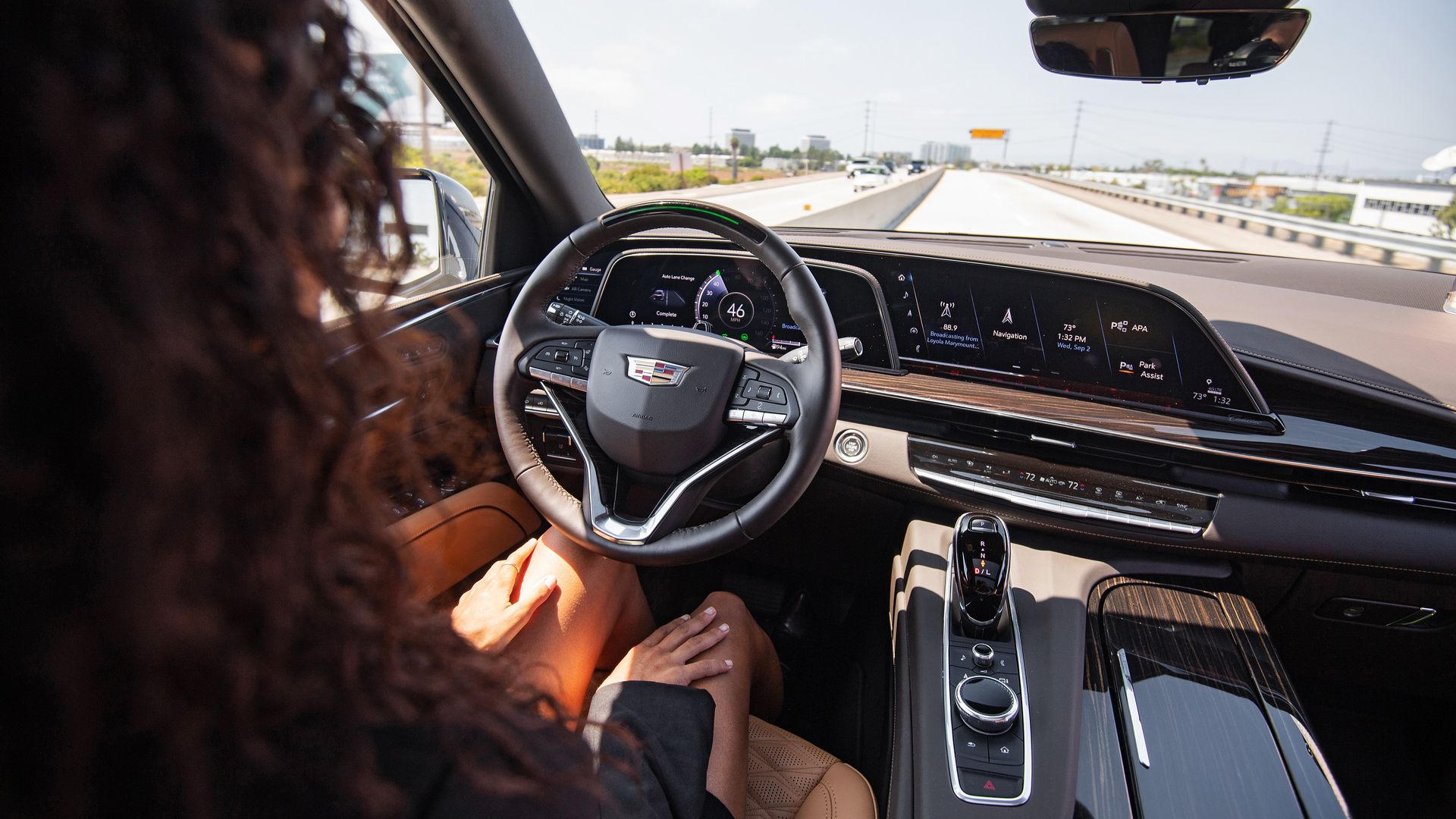
Assisted-driving features are supposed to make cars safer and relieve some of the monotony of driving, but if your robot sidekick's driving style doesn't match your own, it could lead to unexpected dangers.
The big picture: Reliable, fully driverless cars are still a long way off. Until then, motorists will share driving duties with partially automated, assisted-driving systems, and they need to know what to expect from them.
The sweeping antitrust bills House lawmakers introduced Friday don't just propose broad new principles of digital-age competition — they put giant bullseyes on the backs of Google, Facebook, Amazon and Apple.
Why it matters: Laws crafted now to tie the hands of today's dominant companies will still be on the books for years and decades to come, and critics are already flagging possible unintended consequences.





/2021/06/15/1623785398987.gif?w=3840)