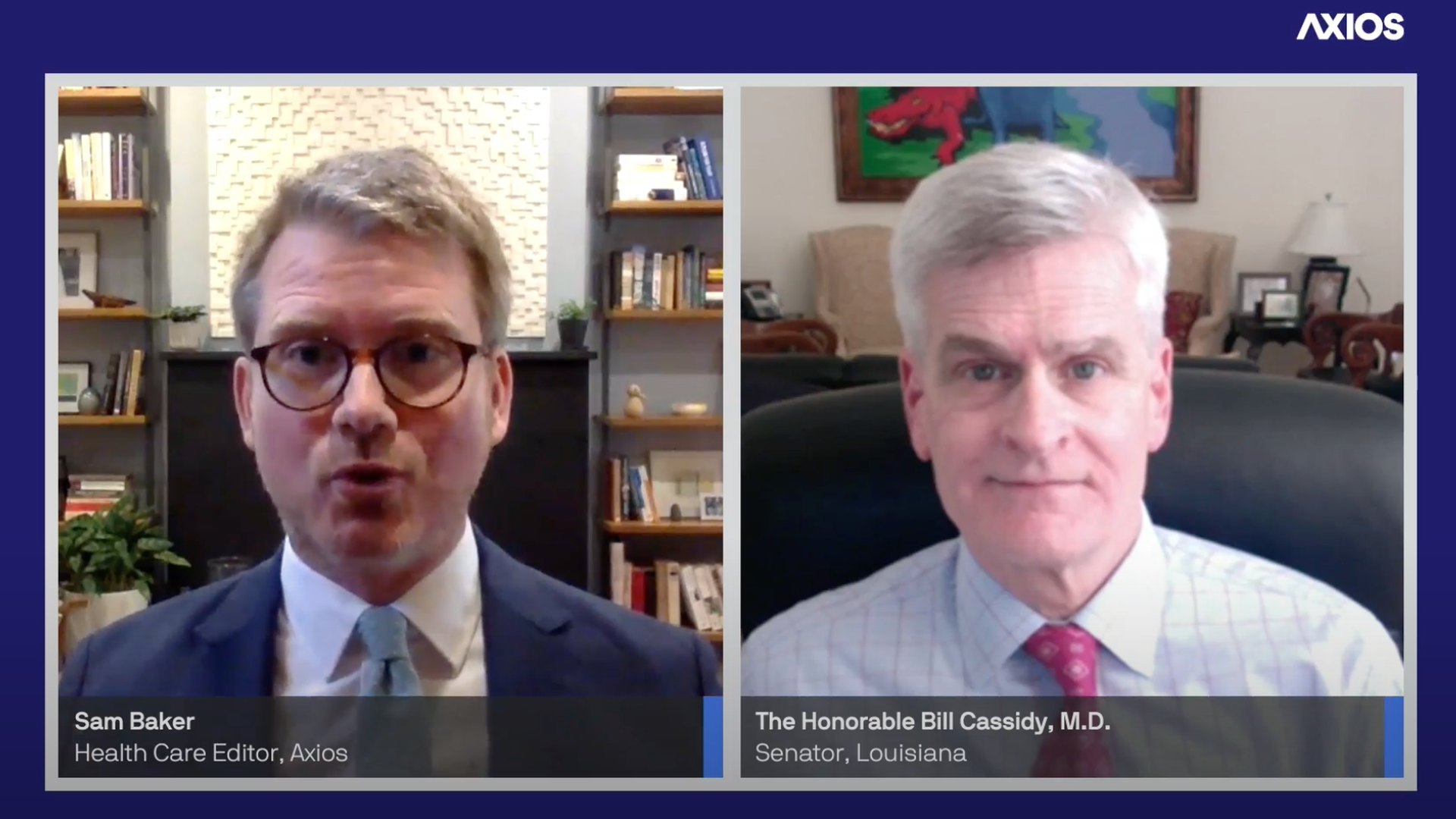
Congress is considering legislation that would make data gathered from people's smart gadgets, such as watches, be treated as private health information, yet still be used for medical research, Sen. Bill Cassidy (R-LA) told Axios on Friday in a virtual event.
Why it matters: Data from smart devices can be instrumental in achieving medical advances but also pose privacy concerns. Cassidy noted that health insurers could use unregulated information from such gadgets to deny coverage to a person whose data indicates they may have a medical condition.
T-Mobile on Thursday pledged that 200 million people in the U.S. will have access to a fast version of 5G wireless service by the end of the year, a far larger number than can be expected from AT&T or Verizon.
Why it matters: Long the upstart challenger, T-Mobile has a strong network story when it comes to 5G, thanks to its possession of a key swath of mid-band spectrum —which offers a good balance of faster speed and decent coverage compared to other chunks of airwaves.
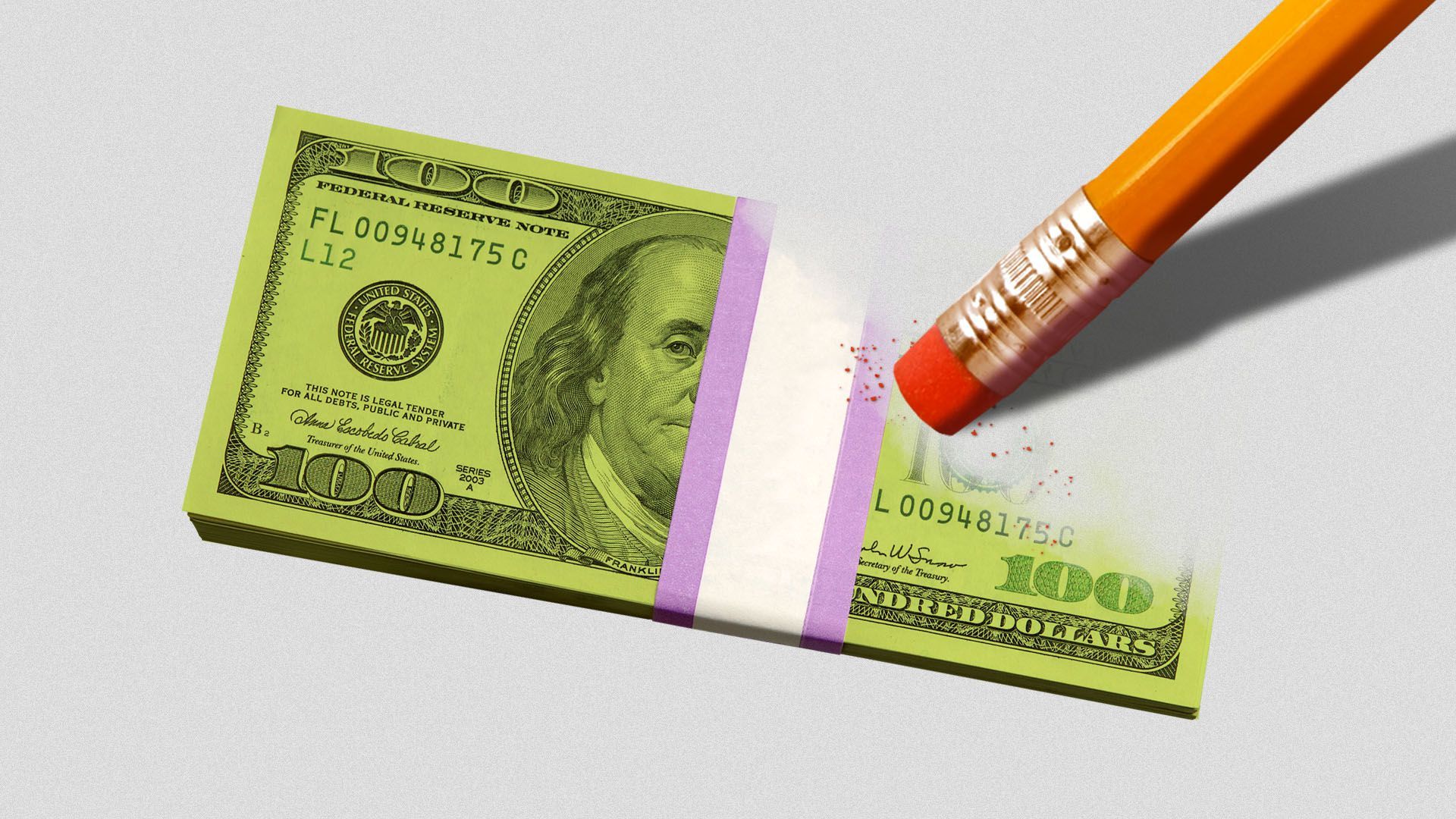
The implications of Citigroup’s colossal payment mishap are still reverberating through the leveraged finance market.
Context: Last year Citi accidentally sent $900 million of its own money to Revlon’s creditors — and last month lost the first round of a legal battle to claw those funds back.
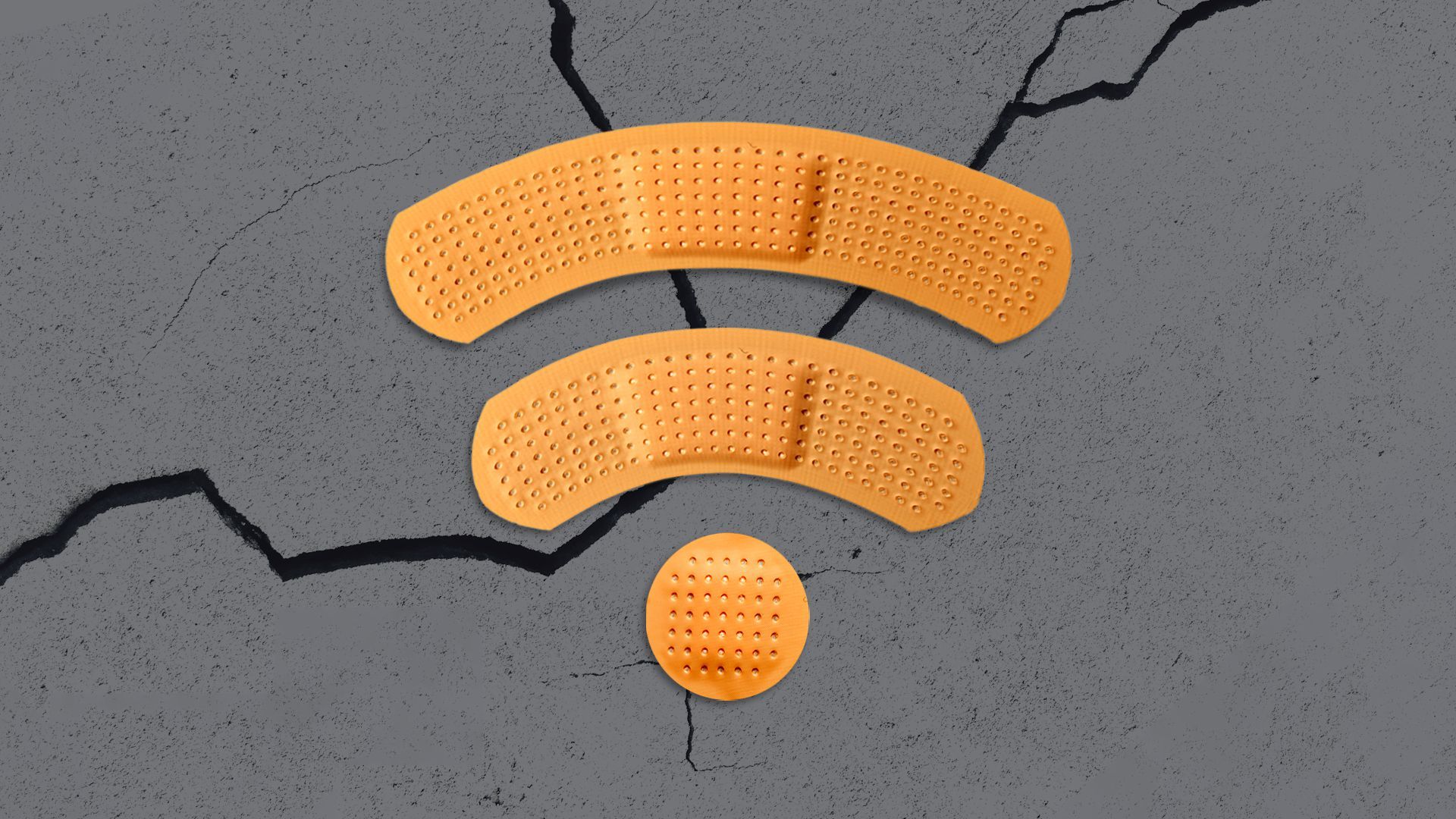
Stimulus money dedicated to paying for internet access — including $7 billion in this week's new law — is likely to prove a short-term Band-Aid on a long-term problem.
Why it matters: The pandemic put a spotlight on the need for internet access to participate in work and school — access that millions of Americans still lack. That need will remain even after the pandemic, and the cash tied to it, recedes.
Tim Berners-Lee, the computer scientist who first sketched out the design of the World Wide Web in the 1980s, is celebrating his offspring's 32nd birthday with a call to bring online the one-third of global youth who lack internet access.
Why it matters: Berners-Lee told Axios he expects that somewhere among those young people there's likely to be someone who will create something as world-changing as he did.
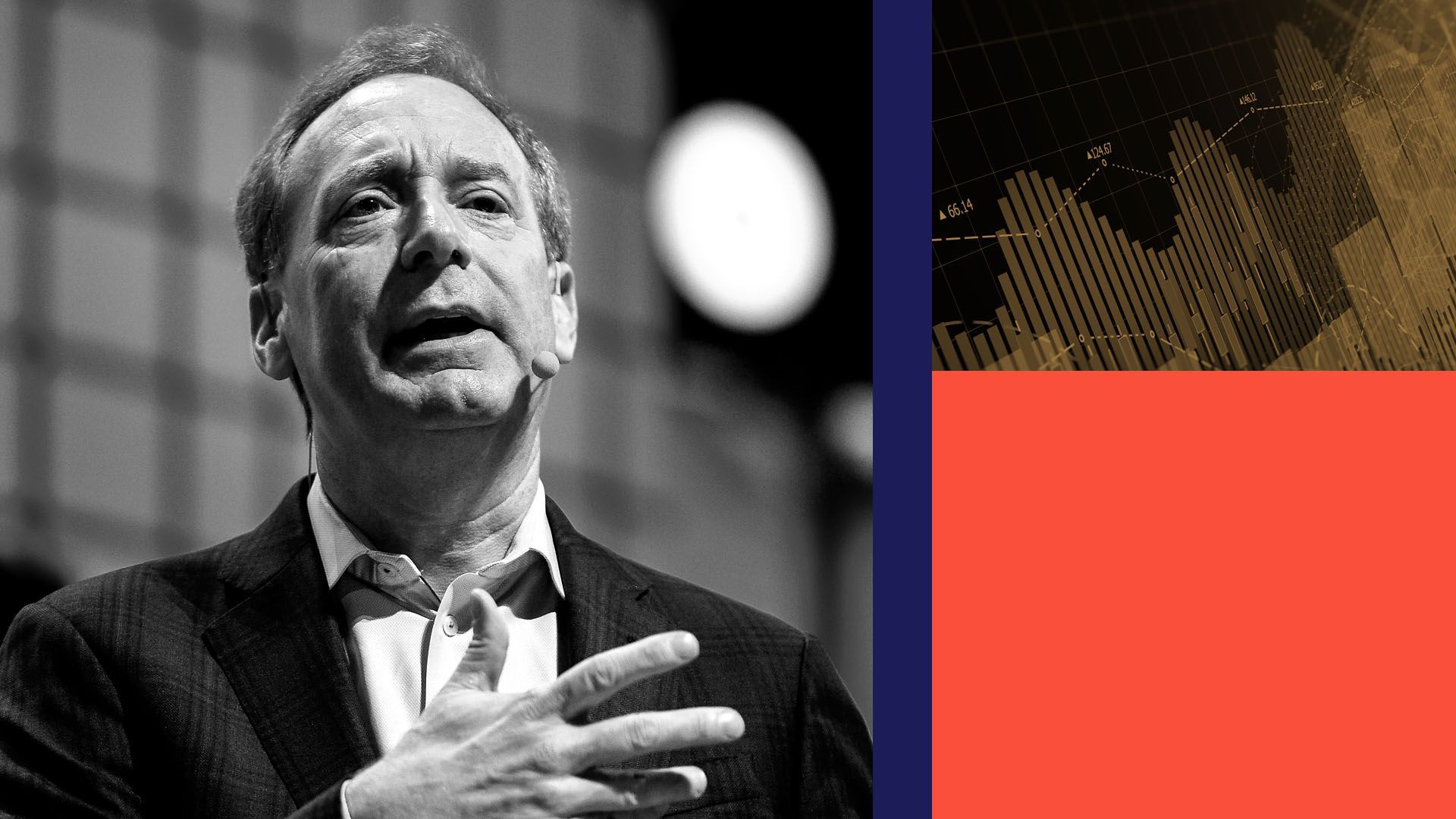
Microsoft president Brad Smith will sharply criticize Google for what he describes as a chokehold over the news business Friday, according to a copy of his opening remarks for a House Judiciary antitrust subcommittee hearing obtained by Axios.
What's happening: Smith's testimony throws Microsoft's support behind Congressional efforts to limit the power and reach of big tech companies, including a bill that would let news organizations collectively negotiate with online content distributors.
If you feel that you're being bombarded with fire takes about Clubhouse, NFTs, and SPACs, then that might be a sign you're Extremely Online.
By the numbers: A SurveyMonkey poll for Axios shows that only 4% of 4,284 respondents said that they're heard or read "a lot" about Clubhouse. The equivalent figure for TikTok was 40%.
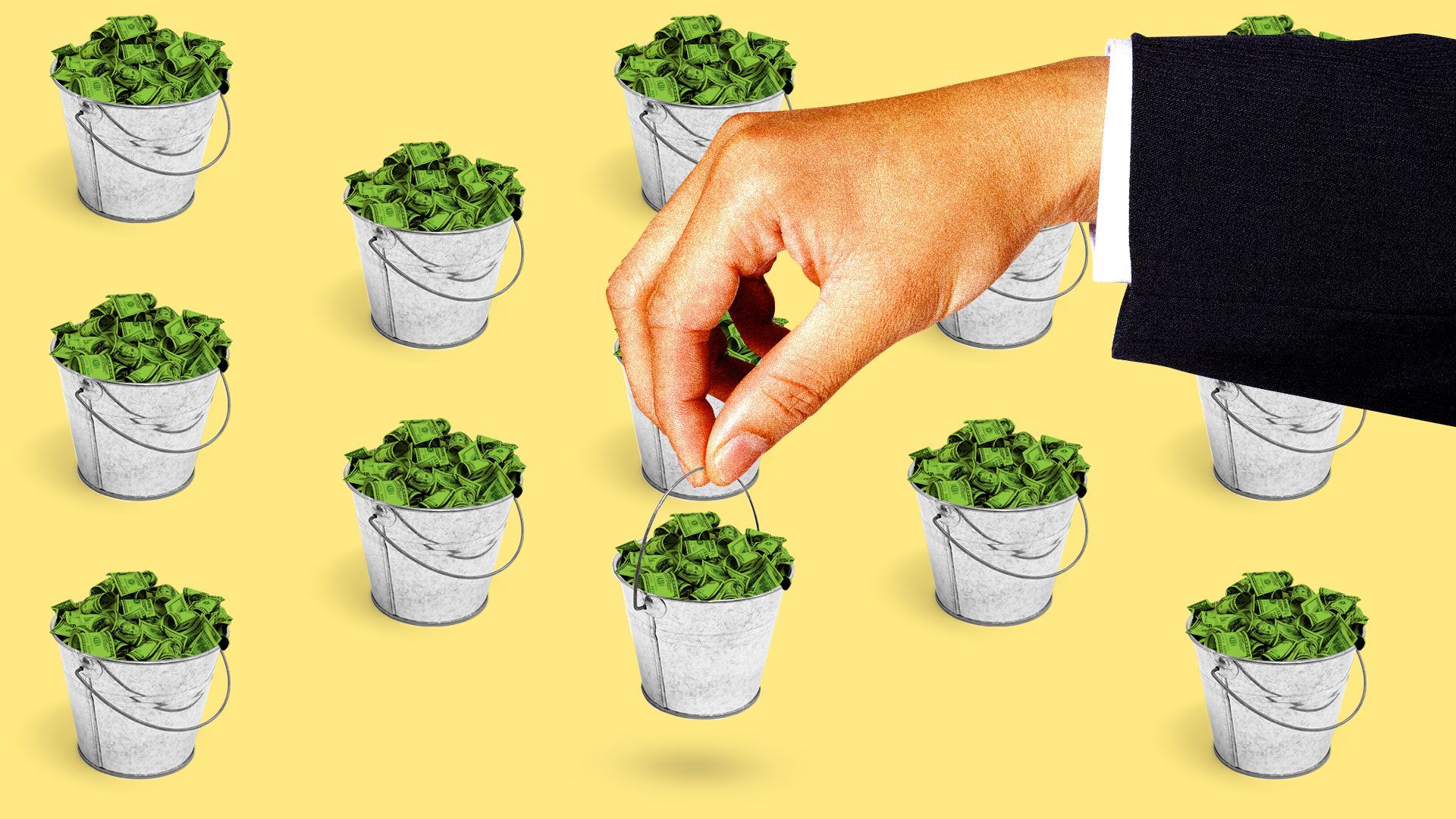
TinySeed, which runs an accelerator program for very early-stage business software startups that are largely bootstrapped, has raised $25 million for its second fund, the company tells Axios exclusively.
Why it matters: The news comes at the heels of the recent shuttering of Indie.vc, an experiment from O'Reilly AlphaTech Ventures in backing revenue-generating startups not seeing heaps of venture funding.
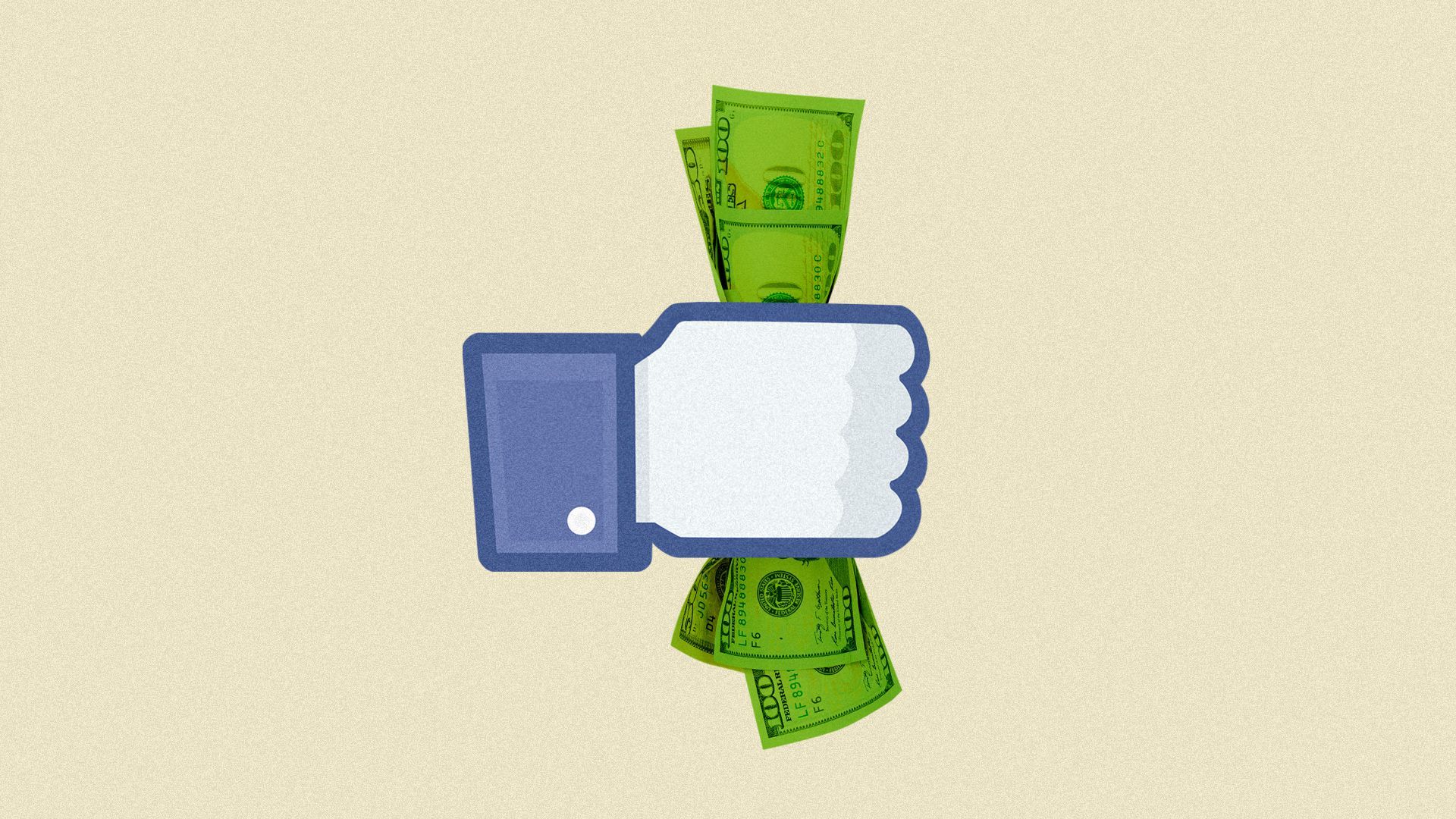
Facebook said Thursday it‘s significantly expanding the number of options for creators to get paid directly by fans.
Why it matters: These investments will "help strengthen the relationship between creators and their fans," said Yoav Arnstein, director for Facebook app monetization. The company hopes that this will ultimately increase engagement across Facebook and its family of apps, like Instagram, Messenger and WhatsApp.
YouTube has taken down more than 30,000 videos that made misleading or false claims about COVID-19 vaccines over the last six months, YouTube spokesperson Elena Hernandez said, offering the company's first release of numbers for such content.
Why it matters: Multiplepolls show that roughly 30% of Americans remain hesitant or suspicious of the vaccines, and many of those doubts have been stoked by online falsehoods and conspiracy theories.
Sen. Amy Klobuchar is seizing the reins of a powerful Senate panel and gearing up to be a formidable figure in pressing Congress' case against Big Tech.
Driving the news: Klobuchar makes her debut Thursday as the chairwoman of the Senate Judiciary Committee's antitrust subcommittee, which oversees the agencies charged with policing monopoly power.
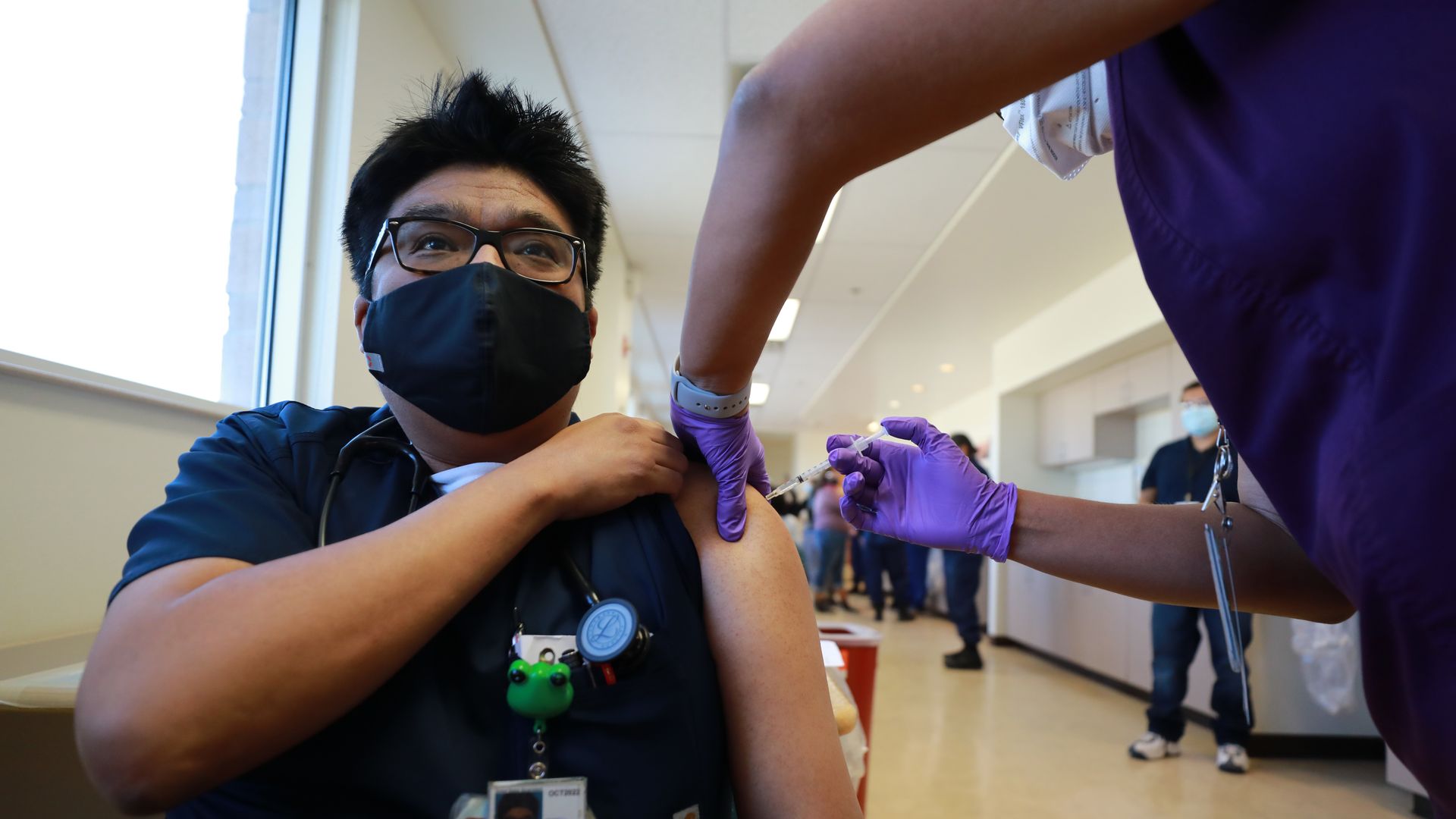
Native American tribes are pulling off many of the most successful coronavirus vaccination campaigns in the U.S., bucking stereotypes about tribal governments.
The big picture: Despite severe technological barriers, some tribes are vaccinating their members so efficiently, and at such high rates, that they've been able to branch out and offer coronavirus vaccines to people outside of their tribes.
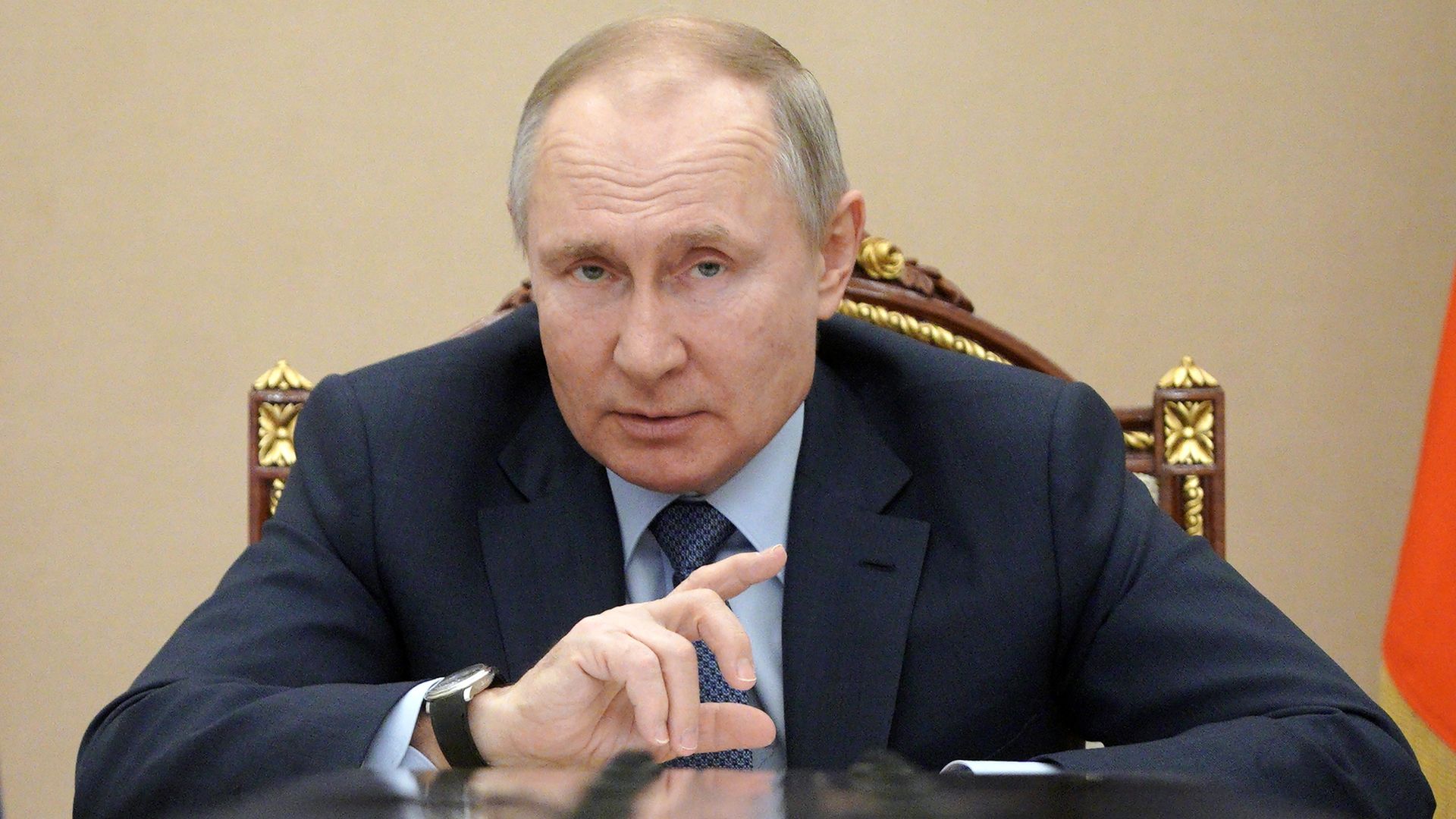
Russia's government said Wednesday it will slow access to Twitter, claiming the social media giant has failed to remove illegal content from its platform.
Why it matters: Twitter and other U.S. internet companies have long been spaces for freedom of expression in Russia, though the government in recent years has limited its internet connection to the rest of the world to wrest more control over the country's domestic internet.