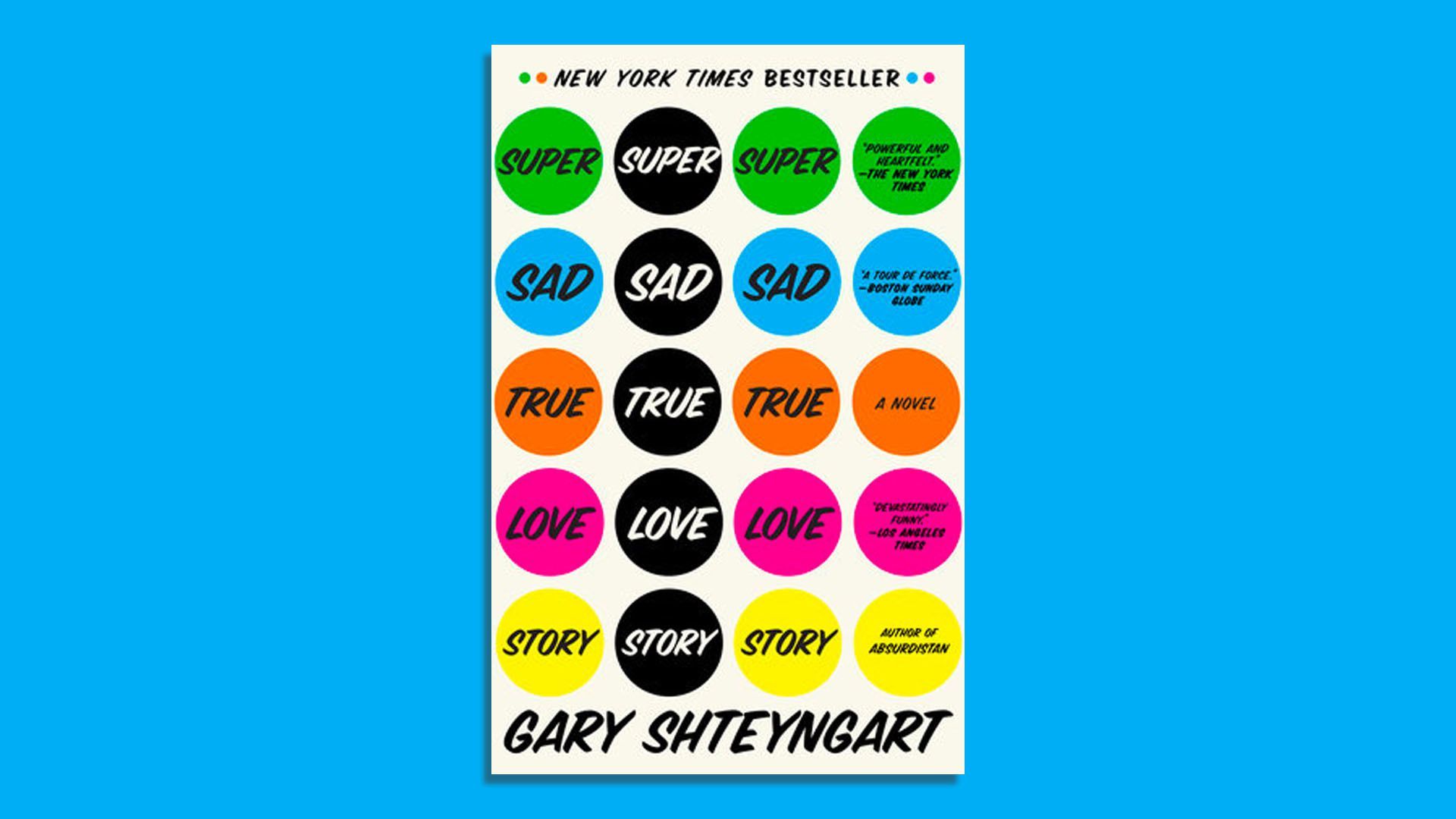
More than a decade after its publication, Gary Shteyngart's comedic near-future novel keeps coming true.
Why you should read it: "Super Sad Love Story" is hysterical, like all of Shteyngart's work, but what makes it still relevant is his uncanny ability to predict a world where income is all that matters, entertainment is only digital, and people willingly monetize their innermost selves for legions of fickle followers.
AI companies are generating synthetic data to train machine learning systems.
Why it matters: Using computer-generated data to train AI systems can help address privacy concerns and cut down on bias while meeting the needs of models that operate in highly specific environments.
Software bots are getting smarter and more capable, enabling them to automate much of the work carried out in offices.
Why it matters: Bots can make digital work more efficient by taking on onerous and repetitive white-collar tasks, but the better they get, the more competition they pose to skilled workers who might have thought themselves exempt from the job-disrupting effects of automation.
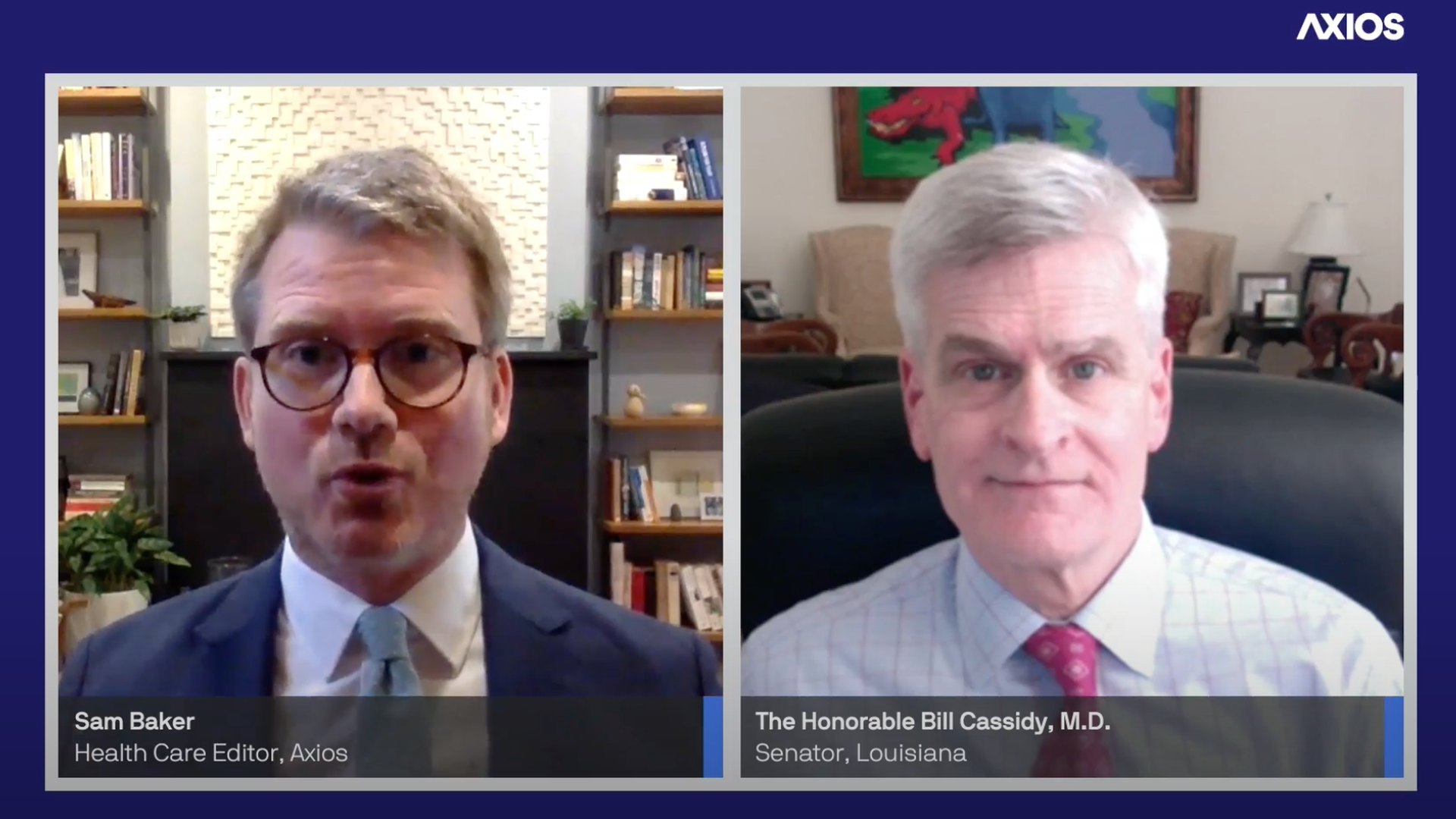
Congress is considering legislation that would make data gathered from people's smart gadgets, such as watches, be treated as private health information, yet still be used for medical research, Sen. Bill Cassidy (R-LA) told Axios on Friday in a virtual event.
Why it matters: Data from smart devices can be instrumental in achieving medical advances but also pose privacy concerns. Cassidy noted that health insurers could use unregulated information from such gadgets to deny coverage to a person whose data indicates they may have a medical condition.
T-Mobile on Thursday pledged that 200 million people in the U.S. will have access to a fast version of 5G wireless service by the end of the year, a far larger number than can be expected from AT&T or Verizon.
Why it matters: Long the upstart challenger, T-Mobile has a strong network story when it comes to 5G, thanks to its possession of a key swath of mid-band spectrum —which offers a good balance of faster speed and decent coverage compared to other chunks of airwaves.
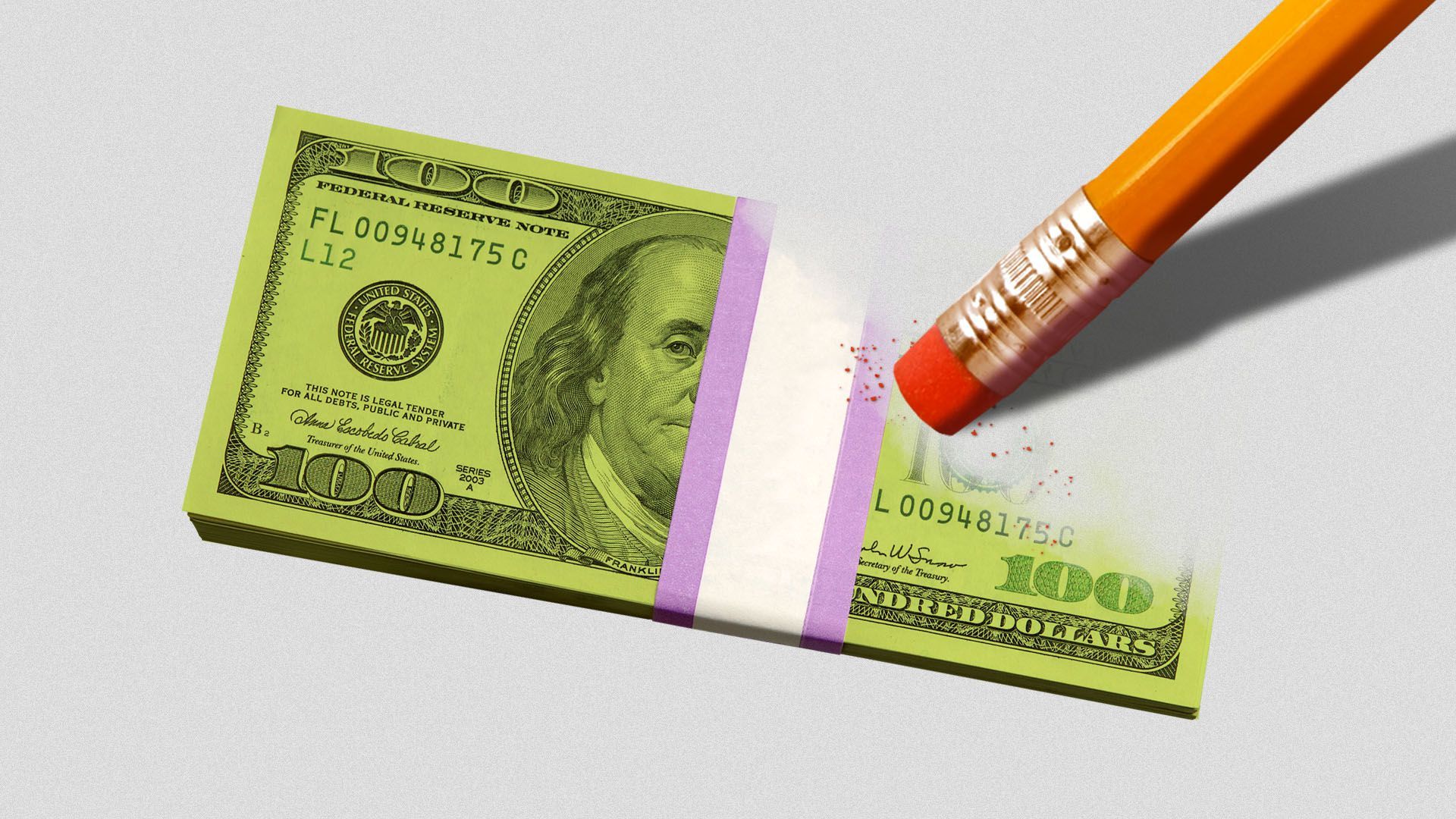
The implications of Citigroup’s colossal payment mishap are still reverberating through the leveraged finance market.
Context: Last year Citi accidentally sent $900 million of its own money to Revlon’s creditors — and last month lost the first round of a legal battle to claw those funds back.
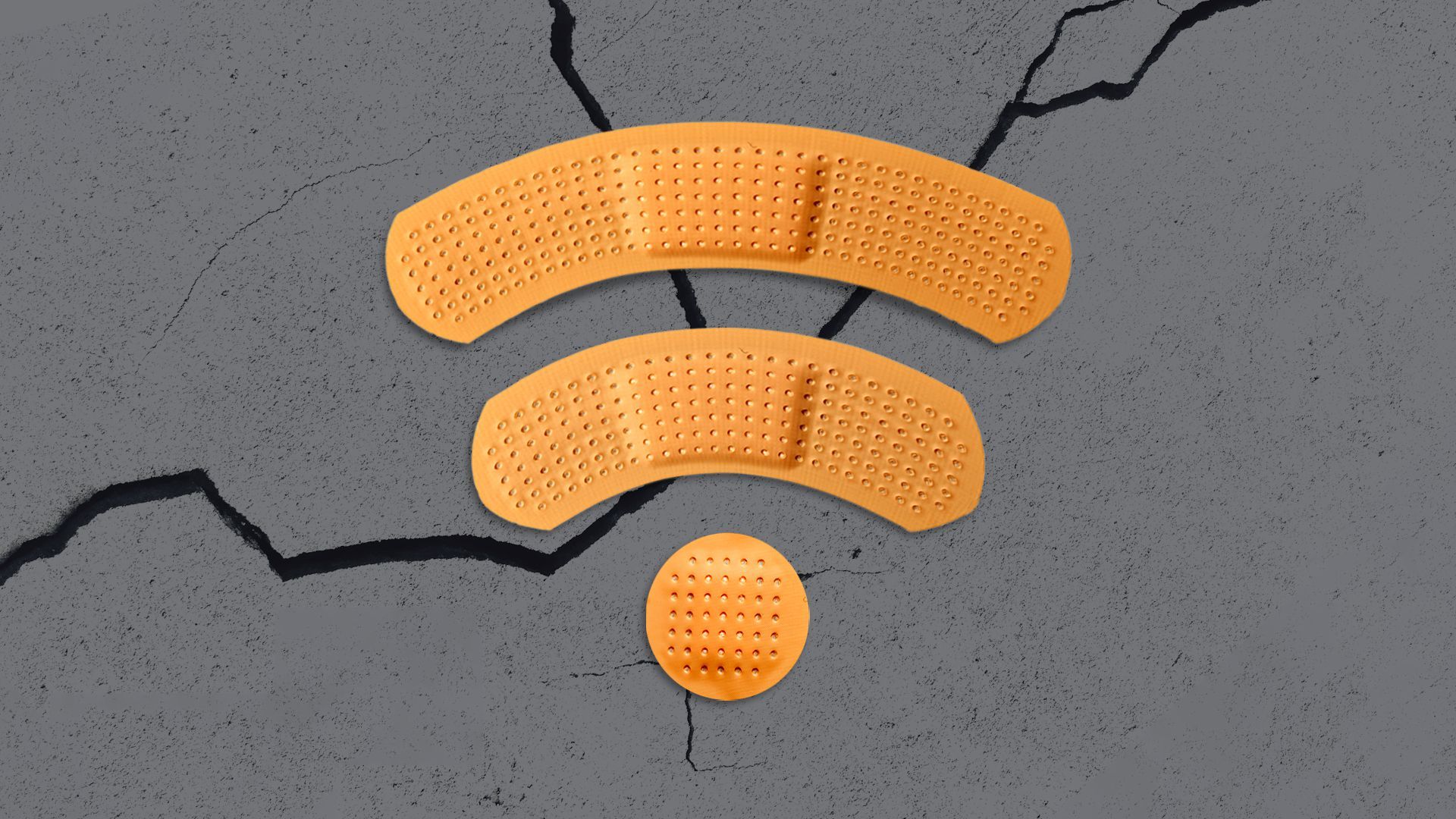
Stimulus money dedicated to paying for internet access — including $7 billion in this week's new law — is likely to prove a short-term Band-Aid on a long-term problem.
Why it matters: The pandemic put a spotlight on the need for internet access to participate in work and school — access that millions of Americans still lack. That need will remain even after the pandemic, and the cash tied to it, recedes.
Tim Berners-Lee, the computer scientist who first sketched out the design of the World Wide Web in the 1980s, is celebrating his offspring's 32nd birthday with a call to bring online the one-third of global youth who lack internet access.
Why it matters: Berners-Lee told Axios he expects that somewhere among those young people there's likely to be someone who will create something as world-changing as he did.