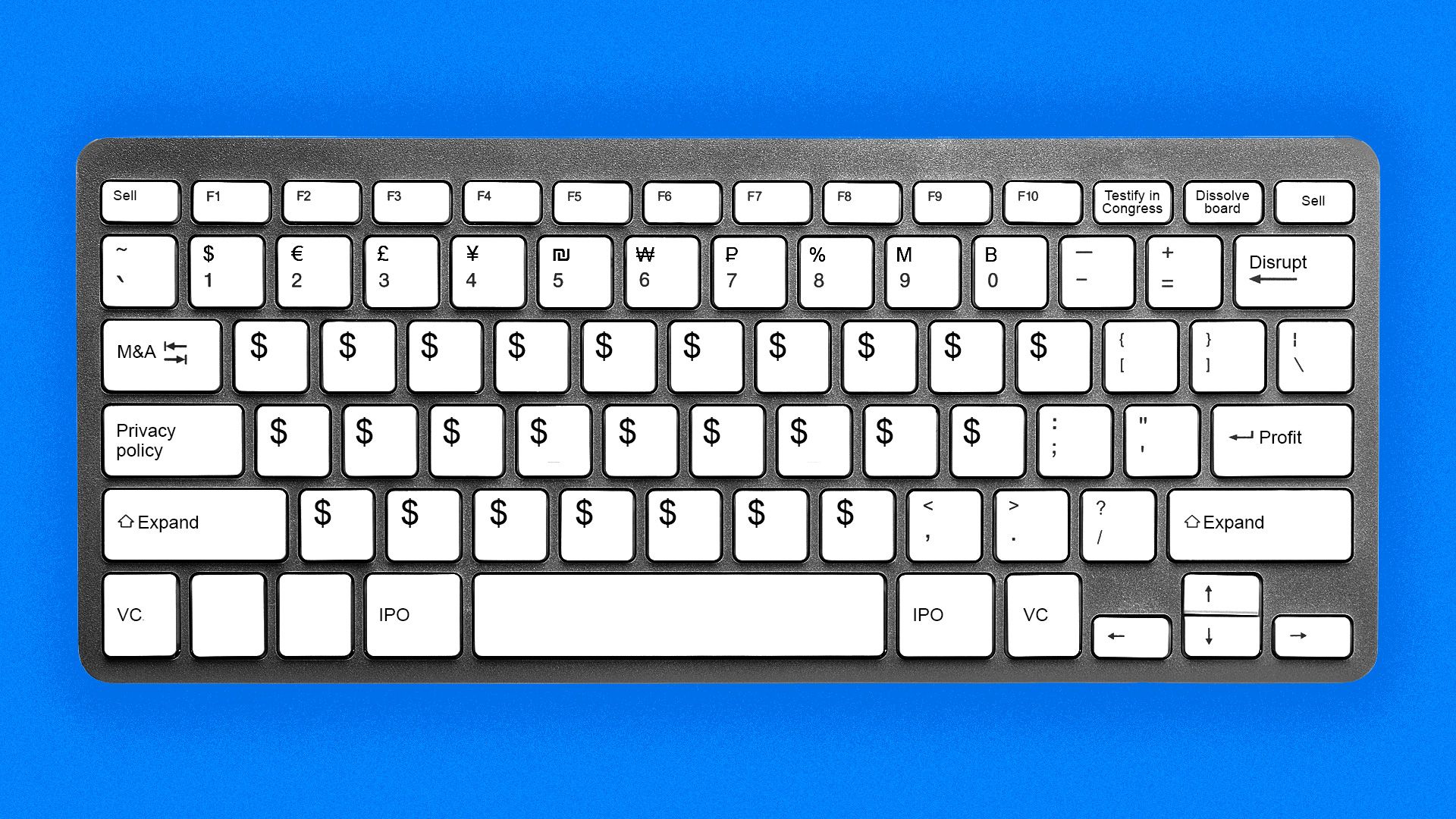
Uber is seeking an eye-popping valuation of $90 billion-$100 billion in its IPO — even north of $120 billion, if senior executives are to receive a bonus payday.
What's happening: While the buzz around the company is likely to continue, serious questions about its core businesses create risks for Uber's share price once it's publicly traded.
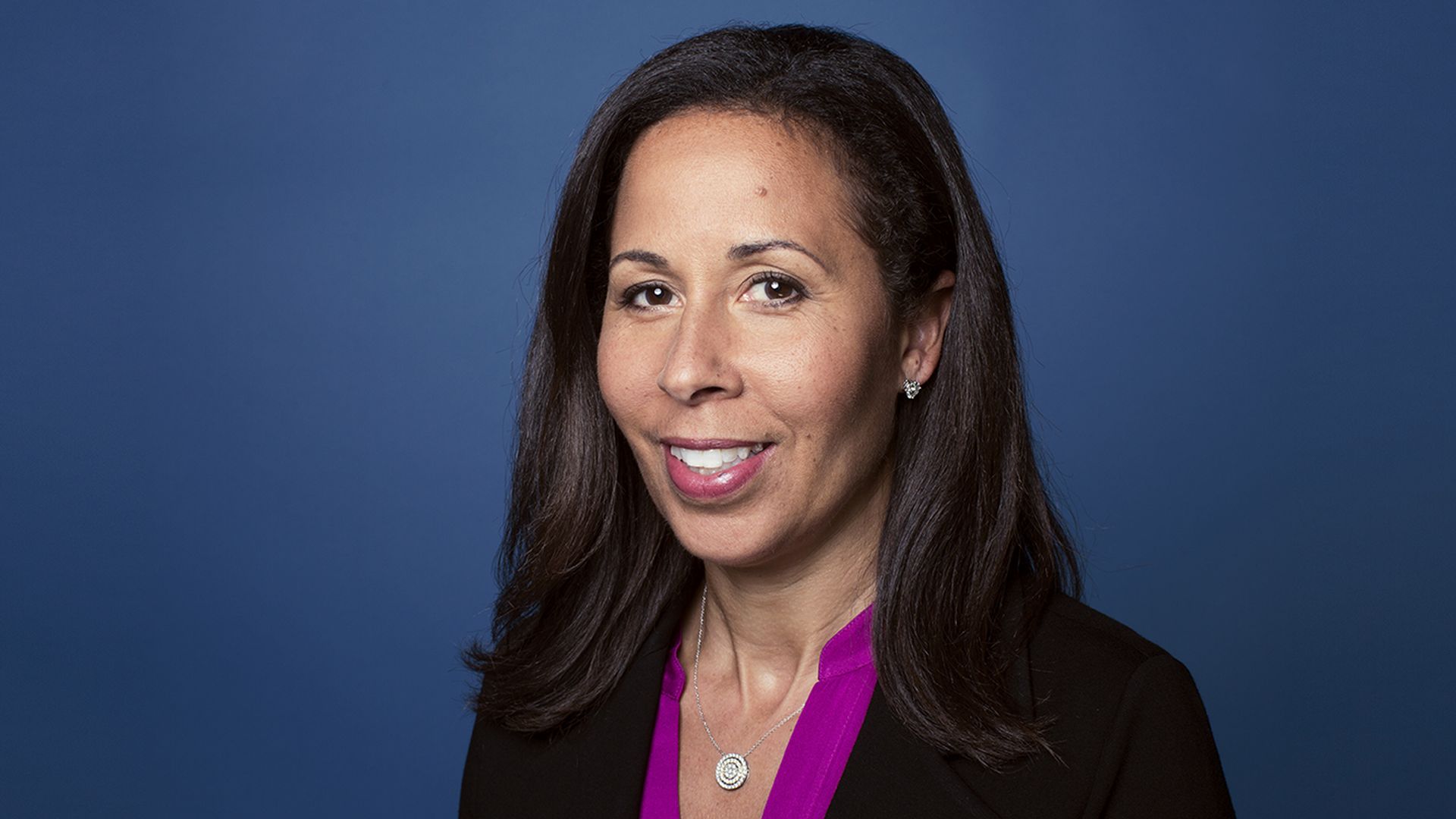
Facebook announced Friday that Peggy Alford, Senior Vice President, Core Markets of PayPal Holdings, Inc., has been nominated for election to the company's board of directors. The company also said that politician and businessman Erskine Bowles and Netflix CEO Reed Hastings, both of whom have been on Facebook's board since 2011, will not be nominated for re-election at the company's annual shareholder meeting in May.
Why it matters: Alford will become the first black woman nominated to Facebook's board in its history. Bowles' departure is significant, given that he was a vocal critic of Facebook's handling of Russian meddling on its platform. Facebook says it doesn't nominate board members over 72-years-old as a part of a long-standing policy. Bowles is 73.
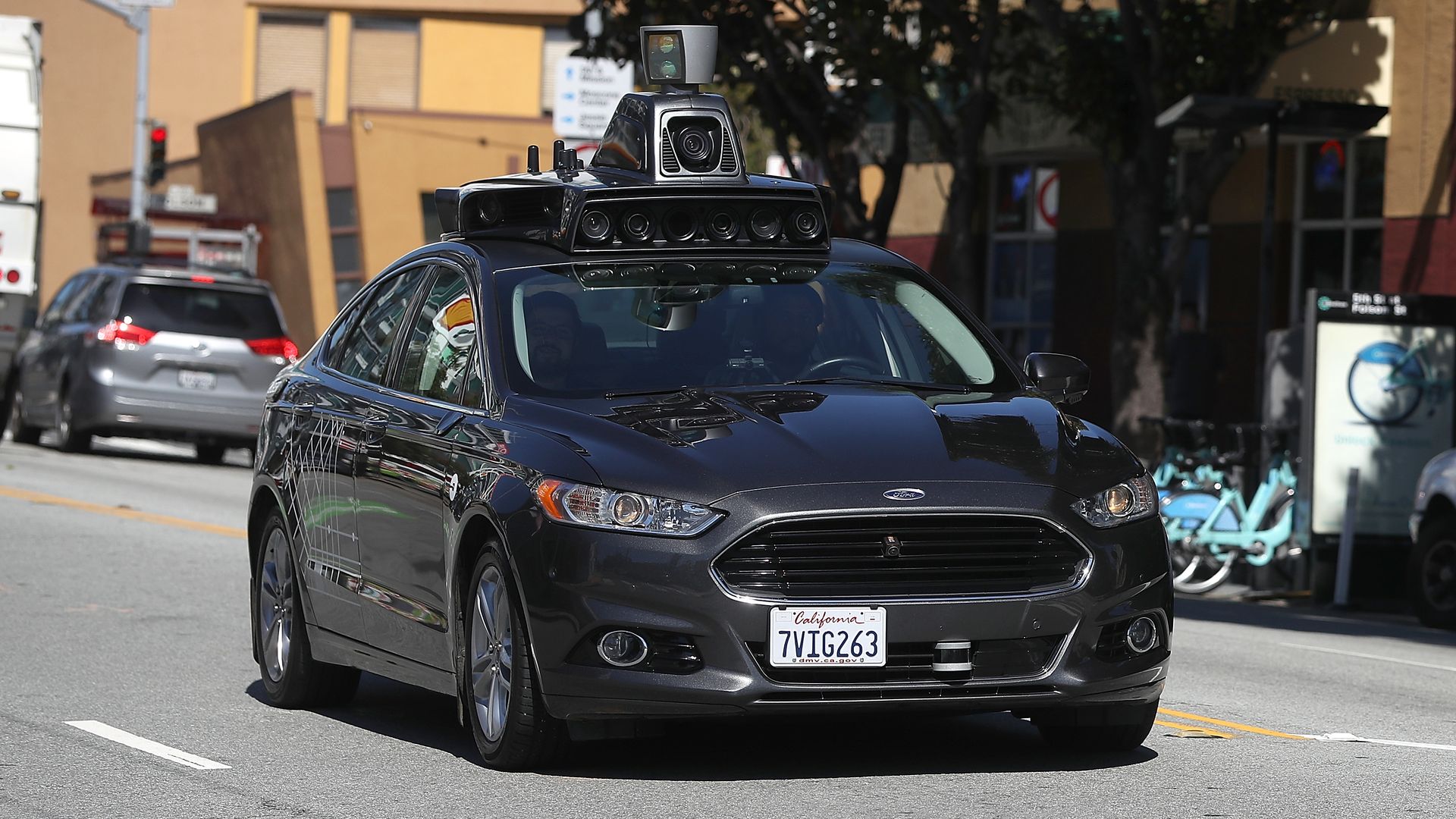
The Army unveiled new automated vehicle technology this week that could be deployed before self-driving cars hit city streets.
Why it matters: More than half of all battlefield casualties occur when soldiers are delivering fuel, food or other supplies in combat zones. AVs could reduce that risk.
Uber's big new IPO prospectus touts the company's green ambitions as it prepares for its multibillion dollar offering — and acknowledges that environmental policy is a risk factor.
Why it matters: Uber is going public amid growing scrutiny of ride-hailing's carbon footprint as research shows it can boost emissions by cannibalizing mass-transit and increasing miles driven.
Apple's expansion into services could test the hardware company in several ways — including the risk of making the company an even bigger antitrust target — because the company already tightly controls its ecosystems, especially the iPhone and iPad.
Why it matters: Companies have long-alleged that Apple and Google exploit their footing as owners of both the world's largest smartphone operating systems (iOS and Android) and some of the world's most popular apps (like Apple Music and Google Maps).
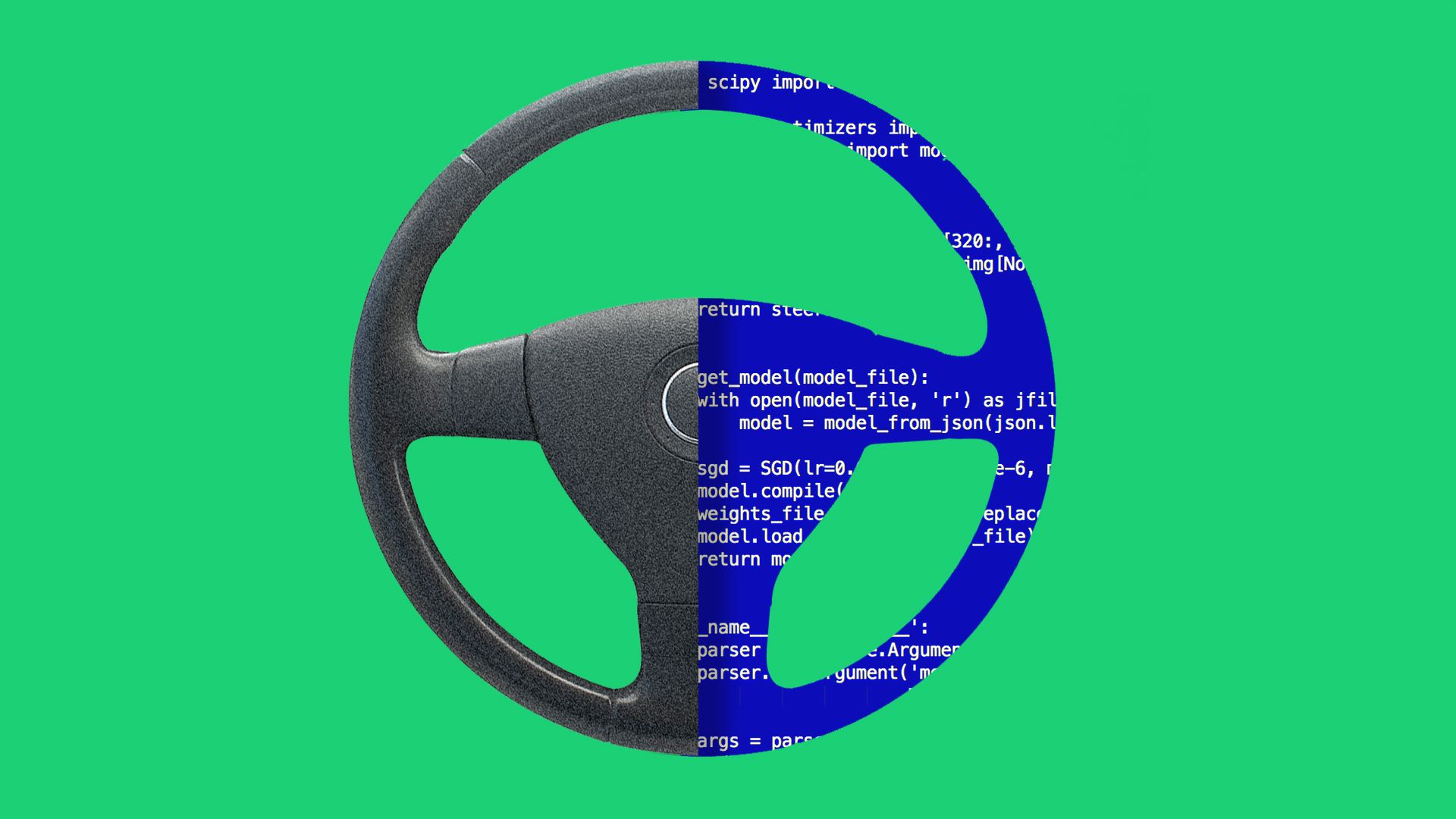
Some AV developers are opening source code for their technology, a strategy they can use to collect data and tech from anyone using their code, and which could help bring products to market faster.
Why it matters: Open source providers are experimenting with how much of their technology to share, while protecting their intellectual property to stay competitive. Their decisions will have lasting implications for how AV technology develops.
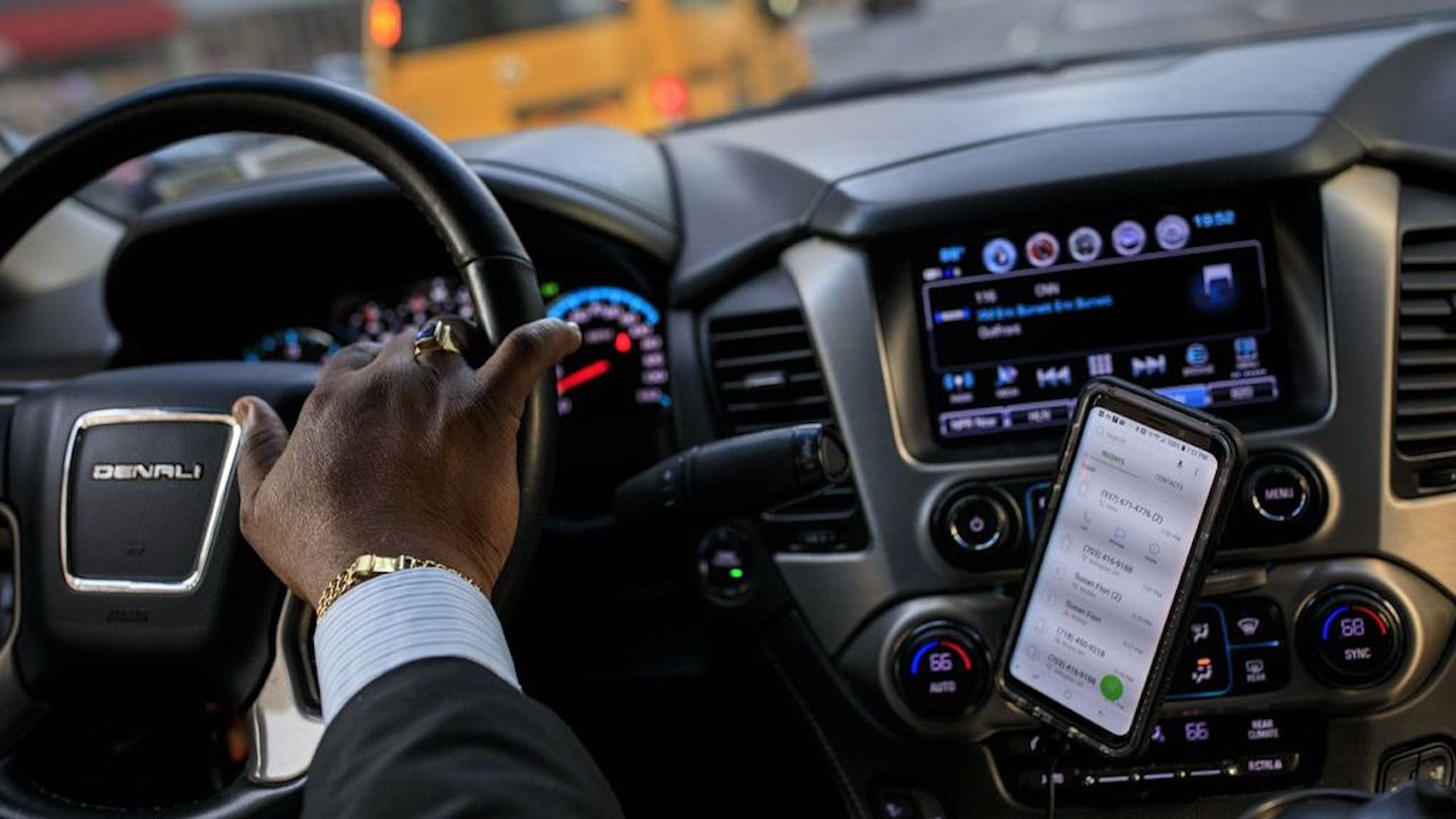
Uber says it will continue to invest heavily in automated driving technology, while admitting it has fallen behind competitors that could steal away customers with lower prices.
Why it matters: Uber co-founder Travis Kalanick once called autonomous vehicles “existential” to its survival but now, in an SEC filing, the ride-hailing company sounds more conservative, predicting a long period of "hybrid autonomy" and a continued reliance on human drivers for the foreseeable future.
The explosion of technology in every facet of life is a big reason that the rich are getting richer, and the big are getting bigger.
Why it matters: The result could be more income inequality, and the creation of vast amounts of wealth, but without corresponding broad prosperity. This, in turn, causes political and social instability.
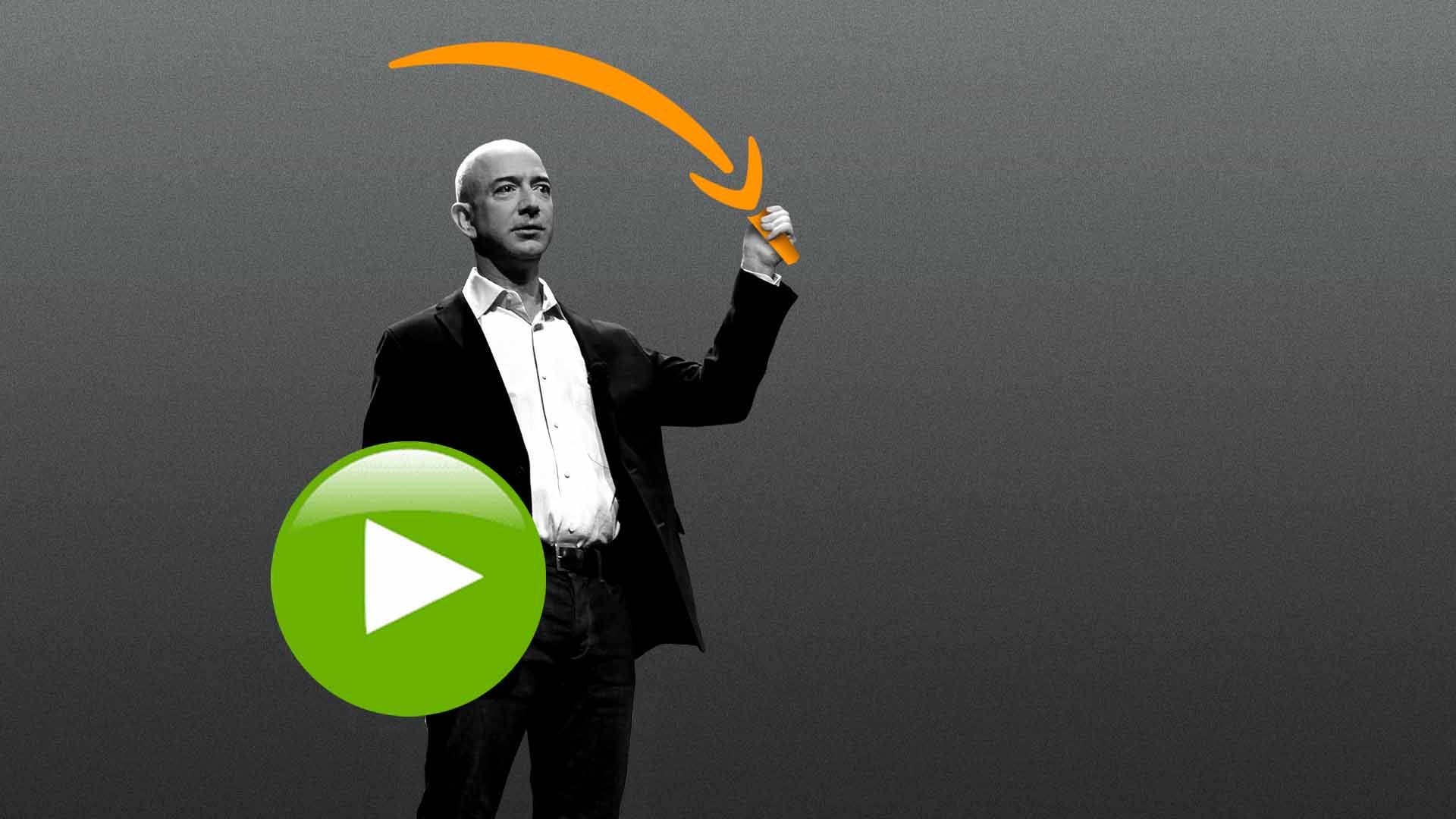
Amazon is mounting a vigorous defense against the charge that it stifles competition, with founder Jeff Bezos pushing back on critics in his annual shareholder letter and the company modifying allegedly anti-competitive practices in recent months.
The big picture: The top antitrust regulator in the European Union has said her probe of Amazon is “advancing,” while lawmakers, including some presidential candidates, hammer the company in the United States.
Uber provided a look into its food delivery business — Uber Eats — as part of its IPO filing on Thursday.
By the numbers: $7.9 billion in gross bookings for 2018, up from $3 billion in 2017. This translates to $1.5 billion in revenue, up from $587 million in 2017, and $757 million in adjusted net revenue in 2018, up from $367 million the prior year.
Uber on Thursday filed for its long-awaited IPO, on the heels of a recent listing for smaller ride-hail rival Lyft.
The bottom line: Uber filed to raise $1 billion, but that is said to be a placeholder for actual plans to raise $10 billion. That latter number would be the eighth-largest U.S. IPO of all time.
Facebook spent 3 hours detailing its efforts to fight misinformation on Wednesday, highlighting points of improvement but leaving unanswered the overarching question of whether users are safer than they were 2 years ago.
The good: Facebook is getting better at both detecting and removing some types of content, with a particular focus on efforts to subvert democratic elections.
Dan and Sen. Ted Cruz (R-Texas) discuss allegations of political bias against social media platforms like Facebook and Twitter, which was the subject yesterday of a Capitol Hill hearing that Cruz chaired.
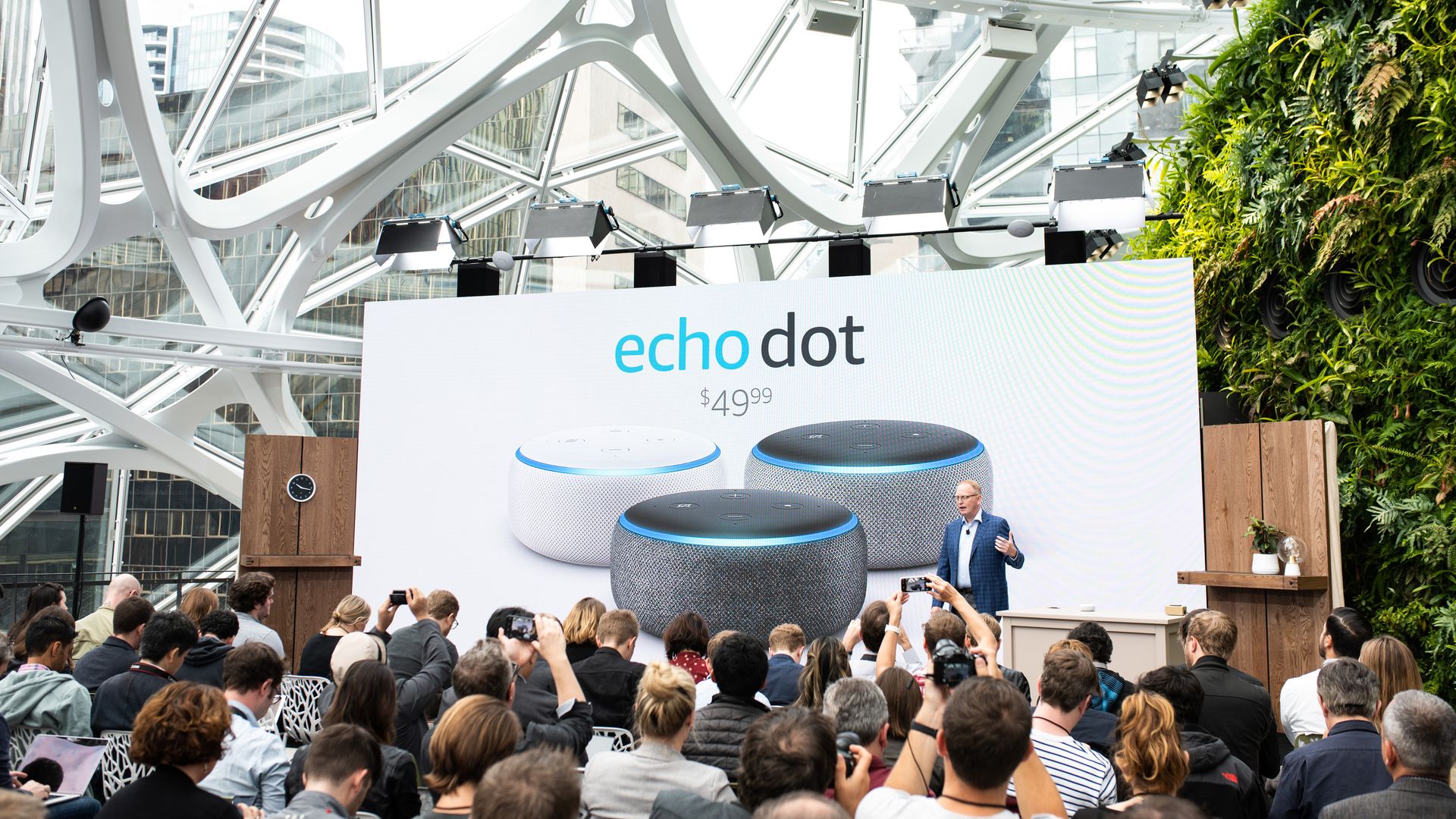
Amazon employees listen to, transcribe and annotate Echo users' interactions with the smart speaker in order to "eliminate gaps in Alexa’s understanding of human speech and help it better respond to commands," Bloomberg reports.
Why it matters: Alexa, Amazon's virtual assistant, may "live in the cloud," according to Amazon's advertisements, but this work highlights the vital role humans still play in training software algorithms for smart devices — and how many users might be unaware of such work.
Amazon CEO Jeff Bezos is slated to meet with federal prosecutors in New York as early as next week to discuss his claim that Saudi Arabia was behind an infamous National Enquirer report that included intimate text messages and exposed his extramarital affair, CNN reports Wednesday.
Details: Citing sources familiar with the matter, CNN reported that prosecutors at the Southern District of New York are looking to obtain access to Bezos's electronic devices to examine the allegations made by Bezos's private investigators. His attorneys and investigators have reportedly provided federal authorities with documents and other material relating to the investigation, but not his devices. A spokesman for American Median Inc., the tabloid's parent company, told CNN: "American Media does not have, nor have we ever had, any editorial or financial ties to Saudi Arabia."
Using local census data and satellite imagery, Facebook says it has developed a high-definition map of every building in most of Africa, a first step in its plan to plot the entire world's population.
Why it matters: Detailed maps of where people live can help aid workers quickly respond to natural disasters or disease. They're also vital to Facebook's plans to distribute the internet around the world — and, by extension, get more people on the platform.

















/2019/04/09/1554835966459.gif?w=3840)