More states are putting privacy protections in place for lottery winners who bring home large jackpots, reports the AP.
Details: About 8 states have already passed legislation to protect the names of lottery winners, and Arizona is currently considering similar legislation, per the AP. New Mexico's Democratic Gov. Michelle Lujan Grisham blocked similar legislation last year saying transparency is more important. This move comes to the dismay of groups that want to use the information for marketing to increase lottery ticket sales, however lottery winners can be subject to harassment and loan requests, according to AP.
Uber is seeking an eye-popping valuation of $90 billion-$100 billion in its IPO — even north of $120 billion, if senior executives are to receive a bonus payday.
What's happening: While the buzz around the company is likely to continue, serious questions about its core businesses create risks for Uber's share price once it's publicly traded.
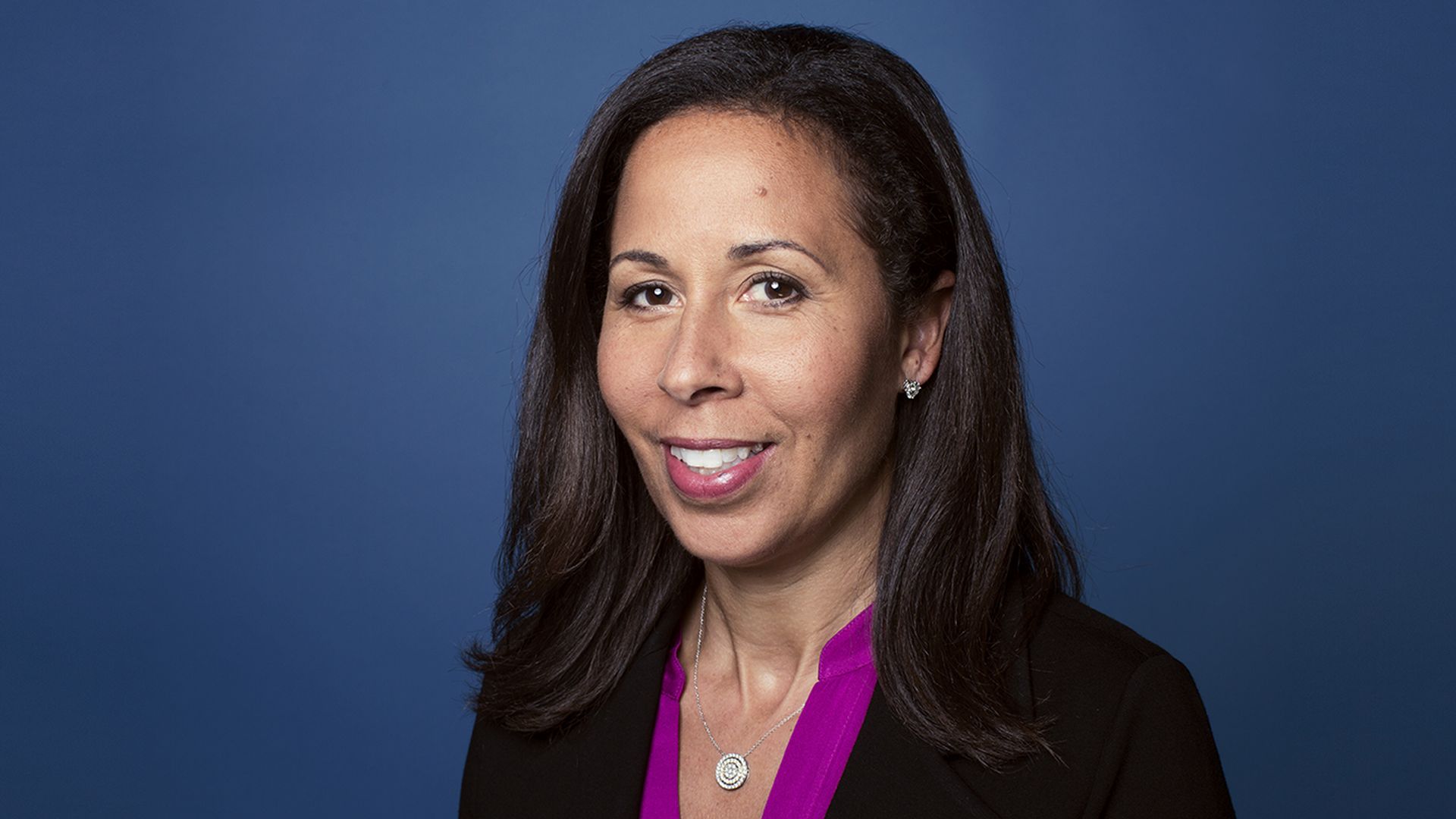
Facebook announced Friday that Peggy Alford, Senior Vice President, Core Markets of PayPal Holdings, Inc., has been nominated for election to the company's board of directors. The company also said that politician and businessman Erskine Bowles and Netflix CEO Reed Hastings, both of whom have been on Facebook's board since 2011, will not be nominated for re-election at the company's annual shareholder meeting in May.
Why it matters: Alford will become the first black woman nominated to Facebook's board in its history. Bowles' departure is significant, given that he was a vocal critic of Facebook's handling of Russian meddling on its platform. Facebook says it doesn't nominate board members over 72-years-old as a part of a long-standing policy. Bowles is 73.
The Army unveiled new automated vehicle technology this week that could be deployed before self-driving cars hit city streets.
Why it matters: More than half of all battlefield casualties occur when soldiers are delivering fuel, food or other supplies in combat zones. AVs could reduce that risk.
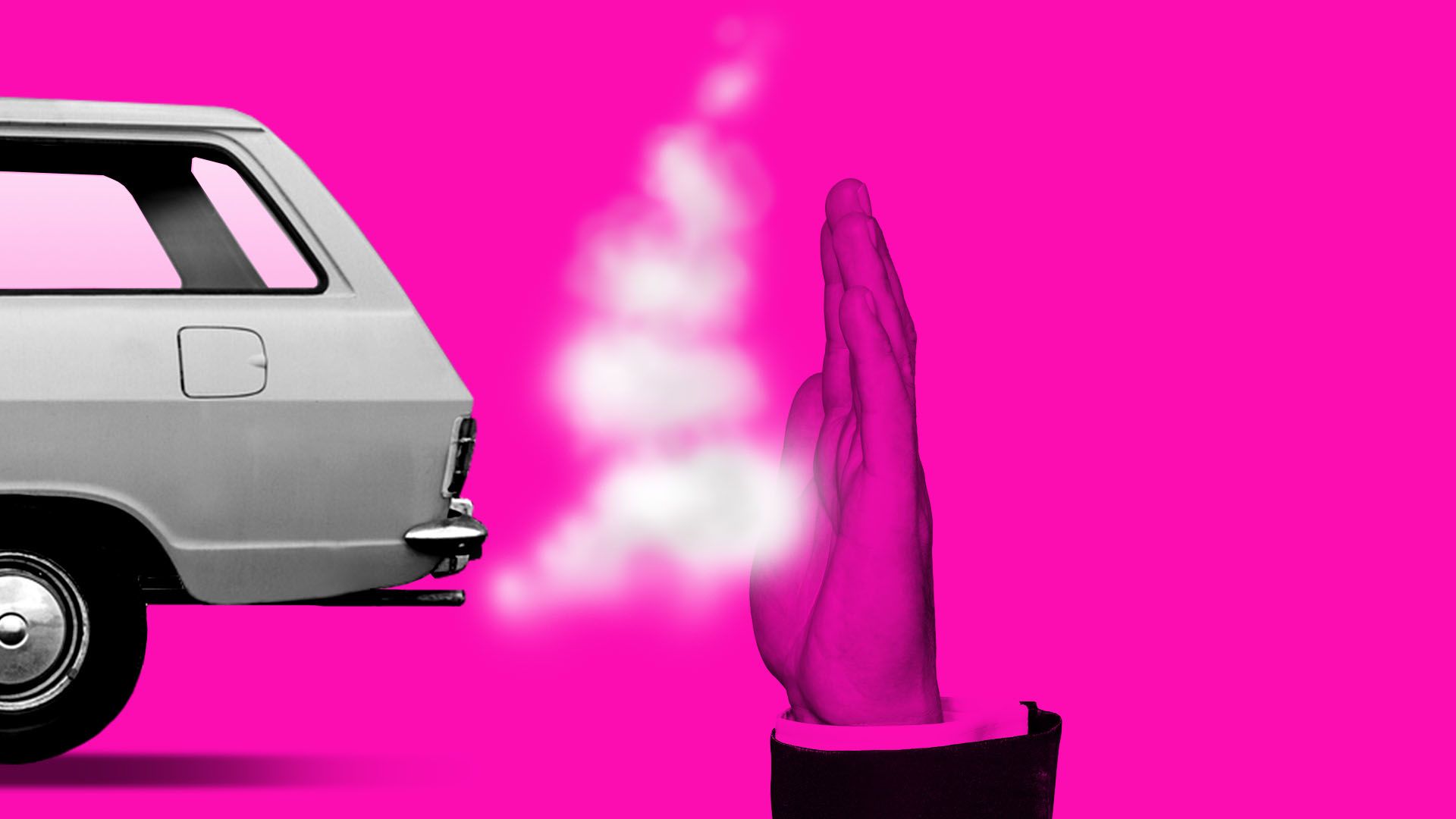
Uber's big new IPO prospectus touts the company's green ambitions as it prepares for its multibillion dollar offering — and acknowledges that environmental policy is a risk factor.
Why it matters: Uber is going public amid growing scrutiny of ride-hailing's carbon footprint as research shows it can boost emissions by cannibalizing mass-transit and increasing miles driven.
Apple's expansion into services could test the hardware company in several ways — including the risk of making the company an even bigger antitrust target — because the company already tightly controls its ecosystems, especially the iPhone and iPad.
Why it matters: Companies have long-alleged that Apple and Google exploit their footing as owners of both the world's largest smartphone operating systems (iOS and Android) and some of the world's most popular apps (like Apple Music and Google Maps).
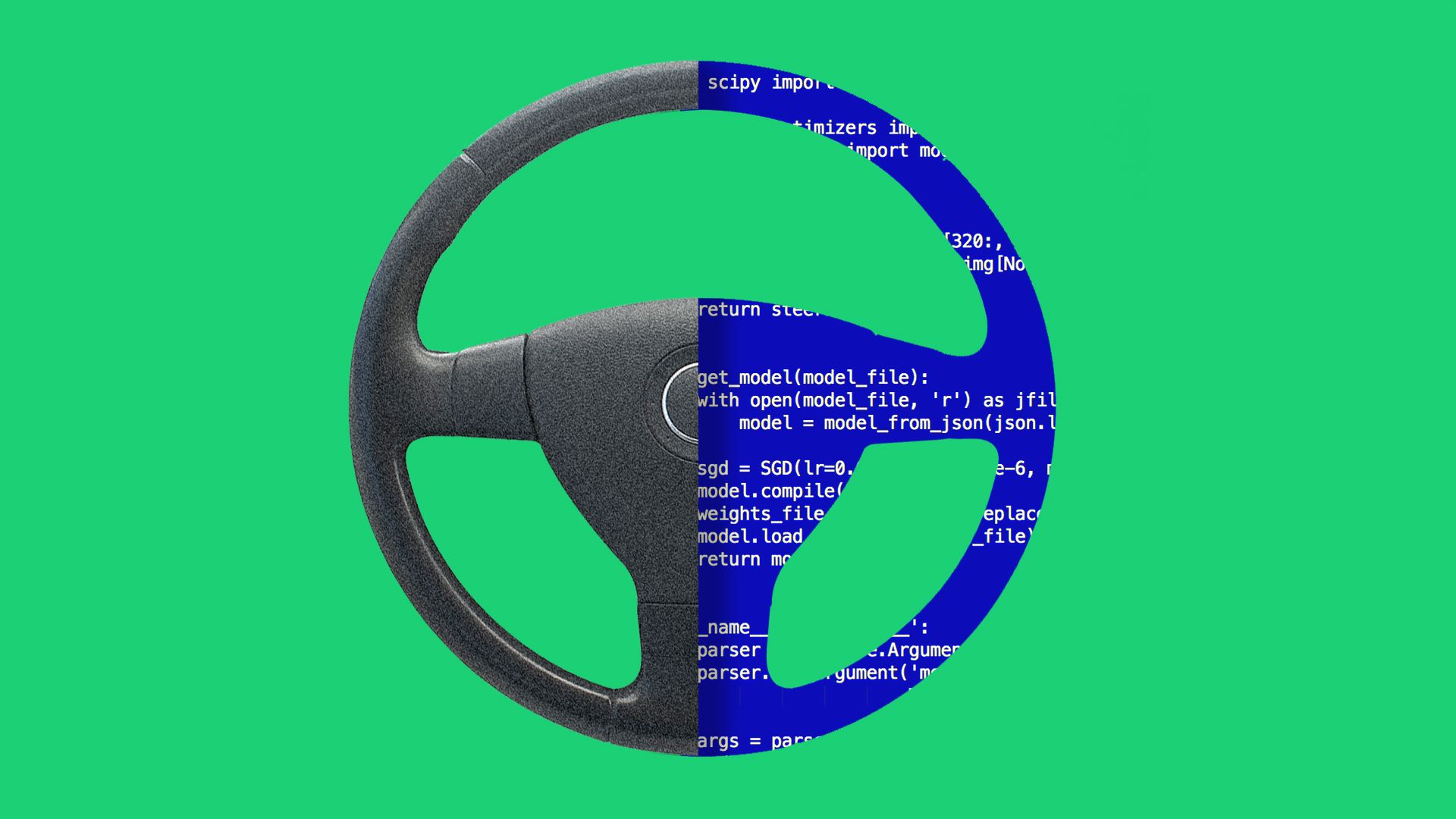
Some AV developers are opening source code for their technology, a strategy they can use to collect data and tech from anyone using their code, and which could help bring products to market faster.
Why it matters: Open source providers are experimenting with how much of their technology to share, while protecting their intellectual property to stay competitive. Their decisions will have lasting implications for how AV technology develops.
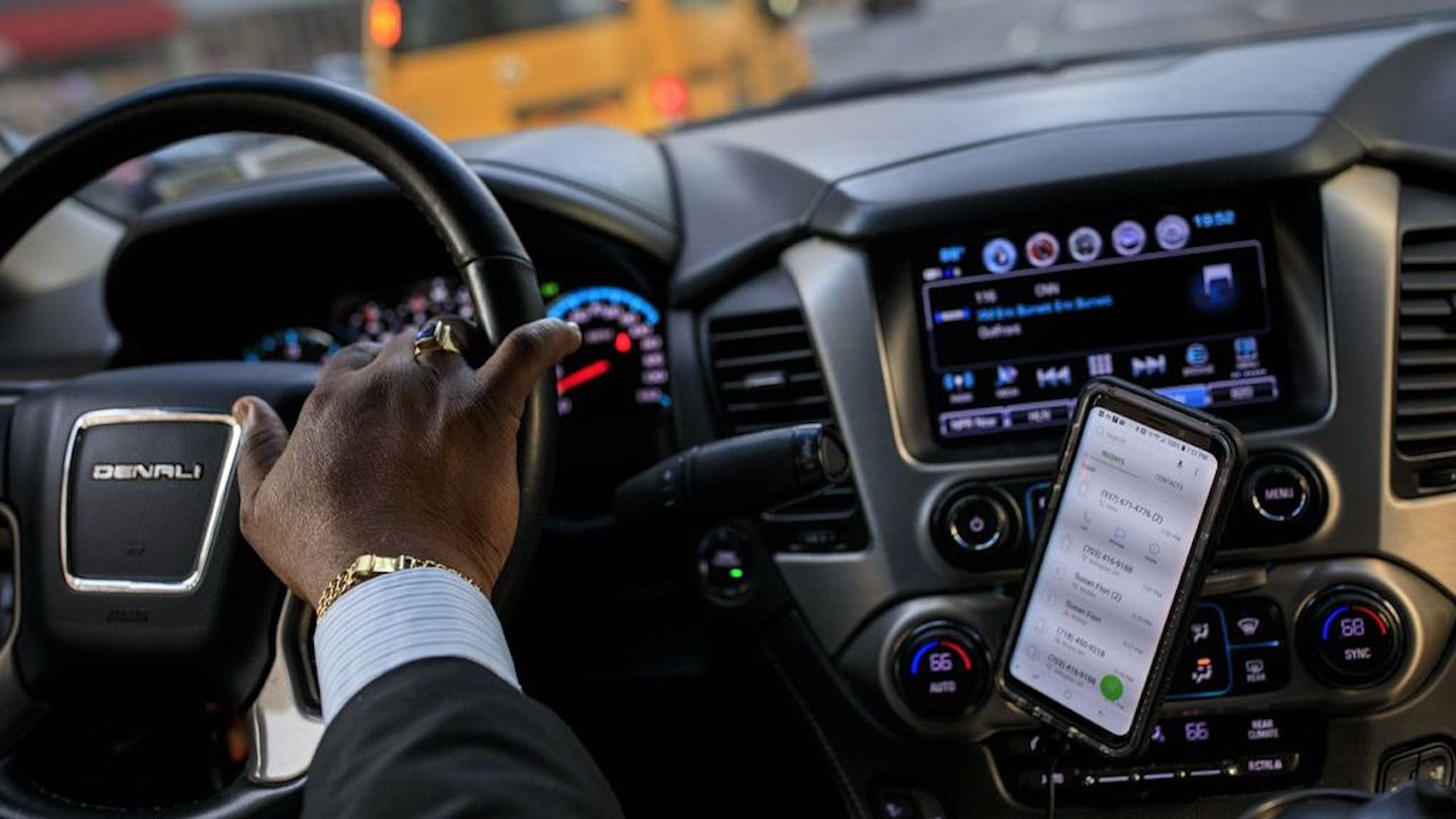
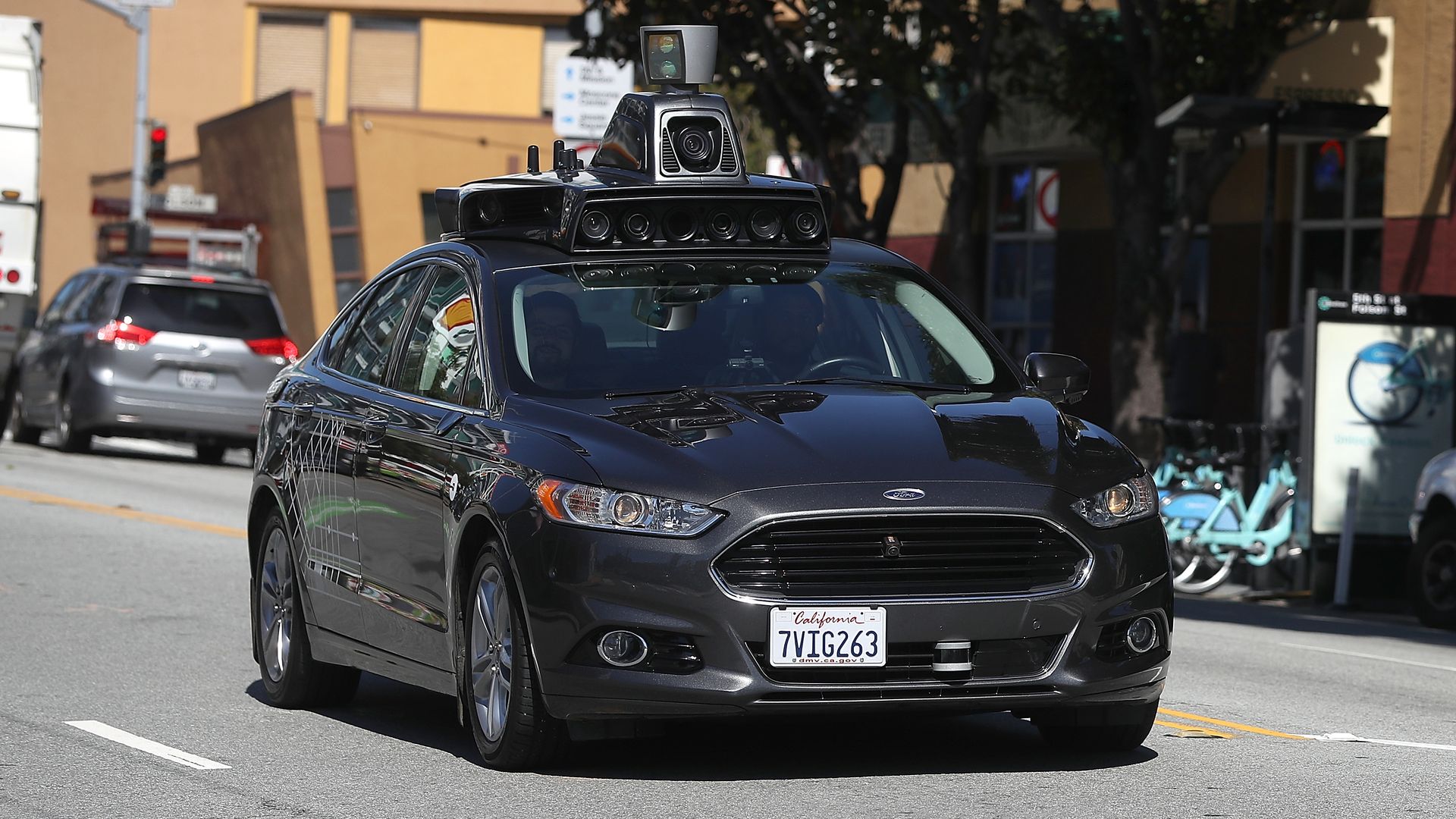
Uber says it will continue to invest heavily in automated driving technology, while admitting it has fallen behind competitors that could steal away customers with lower prices.
Why it matters: Uber co-founder Travis Kalanick once called autonomous vehicles “existential” to its survival but now, in an SEC filing, the ride-hailing company sounds more conservative, predicting a long period of "hybrid autonomy" and a continued reliance on human drivers for the foreseeable future.
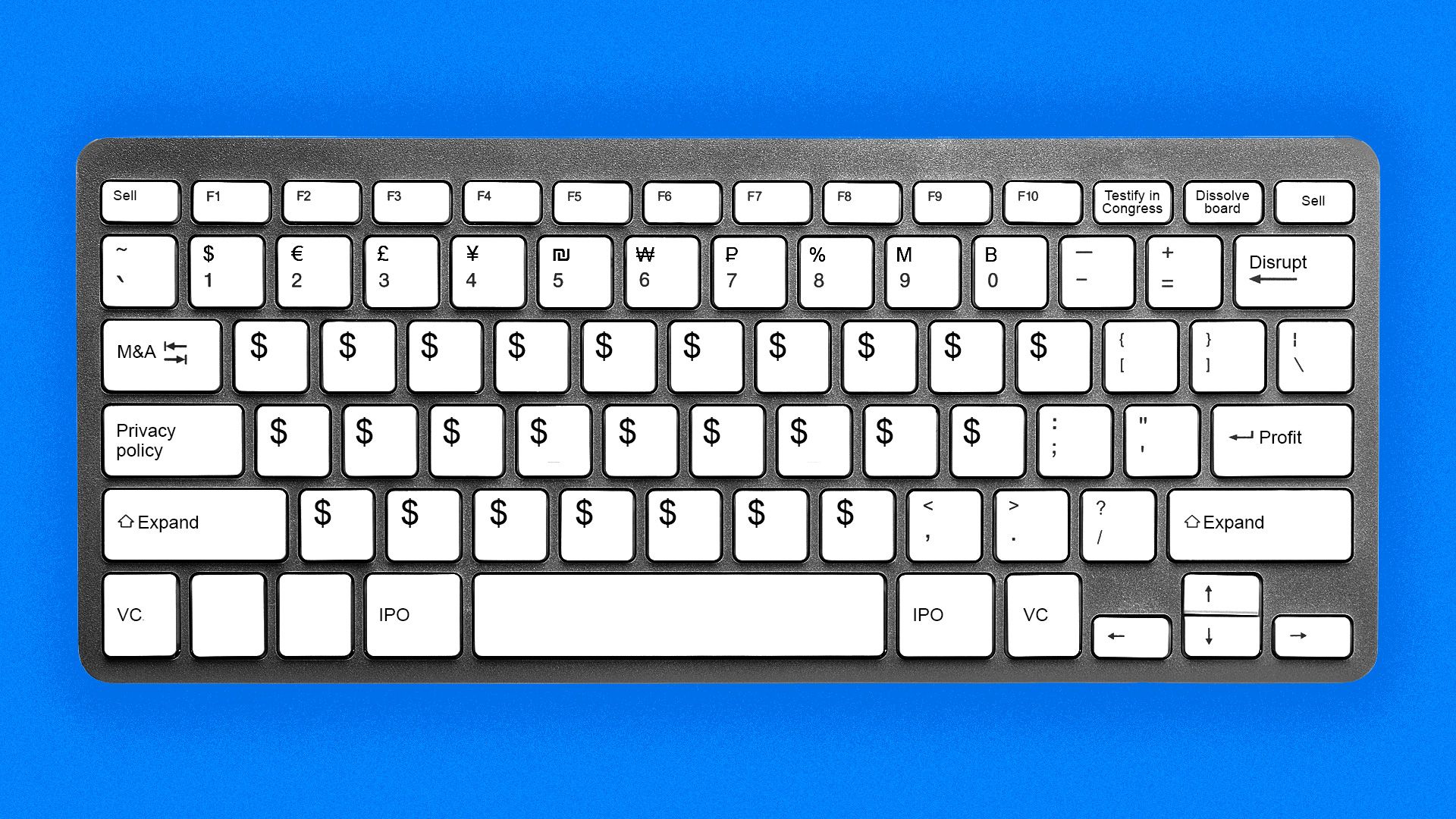
The explosion of technology in every facet of life is a big reason that the rich are getting richer, and the big are getting bigger.
Why it matters: The result could be more income inequality, and the creation of vast amounts of wealth, but without corresponding broad prosperity. This, in turn, causes political and social instability.