The legal battle between Apple and Qualcomm will reach a critical point this week as a major trial begins in San Diego.
The big picture: The case gets to the heart of the dispute, asking a jury to decide whether, as Qualcomm maintains, Apple owes it billions in unpaid royalties or if, as Apple argues, Qualcomm's royalty structure is unfair to the point of being illegal.
For years, we've known that the phones we love and are glued to also record our locations, faces, and fingerprints. And we've understood that the same sensors that serve our individual needs could also, theoretically, be used to conduct surveillance on us.
Driving the news: It's increasingly clear that things have moved from the theoretical to the real, as a pair of reports in the New York Times underscores.
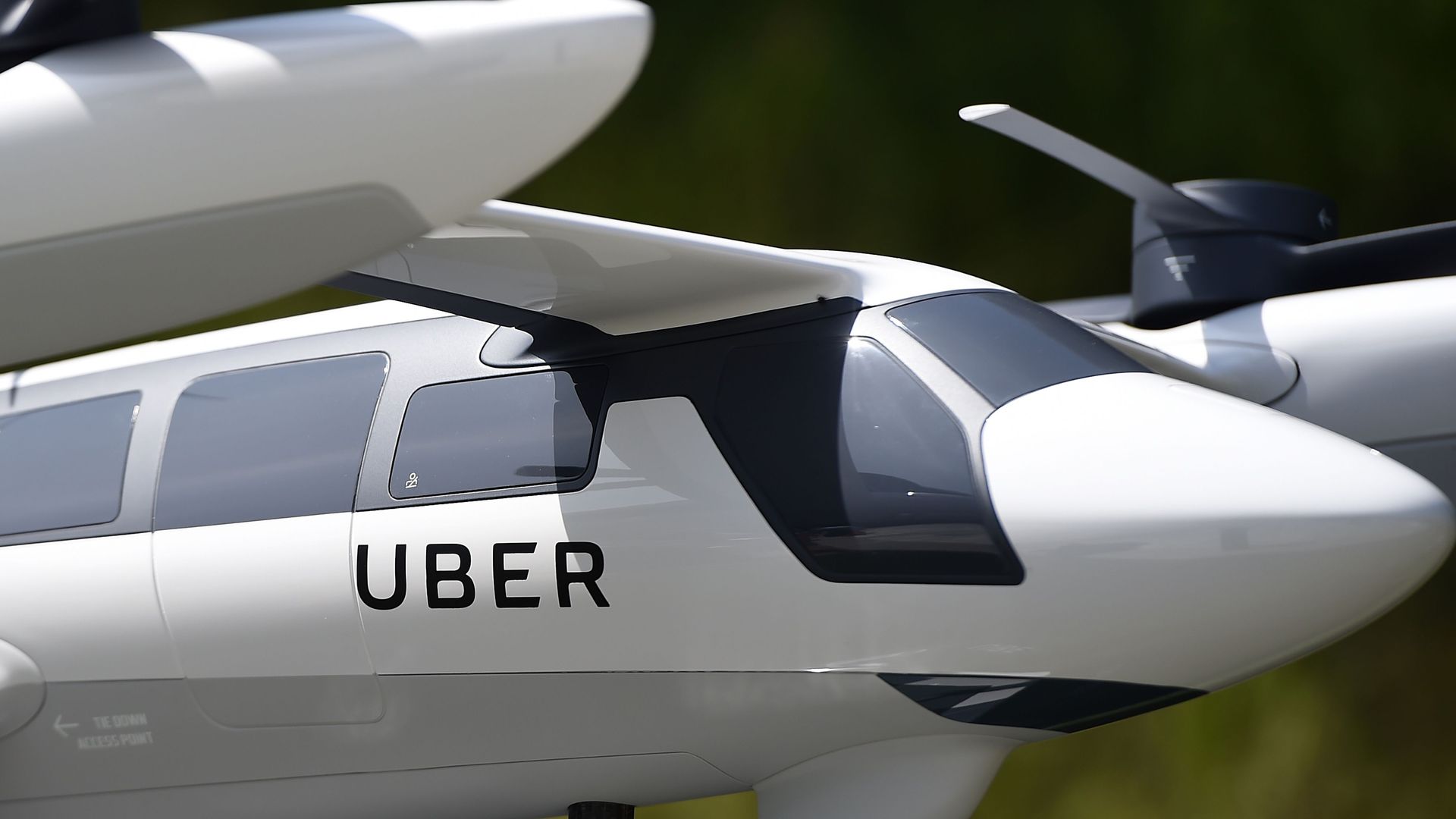
Uber's IPO prospectus highlights $457 million in spending last year on its Advanced Technologies Group and other initiatives, including the flying car program called Uber Elevate: "Our initial efforts through Uber Elevate focus on shared air transportation between suburbs and cities, with the goal of ultimately addressing air transportation within cities."
The big picture: Flying electric cars could play a "niche role" in sustainable transportation, but using them for short commutes would not be climate-friendly, a recent study in Nature Communications concludes.
Jalopnik's Aaron Gordon noticed something important in Uber's big IPO filing that underscores how ride-hailing can cannibalize mass-transit.
What they found: "While the filing does mention the company’s efforts to offer riders 'multi-modal trips' that may include public transportation should they choose, the vast majority of the filing’s mentions of public transit make plainly clear the company sees buses and trains as a competing service," Gordon writes.
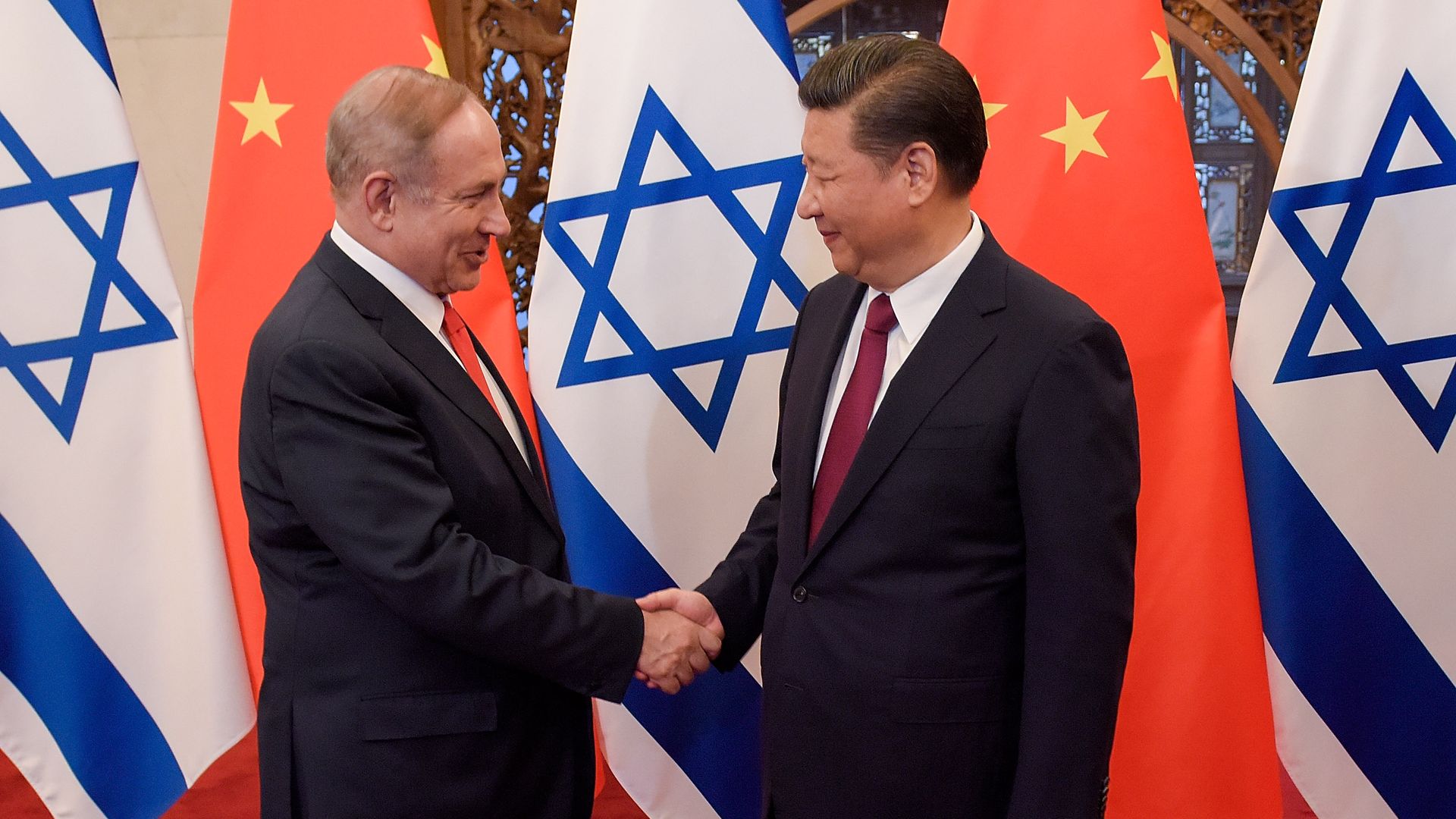
President Trump told Israeli Prime Minister Benjamin Netanyahu during their meeting at the White House on March 26 that if Israel doesn't limit its ties with China, security cooperation with the U.S. could be reduced, according to Israeli officials.
Why it matters: The Trump administration and the Netanyahu government are aligned on virtually every issue, but relations with China have emerged as a main point of contention. The Trump administration has already asked the Israeli government several times to limit its ties with China, and the fact that Trump himself raised it with Netanyahu indicates the White House may be growing impatient.