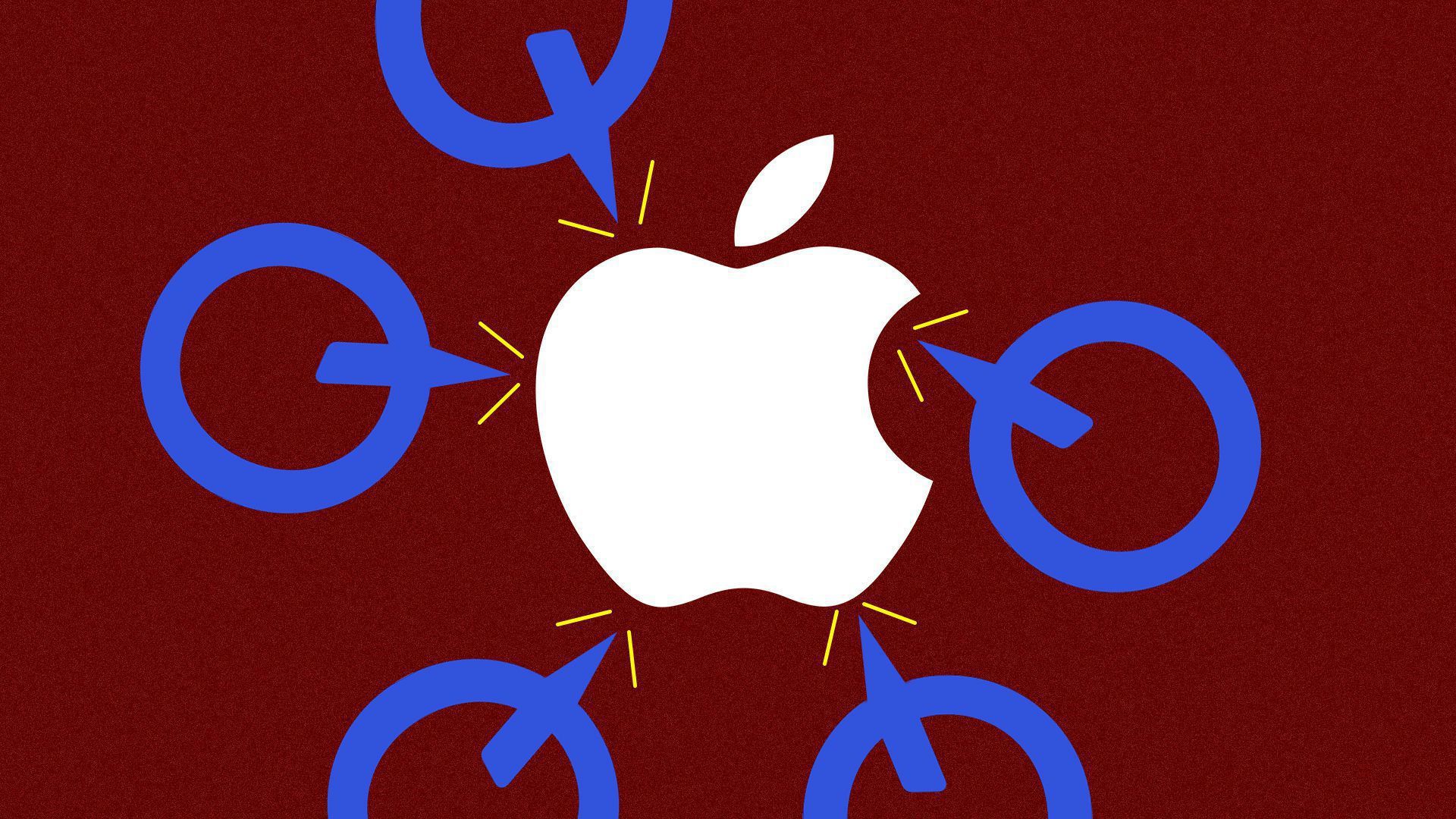
Intel is dropping its plan to make 5G cellular modems, with the announcement coming just hours after Apple reached a deal with rival Qualcomm to settle a patent dispute.
Why it matters: Apple had been giving Intel an increasing share of the iPhone modem business as tensions were ratcheting up with Qualcomm. However, as part of its settlement, Apple reached a multiyear deal to get chips from Qualcomm.
Netflix's stock was down over 6% on Tuesday, immediately after it delivered weak Q2 guidance to investors in its first quarter earnings report. The stock rebounded minutes later, bringing Netflix's stock down only marginally from where it was before earnings.
Why it matters: Normally, when Netflix beats estimates in earnings, revenue and subscriber additions, its stock would skyrocket, especially amid reports of rival streaming services launching in the marketplace. But investors were bearish on the fact that Netflix says its estimated Q2 earnings per share would be $0.55 compared to the $0.99 analysts were expecting.
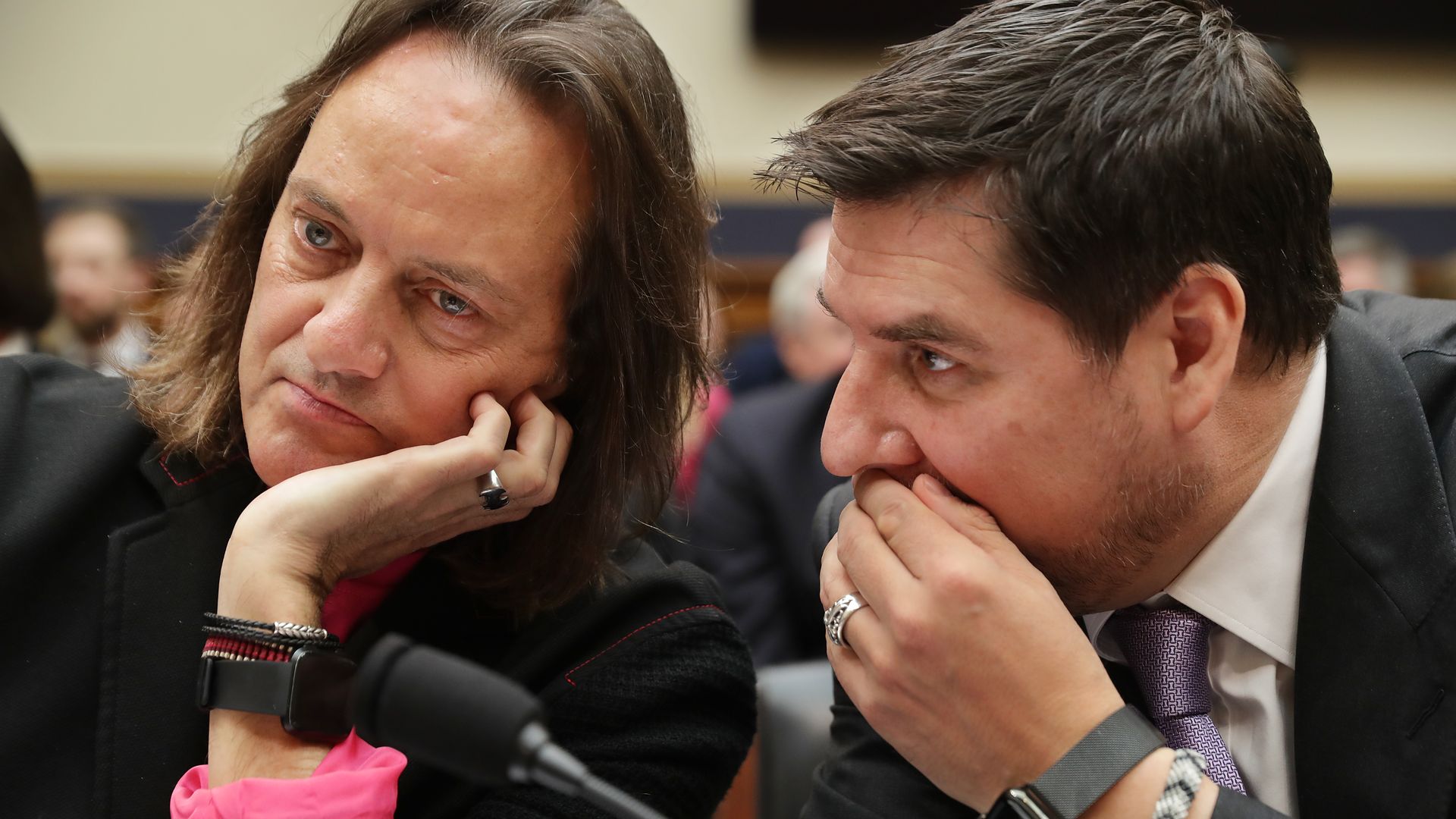
The Wall Street Journal reported on Tuesday afternoon that Justice Department officials told T-Mobile and Sprint that their proposed merger is unlikely to be approved as currently structured, citing anonymous sources.
Why it matters: The companies have said synergies from the deal would allow a faster roll-out of 5G, among other benefits. According to the WSJ, antitrust officials "questioned the companies’ arguments that the combination would produce important efficiencies for the merged firm." U.S. competition enforcers typically focus on a merger's impact on prices for consumers.
The U.K. announced last Monday a sweeping plan to prevent the spread of harmful online content — part of a global trend of new content regulations targeting material designed to polarize and mislead.
The big picture: The British proposal, which comes on the heels of new measures in Australia and Singapore, would create a regulator empowered to punish social media platforms that fail to quickly remove harmful material, including disinformation. But these approaches — which focus on content rather than problematic behavior — have concerning implications for free expression.
Qualcomm shares shares closed 23.21% higher on Tuesday, adding over $16 billion to its market cap in just over an hour, after settling a long-running legal dispute with Apple over patent royalties.
The bottom line: Wall Street cheered the chipmaker's removal of a very dark cloud.
Qualcomm and Apple have agreed to end their bitter legal dispute over patent royalties, with a deal that includes a 6-year agreement on royalty rates and a multiyear deal for Qualcomm to supply chips to Apple.
Why it matters: The conflict pitted two giants of the tech industry against one another, threatening to both disrupt Qualcomm's entire business model and potentially imperil Apple's ability to bring 5G to the iPhone.
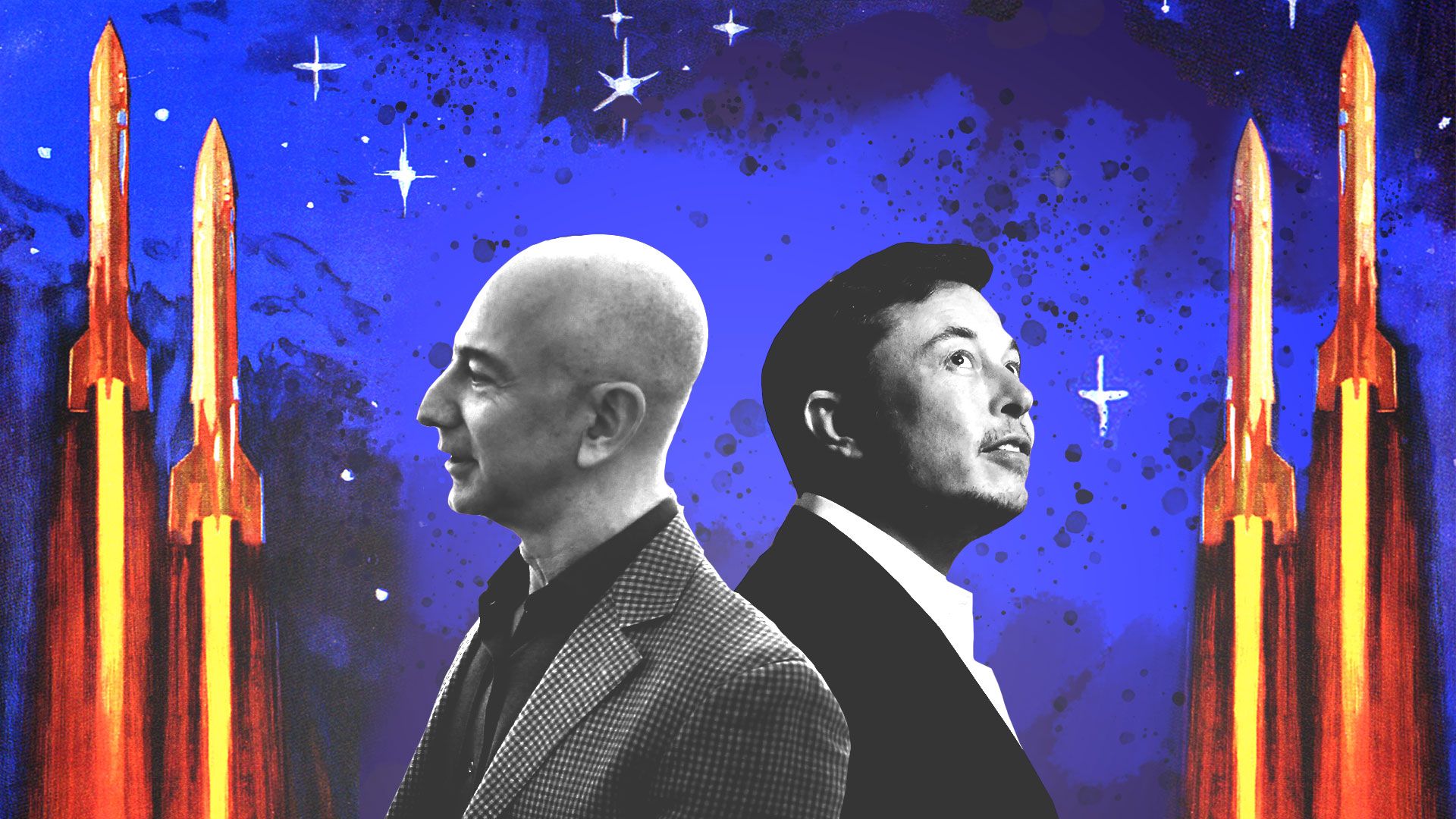
Jeff Bezos and Elon Musk's space age rivalry may not play out as a war of the rockets, but as a war for your internet.
Why it matters: The two billionaire founders of Amazon and SpaceX plan to blanket low-Earth orbit with thousands of satellites that will beam broadband internet to the planet, potentially transforming how the developing world in particular accesses the web.
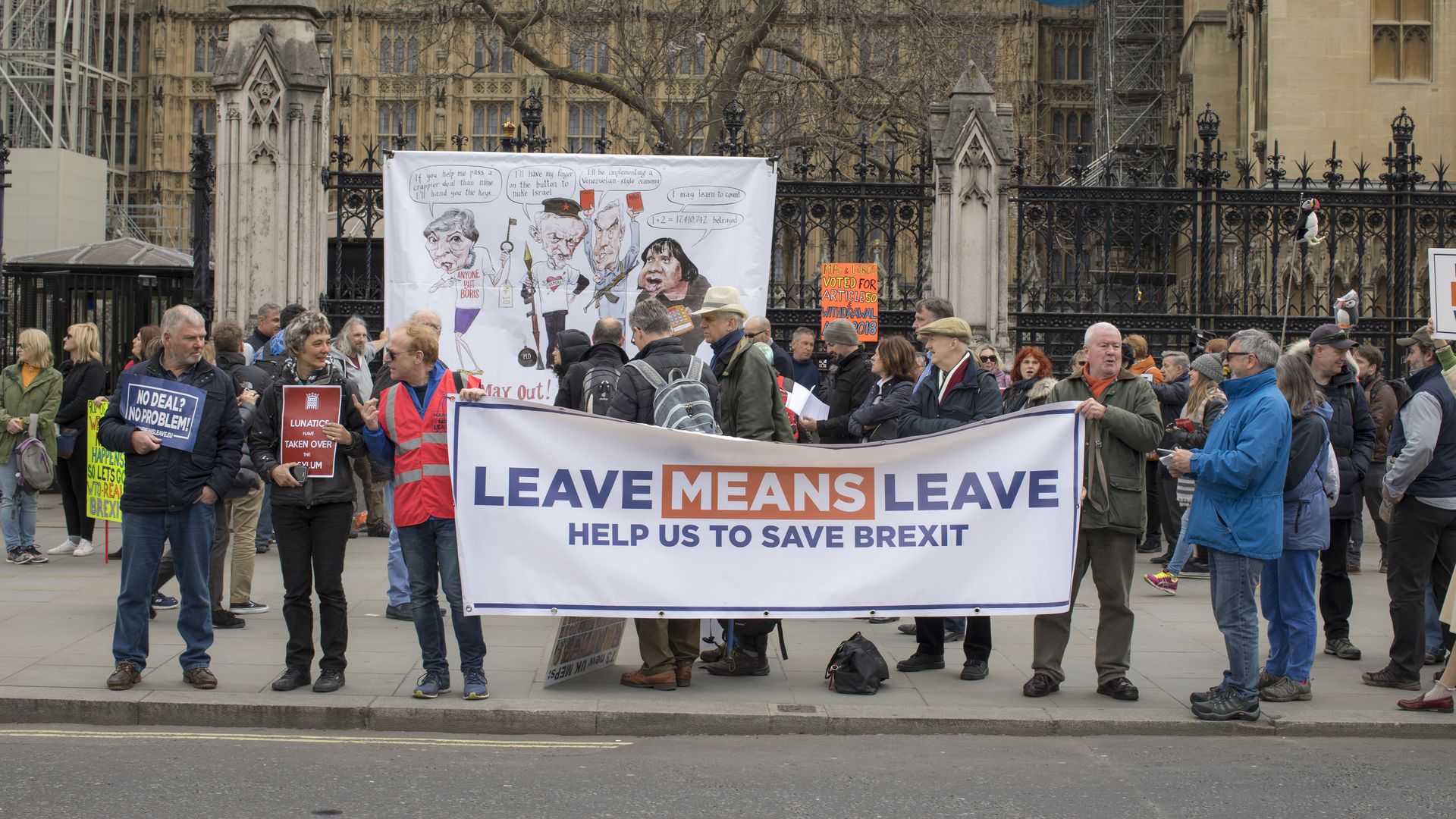
Carole Cadwalladr, the British journalist who first exposed the Cambridge Analytica scandal, used a TED talk yesterday to blame Facebook and other tech giants for the undoing of Western democracy.
Why it matters: She called Britain and the Brexit vote the "canary in the coal mine" of what happens to democracy in the era of social media.
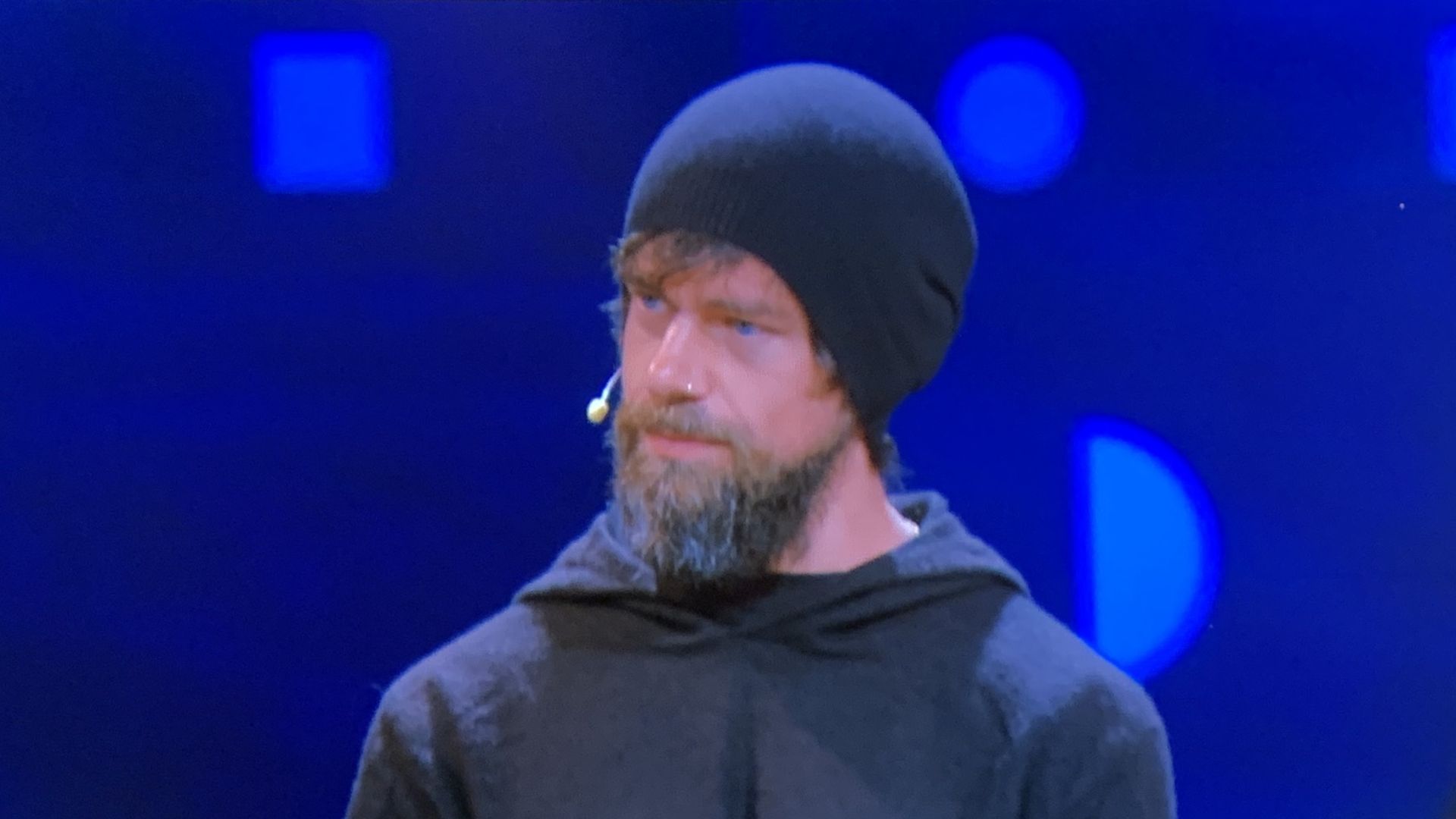
In an effort to make Twitter a healthier place, CEO Jack Dorsey said the company is looking to change the focus from following specific individuals to tracking topics of interest, a significant shift from the way the service has always operated.
Why it matters: Twitter remains filled with harassment, especially for women, people of color and LGBTQ communities.
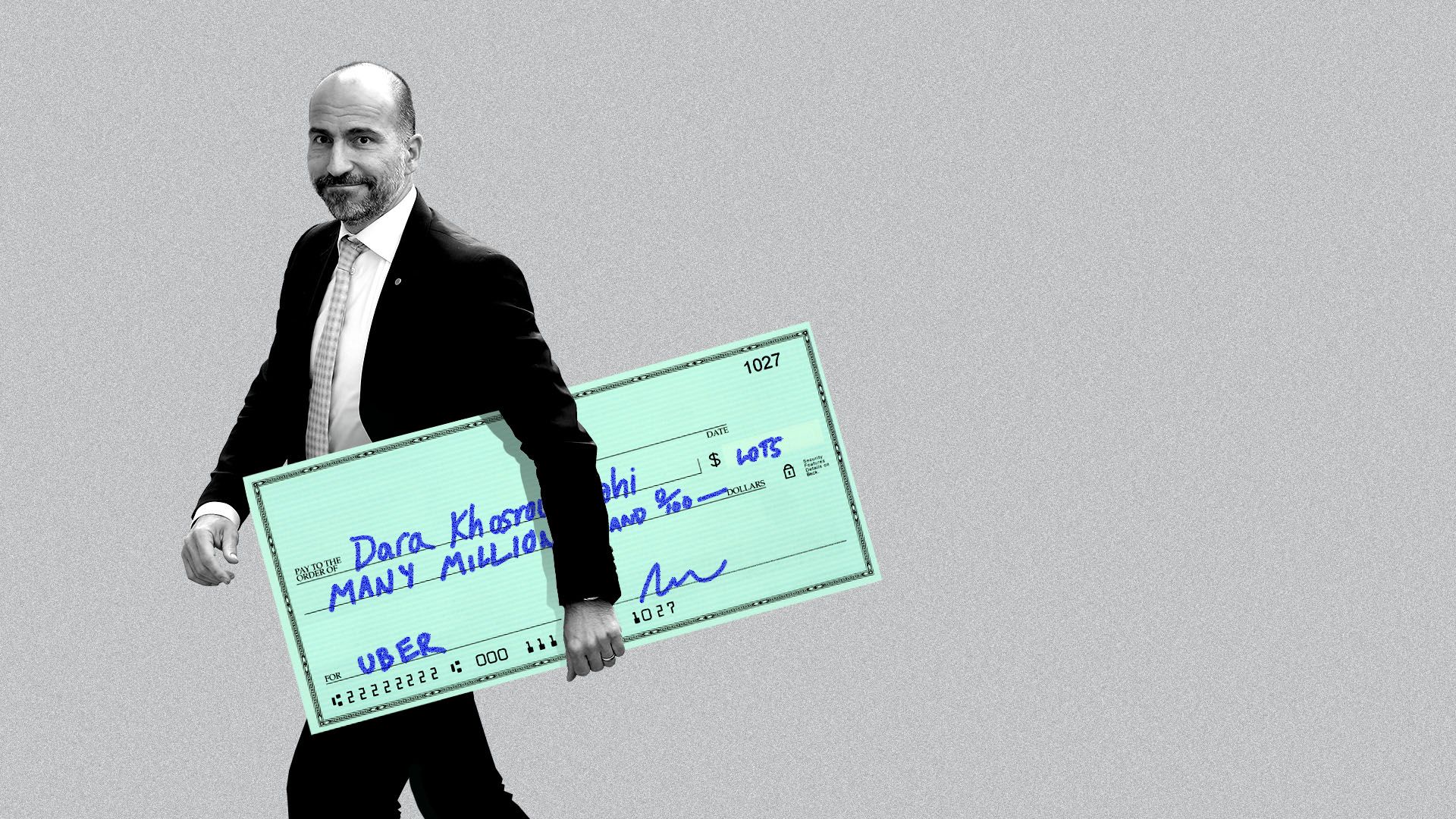
Wall Street banks last fall told Uber that it could fetch a $120 billion valuation in its IPO. What we didn't realize at the time was just how important that specific figure was to Uber CEO Dara Khosrowshahi.
The bottom line: Khosrowshahi stands to make a boatload of money if Uber maintains an average fully-diluted valuation of at least $120 billion during a period of 90 consecutive trading days, according to a footnote in the company's IPO registration document.
As YouTube viewers Monday followed the latest news updates from the fire at Paris' Notre Dame Cathedral, some saw a gray box at the bottom of their screens that had excerpts and links to encyclopedia articles on the 9/11 attacks.
The big picture: These "information panels" pop up automatically as part of a YouTube program aimed at combatting conspiracy-theory-style misinformation — but in this case they arguably promoted such theories instead.
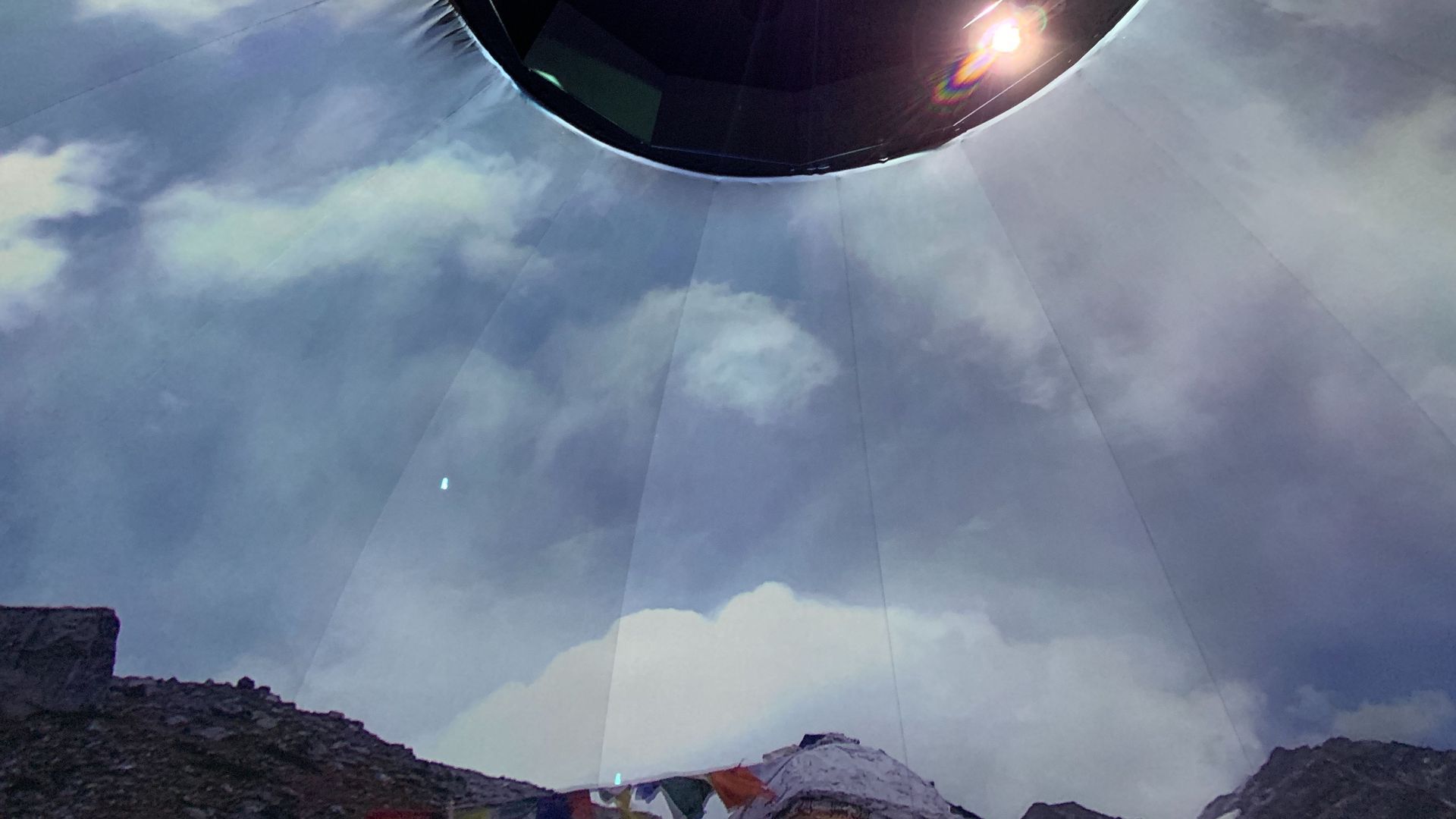
The TED conference often serves as a preview for where the virtual reality industry is going. This year, it's all about entering immersive VR domes rather than strapping on a headset.
Why it matters: Destination VR, despite its promise, has struggled financially, with IMAX closing many of the locations it had opened. Paul Allen's company Vulcan is seeking new partners as it debuts new experiences for its Holodome at TED.
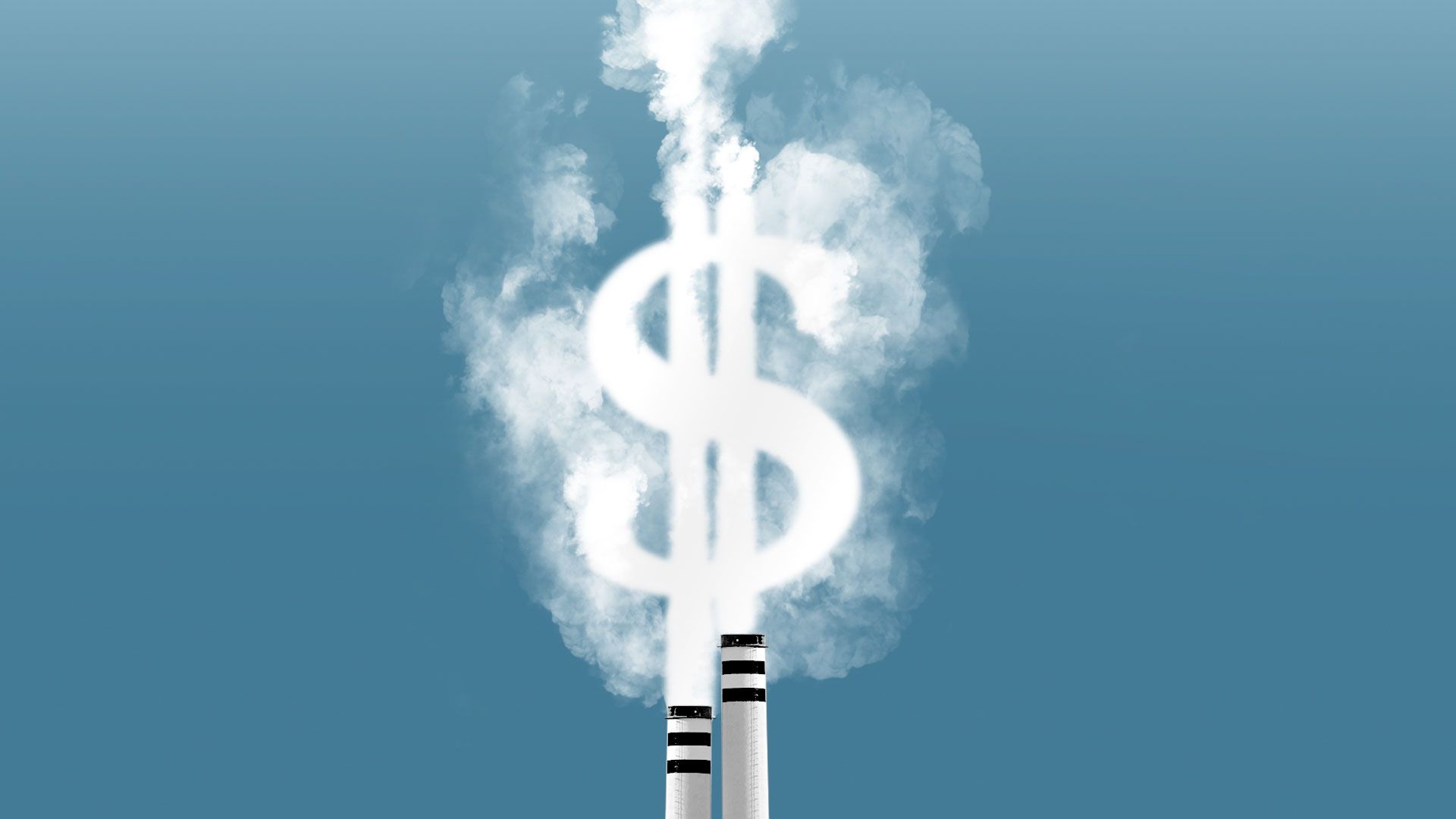
Microsoft is almost doubling its internal carbon tax that helps fund the company's sustainability work and is joining a Big Oil-backed group pushing for a federal emissions fee.
The big picture: For a sense of scale, Microsoft said that last year it collected $20 million from the tax to pay for internal carbon neutrality work and fund grantees of its AI for Earth program.
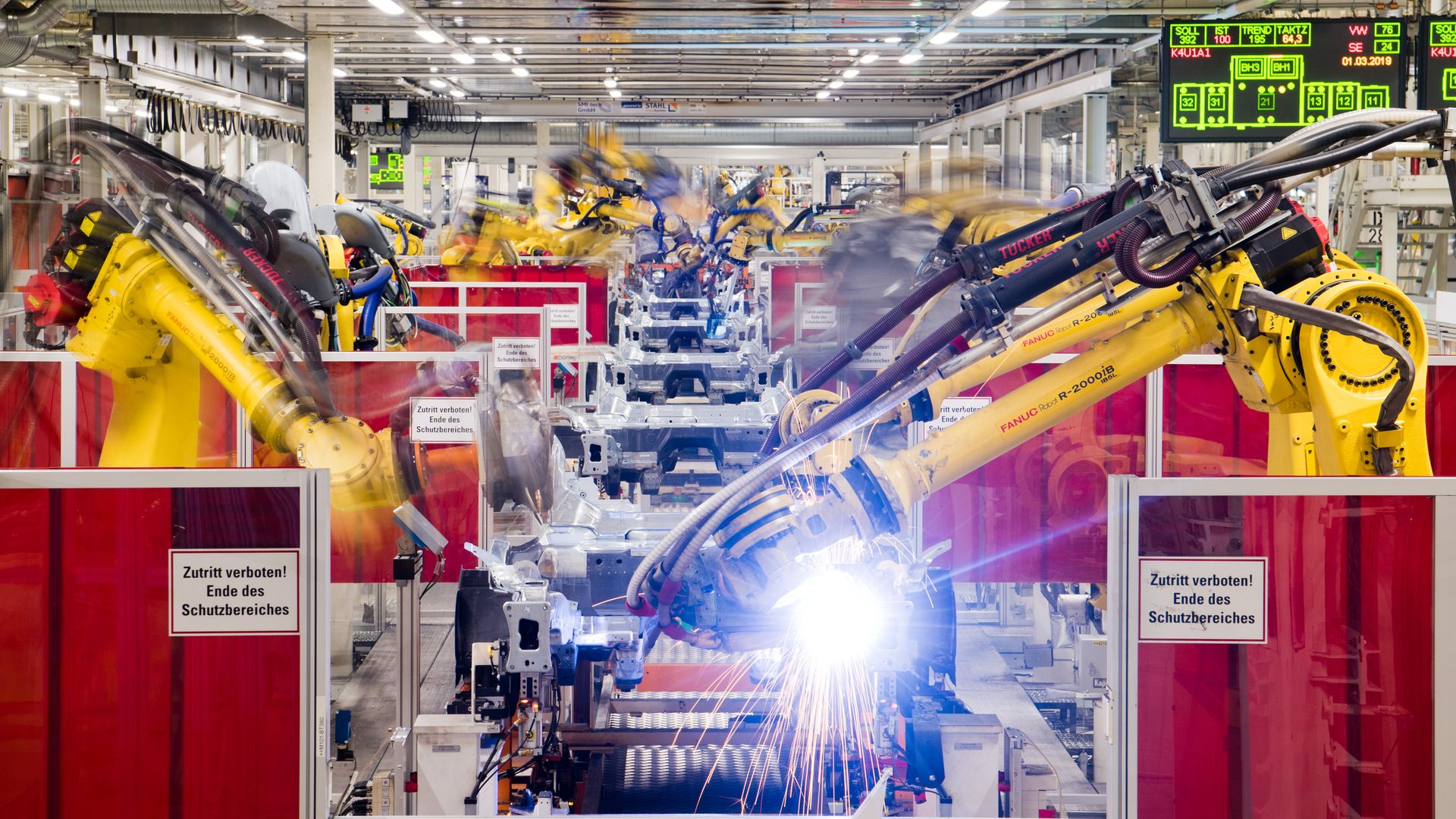
Most Americans will file their income taxes by midnight tonight, and employers will report their payroll taxes later this month. But companies that have replaced or expanded their flesh-and-blood staff with robots will get a free pass.
What's new: Amid fears of automation-fueled job loss, a once-fringe debate is exploding into public view: Why don't we tax the bots?