YouTube TV announced Wednesday it is increasing its prices to $50 per month after striking a major multi-year distribution agreement with Discovery Communications to provide channels like HGTV, Food Network, TLC, Animal Planet, Travel Channel, and more.
Why it matters: This is the latest in a series of price hikes for digital TV packages called "skinny bundles." The price hikes, which are occurring as the skinny bundle packages add more channels, show that it's difficult for smaller digital TV packages to compete with the bloated and expensive Pay-TV packages that they sought to displace.
More than 3,500 Amazon employees have signed a demand letter to develop a detailed climate plan based on the e-commerce giant's current and future environmental impacts, outlining6 demands to reduce their collective carbon footprint.
Our thought bubble: The letter, including the criticism of Amazon’s services for oil companies, underscores the complicated relationship between Big Tech and climate change, per Axios' Ben Geman. Tech giants have been some of the biggest players driving the growth in corporate renewable power procurement and making sustainability commitments.
Uber on Thursday will disclose plans to raise $10 billion in its IPO, as first reported by Reuters. This would set up an investor road-show for the week of April 29, and a listing in early May.
Why it matters: The S-1 filing should provide us with a much more complete understanding of Uber's finances, which to date have been selectively self-disclosed.
At a press event at its headquarters in Menlo Park, California, Facebook announced a grab bag of new measures aimed at improving the reliability of the news that circulates on its platforms.
Why it matters: Facebook, along with Google's YouTube, Twitter and other online platforms, is facing a crisis of trust and rising doubts in its ability to control the spread of inaccurate information and hate speech.
Breathless media coverage of when and how AVs will be deployed has largely ignored the reality that AVs can only drive on roads that have been mapped, mostly in cities.
Why it matters: If AVs were deployed today, they would be unable to navigate millions of miles of U.S. roads that are unmarked, unlit or unpaved, and the technology needed to do so is still nascent.
As apps to monitor moms' health proliferate, employers and insurers can pay to keep tabs on the vast data, the Washington Post's Drew Harwell reports.
Why it matters: An employer can pay "to gain access to the intimate details of its workers’ personal lives, from their trying-to-conceive months to early motherhood."
A new global wave of government rule-making for online platforms has some experts and advocates sounding a "be careful what you wish for" alarm before proposals get baked into law.
Why it matters: Once governments take a bigger role in deciding who can say what online, many of the new plans for limiting the distribution of hate speech, violent content and misinformation could also be used to narrow free speech and privacy rights, curtail political dissent and harm the internet in other unintended ways.
A drumbeat of studies has pushed back hard against concern over the accelerated automation of factories and other businesses, predicting that — just as industrial age advances have always done — robots will produce many more jobs than they destroy.
But in three new papers, two leading U.S. labor economists say that is not how automation has played out over the last three decades — nor will it in the future if left to its own devices.
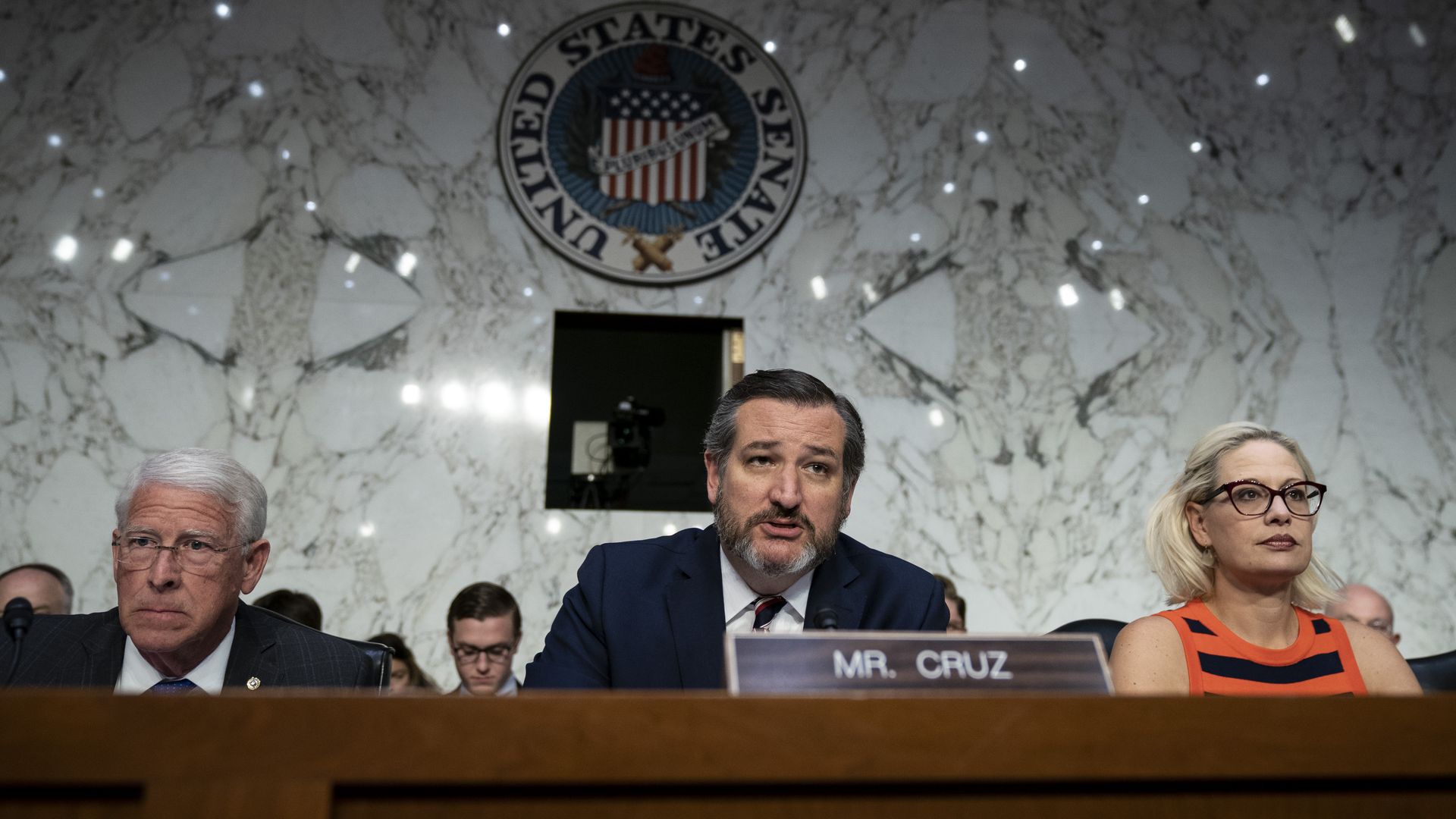
The Republican-controlled Senate Judiciary Committee has said it won't accept the witness Google offered for a Wednesday subcommittee hearing on free speech online, according to multiple sources.
Why it matters: Facebook and Twitter will be represented at the hearing, chaired by Sen. Ted Cruz (R-Texas), but Google may not be there to respond to expected criticism that it is biased against conservatives.
The race is on — between American and Chinese companies alike — to get U.S. consumers to pay for everything with their phones. But as the chart below makes plain, that market barely exists.
Adapted from CivicScience; Chart: Andrew Witherspoon/Axios
Anti-Semitic and Islamophobic comments and other hateful speech caused YouTube to disable its official live chat for a Tuesday House Judiciary Committee hearing on the role of social media in the rise of white nationalism and related hate crimes.
The big picture: These YouTube comments underscore Big Tech's difficulty in policing what happens on their platforms. Comments continued in unofficial live chats even after YouTube disabled its official stream of the hearing. During the hearing, representatives from Facebook and Google discussed how the companies are addressing white nationalist content, such as the real-time videos of the Christchurch massacre.
"Today’s Democratic Party is increasingly perceived as dominated by its 'woke' left wing. But the views of Democrats on social media often bear little resemblance to those of the wider Democratic electorate," write Nate Cohn and Kevin Quealy of the N.Y. Times.
"The outspoken group of Democratic-leaning voters on social media is outnumbered, roughly 2 to 1, by the more moderate, more diverse and less educated group of Democrats who typically don’t post political content online, according to data from the Hidden Tribes Project."
Why it matters: The more moderate group "has the numbers to decide the Democratic presidential nomination in favor of a relatively moderate establishment favorite, as it has often done in the past."
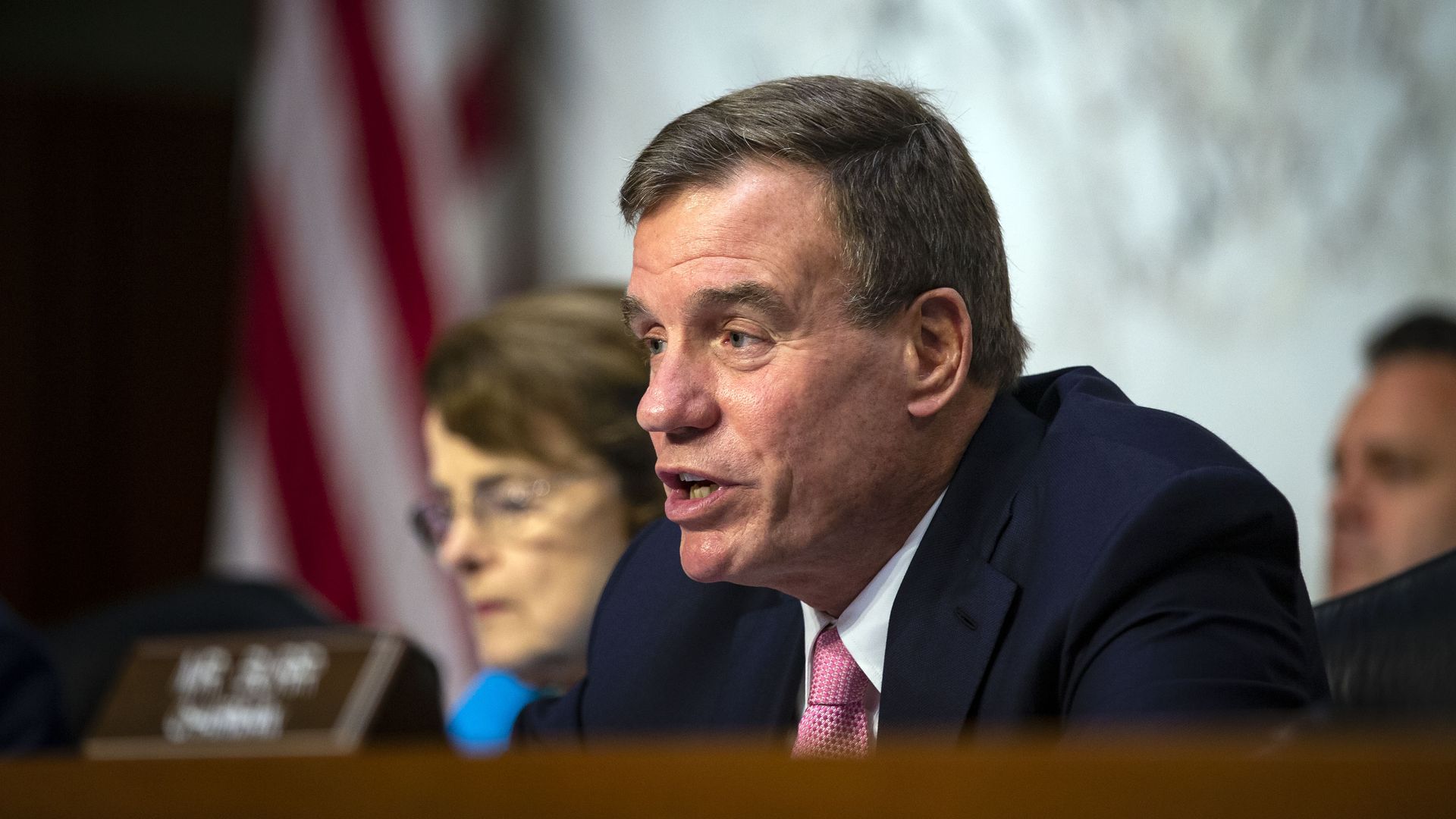
Sens. Mark Warner (D-Va.) and Deb Fischer (R-Neb.) will debut a measure Tuesday that cracks down on manipulative design features in major web platforms like Google, Facebook and Amazon meant to capture users’ consent or data.
Why it matters: Lawmakers are trying to put checks on the fundamental design choices that Silicon Valley uses to attract and retain users. Those “dark patterns” targeted by the new legislation can get users to agree to data collection or other practices they would not consent to if they understood that’s what they were doing.
The EU has published a set of ethical guidelines for "trustworthy AI" — a long wishlist of idealistic principles, many still technically out of reach, meant to keep unwanted harms from the powerful technology at bay.
Why it matters: It's an early, earnest attempt to get countries to buy into general ethical principles. But without an enforcement tool, it is unlikely to result in safe AI.



















/2019/04/08/1554760680440.gif?w=3840)