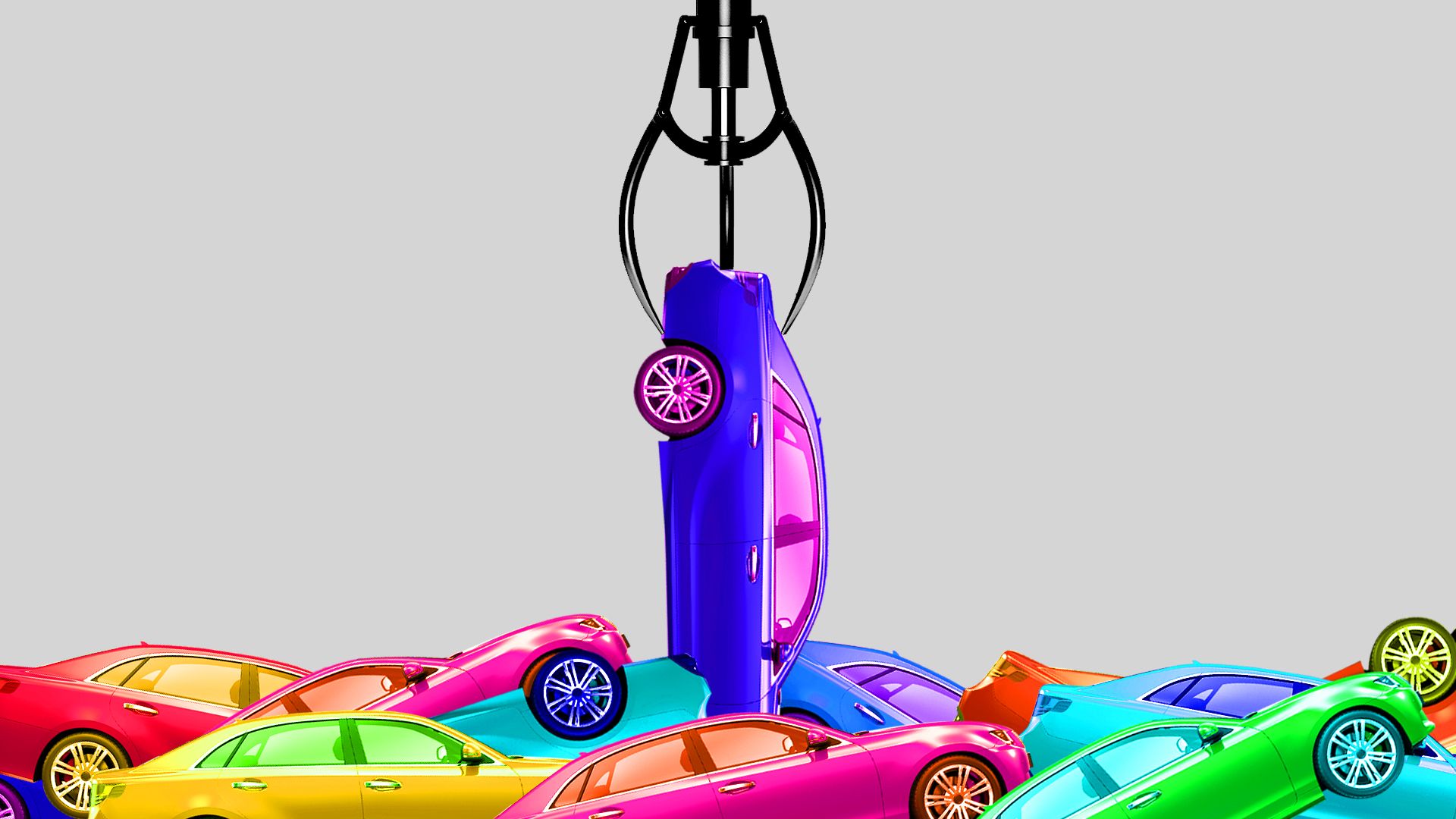
When the world's automakers are scrambling to retool into electric and driverless mobility companies, they are thinking about this number: 1 billion.
That's how many cars it is estimated will be added to the global fleet as early as 2030, igniting a frenzy over who will capture the sale of these probably much cleaner, higher-tech vehicles.
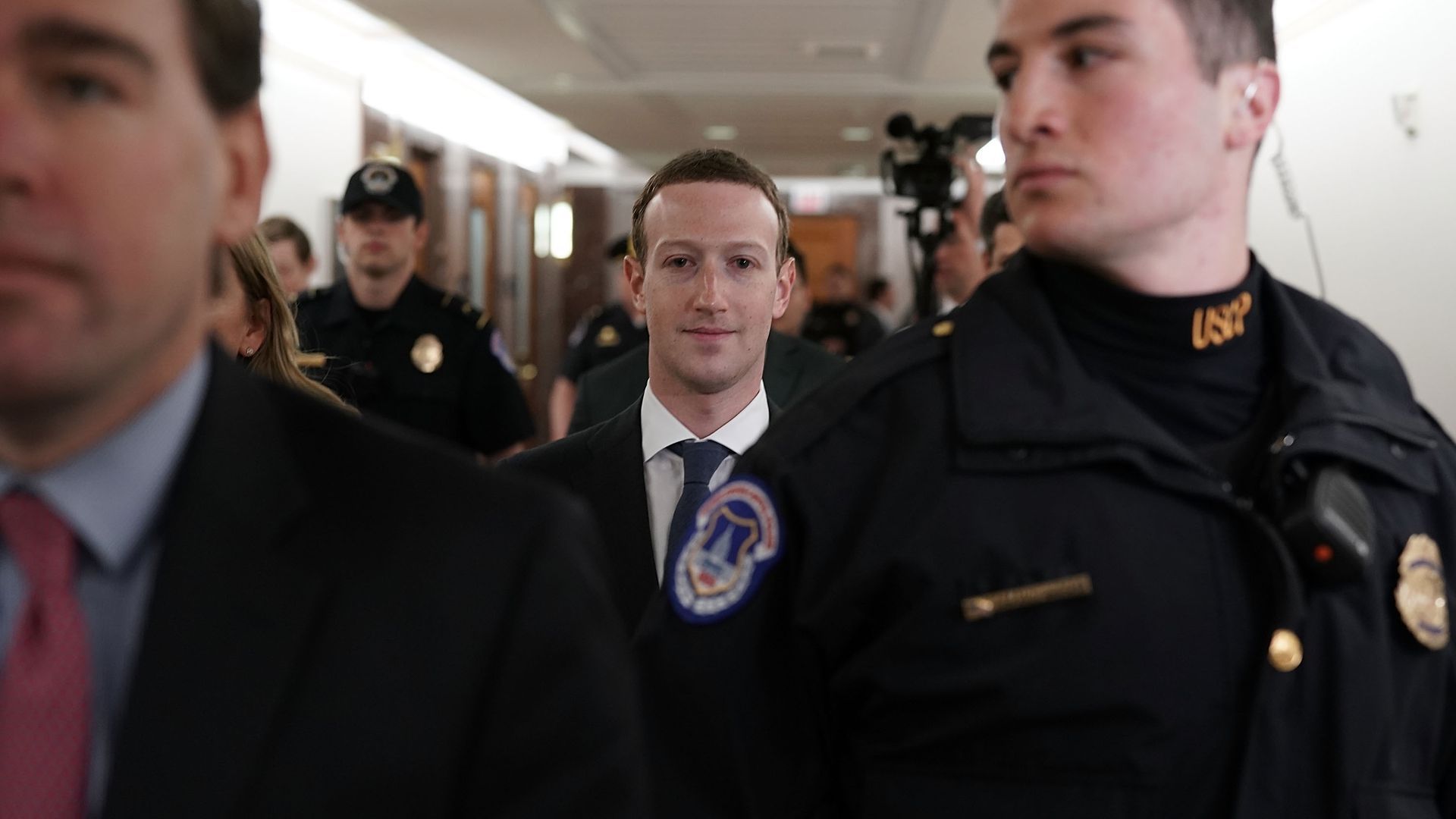
Facebook's terrible 2018 got even worse yesterday, with a searing attack on the social network and CEO Mark Zuckerberg by a WhatsApp co-founder. Dan discusses the mess in Menlo Park with Axios tech reporter David McCabe:
"Facebook is now under attack from the people it thought were it friends. "
Lisa Monaco, chief homeland security and counterterrorism adviser to former President Barack Obama, will serve as an adviser to Lyft for her expertise on Lyft's safety initiatives.
Why it matters: Ride-sharing companies like Uber and Lyft have been coming up with safety features, such as background checks and riders' abilities to share the ETA with others, to protect drivers and riders. Monaco, a household name in federal law enforcement and cybersecurity, will help expand Lyft's plans for safety and security, a news release said.
First it was the Instagram co-founders leaving. Now WhatsApp co-founder Brian Acton is taking fresh aim at the social network that he sold his company to in 2014 for $22 billion.
Why it matters: The dramatic back-and-forth underscores the disconnect between Facebook’s leaders and the founders of WhatsApp and Instagram as those apps buoyed the company in the face of stagnant growth on its original platform.
Just days after it announced a visual product search partnership with Amazon, Snapchat is launching a slew of new ad products that will help the tech giant go all in on its push to win e-commerce dollars.
Why it matters: Despite having dramatically improved its ad program, Snapchat's ad revenues have so far been a disappointment to Wall Street — but e-commerce is a market in which Snapchat thinks it can be very competitive.
Uber announced Wednesday that it's funneling $10 million over three years into a new "fund for sustainable mobility" to help address congestion, aid urban design, boost electrification and bicycle transit, and more.
Why it matters: The move arrives as some analysts and policymakers fear that the growth of ride-hailing is worsening urban traffic — and hence boosting emissions — and could be cannibalizing mass transit.
Amazon announced it will open a general store in New York City that will sell toys, household goods and some of its other top-selling products, Reuters reports.
Why it matters: The e-commerce giant already accounts for nearly 50% of the e-commerce market, with a recent survey showing the reality of Amazon's untouchable advantage against other retail companies. Now, the company is continuing its push to satisfy customers with physical locations.
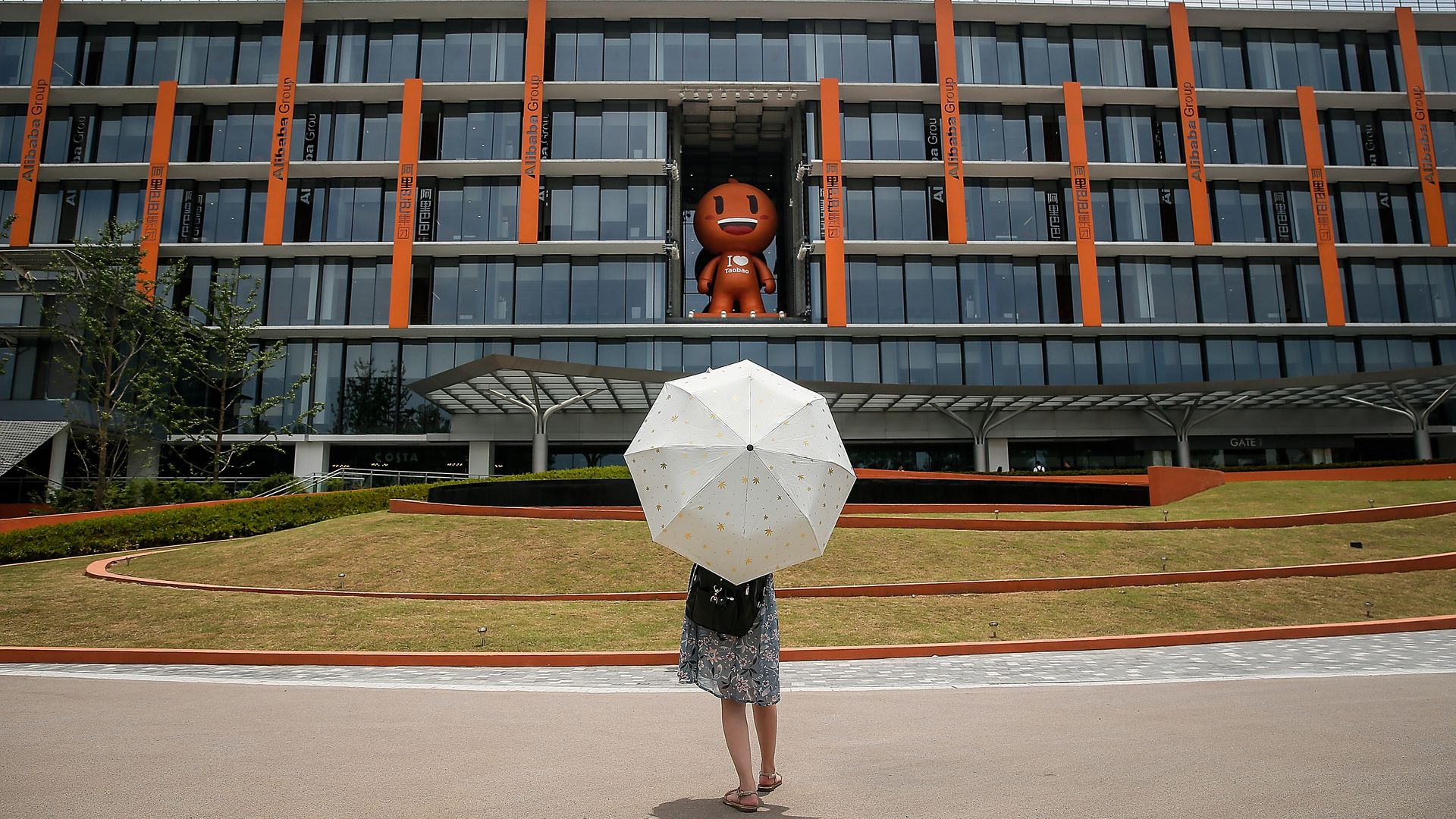
There are a handful of perks to living in the hometown of a global tech titan — among them, thousands of high-paying jobs, bustling shops and restaurants and first access to the coolest new tech.
What's going on: Seattle, Hangzhou, and Columbus, Ohio are among a lucky few places that have become lab cities for the cutting-edge technologies of the future. Here, companies roll out their new concepts for shops, cars and hotels, and work out the kinks before peddling them to the rest of the world.
Deepfakes — realistic AI-generated audio, video, and images — are denounced as a threat to democracy and society by experts and lawmakers. So why are academics producing research that advances them?
Why it matters: Increasingly accessible tools for creating convincing fake videos are a "deadly virus," said Hany Farid, a digital-forensics expert at Dartmouth. "Worldwide, a lot of governments are worried about this phenomenon. I don't think this has been overblown."
As Facebook tried to regain its footing after the sudden departure of Instagram's founders, the departed co-founder of WhatsApp gave Forbes an account of his clashes with the social giant after it bought the messaging app in 2014. A Facebook executive promptly fired back with a 600-word note (on Facebook).
Why it matters: The dramatic back-and-forth underscores the disconnect between Facebook’s leaders and the founders of WhatsApp and Instagram as those apps buoyed the company in the face of stagnant growth on its original platform.
While major tech and telecom companies told lawmakers Wednesday that they generally support federal privacy rules, they pushed back on some of the most significant policy changes backed by privacy advocates.
Why it matters: Companies are drawing lines in the sand for lawmakers who are under pressure to produce something, thanks to new privacy rules in Europe and a California privacy law that will go into effect in 2020.
Why it matters: Rather than initially disclosing the breach, Uber paid a hacker $100,000 to destroy the stolen data. California Attorney General Xavier Becerra said the settlement shows Uber that "we will hold them accountable" in protecting user data.
The development of autonomous vehicles (AV) continues at a fast pace. Ford and GM, for example, have invested heavily into this technology to launch commercial models as early as 2020, while Japan hopes to showcase AVs at the 2020 Tokyo Olympics manufactured by Toyota and Honda. As remarkable as these advances are, significant business challenges remain.
The big picture: Automation comes at a price, and that price is power. The more autonomous features a vehicle has, the more power it requires from its battery system. As AV technology develops, larger batteries will be required that will, in turn, require longer charger times.
21st Century Fox says will sell its minority stake in Sky Broadcasting to Comcast.
The details: Disney, which struck a deal to buy the majority of Fox's entertainment assets this year, including its 39% stake in Sky, said in a statement Wednesday that it agreed to the transaction because it will help offload debt.
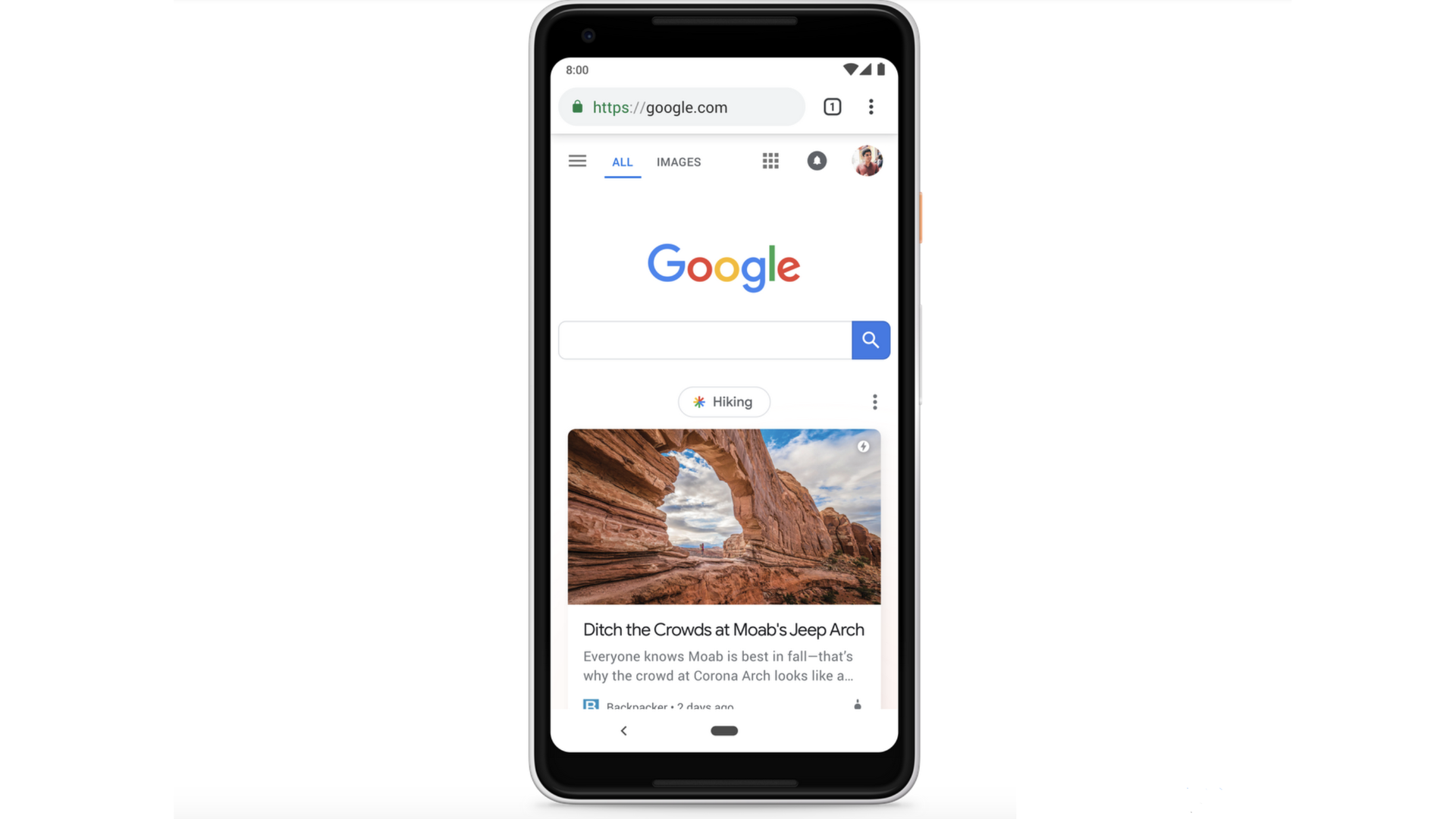
No one ever says "Let's see what's on Google" the way they might say "Let's see what's on Facebook" when they turn on their phones or computers. The search giant is hoping to change that, with the announcement Monday that it will offer a personalized feed of stories, items and links on the Google search home page on all mobile browsers.
Why it matters: After 20 years of dedication to its minimalist home screen, Google may be ready to embrace the shape of Facebook's News Feed, which holds users longer.
A group of companies including Apple, Google and AT&T will call for federal privacy legislation at a Wednesday Senate hearing.
Where it stands: Despite that agreement, expect the firms' differences to be in stark relief, as some of them look to differentiate themselves from the major ad platforms, Google included, that have led the way in monetizing user data.














![A test engineer in a driverless taxi of Yandex.Taxi ahead of a test-drive in the science city [naukograd] of Innopolis. Yegor Aleyev/TASS (Photo by Yegor Aleyev\TASS via Getty Images)](https://images.axios.com/Bczg_Tp6lzWDwc2yB1MYlxgVfcU=/0x0:5184x2916/1920x1080/2018/09/21/1537559835152.jpg?w=3840)