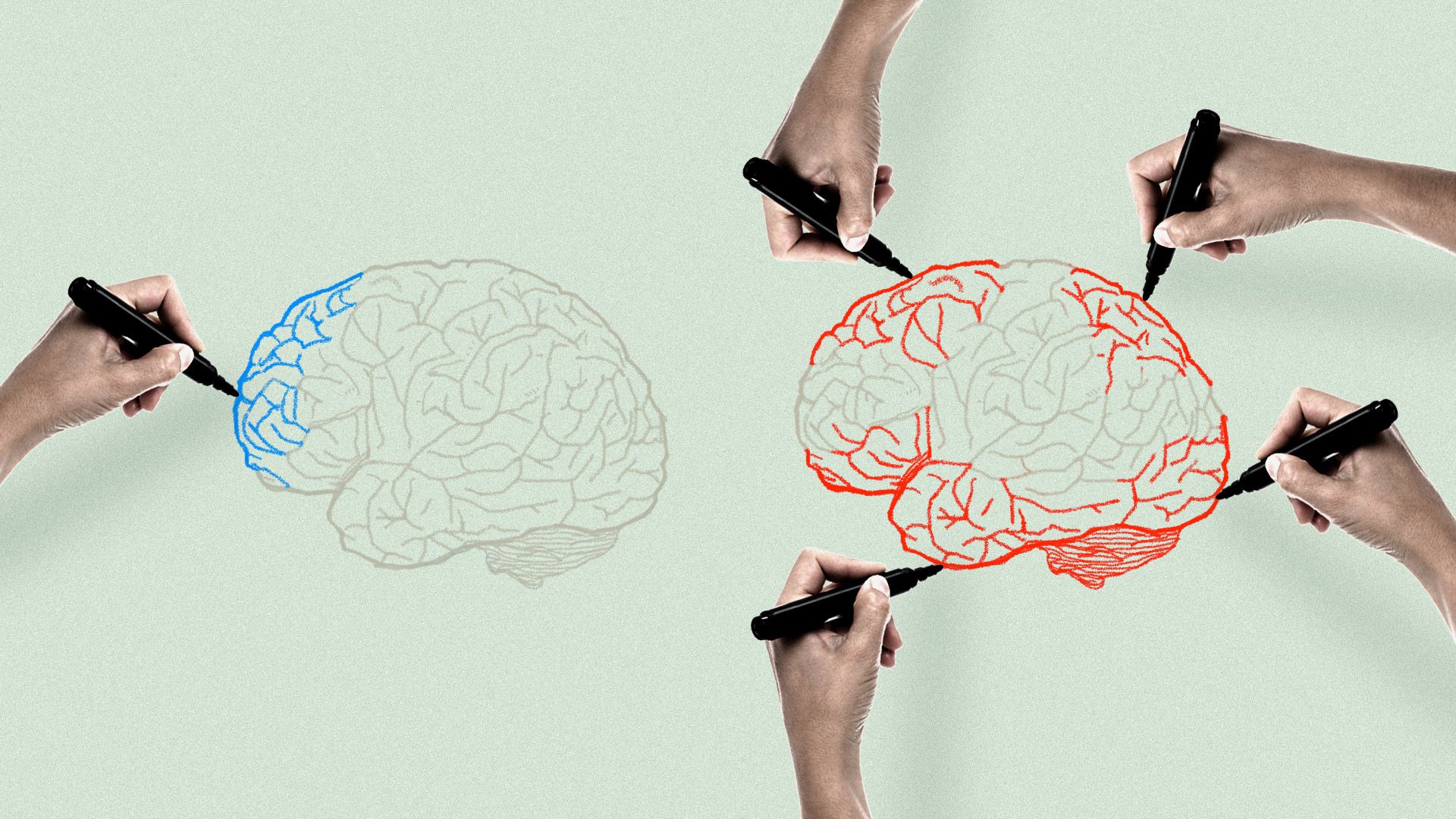
Eager to use artificial intelligence, some companies may be unnecessarily complicating easy business problems.
What's going on: Companies are over-using complex AI techniques when they would be better served with simpler approaches. Rule-based systems, for instance, show their work, thus allowing non-experts to pop the hood and see why an algorithm is misbehaving, unfair or biased.
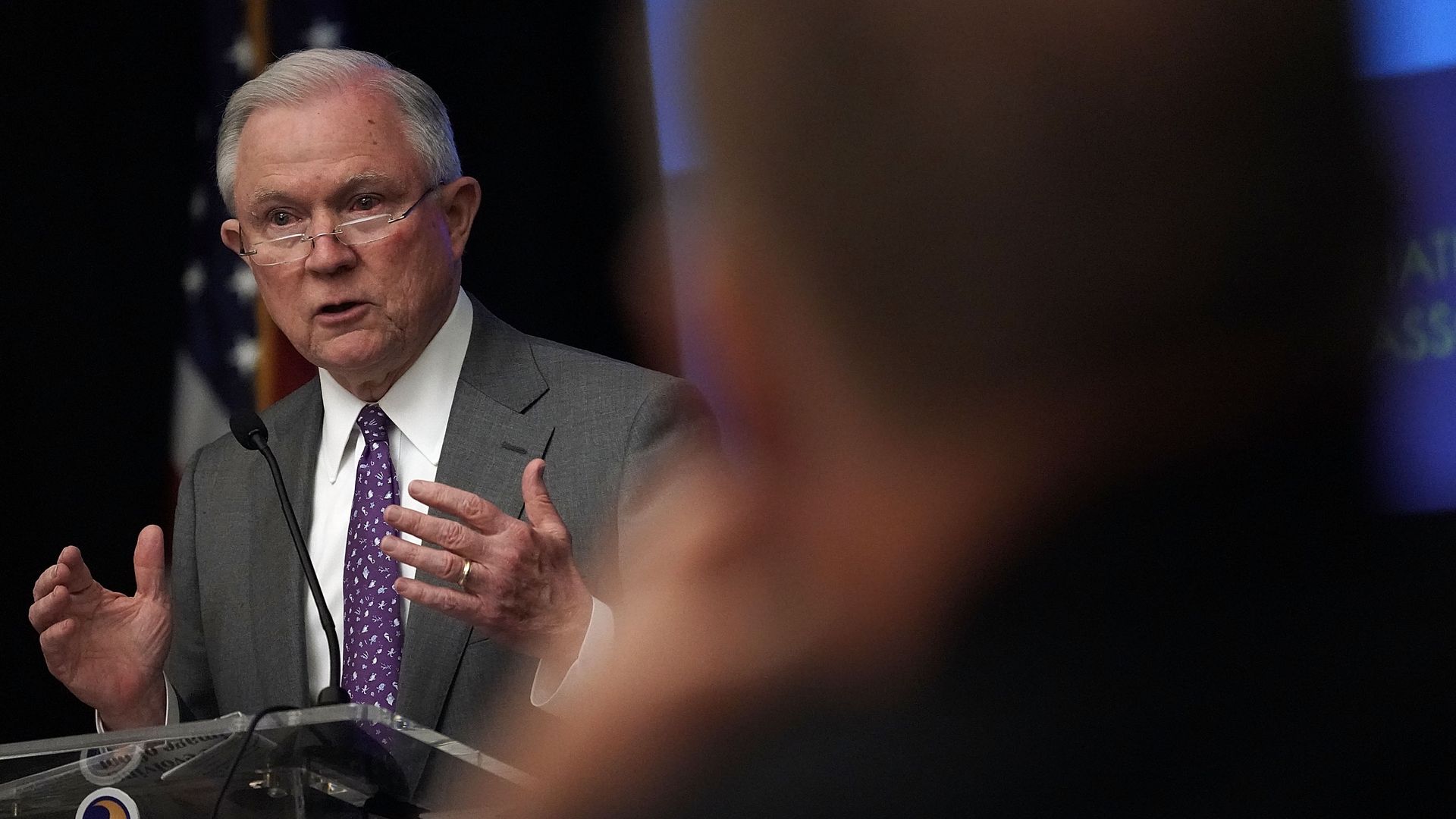
State attorneys general discussed privacy concerns with large platforms during a meeting on Tuesday with Attorney General Jeff Sessions, according to accounts of the closed-door session.
What to watch: Whether state attorneys general or the Justice Department step up investigations into the privacy practices of Silicon Valley or the market dominance of major online platforms.
Google Ventures has participated in London-based cybersecurity startup Snyk’s latest Series B $22 million investment round, with venture capital firm Accel leading the round.
The trend: The tech titan’s venture capital arm appears to have a knack for cybersecurity investments that lead to acquisition deals. In 2012 Google Ventures invested in Duo Security, a multi-factor security tool which Cisco announced this year it intends to acquire. More recently in 2016, Google Ventures invested in CoreOS, a container management system which was acquired by RedHat earlier this year.
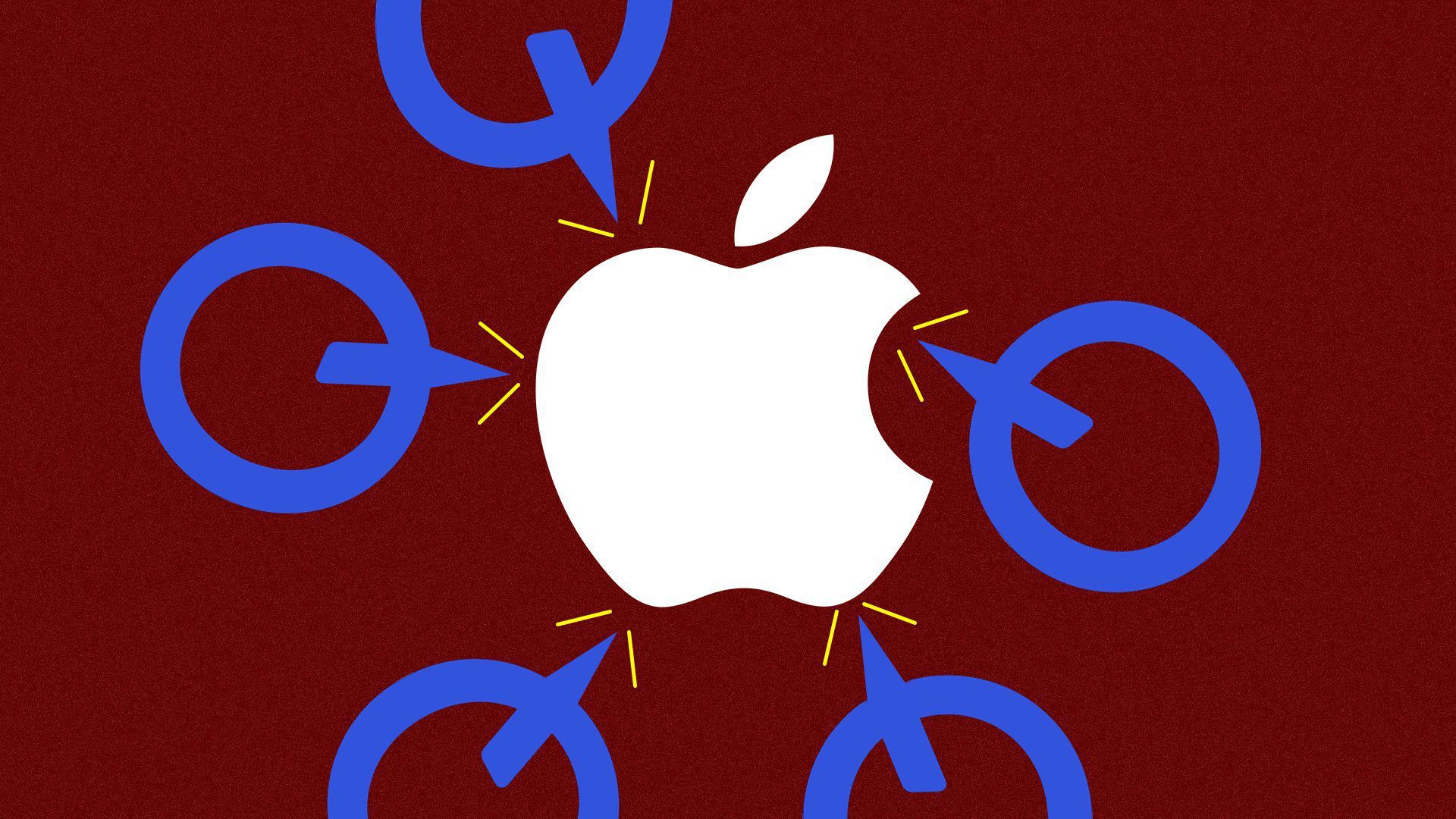
The most high-stakes legal battle in tech just got even juicer. In court documents, Qualcomm says new evidence shows Apple made improper use of its modem technology to help Qualcomm rival Intel develop a more competitive alternative.
Why it matters: Apple and Qualcomm were already locked in a bitter, global court battle. Both companies are behemoths used to getting their way in business dealings — and their face-off has been epic.
The Trump administration has done little to support artificial intelligence research, experts say. Now, the top members of a House subcommittee are calling for a plan to maintain American leadership in AI.
Why it matters: As the White House idled, China implemented a national plan that is propelling its AI research and implementation. Now, the two countries are in a race to reap the technology's economic and military rewards.
Representatives of more than a dozen state attorney general offices will convene Tuesday morning with U.S. Attorney General Jeff Sessions to discuss concerns about social media platforms.
Why it matters: The threat of an antitrust investigation of the big tech platforms looms over the proceedings, but it’s unclear what exactly the Department of Justice's plan is for the gathering.
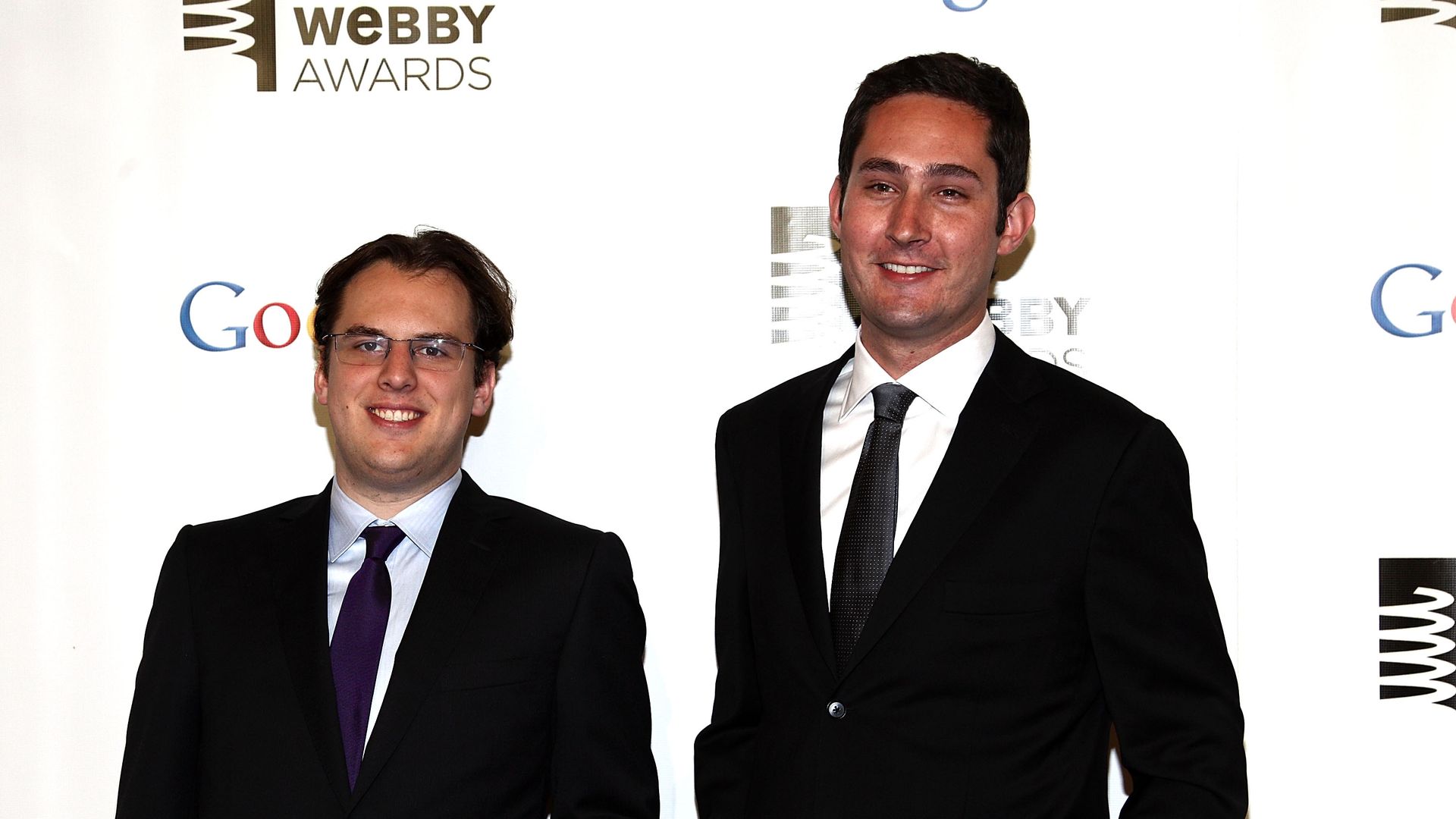
Our thought bubble: Instagram, which has become one of the most successful social media companies in the world under Systrom and Krieger, is seen as something of a savior for Facebook, providing a steady source of growth as its original platform stumbled. The photo-sharing app now has more than one billion users.
Ride-hailing drivers have seen their monthly paychecks cut in half in the last four years, a sign of declining fortunes for gig workers at a time the U.S. economy is moving away from full-time employment, according to a study released today.
What's going on: While U.S. wages are generally creeping up, ride-hailing drivers are earning an average of $783 a month, down from more than $1,500 in 2014, according to the report from the JPMorgan Chase Institute, the bank's think tank.
The White House and Congress are framing a national plan to fund and support quantum research, a field that could eventually deliver enormous advances in computational power and communication.
Why it matters: These advances, though still far off, may be enough to vault a country’s industry and military far ahead of its peers and create an economic boom, experts say. By devising a plan of attack, the U.S. can hope to stay ahead of China, which has for years invested deeply in developing the technology.
Google Feed, which surfaces content on topics users' activities show they're interested in, is getting a new name, Discover, and a home on the mobile search screen directly below the search box.
Why it matters: The change, part of a set of updates to Google's search services announced on the 20th anniversary of the search engine's 1998 launch, reflects Google's deep-set faith that individual interests, rather than social trends, are the best way to serve users' informational needs.
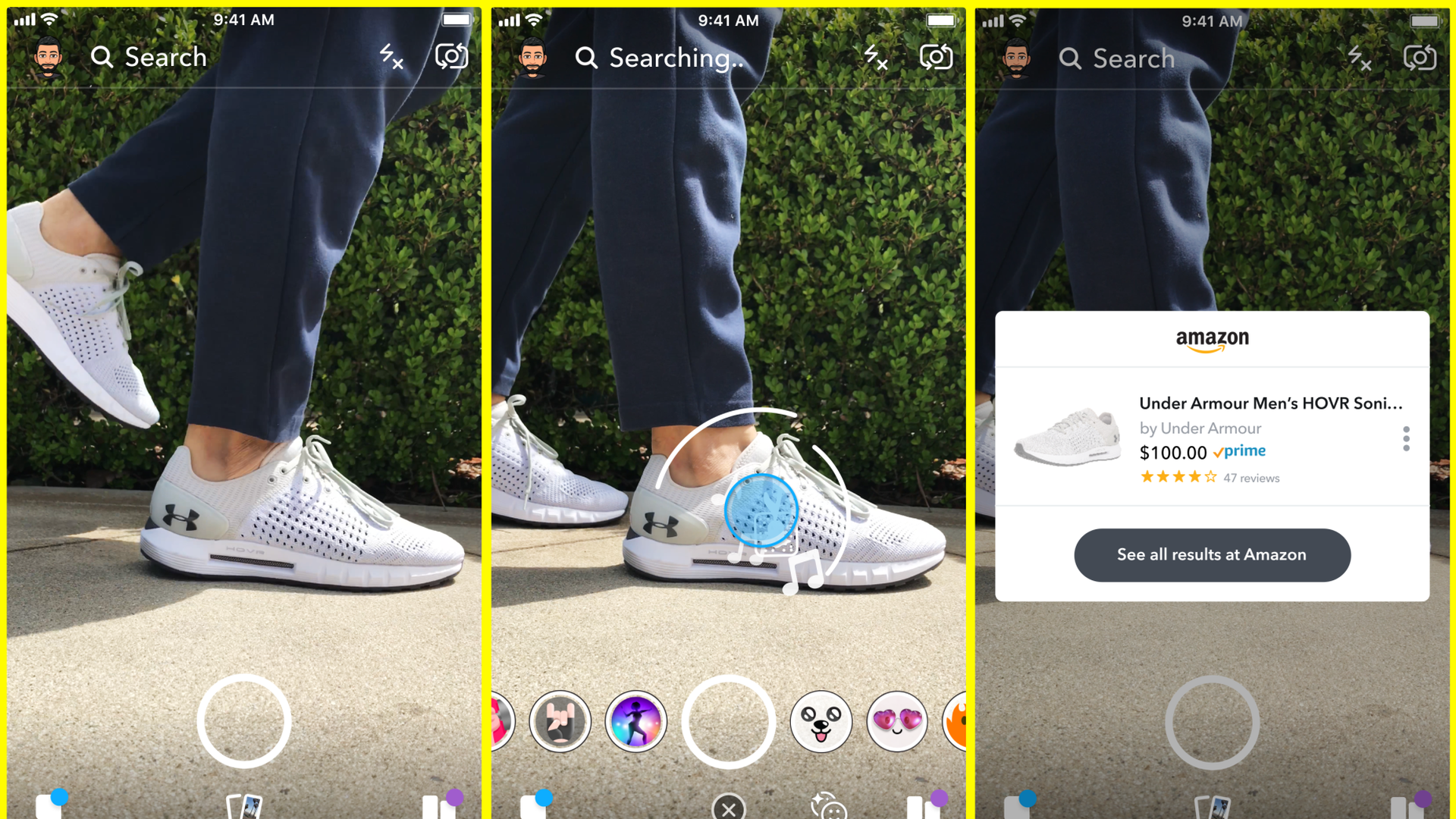
Snapchat stock was up nearly 5% Monday after the company announced that it's testing a feature that will allow users to search for products on Amazon by using Snapchat's camera.
Why it matters: Snapchat has invested heavily in making its app more than just a tool for selfies. It wants to become a utility for users that can help them search for products, experience augmented reality and, now, shop.
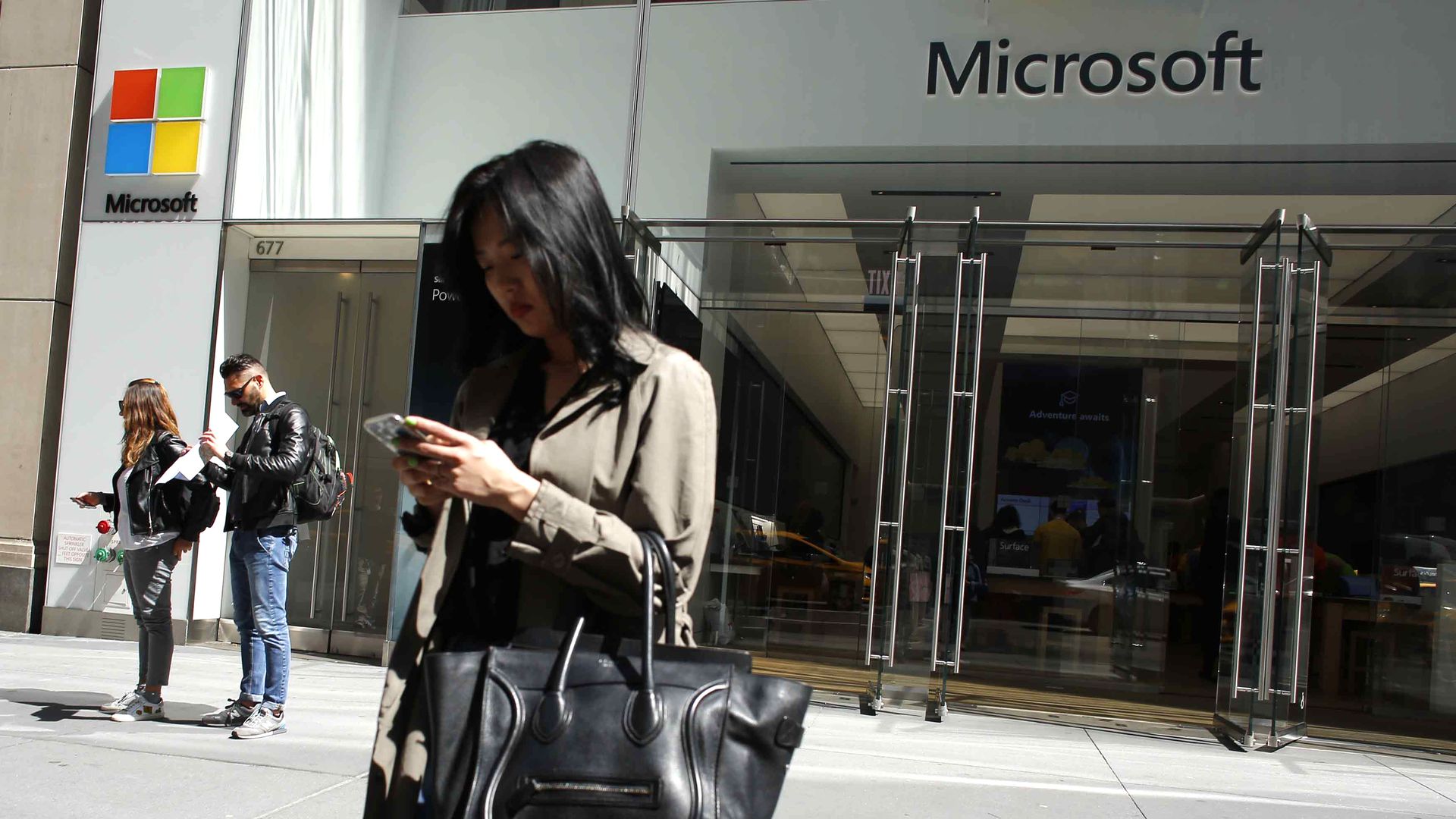
Microsoft announced a suite of security tools for its cloud offerings at its Ignite conference on Monday. Those tools include a security score, password-less login via the new Microsoft Authenticator app, and a consolidated platform for its security programs.
Why it matters: Microsoft Corporate Vice President of Security Rob Lefferts tells Axios that the goal of the new services is to increase security without increasing user or administrator effort.
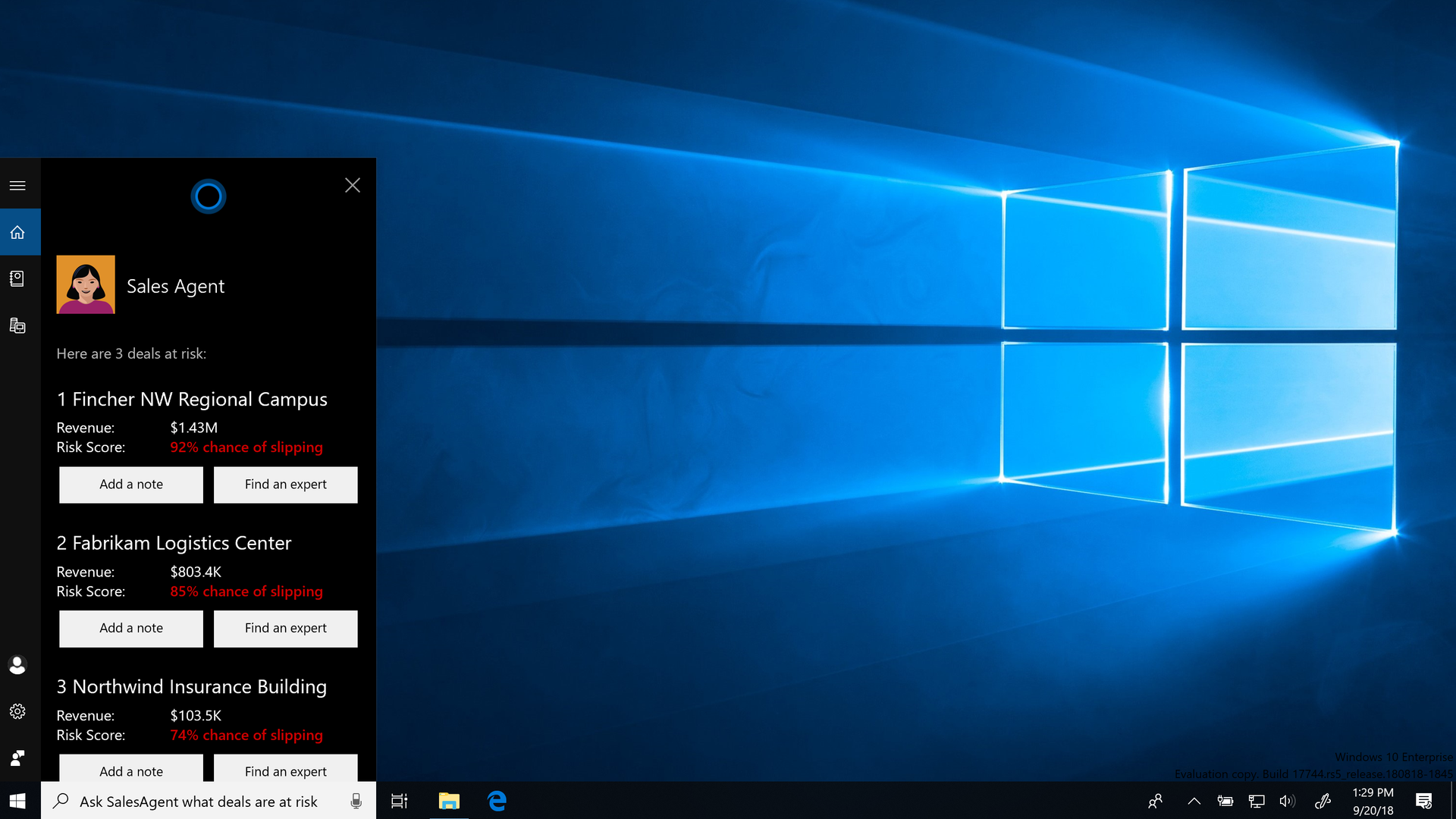
Nifty new capabilities in Office to be announced later today are the most tangible fruits of a larger move at Microsoft to infuse artificial intelligence into everything it does.
Why it matters: As Windows and Office markets have both matured, Microsoft is looking for its next big thing, and betting big on AI.
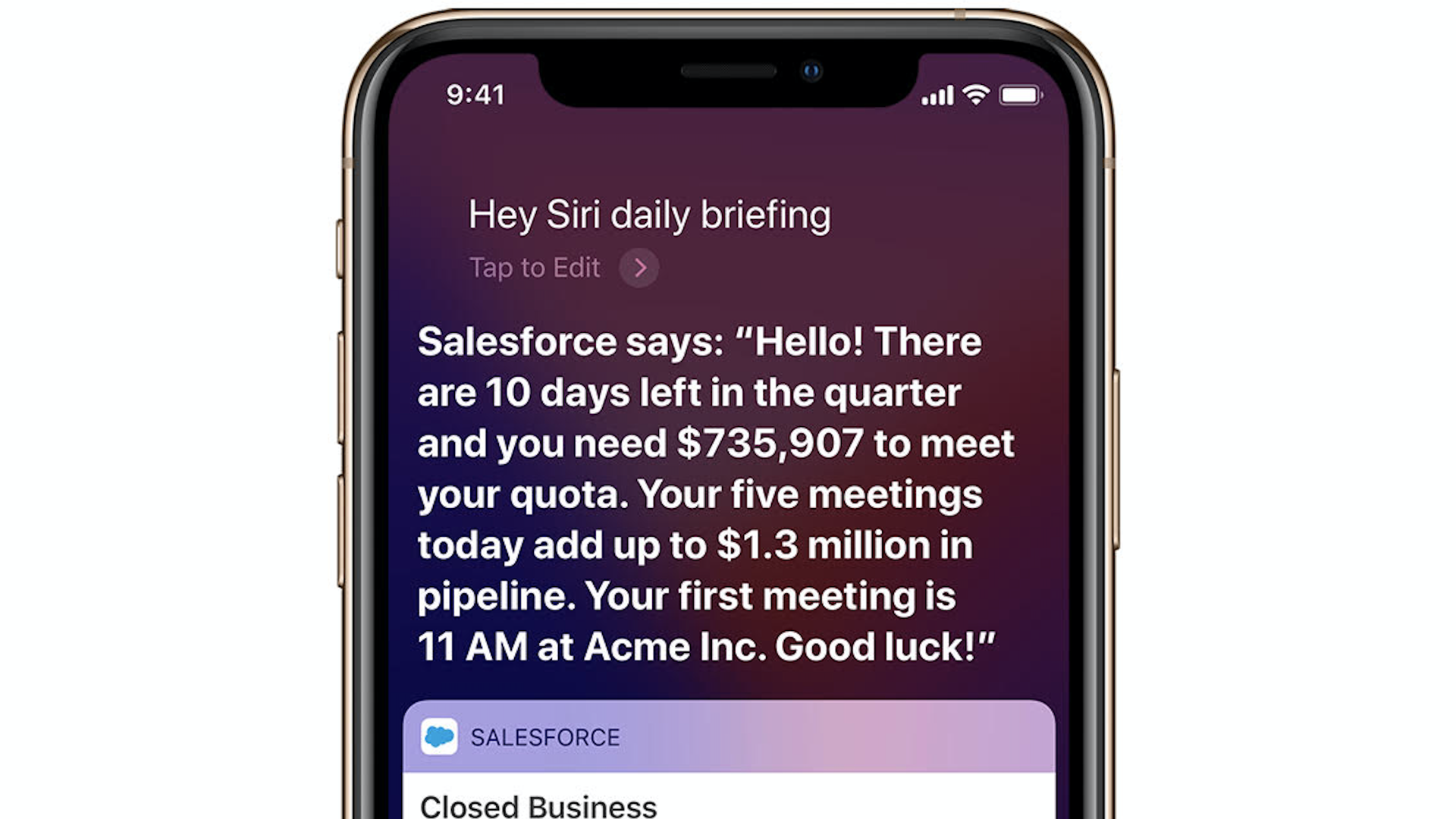
Salesforce is working with Apple in a technical collaboration aimed at bringing more of its services natively to the iPhone and iPad.
Why it matters: Though not known for its business sales, Apple has steadily grown its enterprise effort, especially around iPhone and iPad, enlisting establishment players such as IBM, SAP and Cisco as partners.
Google’s top privacy staffer will defend the company’s business model at a Wednesday Senate hearing while backing the broad idea of new privacy rules.
The big picture: Google finds itself in a precarious spot in Washington, with lawmakers questioning the giant not only about privacy but also about its plans to re-enter the Chinese search market and allegations of anti-conservative bias.
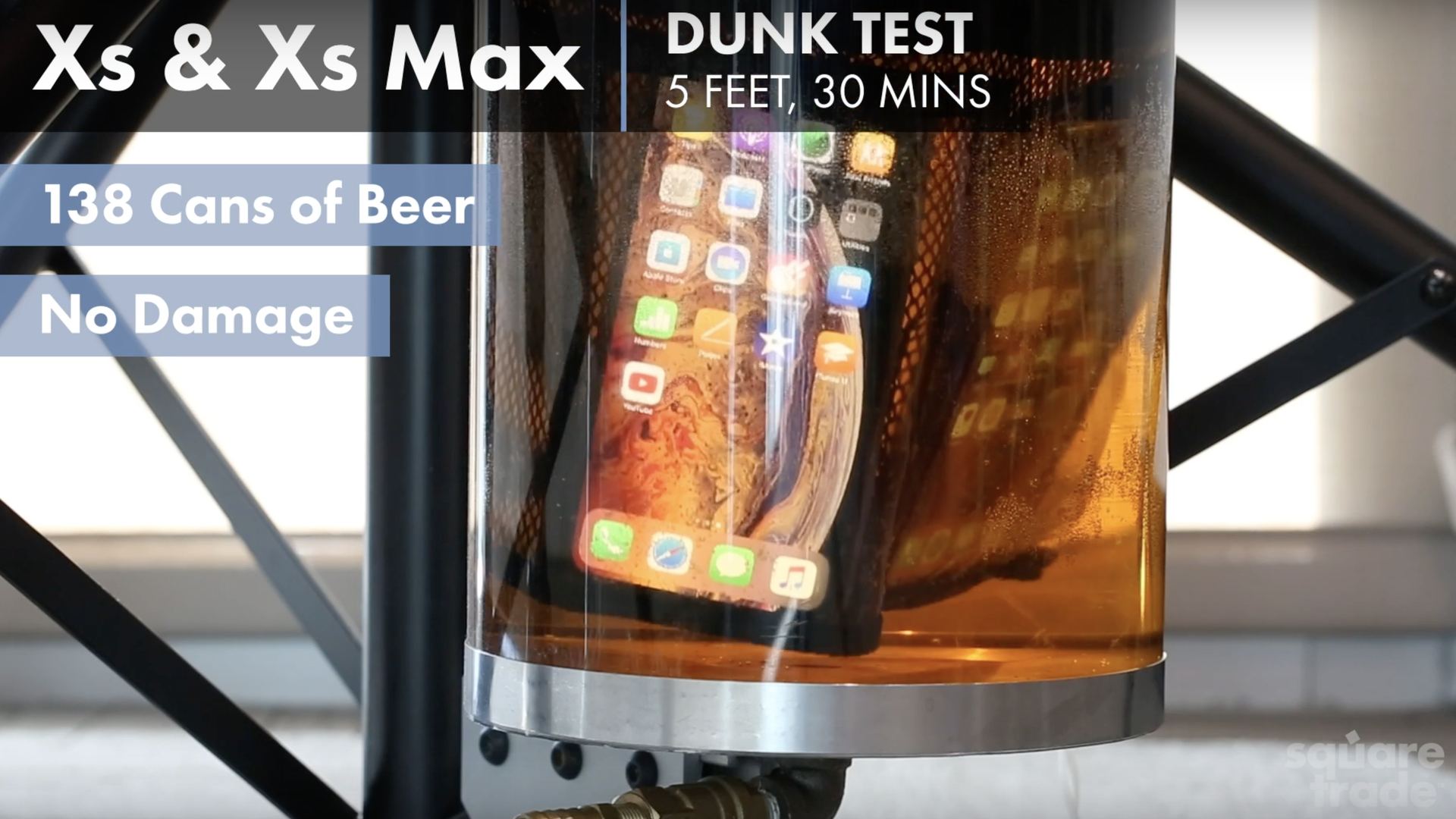
The iPhone XS lives up to Apple's claims that it can withstand a soaking in beer, but still breaks easily when dropped, according to one third-party test.
Why it matters: Repairs to the iPhone XS are especially expensive, with a replacement of the glass case costing more than most Android smartphones ($399 for the front glass and $599 for the back glass).