When chess grandmaster Garry Kasparov considers self-driving cars, he thinks of elevators: for the first half century they were in use, almost no one would get on one unless an operator was aboard to push the buttons. But then, in 1945, elevator operators went on strike.
Why it matters: With a soothing ad campaign, the industry got people to stop sweating, and push their own buttons. So it is with autonomous driving,Kasparov told the WSJ Future of Everything Festival yesterday in New York: "No machine will reach 100% perfection, but it will be much safer."
Customers can now purchase tires from Amazon and have them installed at Sears, as part of a new deal between the online retail giant and the department store trying to regain its footing, reports AP.
Why it matters: This deal is another step closer to the automotive industry for Amazon. The company launched a research hub for car buyers in 2016 and even partnered with Chrysler to sell cars, but hasn't yet begun selling them.
New 3D models of living human cells generated by machine-learning algorithms are allowing scientists to understand the structure and organization of a cell's components from simple microscope images.
Why it matters: The tool developed by the Allen Institute for Cell Science could be used to better understand how cancer and other diseases affect cells or how a cell develops and its structure changes — important information for regenerative medicine.
Match Group's chief executive said during a Wednesday earnings call that Facebook had pledged not to change its key relationships with the company as the social network becomes a competitor.
Why it matters: Facebook's announcement of a dating product caused Match Group's stock to drop over worries about the new entrant and Match's historic reliance on Facebook's services.
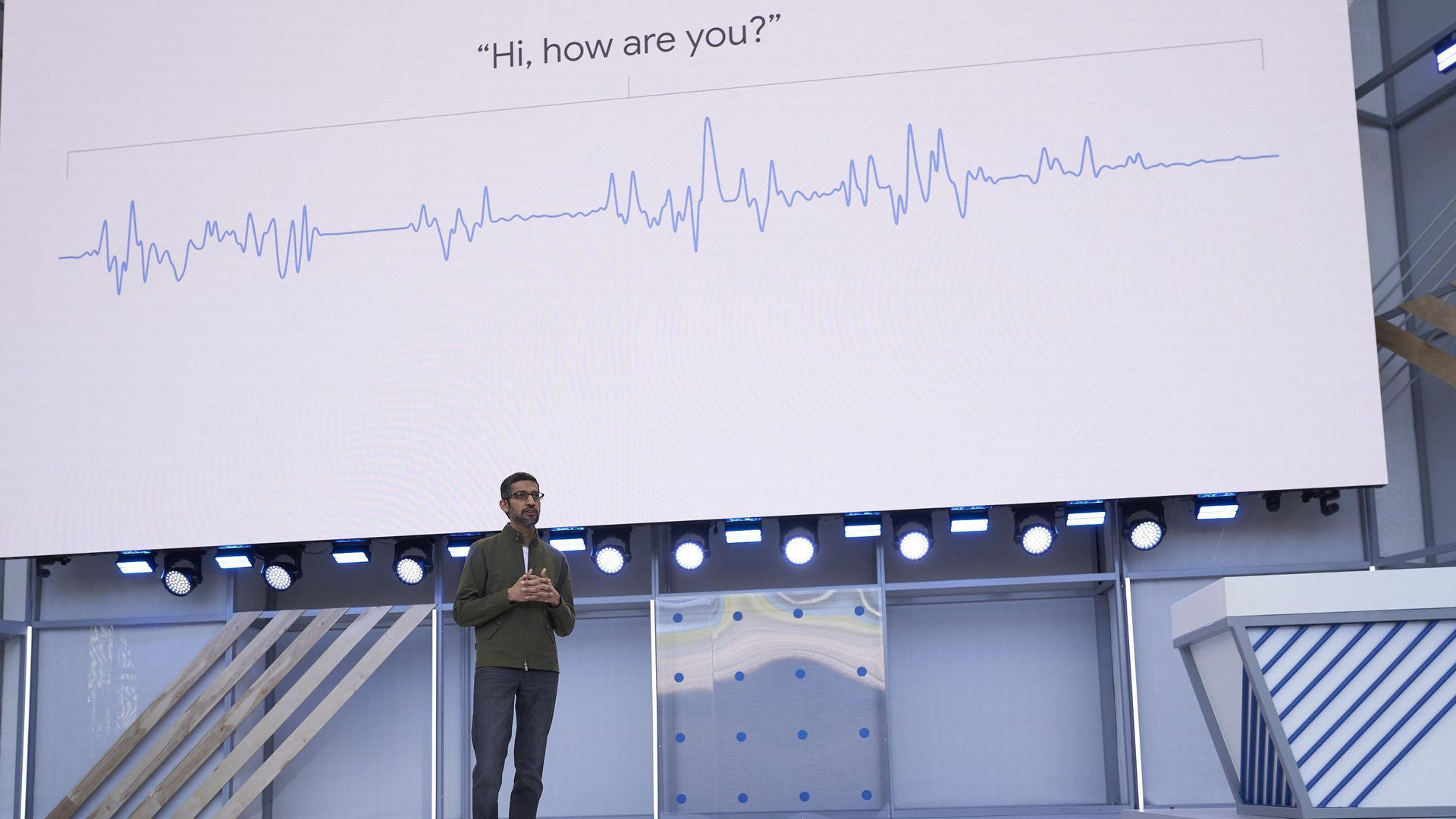
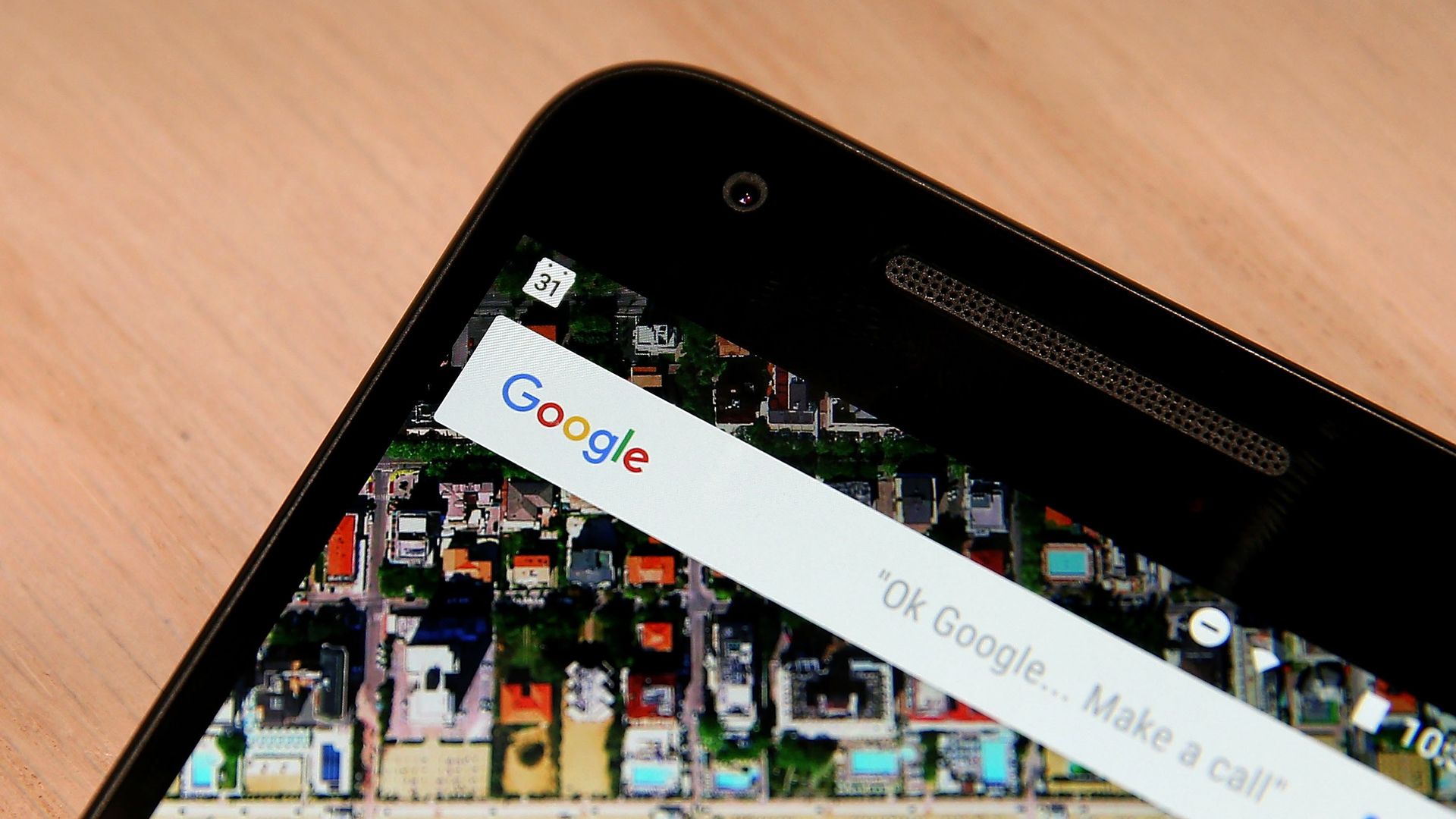
Google's robotic assistant, which can convincingly converse with a person to make a reservation and uses all-too-human sounding "umms" and other responses, was met with a mix of awe and concern after Google's opening I/O keynote.
Why it matters: Though incredibly impressive, there are a lot of questions about just how far Google has gotten in its effort to get its robot assistant to reliably converse with a human. That Google can do it successfully even part of the time is an impressive feat. It's not quite passing the Turing Test, but it's a big step in that direction.
Facebook is reshuffling its organization and top product leadership, including new leaders for its Messenger, WhatsApp, and core Facebook apps, as Recode first reported and the company confirmed to Axios.
Why it matters: CEO Mark Zuckerberg has revamped his nearly 15-year-old company the way a software developer would refactor an overgrown codebase, looking for new efficiencies and room to grow in new areas — one of which, blockchain, is getting its own new unit.
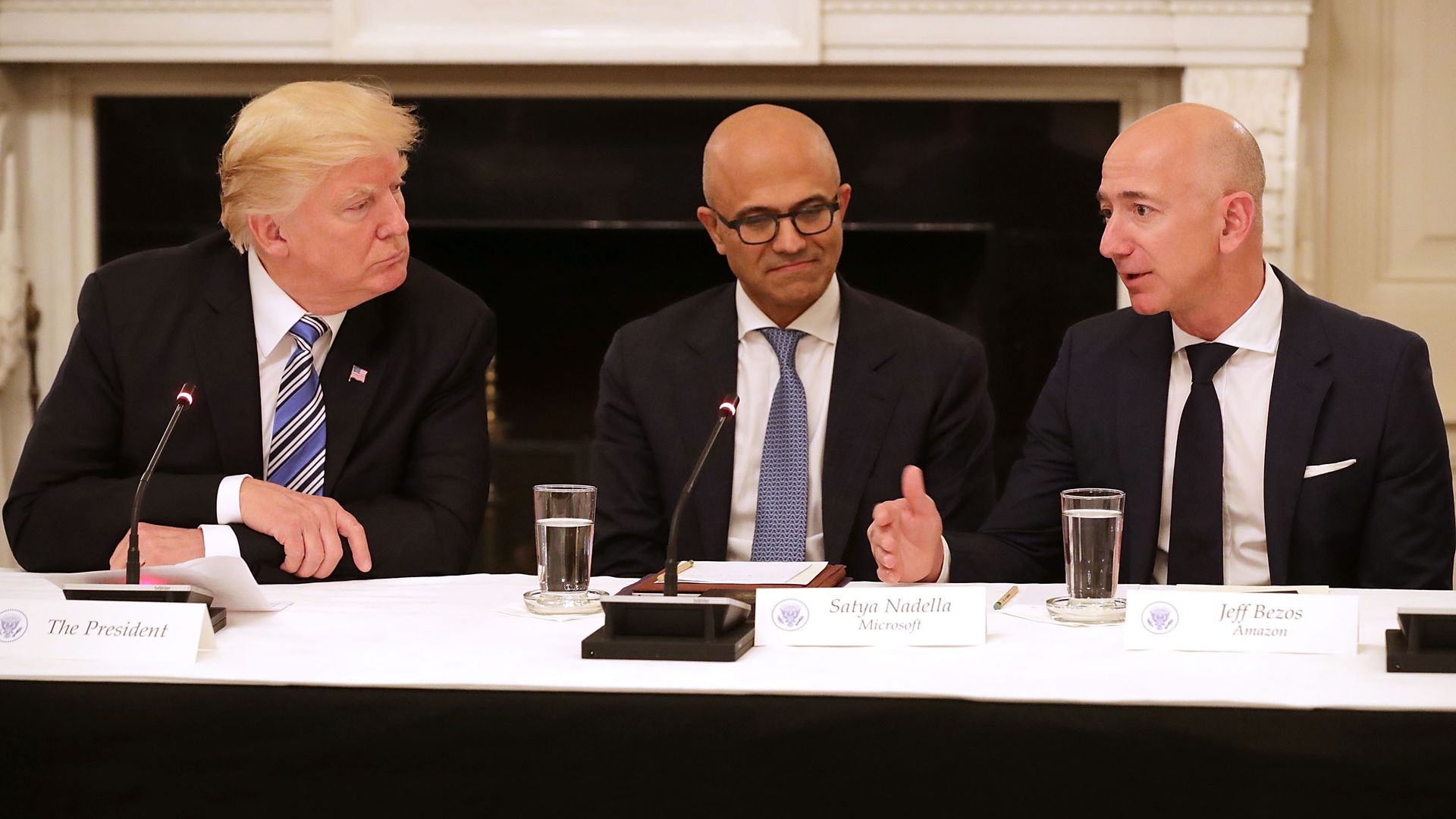
Trump administration officials and Silicon Valley execs will discuss some of the hottest questions about artificial intelligence later this week, including whether the technology can evolve in an ethical way without new government regulations.
Why it matters: The all-day Thursday meeting is the most public effort by the Trump White House so far to wrap its head around AI, although staffers have been talking with people outside the White House about the topic for months.
Slack, which has long been seen as a possible IPO candidate, says it now has more than 8 million daily active users. On the paid front, it says it has more than 3 million users, including 65% of the Fortune 100.
Why it matters: Slack's business is managing workplace communications, an area also coveted by Google, Microsoft and Salesforce, meaning the company needs to stay ahead of the pack. CEO Stewart Butterfield told me last year that he is running the company so it could go public, but when it will is another matter.
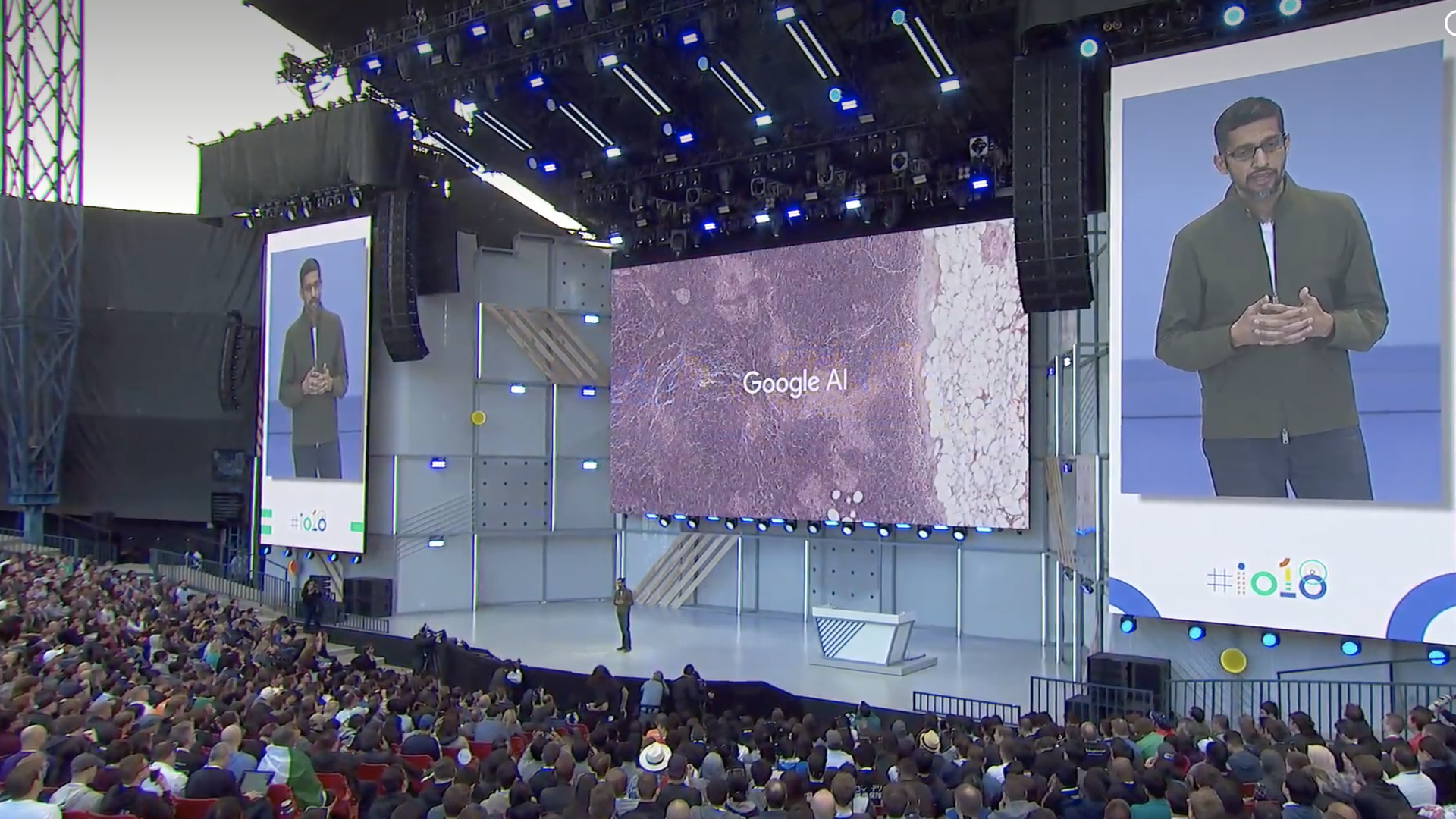
CEO Sundar Pichai kicked off Google's annual developer conference announcing new capabilities for Google Photos and Assistant, while also acknowledging a need to make sure tech isn't misused. "We can’t just be wide-eyed," he said.
The bottom line: Google has two main goals at this year's I/O conference: convince developers it has the most powerful tools and sway regulators and critics that it is using that power appropriately.
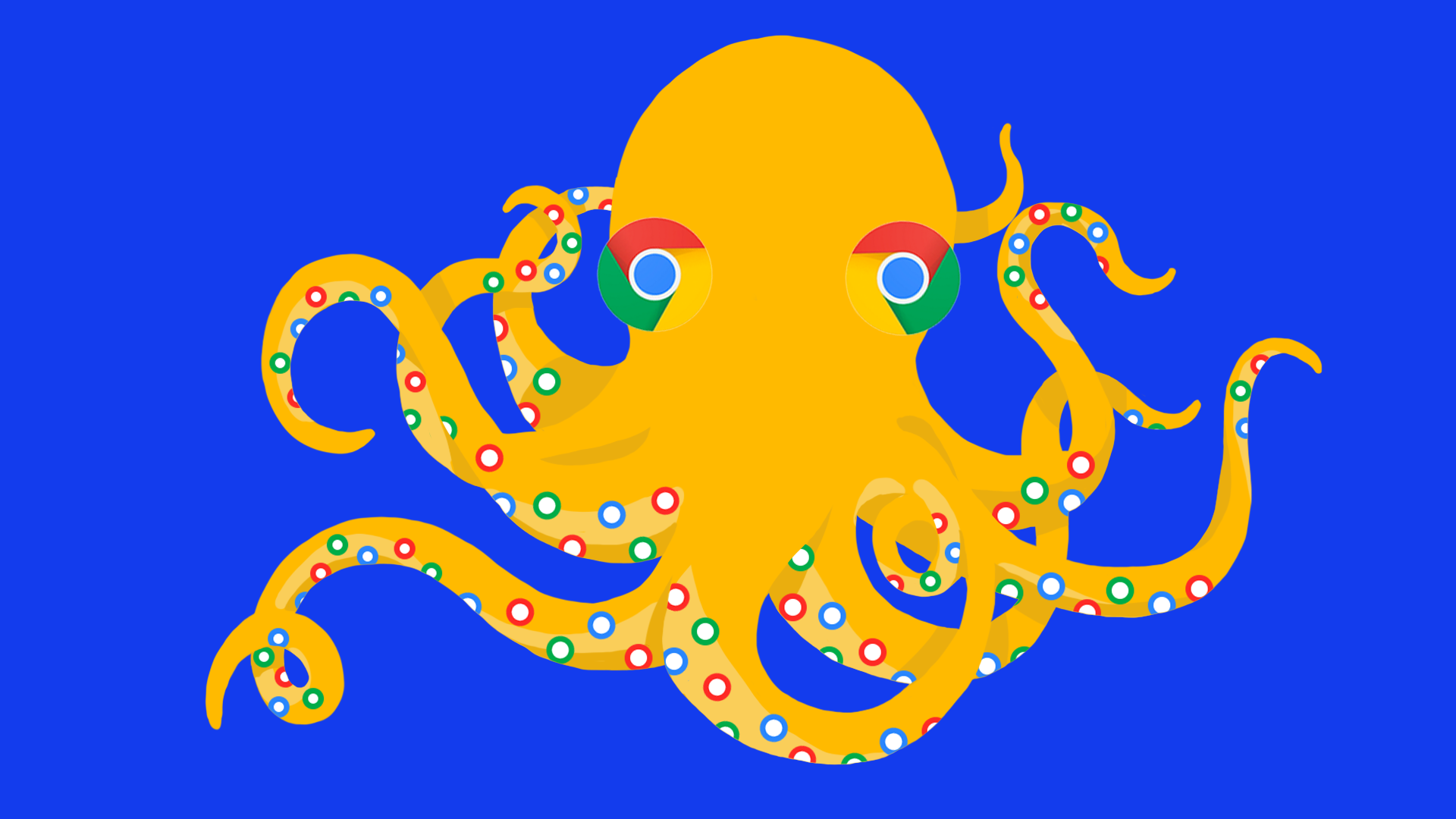
Google is a gigantic octopus, with sprawling, growing tentacles reaching deep into every nook and crevice of media companies — very much including Axios.
Be smart: The media is obsessed with Facebook — but is exponentially more dependent on Google. We took a look at Google's reach within our company of 120.
Google has emailed publishers an update to their ad serving platform, called "Ad Technology Provider (ATP) Controls," that allows publishers to select GDPR-compliant ad tech vendors moving forward.
Why it matters: The controls are meant to make it easier for publishers to become compliant. According to a Google spokesperson, user research by Google around consent solution tests finds that people are more likely to give consent to publishers where the list of ad tech vendors is shorter.
California has become the world's fifth largest economy — and the New York Times examines how "all of that money pouring in to California’s tech and entertainment industries produces a big wealth effect."
An eye-popping stat: "Apple ... brought in more revenue in its latest fiscal year — $229 billion — than the entire economic output of Wyoming, five times over."
Comcast is asking investors to increase financing mechanisms by $60 billion so it can make an all-cash offer for 21st Century Fox's media assets, Reuters reports.
Why it matters: Fox has already agreed to sell its media assets to Walt Disney Co for $52 billion. Reporting and regulatory filings suggest that Fox rejected higher bids from Comcast previously due to regulatory concerns.
Facebook is defining what it considers "issue ads" through an initial list of ad topics, ranging from abortion to guns, that will require authorization and labeling on its platform in the U.S.
Why it matters: The definition of an issue ad can be very nuanced, which is why it is often more difficult to regulate than election ads, which tend to simply advocate for one candidate over another.
Google and Facebook, which together dominate the market for digital ads, will no longer allow bail bonds services, which advocates say prey on vulnerable people, to advertise on their platforms.
Why it matters: From Russian election meddling to discrimination, there's a larger reckoning going on about harms that can come from the sprawling online ad ecosystem. Both companies have banned ads for high-interest payday loans already, as well as ads for cryptocurrency.