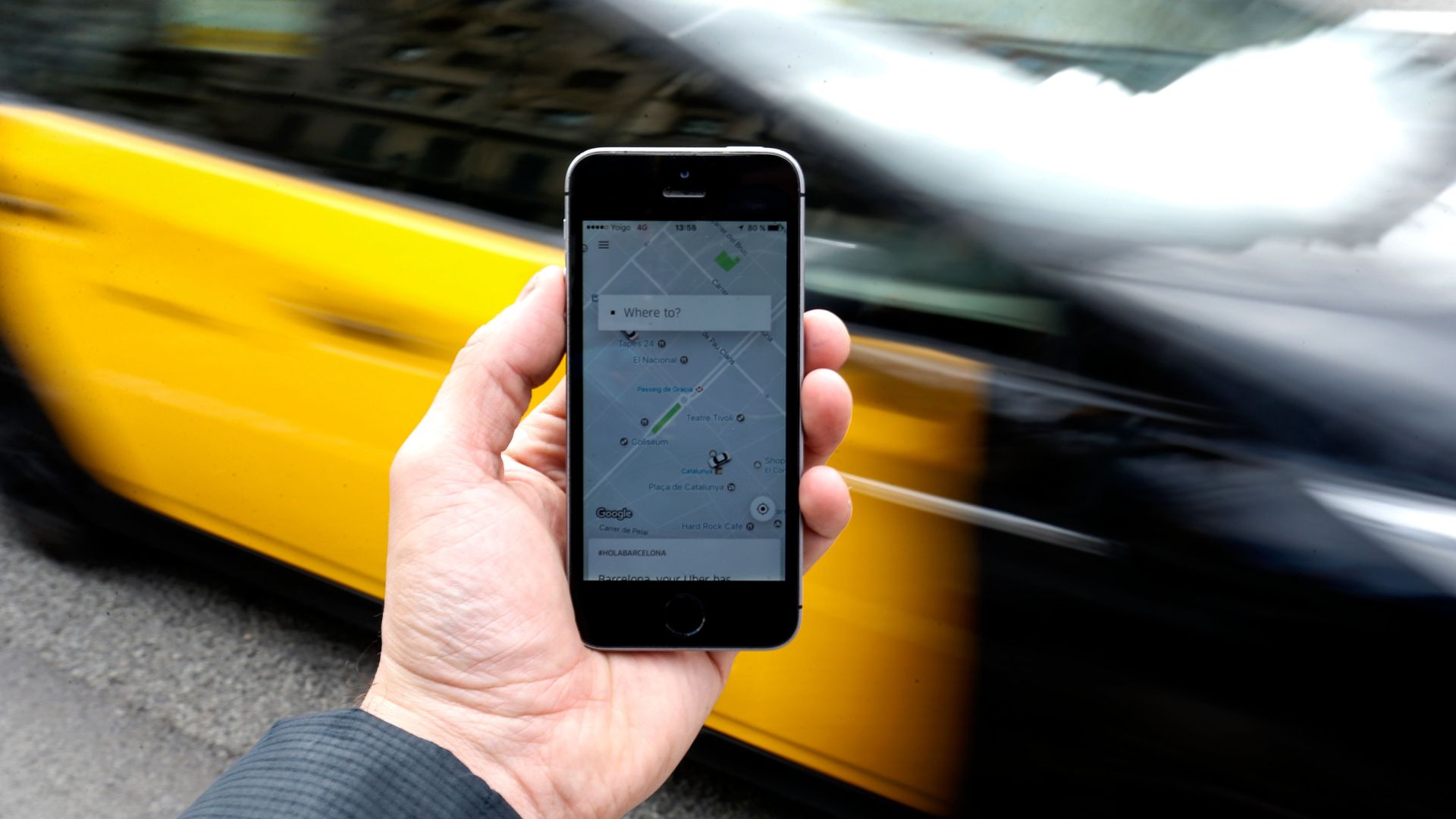
Uber has hit a wall in its search for a chief financial officer as VMware Inc.'s Zane Rowe reportedly turned down the job, per the Wall Street Journal.
Why it matters: Uber hasn't had a CFO since Brent Callinicos left in 2015, and the company needs a finance chief to shepherd its initial public offering, planned for 2019.
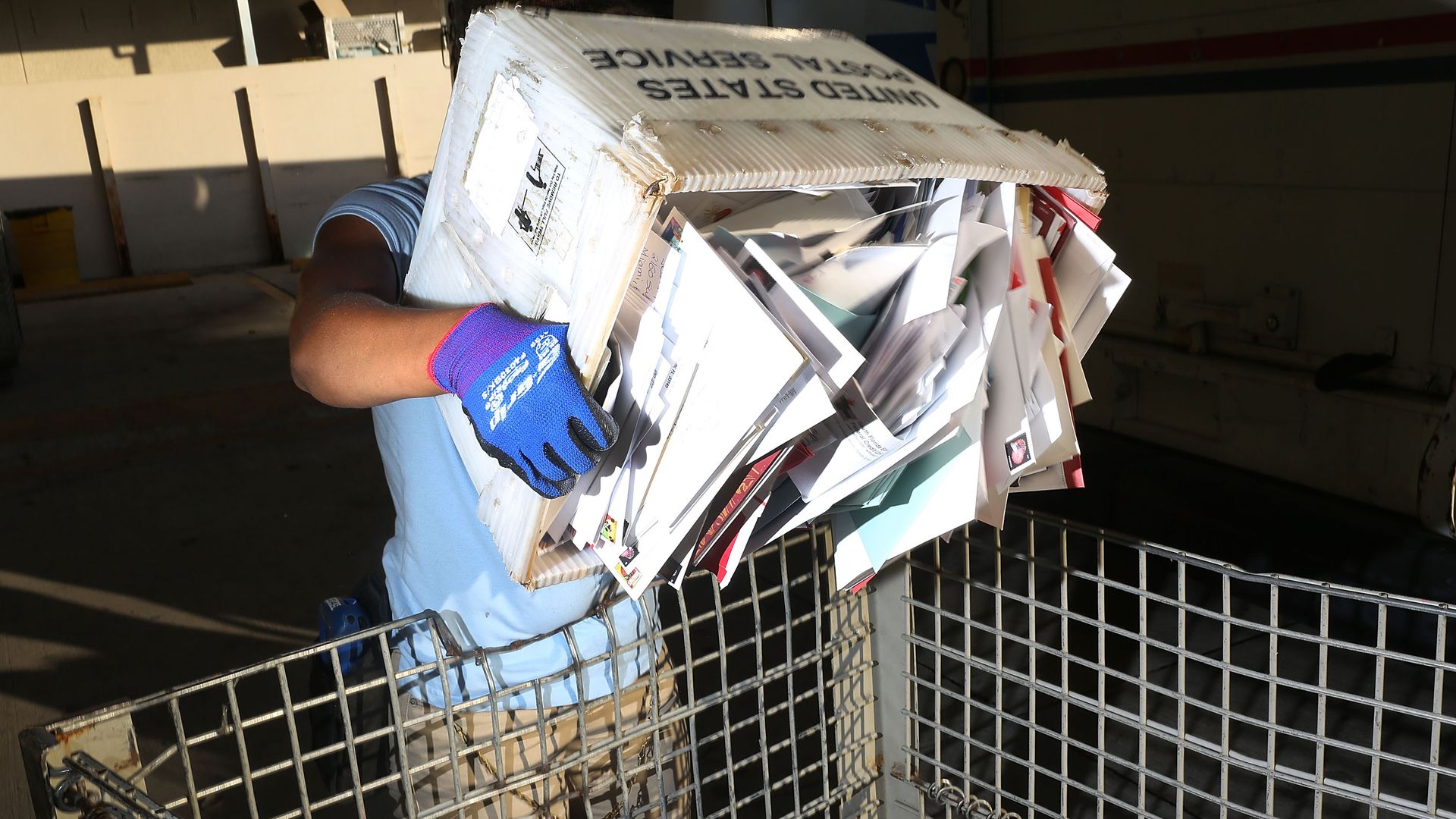
The Postal Service lost $1.3 billion in the first quarter of 2018, CNNMoney reports. The agency cites the decline of physical mail and the rising cost burden of retiree benefits — not Amazon's market dominance — as reasons for the blow.
The big picture: This quarter's loss adds to a years-long pattern at the Postal Service. The agency, which is affiliated with the federal government but operates as an independent business, has lost $65 billion in the last 11 years.
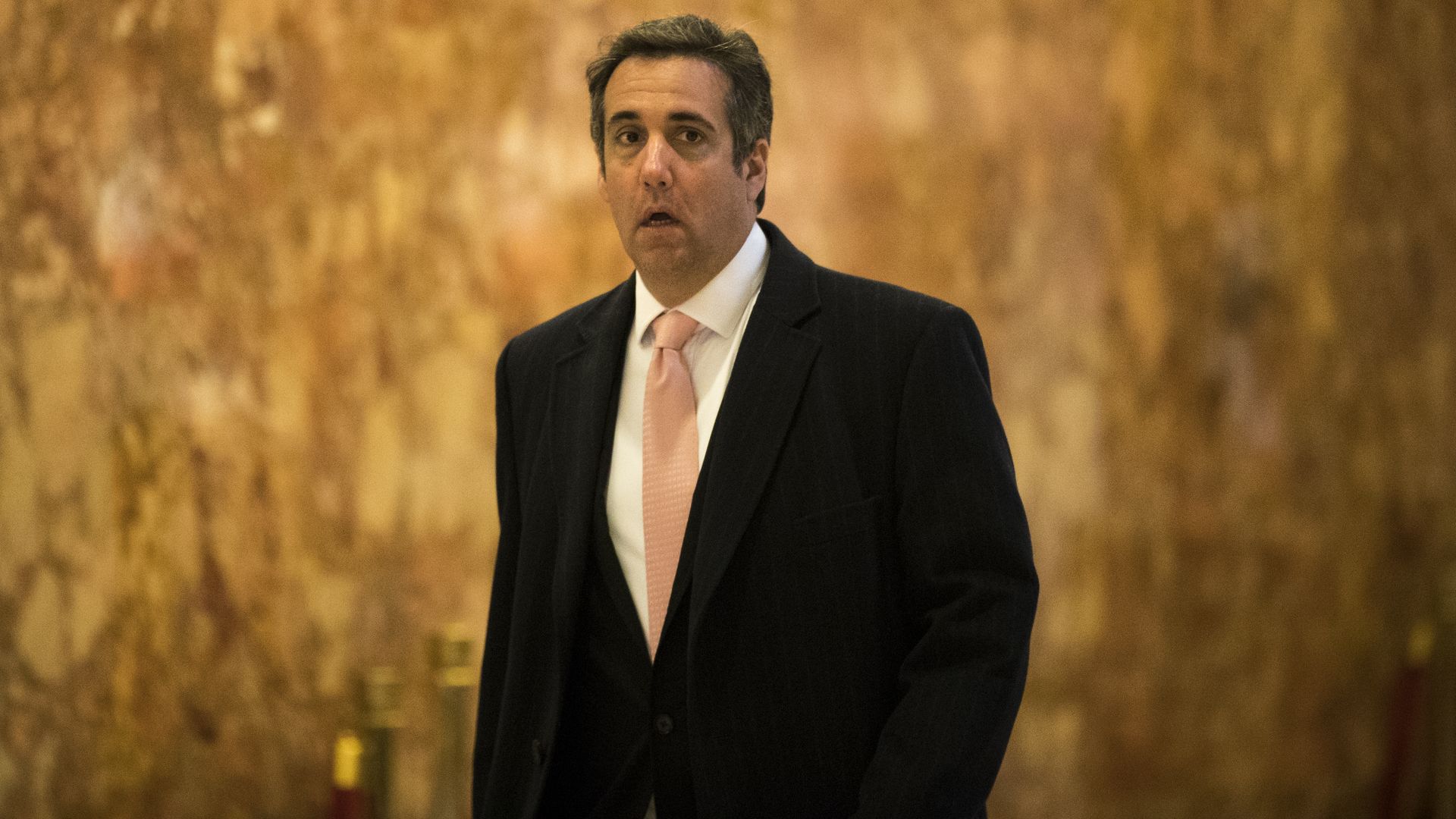
In a matter of days, the Michael Cohen-AT&T affair has disrupted one of the most sprawling influence operations in Washington.
Why it matters: The scandal over AT&T’s payments to Trump attorney Cohen — which led the telecom to announce the retirement of its top lobbyist Friday — shakes up its war with Google and Facebook for regulatory wins and digital advertising dollars.
Facebook's new blockchain division, led by ex-Messenger chief (and Coinbase board member) David Marcus, is reportedly developing its own digital token to facilitate online payments for its users, according to Cheddar.
Why it matters: Blockchain tech and digital tokens are all the rage — it's no surprise a giant like Facebook would explore the technology and its potential advantages.
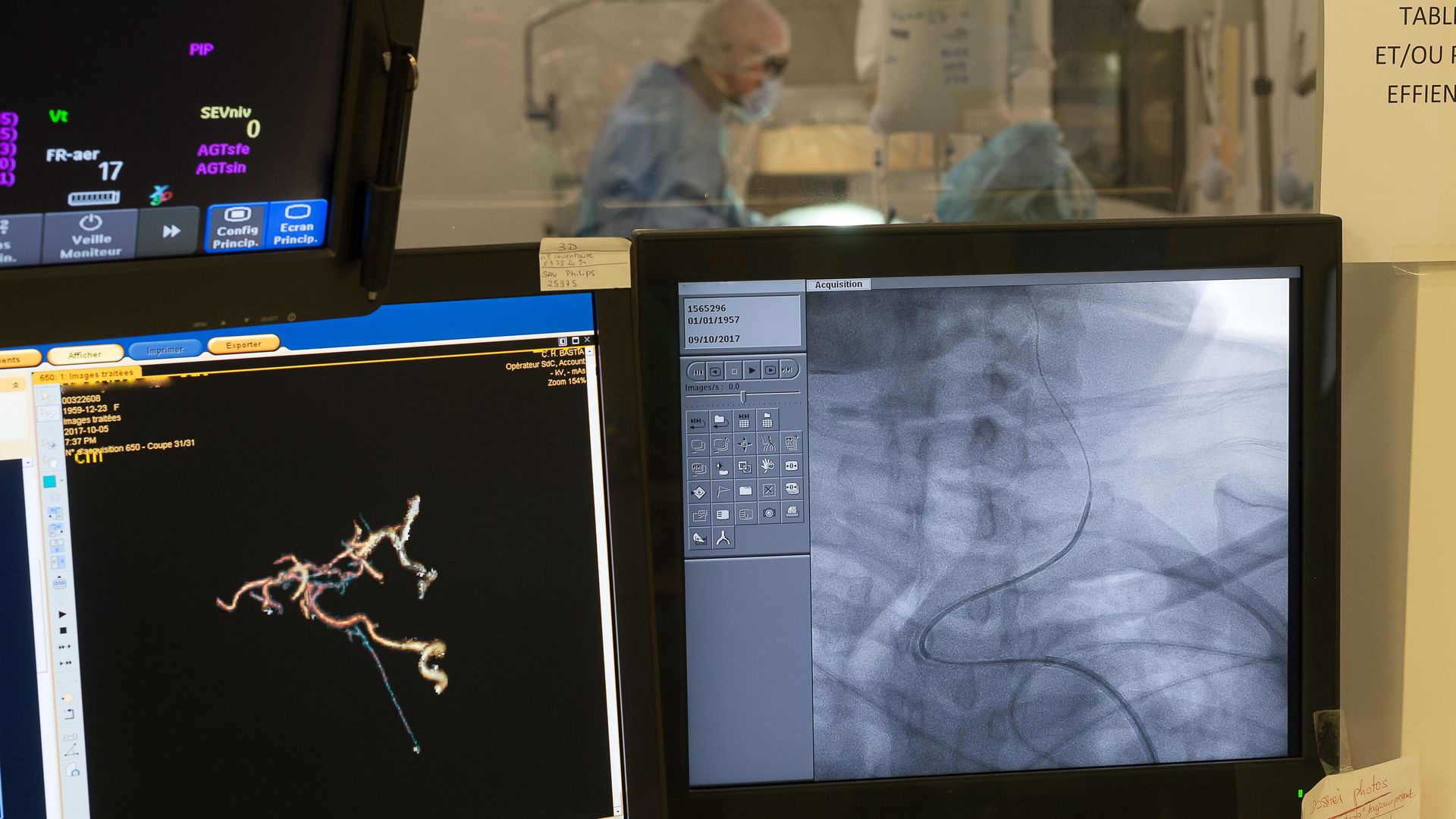
Artificial intelligence systems can predict patients’ diagnoses and outcomes with startling accuracy, and we don’t even know how they’re doing it. But we’re going to end up relying on them anyway, according to an article in the Harvard Business Review.
The details: A team of academic researchers recently fed Google’s machine-learning system anonymous data on hundreds of thousands of patients, and the AI was able to make accurate diagnoses and predictions.
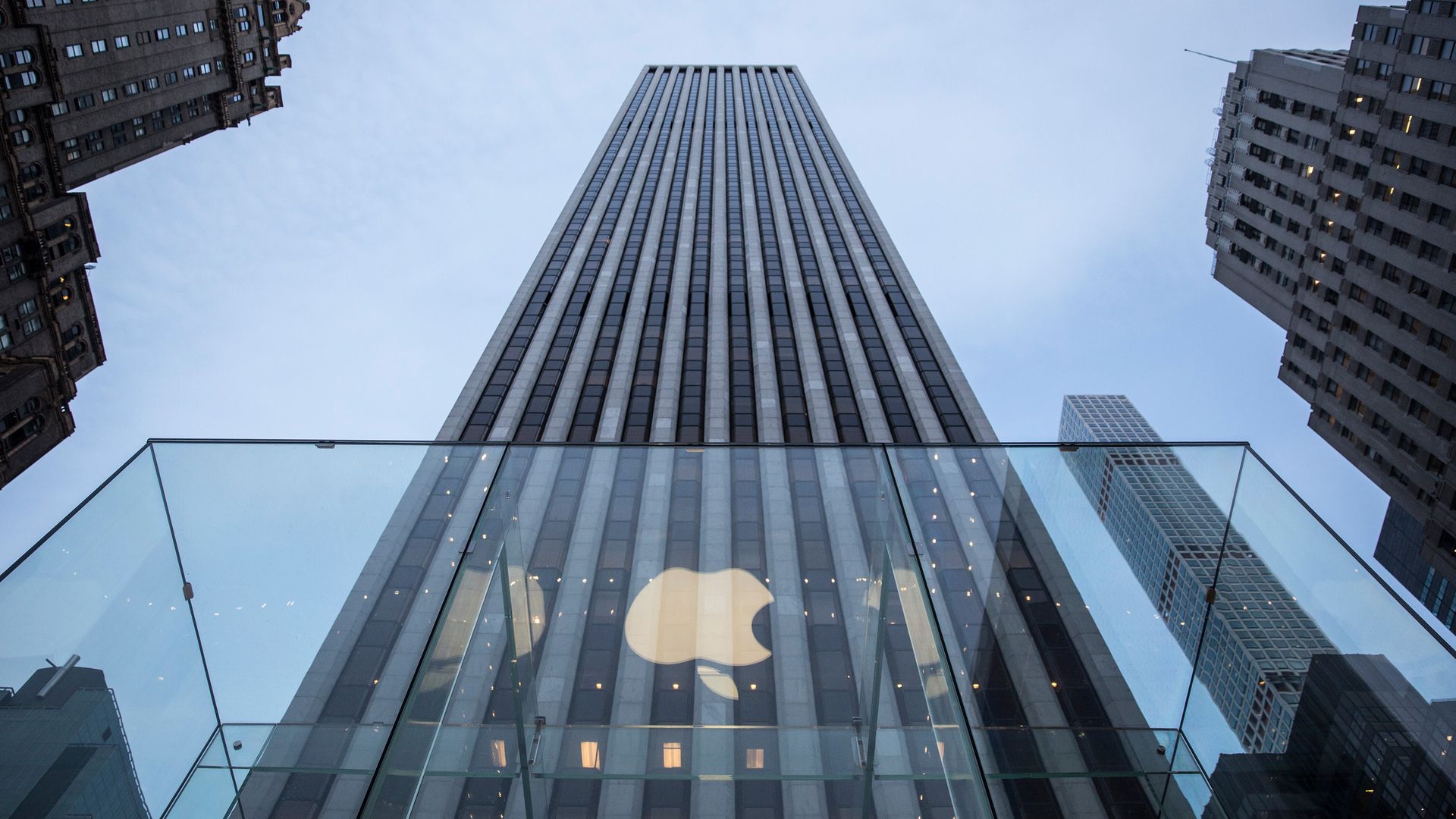
Apple and Goldman Sachs Group Inc. are preparing to launch a new joint credit card under the Apple Pay brand, replacing its reward partnership it is currently in with Barclays, reports the Wall Street Journal.
The big picture: Apple is right on the cusp of becoming a trillion-dollar company, and this move will push it closer to that threshold. The partnership will make Apple product easier to purchase with in-store loans available through Goldman Sachs. [Go deeper with Apple's march to $1 trillion.]
The first sentence, second paragraph corrected to say Apple is on the cusp of becoming a trillion-dollar company, not the world's first.
Facebook stock today closed up 1.53% to $183.53 per share, which is higher than before the March revelation that user data had been improperly obtained Cambridge Analytica.
Bottom line: Wall Street is no longer worried that the privacy scandal will either diminish Facebook usage or lead to costly U.S. regulations.
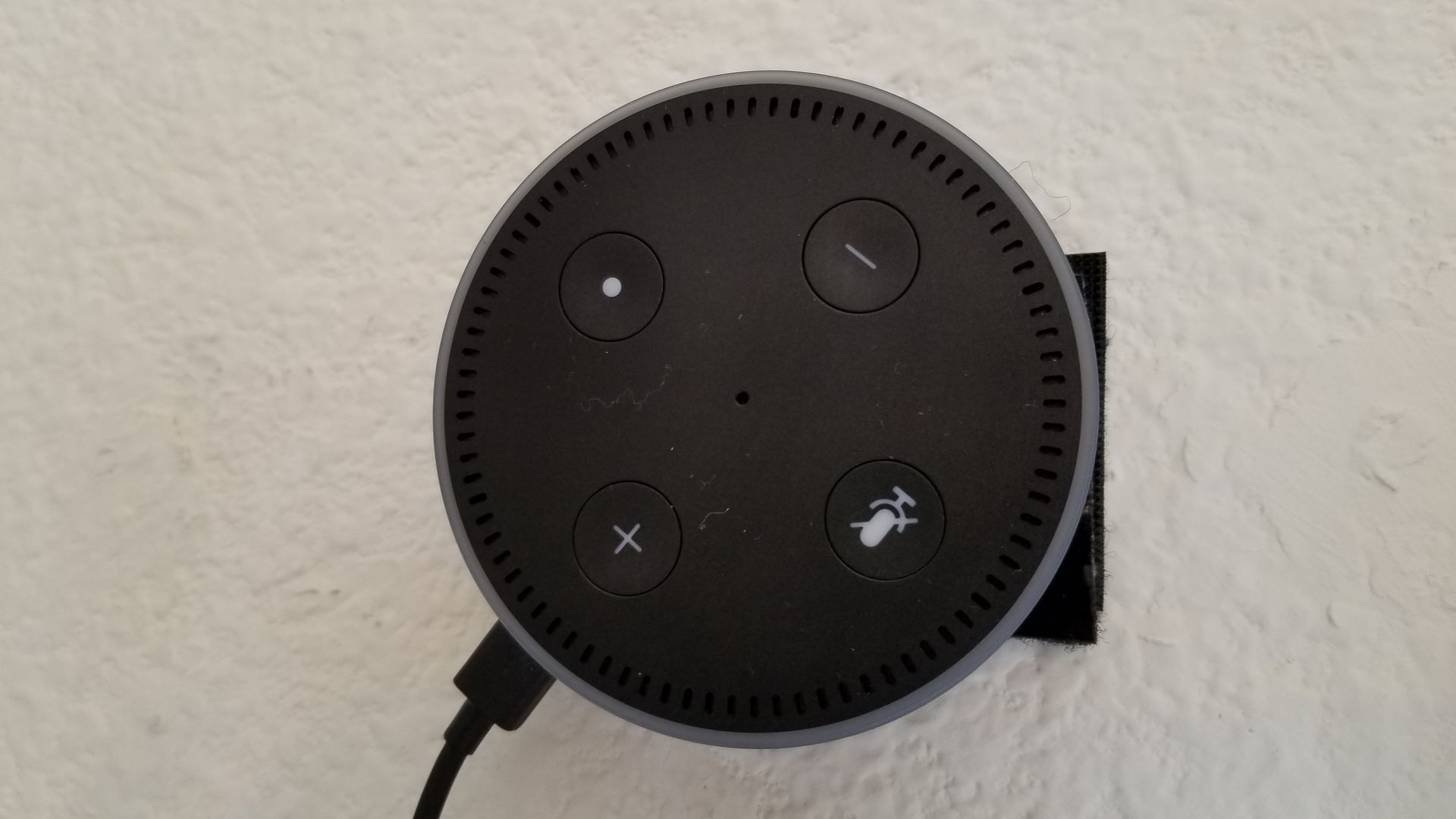
Americans already spend $2 billion annually on smart speakers like Amazon's Alexa, but that number is expected to multiply to $40 billion annually in just four years, reports CNN.
The big picture: Amazon and Google are dominating the branding field, but other brands like General Mills and Hershey are "racing to understand the technology and make their products stand out."
Toyota plans to spend $22.3 billion in research and development this fiscal year — a 30% increase from just five years ago — as tech giants like Google and Apple continue to make advances on autonomous technology aimed to disrupt the auto industry, reports the Asian Review.
Why it matters: 35% of Toyota's R&D budget is aimed squarely at self-driving technologies — widely considered the future of the auto industry. The spending is necessary carmakers suddenly have to compete against some of the world's wealthiest corporations in order to manufacture the necessary technologies.
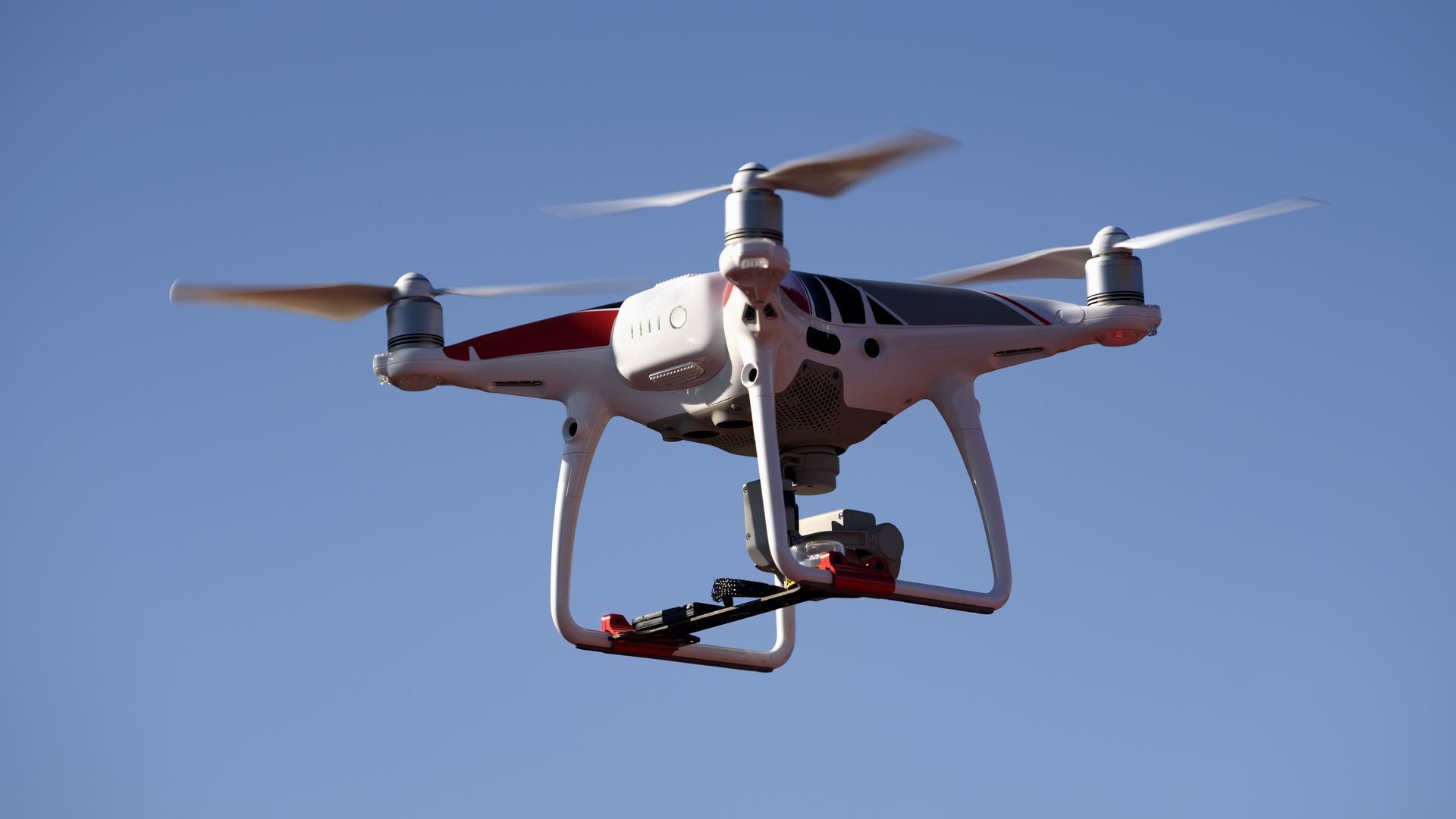
The U.S. Department of Transportation on Wednesday announced the selection of 10 cities for a pilot project aimed at testing different varieties of drones to ultimately establish future regulations on permanent deployments.
Why it matters, per Axios' Kim Hart: The FAA's pilot program is a big step for the industry wanting to test drones in different real-world settings to figure out how to fly at night, over houses and beyond the line of sight under controlled conditions.
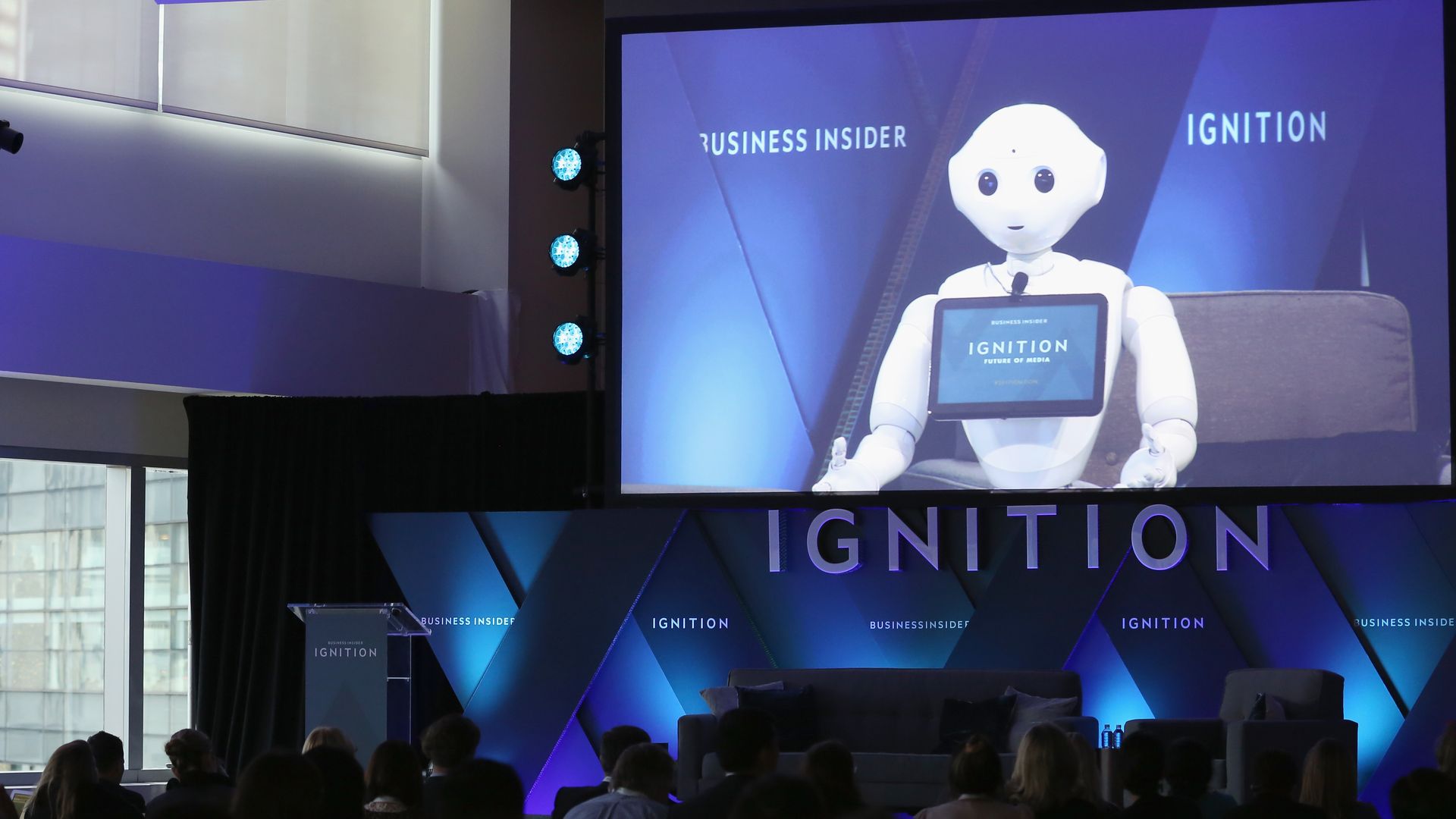
The White House said Thursday that it will establish a new committee bringing together officials from across the federal government to look at issues related to artificial intelligence.
Why it matters: Policymakers are taking early steps to wrap their heads around artificial intelligence. But Silicon Valley isn't waiting for them to catch up, debuting developments such as virtual assistants that can convincingly call a restaurant host to make a dinner reservation.
Spotify will stop promoting music by R. Kelly and rapper XXXTentacion on its platform because of longstanding allegations of abusive behavior against both artists, per BuzzFeed.
Yes, but: Though both artists were removed from Spotify's curated playlists and algorithmic recommendations as part of the company's new "hate content and hateful conduct" policy, users can still choose to listen to their music on the platform.
Signal Messenger's self-destructing messages are saved by the Apple Mac operating system's notification feature.
Why it matters: The end-to-end encrypted Signal is as close to a gold standard in secure chat as you will find among privacy-conscious users. But that was in part because the messages weren't stored beyond pre-designated time limits. Now, every old message is fair game for hackers again, provided it was sent to someone using a Mac version of Signal.
A federal appeals court has ruled that border agents cannot do automated forensic searches of cellphones without reason to suspect their owners committed a crime — and they actually might need a warrant even then.
Why it matters: Border agents have extremely broad authority to detain and search people coming into the country — so much so that agents have more or less taken free rein to search devices of anybody they choose.
House lawmakers released the thousands of Facebook ads Russian operatives used to sow division in the U.S. before and after the 2016 election, ranging from blatant political messages to lighthearted memes.
Why it matters: Americans have heard for months about the Russian ad campaign — from political leaders, the media and office of Special Counsel Robert Mueller — but they haven’t been able to see its full breadth until now.
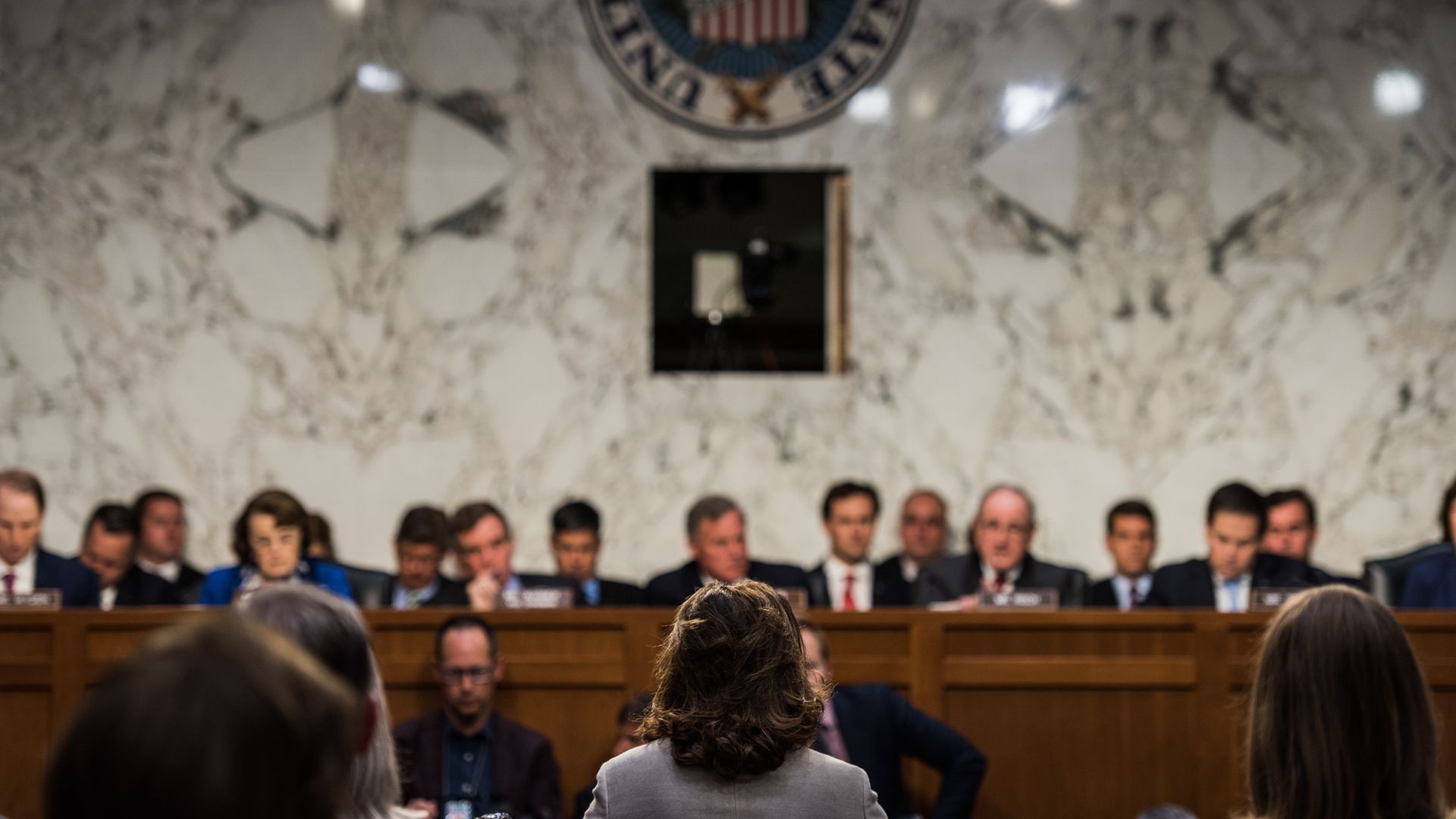
An adviser tells me the White House still expects the Senate to confirm Gina Haspel as CIA director, despite the head-turning opposition that Sen. John McCain (R-Ariz.) announced on Twitter last night due to her stance on torture.
Why it matters: McCain, with the unique high ground he commands on the issue, could cost the acting CIA director votes for the top job.
The first step to ethical artificial intelligence is teaching the computer to explain its decision making, something known in the field as explainable AI.
Why it matters: Right now many deep learning algorithms don't make it clear how they arrived at their predictions or conclusions. That lack of visibility into the data, steps and calculations that went into an outcome makes it hard to root out bias or other algorithmic errors that could impact results like who gets a loan or how much a factory should produce.
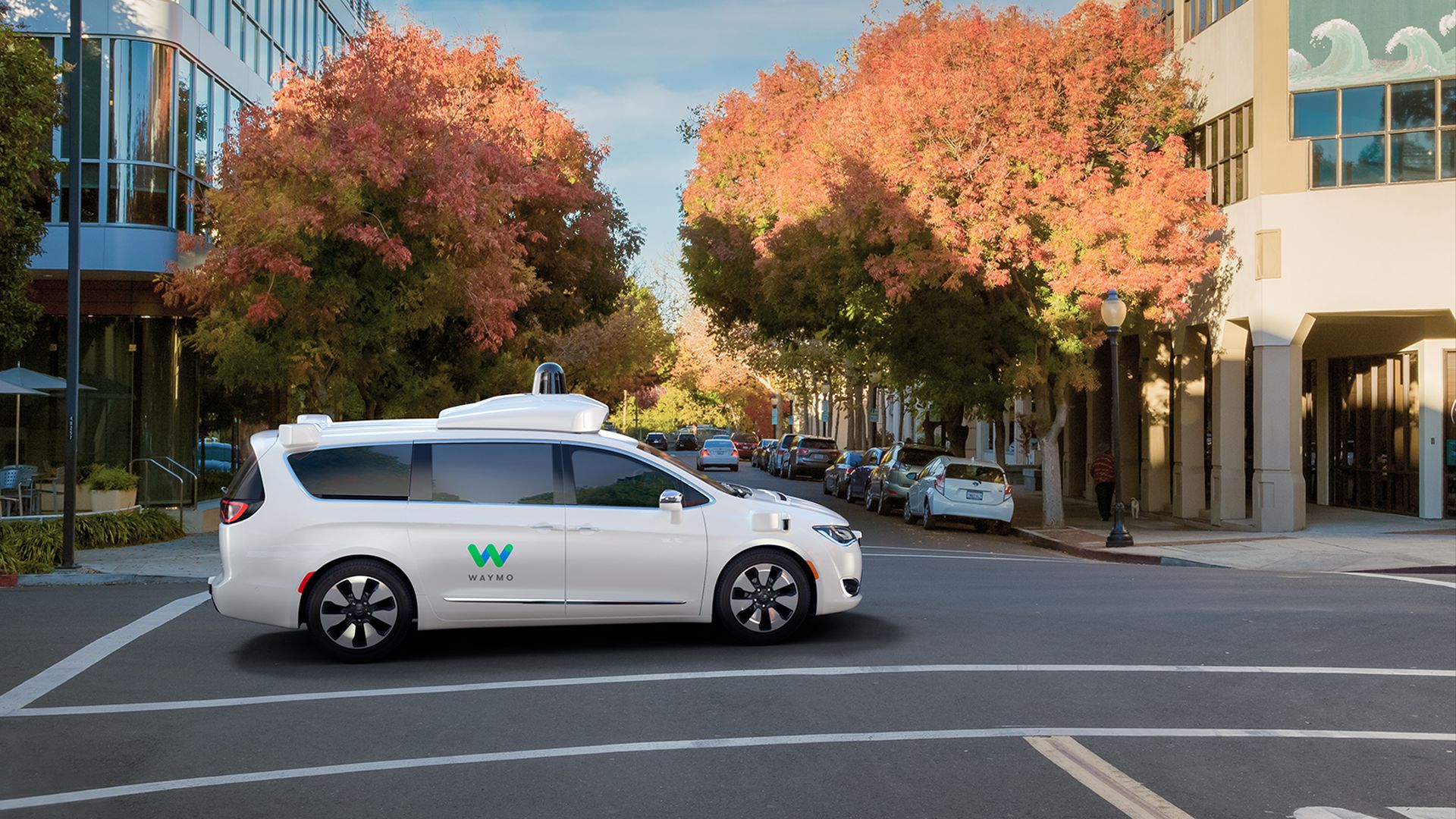
Tim Papandreou, a strategic partnerships manager at Waymo, Alphabet's self-driving car unit, has recently left the company, a spokesperson confirmed to Axios.
Why it matters: Papandreou, who joined Waymo (then still part of the Alphabet's moonshot division called X) in 2016, was a big get for the company. He spent several years working for the San Francisco Municipal Transportation Agency, and led its failed bid for a $50 million grant from the U.S. Department of Transportation in a national contest called the “Smart Cities Challenge." No word yet on where he's headed.
The story has been updated to correct Papandreou's job title at Waymo from head of strategic partnerships.













/2018/05/07/1525719468717.gif?w=3840)