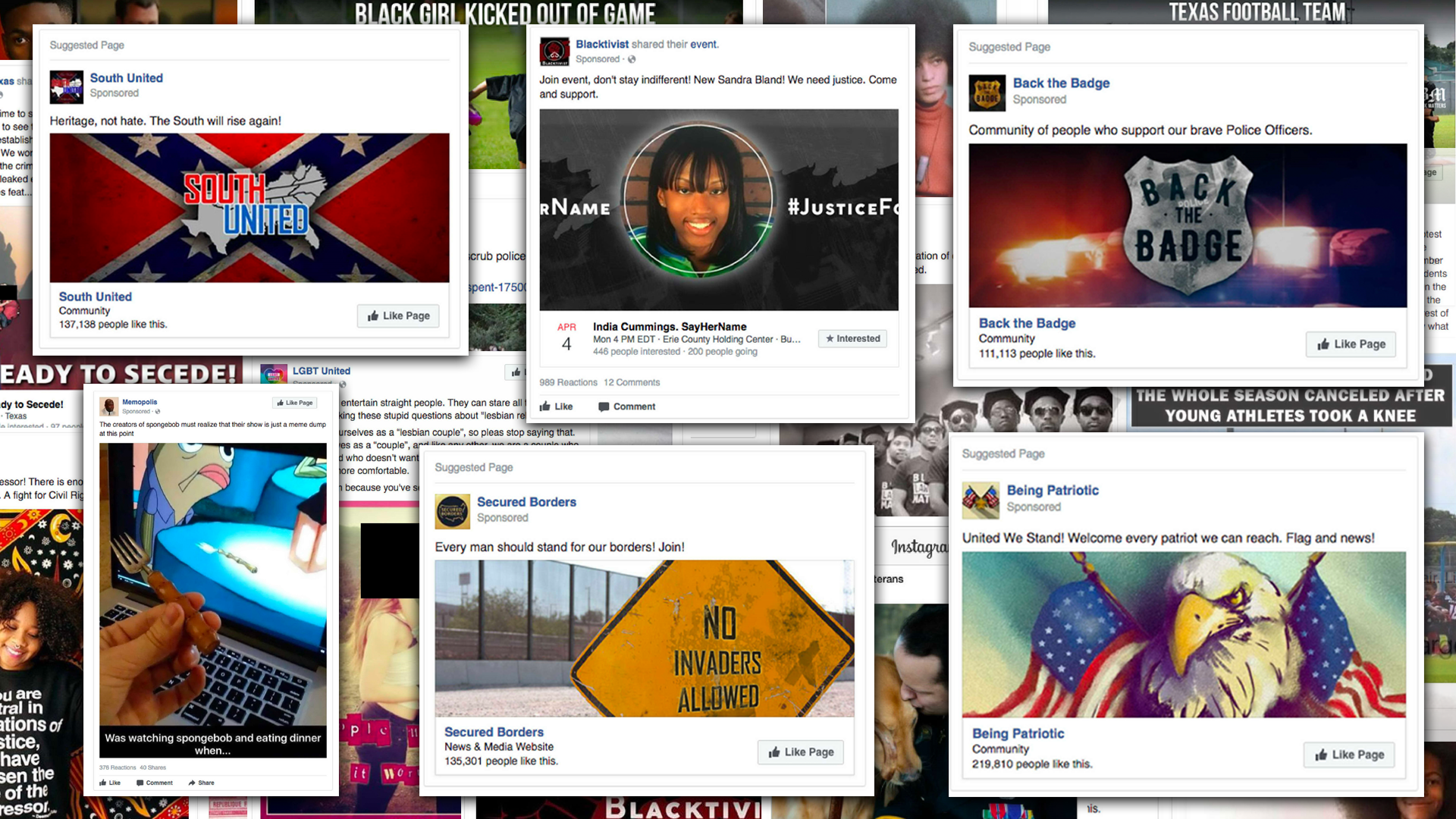
"We read every one of the 3,517 Facebook ads bought by Russians. Their dominant strategy: Sowing racial discord," report USA Today's Nick Penzenstadler, Brad Heath and Jessica Guynn.
The big picture: "Of the roughly 3,500 ads published this week [by the House Intelligence Committee], more than half — about 1,950 — made express references to race. Those accounted for 25 million ad impressions — a measure of how many times the spot was pulled from a server for transmission to a device."
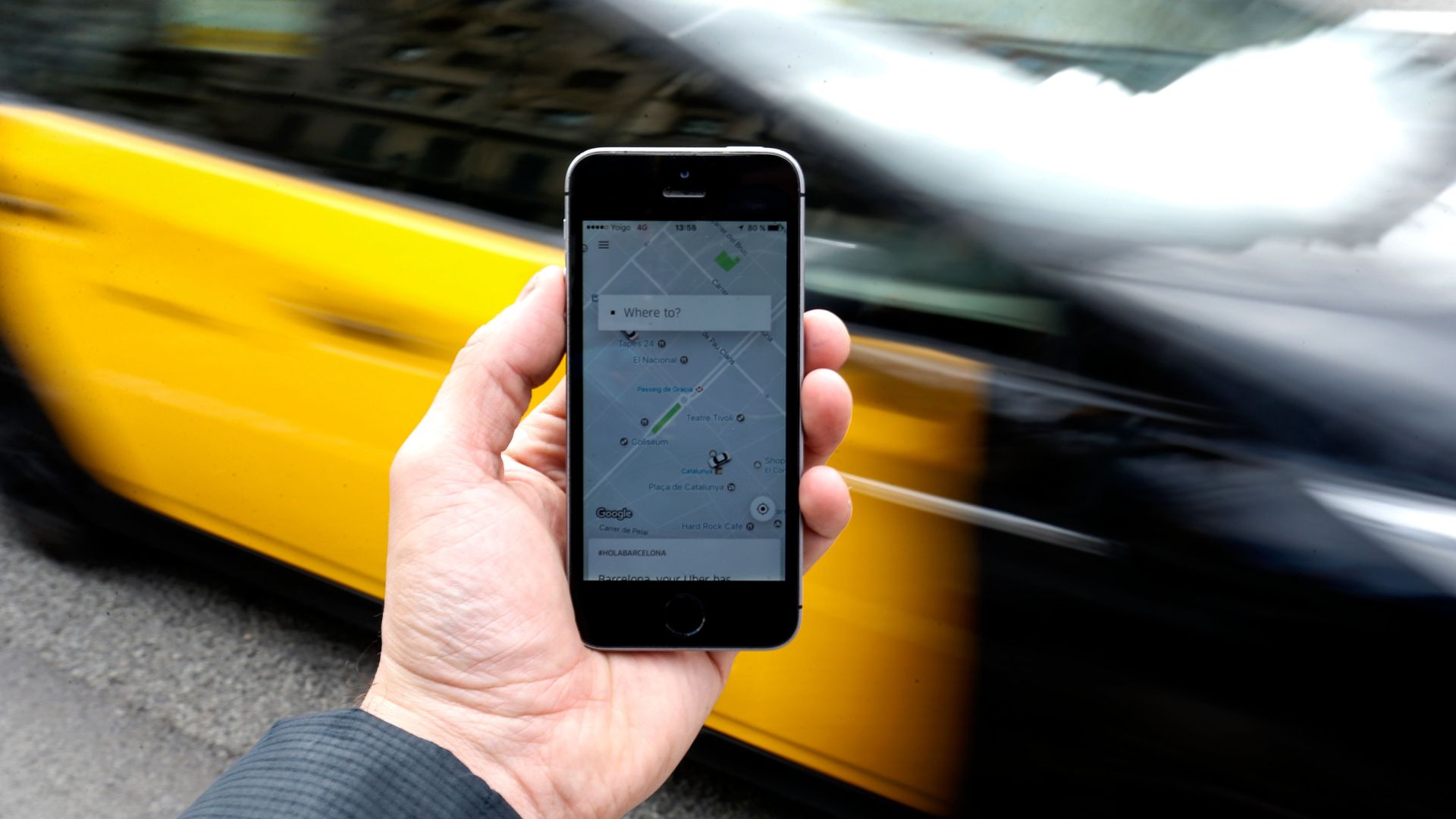
Uber has hit a wall in its search for a chief financial officer as VMware Inc.'s Zane Rowe reportedly turned down the job, per the Wall Street Journal.
Why it matters: Uber hasn't had a CFO since Brent Callinicos left in 2015, and the company needs a finance chief to shepherd its initial public offering, planned for 2019.
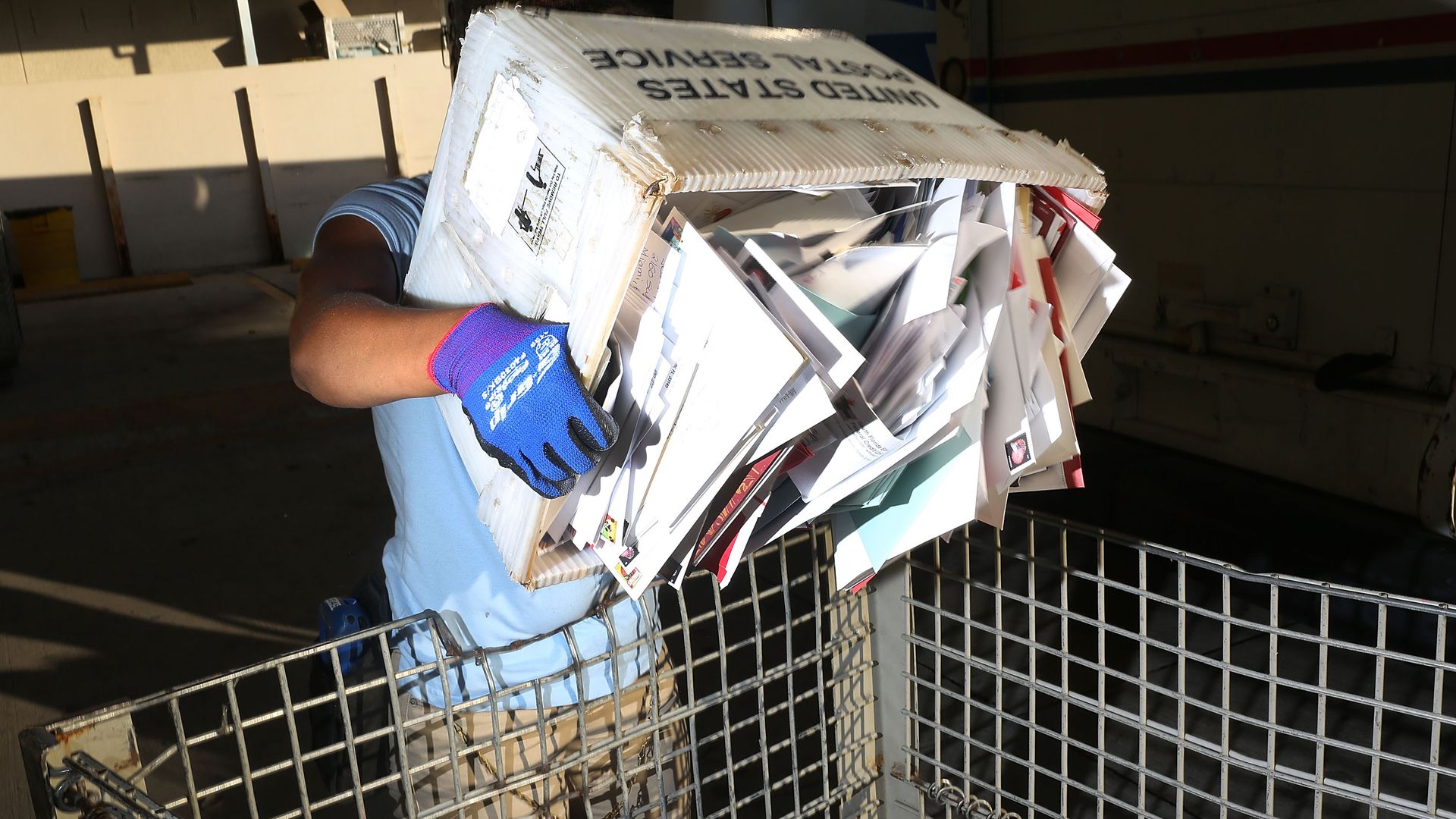
The Postal Service lost $1.3 billion in the first quarter of 2018, CNNMoney reports. The agency cites the decline of physical mail and the rising cost burden of retiree benefits — not Amazon's market dominance — as reasons for the blow.
The big picture: This quarter's loss adds to a years-long pattern at the Postal Service. The agency, which is affiliated with the federal government but operates as an independent business, has lost $65 billion in the last 11 years.
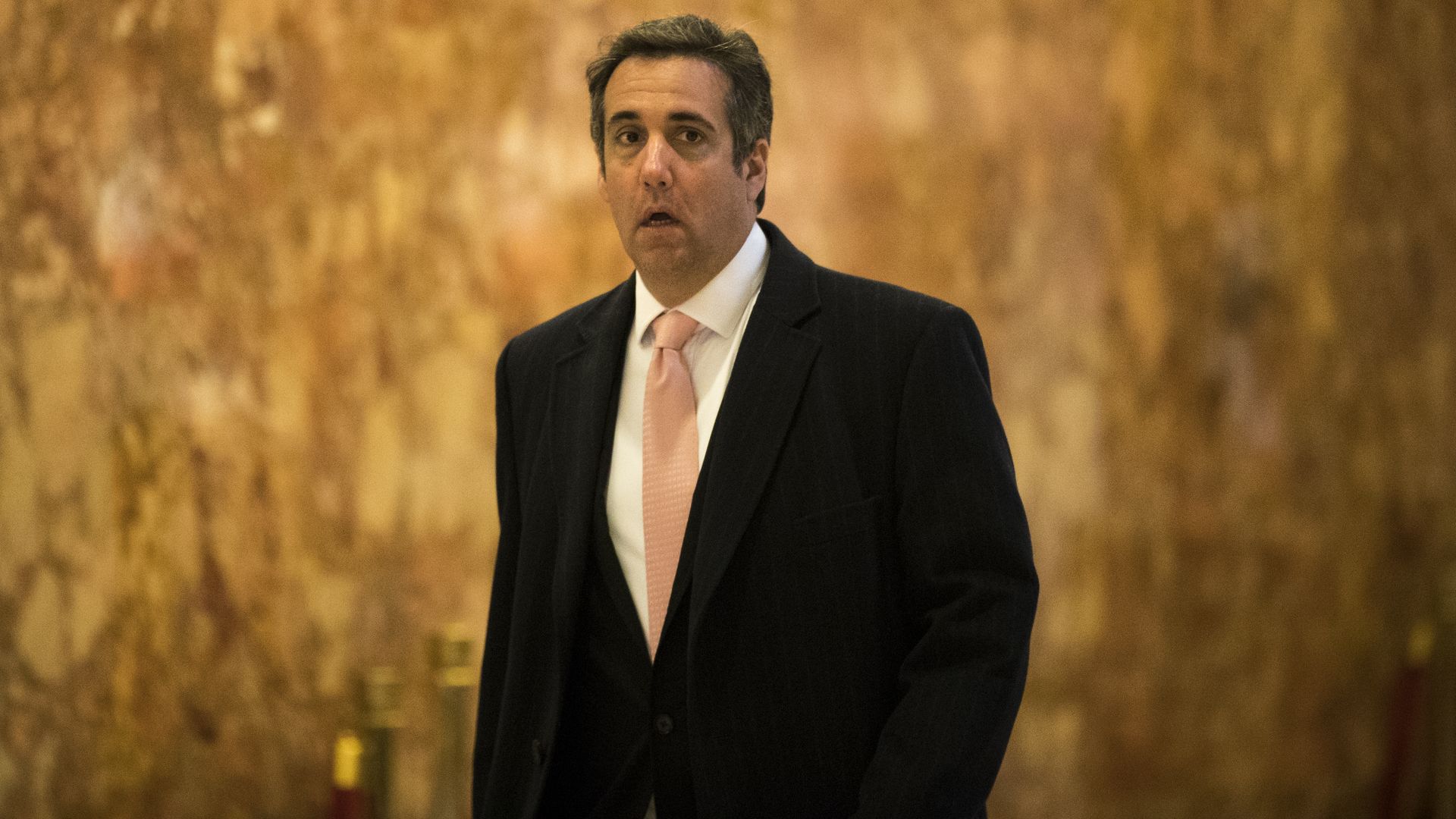
In a matter of days, the Michael Cohen-AT&T affair has disrupted one of the most sprawling influence operations in Washington.
Why it matters: The scandal over AT&T’s payments to Trump attorney Cohen — which led the telecom to announce the retirement of its top lobbyist Friday — shakes up its war with Google and Facebook for regulatory wins and digital advertising dollars.
Facebook's new blockchain division, led by ex-Messenger chief (and Coinbase board member) David Marcus, is reportedly developing its own digital token to facilitate online payments for its users, according to Cheddar.
Why it matters: Blockchain tech and digital tokens are all the rage — it's no surprise a giant like Facebook would explore the technology and its potential advantages.
Artificial intelligence systems can predict patients’ diagnoses and outcomes with startling accuracy, and we don’t even know how they’re doing it. But we’re going to end up relying on them anyway, according to an article in the Harvard Business Review.
The details: A team of academic researchers recently fed Google’s machine-learning system anonymous data on hundreds of thousands of patients, and the AI was able to make accurate diagnoses and predictions.