Apple is on track to become the first trillion dollar company in the world, with a $920 billion market cap and a cash pile of billions after $100 billion in expected stock buybacks.
The big picture: Warren Buffett thinks Apple is the best investment, including for Apple itself, and he recently upped his stake in the company to nearly 5%. Charles Munger, his business partner, backed him up, saying, "I think we've been a little too restrained ... I wish we owned more of it."
Snap chief financial officer Drew Vollero is stepping down on May 15 and will be replaced by Amazon finance VP Tim Stone, the company said Monday.
Why it matters: Snap has had a rocky time as a public company since its IPO a little over a year ago, but it is reportedly focused on profitability this year.
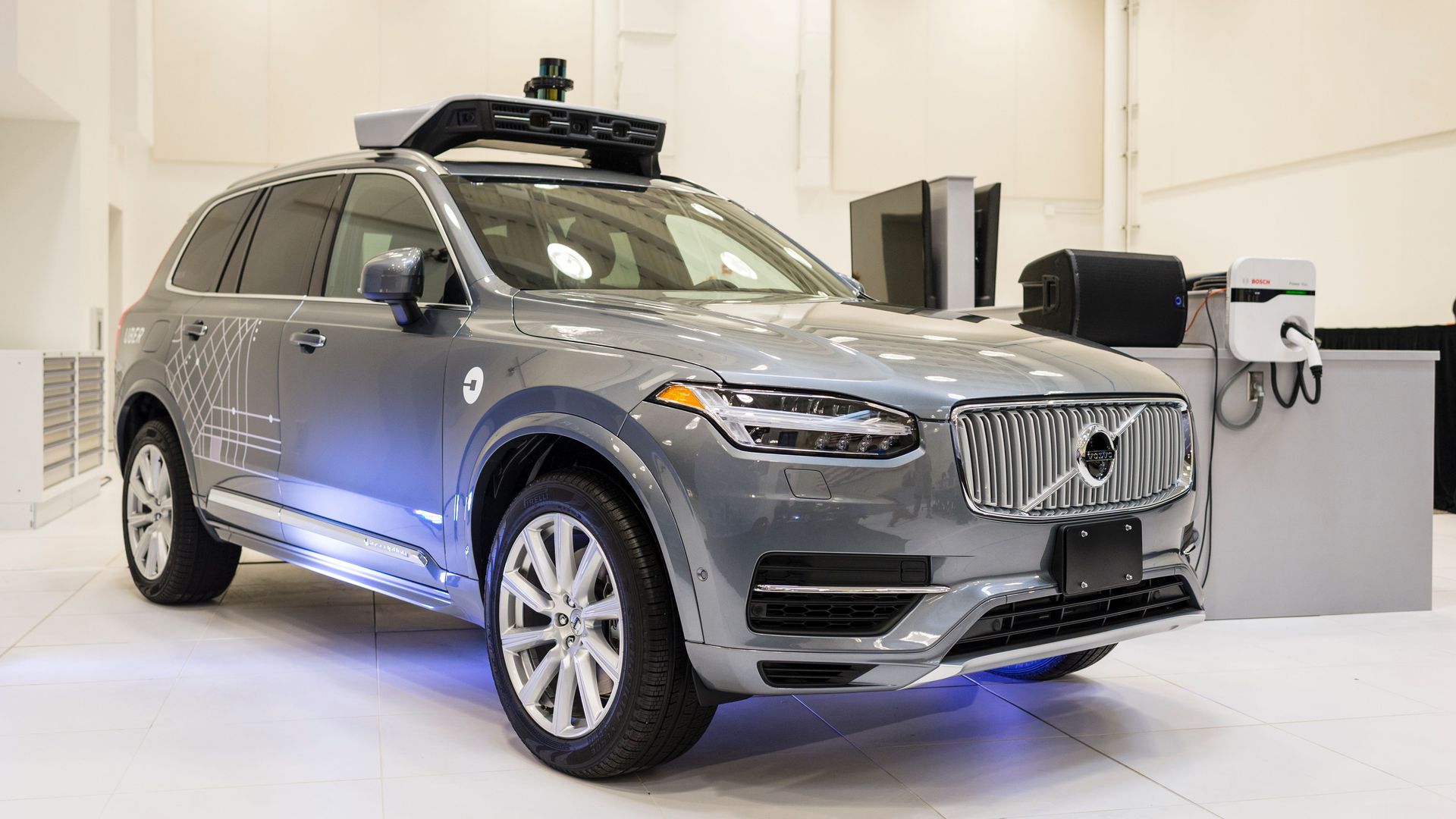
Uber has determined that the Arizona crash that resulted in a pedestrian fatality in March was likely because its self-driving car's software was tuned not to react to certain road objects, according to a report from The Information.
Why it matters: This was the first known death caused by a self-driving car, and has raised questions about the safety of the technologies and whether companies need further regulatory guidance to ensure safety.
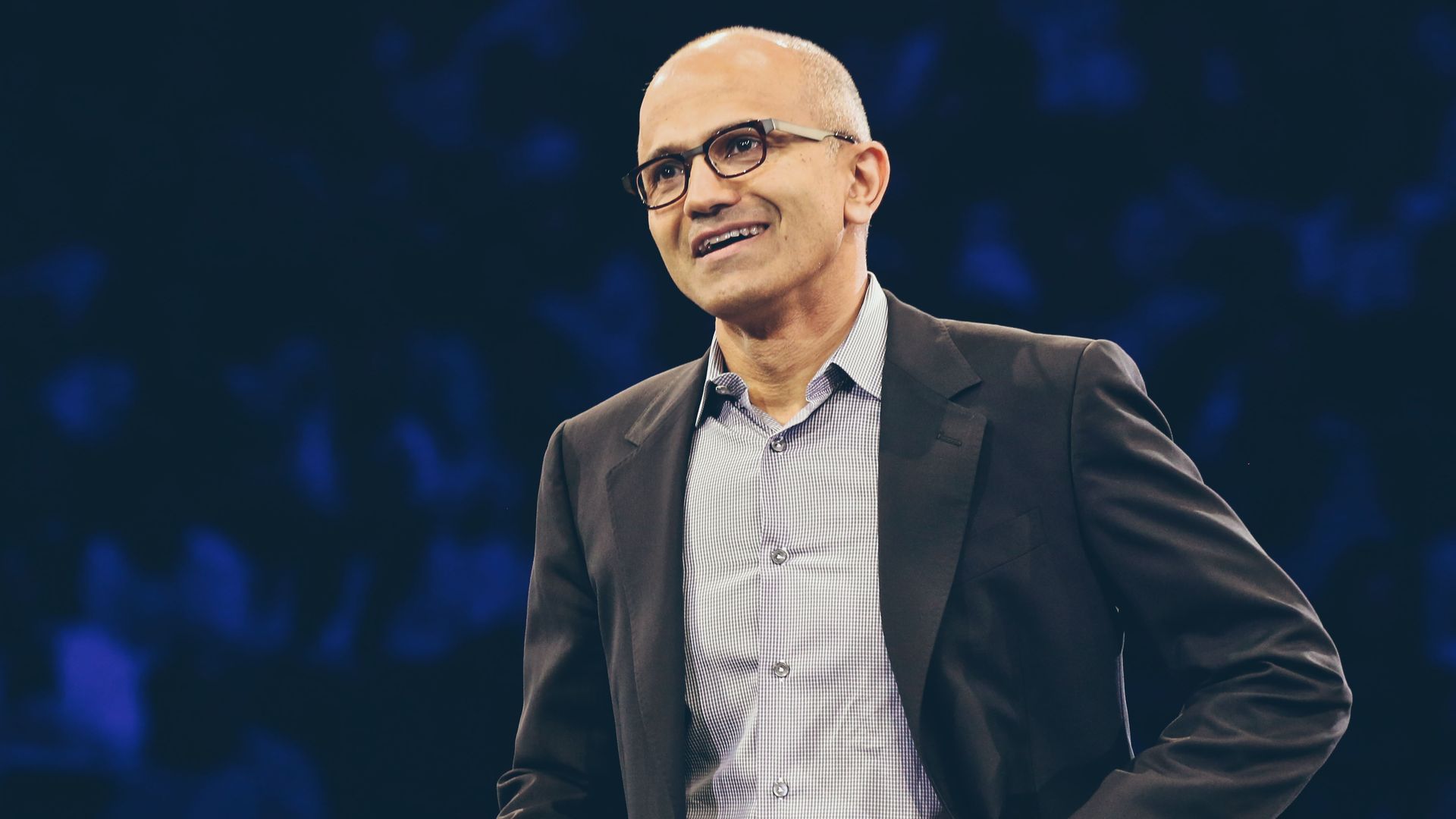
Microsoft is using its annual Build developer conference to talk up a number of artificial intelligence efforts, including a new project to explore ways AI can help people with disabilities.
Why it matters: As Microsoft looks to expand its use of AI, it aims to show that it is doing so responsibly and with the betterment of civilization in mind. Google is expected to make a similar case at I/O later this week and Facebook also touted its AI ethics last week.
Four out of 5 Facebook users say they wouldn't pay $1 a month to banish ads on the social network, according to a recent survey by user research firm Alpha.
Why it matters: Facebook is reportedly test-marketing a paid, ad-free version of its service. Despite the recent onslaught of news about the Cambridge Analytica data privacy scandal and the "#deletefacebook" movement it inspired, the company's vast user base may not be discontented enough to force a business-model change on Facebook.
Cheddar, the streaming video network dubbed the "CNBC for millennials" is launching its own business-focused news channel for Snapchat Discover.
Why it matters: It's the latest addition to the two-year-old video company's growing portfolio of digital distribution partners. In the past two weeks, Cheddar has launched new distribution partnerships with Snapchat, YouTube TV, Hulu, Altice, and the news section of The Roku Channel.
The U.S. and China are locked in a determined race to dominate the future of artificial intelligence. But, with hundreds of billions of dollars and geopolitical supremacy at stake, Europe is moving to block any untrammeled triumph by the two.
What's happening: Experts call AI a transformative technology in the same league as electricity, and say the two big great powers — the U.S. and China — are positioned to dominate it as it creeps into consumer, business and military use. But in recent weeks, the U.K. and EU have announced an explicit aim to grab part of the commanding heights of AI.
Americans received an estimated 3.4 billion automated scam calls last month, per The New York Times. That's over 900 million more calls than the same month last year.
What's happening: The FTC and FCC recently examined policies to clamp down on illegal caller ID spoofing — when spam callers mimic the target's own phone number — and lawmakers in Congress have introduced or passed legislation to curb the surge. However, the FCC recently rolled back Obama-era guidance on what constitutes an "auto-dialer," which some consumer advocates warn could open the floodgates for more spam callers.
The United Kingdom's data privacy watchdog is demanding that Cambridge Analytica turn over all the information it collected on American citizen David Carroll, who used British law to request his personal information from the now-defunct data firm, Reuters reports.
Why it matters: Carroll's legal success "sets a precedent that would enable millions of other U.S. voters to request information that the company had collected on them," according to Reuters.