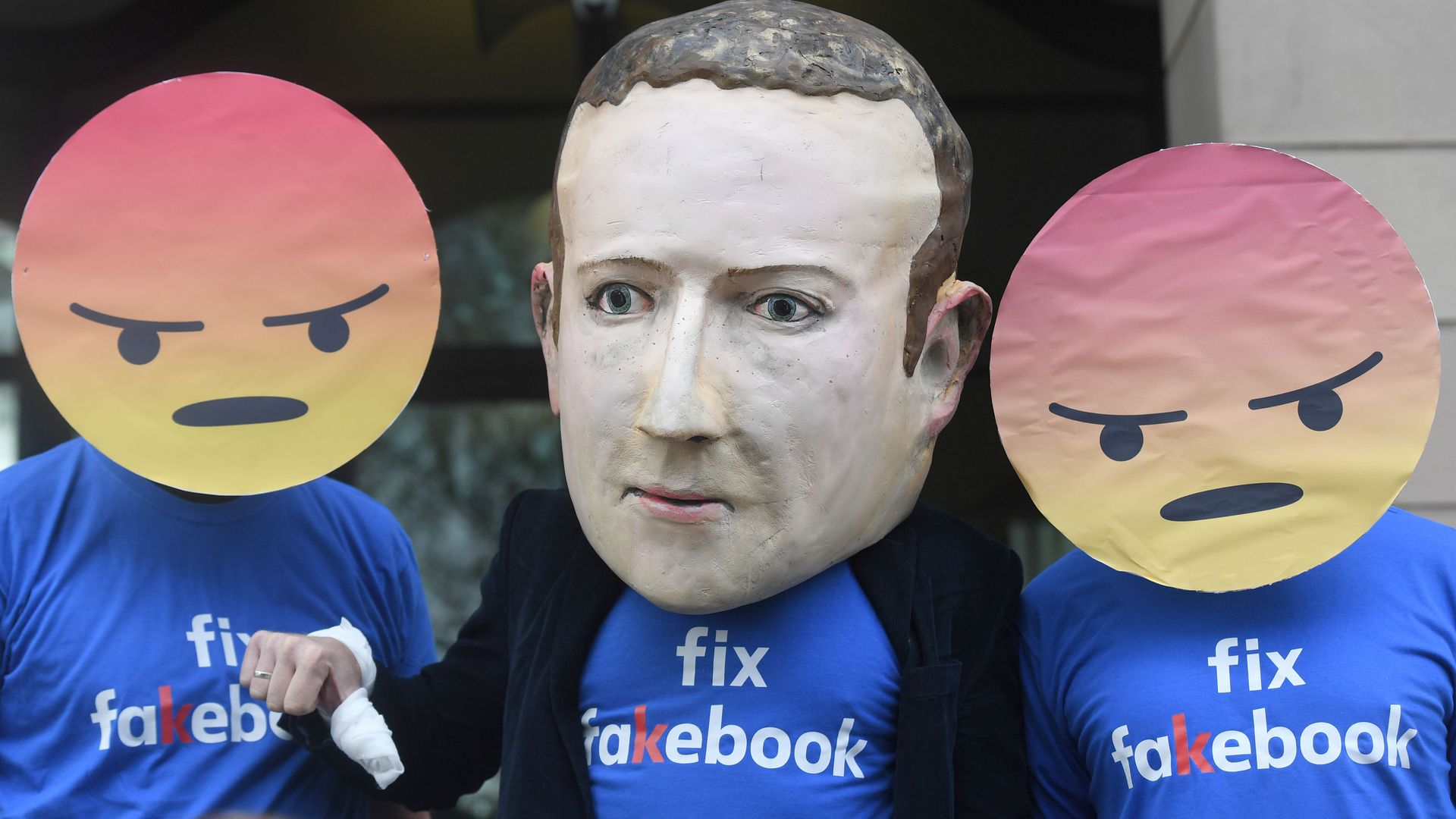
Since Facebook's recent data privacy crisis, the social media giant has run new marketing tests for an ad-free subscription-based service, Bloomberg reports.
Why it matters: Advertising has always been Facebook's business model, and the company has argued that it's the only way it can serve customers who might not be able to afford a subscription. Past research at Facebook found that the subscription approach wouldn't be popular — but if the company begins to see disenchanted users slip away, a privacy-sensitive paid offering could help it hang onto them.
The National Security Agency collected more than three times as many phone call records in 2017 as they did in 2016, Reuters reports. These records do not contain content of the calls, only the time and phone numbers.
Why it matters: The increase comes two years after a surveillance system was put into place that "sought to limit its ability to collect such records in bulk," per Reuters. But the NSA still gathered 534 million phone records from American citizens. An NSA spokesman told Reuters that the government hasn't "altered the manner in which it uses its authority to obtain call detail records."
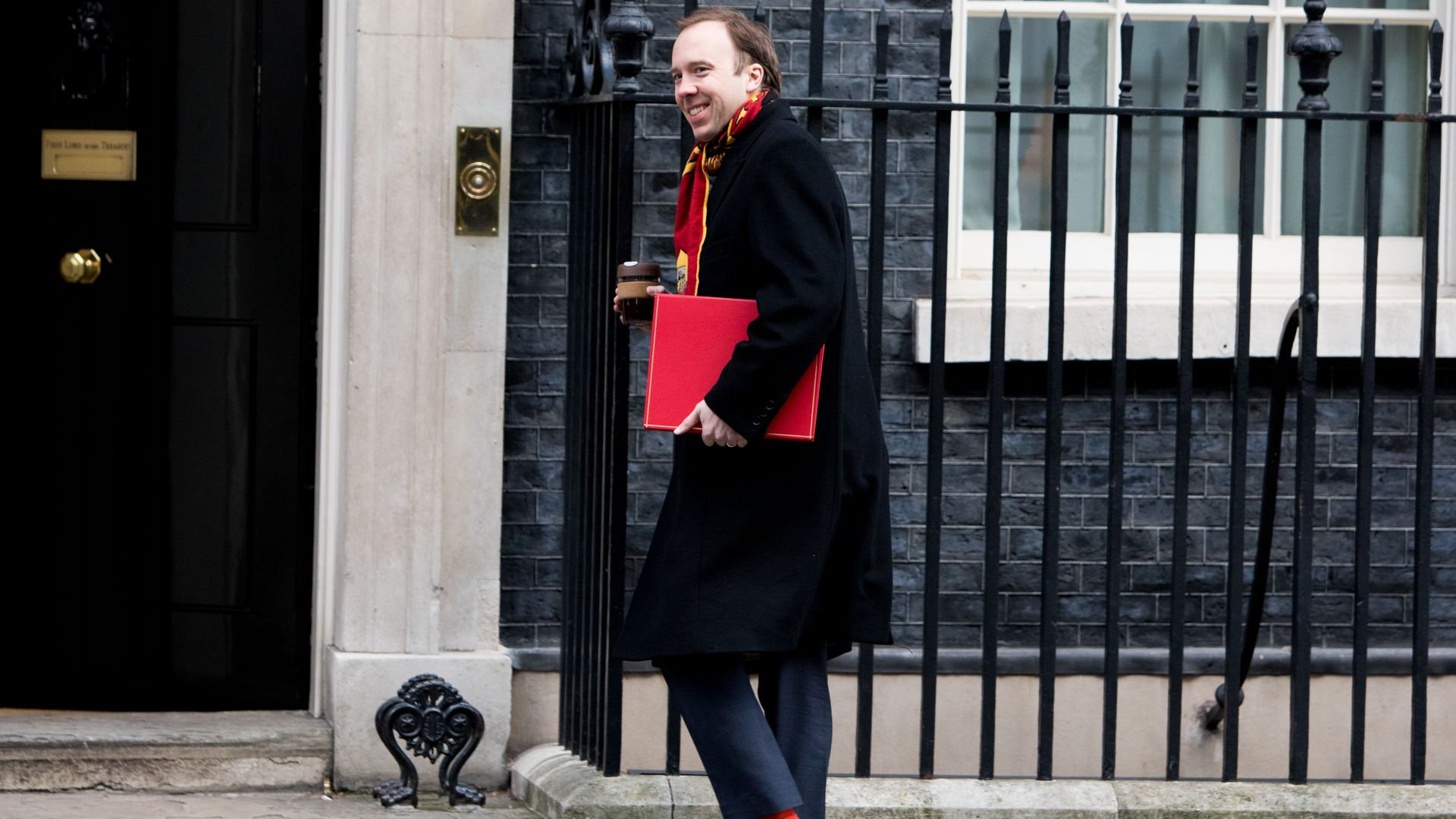
Matt Hancock, the UK's minister for digital issues, said today that he is open to forcing platforms such as Facebook and Google to pay for the data they mine from their hundreds of millions of users.
Why it matters: In his remarks to Axios, Hancock may be the first senior Western government official to publicly offer a challenge to Facebook and Google's fundamental business model.
A senior U.K. official today took a public swipe at Cambridge Analytica, the controversial data analytics firm that shut down yesterday, saying, "We don't mourn the loss."
Why it matters: The comment to Axios, from Matthew Hancock, U.K. secretary for digital, culture, media and sport, is powerful coming from a pro-tech, conservative member of the U.K. Parliament, and a champion of internet freedoms. The U.K. is investigating Cambridge for deceptive and potentially illegal data mining of user information via Facebook.
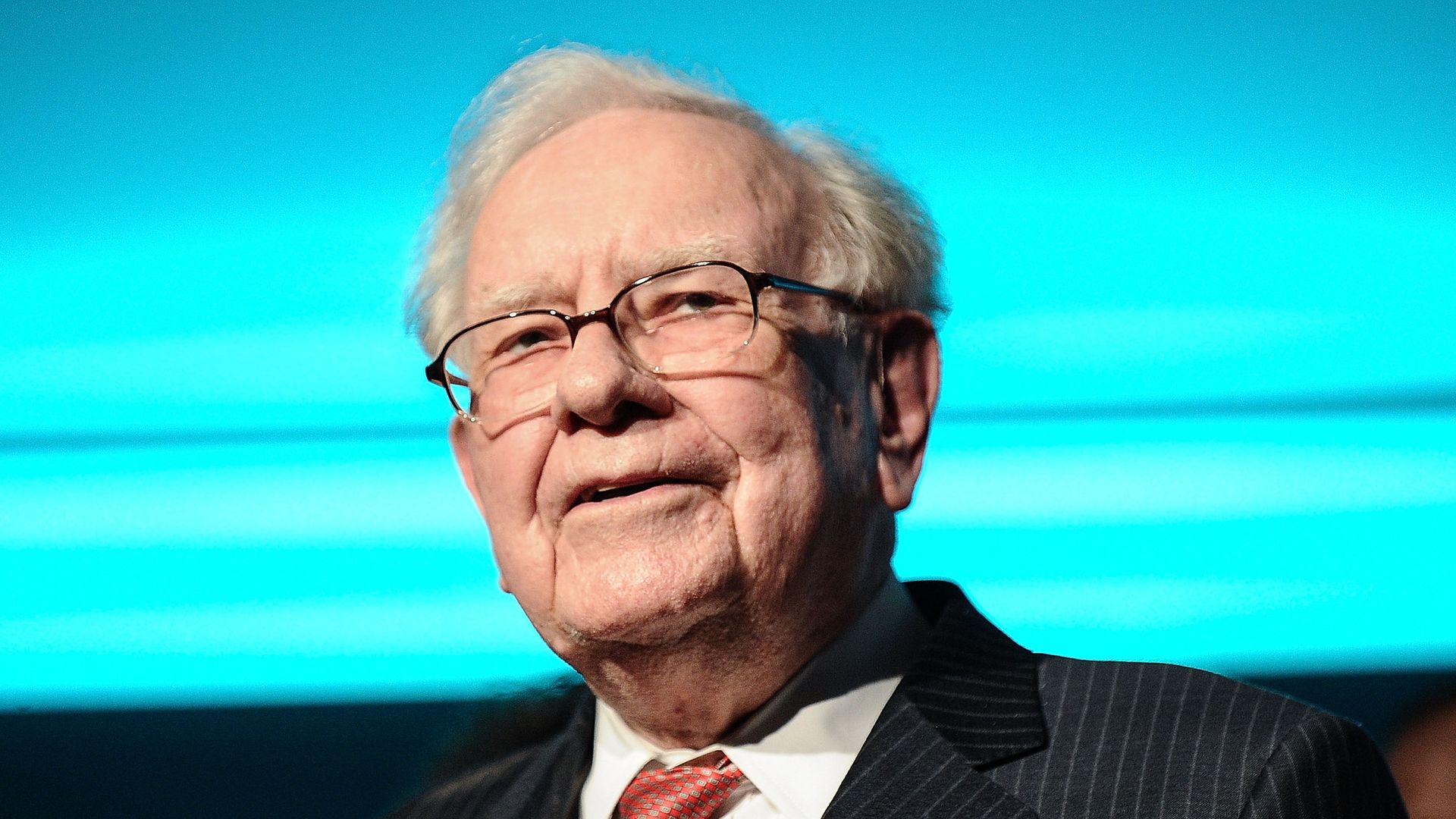
Berkshire Hathaway, owned by Warren Buffett, bought 75 million shares of Apple in the first quarter of the year, adding to the 165.3 million the company already owned, reports CNBC.
The big picture: Buffett's investment in Apple shows that, despite the company not meeting some sales projections on its iPhone, Apple is still moving in the right direction in the eyes of investors heading into the second quarter of 2018.
People buying Google ads related to candidates in U.S. federal elections will have to prove they are U.S. citizens or lawful permanent residents beginning July 10, the company says.
Why it matters: Google’s new policies around verifying election advertisers in the U.S., announced Friday morning, come as it and other web companies race to forestall possible foreign meddling in the midterm elections.
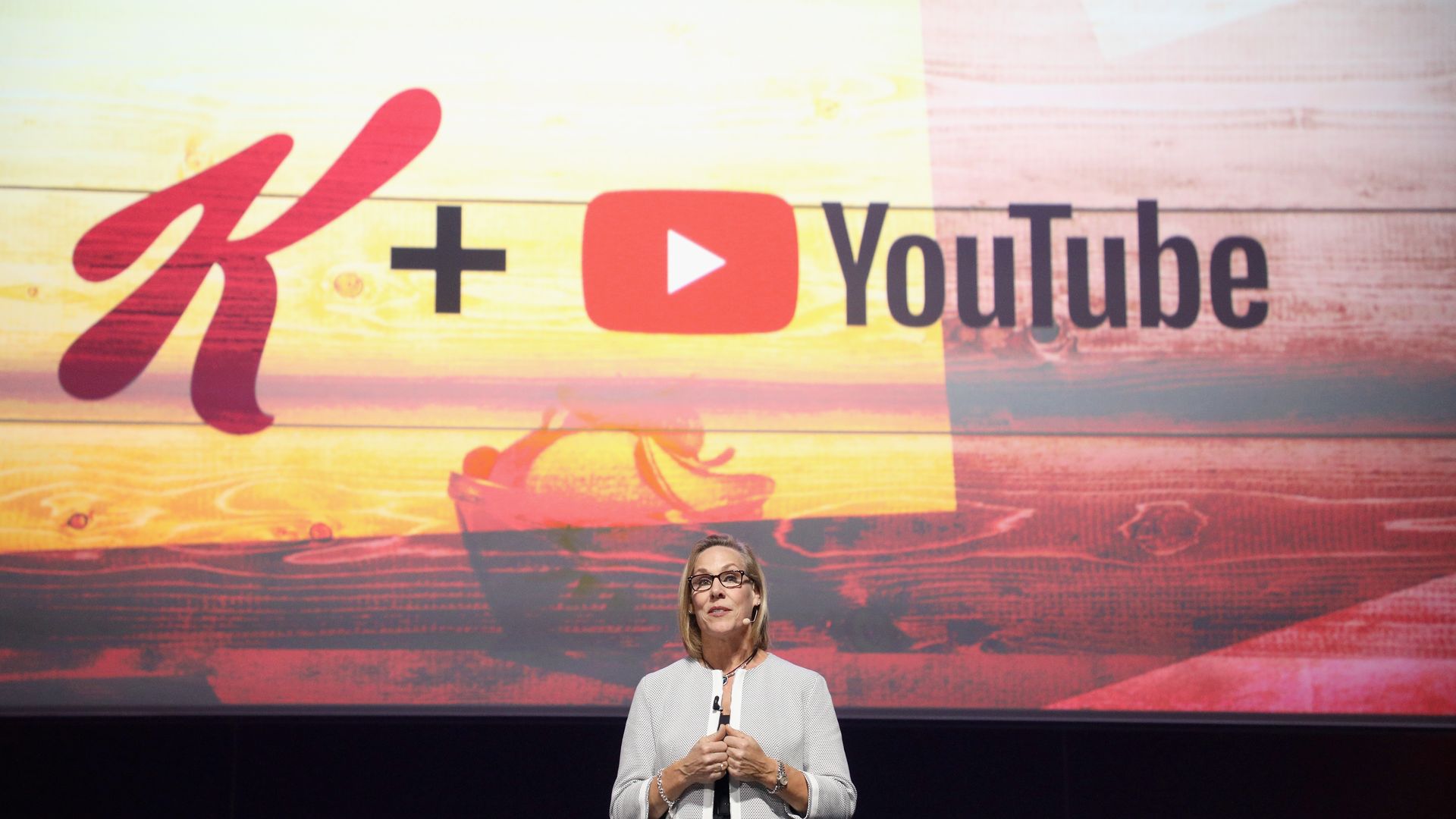
Advertisers from Fortune 500 companies, like Kellogg’s and Wendy’s, appeared as part of YouTube’s annual “Broadcast” advertising presentation Thursday, touting the effectiveness of YouTube as an advertising and brand partner.
Why it matters: Despite dozens of headlines over the past year about content problems on YouTube’s platform — from pedophilia and terrorism videos — and numerous threats from advertising giants to pull money from the site, YouTube is still able to lure the industry’s biggest spenders and most prominent voices in marketing.