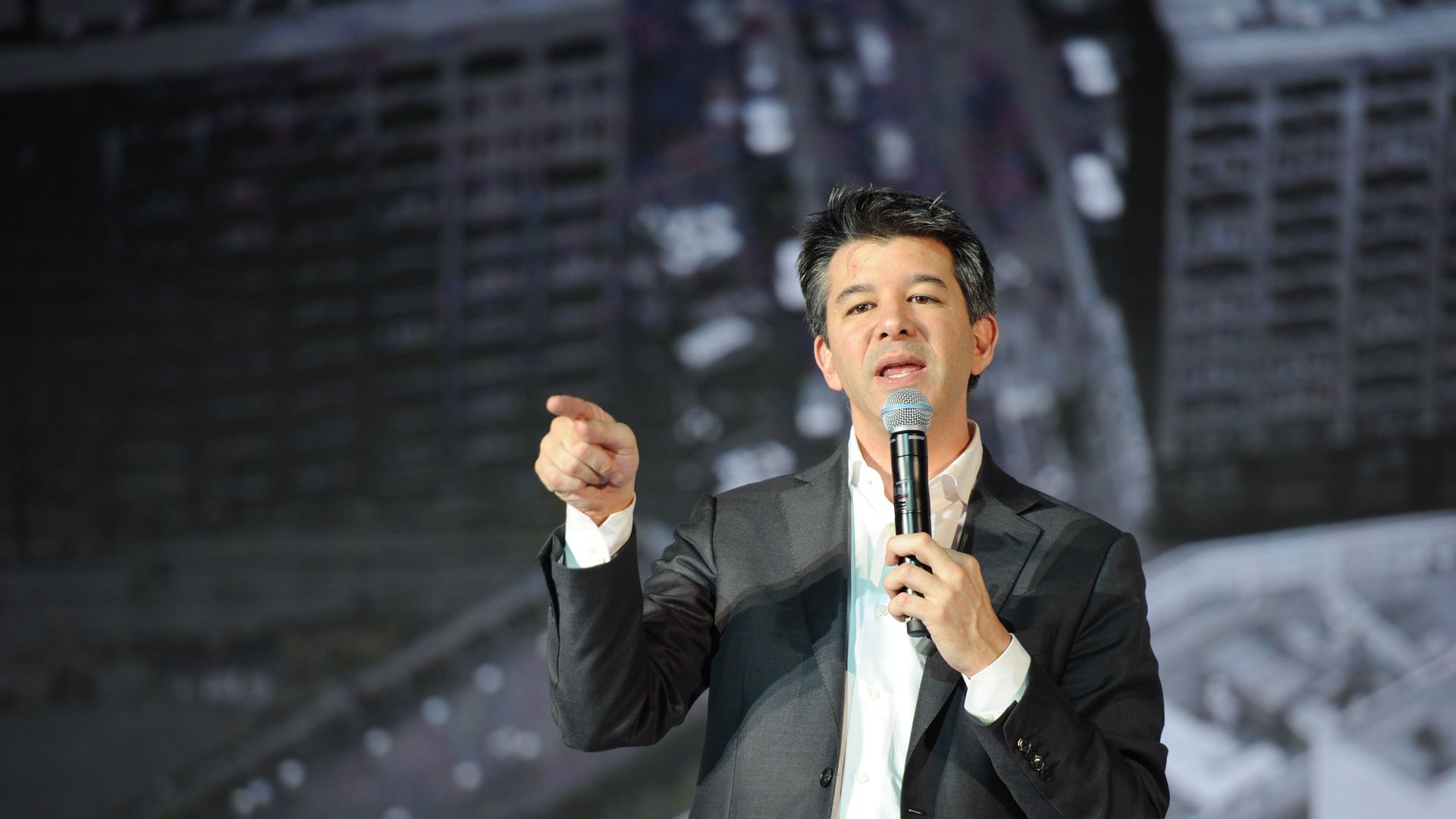
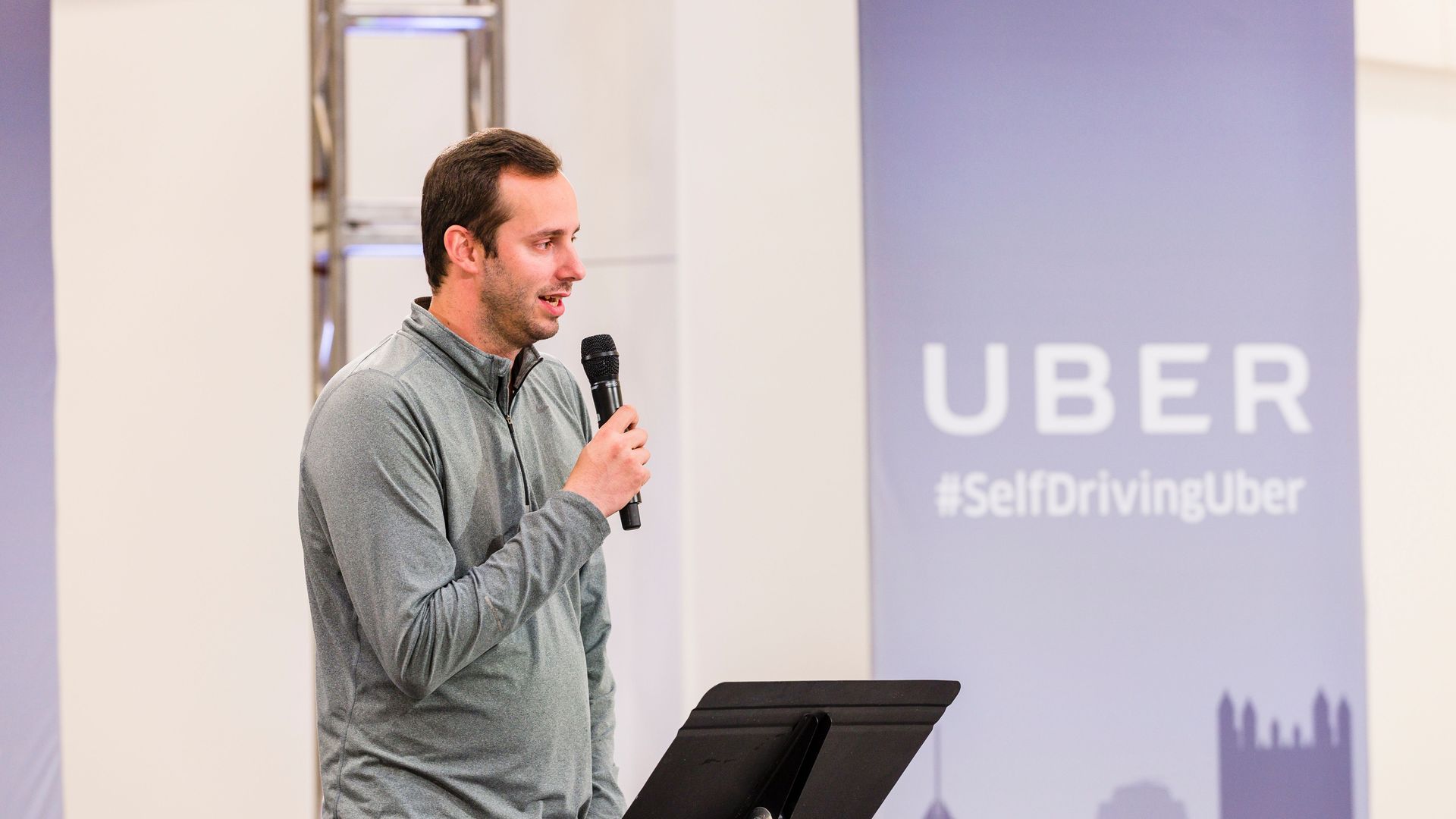
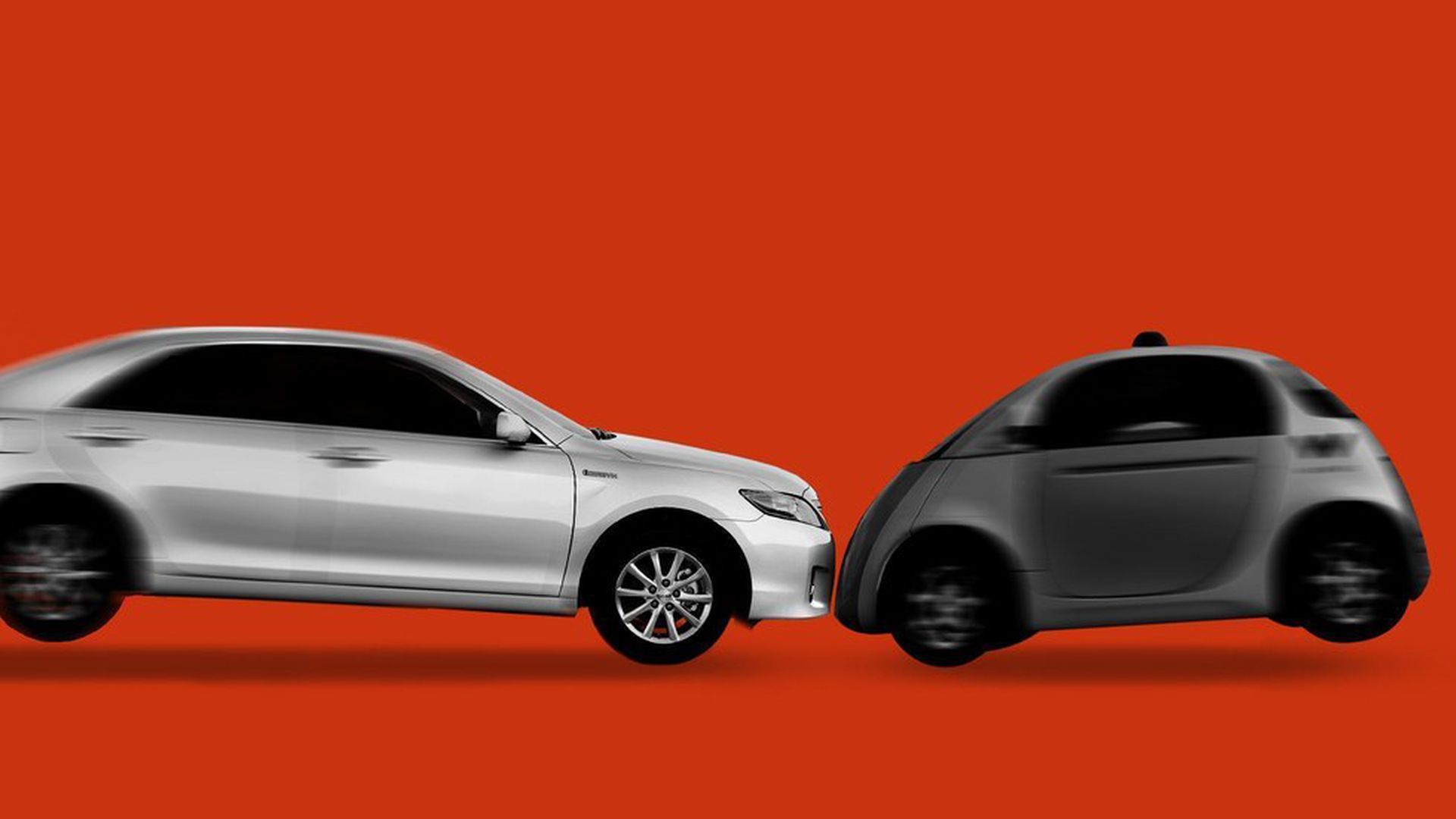
Ex-Uber CEO Travis Kalanick admitted in testimony in the Waymo-Uber trial Tuesday that he saw Google (later Waymo) as the leader in self-driving cars, and that his company needed to catch up as a matter of its future existence.
Why it matters: Waymo, which is suing Uber for allegedly stealing some of its trade secrets, is continuing with its narrative that the ride-hailing company and its chief were on a mission to get ahead in the race at all costs. Eventually, according to Waymo, that included cheating, in the form of acquiring a former Waymo executive's new startup and using tech he had brought with him.
Snap Inc. beat on earnings and revenue Tuesday, surprising Wall Street investors that had modest expectations for the camera company. It also saw an increase in user growth after posting slowed growth over the past four quarters.
Why it matters: Snapchat faced a difficult first year as a public company, missing growth expectations as it faced competition from Instagram and Facebook. Tuesday's success, as seen by Snap's stock gains, is reviving investor confidence in the company.
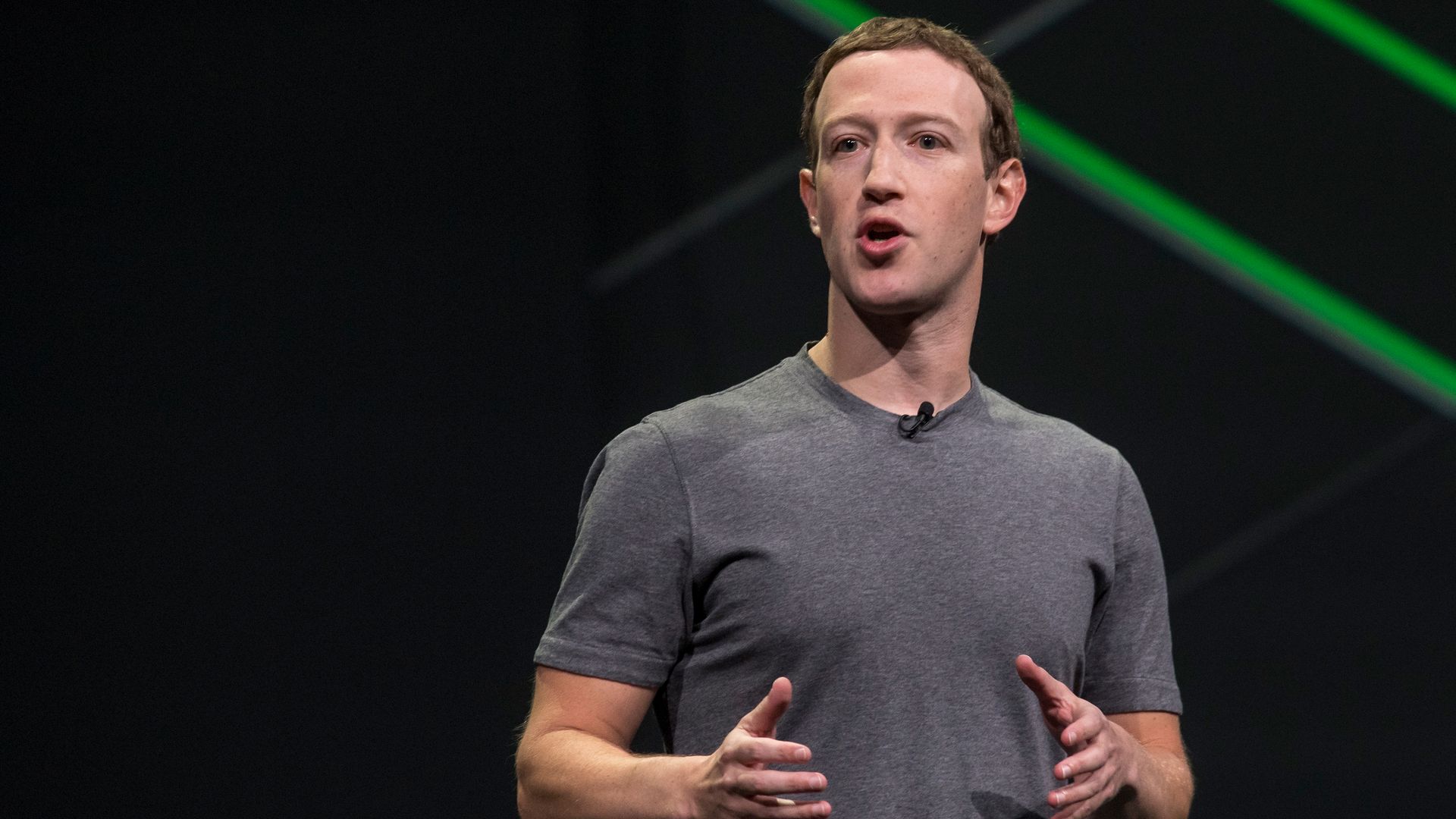
Facebook hired a pollster specifically to track CEO Mark Zuckerberg's perception around the globe, according to a report by The Verge.
Why it matters: It underscores how invested Facebook is in the image of its founder as he becomes its chief defenders against charges that the social platform is being manipulated to the detriment of its users.
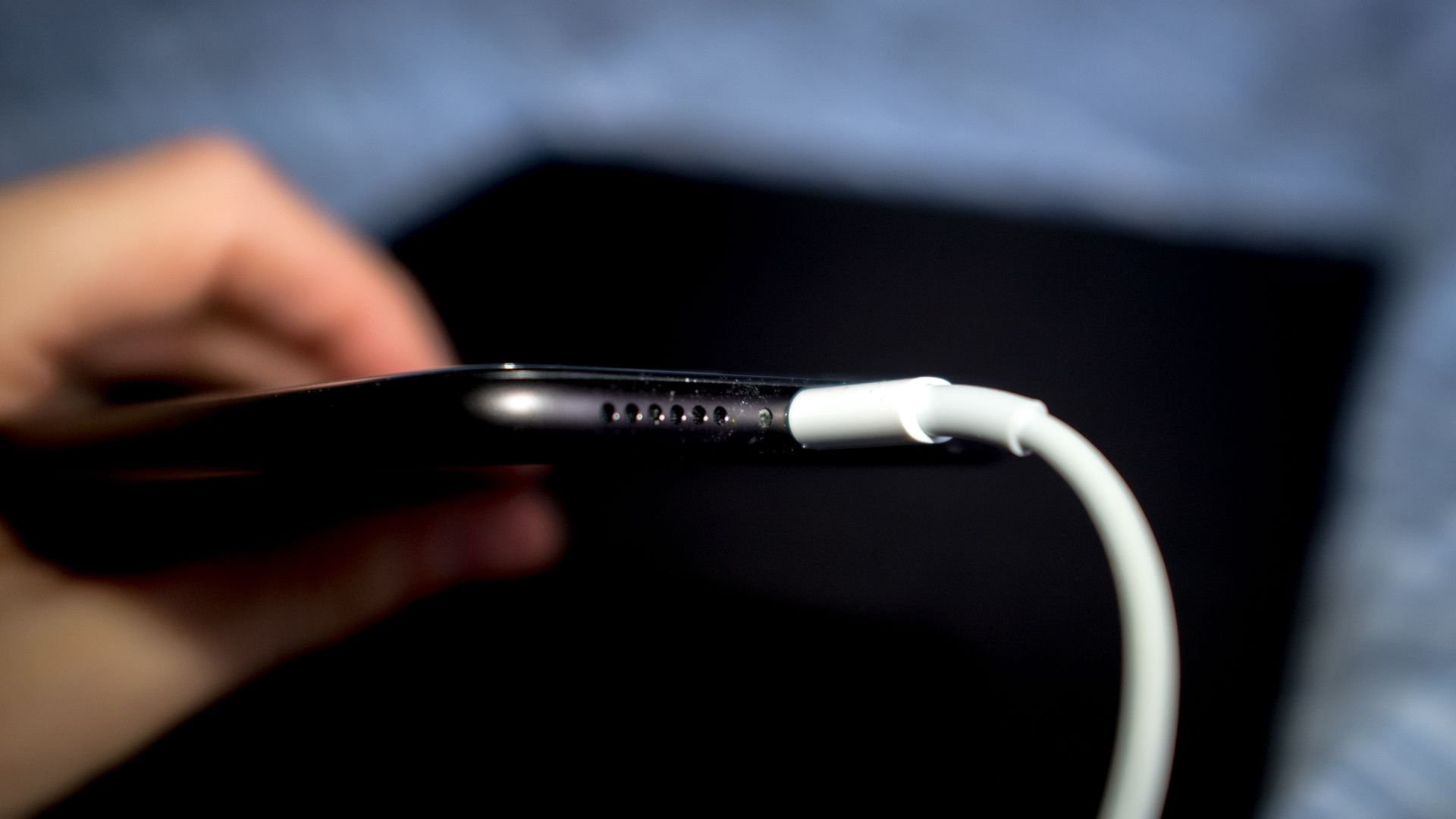
Apple is considering whether to provide a rebate to customers who paid full price to replace their iPhone’s battery after an outcry over the company’s slowing down some phones to deal with power issues, it said in a letter to a lawmaker released Tuesday.
The bigger picture: Apple has taken significant heat from lawmakers and regulators over its response to problems with aging batteries in some models of its flagship product.
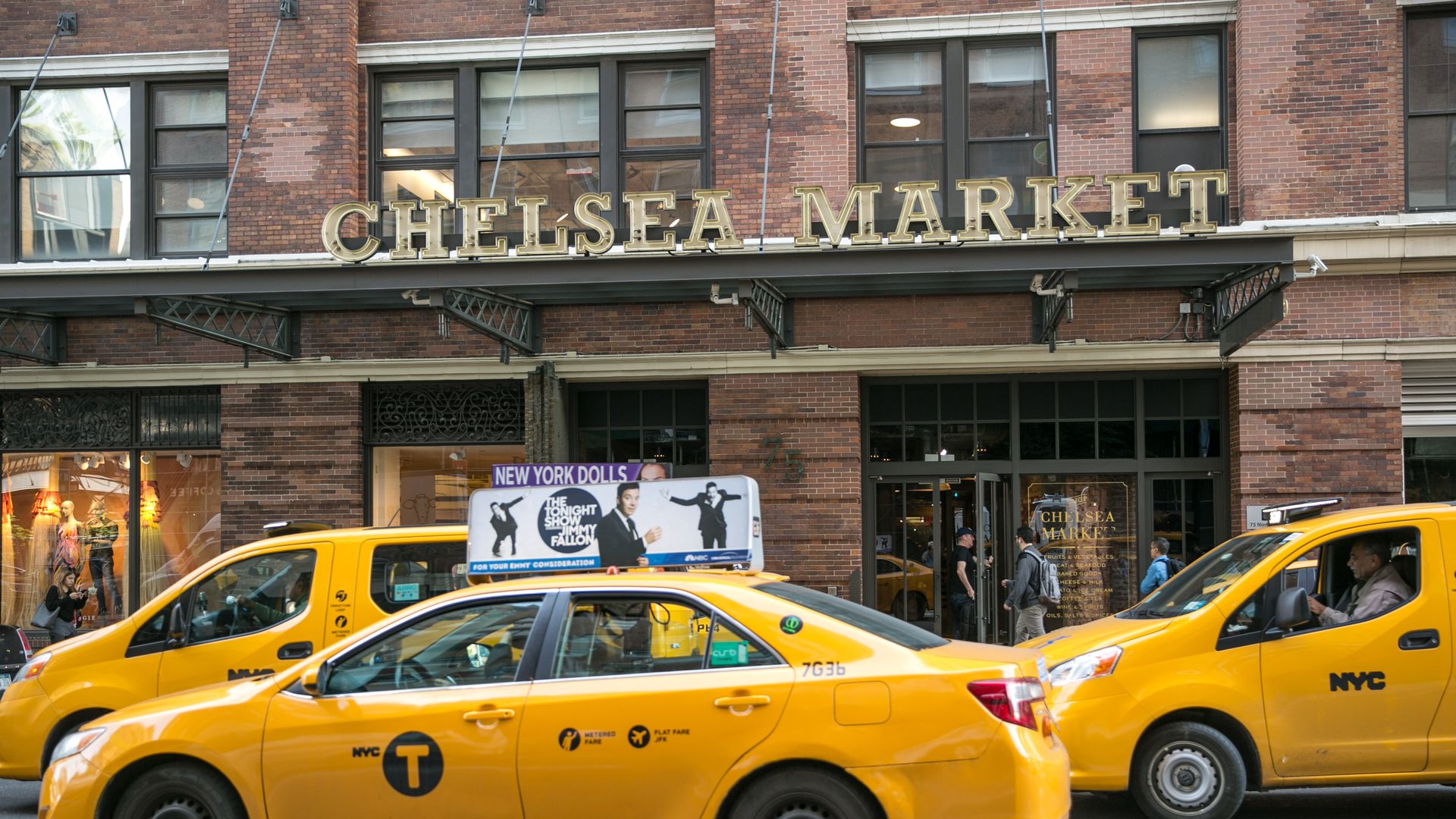
Google is on the verge of spending billions on another major building in Lower Manhattan, Mark Maurer reports at The Real Deal.
Why it matters: Tech's growing real estate presence in New York is a reflection of its massive clout and power. Amazon signed a lease last fall, for example, on more than 350,000 square feet of additional office space elsewhere in Manhattan.
Crisis Text Line is using some of the insights it has gotten from millions of text messages to create Loris.ai, a for-profit venture.
The bottom line: Armed with $2 million in seed funding, Loris.ai is looking to help businesses better tackle tough conversations with employees. It also could serve as a model for other non-profits looking to use data to fund their mission.
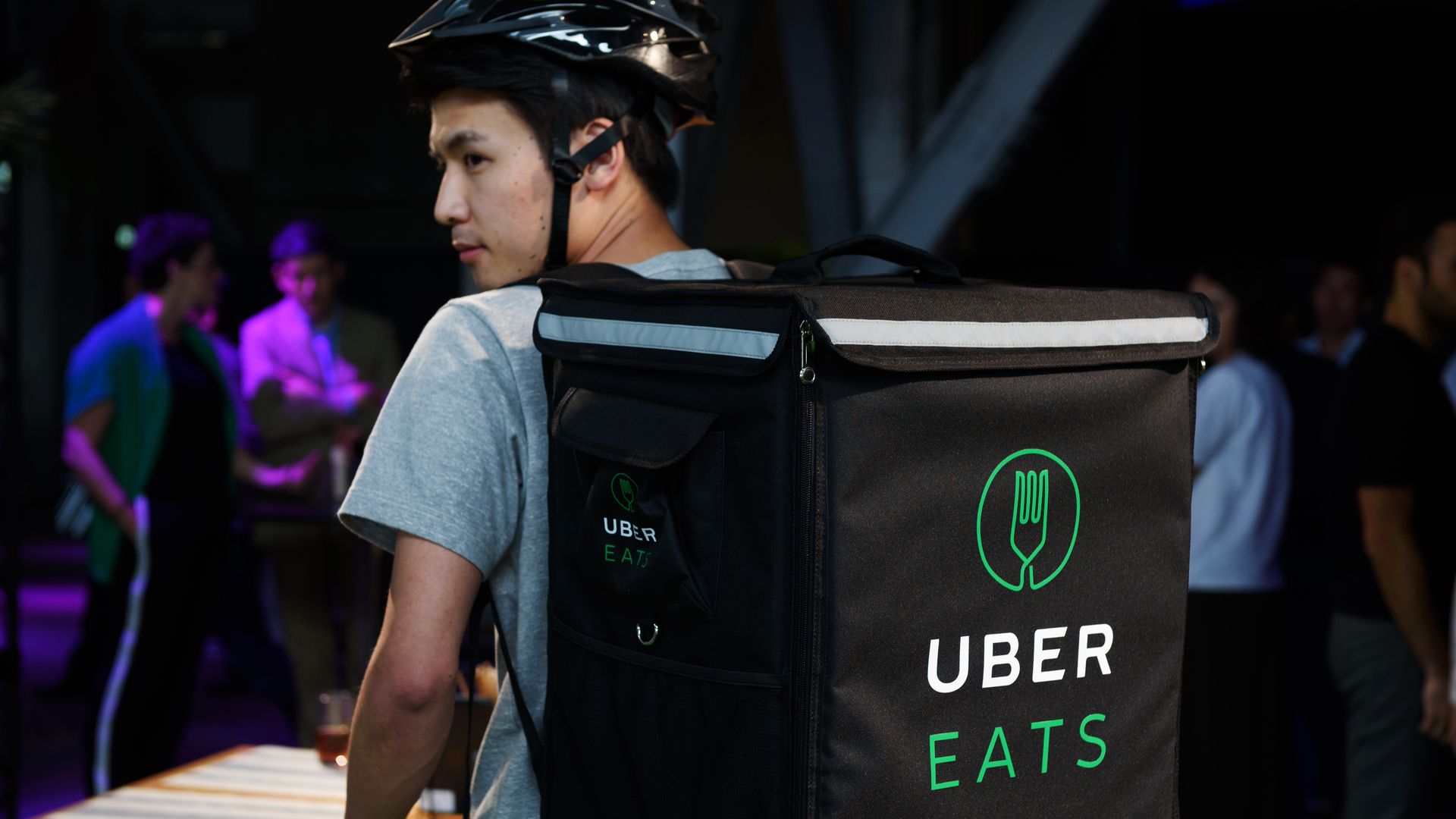
Delivery apps may put your favorite restaurant out of business, per The New Yorker's Elizabeth Dunn, writing in the "Annals of Gastronomy."
The big picture: Brick-and-mortar retailers have been clobbered by the rise of e-commerce giants like Amazon. Delivery apps could prompt a similar implosion in the restaurant business.
Kicking off the trial on Monday, Waymo's lawyer spent much of his opening statements to the jury painting Uber (and its then-CEO Travis Kalanick) as committed to winning the self-driving car race "at all costs"—including through cheating.
Why it matters: Over the next three weeks of the trial, Waymo will have to convince the jury that Uber not only plotted with one of its former employees to steal its technology, but that it actually did, and has been using it to advance its own development of self-driving cars.
Here are the slides each side's lawyers used in their opening statements to the jury as the Waymo-Uber trial over alleged trade secret theft kicked off on Monday.
Why it matters: Each side has presented a very different narrative to the jurors. While Waymo has painted Uber as an ambitious company willing to win "at all costs," the latter fought back, arguing that it's merely the victim of a bad actor's behavior and that Waymo has been worried about its ability to catch up all along.
Apple has joined forces with three firms to ramp up preparedness for cyberattacks. The company is partnering with Cisco, a fellow tech giant, Aon, a risk evaluator, and Allianz, an insurer, to tackle the growing threat of cyber hacks.
The details: The companies will offer their cyber risk management solution businesses, and it will include cyber resilience evaluation, insurance from attacks, and access to Cisco and Aon's incident response teams.
Broadcom plans to up its bid for fellow chipmaker Qualcomm to move acquisition talks forward, Reuters reports. The company is reportedly planning to offer Qualcomm between $80 and $82 per share, compared to the previous $70 per share. The offer would also include a relatively high breakup fee in case regulators interfere with the deal, per Reuters' sources.
The big picture: It's a renewed push to bring Qualcomm to the negotiating table, and "would be the largest pure technology merger of all time, topping Dell's purchase of EMC. It also would create the world's third-largest chipmaker, behind Intel and Samsung," Axios' Dan Primack noted in November.
The long-awaited trial between Uber and Waymo over alleged theft of trade secrets on autonomous driving tech will finally begin today.
The big deal: Aside from involving two high-profile companies, this trial could end in Uber having to pay a lot of money to Waymo (if the jury and judge see it that way), and could have big implications for the race to build self-driving cars and for the legal difference between trade secrets and work expertise.
Former Google and Facebook employees and investors are launching a “Truth About Tech” campaign to put pressure on tech giants to make their products less intrusive and addictive, particularly for children. The education part of the effort is aimed at students, parents and teachers.
Why it matters: Pressure has been building for Silicon Valley companies to be more transparent about what they know about how their products affect consumers' health. The effort is especially timely, given recent criticisms against tech companies for targeting children with their flagship products.