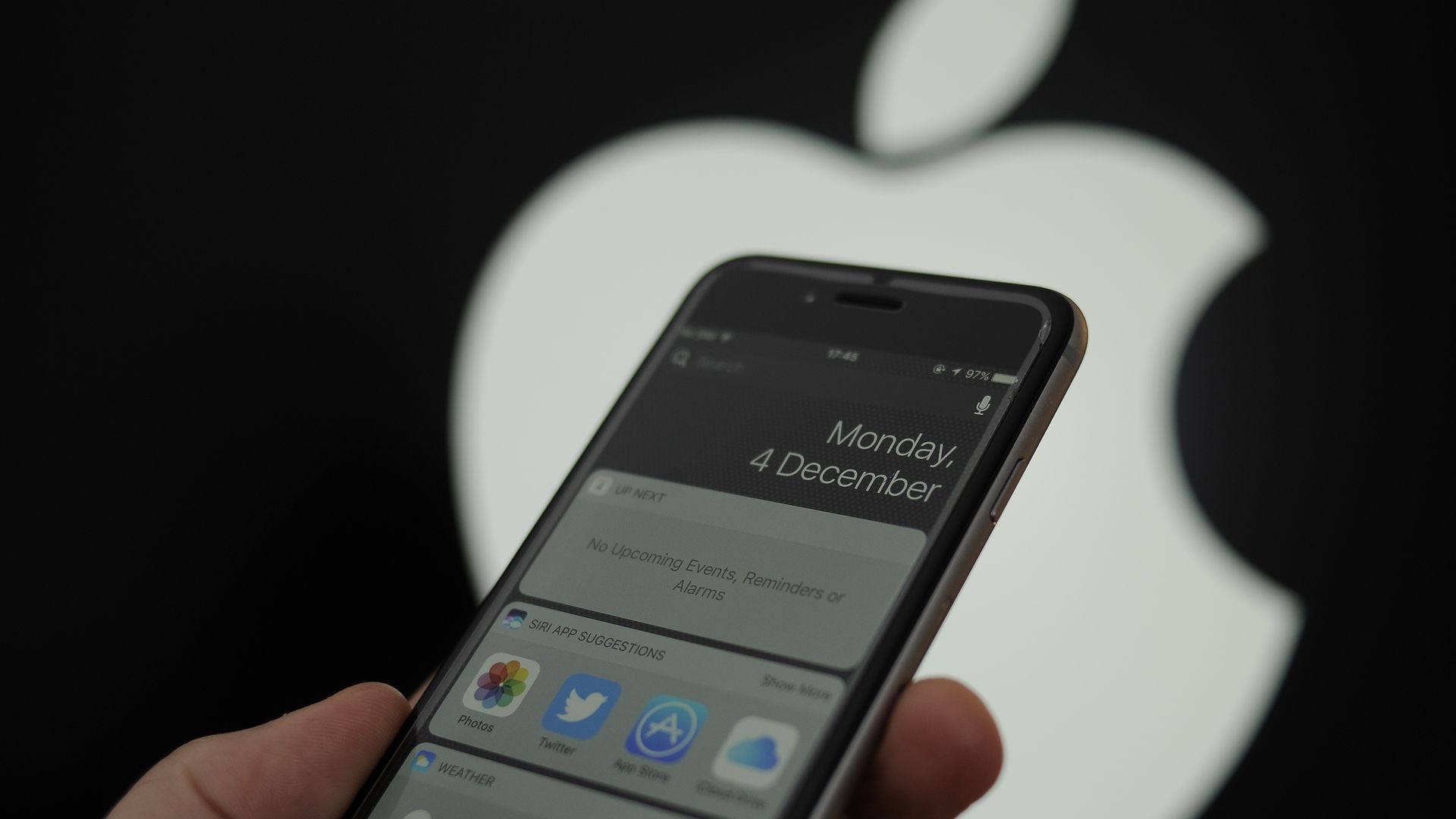
Source code used by Apple to securely boot iPhones leaked online and was widely distributed until Thursday morning, when Apple used copyright law to get the code taken down. Newer iPhone models have additional security measures that will likely mitigate any security problems.
Why it matters: The source code gives malicious actors an unprecedented look at the internals of one of iPhone's key security features. But even if attackers could use the code to discover vulnerabilities in iOS 9, that does not mean most iPhone users are currently at risk.
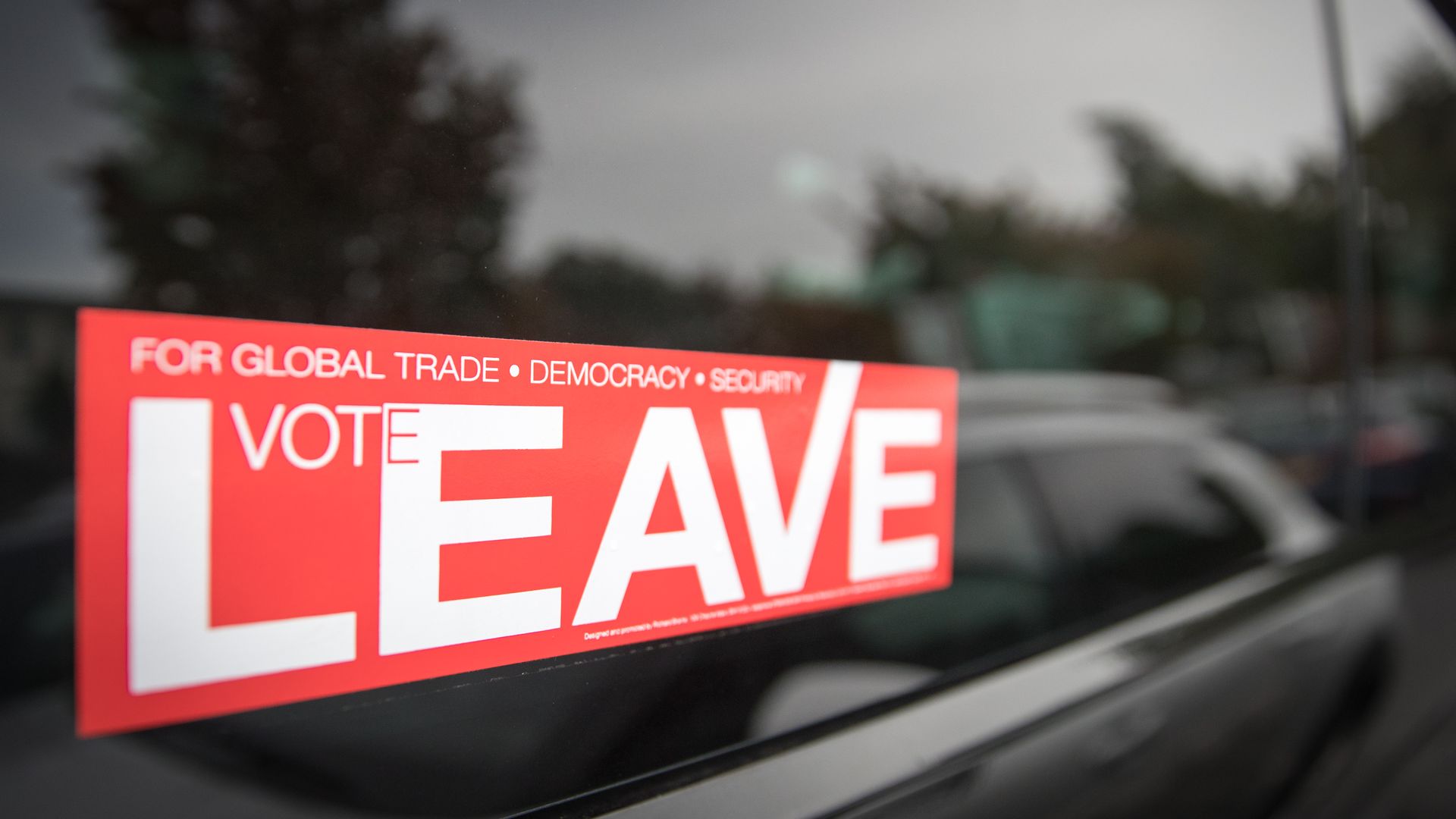
YouTube's global policy head, Juniper Downs, said Thursday the company hadn't found evidence of interference by Russian operators during the Brexit vote. "We have conducted a thorough investigation around the Brexit referendum and found no evidence of interference," she said.
Why it matters: The comments came as Downs was grilled by British lawmakers, who have come to Washington for a lengthy hearing with American tech companies as part of its probe into fake news.
Twitter reported fourth quarter earnings of 19 cents per share before the bell Thursday morning, surpassing the industry estimates of 14 cents per share, CNBC reports. The bump earned Twitter its first-ever net profitable quarter.
Why it matters, per Axios' Sara Fischer:The company has been making strategic investments in video ad revenue for the past two years, led by COO Anthony Noto, who announced he would be leaving the company to become CEO of SoFi earlier this year. Executives have pointed out that the company has focused on its core software and live video as a strategic path to profitability as opposed to making investments in other bets, like hardware.
Political operatives who once relied on one-sided media outlets and platforms during campaigns now acknowledge their role in the erosion of trust in media and facts in general.
Why it matters: Increased polarization of media on both sides of the political spectrum has created a crisis of faith in the objective truth, leading to an unprecedented erosion of trust in institutions in America. Experts argue this could have a serious impact on the future of Western democracy.
Tech industry critics spent a daylong event on Capitol Hill Wednesday airing concerns that Facebook, Google, Apple and other major companies are peddling addictive products that damage young minds.
Why it matters: The health-related campaign against Big Tech is becoming more organized. But both sides of this debate seem to be talking past each other.
Marten Mickos, the CEO of security firm HackerOne, said his company might begin advising clients to include proper legal representation when testing the limits of cybersecurity laws after its client Uber's botched response to a 2016 data breach.
"We need to start advising customers about who to have in the room," he told Axios.
Lyft has hired Jon McNeill, most recently Tesla's president of global sales and service, as its new chief operating officer. Prior COO Rex Tibbens had resigned last November.
Why it matters: The ride-hail company is said to be considering an IPO by as early as 2018, and this is another step in that process.
Some researchers and business leaders are putting artificial intelligence — in its current and aspirational forms — on the same pedestal of human invention and innovation as fire, electricity and the light bulb. But other experts say we will not know for a long time whether AI will ever merit such lofty imagery.
"It could be. If AI really leads to the birth of intelligences greater than humans', it will arguably be the most important event in the history of life on Earth since, well, humans. But that's a very big if, of course. In the meantime, AI's impact is far smaller than electricity or fire's (and in fact, you could say that AI is part of electricity's impact, since it wouldn't exist without it)."
— Pedro Domingos, professor of computer science, University of Washington
Lyft put "an acquisition offer on the table" for Otto, the self-driving truck startup that is at the center of the Waymo vs. Uber trial, Otto co-founder Lior Ron testified on Wednesday. He added that discussions stalled because Lyft wasn't interested in trucks, only cars.
Why it matters: Lyft's interest in Otto was previously unknown.
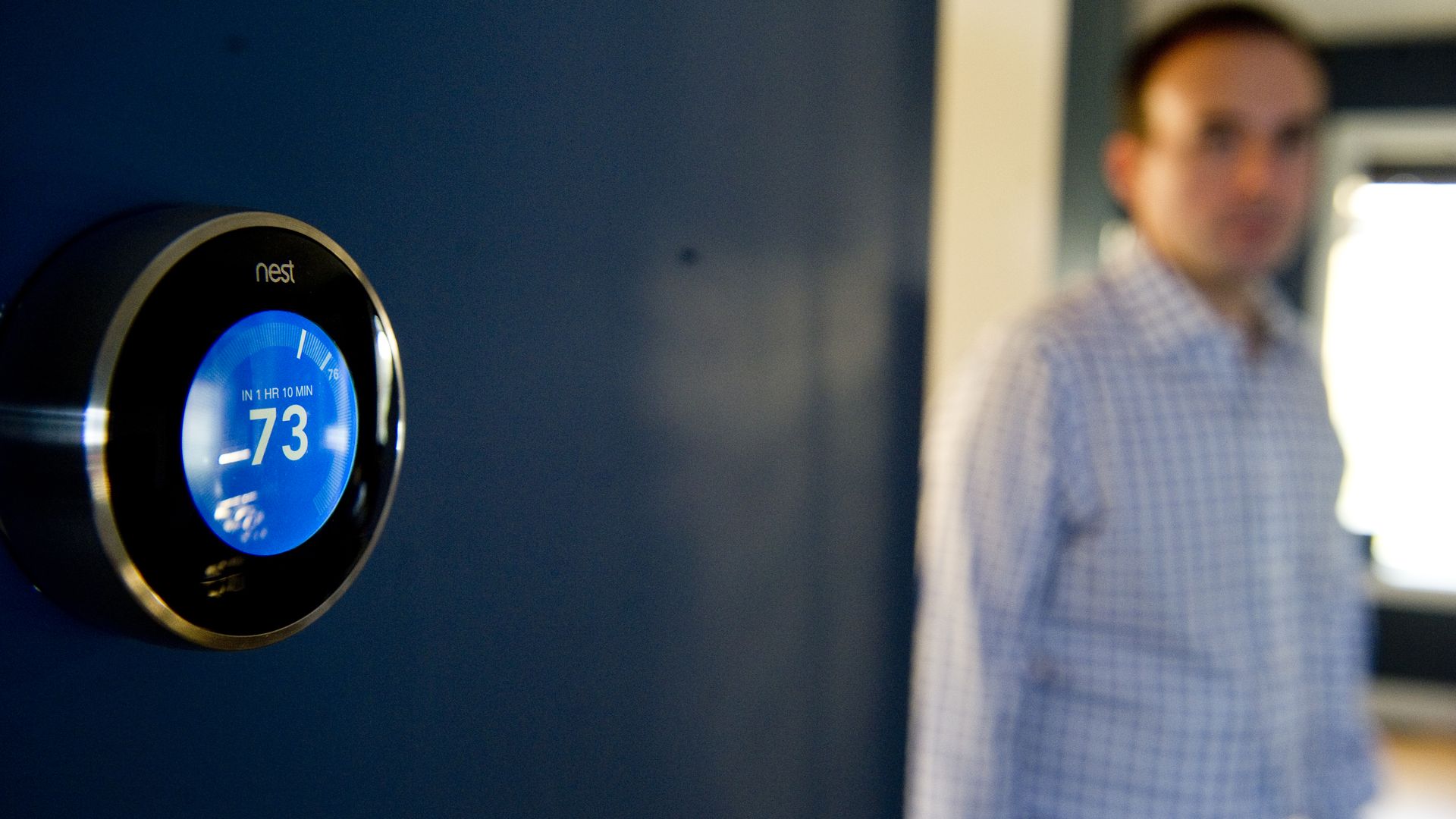
After treating Nest as an independent unit, Google is now making it a part of its internal hardware effort, according to CNET,
"All of Google's investments in machine learning and AI, they can very clearly benefit Nest products. It just makes sense to be developing them together."
— Google hardware chief, Rick Osterloh
Why it matters, per Axios' Ina Fried: Google had wanted to keep Nest separate from Google but the pros of unification have seemed to outweigh the cons for a while. Increasingly Google's own hardware efforts are more similar to Nest.
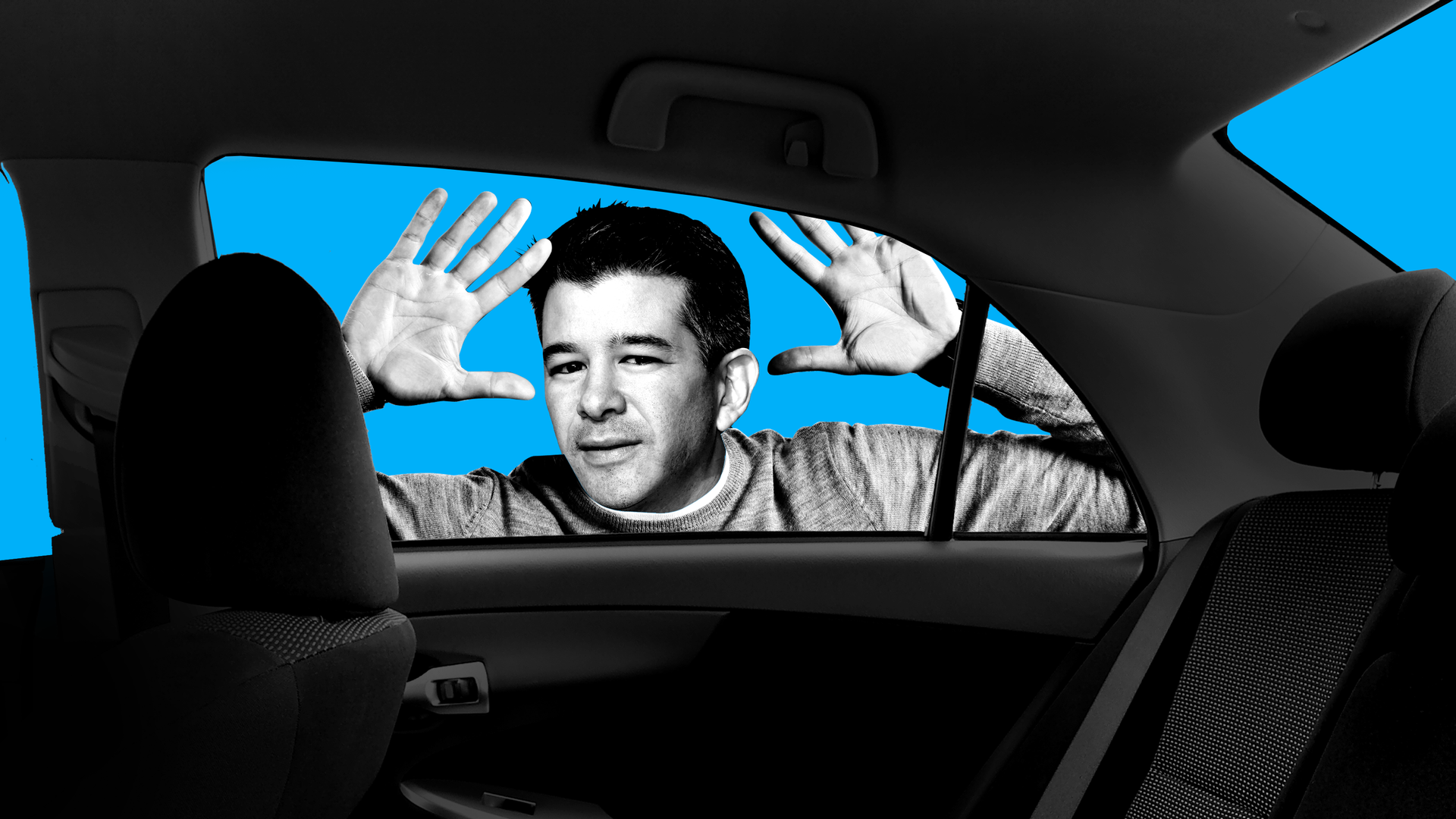
Former Uber CEO Travis Kalanick today testified about the early relationship between Uber and Google, as part of the Waymo vs. Uber trial:
"The general understanding was: 'Hey look, Google is doing the self-driving thing and Uber is doing this ride-sharing thing. Maybe we can partner up.'"
Chinese police officers have a new tool for nabbing criminals: glasses fitted with cameras that have facial-recognition technology. The smart glasses allow officers to scan crowds for criminal fugitives, the Wall Street Journal reports.
Why it matters: China has emerged as a world leader in using AI to bolster surveillance capabilities. With the new devices, officers can "peer into places that fixed cameras aren’t scanning." Chinese state media wrote this week that the glasses have already helped police at Zhengzhou’s East Railway Station track down 26 people traveling under stolen identities and 7 people wanted for connections to ongoing cases.
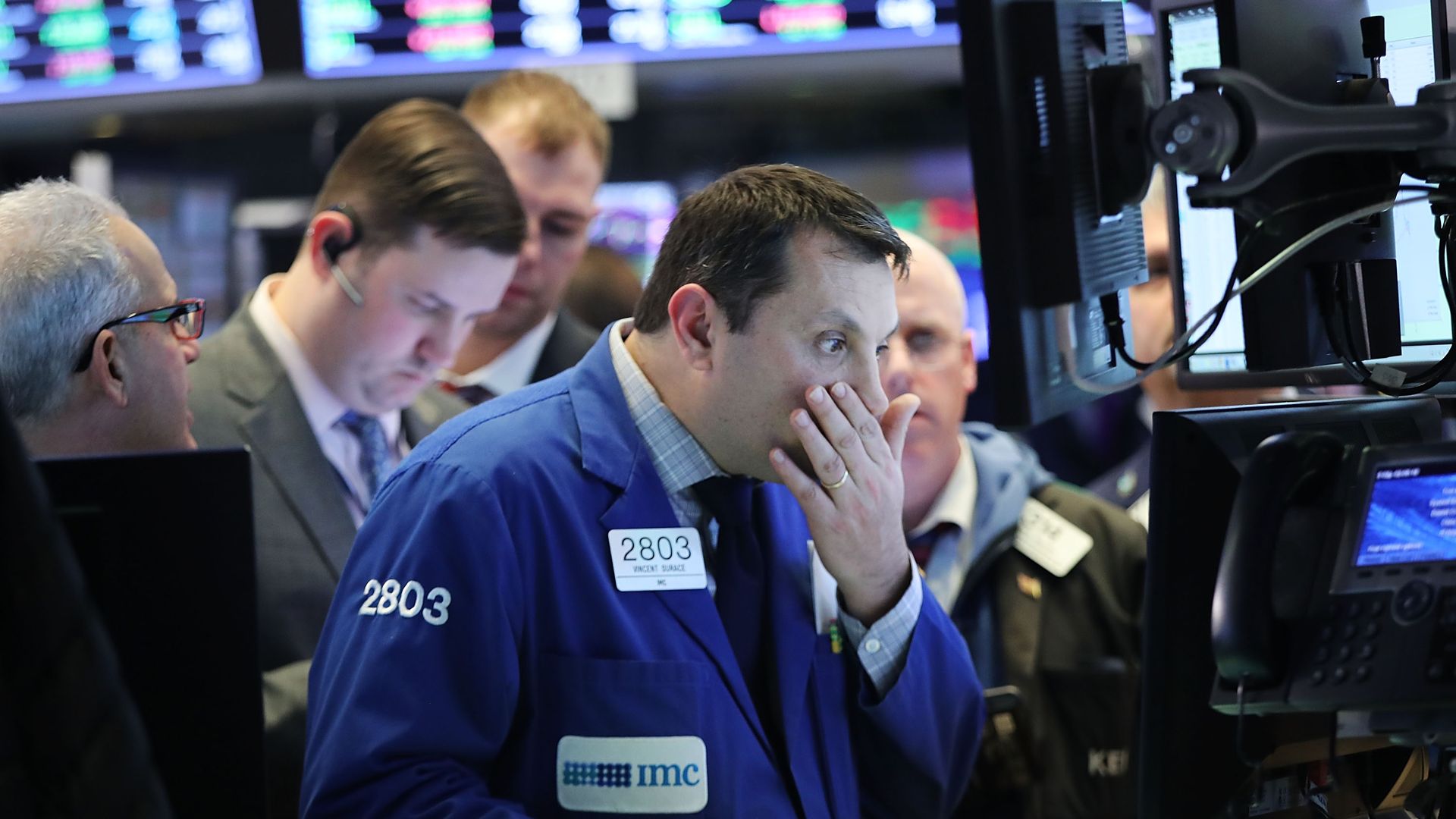
"Lightning-fast trading models, automated sell orders and an arsenal of sophisticated algorithms ... are likely to have made a crazy trading day that much crazier," the WashPost reports:
Why it matters: "The computers react to evidence exponentially faster than any human — think millionths of a second, instead of minutes — and can move en masse, trading at high volumes around the world. That makes them potentially ... dangerous."
Snapchat says it generated $100 million in revenue for content partners on Discover in 2017, up from $58 million in 2016 and $10 million in 2015.
Why it matters: In the short-term, Snapchat's relationship with its publishing partners won't significantly impact revenue or investors' confidence in the platform, but in the long term, we've seen from Facebook how relationships with publishing partners can be crucial towards launching and popularizing new products.
Snap Inc. announced Tuesday that it beat Wall Street predictions on earnings and revenue last quarter, surprising investors that had modest expectations for the company. It also added 9 million new daily active users (DAUs) — the highest number of quarterly net adds since the third quarter of 2016.
Why it matters: Snapchat had a difficult first year as a public company, missing growth expectations as it faced competition from Instagram and Facebook. Tuesday's success, demonstrated by major stock gains, is reviving investor confidence in the company — at least for now.
Handing over your personal data is now often the cost of romance, as online dating services and apps vacuum up information about their users’ lifestyle and preferences.
Why it matters: Dating app users provide sensitive information like drug usage habits and sexual preferences in hopes of finding a romantic match. How online dating services use and share that data worries users, according to an Axios-SurveyMonkey poll, but the services nonetheless have become a central part of the modern social scene.
People are largely uncomfortable giving their personal data to dating apps and websites, but they use them anyway, according to an Axios-SurveyMonkey poll.
Why it matters: Nearly a quarter of those surveyed use services like OkCupid, Tinder or Match.com, according to the poll, and that share grows to roughly a third for younger people.








/2018/02/07/1518032256787.gif?w=3840)