Wednesday's technology stories

A professor with a way to reduce time spent at red lights

You know the routine — wait at one red light, only to meet another at the next intersection, and another. In cities, we are spending 40% of our time idling, according to Stephen Smith, a professor at Carnegie Mellon University. The time adds up: the average American spends 42 hours a year in traffic — almost two complete days, says Inrix, an analytics firm. New Yorkers spend more than twice as long — 89 hours.
Why it matters: Smith says our traffic systems have not changed in a half-century. Down the road, we will have self-driving cars. Before then, though, we can enjoy less road anxiety.

Apple denies lowering Face ID standards to boost iPhone X supply
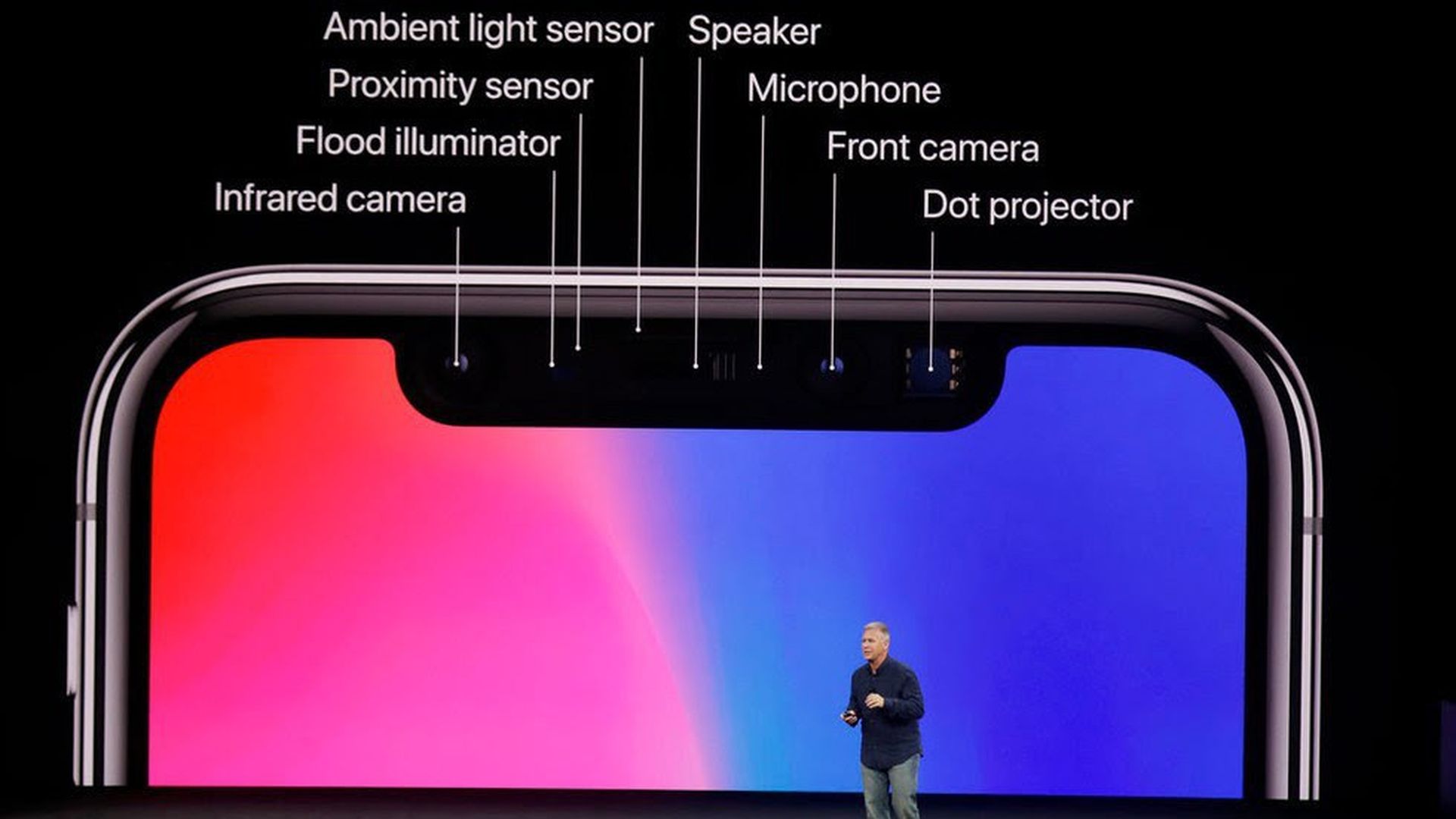
Apple denied Wednesday a Bloomberg report that it has lowered the specifications for components of its Face ID facial recognition system in order to improve supply of the iPhone X.
"Bloomberg's claim that Apple has reduced the accuracy spec for Face ID is completely false and we expect Face ID to be the new gold standard for facial authentication," an Apple representative said in a statement to Axios.
Why it matters: The phone is set to go on sale Nov. 3 and supplies are said to be extremely tight. Apple has reportedly seen tepid demand for the iPhone 8, adding pressure on the company to sell as many iPhone X devices as it can.
Cisco, Google team up on cloud effort

Cisco and Google announced a partnership Wednesday aimed at helping the pair better compete in the cloud computing space.
Apps will be able to run both at customers' own premises as well as in the cloud. The companies said a limited number of customers will be able to try out the joint effort in the first part of next year, with broader availability later in 2018.
Why it matters: The move could help both companies in their competitive battles with Microsoft's Azure and Amazon's AWS.
Amazon's latest gadget lets them deliver packages inside your house

Amazon on Wednesday announced the combination of an indoor security camera and companion software that will allow the company to deliver packages inside customers' houses. The Amazon Cloud Cam will sell for $120 and ship Nov. 8, Amazon said. Prime members can also get the Amazon Key App which lets them provide access for deliveries and service providers.
Why it matters: This helps Amazon in two ways, giving it more hardware to sell as well as a way to deliver packages to customers that might not have wanted them left at their doorstep.
Questions loom over iPhone 8 demand and iPhone X supply

Apple warned Tuesday that iPhone X buyers should show up early when the device hits stores on Nov. 3. Demand for the iPhone 8 has also reportedly been sluggish, with Canada's largest carrier calling sales "anemic." Those are the two likely issues we reported ahead of the device's introduction were likely to be a problem.
Why it matters: The iPhone is the biggest driver of Apple's sales and profits and the launch season is a critical time.
Apple buys New Zealand wireless charging company
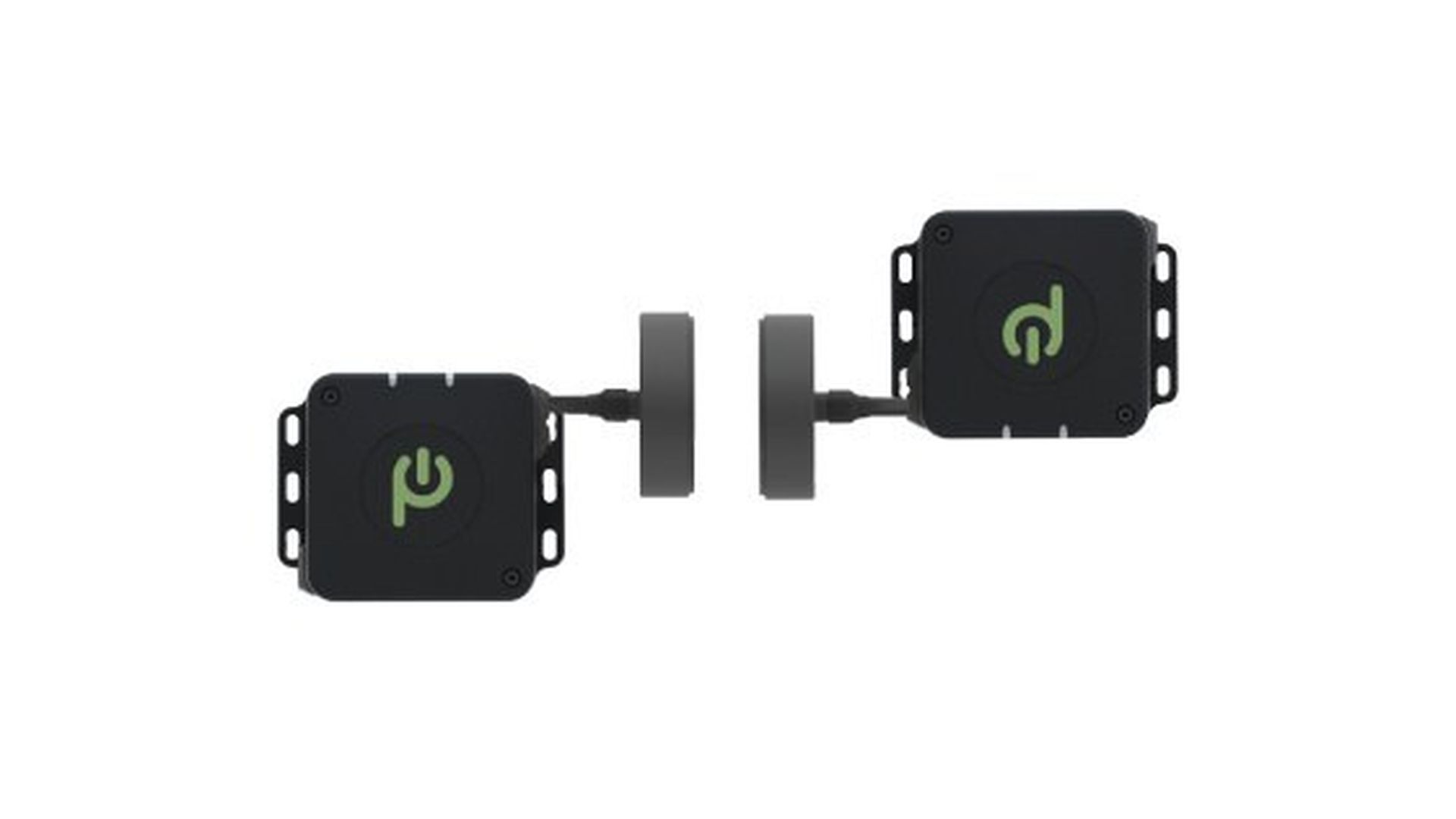
Apple confirmed Tuesday that it has purchased PowerbyProxi, a New Zealand-based wireless charging company. Apple did not disclose a purchase price, but said the team will remain based in Auckland.
The company began a decade ago as a spin-out from the University of Auckland. It has been involved in the Wireless Power Consortium and efforts to improve the Qi standard for wireless charging.
Why it matters: Apple added wireless charging capabilities to the iPhone 8 and iPhone X and announced plans for a future wireless charging station. Buying PowerbyProxi gives Apple significant experience in the field. PowerbyProxi's expertise, though, goes further than phones, with the company's website describing work in drones and underwater vehicles.

Senators clear bill to re-up surveillance program

The Senate Intelligence Committee approved a bill during a closed 12-3 vote Tuesday that would reauthorize a key surveillance program.
Why it matters: The surveillance law, known as Section 702, expires at the end of the year. There's movement in the House to reform the law, which privacy advocates say can inadvertently pick up the communications of Americans. Meanwhile, some in the Senate have pushed to make the law permanent and some want more significant reforms.

Uber adds a "long pickup" fee as it works to make drivers happier
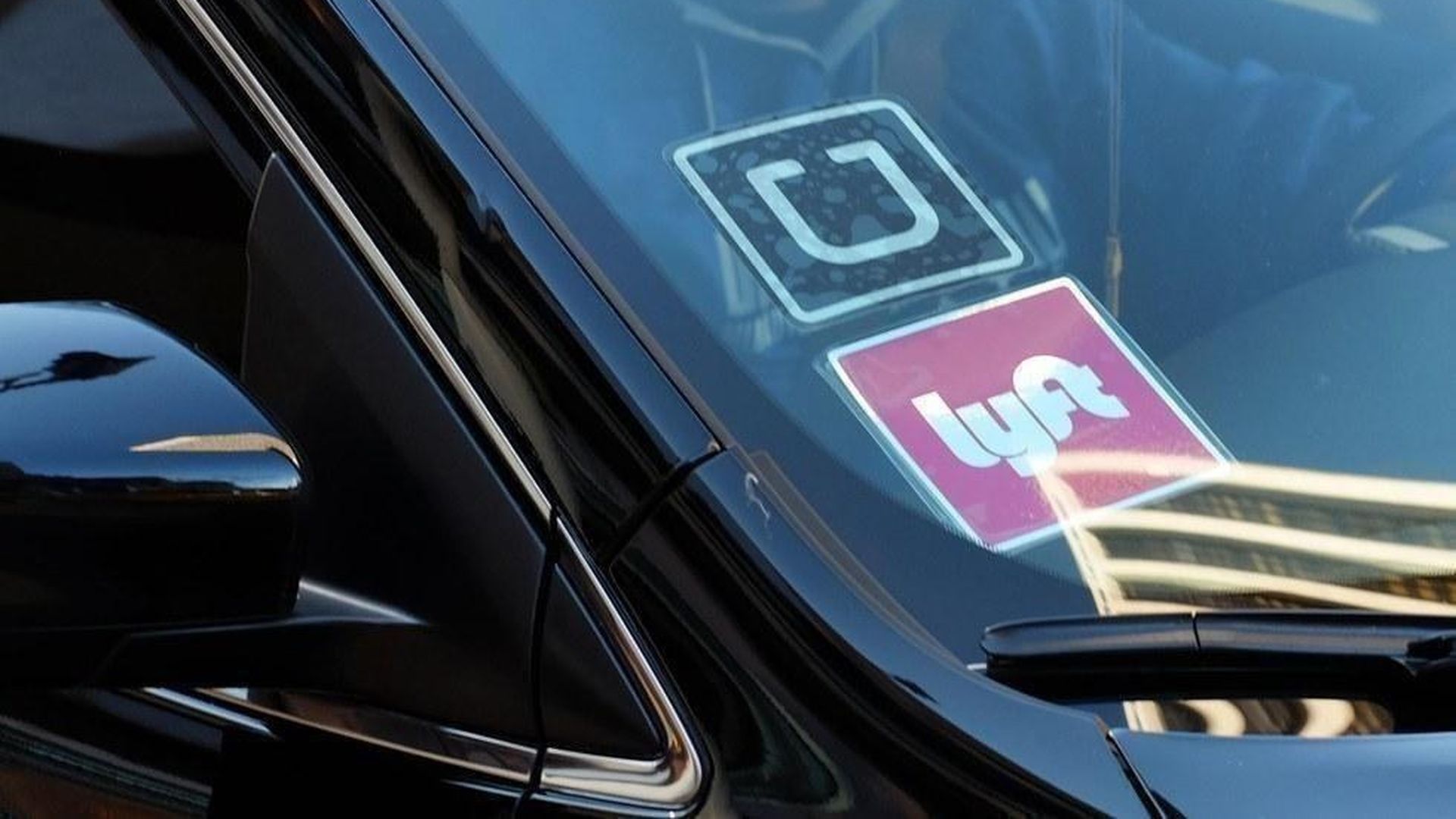
Uber's latest move to make its drivers happier is a new fee it will apply when it takes longer than 8 or 11 minutes (depending on the city) to pick up a passenger. This is seemingly designed to make drivers feel less like they're wasting time and gas before they even get to the passenger. The fee will be calculated based on both time and distance.
Why it matters: While Uber told The Verge that it aims to help passengers by incentivizing drivers to go the longer distance to pick them up (if they live in the suburbs, for example), this is could backfire. For one, passengers might opt to not take an Uber ride given the higher fees—and say, hail a Lyft ride, or drive themselves.

Saudi Arabia throws down the gauntlet

A top Bloomberg editor highlights a message being conveyed by Saudi Arabia amid the turbulence in global crude oil: "Saudi Oil minister says the world of energy may be changing, but Aramco will survive longest and pump the last barrel of crude."
In a word, it's defiance.
Why it matters: OPEC's dominant producer, Saudi Arabia, is reacting to a widely perceived threat from U.S. shale oil and forecasts that global oil demand could level off in little more than a decade, and then start to decline. In such a scenario, Saudi and the world's other petro-states — already in their third year of low oil prices — could face even worse fiscal trouble. Saudi is saying: Even if the petro-world does comes apart, we will be the last man standing.
Former Uber engineers filed complaints over unequal pay
Two female former Uber engineers have filed complaints against the company alleging they were paid less than men in similar jobs and passed over for promotions, according to documents obtained by The Information. The complaints were filed with the California Labor and Workforce Development Agency, through the Private Attorneys General Act — the first step toward a public lawsuit, as The Information notes.
Why it matters: The complaints are filed under a law that allows them to circumvent their employment contracts' arbitration clauses, which have become a controversial practice many argue strip employees of their rights. Susan Fowler, the former Uber engineer whose blog post last February set off an investigation at the company, has filed an amicus brief to the U.S. Supreme Court arguing these clauses should be banned. Uber declined to comment on the complaints, but did point out that in August, Uber updated its contracts to allow employees to opt out of mandatory arbitration, and also recently worked to adjust employee salaries
Troubled division: The two women who filed the complaints worked as site reliability engineers — the same engineering division where Fowler worked.
Update, Oct. 25: On Tuesday, the two women and a current female Uber engineer filed a lawsuit in San Francisco Superior Court against the ride-hailing company, outlining much of the same gender pay discrimination claims, as The Recorder first noticed. Workers can file a formal lawsuit under the Private Attorneys General Act after they've filed a complaint with the Labor and Workforce Development Agency and the agency and employer do not take action within 65 days.
The story has been updated to include the newly filed lawsuit, as well as to clarify the changes in Uber's employment contracts.

Background on the U.S.-Russia Uranium deal

Two House committees are going to probe a controversial Russian uranium deal approved by the Obama administration. The deal gave Russia control of one-fifth of all uranium production capacity in the U.S.
Why it matters: Last week, Trump brought the deal back into light when he singled out Hillary Clinton and the Obama administration for their involvement, calling it "the biggest story that Fake Media doesn't want to follow." He was referring to a 2015 New York Times report that revealed the Clinton Foundation had received donations from leaders involved in the uranium deal, as well as a recent report by the Hill that claimed the Obama administration had signed off on it even though the FBI had evidence that Russia had used bribery and extortion to expand Moscow's atomic energy footprint in the United States.

The real story about fake news

The hype around Russia's involvement in the elections and fake news is complicated.
The bottom line: Fake news is only going to get worse. Earlier this year, Axios outlined a number of ways fake news creators are becoming more creative in the face of efforts to stamp them out, often pivoting from circulating their own misleading stories to developing sophisticated techniques that manipulate real news.

Tech companies pledge to use artificial intelligence responsibly

The Information Technology Industry Council — a DC-based group representing the likes of IBM, Microsoft, Google, Amazon, Facebook and Apple— is today releasing principles for developing ethical artificial intelligence systems.
Why it matters: The tech industry is trying to get ahead of growing anxieties about the societal impact of AI technologies, and this is an acknowledgement on companies' part that their data-hungry products are causing sweeping changes in the way we work and live. The companies hope that pledging to handle this power responsibly will win points with critics in Washington, and that showing they can police themselves will help stave off government regulation on this front.