Baidu shares are down more than 10% in after-hours trading today after the Chinese search-engine titan reported third-quarter earnings that were twice what analysts had projected, but said that the next quarter will fall short of expectations.
The company said that, in the fourth quarter, revenue will rise to $3.52 billion, short of the $3.76 billion that analysts have forecast, Reuters reports. In the third quarter, Baidu said its adjusted earnings were $3.89 a share, compared with analyst exceptions of $1.96.
Baidu is part of the Big Tech circle of global companies that are perceived to be building dominant positions in the technologies of the future, including artificial intelligence.
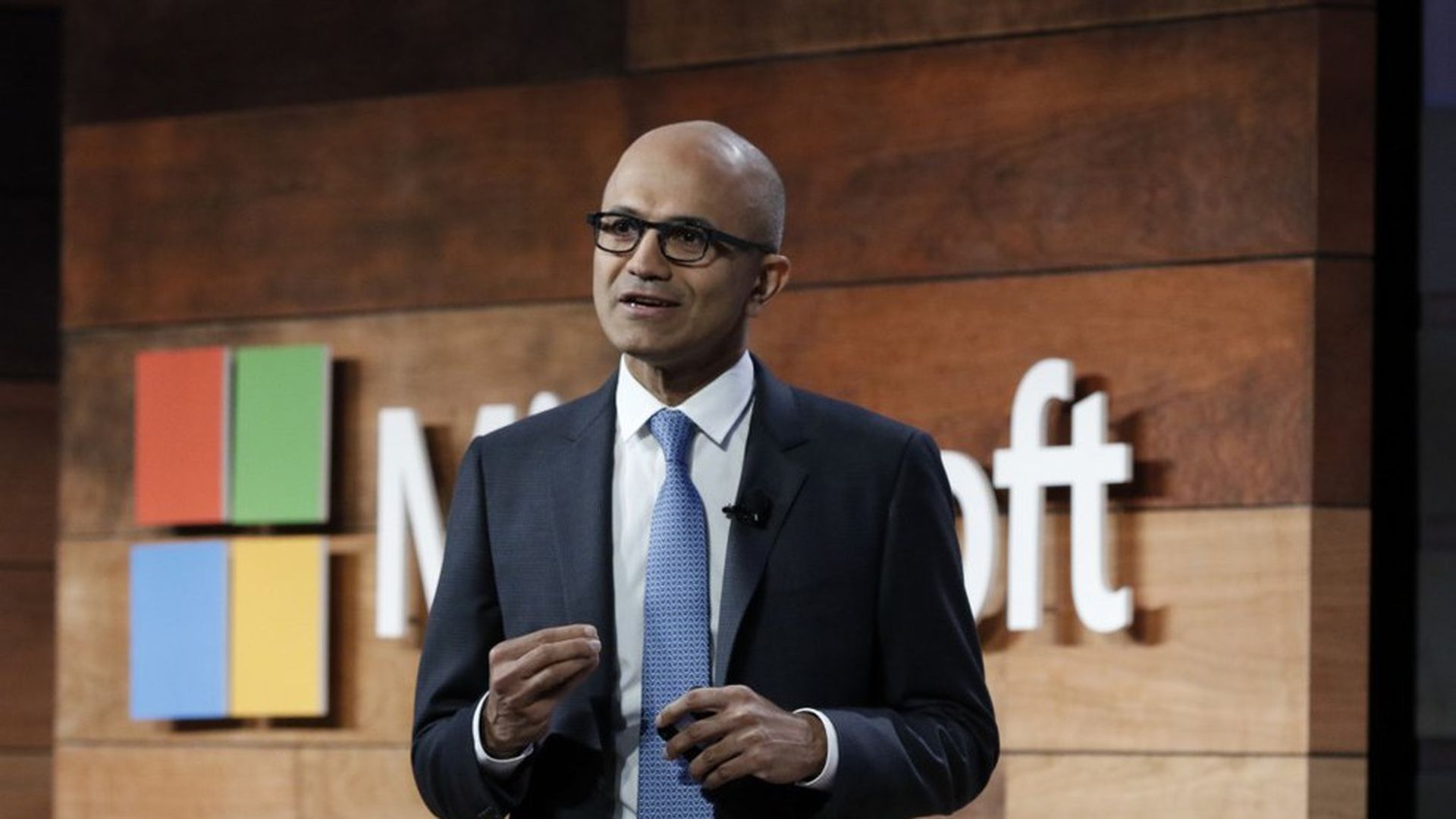
As was the case with Intel, Microsoft reported earnings Thursday that topped Wall Street expectations even as the PC business remained flat.
The bottom line: Microsoft's strength continues to be its cloud computing area, with its business cloud generating $20 billion in annualized revenue, reaching that milestone ahead of a goal set two years ago.
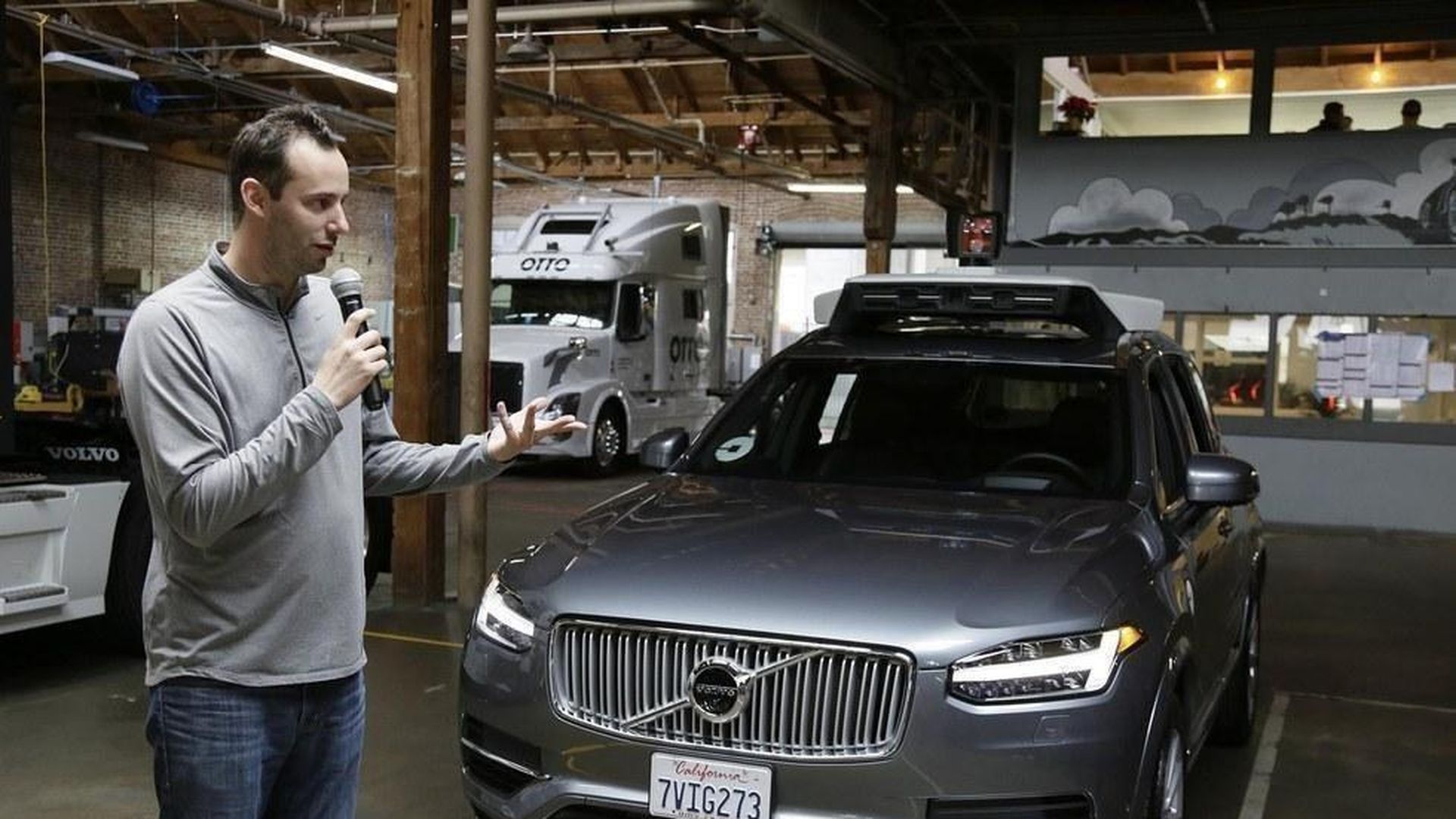
Waymo and Uber's dispute over alleged theft of trade secrets could potentially spill into a second trial, a federal judge hinted on Thursday, according to The Recorder. The judge postponed ruling on a request from Waymo, Alphabet's self-driving car unit, to add two more trade secrets to its lawsuit against Uber, saying he will decide after the trial that is set to begin in December.
Decoded: The case so far has focused on proprietary designs of LiDAR sensors, which self-driving cars use to "see" the road and environment around them. The additional trade secrets Waymo asked to add pertain to "planner software." According to the judge, adding these trade secrets now would complicate the trial, which has already been postponed once.
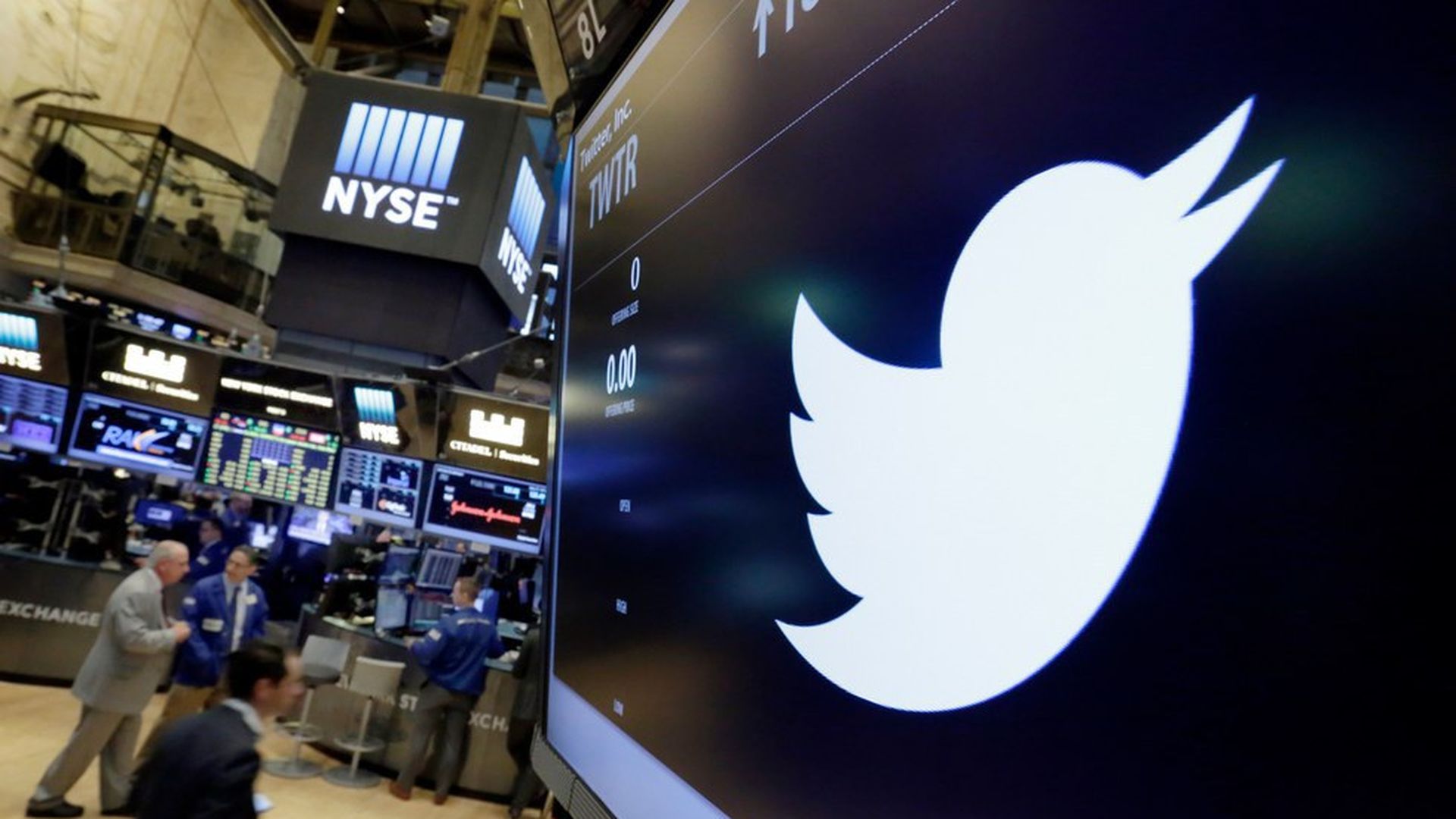
Twitter said Thursday it would "off-board" ads linked to Russian state outlets Russia Today (RT) and Sputnik over concerns they tried to influence the 2016 election. The move comes less than a week before the company sends a lawyer to testify on Russian election meddling on Capitol Hill, where he'll join colleagues from Google and Facebook.
Why it matters: The implications for tech companies of possible Russian election meddling go far beyond those ads purchased by a notorious "troll farm" that have already been disclosed.
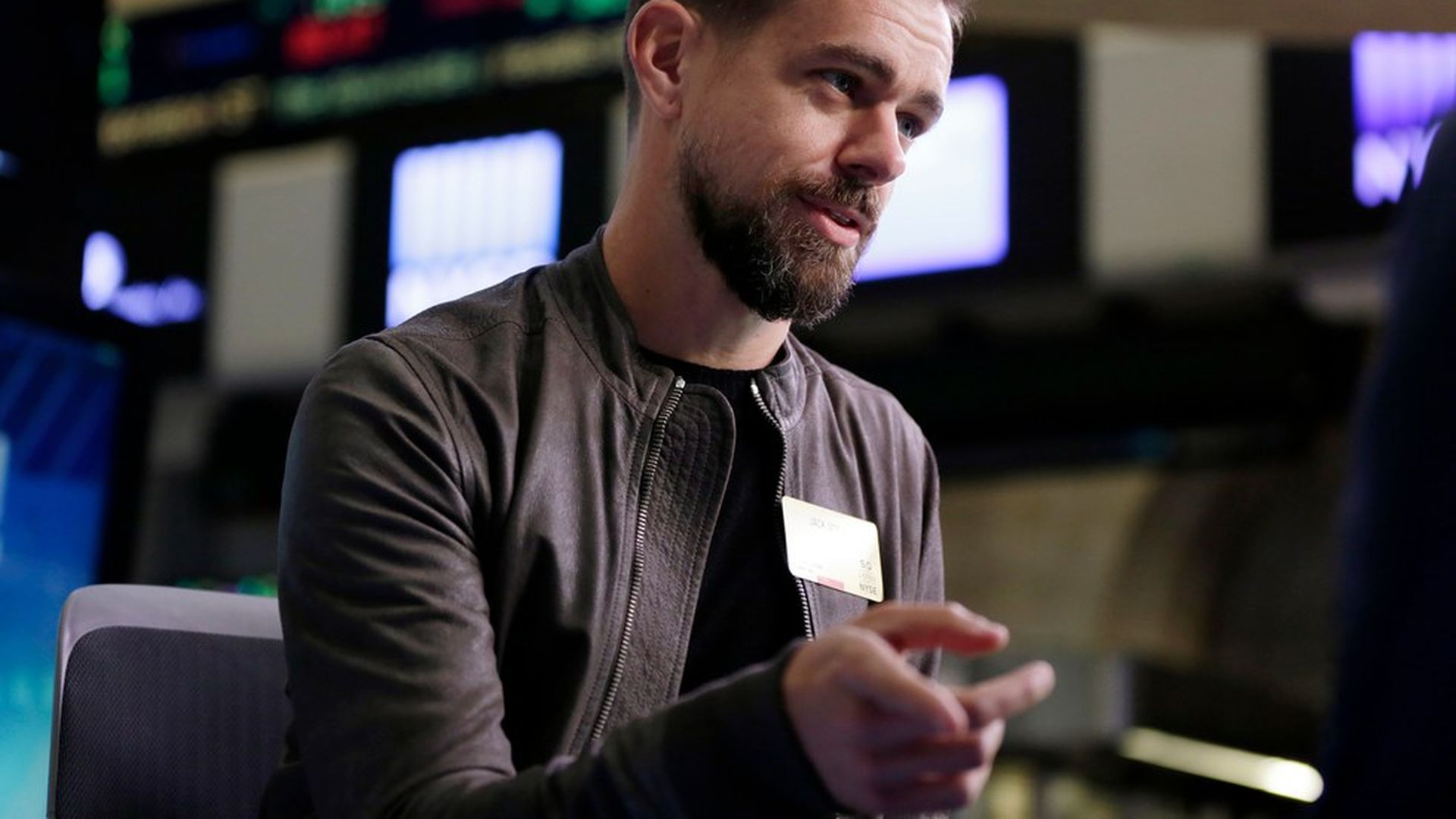
Twitter stock was up over 10% in pre-market trading Thursday after the company announced that it beat revenue and growth expectations. But the success is being overshadowed by the fact that the company admitted to inflating user growth over by approximately 1-2 million users per quarter for four quarters. The company said in a letter to shareholders that the miscalculation occurred from including "certain third-party applications" that should not have been counted in Twitter's monthly active users number.
Why it matters: Twitter has faced criticism in the past for inflating video metrics and for its "inadequate" response (Sen. Mark Warner's words) to the Senate Intelligence Community's inquiry into Russia involvement on its platform. At a time when technology platforms are under increased scrutiny for not being transparent enough, this type of admission only plays into the narrative that tech companies are not properly policing themselves.
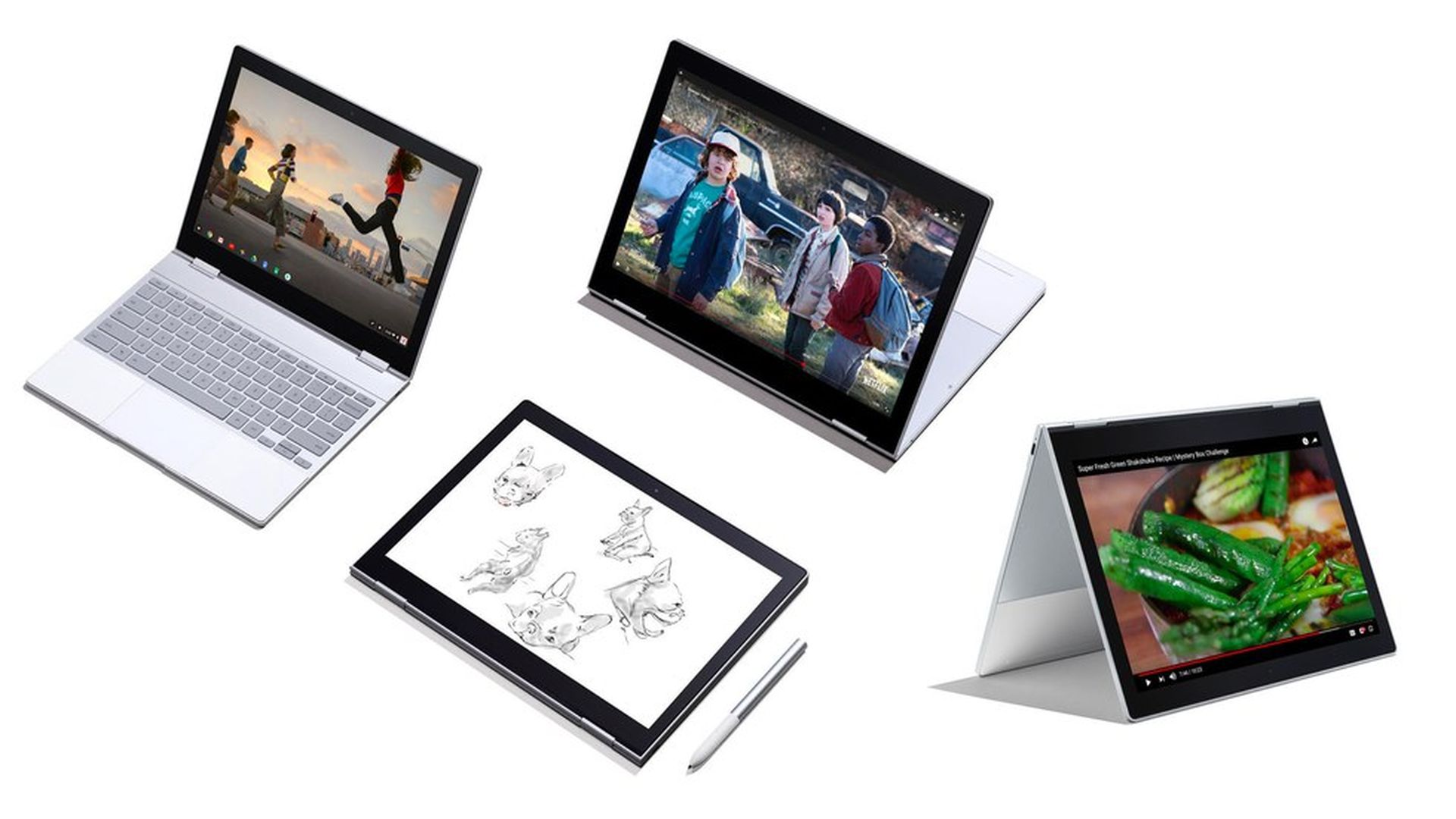
Google's Pixelbook is the company's latest effort to show that its Chrome OS can be used for more than just a lower-budget, part-time Web browsing device. The company has made a lot of improvements since the Chromebook Pixel, including support for Android apps, a digital pen and the voice powered Google Assistant. The Pixelbook also folds into a tent or tablet, making it a nice option for watching movies or surfing on a couch.
The bottom line: The Pixelbook is a worthy, if not inexpensive, option for those who always (or nearly always) have an Internet connection.
You know the routine — wait at one red light, only to meet another at the next intersection, and another. In cities, we are spending 40% of our time idling, according to Stephen Smith, a professor at Carnegie Mellon University. The time adds up: the average American spends 42 hours a year in traffic — almost two complete days, says Inrix, an analytics firm. New Yorkers spend more than twice as long — 89 hours.
Why it matters: Smith says our traffic systems have not changed in a half-century. Down the road, we will have self-driving cars. Before then, though, we can enjoy less road anxiety.
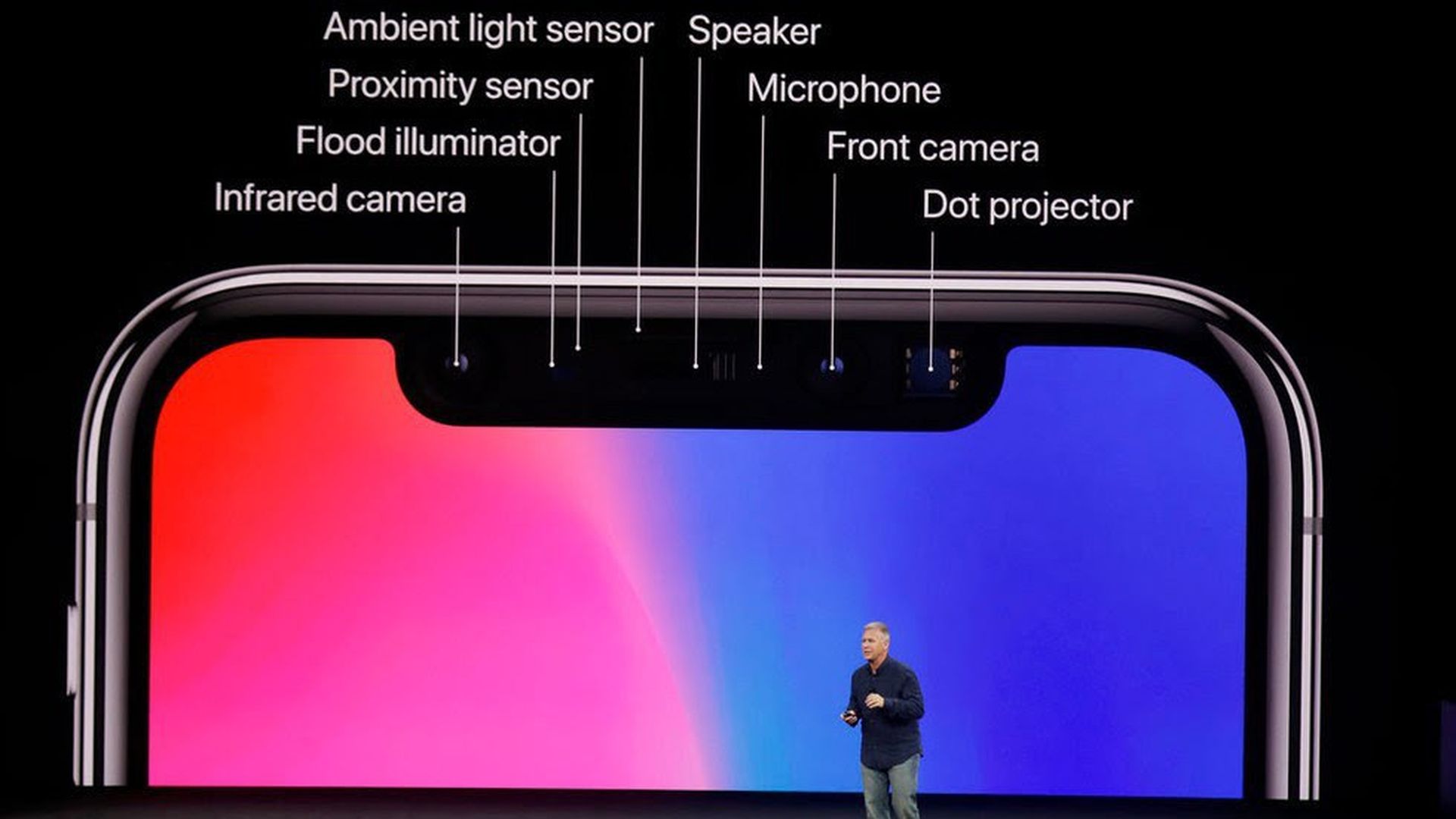
Apple denied Wednesday a Bloomberg report that it has lowered the specifications for components of its Face ID facial recognition system in order to improve supply of the iPhone X.
"Bloomberg's claim that Apple has reduced the accuracy spec for Face ID is completely false and we expect Face ID to be the new gold standard for facial authentication," an Apple representative said in a statement to Axios.
Why it matters: The phone is set to go on sale Nov. 3 and supplies are said to be extremely tight. Apple has reportedly seen tepid demand for the iPhone 8, adding pressure on the company to sell as many iPhone X devices as it can.
Cisco and Google announced a partnership Wednesday aimed at helping the pair better compete in the cloud computing space.
Apps will be able to run both at customers' own premises as well as in the cloud. The companies said a limited number of customers will be able to try out the joint effort in the first part of next year, with broader availability later in 2018.
Why it matters: The move could help both companies in their competitive battles with Microsoft's Azure and Amazon's AWS.
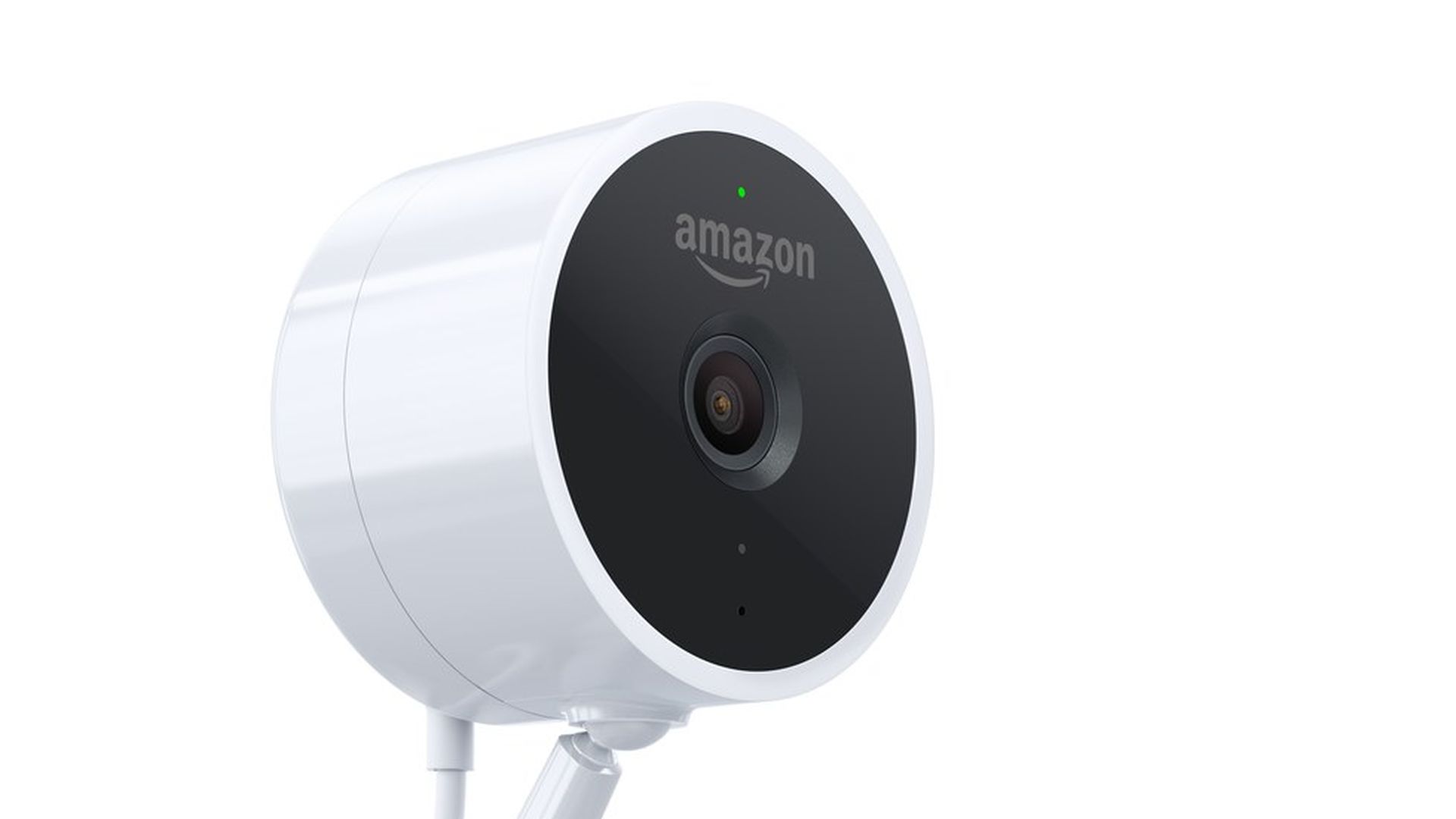
Amazon on Wednesday announced the combination of an indoor security camera and companion software that will allow the company to deliver packages inside customers' houses. The Amazon Cloud Cam will sell for $120 and ship Nov. 8, Amazon said. Prime members can also get the Amazon Key App which lets them provide access for deliveries and service providers.
Why it matters: This helps Amazon in two ways, giving it more hardware to sell as well as a way to deliver packages to customers that might not have wanted them left at their doorstep.
Apple warned Tuesday that iPhone X buyers should show up early when the device hits stores on Nov. 3. Demand for the iPhone 8 has also reportedly been sluggish, with Canada's largest carrier calling sales "anemic." Those are the two likely issues we reported ahead of the device's introduction were likely to be a problem.
Why it matters: The iPhone is the biggest driver of Apple's sales and profits and the launch season is a critical time.
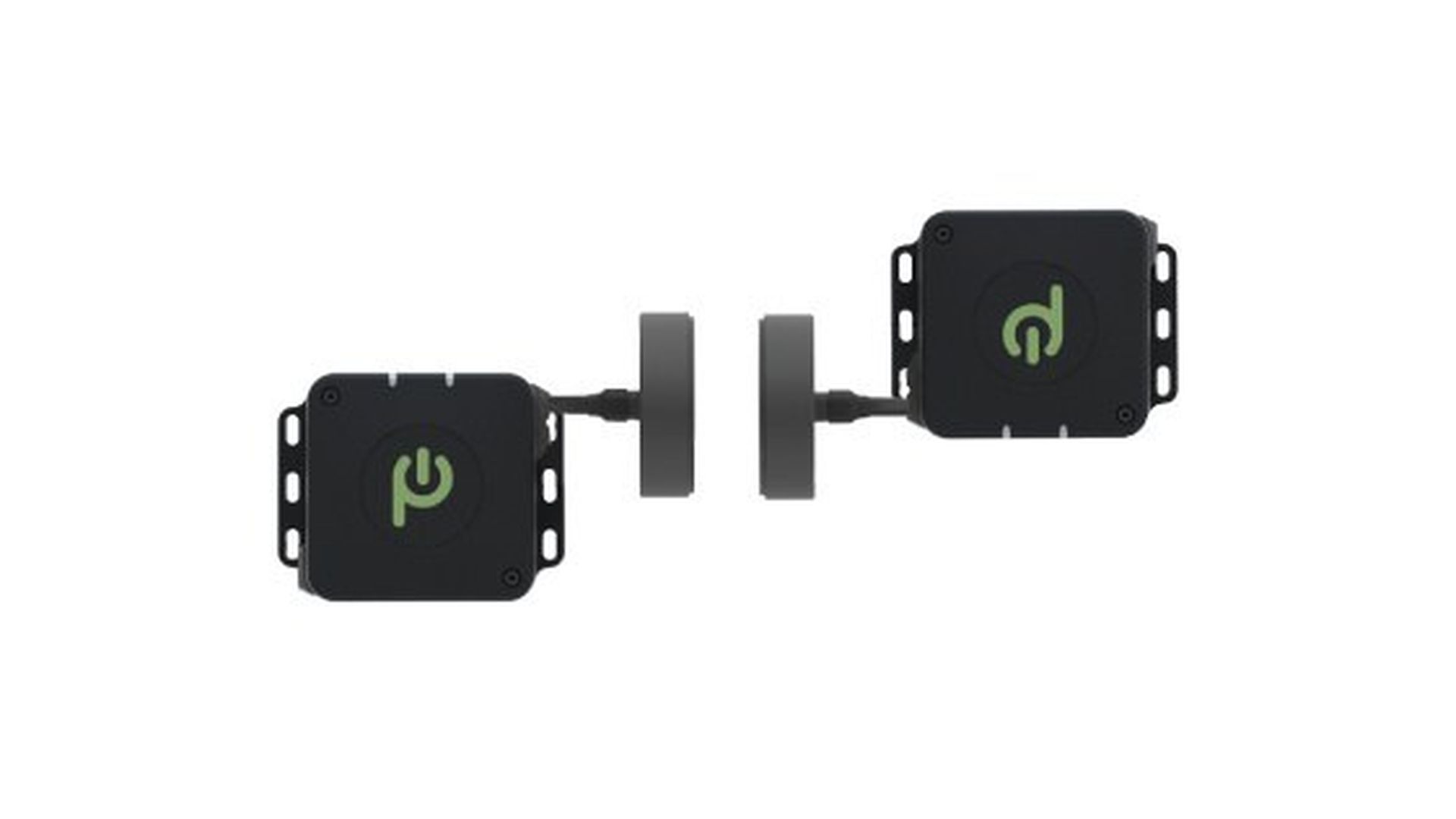
Apple confirmed Tuesday that it has purchased PowerbyProxi, a New Zealand-based wireless charging company. Apple did not disclose a purchase price, but said the team will remain based in Auckland.
The company began a decade ago as a spin-out from the University of Auckland. It has been involved in the Wireless Power Consortium and efforts to improve the Qi standard for wireless charging.
Why it matters: Apple added wireless charging capabilities to the iPhone 8 and iPhone X and announced plans for a future wireless charging station. Buying PowerbyProxi gives Apple significant experience in the field. PowerbyProxi's expertise, though, goes further than phones, with the company's website describing work in drones and underwater vehicles.