Monday's technology stories

Tech firms look for staff with security clearances
Bloomberg reports that major tech companies such as Facebook and Twitter are interested in hiring workers with top-secret security clearances as they deal with foreign meddling on their platforms and come under increased risk of hacks. Workers with clearances are already in high demand by government agencies and contractors who have access to classified information.
Why it matters: Former government employees, and those who work for government contractors, are becoming more valuable to tech companies that have typically preferred scrappy engineering graduates over those steeped in government bureaucracy. But they companies have realized having better access to government information could help them identify and deal with problematic accounts more effectively. And they need to show Washington policymakers that they're capable of fending off problematic activity on their platforms.

Amazon gets hundreds of city proposals to host HQ2
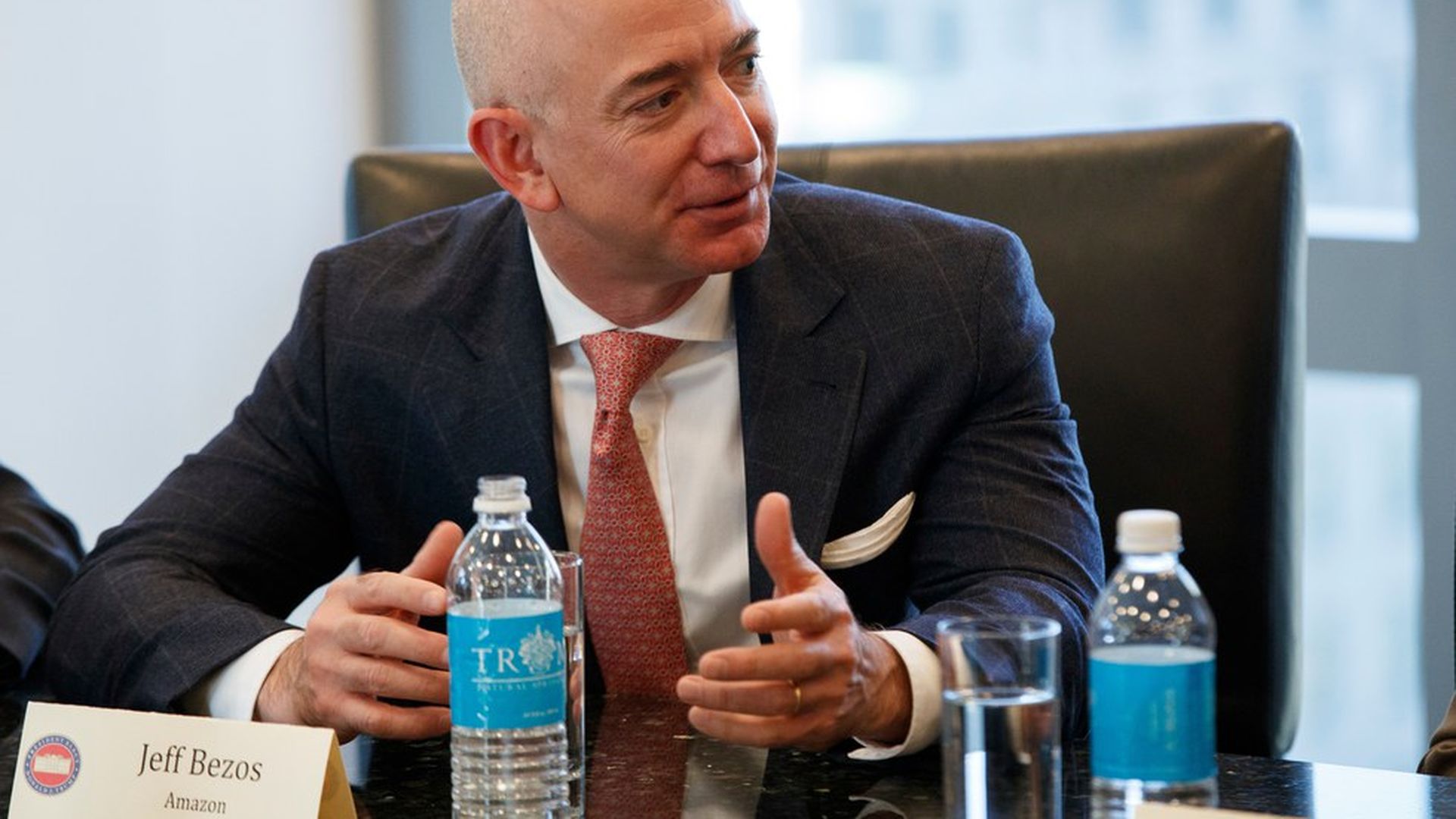
Amazon has been flooded with pitches from cities and regions that want to host its second headquarters, the company said Monday. The company received 238 proposals from "54 states, provinces, districts and territories across North America."
Why it matters: There's lots of competition for what Amazon is calling HQ2. While the new headquarters could bring 50,000 jobs that pay an average salary of $100,000 to the winning city, there are also potential downsides to hosting, including the possible cost of billions of dollars via tax breaks.
Go deeper: The New York Times recently covered the tactics cities are employing to court the project.

Will AI kill the era of the big startup?
TechCrunch's Jon Evans explores whether the rise of big data and artificial intelligence will kill the era of the big startups in favor of the tech giants in his latest column.
- On the one hand: Certainly the tech giants have a leg up when it comes to access to massive amounts of customer data and it is hard to see that the shift to AI will hurt those companies.
- On the other hand: There's also a case to be made that as the tools for AI become democratized we will see a ton of startups emerge with expertise (and data) in specific verticals.

Many cities hope self-driving vehicles can fix transit gaps
One way we may see autonomous vehicles changing our daily commutes is in the gaps at the edges of public transit systems — what urban planners call the "last-mile" problem. More than three-quarters of cities invested in mobilizing autonomous vehicles anticipate using them to solve "last-mile" transit gaps, such as transporting people between rail stations and employment centers or shuttles circulating within larger corporate campuses, according to a Bloomberg Philanthropies survey of cities out today.
Why it matters: Autonomous vehicles may link public transportation and major employment hubs, something cities often struggle with.While addressing these "last mile" gaps will improve commutes, some predict self-driving cars could add to sprawl as well as traffic.