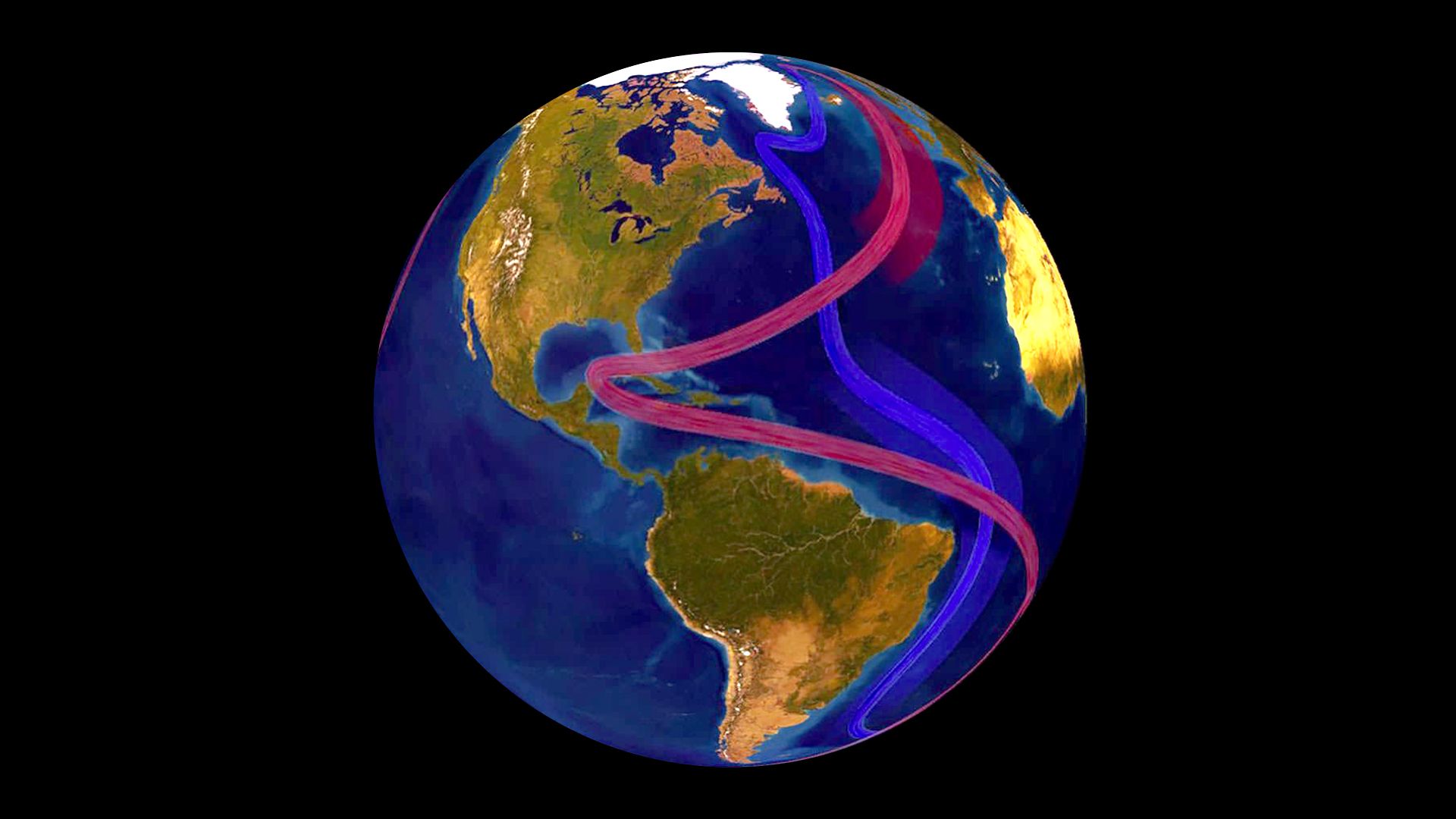
Part of a "global conveyor belt" that moves water around the world, the AMOC helps to regulate everything from the rate of sea level rise on the East Coast to Europe's average temperatures.
Demystifying science can help create more enthusiasm for the field and inspire more people from diverse backgrounds to become scientists, astrophysicist Regina G. Barber tells Axios Latino.
Why it matters: While the STEM workforce has in recent years become more diverse, people of color are still underrepresented.
The University of South Florida said Monday its researchers have transported some 1,500 coral specimens to tanks on land as "unprecedented heat waves and escalating water temperatures" create "a massive coral bleaching event."
Why it matters: Coral reefs provide shelter for over 25% of ocean animals, and are economically key to over half a billion people's livelihoods.
Registered Republicans experienced a "significantly higher" rate of excess deaths than Democrats in Florida and Ohio in the months after COVID-19 vaccines were made widely available, a new study has found.
Why it matters: The Yale researchers note in their study, published in the journal JAMA Internal Medicine Monday, the findings "suggest that well-documented differences in vaccination attitudes and reported uptake between Republican and Democratic voters may have been a factor in the severity and trajectory of the pandemic."
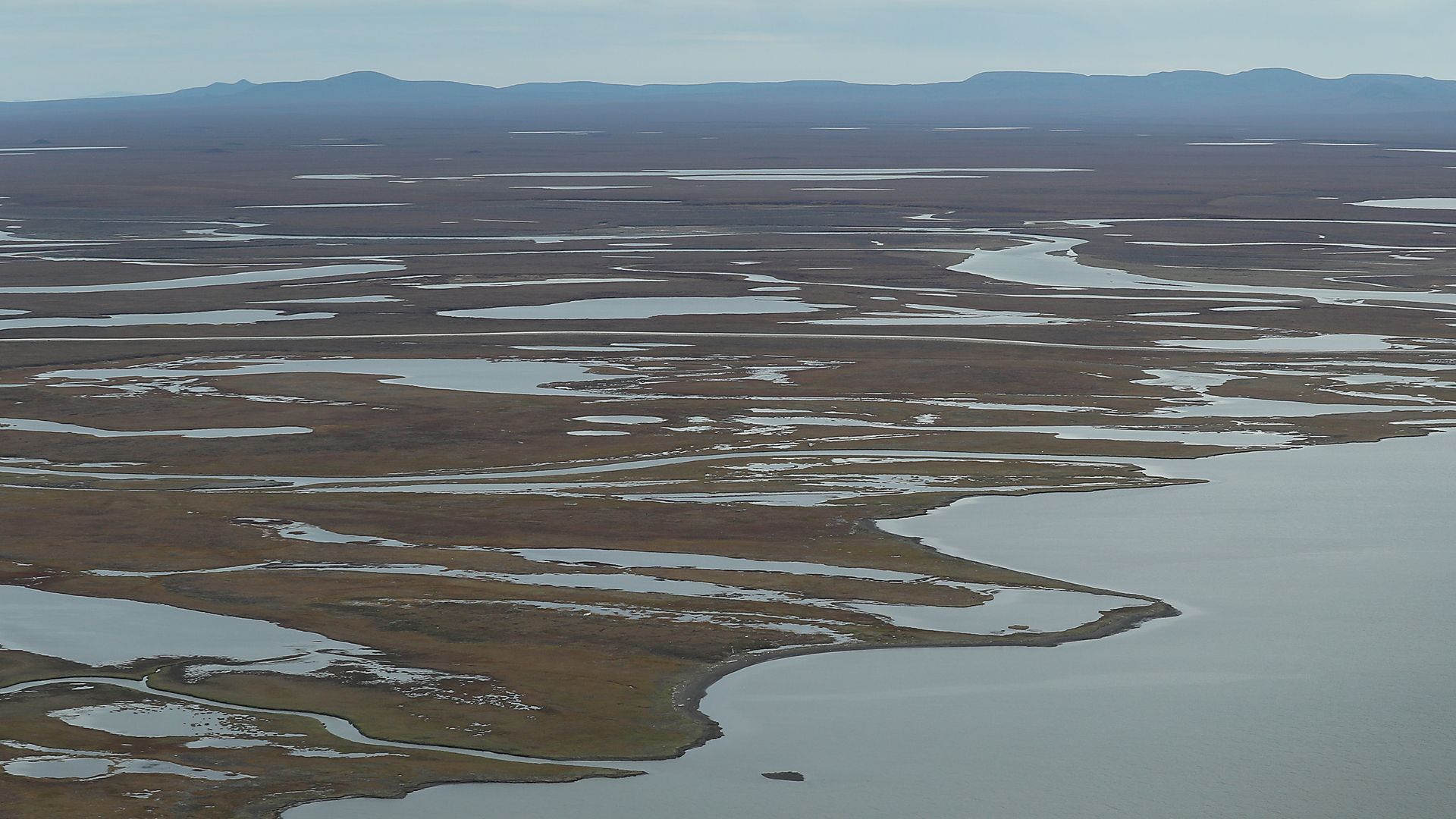
Scientists are partnering with Google's philanthropic arm to create a first of its kind, near-real-time way to monitor thawing permafrost across the Arctic.
Why it matters: The Arctic is warming about three to four times faster than the rest of the world, causing areas of permanently-frozen soil to thaw. This could release huge quantities of planet-warming greenhouse gases.
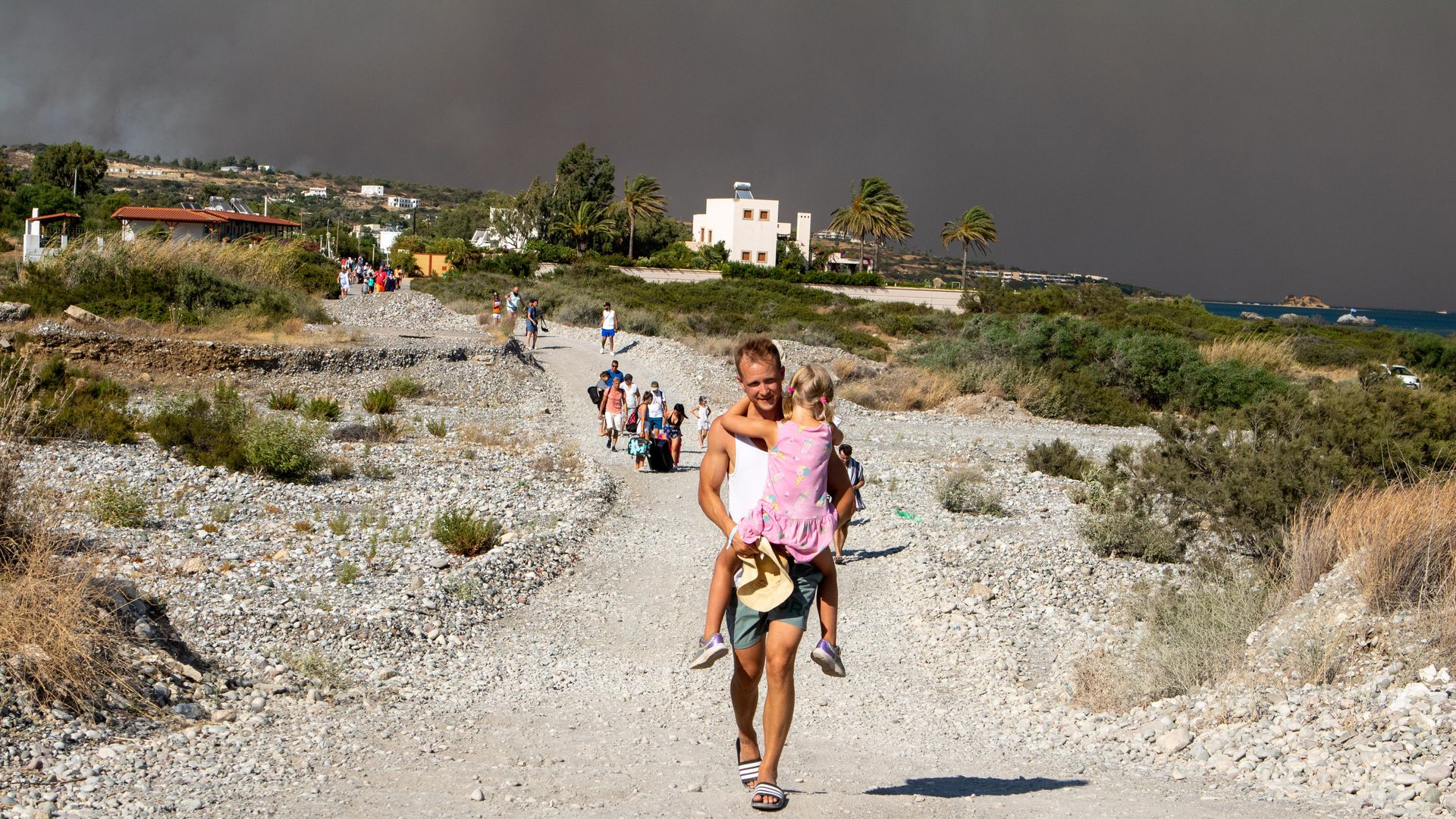
Hot, dangerous conditions that parts of the West, Texas and Florida have endured for weeks will expand across the eastern two-thirds of the U.S. this week — starting in the north-central states and Plains, the National Weather Service warns.
The big picture: Nearly 78 million people were under heat alerts in the U.S. Monday morning, as health officials report a spike in callouts and emergency department visits due to the extreme weather.
The UN's World Meteorological Organization says it's examining potential new temperature records from "intense heatwaves" that are sweeping the southern U.S., parts of Europe, Asia, the Middle East and North Africa.
Driving the news: "Climate change and temperature increase has spurred a surge in reports of record weather and climate extremes, especially for heat," per a WMO statement. The WMO warns the extreme heat is intensifying in some places and may last into August.