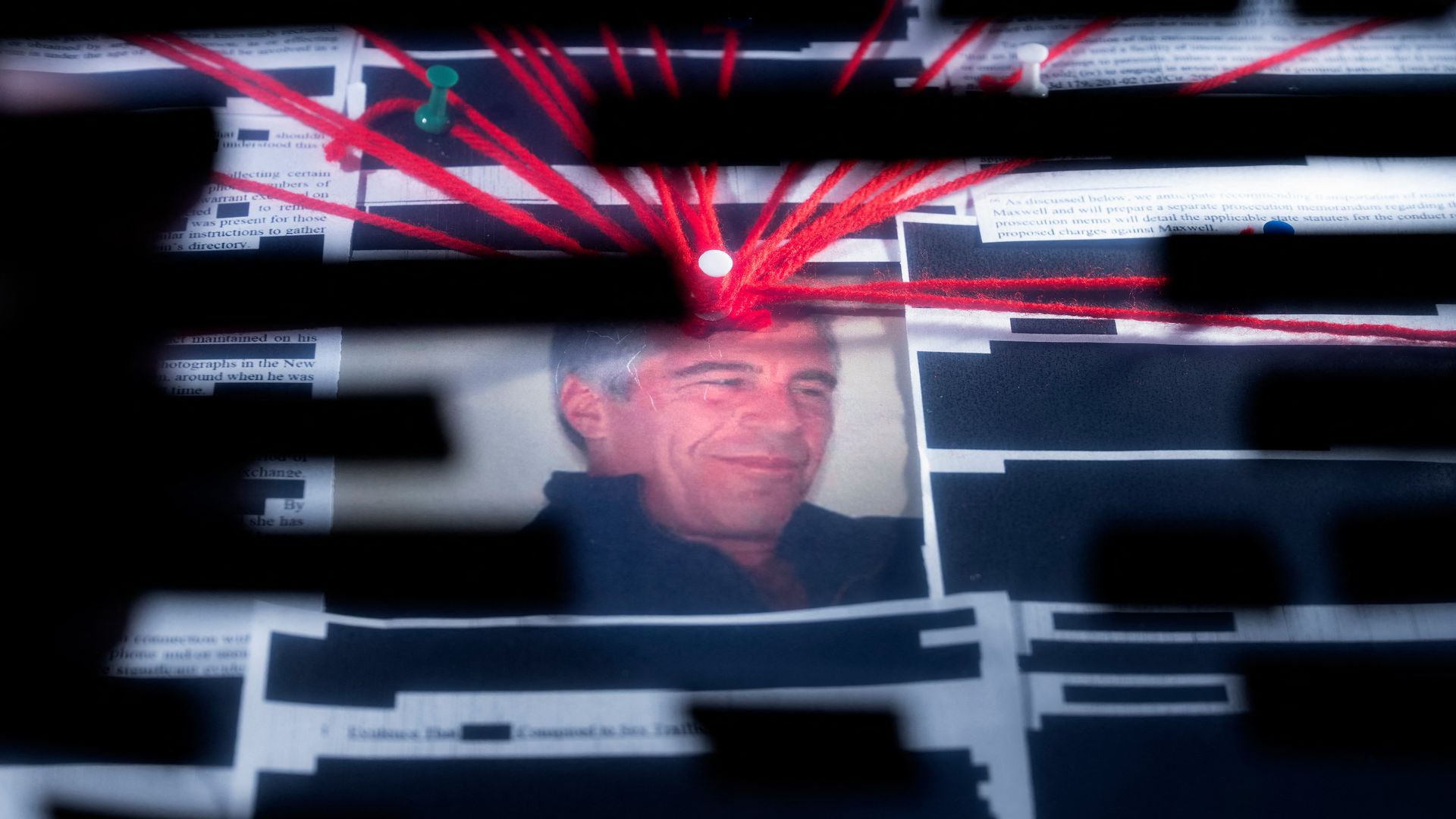
More than six months after the public release of millions of files related to Jeffrey Epstein, new political, legal and institutional developments have reignited scrutiny of the case.
The big picture: Comments from public figures, including Vice President JD Vance and Warren Buffett, criticism from Epstein's survivors and ongoing legal developments are putting the Epstein files back in the spotlight.
President Trump's top political advisers inside and outside of the White House are meeting Tuesday afternoon to review polling, their messaging and strategy ahead of the Nov. 3 midterms.
Why it matters: Trump's super PAC and the Republican National Committee are sitting on about $530 million, and now his team is figuring out how, when and where to deploy it.
That doesn't include what insiders say is hundreds of millions of dollars more in Trump's dark-money political nonprofit, Securing American Greatness.
Zoom in: The meeting at the Four Seasons hotel in D.C. is the second of what are becoming regular Trump team conclaves to coordinate the GOP, its candidates and his political operation. Trump won't be there, but these top MAGA shot-callers will be:
Tony Fabrizio, Trump's longtime top pollster, who will give a presentation about the midterm picture.
James Blair, Trump's hands-on political operations chief in charge of executing a midterm plan.
Susie Wiles, White House chief of staff and Trump's longest-serving political adviser.
Chris LaCivita, Trump's former campaign co-manager with Wiles.
Joe Gruters, RNC chair under Trump and a longtime ally of Wiles.
Cabinet officials (except Secretary of State Marco Rubio, who's in Manila on official business).
Zoom out: Republicans acknowledge it will be tough to maintain control of the U.S. House with Trump's poll numbers bottoming out amid rising gas prices and the war in Iran.
But Trump's political operatives say voters are wary of Democrats' progressive overreach, and they think this election will be about who Americans hate more, not who they love.
Republicans also sparked an unprecedented round of mid-decade redistricting that could net the GOP 10 additional House seats, making that chamber easier to defend.
Yes, but: Trump is fighting political gravity. With few exceptions, a president whose party controls both chambers of Congress usually loses control of at least one in a midterm election.
Polls show voters don't believe the economy is in good shape and are blaming Trump.
"Voters feel that Trump's economic policies have made things worse — because they have," John Anzalone, a top Democratic pollster who also surveys for the Wall Street Journal, wrote last week on X.
What they're saying: "The Trump tax cuts have saved people real money and the president is keeping Americans safe," said one Trump operative involved in Tuesday's meeting.
"We have the manpower, the message and the money to make that clear."
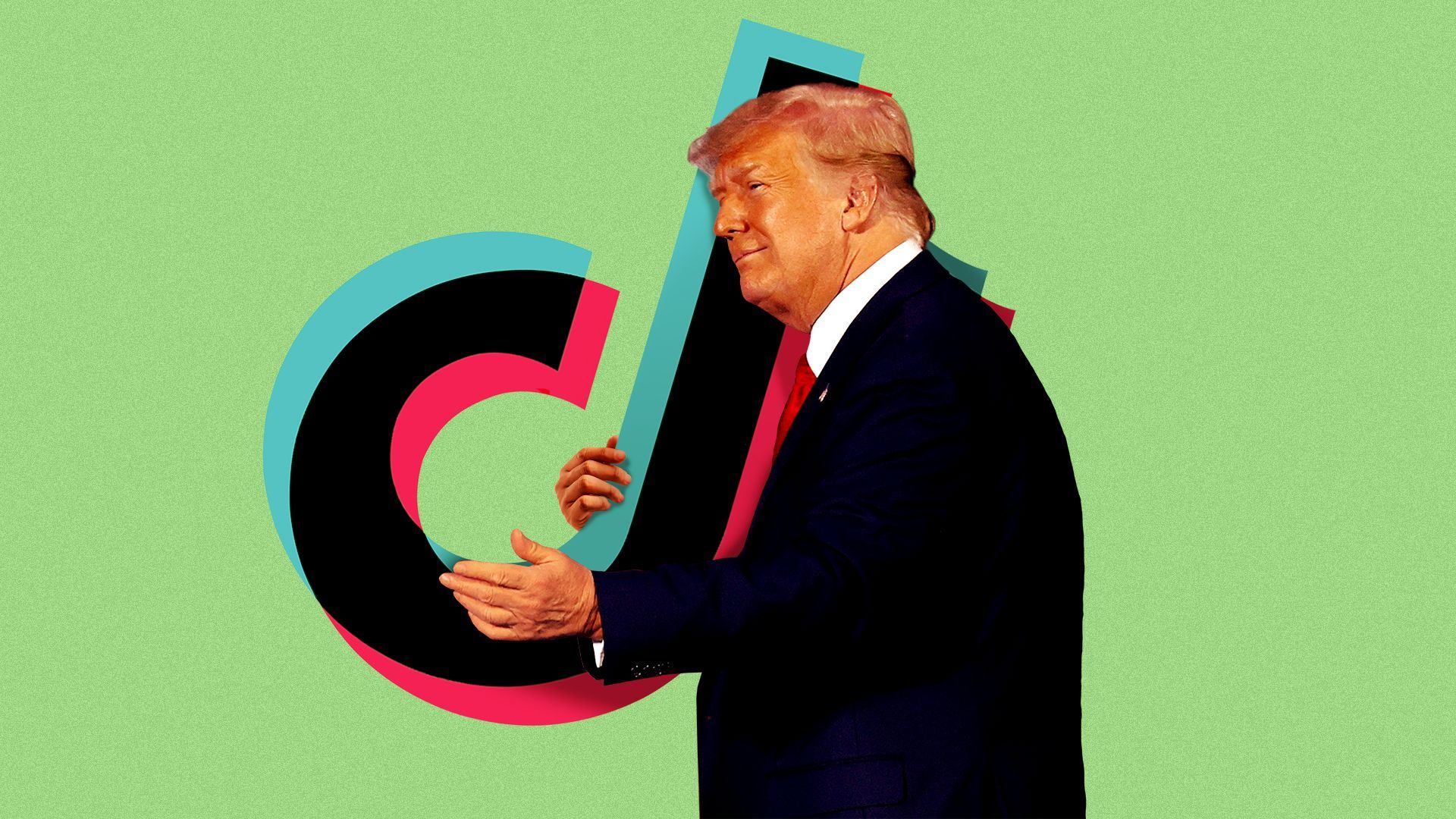
Most of President Trump's Cabinet will launch TikTok accounts Tuesday, a move that comes days after the Justice Department told federal employees it was safe to use the app because of its sale to a U.S.-approved owner.
Why it matters: The move is a striking shift from Trump's first term, when his administration argued that TikTok posed a national security threat because of its ownership by China's ByteDance.
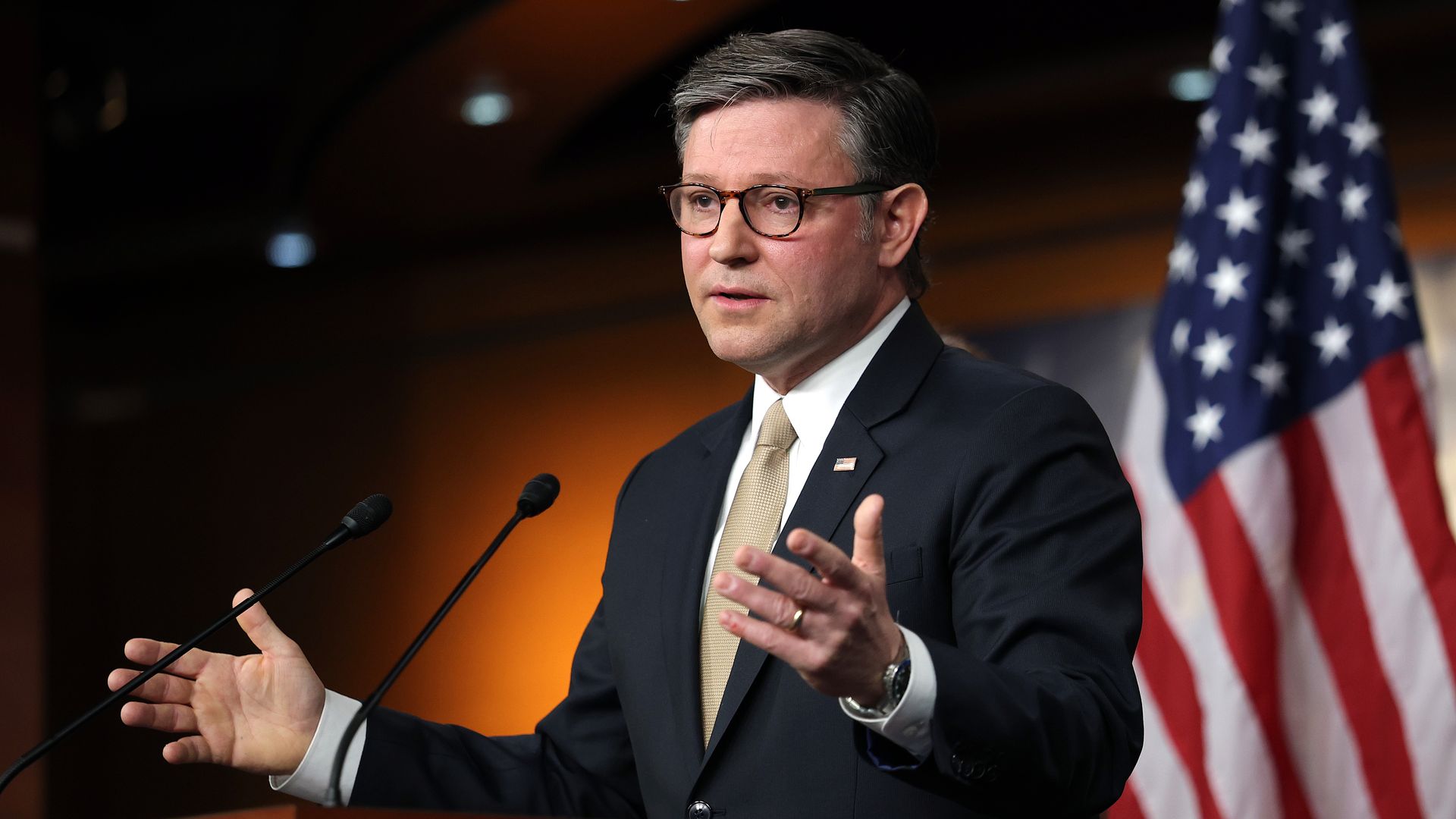
House Speaker Mike Johnson (R-La.) told Axios Tuesday he supports banning members of Congress from having romantic or sexual relationships with Capitol Hill staff, adding momentum to a discussion about tightening House workplace rules.
Why it matters: Congress has been rocked this year by a series of sexual misconduct scandals, prompting bipartisan conversations about reforming how the House deals with sexual harassment and misconduct.
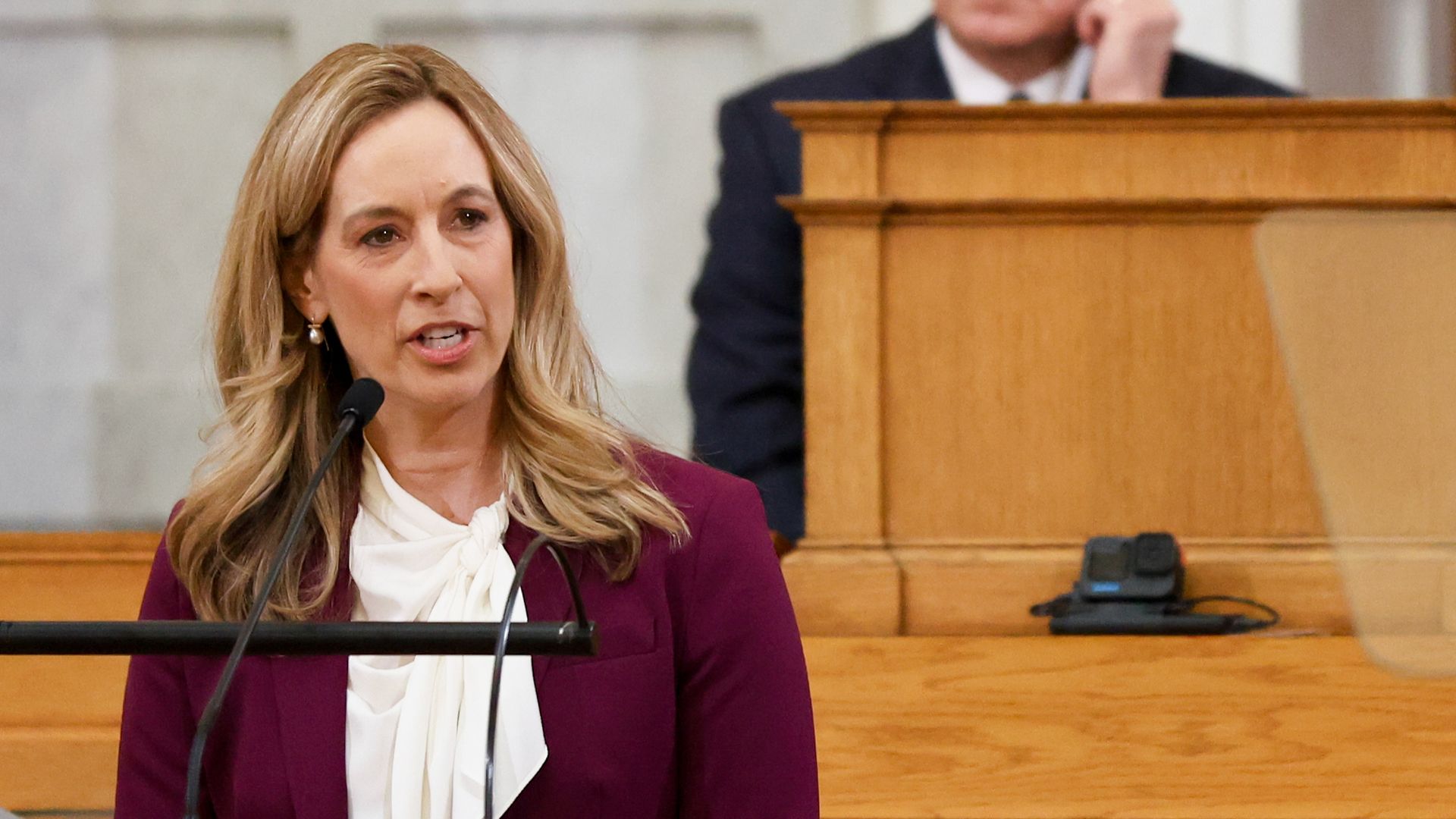
New Jersey Gov. Mikie Sherrill (D) ordered the removal of self-identifiednoncitizens erroneously added to voter rolls after a software error led to some 6,600 people being incorrectly registered.
The big picture: Fewer than 400 people who were registered because of the error actually voted, but the incident could fuel the President Trump's unsupported claims of mass voter fraud that critics say threaten to undermine trust in elections.
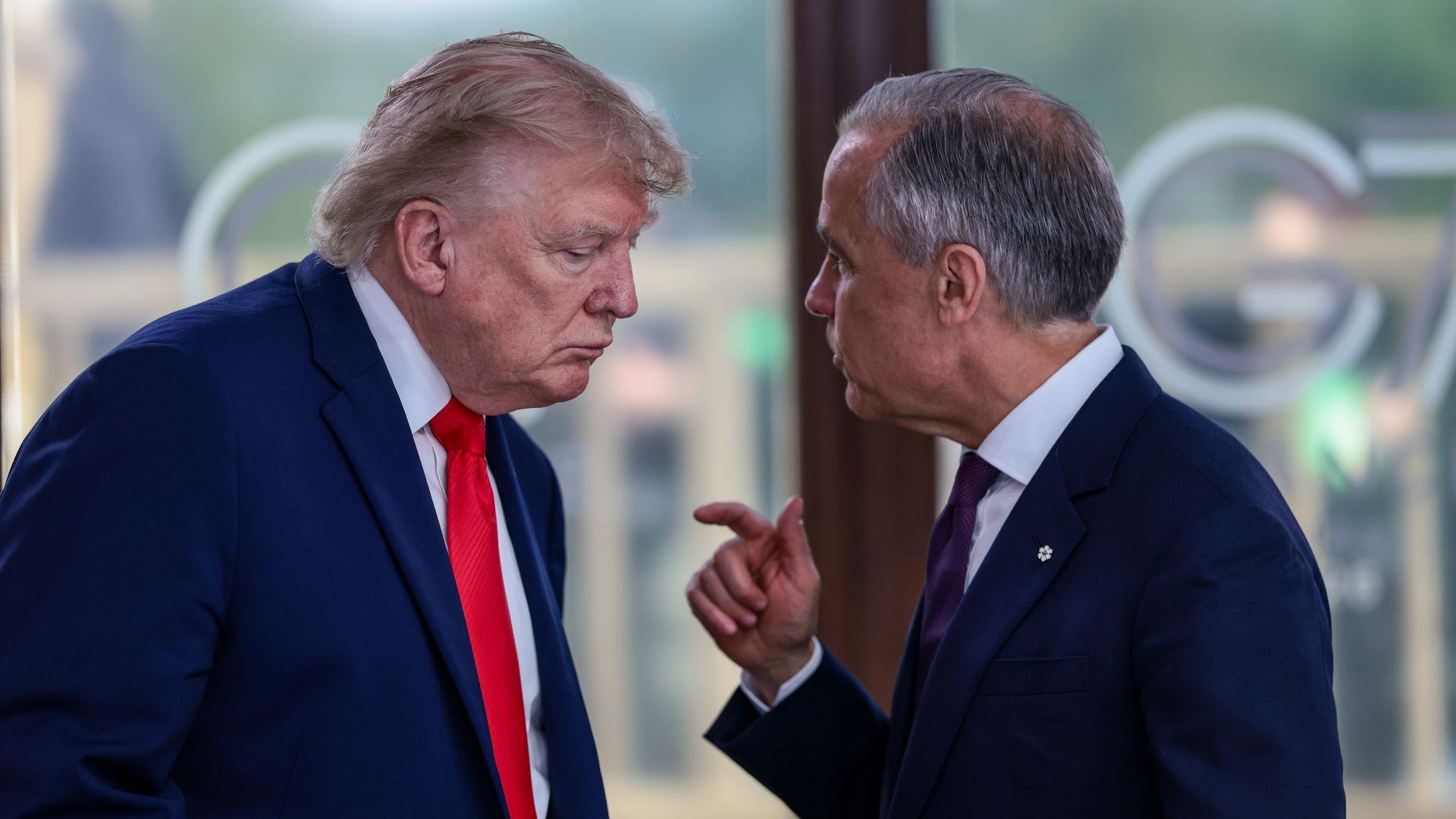
President Trump is invoking an unused provision of the 1930 Smoot-Hawley Tariff Act to impose additional tariffs on Canada over alleged discrimination against U.S. exports.
Why it matters: As the Supreme Court limits Trump's ability to wield tariffs and a temporary tariff stopgap expires, the president is turning to a rarely used tariff authority.
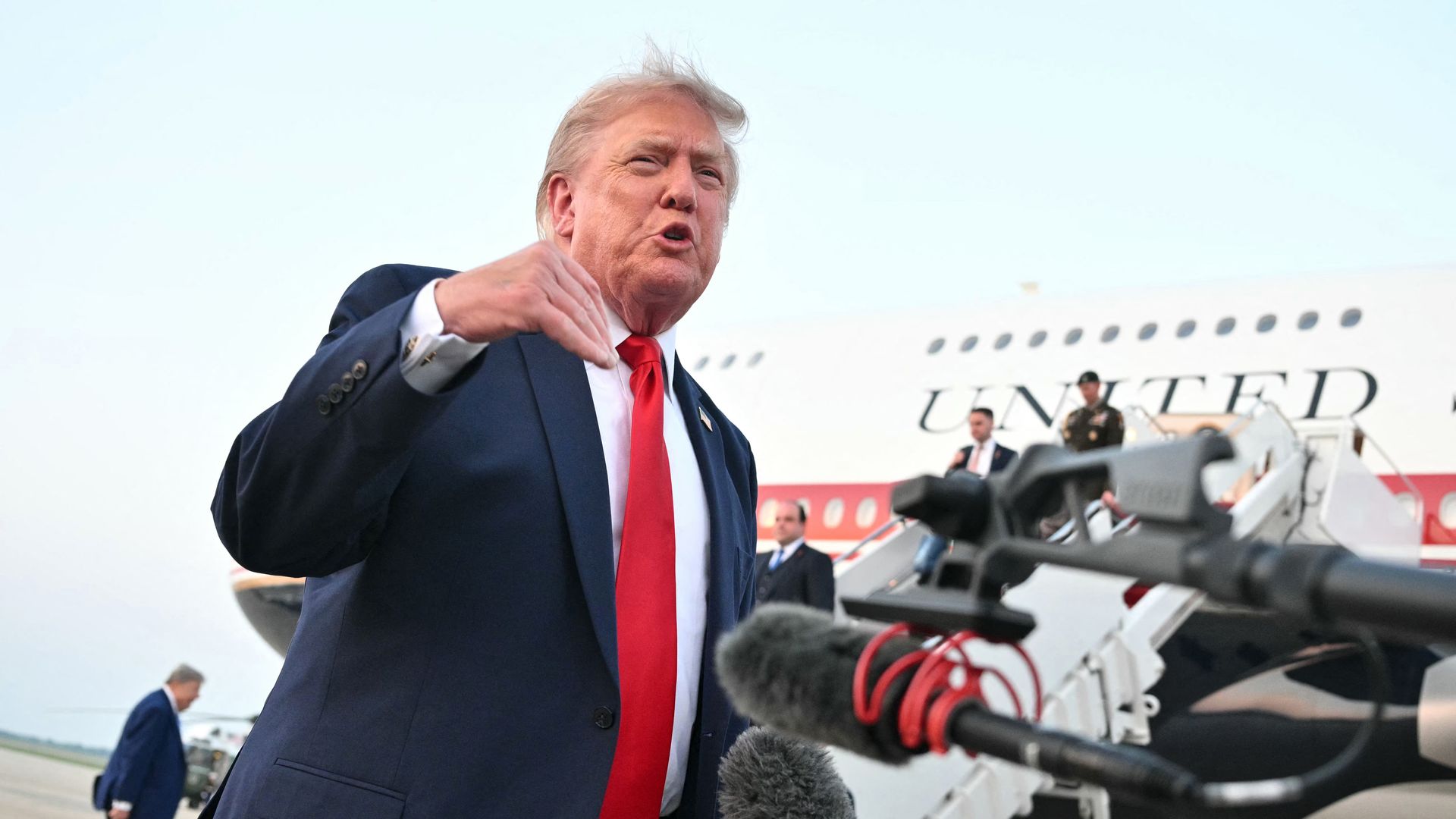
President Trump said Tuesday that the U.S. military will bomb Iran's Pickaxe Mountain, a deep underground site that the U.S. and Israel suspect could be used for nuclear activity.
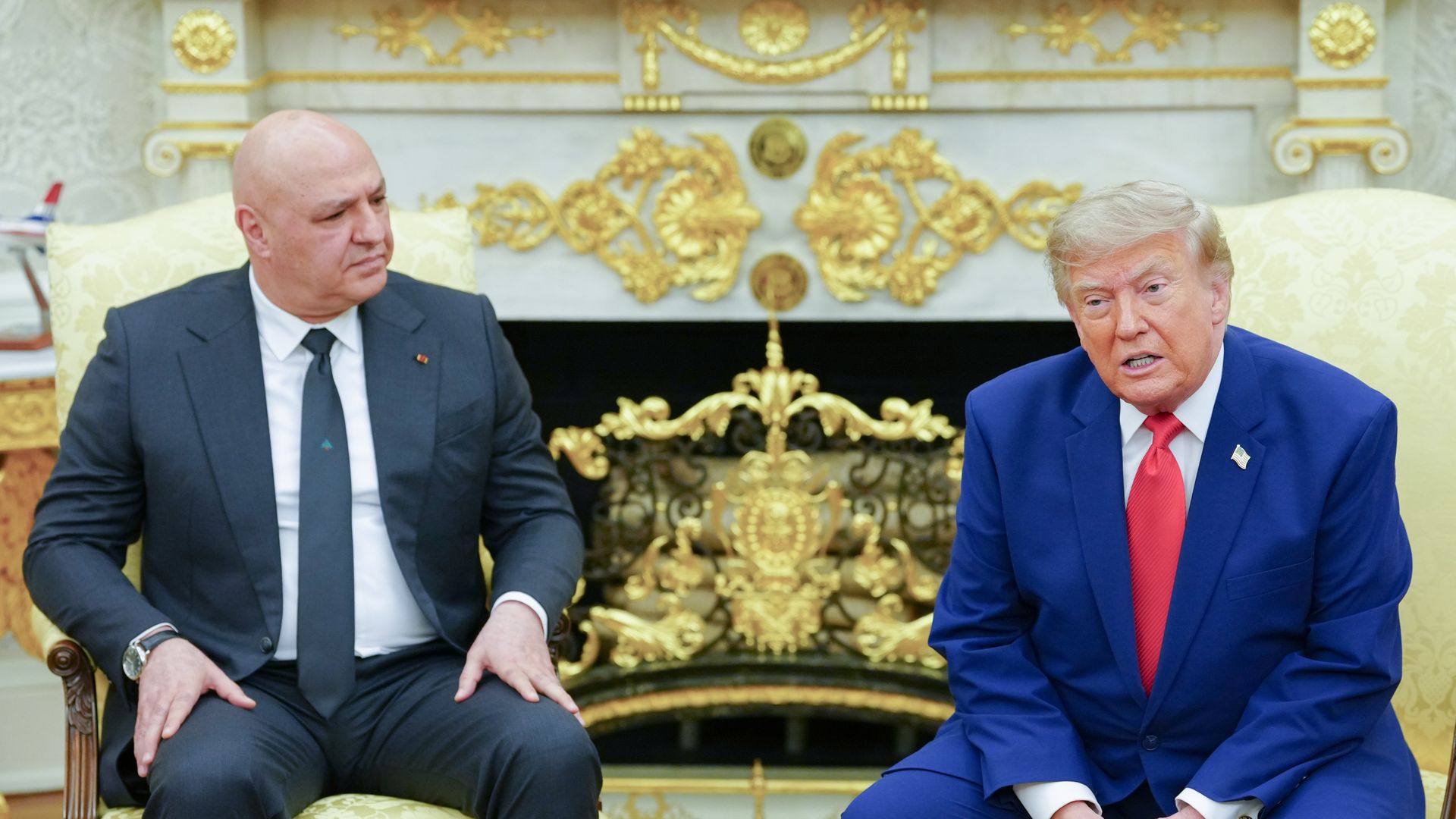
Why it matters: Trump's remarks, at the top of his meeting with the president of Lebanon at the White House, signaled that he is not interested in a ceasefire at the moment and is moving towards escalating the strikes on Iran.
The Trump administration is halting more than $1 billion in federal Medicaid payments to California and Minnesota until the states take more steps to investigate questionable claims, federal health officials said on Tuesday.
Why it matters: The moves continue a series of freezes to blue states' funding as part of the administration's crackdown on fraud.
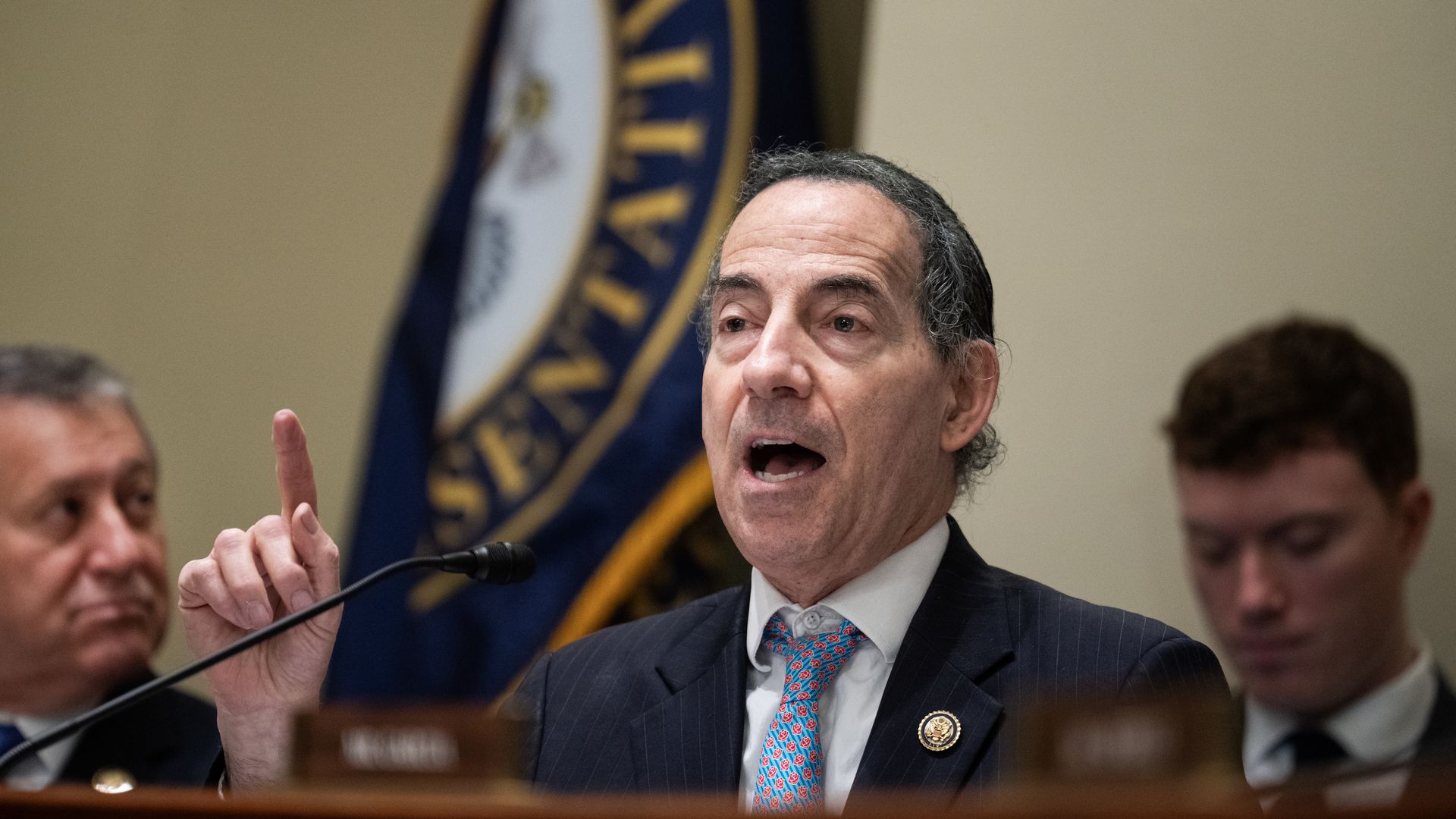
Convicted sex offender Jeffrey Epstein may have acted as an unregistered foreign agent — and tried to leverage his past relationship with President Trump, when doing so, the top Democrat on the House Judiciary Committee alleged in a letter demanding records.
The big picture: Rep. Jamie Raskin's (D-Md.)inquiry previews the types of investigations the party could launch with subpoena power if they retake a chamber this fall.
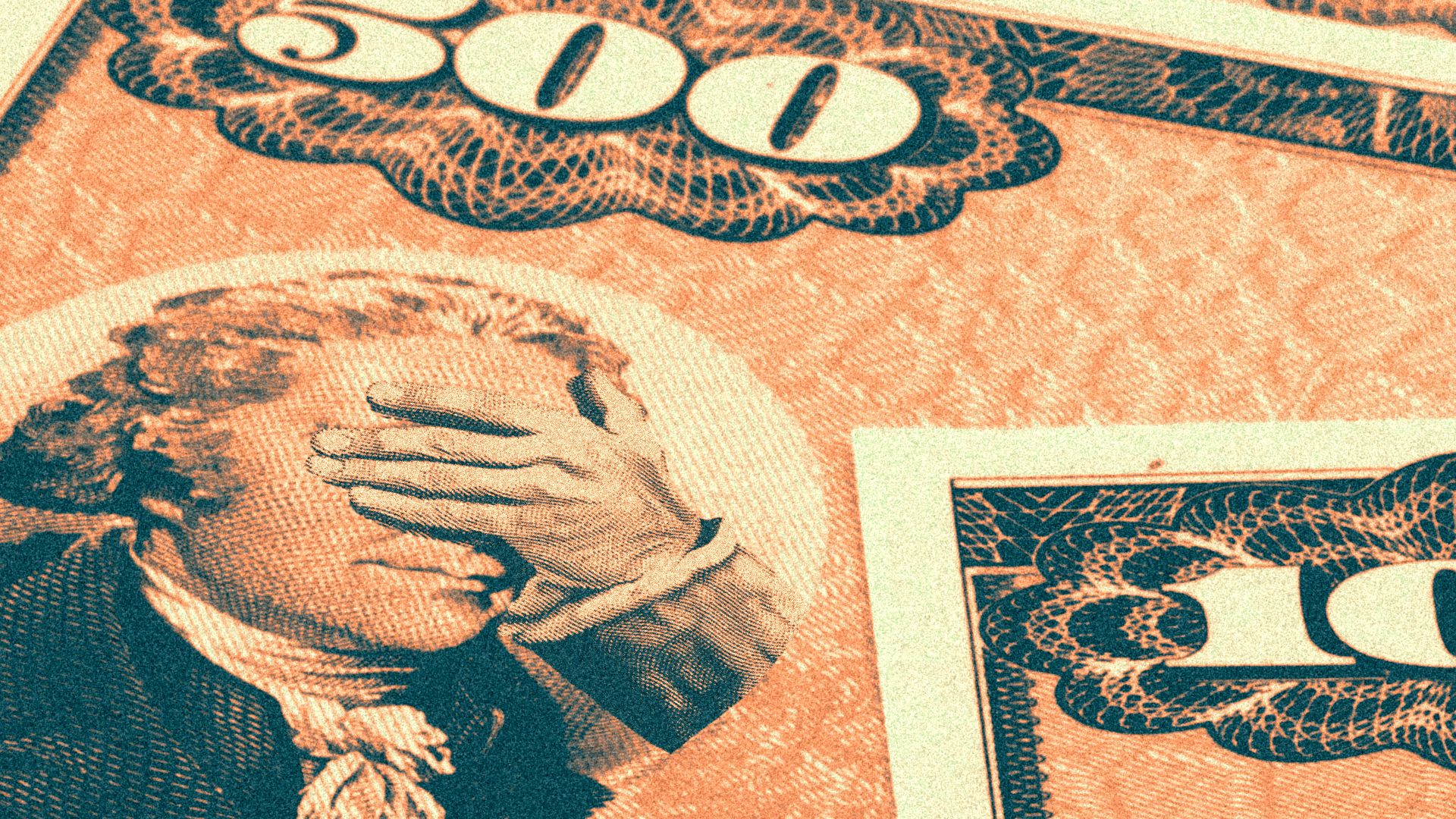
A new way of measuring America's homeownership rate finds that it is far lower than commonly understood, especially for young adults.
Why it matters: Housing is the largest source of wealth for many Americans, and the new measure finds that barely half of adults have access to that piggy bank.
Three months into the Iran war, bond market traders are tuning out President Trump's posts on his personal social media site, Truth Social, analysts say.
Why it matters: Researchers from JPMorgan show that for the most part, his social media posts are noise, with very little ability to move the market.
The Trump administration formally laid the groundwork Monday to weigh immigrants' use of programs like Medicaid and CHIP in determining whether they should get permanent residency.
Why it matters: The policy shift could discourage immigrant families from seeking health coverage if it could put their legal status at risk, public health groups warn.
Lebanese President Joseph Aoun will meet President Trump in the Oval Office on Tuesday — a sit-down that comes as the Israeli military begins its first withdrawal from Lebanon under a U.S.-brokered agreement.
Why it matters: The Trump administration is politically invested in strengthening Aoun, isolating Hezbollah and pushing for an Israeli-Lebanese peace agreement.
A white separatist group is openly planning a network of whites-only settlements across rural America that aim to withstand legal challenges by operating essentially as private clubs.
Why it matters: The communities are launching in the Ozarks, Appalachia and the South as the Trump administration has backed off prosecuting many civil rights cases.
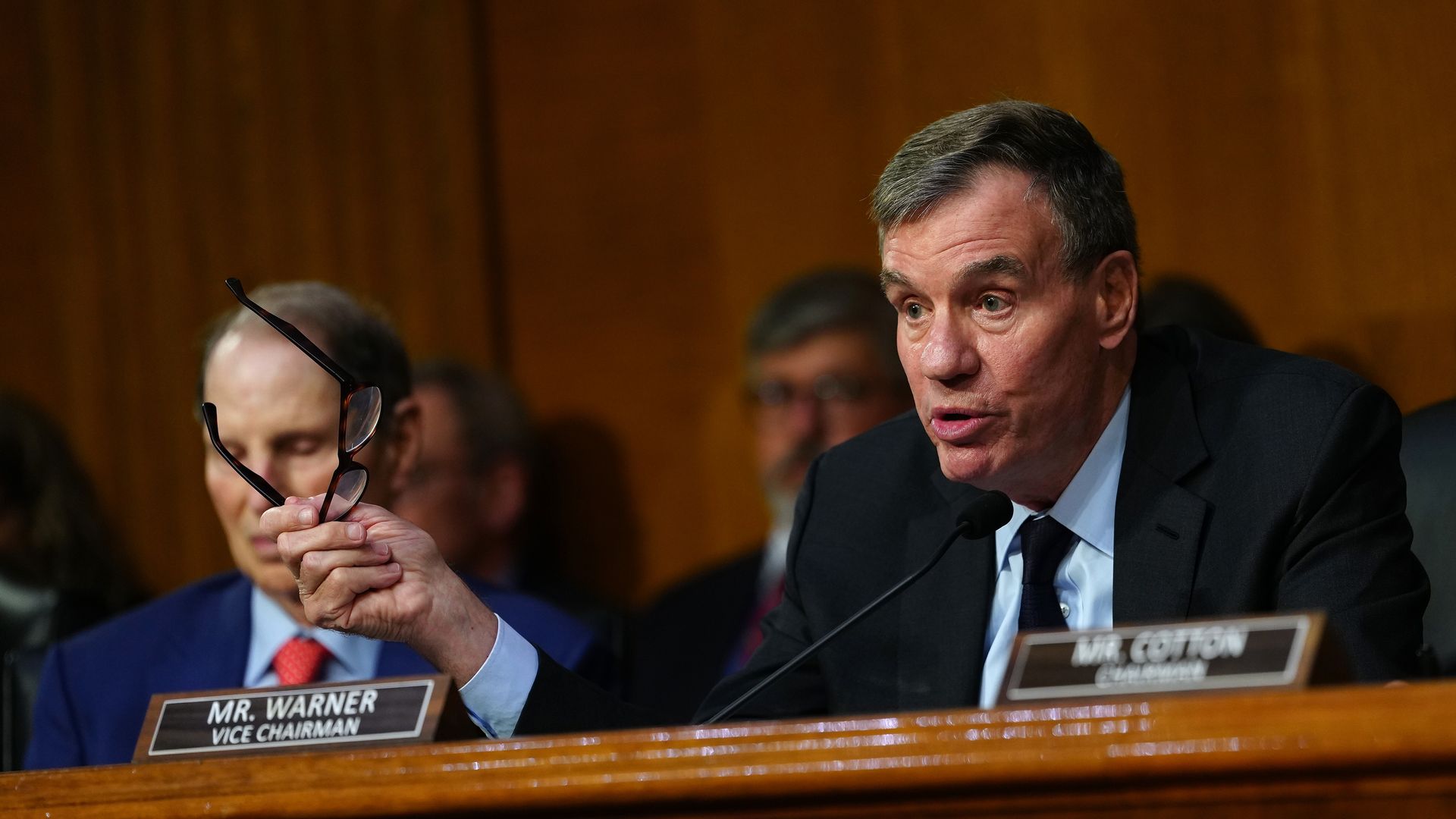
Sen. Mark Warner (D-Va.) on Tuesday will introduce a comprehensive AI legislative framework, seen first by Axios, as the technology takes center stage in his reelection campaign.
Why it matters: Warner's home state ofVirginia is at the heart of AI debates over data centers and jobs, and he has made AI a defining issue of his midterm race.
President Trump is nearing a decisive fork in the Iran war, with U.S. and Israeli officials envisioning only two viable endgames:
Option 1: Pursue a new 10-day ceasefire aimed at reopening the Strait of Hormuz.
Option 2: Launch a massive joint military campaign with Israel to force Tehran's capitulation.
Why it matters: Trump hasn't made a decision yet. Butofficials believe the next few days will determine which path prevails — with little room left for the grinding, open-ended conflict now paralyzing the Gulf.
The Trump administration said Monday that it will impose an additional 50% tariff on certain Canadian goods — including hockey sticks, wine and cement — accusing Canada of discriminating against U.S. exports.
Why it matters: The move ratchets up tensions in an increasingly bitter trade dispute between two of the world's closest economic partners.