How D.C.'s "humanure" became garden gold

Add Axios as your preferred source to
see more of our stories on Google.
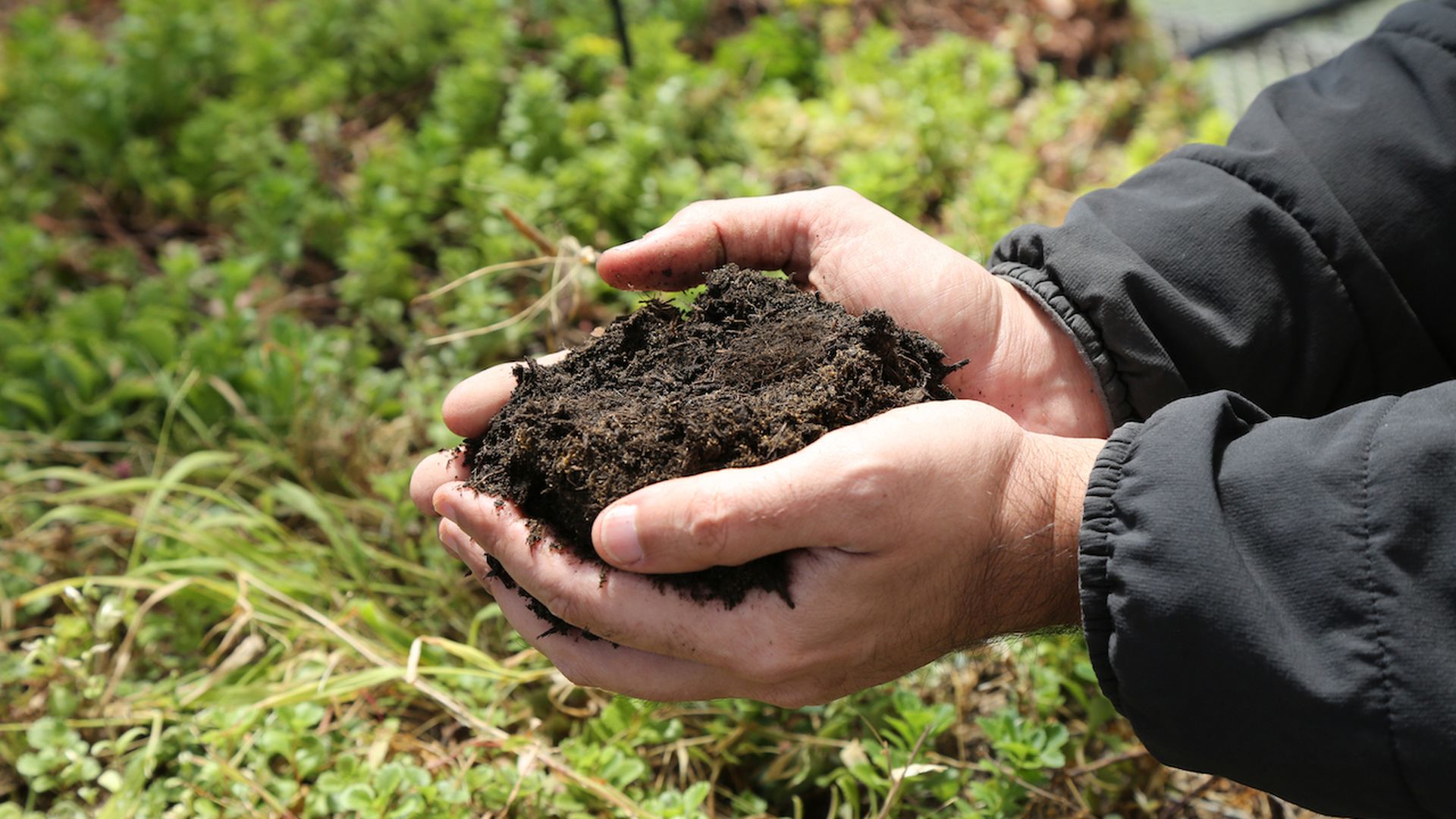
Bloom turns D.C. waste water into fertilizer gold for gardens. Photo: Courtesy of Bloom
Flowers outside the National Cathedral. Tomatoes in community gardens. Lush fairways at Andrews Air Force Base.
- Their secret ingredient? D.C.-made "humanure."
Why it matters: A decade after launching Bloom — a compost alternative made from treated wastewater — DC Water has turned #2 into a #1 business.
The big picture: Many cities pay to haul treated biosolids away. D.C. transforms them into fertilizer it sells throughout the region, generating millions in savings and drastically cutting carbon emissions.
- The product was inspired by Milwaukee's "Milorganite," now celebrating 100 years of business.
- "Our mantra is there's no such thing as waste — only wasted resources," engineer Chris Peot, DC Water's director of resource recovery, tells Axios.
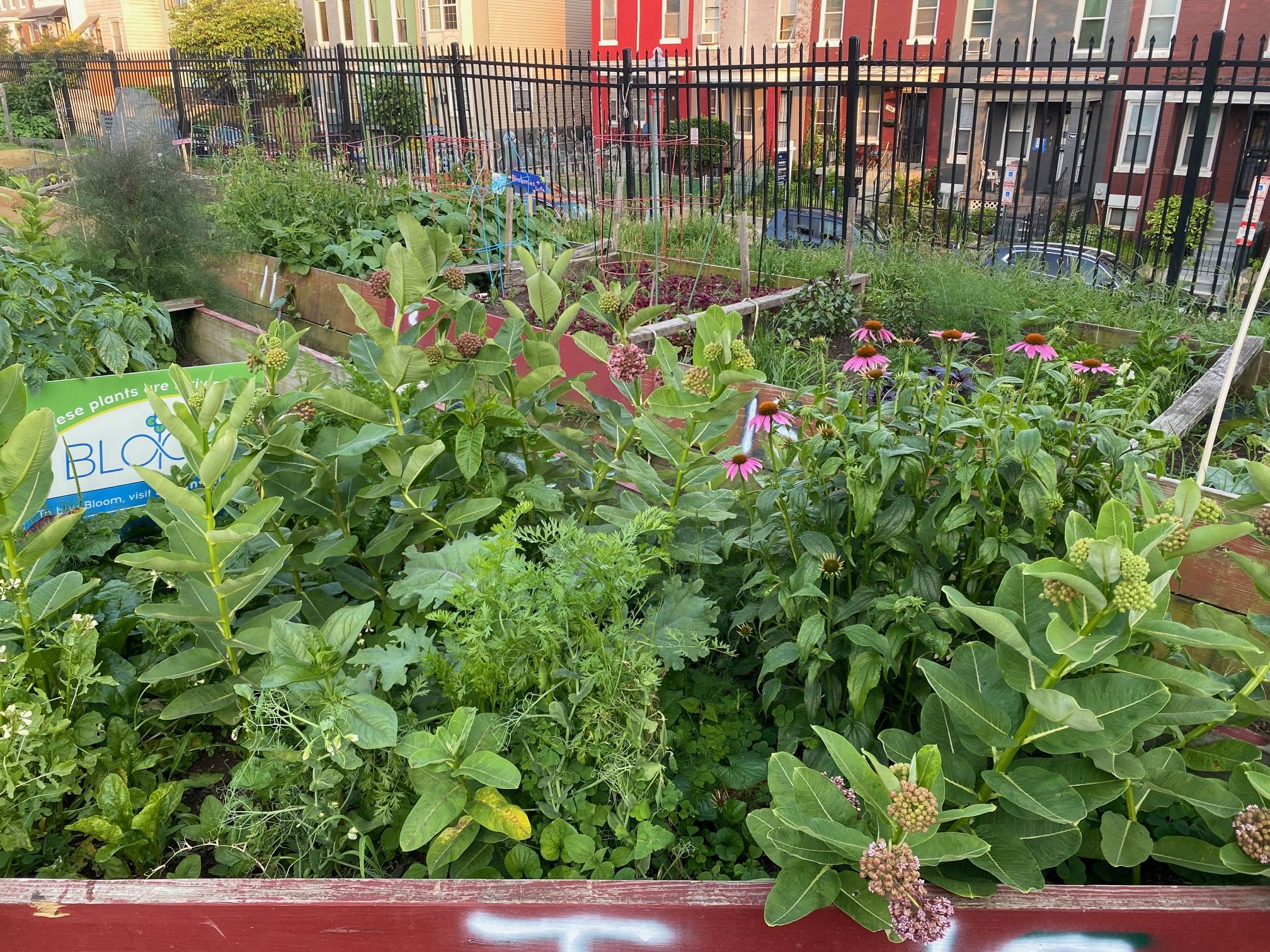
The intrigue: Bloom has quietly become part of Washington's landscape. Customers include Mount Olivet Cemetery, Catholic University, the Franciscan Monastery and countless community gardens, lawns, schools and golf courses in the region.
- The fertilizer has also been used on major public projects, including landscaping around the Frederick Douglass Memorial Bridge.
- The public can purchase it at garden centers across the DMV like Meadows Farms.
By the numbers: Bloom has generated $13.6 million in revenue and avoided costs since 2016.
- Nearly 400,000 tons have been sold across D.C., Maryland, Virginia and Pennsylvania.
- The program reduces DC Water's carbon footprint by roughly 50,000 metric tons of CO₂ emissions each year — about the same climate impact as taking over 11,700 gas-powered cars off the road annually.
Zoom out: It was a big investment. The digesters behind Bloom cost nearly $400 million, and officials originally expected they'd take nearly 20 years to pay off.
- They're now on pace to do it in roughly 12 years — unusually fast for a public infrastructure project, Peot says.
Friction point: Selling human-made fertilizer wasn't an easy pitch.
- "We're all pre-programmed to be afraid of our own waste," Peot says.
- The Bloom team relies on the science — a thermal hydrolysis process that eliminates pathogens and unpleasant odors to create a safe, organic product — and a little showmanship.
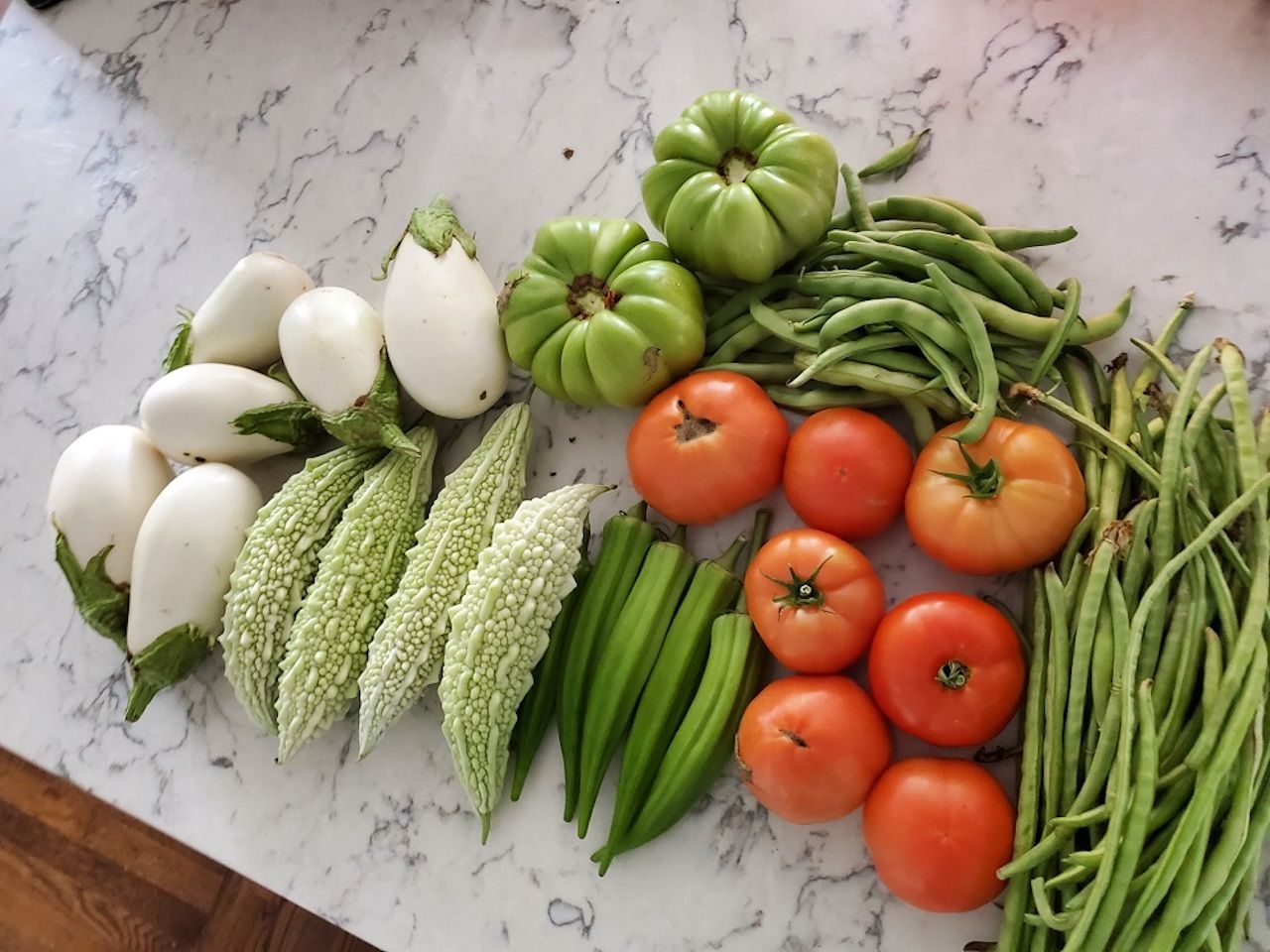
🍅 Peot uses Bloom to fuel his own garden and often brings bowls of Bloom-grown tomatoes to meetings to prove a point.
- "I feed them to my family, and I wouldn't do anything to harm my family," he says.
Between the lines: The fertilizer's biggest selling point may simply be that it works.
- Independent researchers have found Bloom can improve soil health and help crops withstand drought by returning organic matter and naturally occurring plant hormones to depleted soils.
- As one landscaper put it: "Bloom could bleeping grow grass on a bowling ball."
Plus: Bloom says it's more affordable for direct customers in bulk than store-bought alternatives.
- A single cubic yard of their Woody Blend sold direct to the homeowner is about $25, but it goes for more than twice that from independent retailers.
What's next: Bloom is in the process of buying a farm — paid for by yearly increasing sales — to use as a distribution hub and research site, as well as for educational opportunities.
- Peot says wastewater utilities from other major cities visit regularly in hopes of emulating D.C.'s system, but it's not cheap or easy. "You can't just open your doors and say, 'Come on in and buy our human waste.'"
- Their ultimate goal: Bloom stocked beside national fertilizer brands at stores like Home Depot.
The bottom line: Bloom may be D.C.'s "greatest recycling story never told," Bloom senior director April Thompson tells Axios.
- Turns out "we're all passively contributing."
